
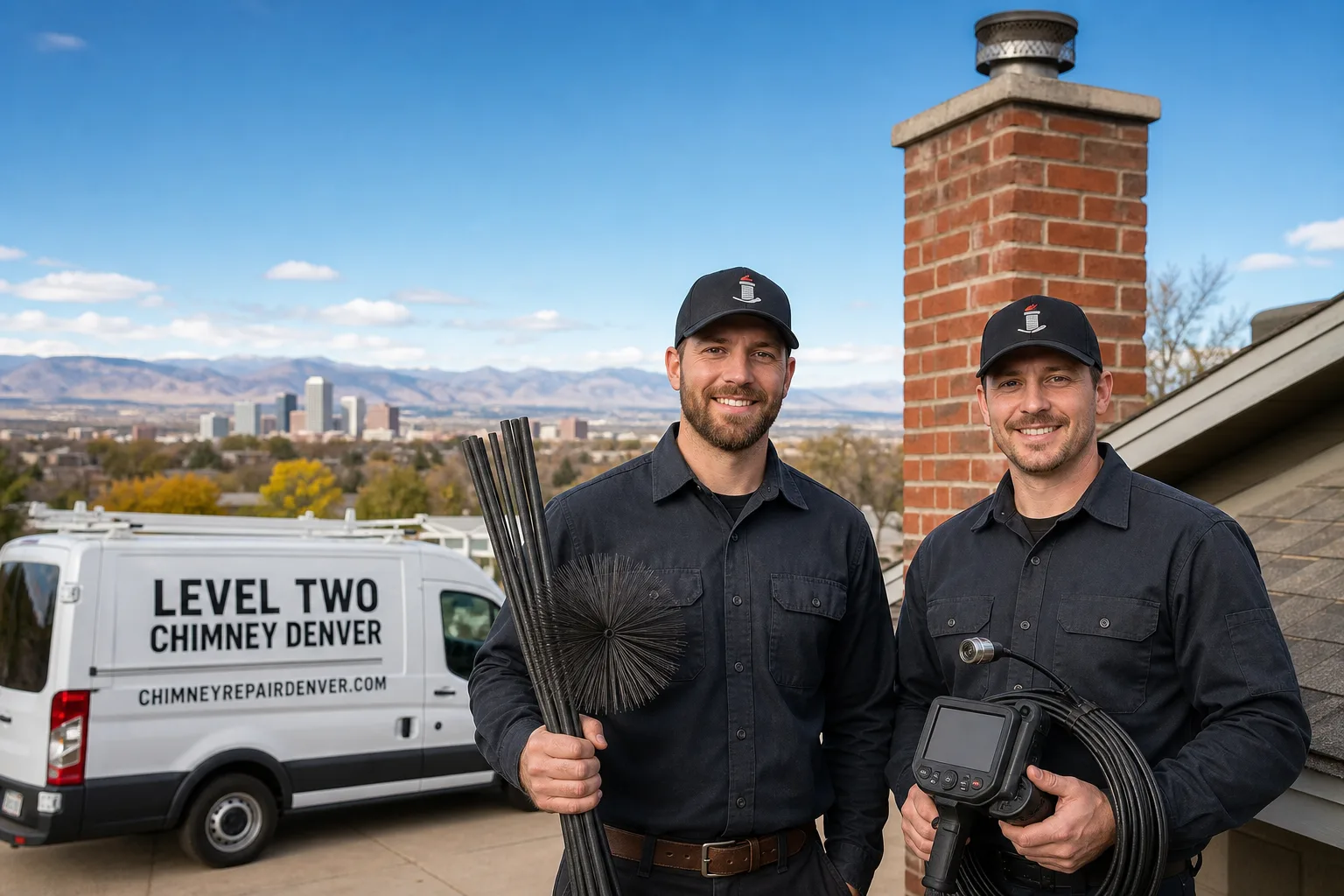
Level 1 sweep and inspection to the NFPA 211 annual standard - flue, crown, cap, and flashing checked and photographed
Chimney sweep logs do not sweep chimneys. They loosen some creosote - which then falls where a brush and vacuum still have to collect it.
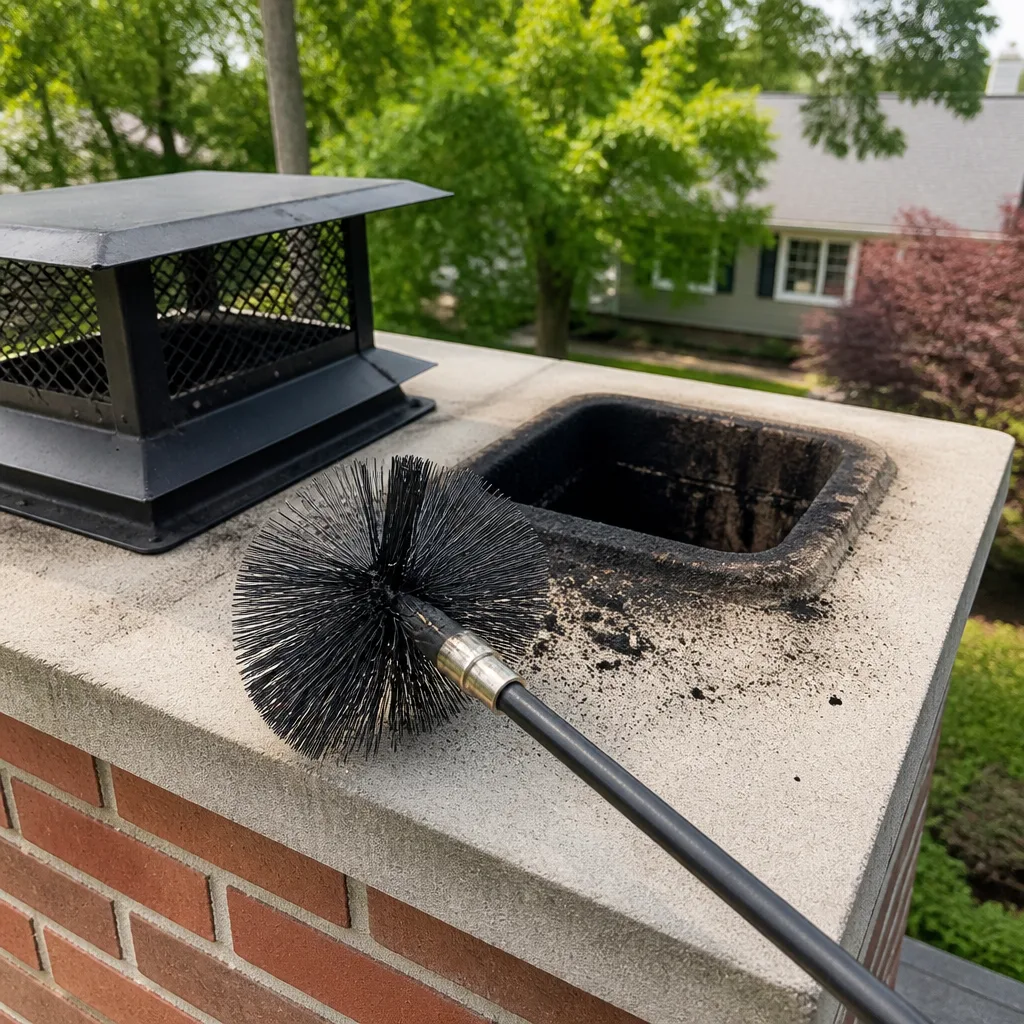
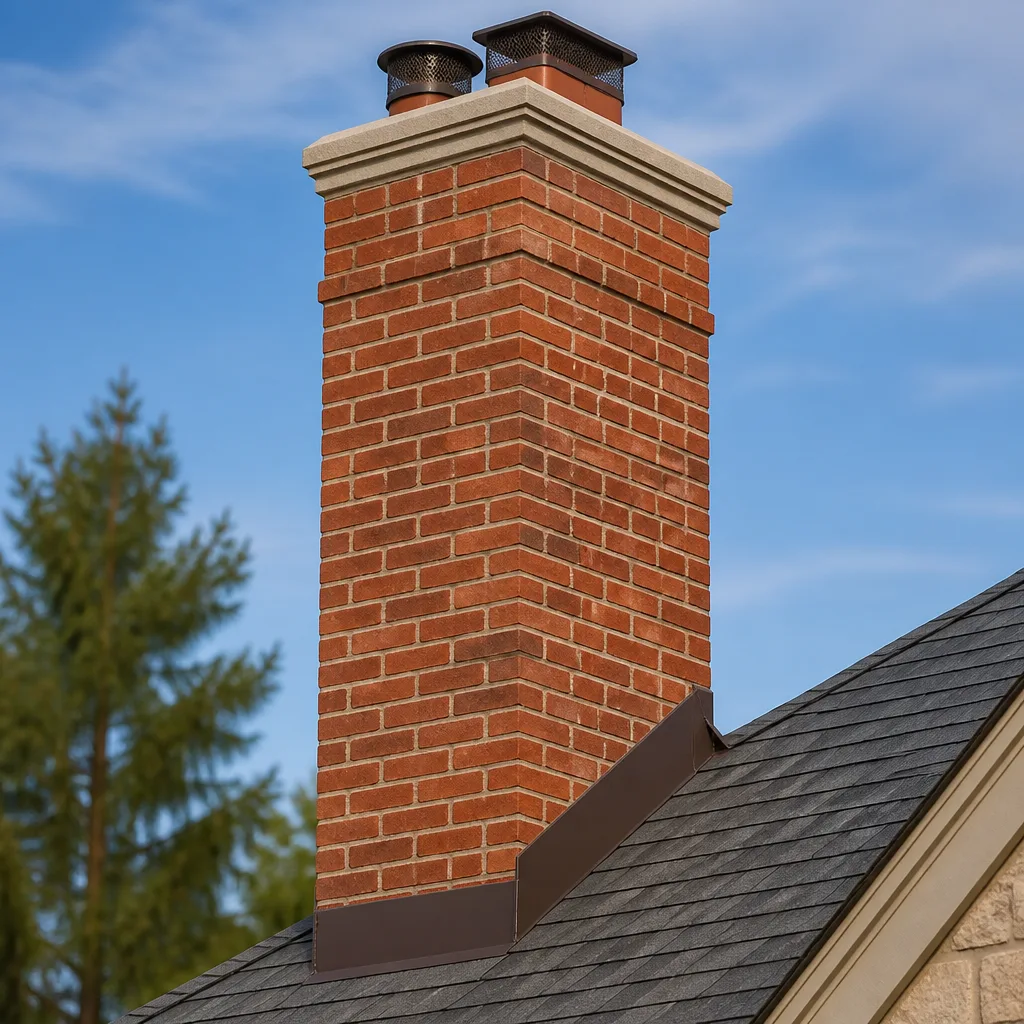
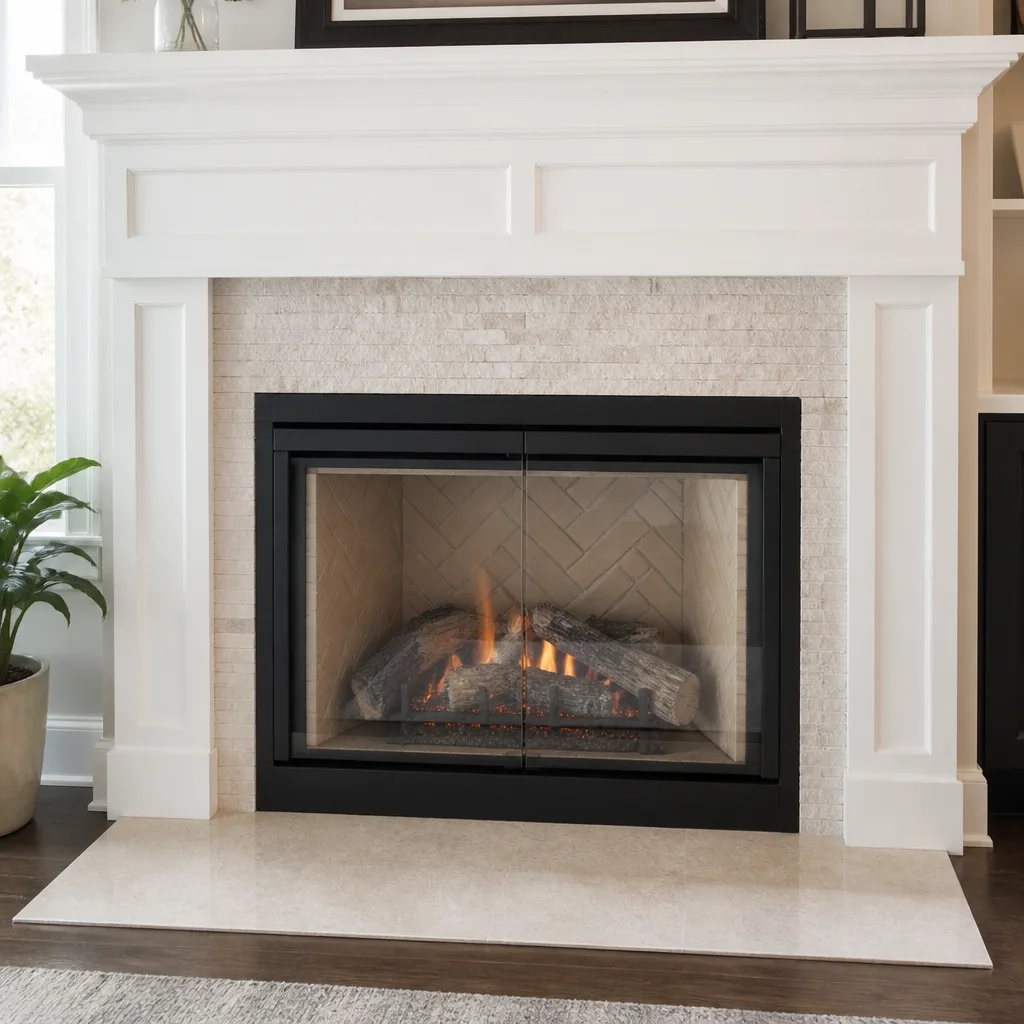
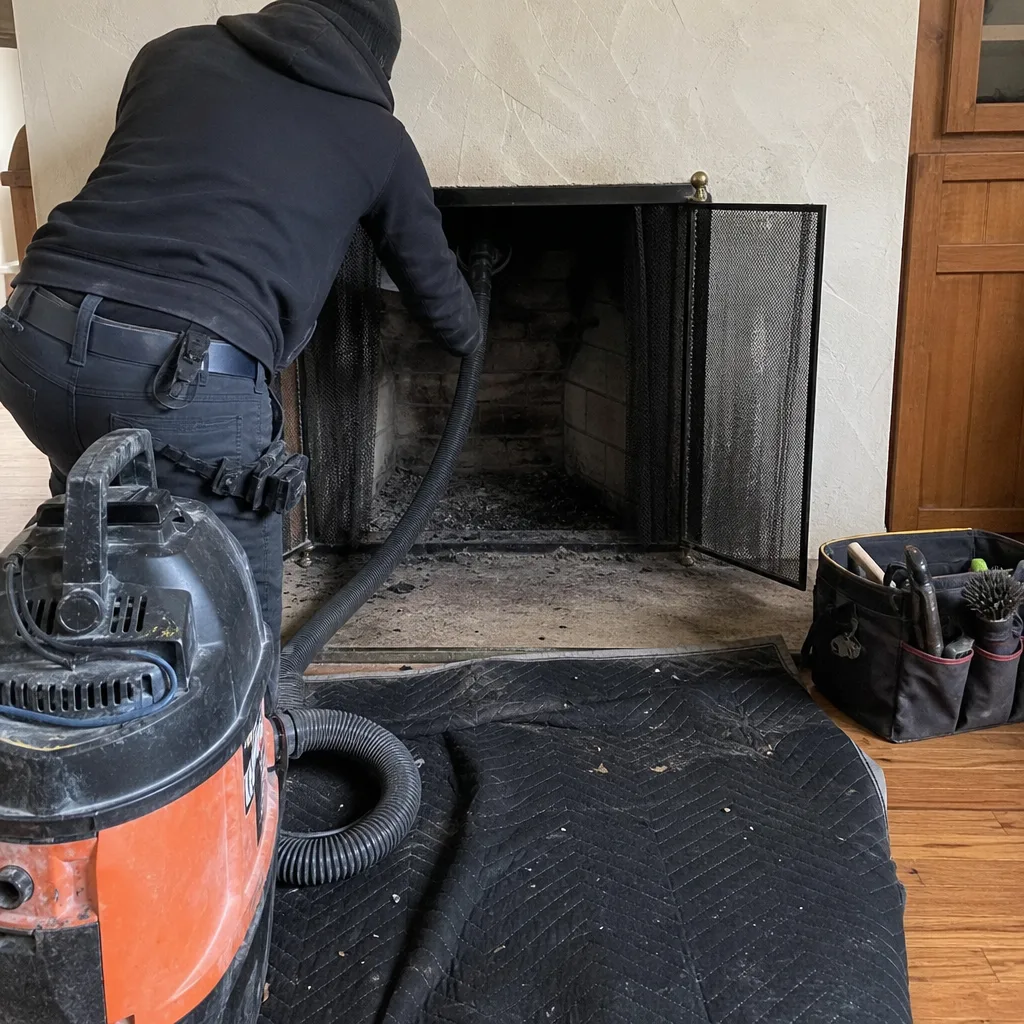 Before
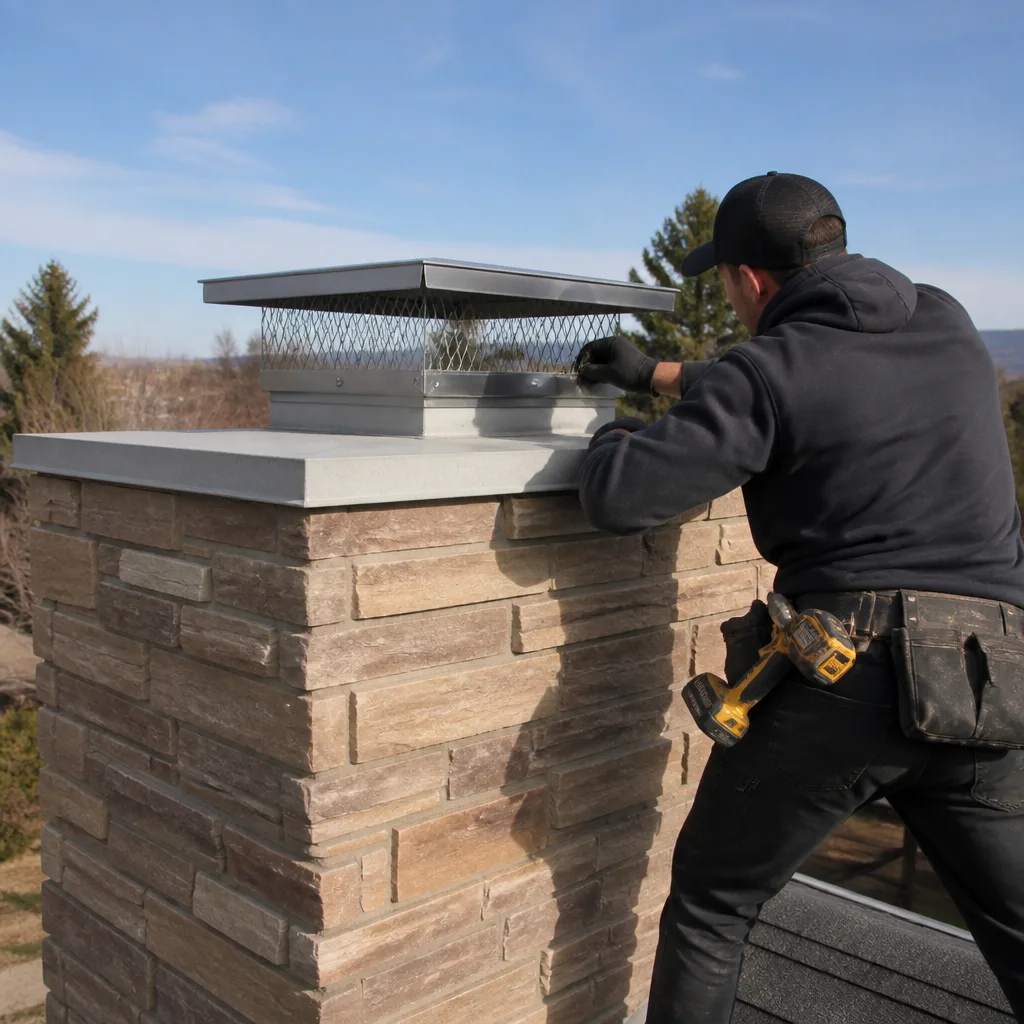 After
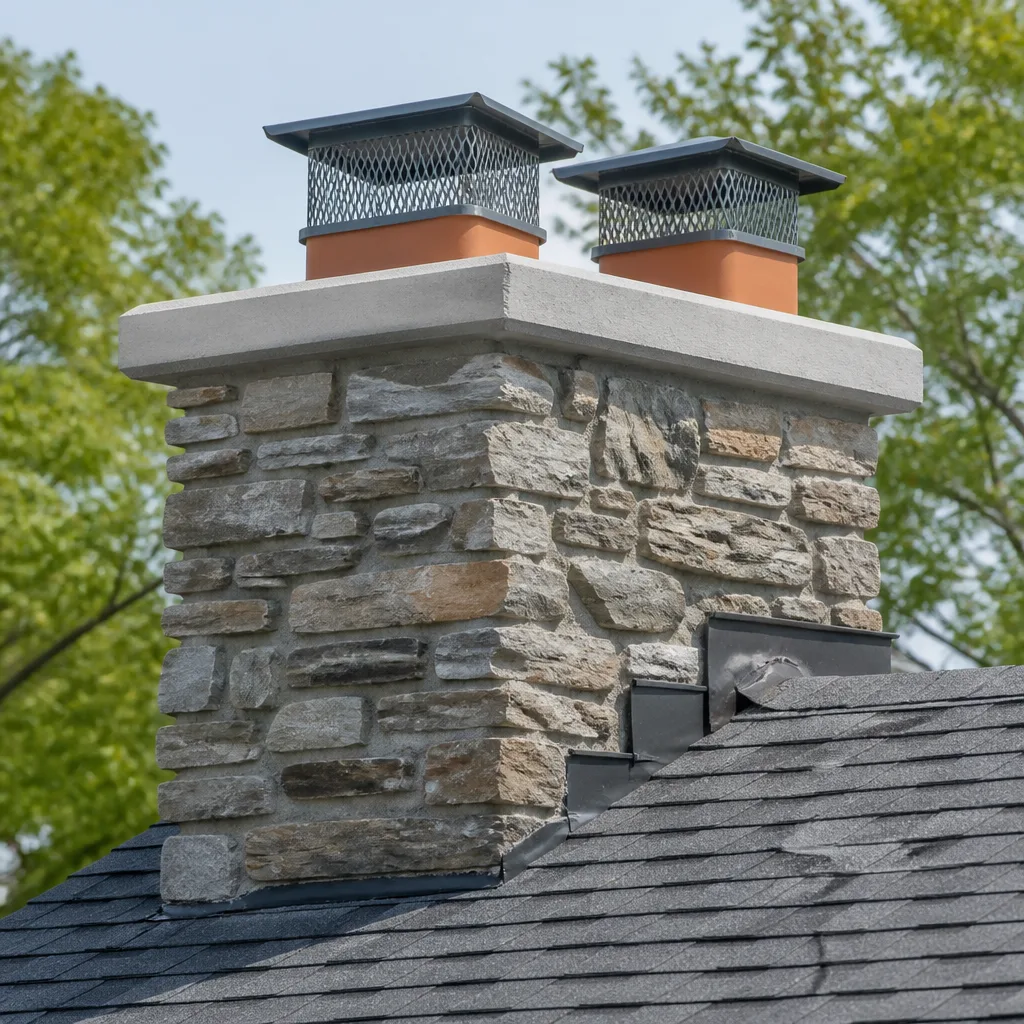
After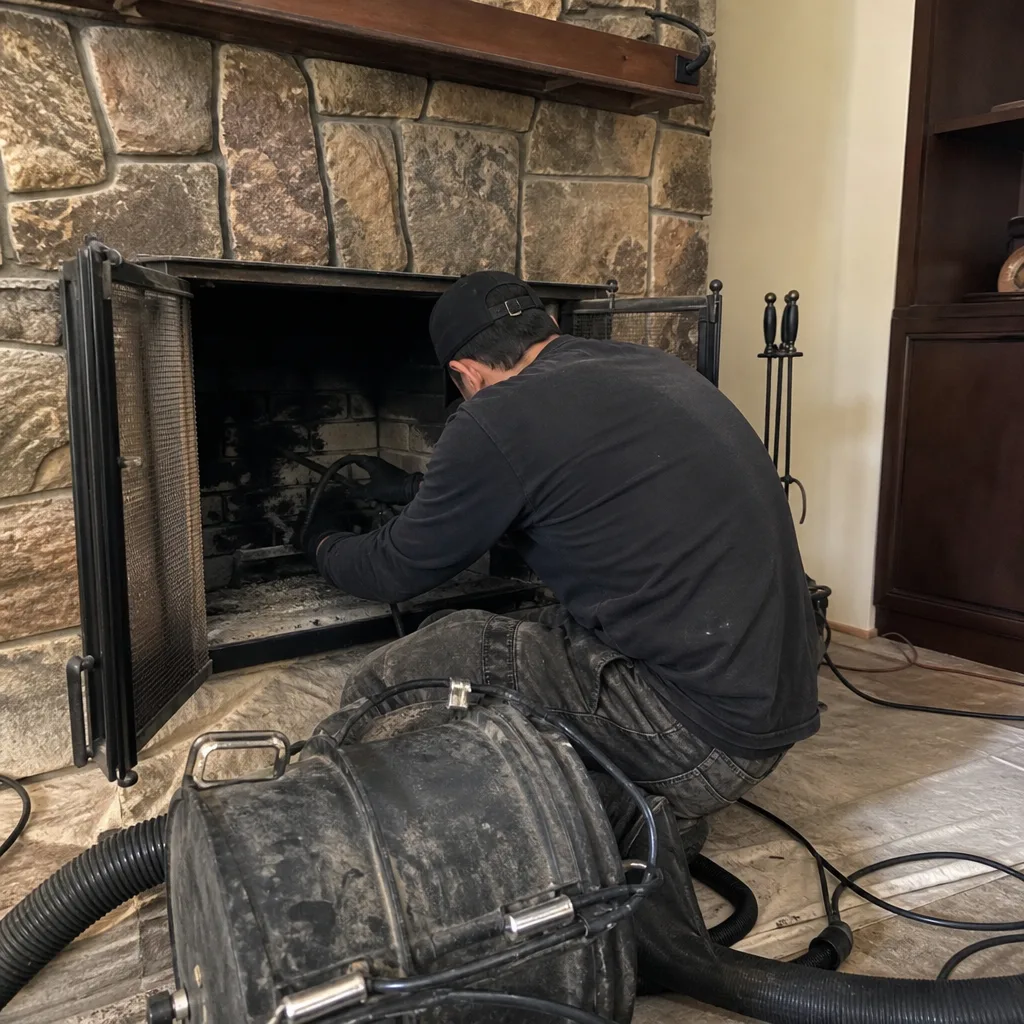 Before
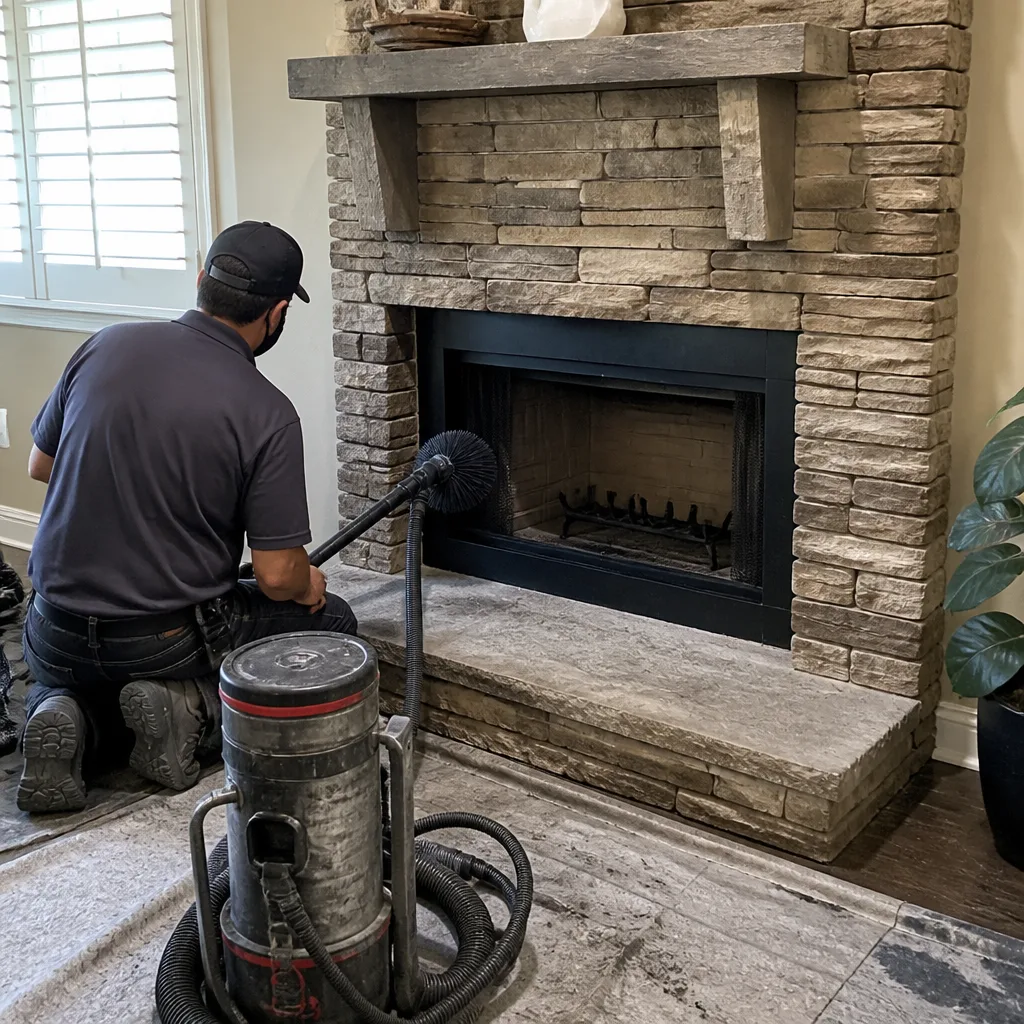 After
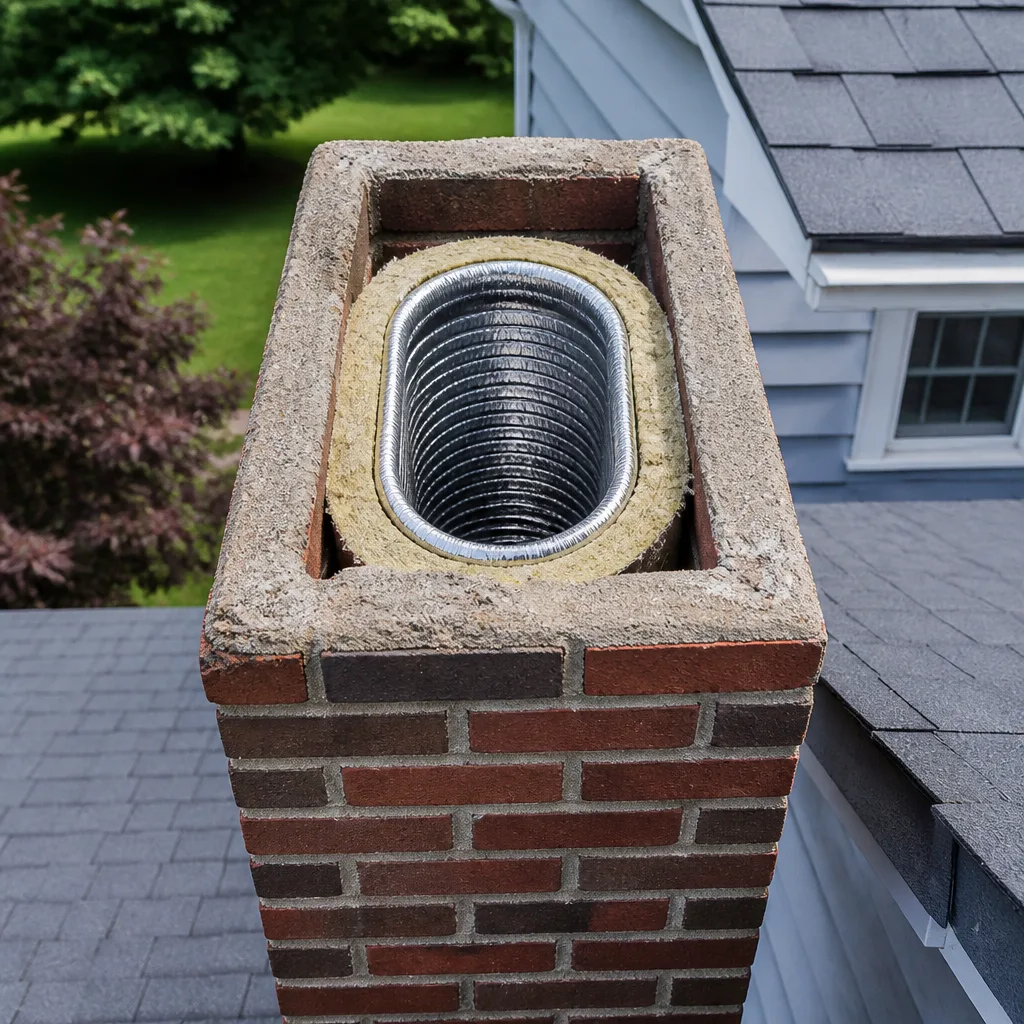
After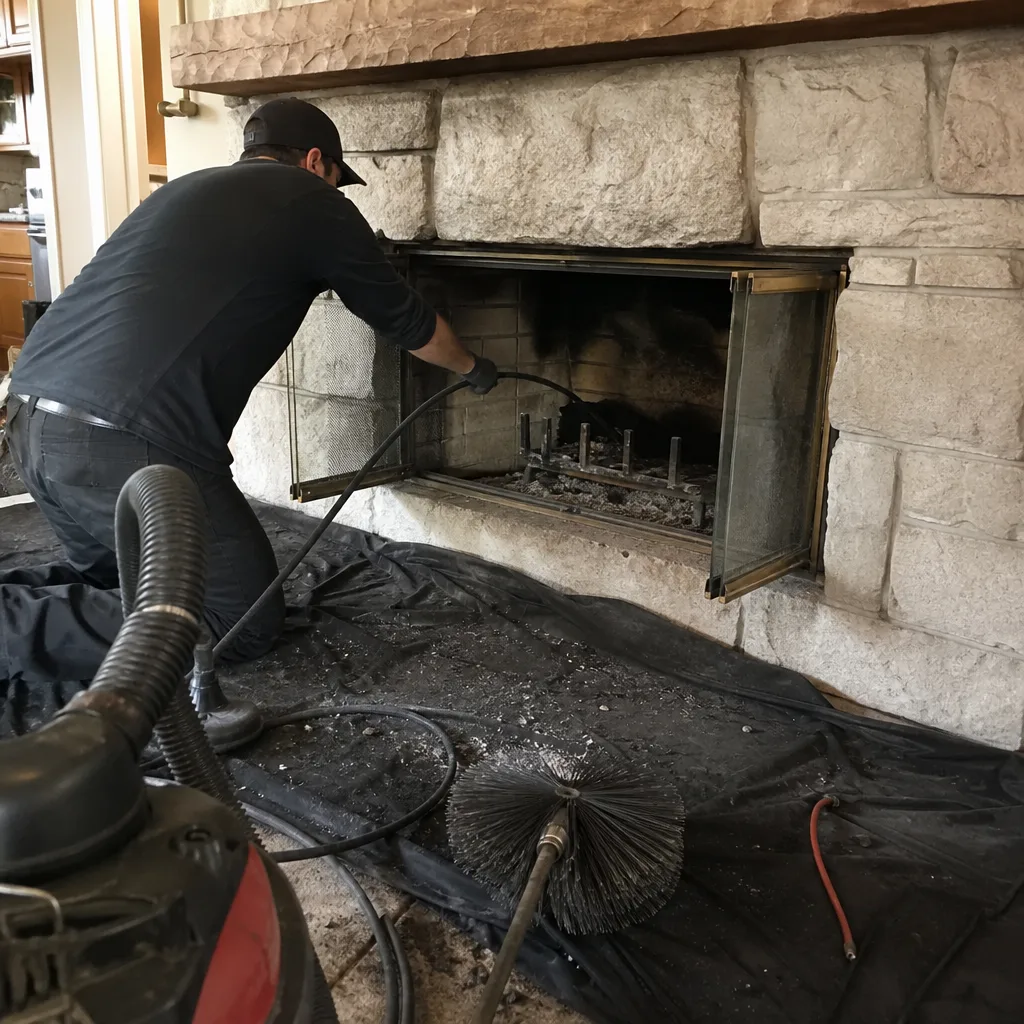 Before
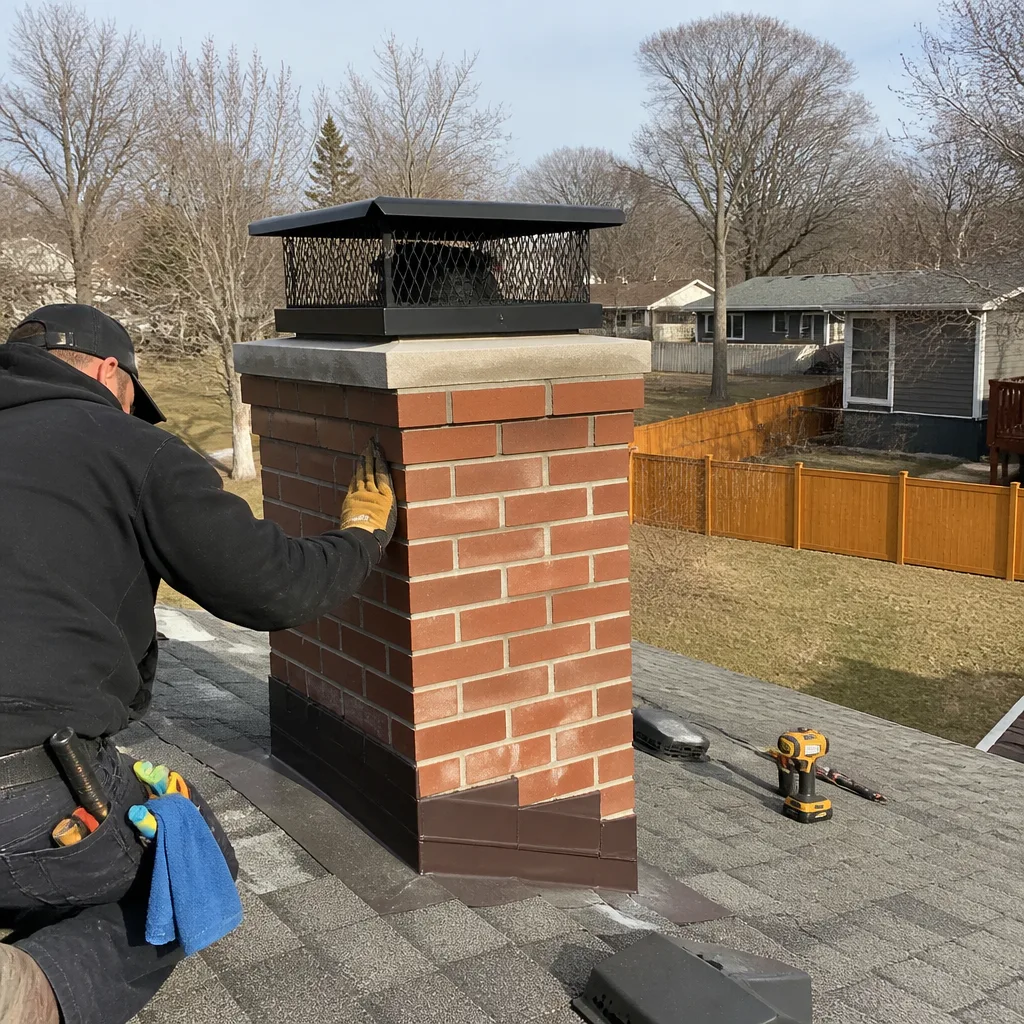 After
AfterHow Much Does Chimney Cap & Crown Cost in Denver?
Chimney Cap & Crown work in Denver typically runs $150 to $1,800, depending on whether you need a new cap, a crown repair, or a full crown replacement. A standard single-flue galvanized steel cap installs for $150 to $300, while a full concrete crown replacement on a large masonry chimney can reach $1,400 to $1,800. Most Denver homeowners pay somewhere in the $400 to $750 range when combining a new stainless cap with minor crown patching – and at Level Two Chimney Denver, you’ll have a written price in hand before a single tool comes out of the truck.
Chimney Cap & Crown Cost Breakdown (2026)
The table below reflects what Level Two Chimney Denver quotes for these services in the current Denver market. Every number below is a real range based on actual jobs – not a ballpark pulled from a national average that ignores Denver’s elevation, weather cycle, or labor costs.
| Service | Typical Denver Price Range | Notes |
|---|---|---|
| Single-flue galvanized steel cap (supply + install) | $150 – $280 | Entry-level; adequate for interior fireplaces with moderate use |
| Single-flue stainless steel cap (supply + install) | $220 – $380 | 18-gauge or 24-gauge; resists Denver’s freeze-thaw better than galvanized |
| Multi-flue stainless steel cap (supply + install) | $380 – $650 | Covers 2-4 flues under one cap; common in older Denver bungalows with dual-flue chimneys |
| Custom copper or aluminum cap | $550 – $1,100 | Specified for historic homes in Capitol Hill, Washington Park, or Potter-Highlands |
| Crown coat / sealant application (minor cracks, no spalling) | $180 – $320 | Applied with a flexible elastomeric compound; extends crown life 8-12 years |
| Partial crown repair (spalling, moderate cracking, no rebuild required) | $350 – $650 | Common after Denver hail seasons; requires proper surface prep and bond coat |
| Full crown replacement (tear-off and pour) | $900 – $1,800 | Necessary when the crown has separated from the flue tile or is structurally compromised |
| Cap + crown repair combo (most common job) | $400 – $750 | Typically what a Denver homeowner needs after a Level 2 inspection reveals both issues |
What Pushes the Price Up or Down
Labor is the biggest variable. Denver’s roofline pitch on older homes in Sunnyside, Whittier, or Park Hill tends to be steeper than newer construction in Stapleton or Lowry, which adds setup time and sometimes a second technician for safe access. Material costs are the second lever: a 24-gauge stainless steel multi-flue cap sourced through the Haven buying network (we use Gelco and Olympia Chimney fabrications specifically) costs more than a galvanized box-store cap but lasts two to three times longer under Colorado’s UV load and freeze-thaw cycling.
Crown work is priced by condition, not just size. A crown that has surface cracks but intact bond to the flue tile gets a sealant application. A crown where the mortar has fully separated, where water has penetrated and expanded the substrate through repeated freeze cycles, or where the overhang has cracked away entirely – that one requires a full tear-off and re-pour. Our technicians document the condition with camera footage and photographs before quoting anything, so you see exactly what they saw. That’s Haven Standard Clause 4: a photo record on every visit, not on request.
What Affects Chimney Cap & Crown Pricing in Denver
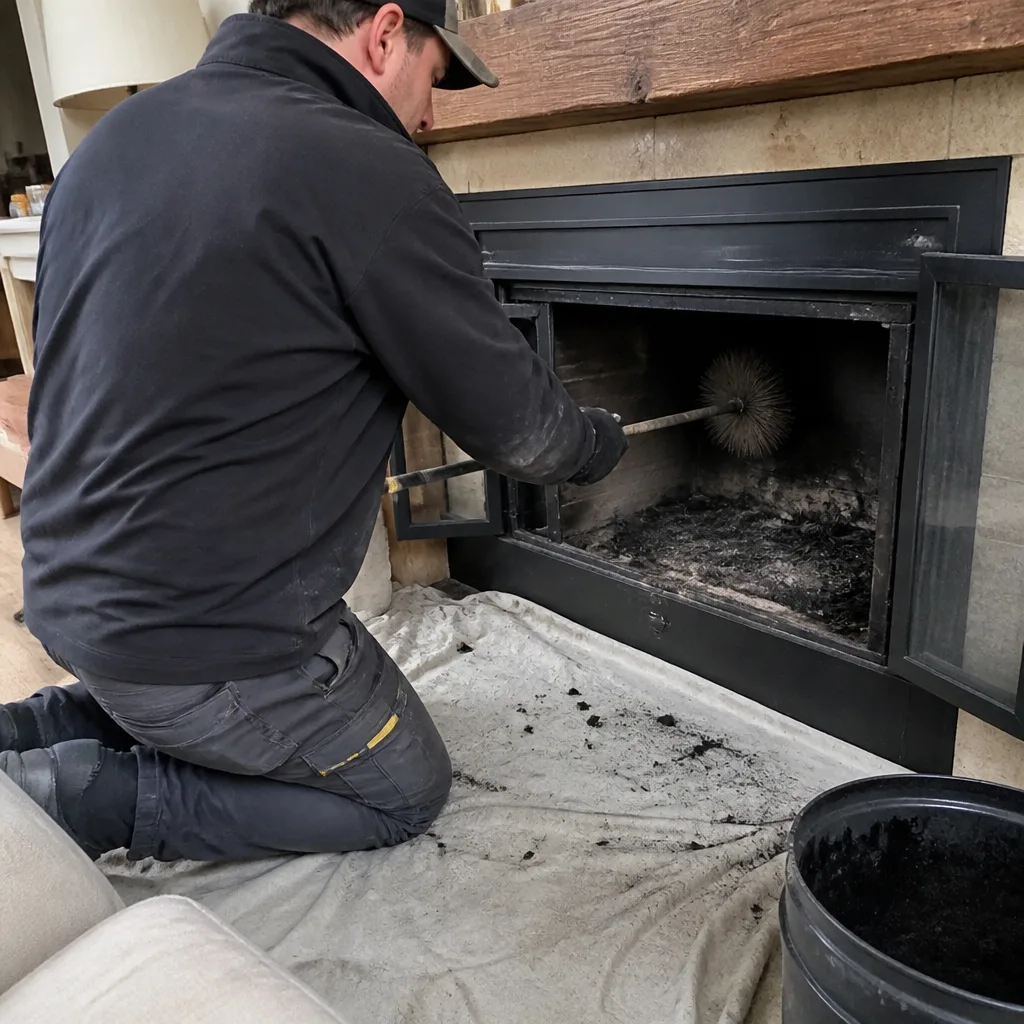
- Denver’s freeze-thaw cycle and hail exposure. Denver averages around 300 days of sunshine and significant temperature swings between seasons – sometimes 40-degree swings within a single day in March or October. Water that enters a cracked crown freezes, expands, and widens the crack. Hailstorms (Front Range hail seasons run April through August) chip and spall crown concrete directly. We see more crown damage in Denver than in comparable mountain towns simply because of the combination of freeze-thaw frequency and hail frequency. That damage changes what a proper repair scope looks like.
- Number of flues. Older Denver homes – particularly pre-1960 brick construction in Berkeley, Cole, or Globeville – often have two or three flue tiles sharing one chimney stack: one for the fireplace, one for the furnace, sometimes one for a water heater. Each flue needs its own cap, or the assembly needs a multi-flue cap fabricated to span the full chase width. More flues equals more material and more time.
- Chimney height and roof pitch. A one-story ranch in Green Valley Ranch has a very different access profile than a three-story Victorian in Curtis Park. Taller chimneys and steeper pitches require additional safety equipment, staging time, and sometimes a second technician. These access factors add $75 to $200 to most jobs.
- Crown condition and substrate integrity. A crown that is surface-cracked but structurally sound costs a fraction of one that has delaminated from the flue collar, wicked water into the brick below the crown wash, or begun to spall into the firebox. The camera inspection tells us which category your chimney falls into before we quote a price – and that price is written before work begins, per Haven Standard Clause 1.
- Cap material and flue tile size. Standard 8×8 or 8×13 flue tile openings fit stock cap sizes. Older or non-standard flue configurations require custom fabrication, which adds $80 to $300 depending on material. Copper caps ordered for historic homes in Potter-Highlands or the Country Club neighborhood take longer to source and are priced accordingly.
- Combination work during a single mobilization. If crown repair, cap installation, and a flue liner inspection are all scheduled on the same visit, the mobilization cost is shared across all three. Splitting them into separate visits adds a trip charge each time. Combining work is almost always the more cost-efficient path.
 Before
 After
AfterDenver Chimney Cap vs. Chimney Crown: What’s the Difference?
These two terms get used interchangeably by homeowners, and they shouldn’t be. They’re separate components with separate failure modes.
The chimney crown (sometimes called the crown wash) is the concrete or mortar slab that sits on top of the chimney masonry and surrounds the flue tile. It slopes outward to direct rainwater away from the brick. When it cracks, water runs directly down the outer face of the chimney and behind the flashing – which is where you get interior water stains, spalling brick below the roofline, and eventually a compromised firebox. Denver’s freeze-thaw cycle is particularly hard on crowns because even a hairline crack becomes a channel for ice expansion. A properly poured crown has a proper overhang, a drip edge, and a clean bond at the flue collar. Many Denver homes – especially those built in the 1960s through 1980s – have “flat caps” that were parged flush with the flue tile, which is a known failure design.
The chimney cap is the metal cover that sits on top of the flue tile opening. Its job is to keep rain, birds, squirrels, and debris out of the flue. A missing cap means an open flue – and in Denver, an open flue is also an open invitation for starlings, which nest in masonry chimneys from March through June. A damaged or corroded cap can also allow water to run directly down the inside of the flue liner, which accelerates liner deterioration. Stainless steel caps hold up better under Denver’s UV and ozone levels than galvanized steel, which can corrode within five to seven years at this altitude.
Both components fail independently. You can have a solid crown and a blown-off cap (common after the high-wind events that come with Denver’s chinook cycles). You can have a functional cap and a crown that’s quietly cracking from frost. A camera inspection – the NFPA 211 Level 2 standard we’ve run on every chimney since 2009 – looks at both.
What Denver Permits and Codes Apply to Crown Work?
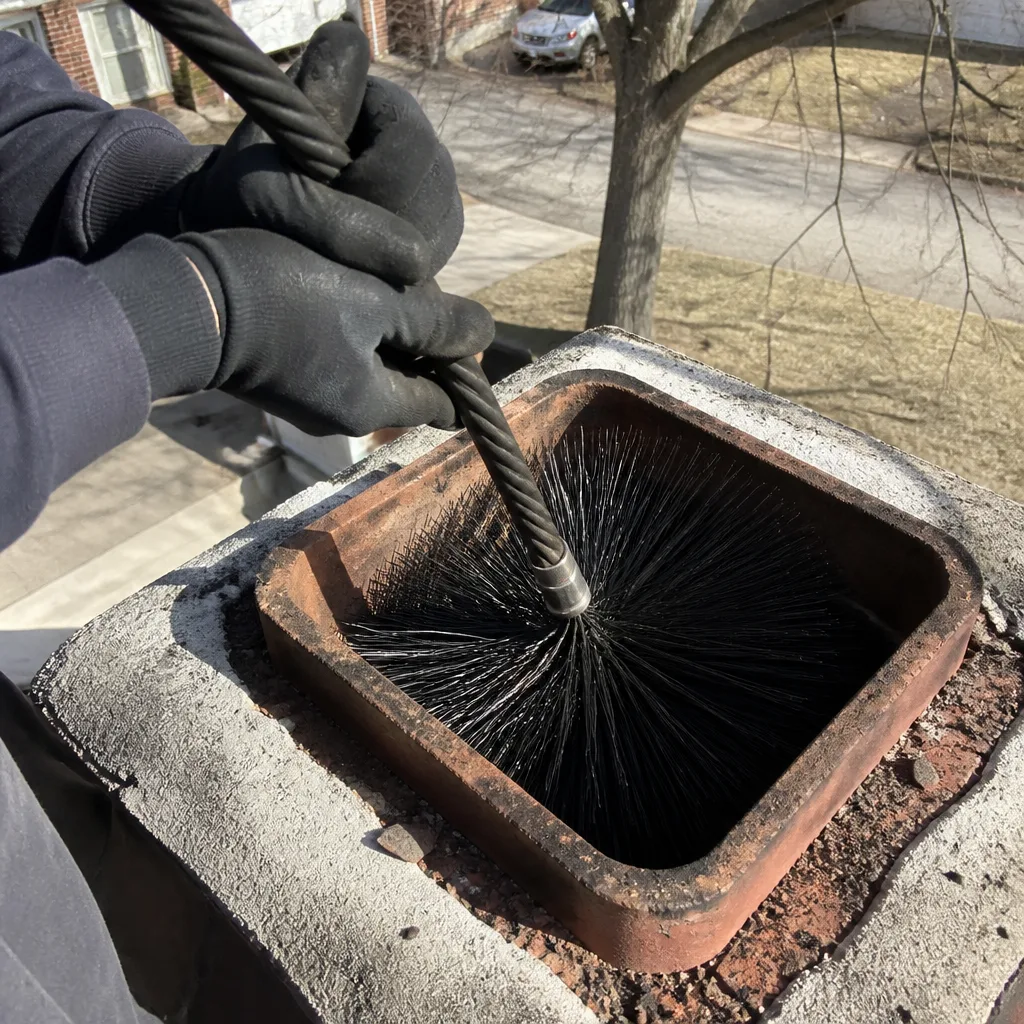
In Denver, chimney cap installation is generally considered routine maintenance and does not require a building permit. Crown repair and replacement fall under the same category in most cases. However, if a full crown replacement is part of a larger chimney rebuild or liner replacement project, that broader scope may trigger Denver’s residential building permit requirements under the Denver Building and Fire Code, which adopts the International Residential Code with local amendments. Our technicians know when a project crosses that line and handle the permit coordination when needed – it’s included in the written scope delivered before work begins, not billed as a surprise line item after.
If you’re in a historic district – Capitol Hill, Potter-Highlands, and Curtis Park all have active review boards – exterior masonry work including chimney crown materials and color may require approval before work starts. We’ve coordinated with Denver Landmark Preservation on jobs in those neighborhoods. It’s worth mentioning your district when you call so we can build that timeline into the quote.
Signs Your Denver Chimney Needs Cap or Crown Work Now
Some of these are visible from the ground. Others only show up under camera scan.
- Water stains on the ceiling or wall near the fireplace – particularly after Denver’s spring hail and rain season (April through June)
- White efflorescence streaking down the exterior brick below the chimney top – dissolved salts carried by water moving through the masonry
- Rust stains on the firebox floor or damper – a symptom of an open or failed cap letting rain fall directly down the flue
- Visible cracks in the concrete crown when viewed from the roofline or through binoculars from ground level
- Debris in the firebox – leaves, twigs, or nesting material indicate the cap is missing, open, or failed
- Animal sounds or evidence of nesting in the chimney, especially in spring – a common Denver problem given the starling and raccoon populations in neighborhoods like Montclair, Hilltop, and Crestmoor Park
- A Level 2 inspection report noting crown separation or cap failure – if you’ve had an inspection and it flagged either, the clock starts ticking through Denver’s next freeze-thaw cycle
How to Save on Chimney Cap & Crown in Denver
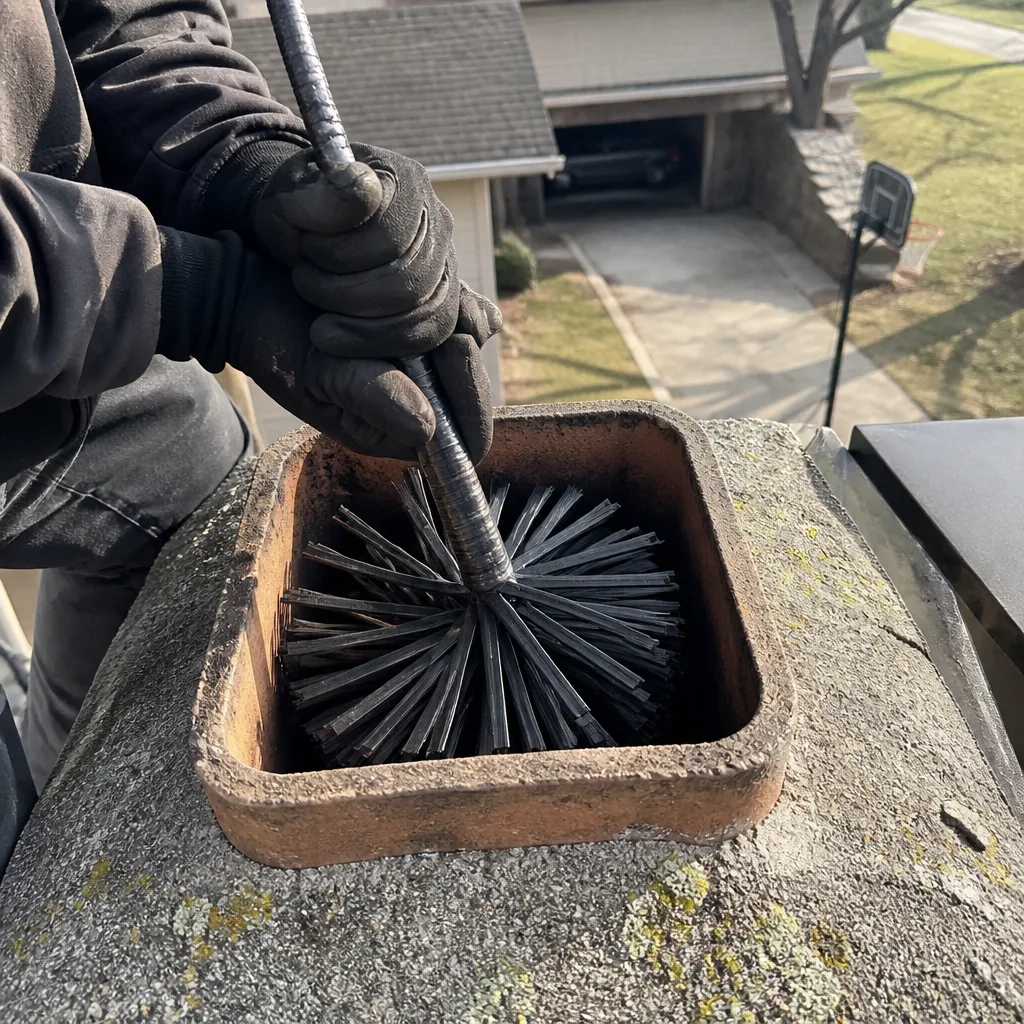
The single most effective way to keep this cost down is to catch crown issues early. A crown with surface cracks and no water penetration costs $180 to $320 to seal. The same crown two winters later – after water has entered, frozen, and expanded the cracks – may need a full replacement at $900 to $1,800. The gap between those two numbers is large enough that a single camera inspection pays for itself several times over.
Schedule combination work. If your chimney needs a new cap, a crown sealant application, and an annual sweep, booking them together on one visit eliminates duplicate trip charges. We see a lot of Denver homeowners who had a sweep done in October and then call back in November for crown work – each visit has its own mobilization cost. One call, one visit, one written price.
Bring us a competitor’s written estimate. We offer a free second opinion on any written quote. If another company has handed you a number, bring it to us before you sign anything. We’ll look at the same chimney, document what we find, and give you a written price to compare. There’s no charge for that review.
Choose the right material the first time. Galvanized steel caps are cheaper upfront but typically last five to seven years at Denver’s altitude and UV exposure. A stainless steel cap costs $60 to $100 more at install and routinely lasts fifteen to twenty years. On a cost-per-year basis, stainless is the less expensive option for most Denver homeowners. We’ll show you the difference in the quote so the decision is yours to make with real numbers in front of you.
Don’t skip the inspection. A cap or crown quote without a camera scan of the flue is a guess. A damaged crown can be hiding a cracked flue liner below it – which is a much larger repair. Quoting crown work without knowing the liner condition is how homeowners end up with a repaired crown over a flue that needs replacing. The camera scan (NFPA 211 Level 2, included on every Level Two Chimney visit since 2009) ensures the written price reflects the actual condition, not an assumption.
To get a written price for your specific chimney, call (720) 674-7312. Estimates are free and the price is on paper before any work begins.
What Level Two Chimney Denver Does Differently
Most chimney companies in the Denver metro show up, do a visual check, and hand you a verbal estimate. We’ve worked differently since the beginning.
When a Level Two technician arrives at a home in Wash Park or Westwood or Aurora’s southern edge, they run a camera down the flue first. That’s not optional and it’s not an upsell – it’s how we know what we’re quoting. After 38,000 chimney inspections and cleanings since 2009, every one with a written price before work started and a photo record when it finished, we’ve seen what happens when crown repairs are quoted without knowing the liner condition below. It’s not a good outcome for the homeowner.
The written price comes before any work starts. The scope is documented. The warranty is in writing. And if something we did isn’t right within 365 days, we make it right – that’s the Done Right Promise, and it’s on every job, no exceptions. You can read about our Chimney Cap & Crown in Denver services in full detail, or start from the home page to see every service we cover in the Denver area.
Our technicians are background-checked and uniformed. You’ll know who’s coming and when – we send a text when they’re on the way. Live phone support runs around the clock, so if you’re seeing water stains after a storm at 9pm on a Tuesday, you can actually talk to a person when you call.
FAQs – Chimney Cap & Crown Cost in Denver
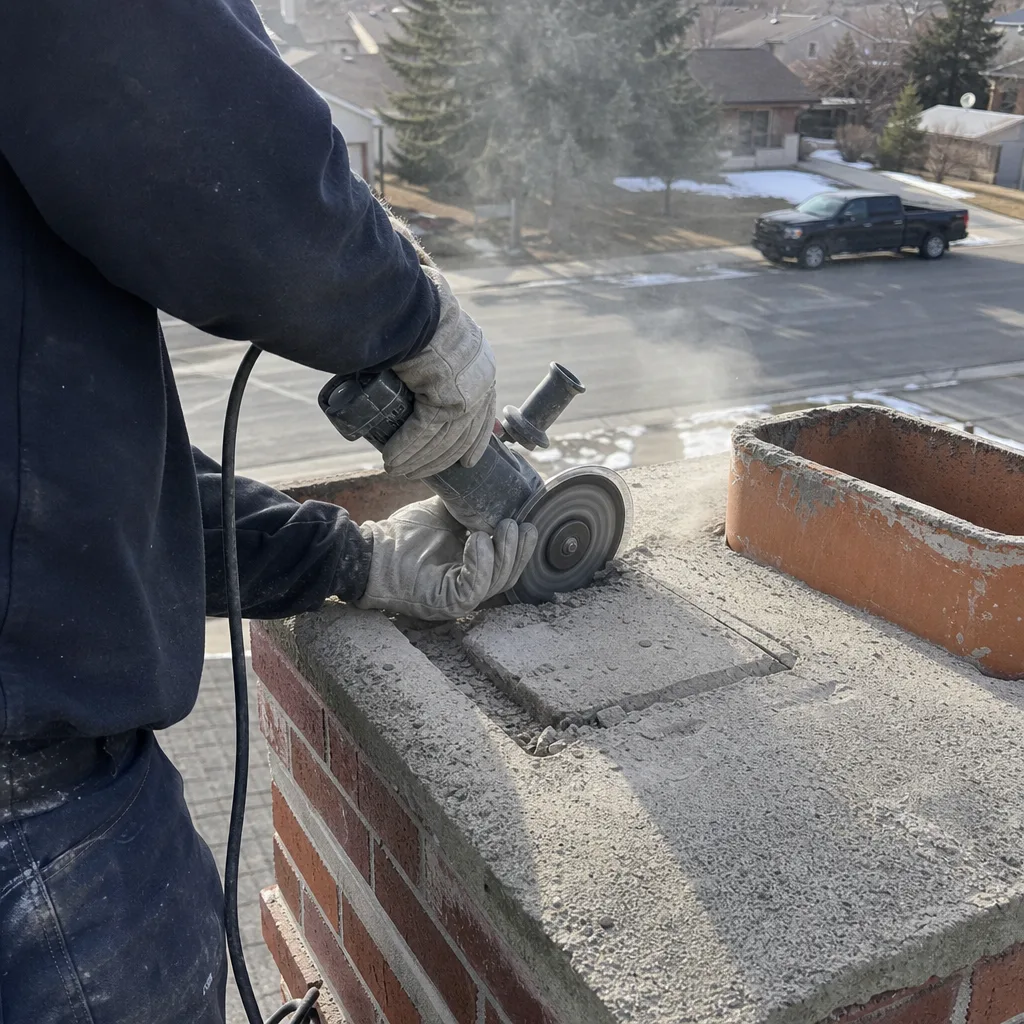
How much does chimney cap installation cost in Denver?
A standard single-flue stainless steel chimney cap installed in Denver costs $220 to $380. Galvanized steel caps run $150 to $280. Multi-flue caps that cover two or three openings under one assembly cost $380 to $650. Custom copper or aluminum caps for historic homes start around $550. The price includes supply, installation, and the photo record of the completed work. Call (720) 674-7312 for a written quote on your specific flue configuration – estimates are free.
How much does chimney crown repair cost in Denver?
Crown repair in Denver ranges from $180 to $1,800, depending on the severity of damage. Minor surface cracks with no water penetration are sealed with an elastomeric crown coat for $180 to $320. Partial repairs where sections of the crown have spalled or separated run $350 to $650. A full crown tear-off and replacement – necessary when the crown has failed structurally or fully separated from the flue tile – costs $900 to $1,800. Denver’s freeze-thaw cycle tends to push crowns from the “seal it” category to the “replace it” category faster than in lower-elevation cities, so early treatment is almost always the cheaper path. Call (720) 674-7312 and we’ll put the actual condition and the price in writing before any work starts.
Can a chimney crown be repaired instead of replaced?
Yes – in most cases, if the crown still has structural integrity and the cracks haven’t allowed water to penetrate the substrate, a repair is the right call. A crown coat or partial repair costs $180 to $650 versus $900 to $1,800 for a full replacement. The determination isn’t something that can be made from the ground or from a quick visual. Our camera scan documents the crown condition, the flue collar bond, and any water migration into the masonry below before we price anything. If a repair will hold, that’s what we’ll quote. If the substrate is compromised, we’ll show you the photos and explain why a full replacement is the better use of your money.
How long do chimney caps last in Denver?
A galvanized steel cap lasts 5 to 8 years in Denver’s climate. Stainless steel caps typically last 15 to 20 years. Copper caps, which are specified primarily for historic properties, can last 40 years or more with no maintenance. Denver’s combination of high UV exposure (altitude increases UV intensity meaningfully), ozone, and frequent freeze-thaw cycling degrades galvanized steel faster than it would at lower elevations. The $60 to $100 premium for stainless over galvanized is one of the most straightforward cost-benefit decisions in chimney maintenance.
Is it cheaper to repair or replace the chimney crown in Denver?
Repair is almost always cheaper if the crown is treated before water penetration has occurred. A $250 crown coat applied to a surface-cracked but structurally intact crown can extend crown life by 8 to 12 years. The same crown, left untreated through two or three Denver winters, typically progresses to the point where a full replacement at $900 to $1,800 is the only viable option. The math is clear. The complicating factor is that most homeowners don’t discover crown damage until water stains appear inside the home – which means the damage is already significant. A Level 2 inspection with camera documentation catches crown condition before it crosses that line. Call (720) 674-7312 to schedule one – the estimate for any repair work is free and in writing.
Do I need a permit for chimney cap or crown work in Denver?
For cap installation and crown repair or replacement as standalone work, no permit is typically required under Denver’s residential building code. If the crown work is part of a broader chimney rebuild or liner replacement that crosses the threshold for structural work under the Denver Building and Fire Code, a permit may be required. If your property is in a Denver historic district – Capitol Hill, Curtis Park, or Potter-Highlands among others – exterior masonry work may require Landmark Preservation review before it starts. When you call, mention your neighborhood and we’ll flag any review requirements in the written scope before we quote the job.
What happens if I ignore a cracked chimney crown?
A cracked crown that goes unaddressed through Denver winters typically follows a predictable path: water enters the crack, freezes, expands the crack, and begins migrating into the masonry below the crown. Over one to three seasons, this produces spalling brick at the chimney top, deterioration of the mortar joints below the crown line, and eventually water reaching the flue liner and the smoke chamber. Once the liner is affected, you’re looking at a liner repair or replacement – a $1,500 to $4,500 project – on top of the crown replacement you’ll still need. The original crown seal that would have cost $180 to $320 is a distant memory at that point. The damage sequence is consistent enough across Denver chimneys that we document it in inspection reports by stage, so homeowners can see exactly where their chimney sits on that progression.
Key Takeaways
- Chimney cap installation in Denver costs $150 to $1,100 depending on material and flue count. Stainless steel single-flue caps run $220 to $380 and are the best value for most homes.
- Crown repair ranges from $180 to $1,800. Early treatment (sealant at $180 to $320) prevents a full replacement at $900 to $1,800.
- Denver’s freeze-thaw cycle and hail season accelerate crown failure faster than in most comparable metro areas. Annual camera inspection catches damage before it compounds.
- A Level 2 camera inspection is included on every Level Two Chimney visit – not an upsell – and is the only reliable way to know whether crown repair or replacement is the right scope.
- Every quote is in writing before work starts. Every job is documented with photos. Every job is backed by the 365-Day Done Right Promise.
- Free second opinion on any written estimate from another company.
- Call (720) 674-7312 – a live person answers, not a voicemail.
If you’re seeing water stains, damaged brick, or just had a storm roll through Denver and want to know what shape your chimney top is in, call (720) 674-7312. Corrine Halstead and the Level Two Chimney Denver team will send a background-checked, uniformed technician, run a camera inspection, and hand you a written price before a single tool comes out. No verbal estimates, no surprises on the invoice, no pressure. Just a documented picture of what’s there and what it costs to fix it.
Written by Corrine Halstead, Owner at Level Two Chimney Denver, serving Denver, CO since 2009. Pricing reflects the Denver market as of 2026. Level Two Chimney Denver offers free estimates – call (720) 674-7312.
What Our Customers Say
"Cap and crown replaced after water was getting in. Price was quoted in writing, and they showed me the mortar failure first."
- Neil O."We were buying the house and needed a real inspection. The report had photographs, the standard it was done to, and a clear repair figure. The seller paid for the repair."
- Lorna D."They told me the flue was fine and I did not need a liner. Charged me for the inspection and nothing else. That is why I have called them twice since."
- Hal M.