
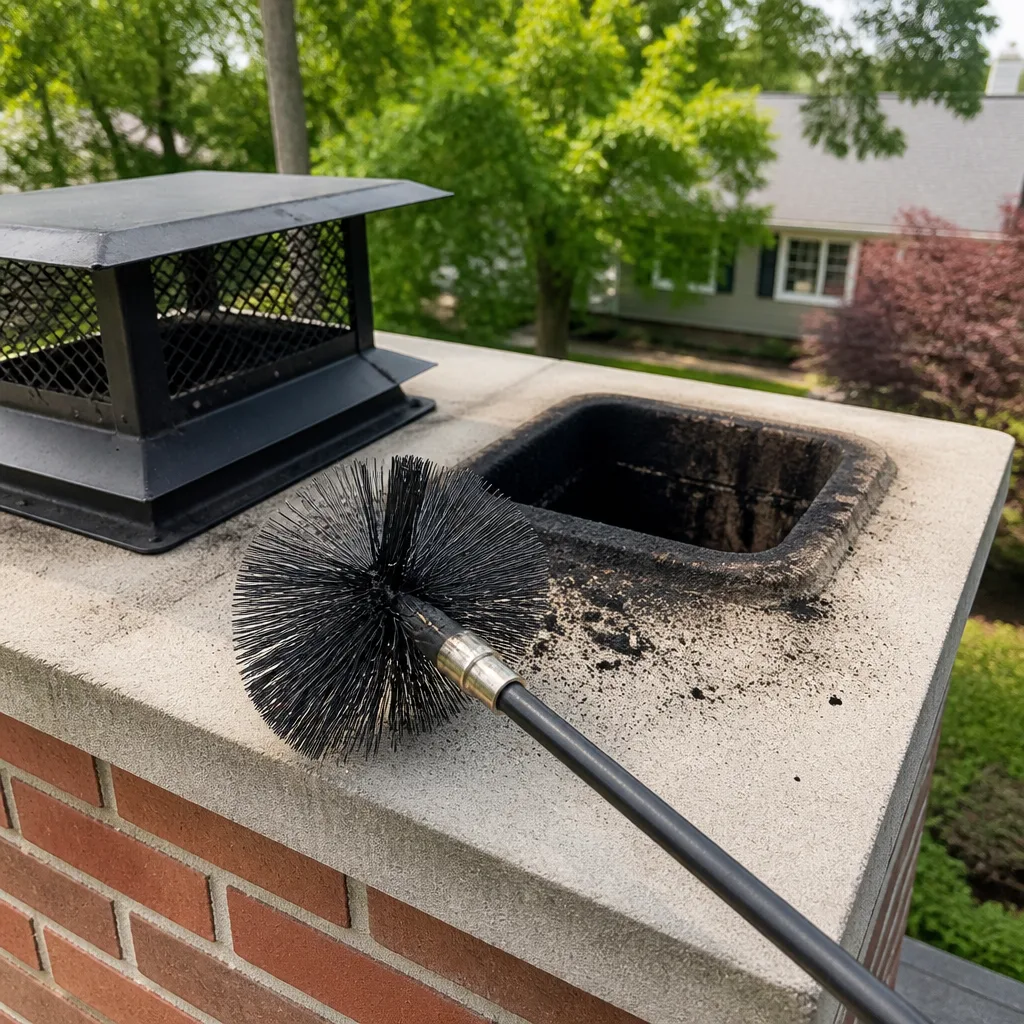
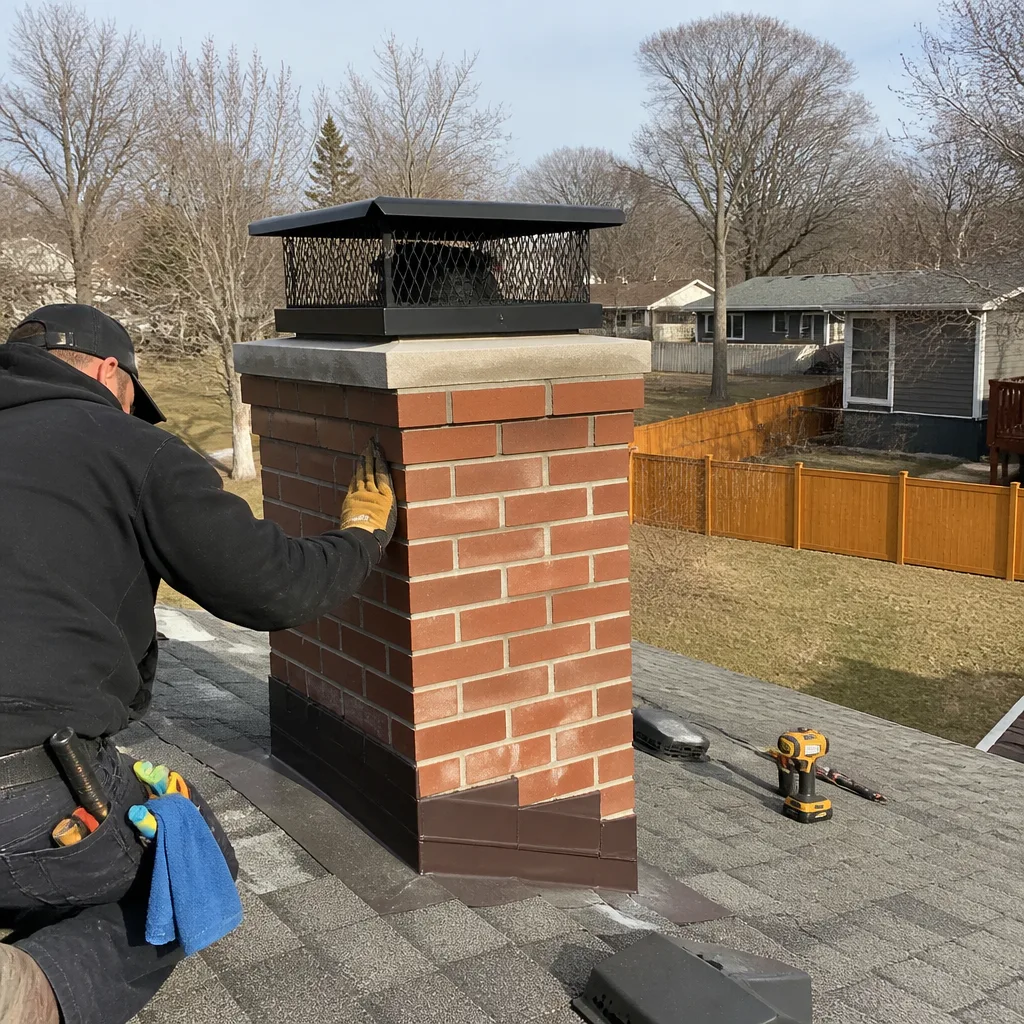
Level 1 sweep and inspection to the NFPA 211 annual standard - flue, crown, cap, and flashing checked and photographed
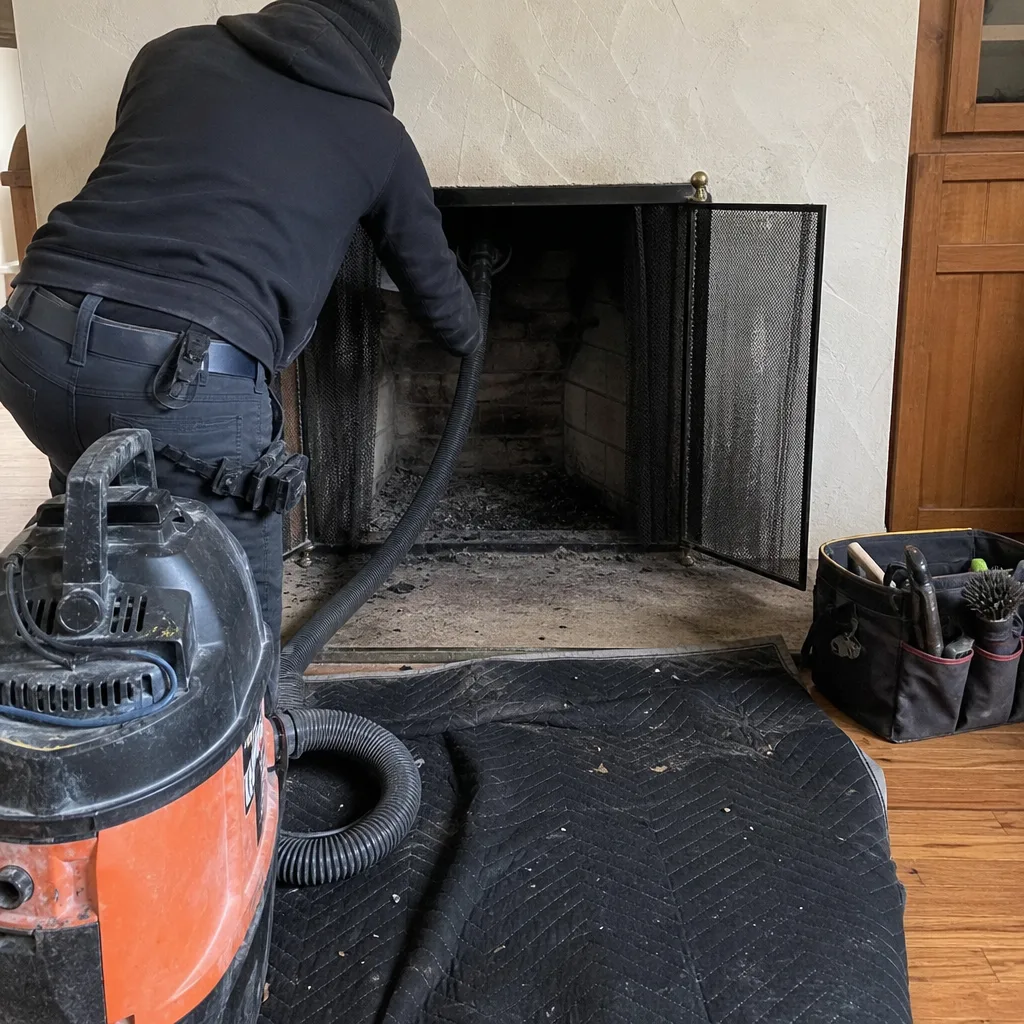
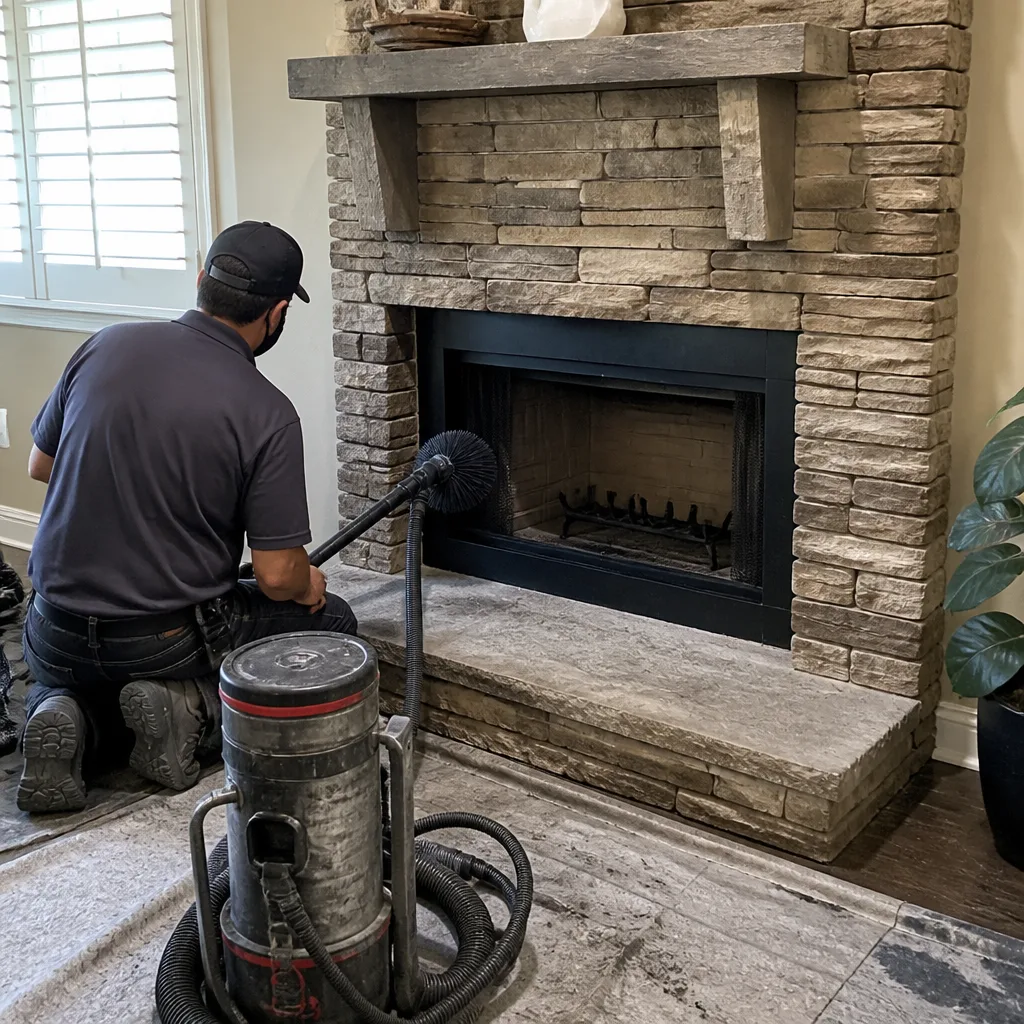
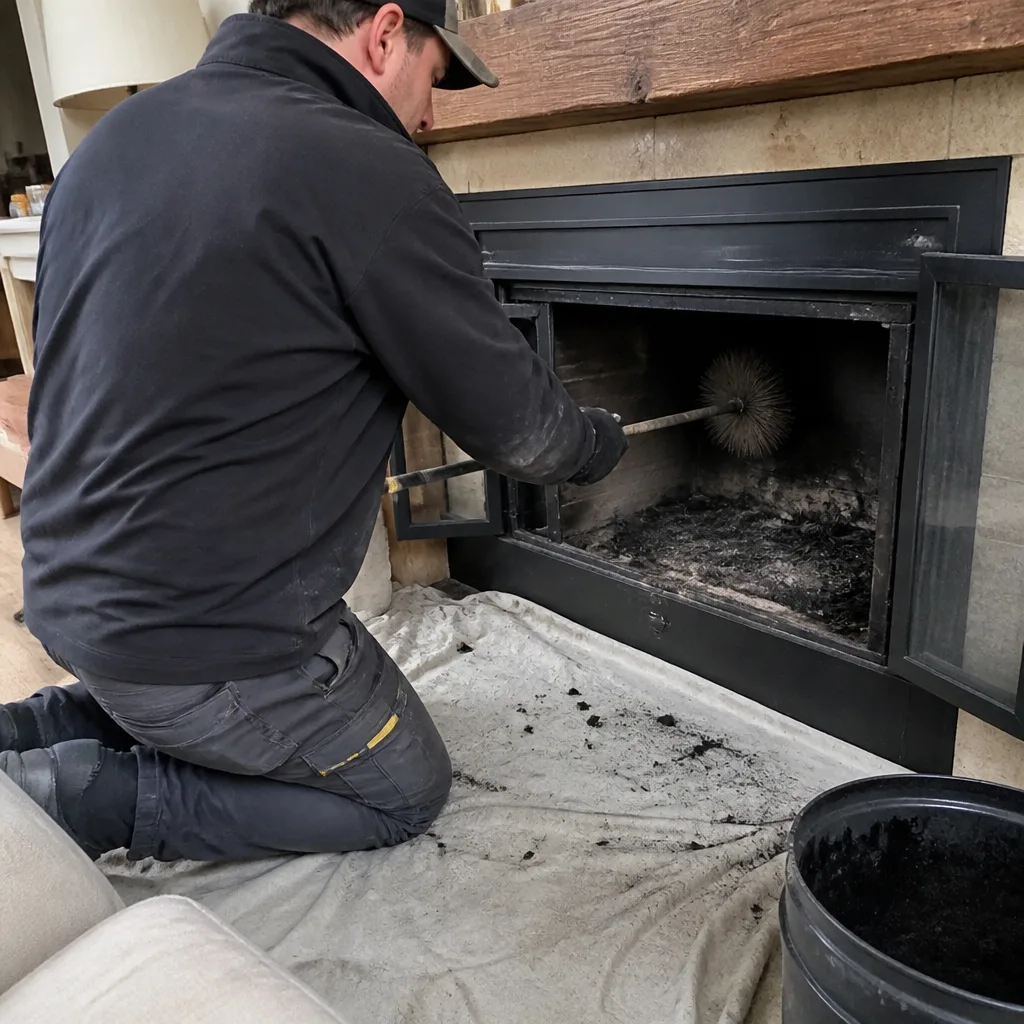
Chimney sweep logs do not sweep chimneys. They loosen some creosote - which then falls where a brush and vacuum still have to collect it.
 Before
 After
After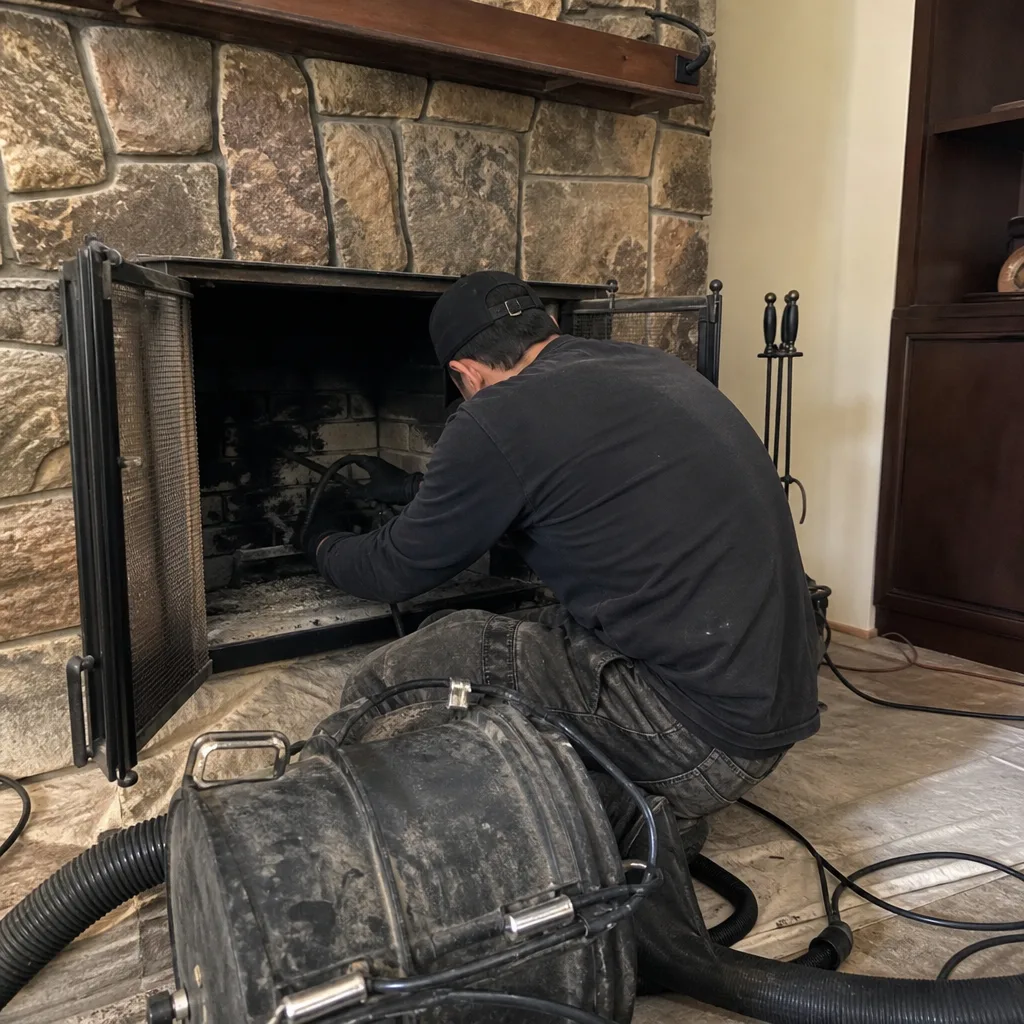 Before
 After
After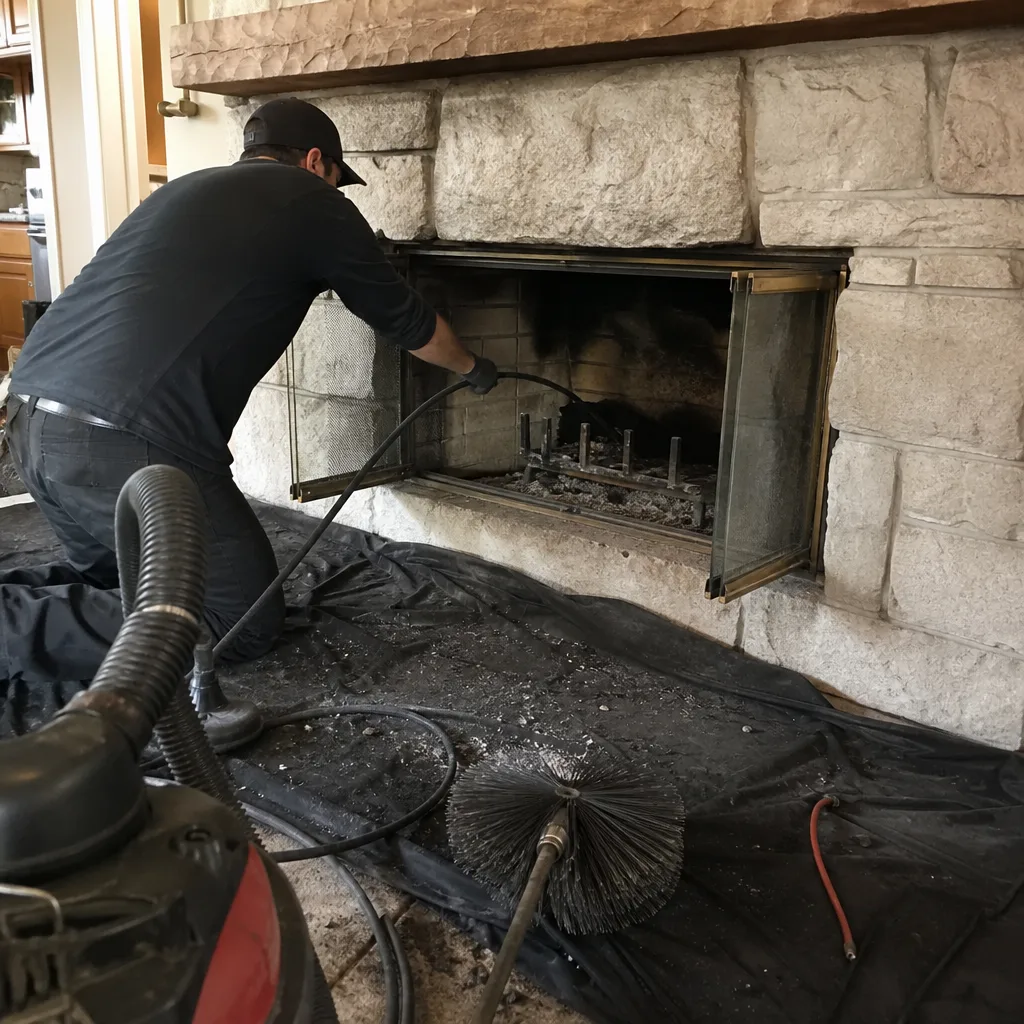 Before
 After
AfterHeatShield Flue Liner Replacement: The Denver Owner’s Guide
HeatShield flue liner replacement in Denver typically runs $2,800-$5,400 installed, depending on flue height, diameter, and whether the smoke chamber needs resurfacing. We stock HeatShield-compatible refractory mortar, Cerfractory foam, and sleeve systems on our trucks, and most Denver metro jobs are completed in a single day once the written scope is approved. The camera doesn’t guess. Neither do we.
Most homeowners find out their HeatShield liner is failing during a routine sweep when the camera shows cracks, spalling, or gaps in the cerfractory coating, or when they notice odd smells or drafting problems after a windstorm off the Front Range. If you’re here because someone showed you a photo of orange peel texture inside your flue or a gap at the flue shoulder, you’re in the right place.
Which HeatShield Models This Applies To
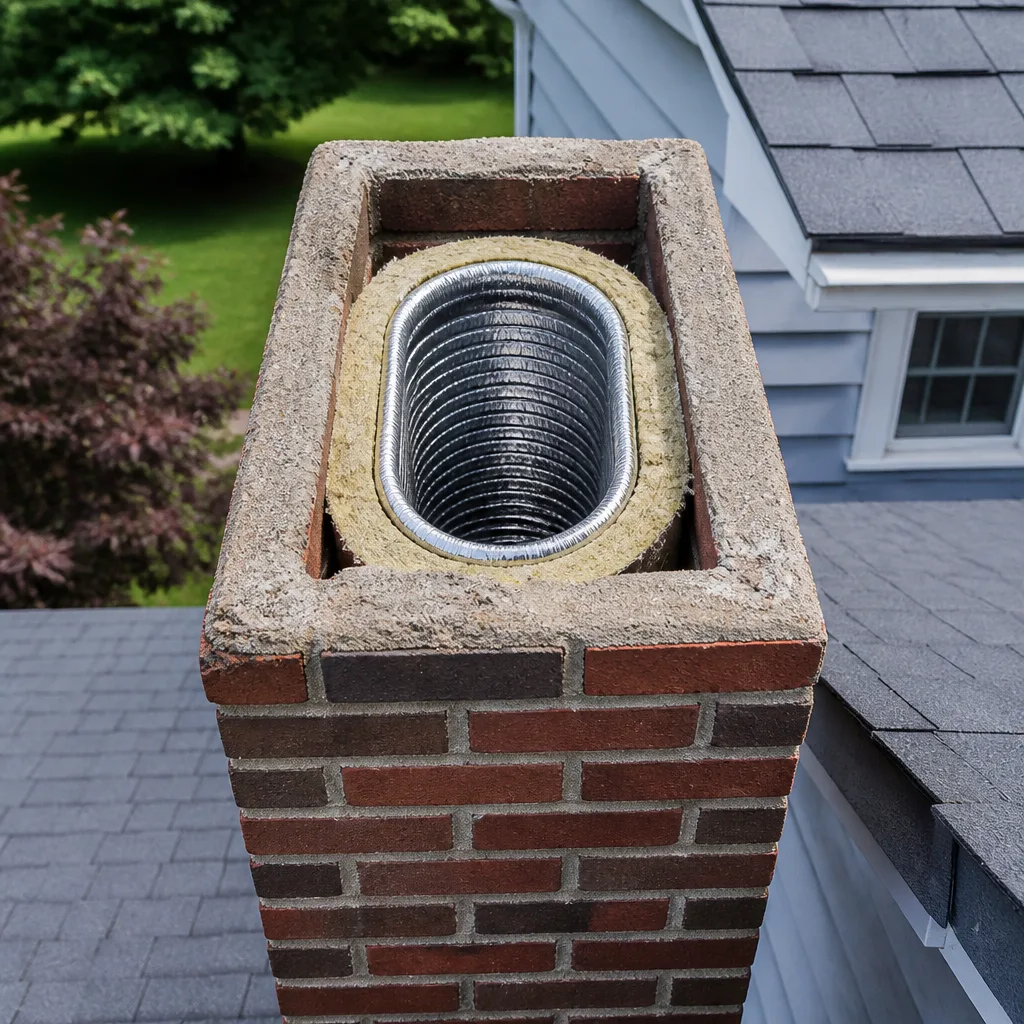
HeatShield’s system isn’t a single product line. It’s a repair method built around cerfractory foam and refractory mortar, applied to existing clay flue tiles or stainless sleeves. What we replace depends on what was originally installed: a HeatShield sleeve system (typically 316Ti stainless, 5.5″ to 8″ diameter), a cerfractory foam resurfacing job that’s now cracking, or the combination sleeve-plus-foam approach used on larger fireplaces common in 1920s Park Hill and Baker homes.
To identify what you have, we look for three things. First, the cleanout door or firebox should have a metal tag if a sleeve was installed, usually stamped with the date and installer. Second, the flue diameter measured at the thimble, not the tile face. Third, whether the original liner was clay tile, unlined brick, or a previous stainless insert that’s now being repaired with HeatShield foam. The gotcha in Denver’s older housing stock: many Federal Boulevard Victorians and Capitol Hill duplexes have offset flues or multiple bends that standard sleeve kits won’t navigate. We carry custom-bent 316Ti sections and flexible DuraFlex liners for those jobs, sourced through our Haven buying network.
OEM HeatShield materials come from SaverSystems, the manufacturer. We also use compatible refractory mortars from Gelco and Olympia Chimney when the job spec allows, always disclosed in writing before work starts. The difference is usually warranty length and cure time, not performance. We tell you which we’re using and why.
Signs Your HeatShield Flue Liner Replacement Is Failing
- White or gray powder on the firebox floor. This is spalled cerfractory material flaking off the liner surface. In Denver’s freeze-thaw climate, moisture that gets past a cracked crown expands in the flue, accelerating the breakdown. The powder means the protective layer is no longer intact.
- Draft that worked fine last season now pushes smoke into the room. HeatShield foam cracks can open gaps large enough to disrupt laminar flow, especially on north-facing chimneys that never fully dry out after spring snows. The fireplace isn’t “just being picky” - the flue geometry has changed.
- Chunks of material in the cleanout or at the damper. These are pieces of failed sleeve seam or delaminated foam. If you can see them from below, the damage above is almost always worse. We find this regularly in homes near Wash Park where original 1980s HeatShield jobs are reaching end of life.
- Strong smoke odor when the fireplace isn’t in use. A compromised liner allows creosote odor to seep through cracks into wall cavities. In Denver’s tight homes with modern air sealing, that smell has nowhere to go but the living space.
- Corrosion staining on exterior brick below the crown. This means exhaust gases are escaping the flue and condensing in the masonry. The liner has failed at the shoulder or a joint, and moisture is now attacking the structure itself.
 Before
 After
AfterReplacement Cost & What’s Included
| Scope | Typical Range (Denver Metro) |
|---|---|
| HeatShield sleeve replacement, straight flue, 1-2 stories | $2,800-$3,900 |
| Sleeve + smoke chamber resurfacing with cerfractory foam | $3,800-$5,000 |
| Offset or multi-bend flue, custom fabrication | $4,200-$5,400 |
| Full liner removal and stainless replacement (DuraFlex or Gelco) | $3,500-$5,200 |
What drives the range: flue height (a three-story Capitol Hill stack vs. a single-story Harvey Park ranch), access (steep roof pitch, chimney location), and whether the existing liner can be pulled or must be demolished in place. Every quote includes the NFPA 211 Level 2 camera inspection, written scope, written warranty, and documented photo record under Haven Standard Clause 4. No charge for the estimate. No work until you have the price in writing.
We source HeatShield, DuraFlex, and Gelco materials through our Haven buying network, which keeps customer prices honest by cutting out distributor markups where possible. The 365-Day Done Right Promise applies to every liner job: if it’s not done right, we make it right.
DIY or Call Us?
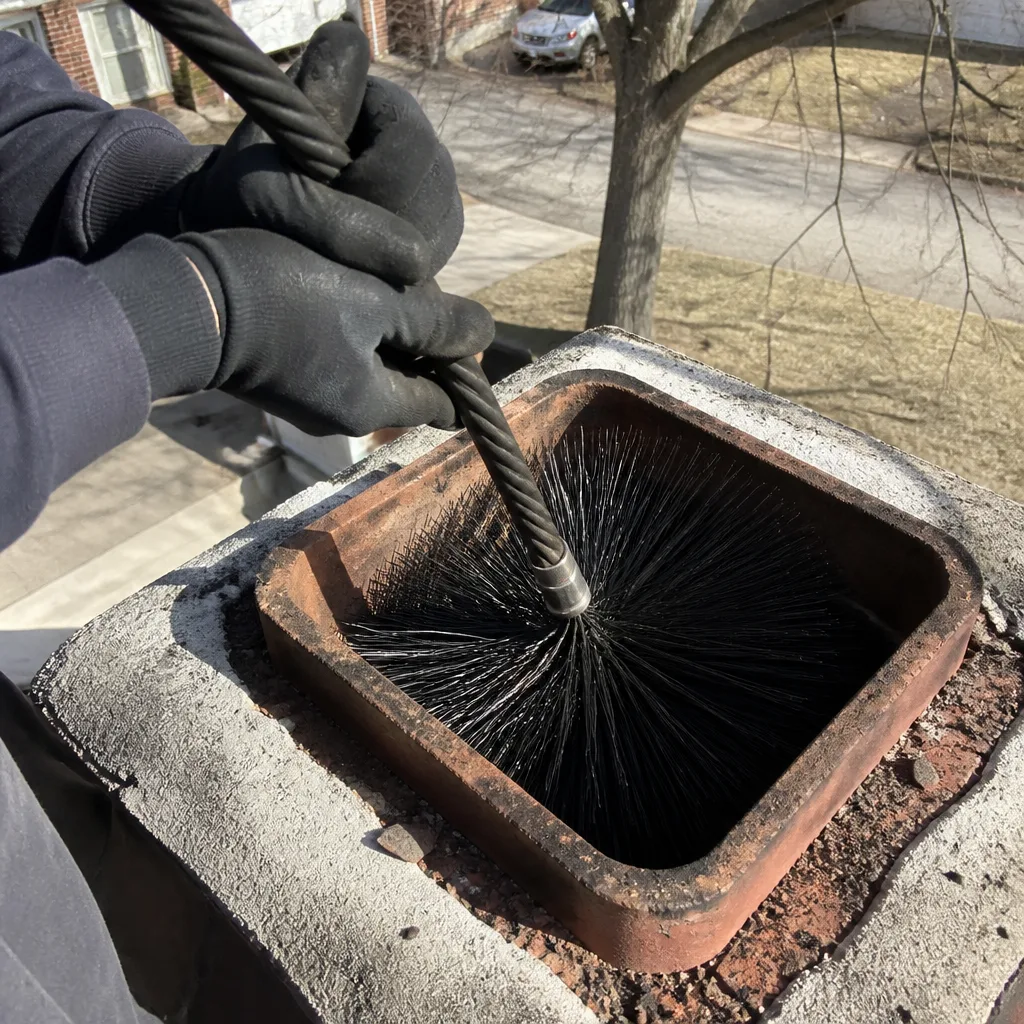
Here’s what you can safely check yourself. Look in the cleanout for debris. Open the damper and shine a flashlight up, looking for obvious gaps or light showing through cracks. Check the exterior crown for cracks that might be letting water in. That’s the list.
Everything else requires professional equipment and carries real risk. HeatShield liner replacement involves working at height on a roof, handling 316Ti stainless with sharp edges, and properly sizing combustion venting to NFPA 211 standards. A mismeasured sleeve or poorly mixed refractory mortar can create a carbon monoxide pathway into the home. The cementitious materials also require controlled cure cycles; Denver’s altitude and dry air affect set times in ways that aren’t in the bucket instructions. We’re licensed, insured, and our techs are background-checked and uniformed, with license numbers displayed on every page. Call (720) 674-7312 when you’re ready for the camera inspection.
FAQs
A properly installed HeatShield sleeve system typically lasts 15-25 years, but cerfractory foam resurfacing alone is closer to 10-15 years in Colorado’s climate. The freeze-thaw cycles and high UV exposure on south-facing chimneys in neighborhoods like Highland and Berkeley accelerate thermal cycling stress. Annual inspection catches degradation before it becomes a safety issue. Call (720) 674-7312 to schedule - estimates are free.
Sometimes, if the damage is limited to surface cracking in the foam layer with intact underlying structure. We can apply new cerfractory foam to sound substrates. But if the sleeve is corroded, separated at a seam, or if there are through-cracks in clay tile beneath a foam job, replacement is the only code-compliant option. We show you the camera footage and explain which category you’re in before quoting either approach. Call (720) 674-7312 for a free second opinion on any written estimate.
Most straight flue replacements are completed in one day. Jobs requiring smoke chamber resurfacing or custom offset fabrication typically run two days. We don’t rush the refractory cure cycle, so we schedule accordingly. You’ll get a written timeline with your written price before work starts, under Haven Standard Clause 1. Call (720) 674-7312 to book.
We carry HeatShield-compatible refractory mortar, cerfractory foam, and standard sleeve diameters (5.5″, 6″, 7″, 8″) on every service vehicle. Custom diameters or multi-bend configurations are fabricated from our DuraFlex and Gelco inventory within 24-48 hours. We don’t make you wait for a parts order from out of state. Call (720) 674-7312 to confirm availability for your specific flue size.
Level Two Chimney Denver is an independent service provider, not affiliated with HeatShield or SaverSystems. We install and service HeatShield systems using OEM and compatible materials, always disclosed in writing.
Ready to see what your flue actually looks like? Call (720) 674-7312 for a free estimate. We’ll send a background-checked, uniformed technician with a camera, deliver a written price before any work starts, and leave you with a documented photo record under Haven Standard Clause 4. The 365-Day Done Right Promise applies to every job.
Written by Corrine Halstead, Owner, Level Two Chimney Denver at Level Two Chimney Denver, serving Denver and nearby areas.