
Level 1 sweep and inspection to the NFPA 211 annual standard - flue, crown, cap, and flashing checked and photographed
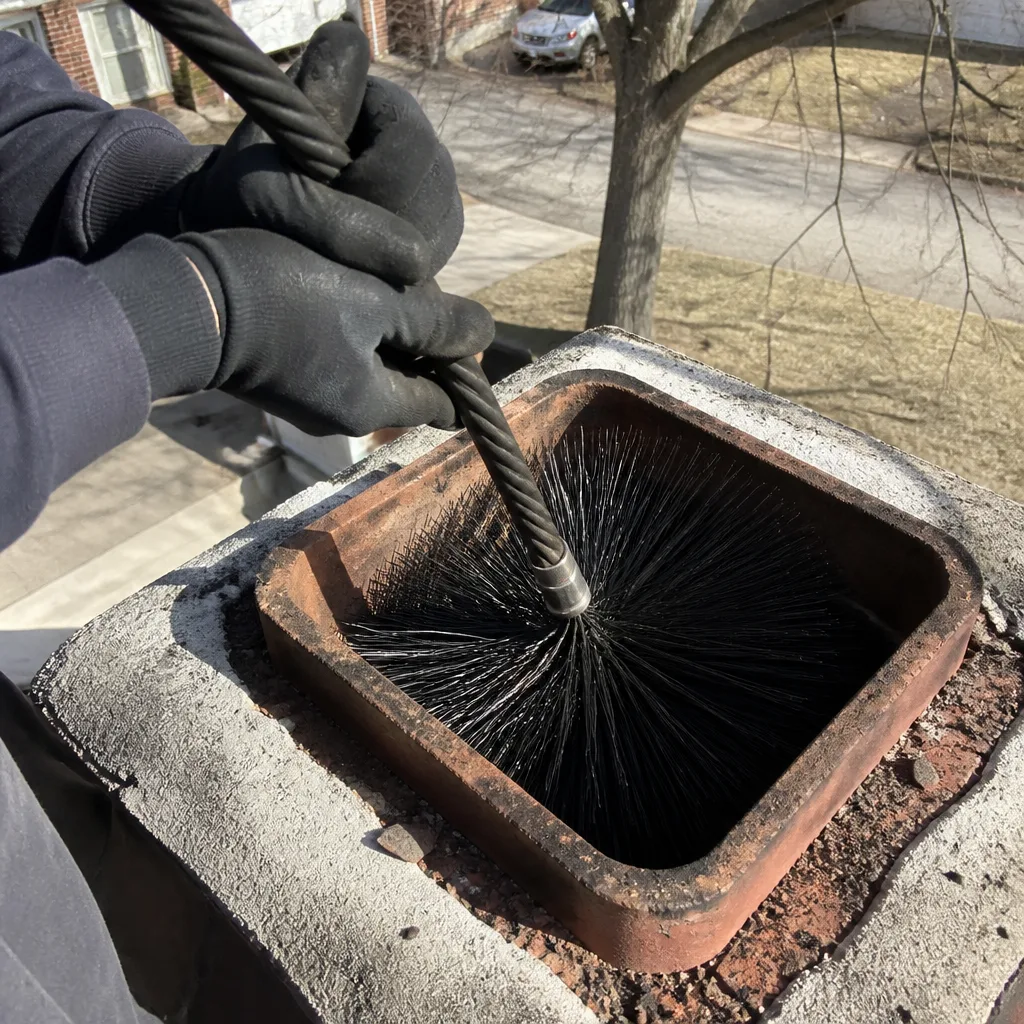
Chimney sweep logs do not sweep chimneys. They loosen some creosote - which then falls where a brush and vacuum still have to collect it.
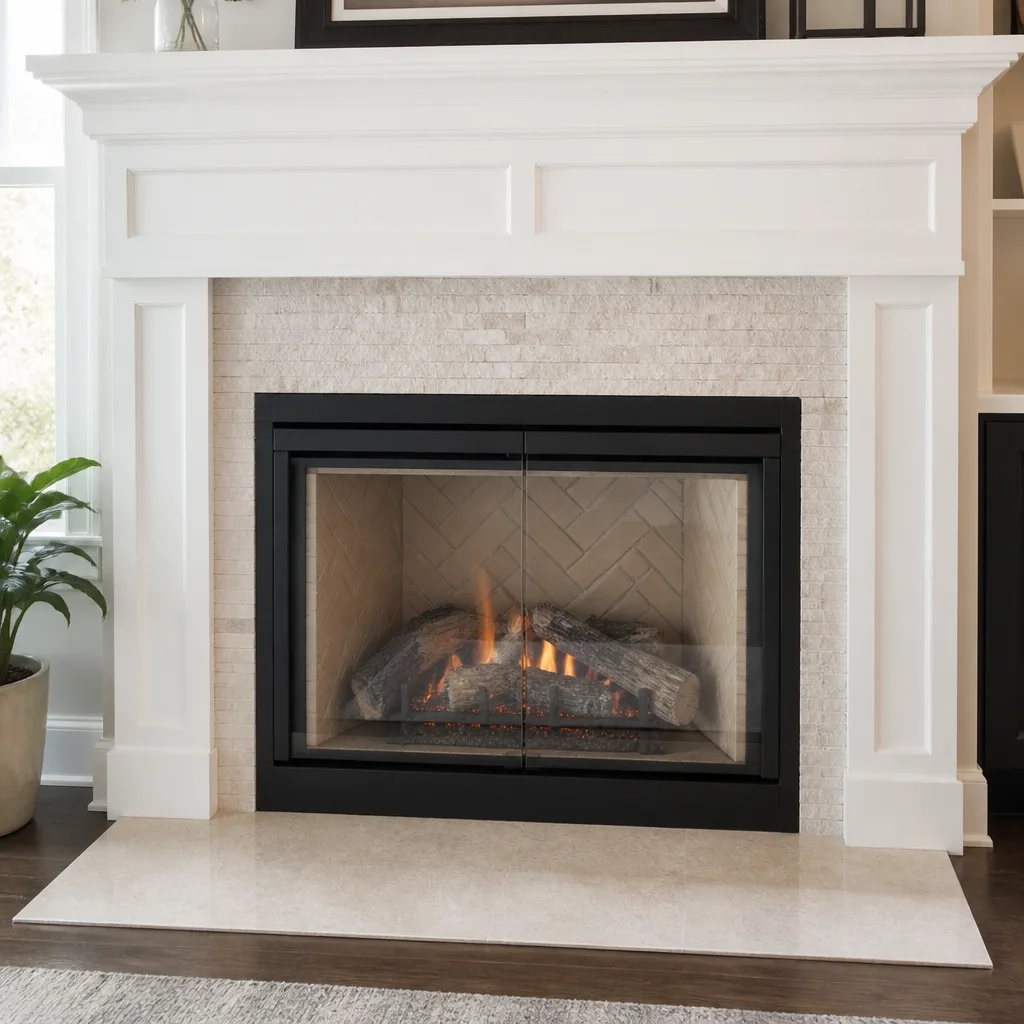
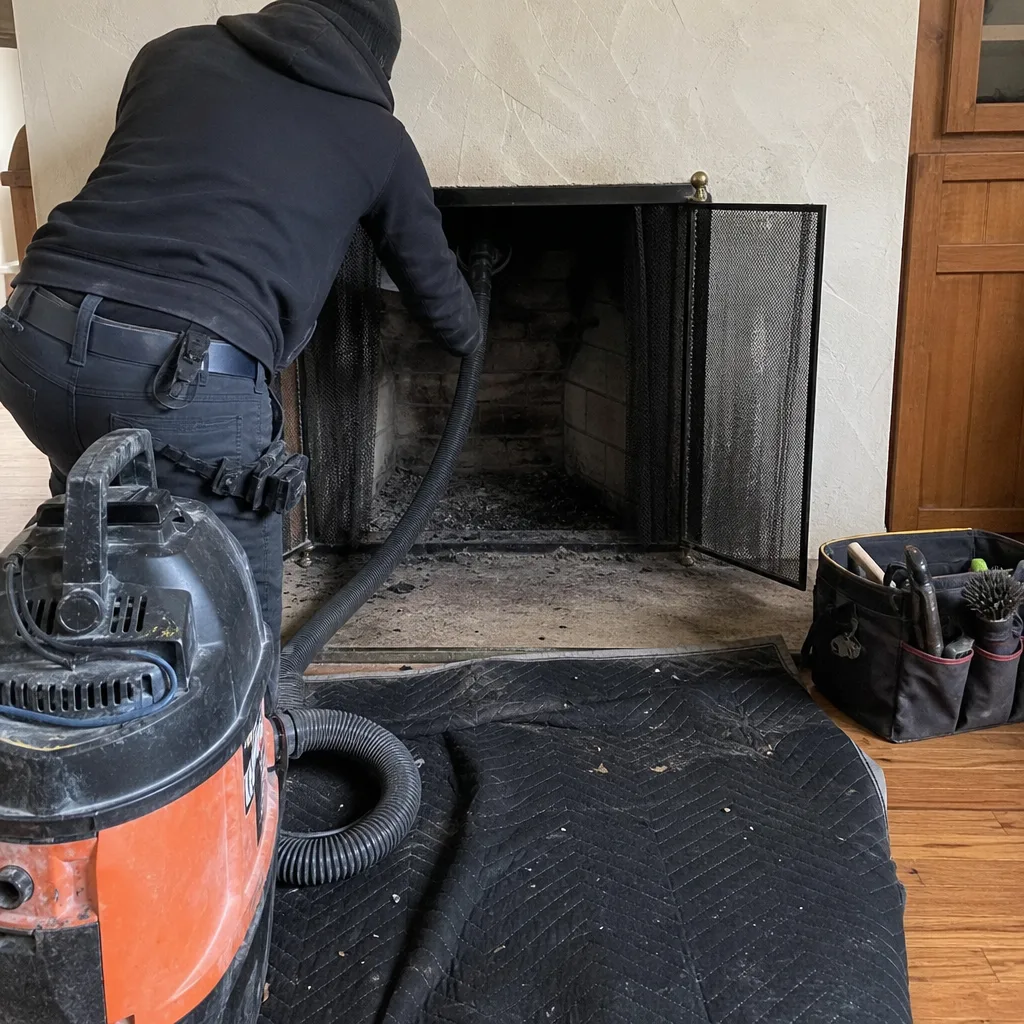 Before
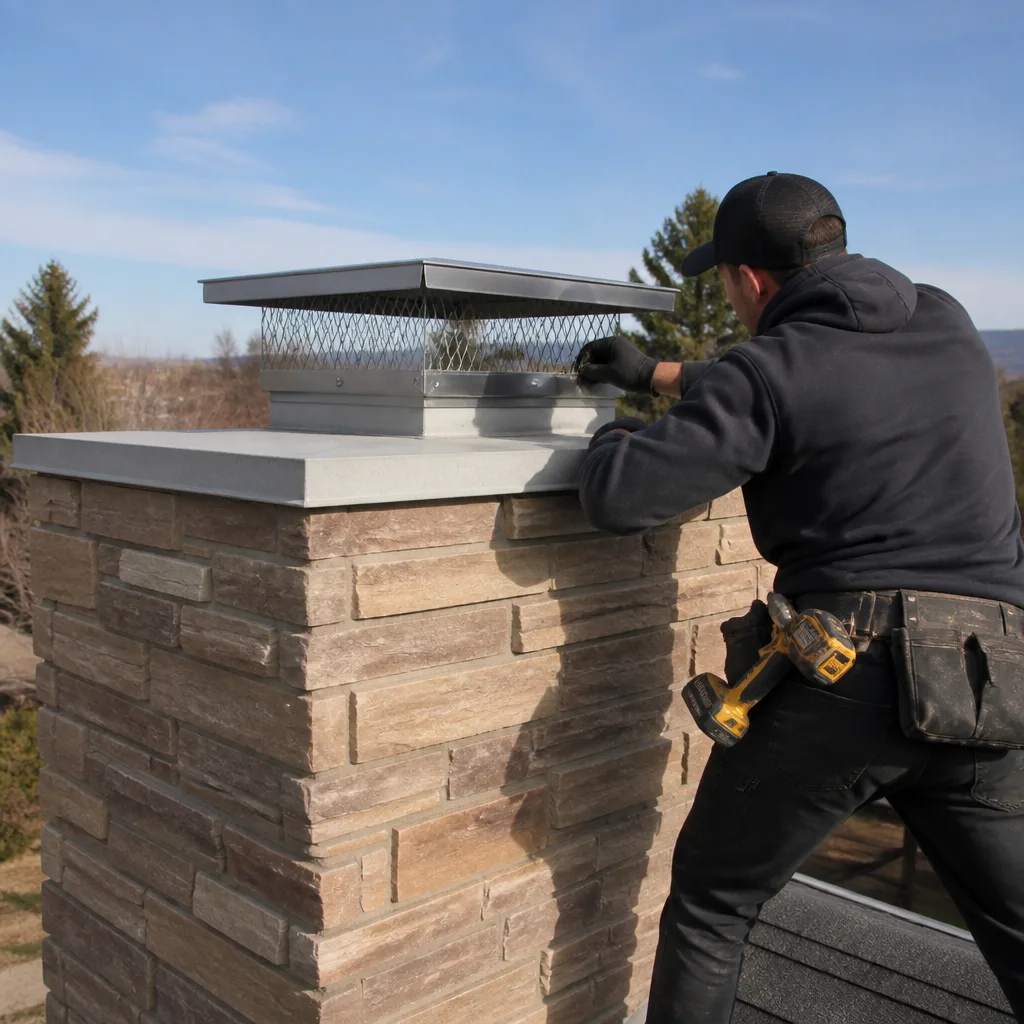 After
After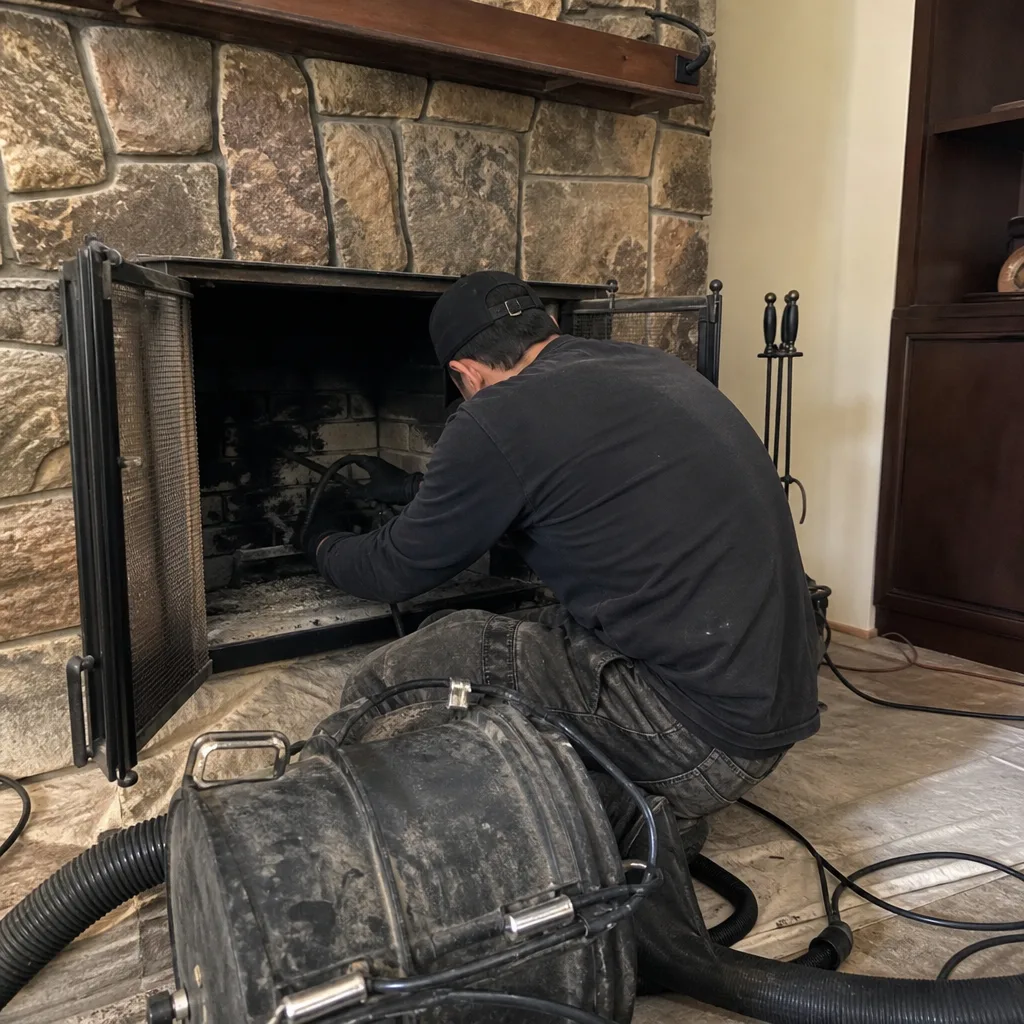 Before
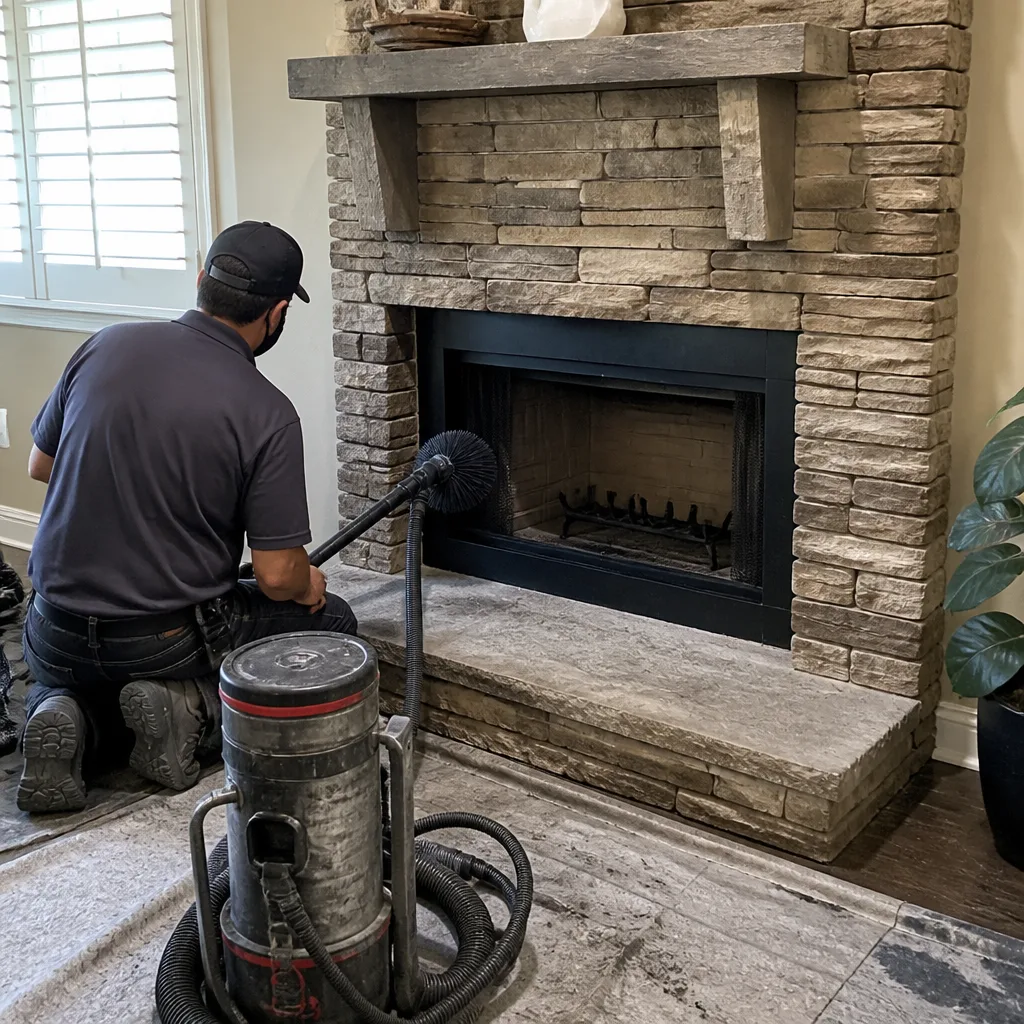 After
After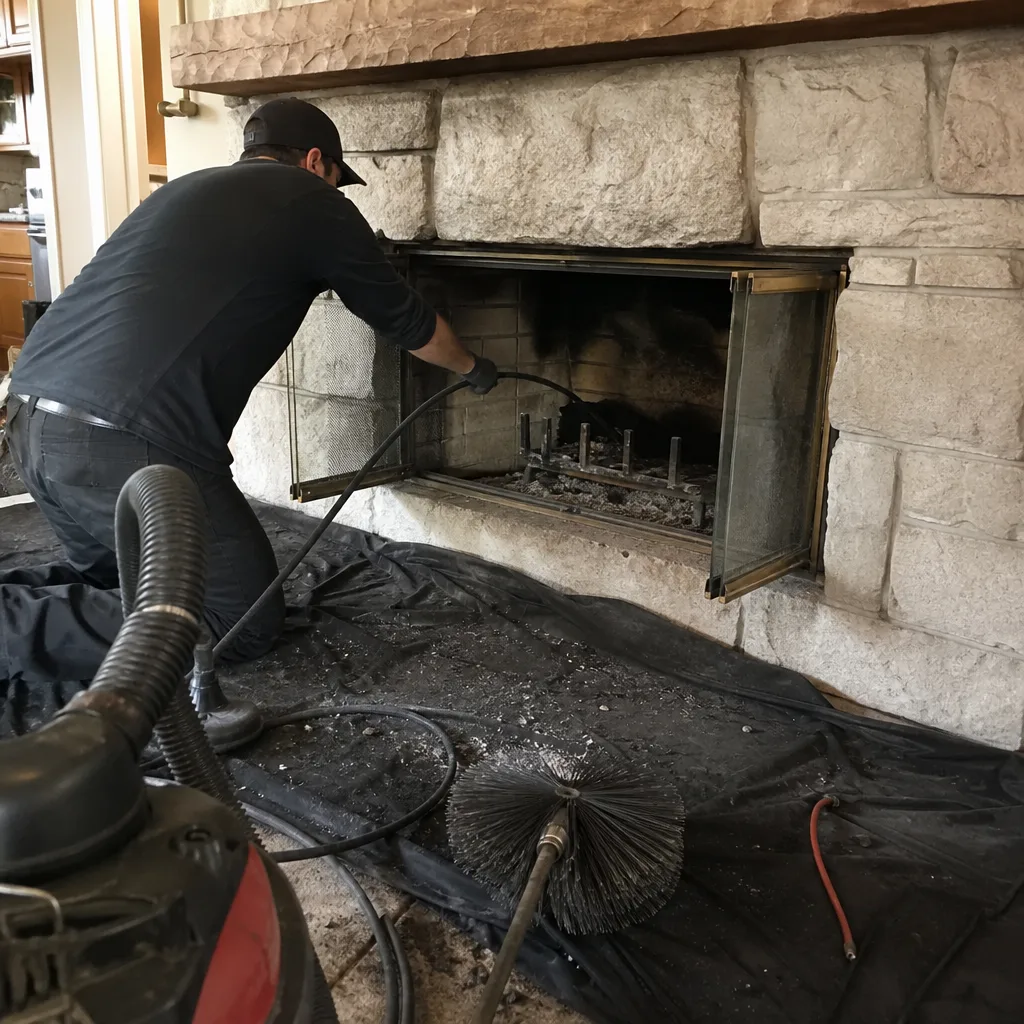 Before
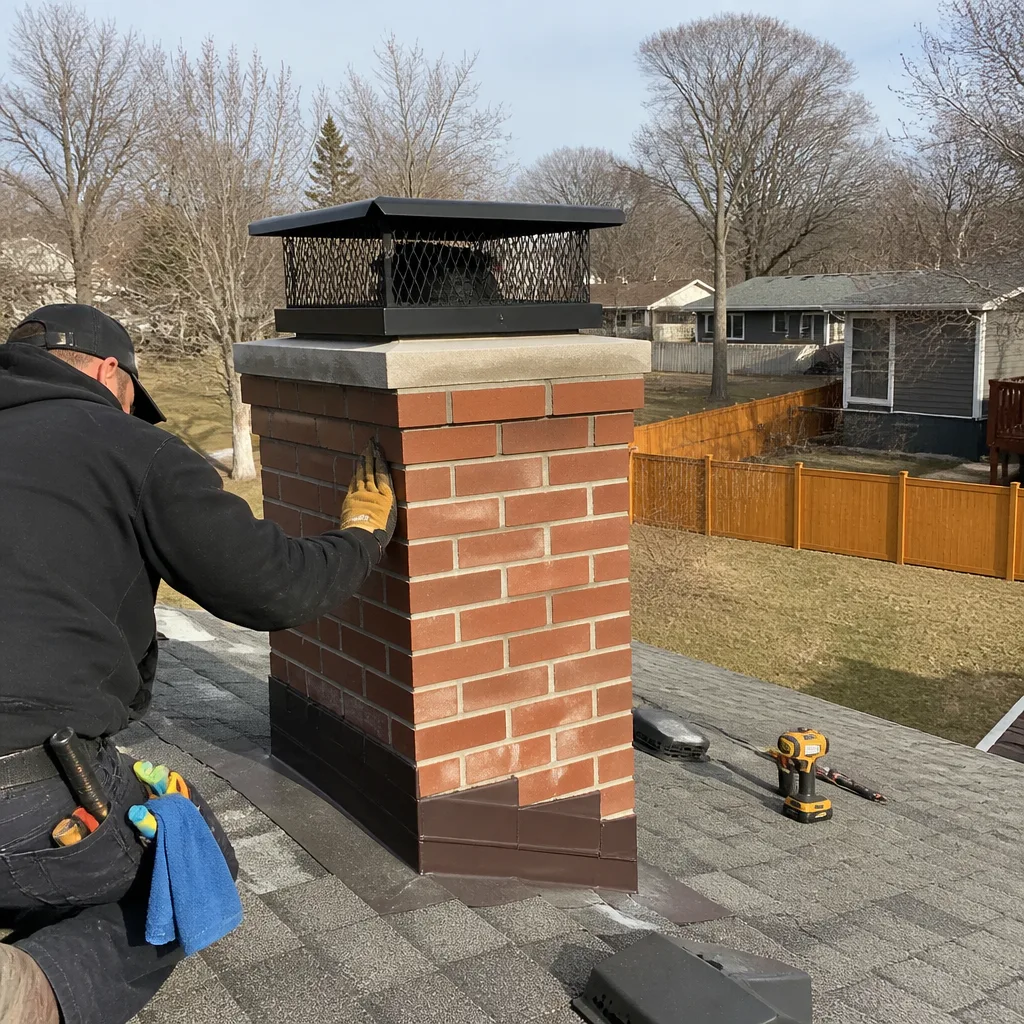 After
AfterOlympia Chimney Crown Repair: The Denver Owner’s Guide
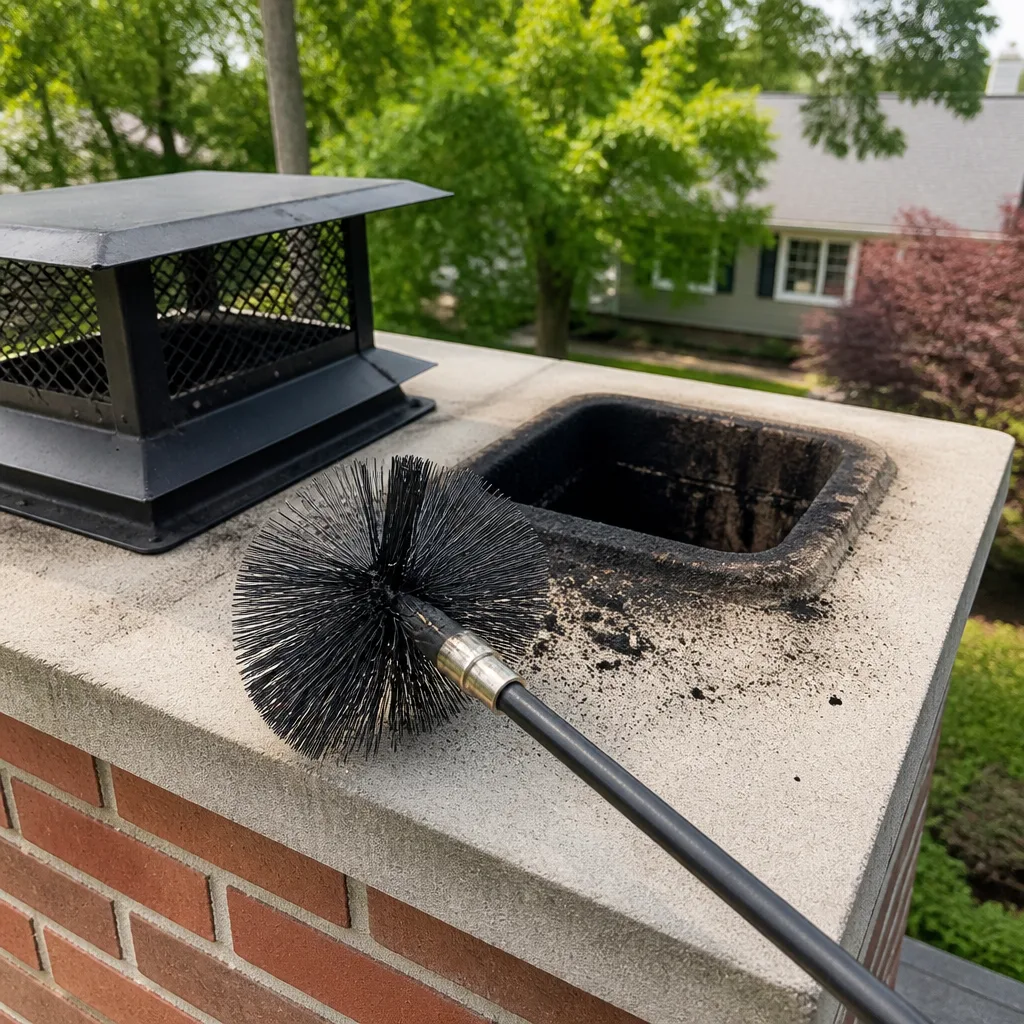
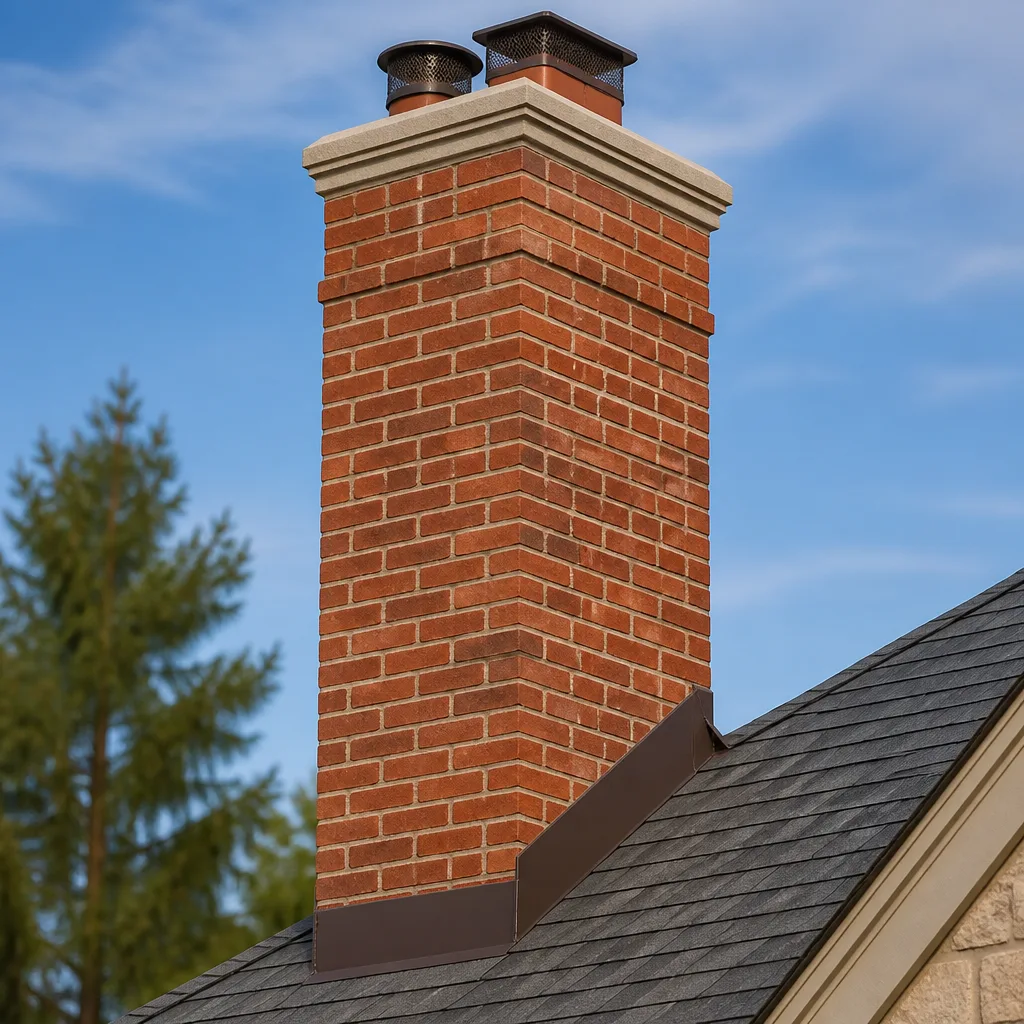
Olympia Chimney crown repair in Denver typically runs $380-$720 installed, depending on whether we’re sealing hairline cracks or pouring a new concrete crown with integrated drip edge. We stock Olympia-compatible crown sealants, forming systems, and pre-cast options on every truck, and most repairs are completed in a single visit once we’ve camera-scanned the flue to rule out hidden water damage below. Most Denver homeowners discover crown trouble after a spring snowstorm or during a pre-burning-season inspection, when water staining on the firebox walls or a powdery white residue (efflorescence) on the exterior brick tells the story the crown failed to keep out.
Which Olympia Chimney Models This Applies To
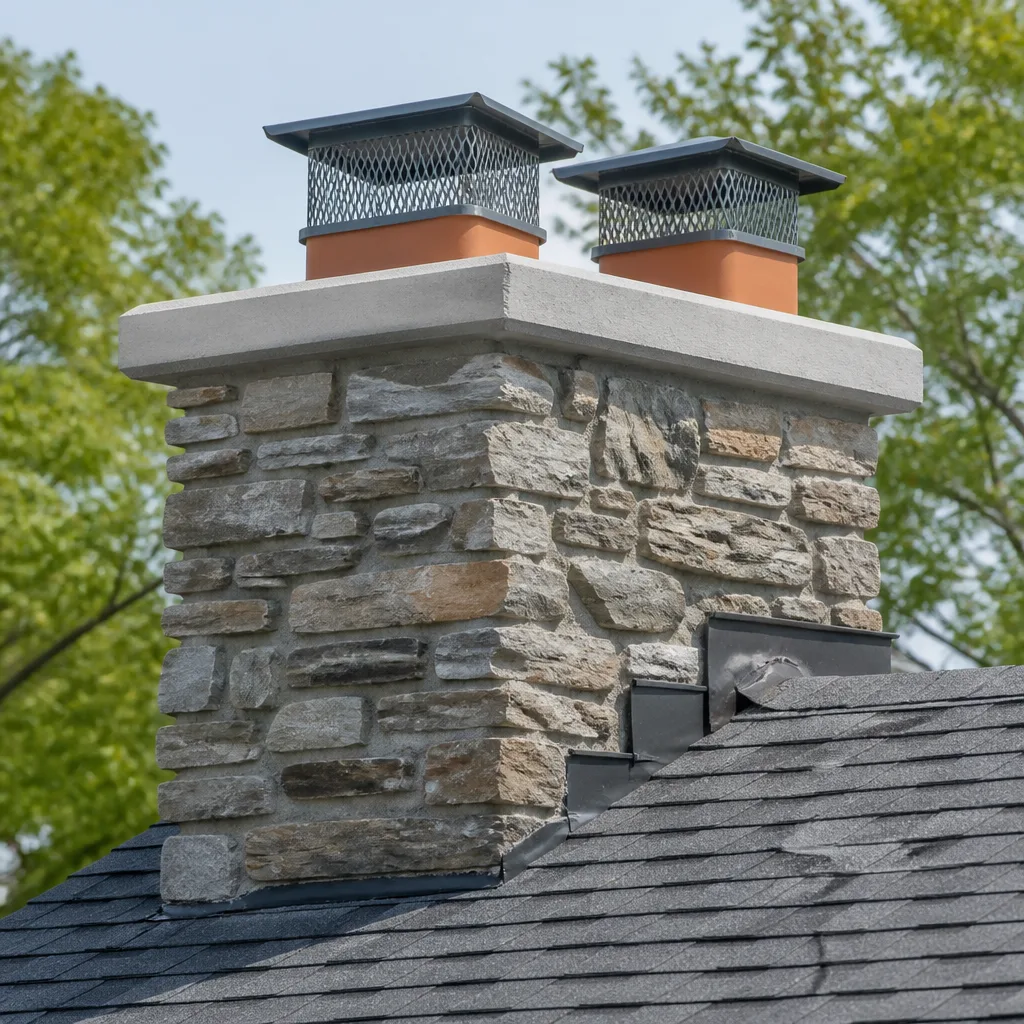
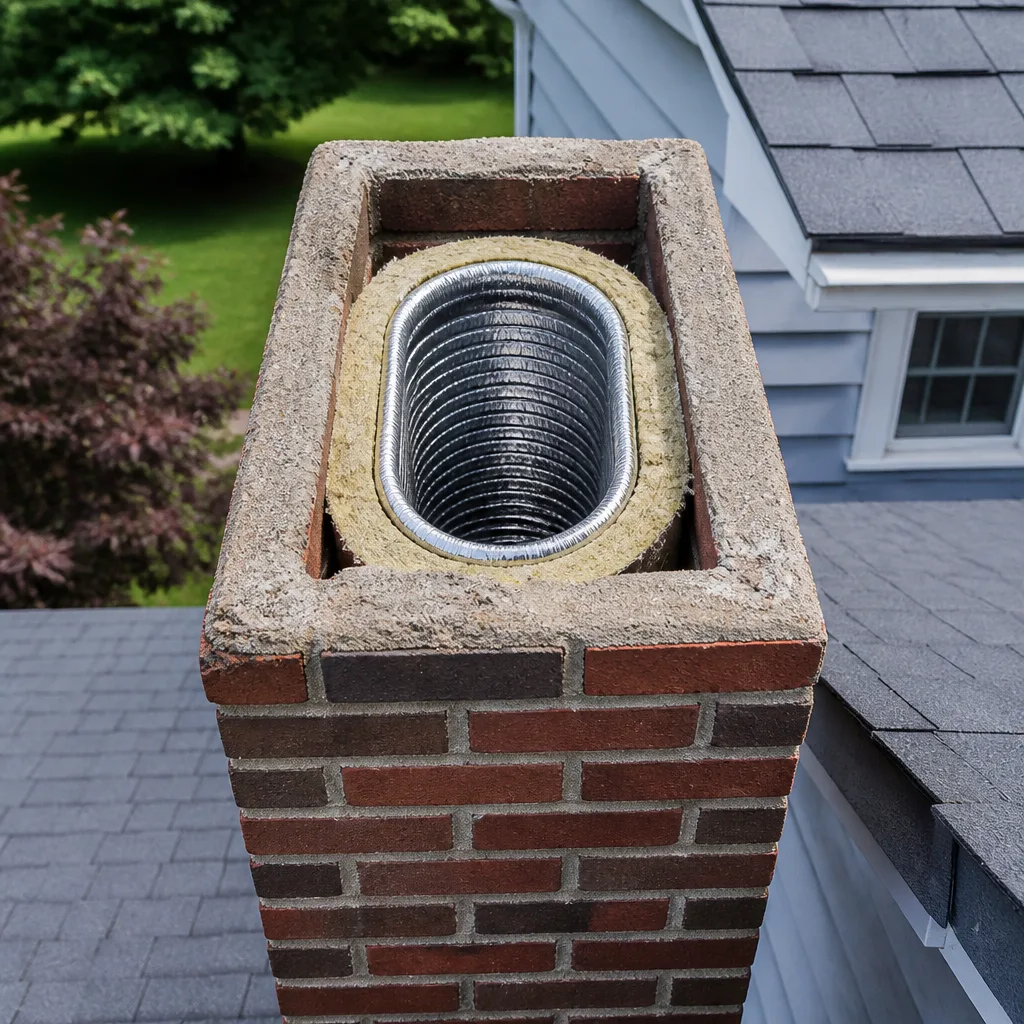
Olympia Chimney manufactures stainless steel chimney liner systems and venting components, but the concrete crown sitting atop your masonry chimney is the termination point that protects the entire assembly, liner included. If your flue is lined with Olympia’s 316Ti stainless steel liner, the crown’s condition directly determines how long that liner lasts, water intrusion being the leading cause of premature liner failure in Denver’s freeze-thaw climate.
To identify your specific setup, check the metal tag on the liner itself, usually visible at the thimble or cleanout, for the series designation (Olympia’s round flex liners are typically marked with diameter and gauge). The crown repair approach differs based on liner diameter and whether your termination uses an Olympia top plate with storm collar or a separate chase cover. We source forming systems and pourable crown mixes through Haven’s buying network, including Olympia-compatible termination hardware from Copperfield and Gelco, so we’re not guessing at fit. Level Two Chimney Denver is an independent service provider, not affiliated with Olympia Chimney. For crowns with integrated flue gas sealing, we match the pour to your liner’s OD within 1/8 inch to prevent the gap that traps water and spalls brick in Capitol Hill’s older clay flue systems.
Signs Your Olympia Chimney Crown Is Failing
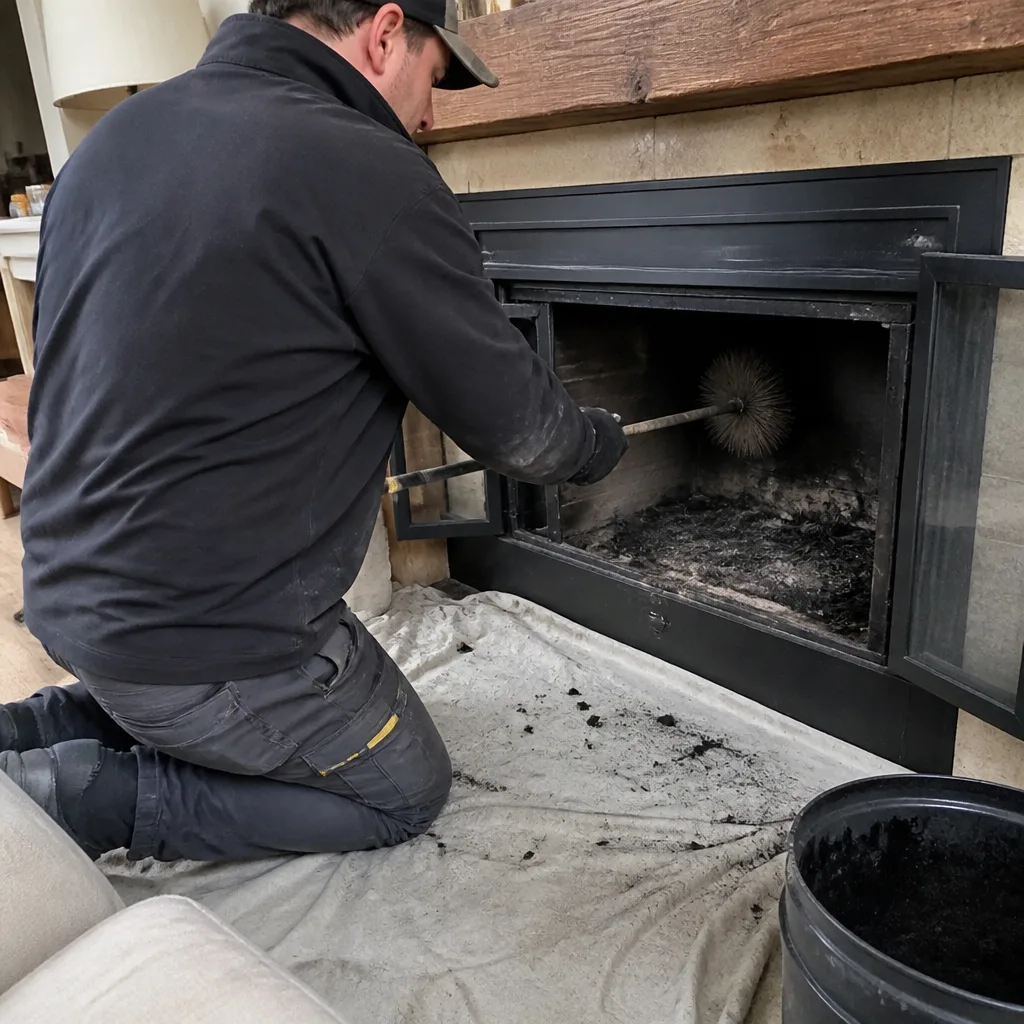
- Hairline cracks running across the crown surface. These form when the original concrete mix lacked proper air entrainment for Denver’s altitude and temperature swings, or when the crown was poured without an expansion joint around the flue tile. Water enters, freezes overnight in January, and wedges the crack wider each cycle.
- Chunks of concrete missing from the crown edge (spalling). This usually means the crown was cast flat or sloped inward, a common shortcut in 1980s Denver construction, letting water pool instead of shed. Once the rebar or wire mesh inside rusts, the concrete pops off in pieces you find in the yard after wind.
- Water stains on the firebox walls or smoke chamber ceiling. The crown’s primary job is to shed water away from the flue opening. When it fails, water runs down the flue liner, past the Olympia top plate seal, and pools where the smoke chamber meets the firebox, accelerating creosote absorption into mortar joints.
- White powdery residue (efflorescence) on exterior brick below the crown. This is dissolved mineral salts carried through the brick by water that entered at the crown line. In Denver’s low-humidity climate, efflorescence appears slowly but persistently, often the only visible clue that water has been migrating for multiple seasons.
- Deteriorated mortar joints in the top 2-3 courses of brick. Water dripping from a cracked crown soaks the brick below, and in Denver’s 300+ freeze-thaw cycles annually, saturated brick faces spall while the mortar turns to sand. This damage compounds quickly; we’ve replaced full courses in Park Hill homes where the crown crack went unaddressed for two winters.
 Before
 After
AfterReplacement Cost & What’s Included
| Repair Type | Typical Range (Denver) | What’s Included |
|---|---|---|
| Crown sealing (hairline cracks, intact structure) | $380-$520 | Surface prep, flexible crown sealant application, drip edge inspection, photo documentation |
| Partial crown rebuild (spalling edges, cracked through) | $550-$720 | Form and pour new concrete crown with proper slope, integrated drip edge, flue gap seal, 5-year material warranty |
| Crown + top plate replacement (Olympia liner systems) | $680-$940 | All of the above plus new storm collar, top plate, and hardware matched to liner diameter |
What drives the range: crown size (most Denver chimneys run 24-36 inches square), access complexity (steep roofs in Cherry Creek or three-story Victorians on Federal Boulevard add rigging time), and whether the flue tile itself needs resetting after water damage. We deliver a written price before any work starts, per Clause 1 of the Haven Standard, and that price includes the photo record Clause 4 requires. Materials come through Haven’s buying network, procured from Olympia Chimney, Copperfield, and Gelco suppliers specifically to keep customer prices honest. The 365-Day Done Right Promise covers all crown work; if the seal fails or the pour cracks, we make it right.
DIY or Call Us?
Here’s what you can safely check yourself: from the ground with binoculars, look for the crack patterns and missing edges described above. Tap the crown surface lightly with a broom handle, if you can reach safely, a hollow sound suggests delamination beneath. That’s the limit of what we’d advise.
Pouring a chimney crown requires forming at height, working wet concrete on a sloped surface while maintaining proper clearance around a hot flue, and achieving the minimum 3/4-inch-per-foot slope that sheds water toward the drip edge, not the brick. The concrete mix must be air-entrained for freeze-thaw resistance, something standard bagged mixes don’t specify clearly. We’ve been called to Federal Boulevard homes where a well-intentioned homeowner’s DIY crown poured flat and trapped water, accelerating the damage it was meant to stop. Corrine Halstead and our crew carry the forming systems, mixer-rated concrete, and fall protection to do this once and do it right. The camera doesn’t guess. Neither do we. Call (720) 674-7312 and we’ll show you what we found before we name the price.
FAQs
A properly poured concrete crown with air-entrained mix and integrated drip edge lasts 20-30 years in Denver’s climate, though the sealant-only approach on hairline cracks needs reinspection every 3-5 years. The freeze-thaw cycle count here is higher than sea-level cities, so slope and material quality matter more than thickness alone. Call (720) 674-7312 for an exact quote on your crown condition, estimates are free.
Hairline cracks under 1/8 inch with no spalling or delamination can be sealed with a flexible crown coating system, saving roughly half the cost of a full rebuild. If the crack runs through the crown, if chunks are missing, or if water has already reached the liner top plate, replacement is the honest recommendation and we’ll show you the camera footage that proves it. Call (720) 674-7312 for a free estimate.
Most crown sealing jobs finish in 2-3 hours; a full form-and-pour replacement takes 4-6 hours including cure time before we remove forms, though we ask you to avoid firing the appliance for 24 hours while the concrete reaches initial set. We stock Olympia-compatible materials on every truck, so we’re not waiting on parts. Call (720) 674-7312 to schedule.
Yes, we carry crown sealants, forming systems, pourable concrete mixes rated for high-altitude freeze-thaw, and Olympia-compatible termination hardware from Copperfield and Gelco on every service vehicle. For pre-cast crown replacements or custom sizes beyond standard stock, we pull from Haven’s Denver warehouse within 24 hours. Call (720) 674-7312 to confirm availability for your specific liner diameter and chimney dimensions.
Ready to see what your crown actually looks like from the top? Call (720) 674-7312 for a free estimate. We’ll camera-scan the flue, inspect the crown up close, and deliver a written price before any work starts, backed by the Haven Standard and our 365-Day Done Right Promise. Live support, 24 hours a day.
Written by Corrine Halstead, Owner, Level Two Chimney Denver at Level Two Chimney Denver, serving Denver and nearby areas.