
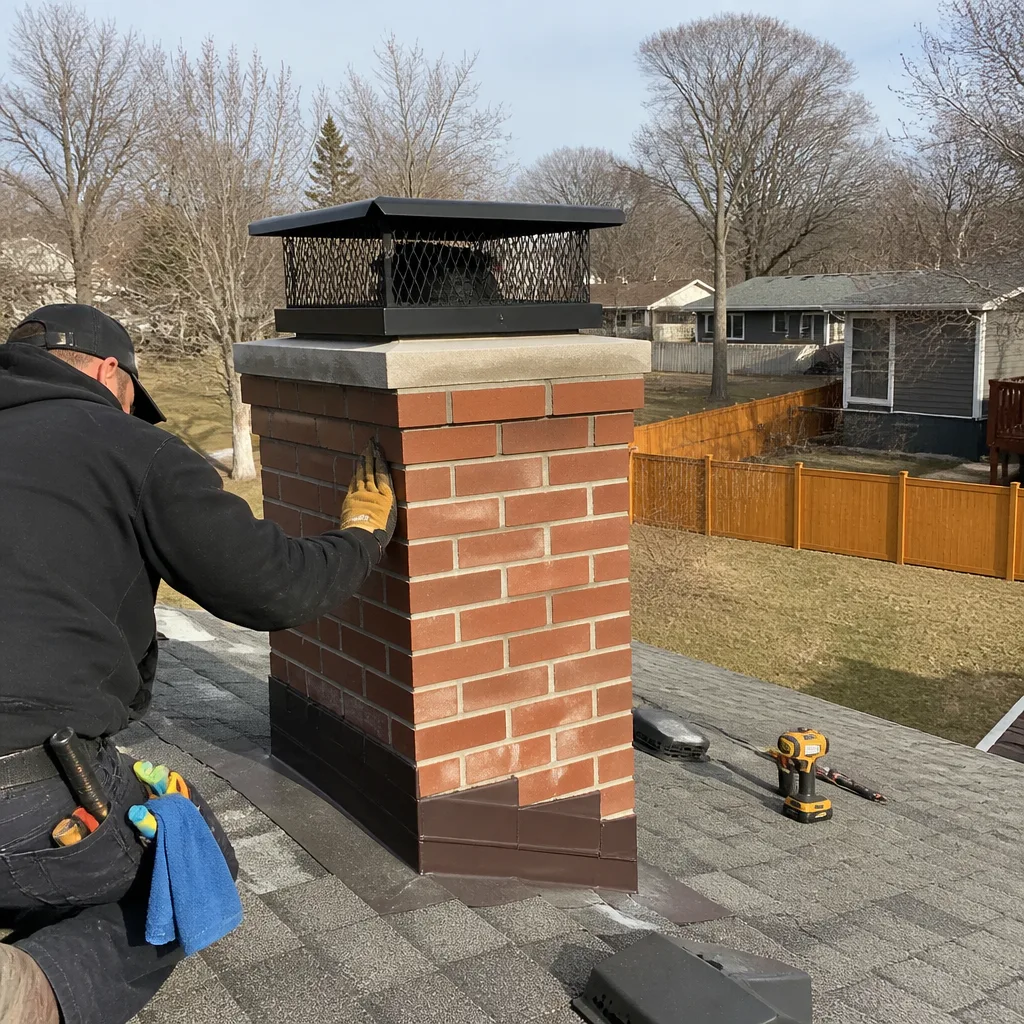
Level 1 sweep and inspection to the NFPA 211 annual standard - flue, crown, cap, and flashing checked and photographed
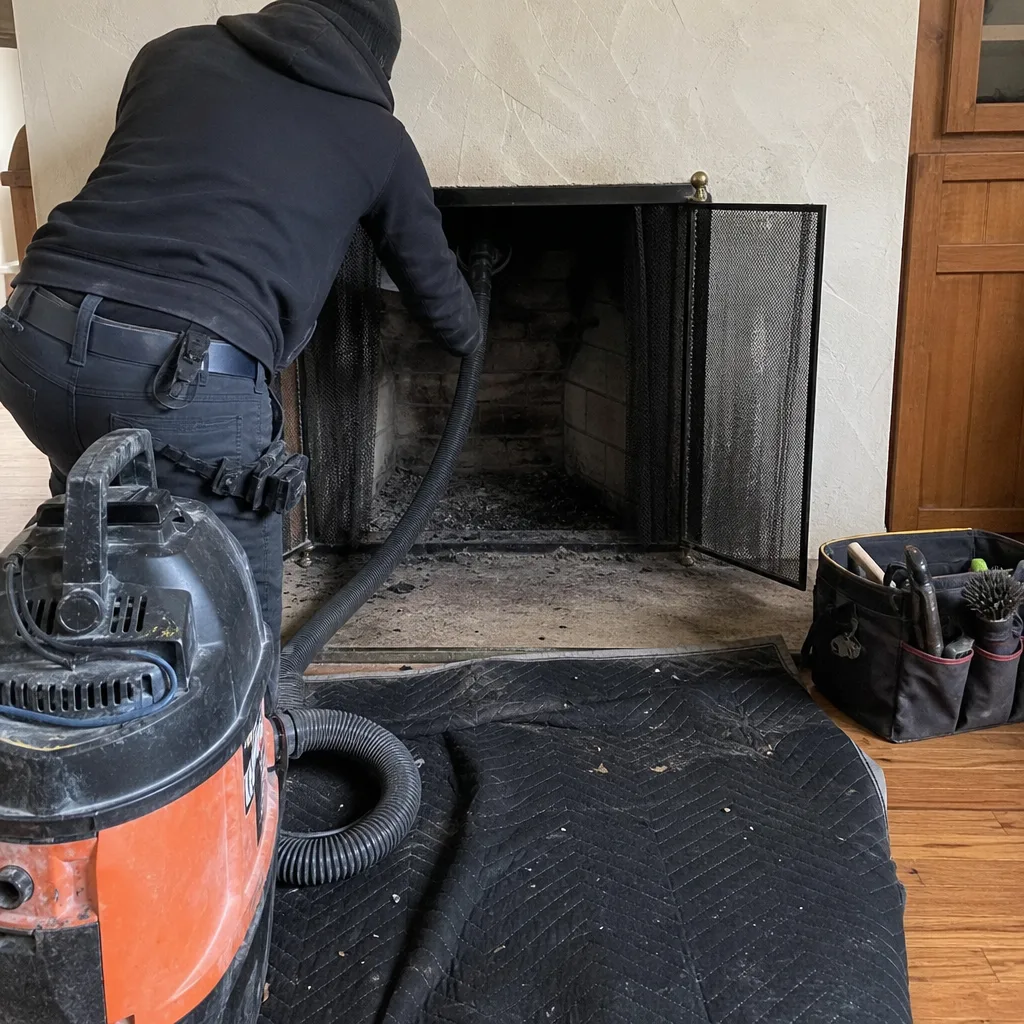
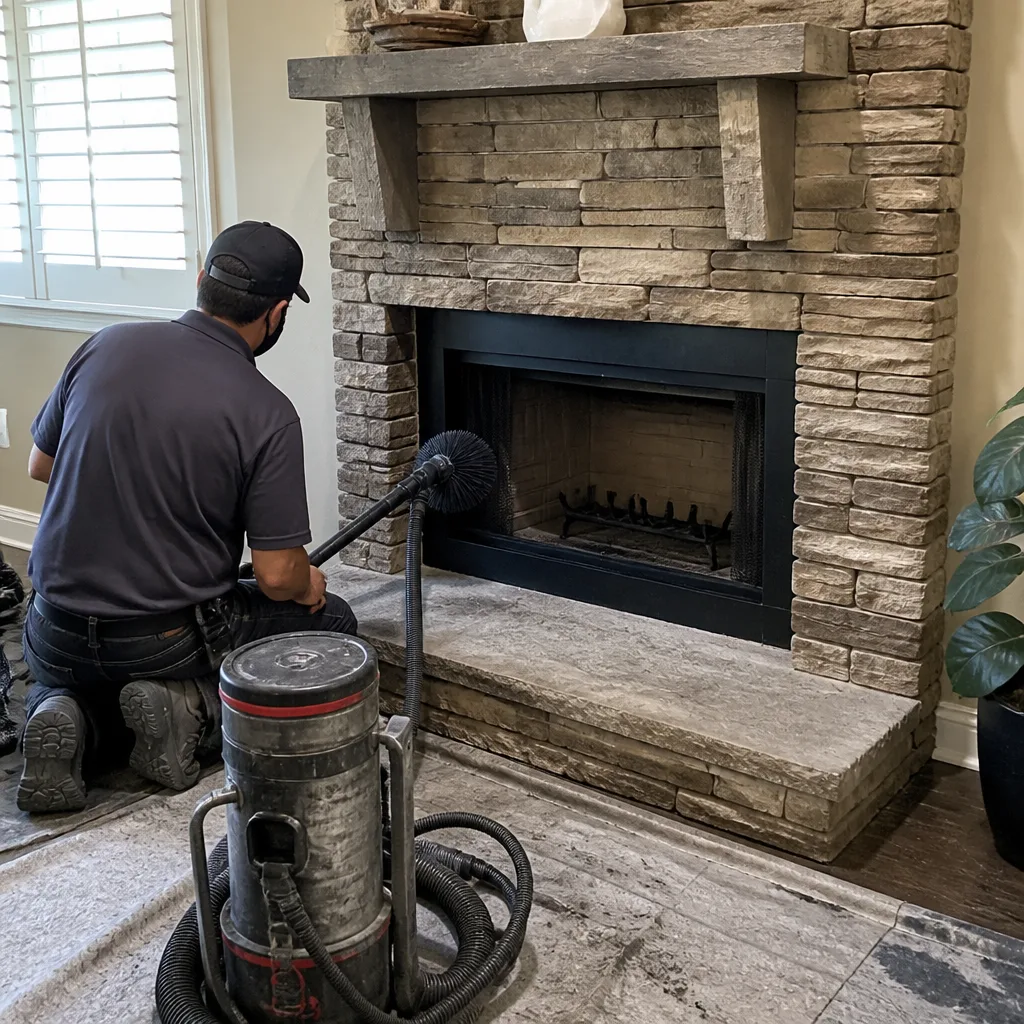
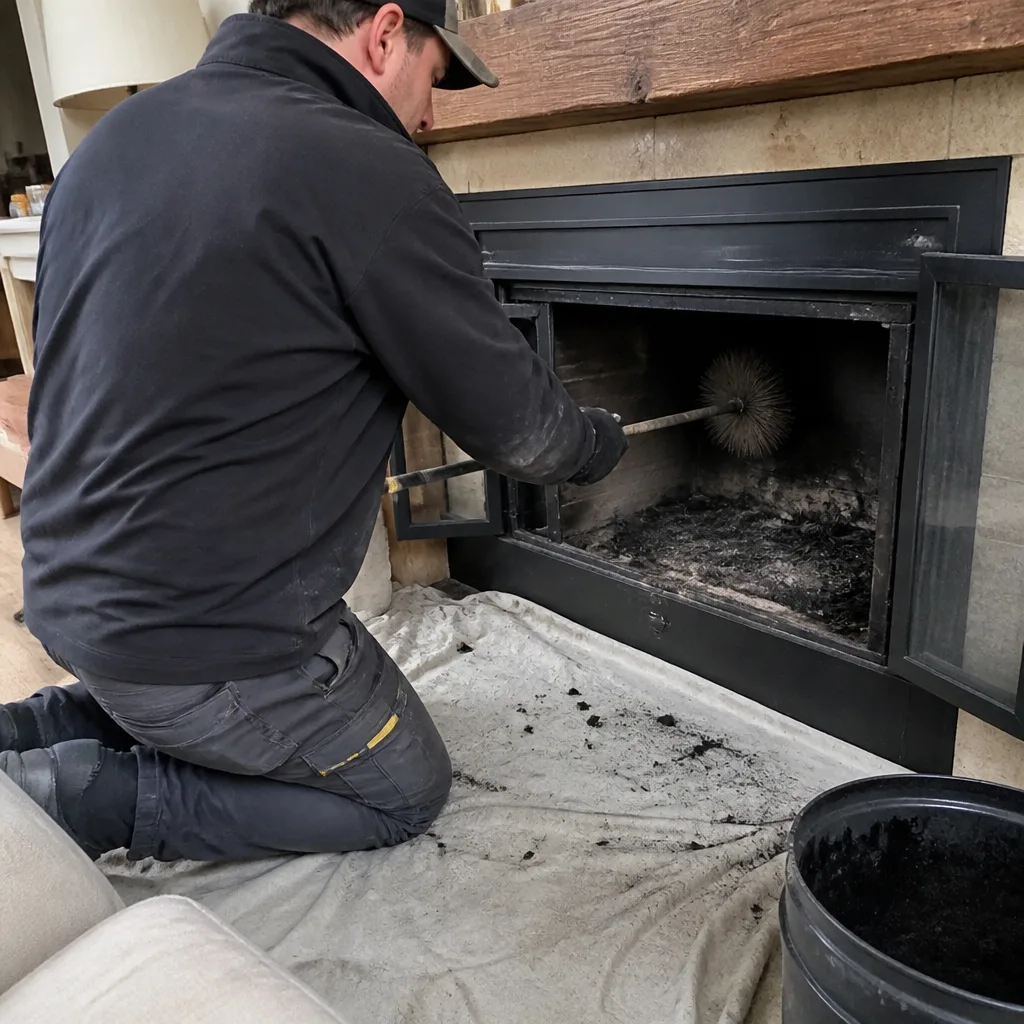
Chimney sweep logs do not sweep chimneys. They loosen some creosote - which then falls where a brush and vacuum still have to collect it.
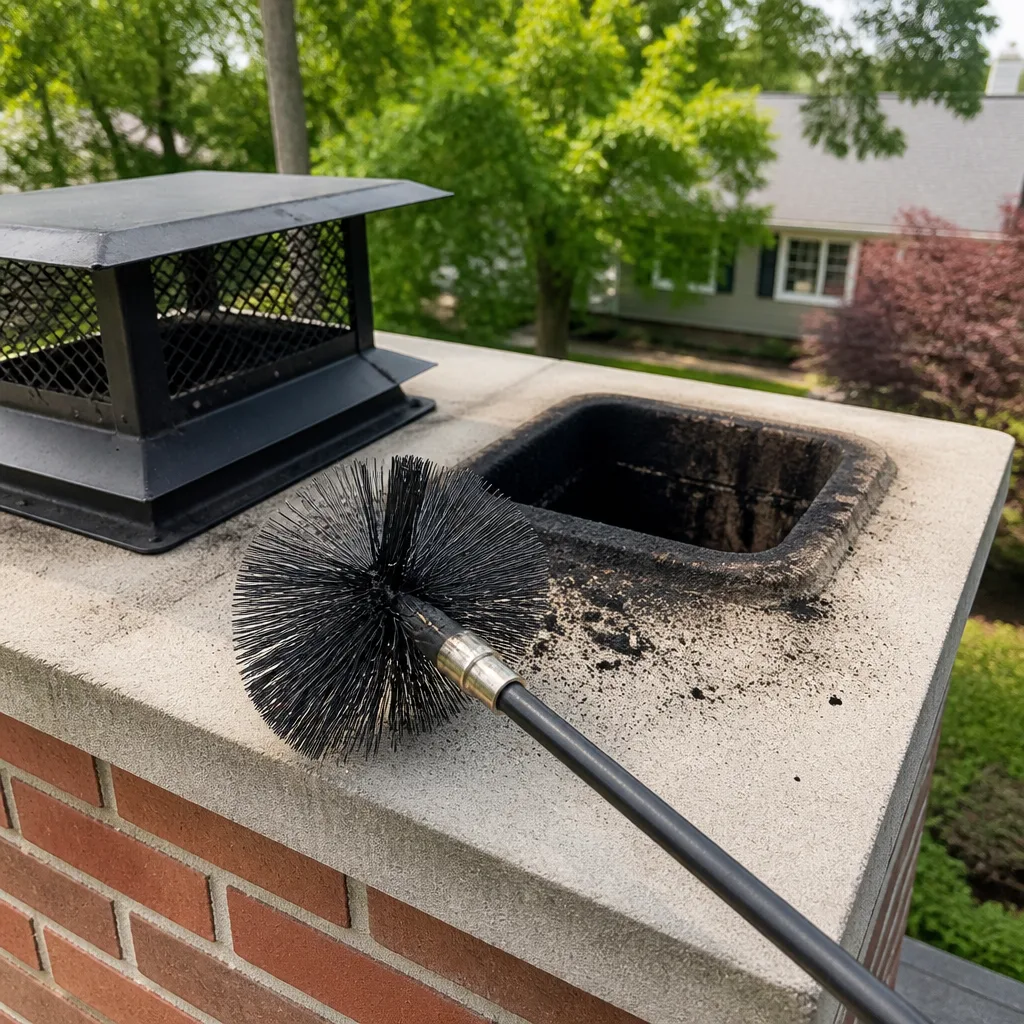
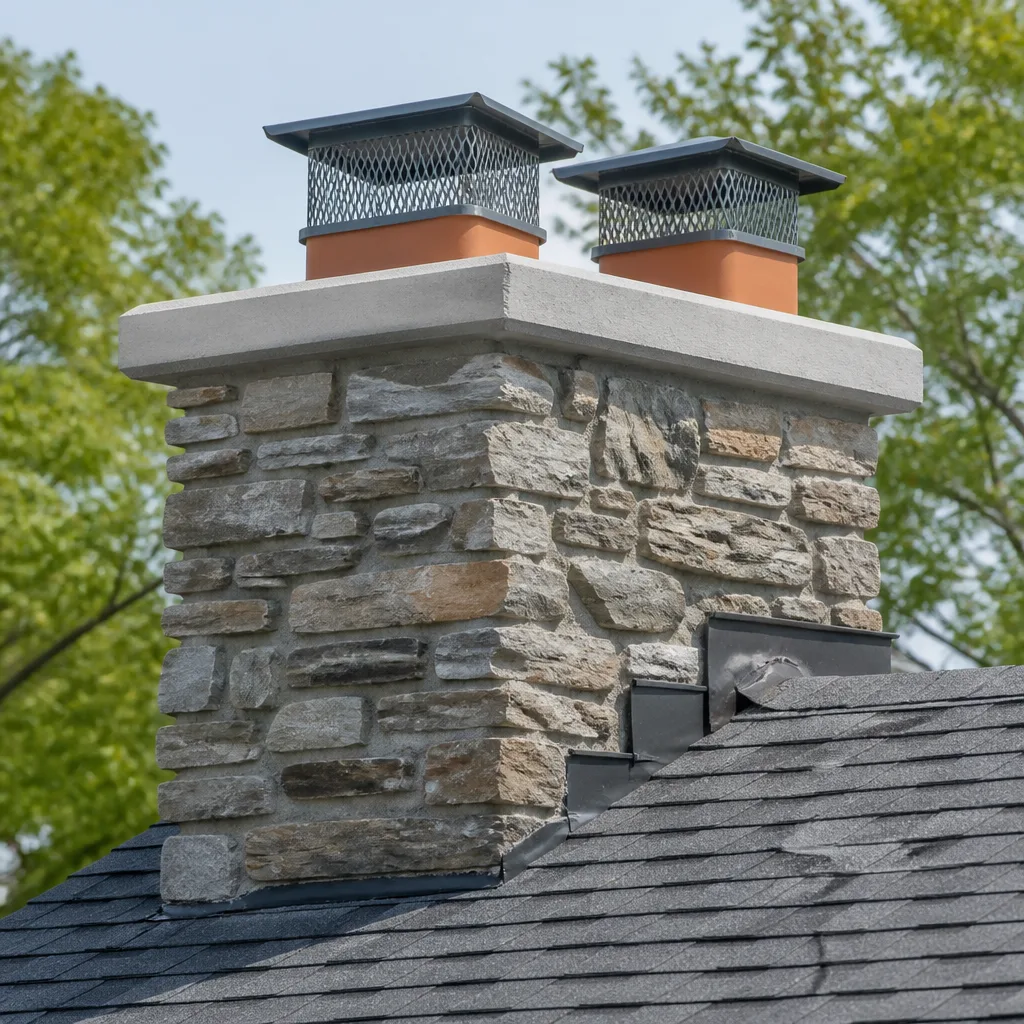
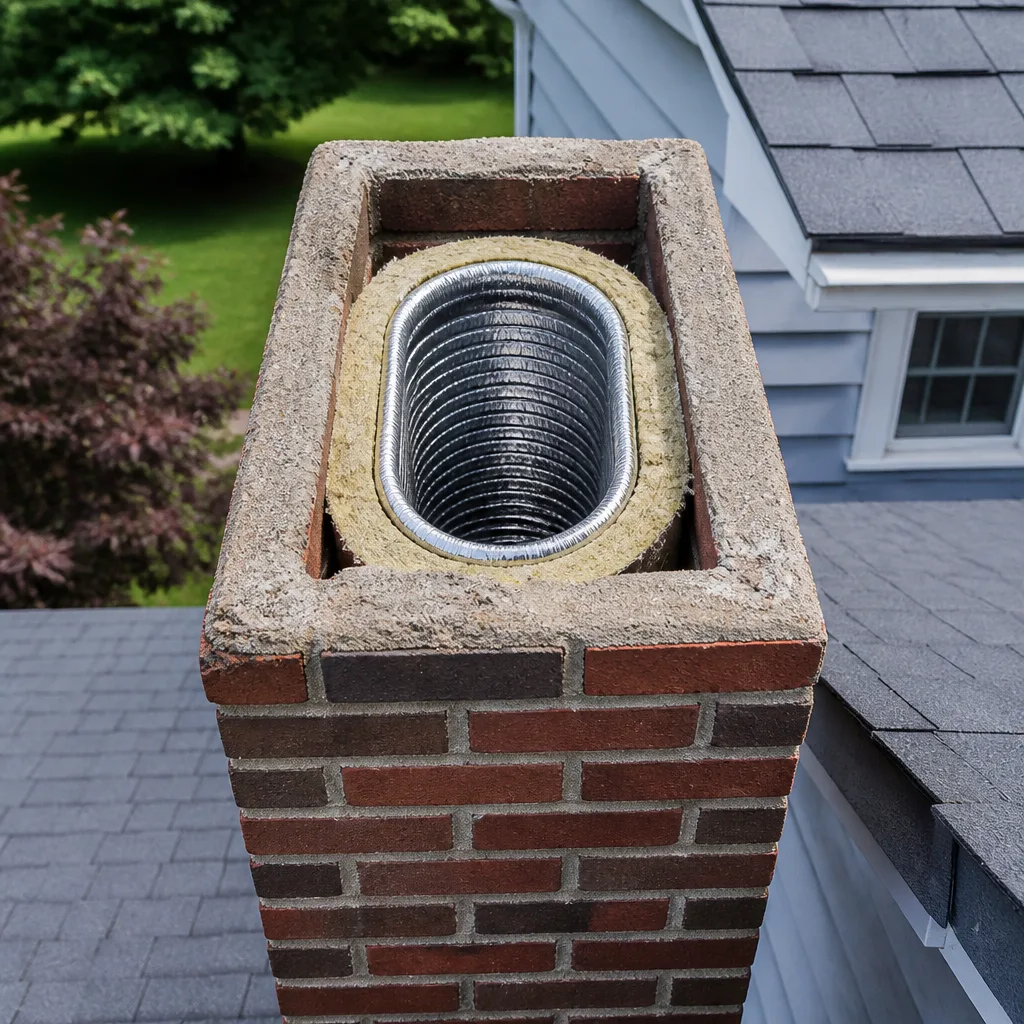
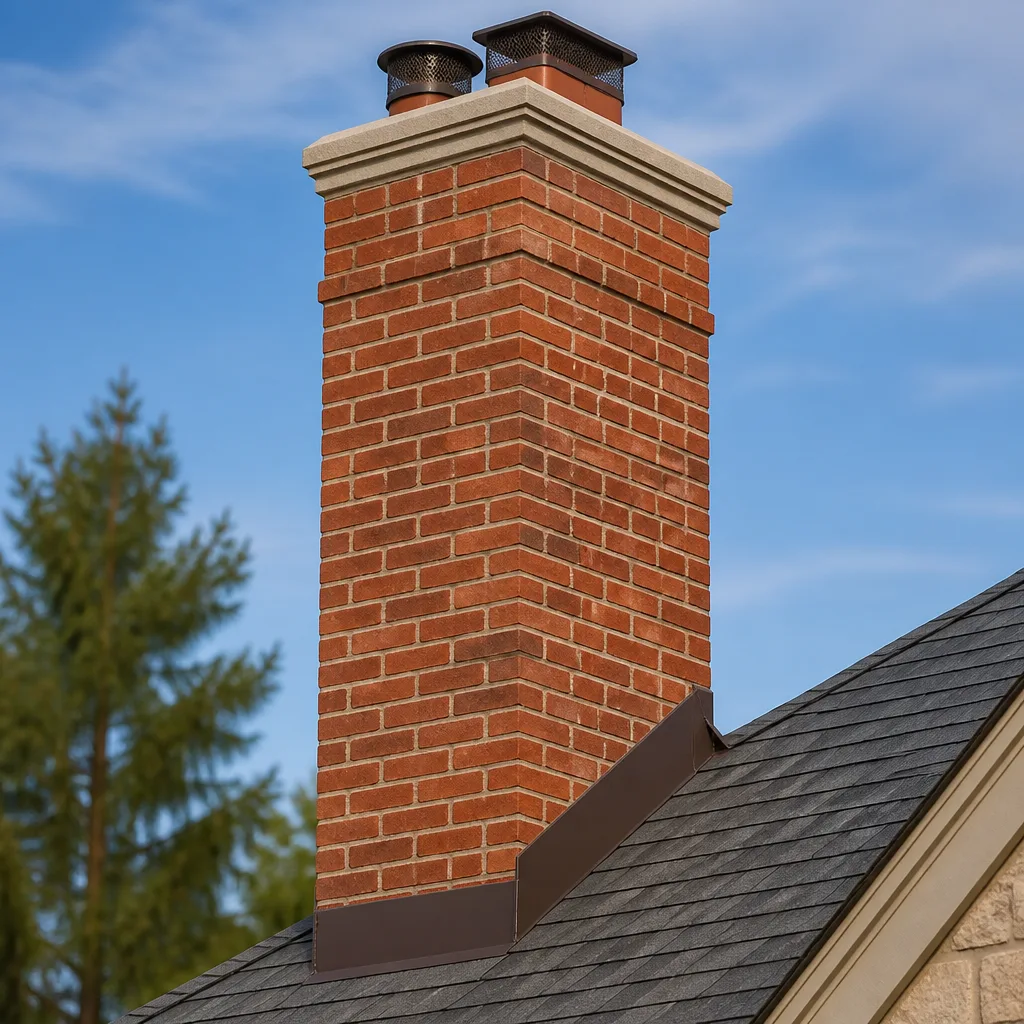
 Before
 After
After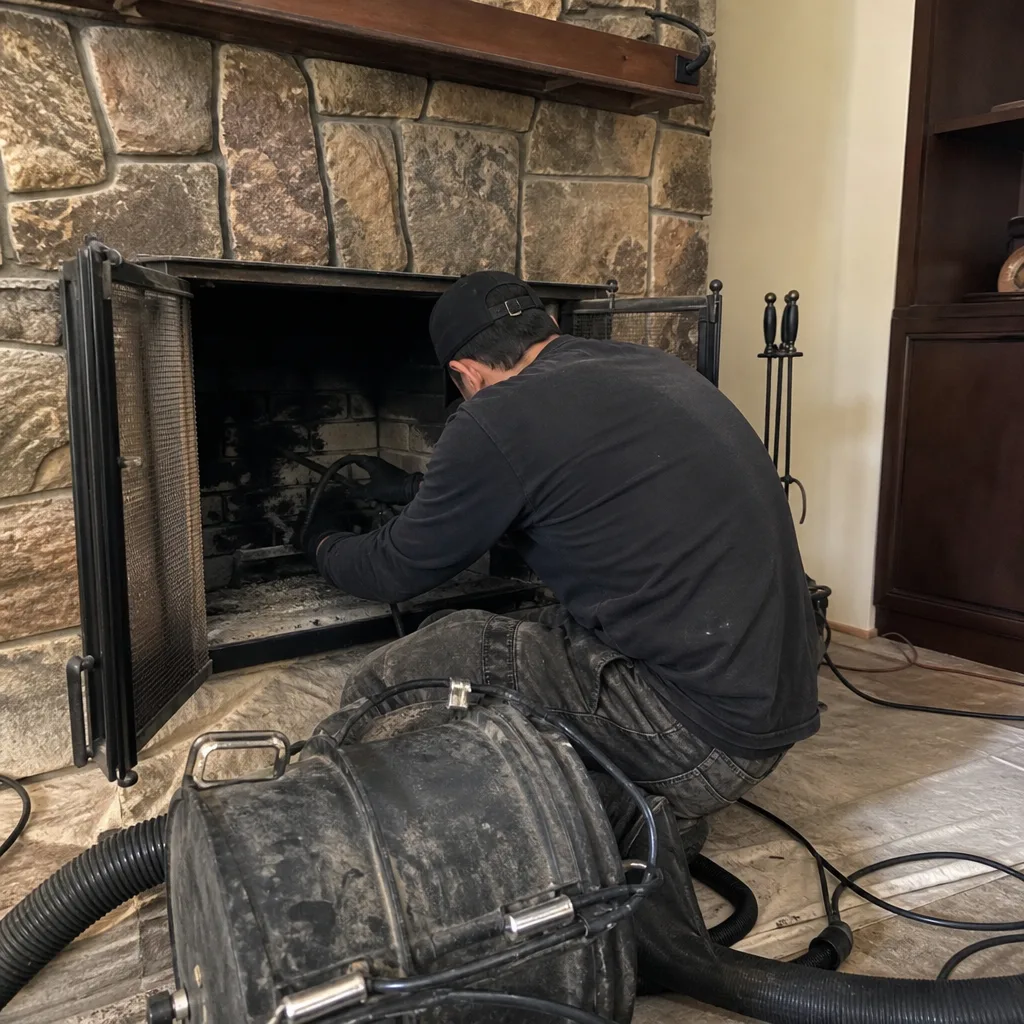 Before
 After
After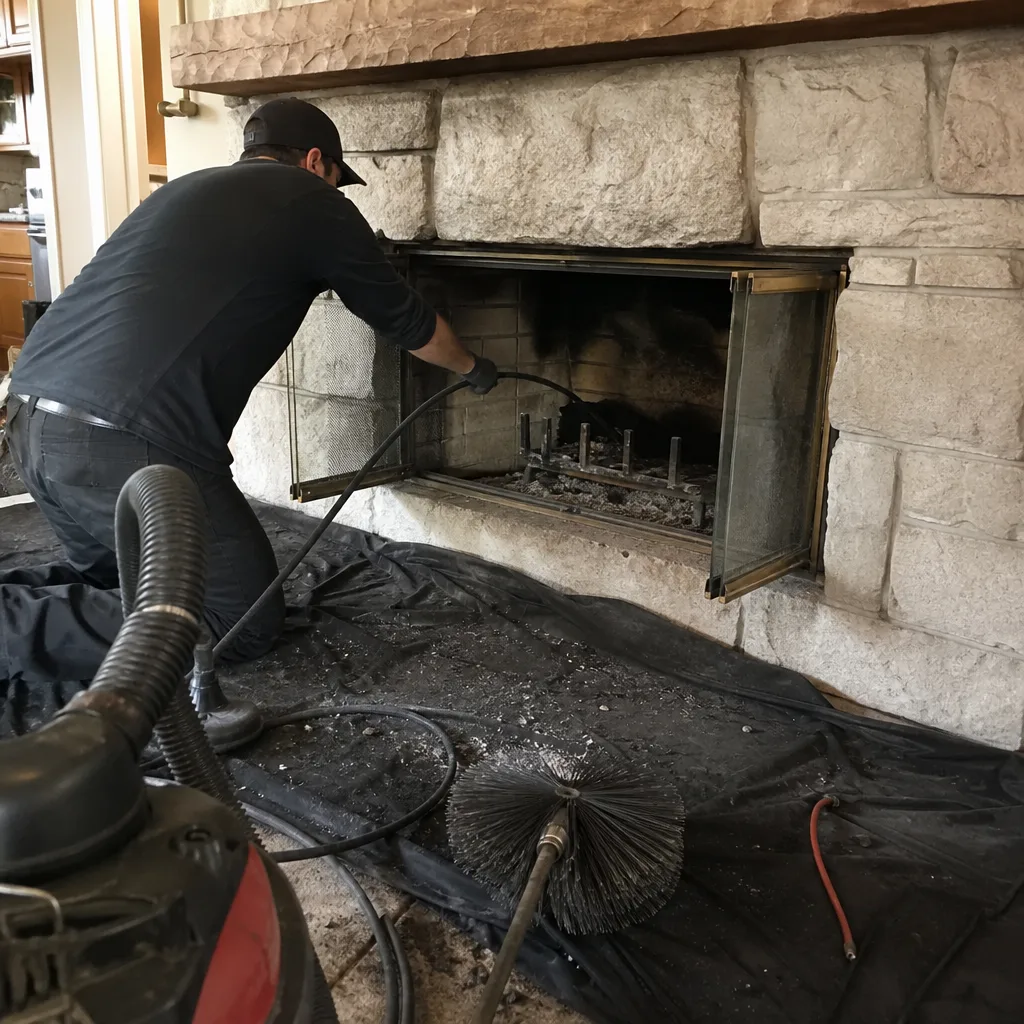 Before
 After
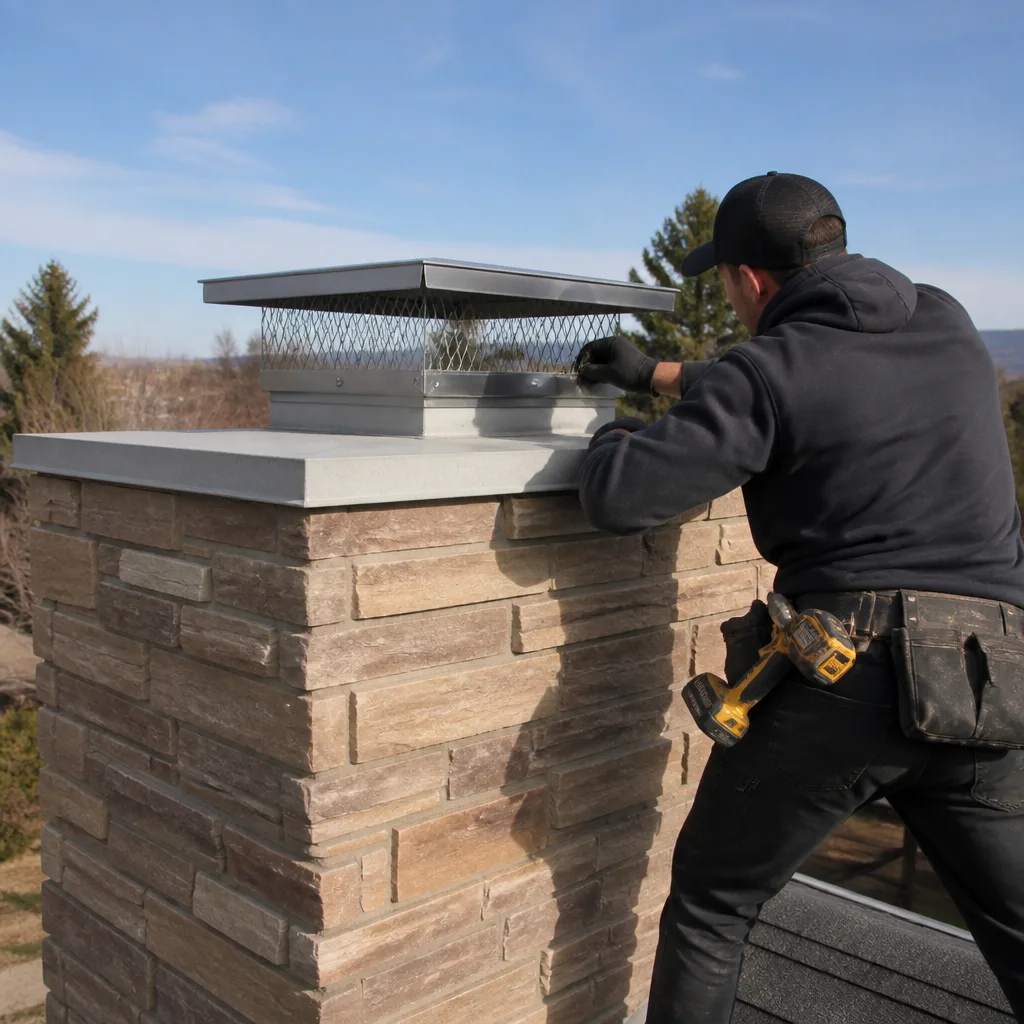
AfterCopperfield Chimney Cap Installation: The Denver Owner’s Guide
We stock and install Copperfield-compatible chimney caps across Denver, with most residential installs running $340-$620 depending on flue size and whether the chase top needs resealing. If your cap blew off in a Front Range wind event or the mesh is rusted through, we can usually match the model and have it on your roof within a day or two. Most Denver homeowners realize their Copperfield cap has failed when they spot water stains on the firebox ceiling or hear metal rattling against the flue during one of our spring windstorms.
Which Copperfield Models This Applies To
Copperfield caps break down into three main series you’ll see around Denver: the standard galvanized multi-flue caps (model prefixes MCP and CBO), the stainless single-flue line (SC series), and the wind-resistant Lock-Top dampers that integrate cap and damper in one unit. The MCP line is the workhorse on 1980s-2000s Denver tract homes, especially in neighborhoods like Stapleton and Green Valley Ranch where builders spec’d them by the pallet. Check the stamp on the existing cap’s skirt or measure your flue tile opening: single-flue caps fit the tile directly, multi-flue caps mount to the crown or chase cover. We source through Haven’s buying network alongside DuraFlex, HeatShield, and Gelco, so we can quote OEM Copperfield or a compatible aftermarket equivalent with the same gauge stainless and equivalent mesh spec. The aftermarket route typically saves $60-$90 on parts without changing the installed warranty.
Signs Your Copperfield Chimney Cap Installation Is Failing
- Rust stains running down the chimney face. Copperfield’s galvanized caps last 8-12 years in Denver’s dry climate, but once the powder coat or galvanizing breaches at the seams, oxidation accelerates. We see this first on south-facing exposures where UV cycling is harshest.
- Mesh sides detached or sagging. The spot-welds on older MCP series fatigue from thermal cycling; the mesh drops and creates a gap that lets in birds, squirrels, and the wasp nests we pull out of Park Hill flues every June.
- Cap shifted or missing after wind. Denver’s Chinook winds and spring gusts test every mounting system. If the cap’s hold-down straps have corroded or the masonry anchors pulled, the unit becomes a projectile hazard.
- Water in the firebox or rust on the damper. A cap that no longer sheds water to the crown’s drip edge channels moisture straight down the flue. In older Baker and Highland homes with original terra-cotta liners, that moisture accelerates spalling.
- Draft problems or smoke rollout on startup. Lock-Top damper-caps can seize partially open from creosote buildup or corrosion, choking the flue. The telltale is a cap that looks fine from the ground but doesn’t fully open when the chain is pulled.
 Before
 After
AfterReplacement Cost & What’s Included
For Denver metro installs, expect $340-$620 all-in: the cap itself ($140-$320 depending on stainless grade and mesh density), labor to remove and properly dispose of the failed unit, resealing the crown or chase top with crown sealant, and a fresh bead of high-temp silicone at the flue tile interface. If the crown is cracked or spalled, that runs separate and we’ll show you the camera footage before quoting it. Every install gets a written price before work starts (Haven Standard Clause 1), a documented photo record of the finished mount (Clause 4), and our 365-Day Done Right Promise. We don’t charge extra for the second flue on a multi-flue cap if both flues share the same base dimension.
DIY or Call Us?
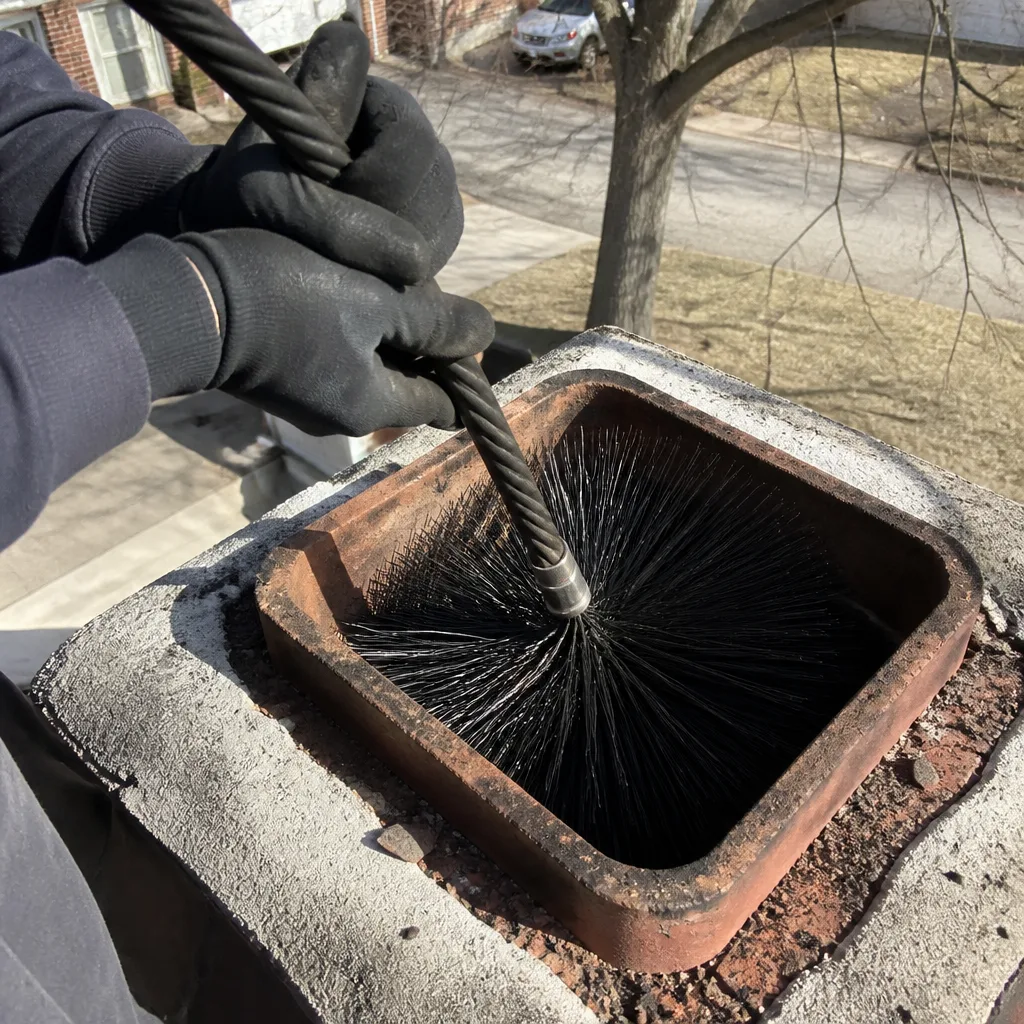
You can safely check whether your cap is loose by sighting up from the firebox with a flashlight, or by binoculars from the ground. Don’t climb the roof to tighten it. Chimney work above 10 feet on a pitched surface is where DIY injuries happen, and a cap that needs realignment usually needs new anchors drilled into compromised masonry anyway. The mesh repair kits sold online rarely match Copperfield’s original wire gauge, and a loose cap in Denver wind becomes a liability issue fast. If you’re comfortable on a ladder and just need the model number, that’s fine. For the actual swap, we bring the right cap, the right anchors for your crown composition, and the camera to confirm the flue’s dry when we’re done. Call (720) 674-7312 and we’ll text you a 30-minute arrival window.
FAQs
Galvanized models average 8-12 years; 304 stainless units run 15-20 years before mesh fatigue sets in. The camera doesn’t guess. Neither do we. We can show you exactly where yours is in that cycle.
Spot-welds and mesh can sometimes be patched, but the labor to do it right usually exceeds replacement cost, and the repair won’t carry the same warranty. We only recommend repair if the cap is under 5 years old and the failure is isolated to one weld seam.
Most residential swaps are 45-90 minutes on the roof, plus the camera inspection and documentation. We book half-day windows and text when the tech is en route.
We keep the common MCP and SC sizes for standard flue dimensions on the truck. Odd sizes or Lock-Top integrated dampers typically take 24-48 hours to pull from Haven’s Denver warehouse. Call (720) 674-7312 with your model number or flue measurement and we’ll confirm before we roll.
Written by Corrine Halstead, Owner, Level Two Chimney Denver at Level Two Chimney Denver, serving Denver and nearby areas.