
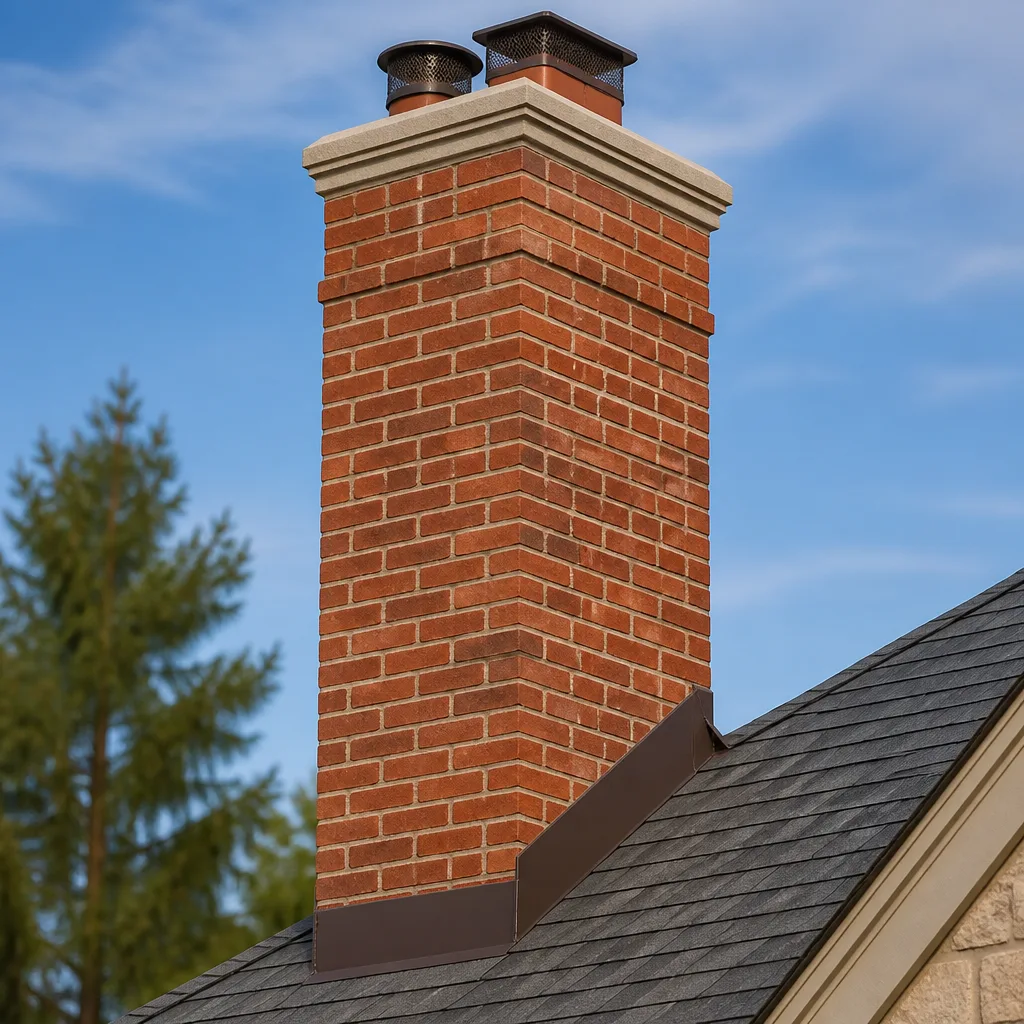
Level 1 sweep and inspection to the NFPA 211 annual standard - flue, crown, cap, and flashing checked and photographed
Chimney sweep logs do not sweep chimneys. They loosen some creosote - which then falls where a brush and vacuum still have to collect it.
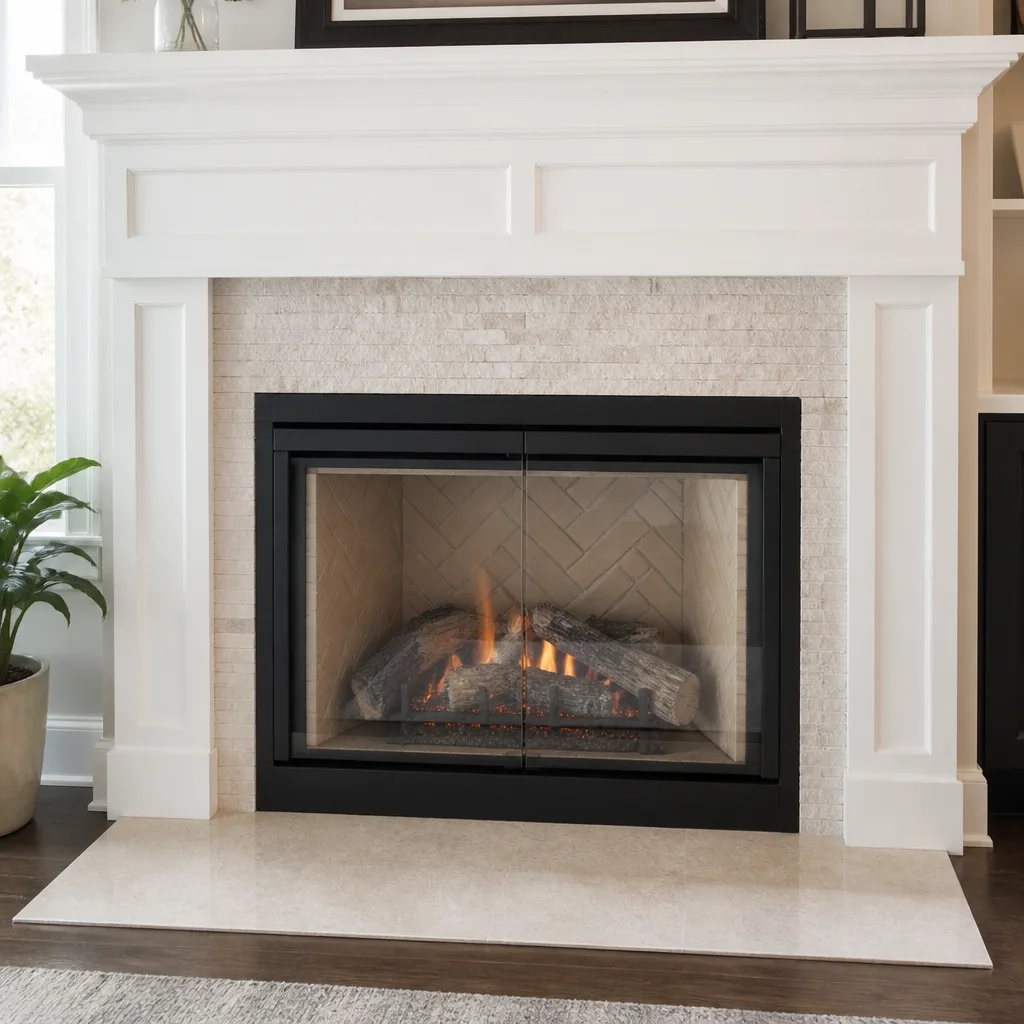
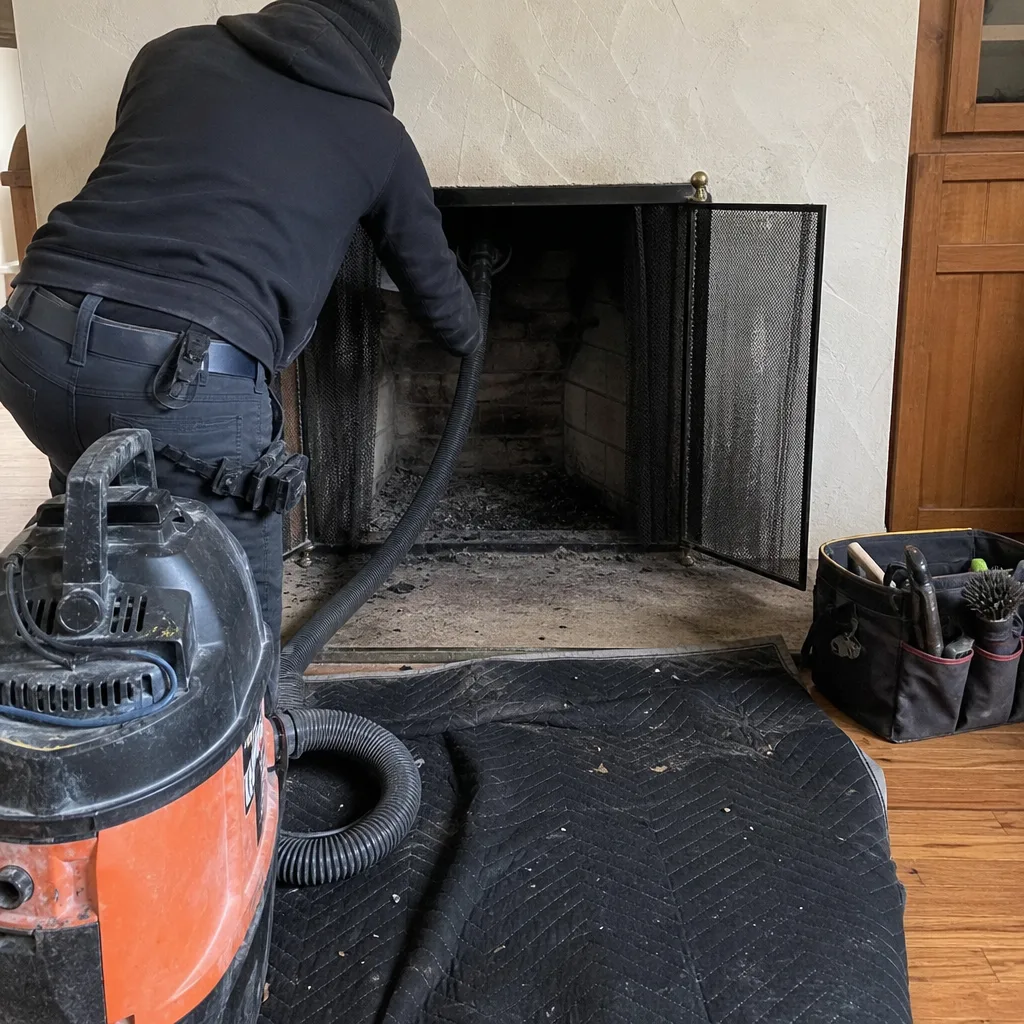 Before
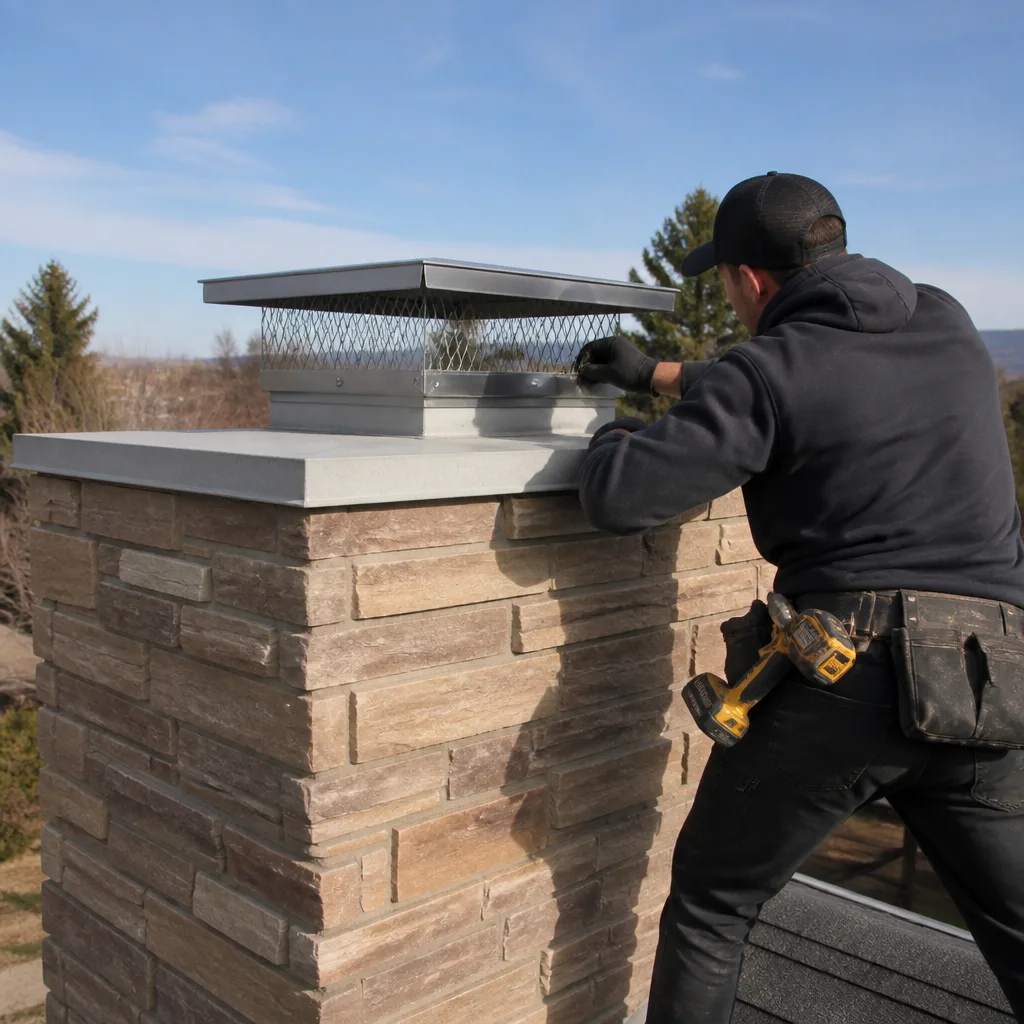 After
After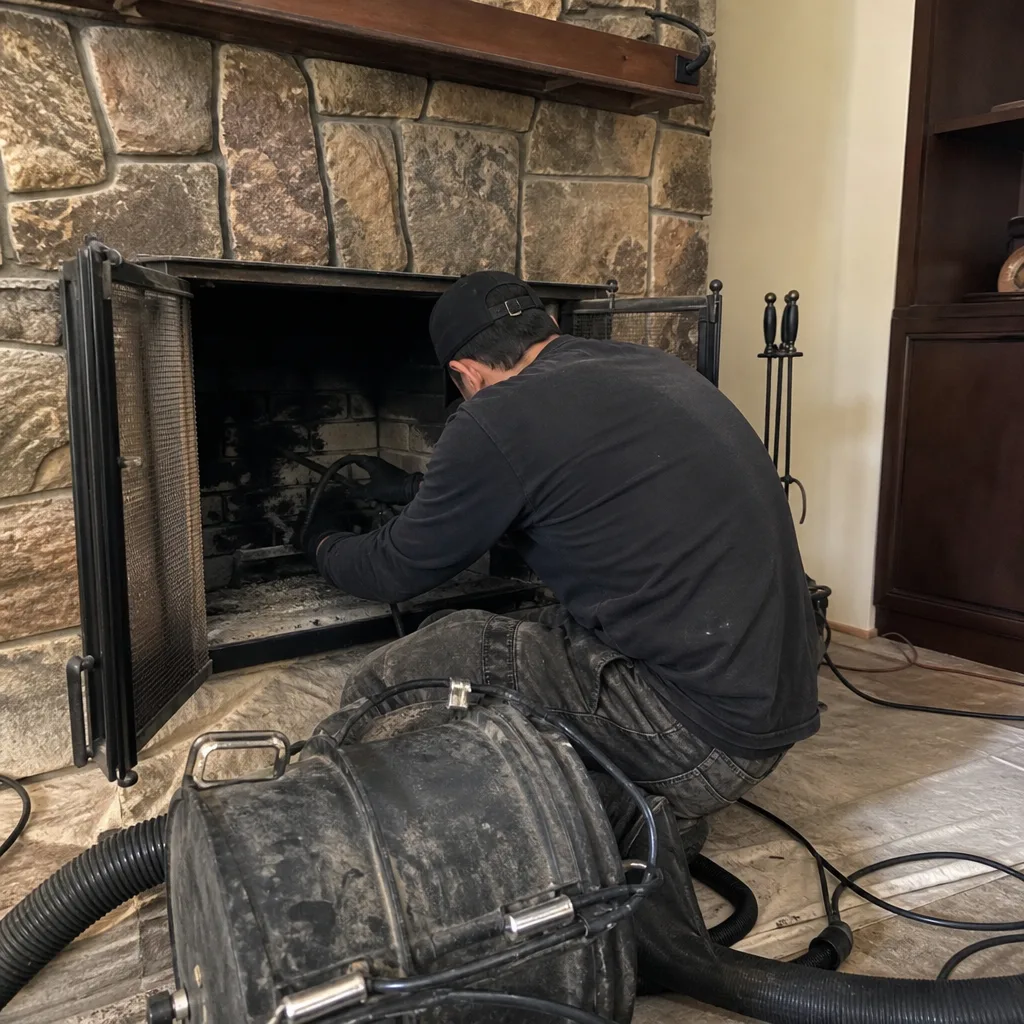 Before
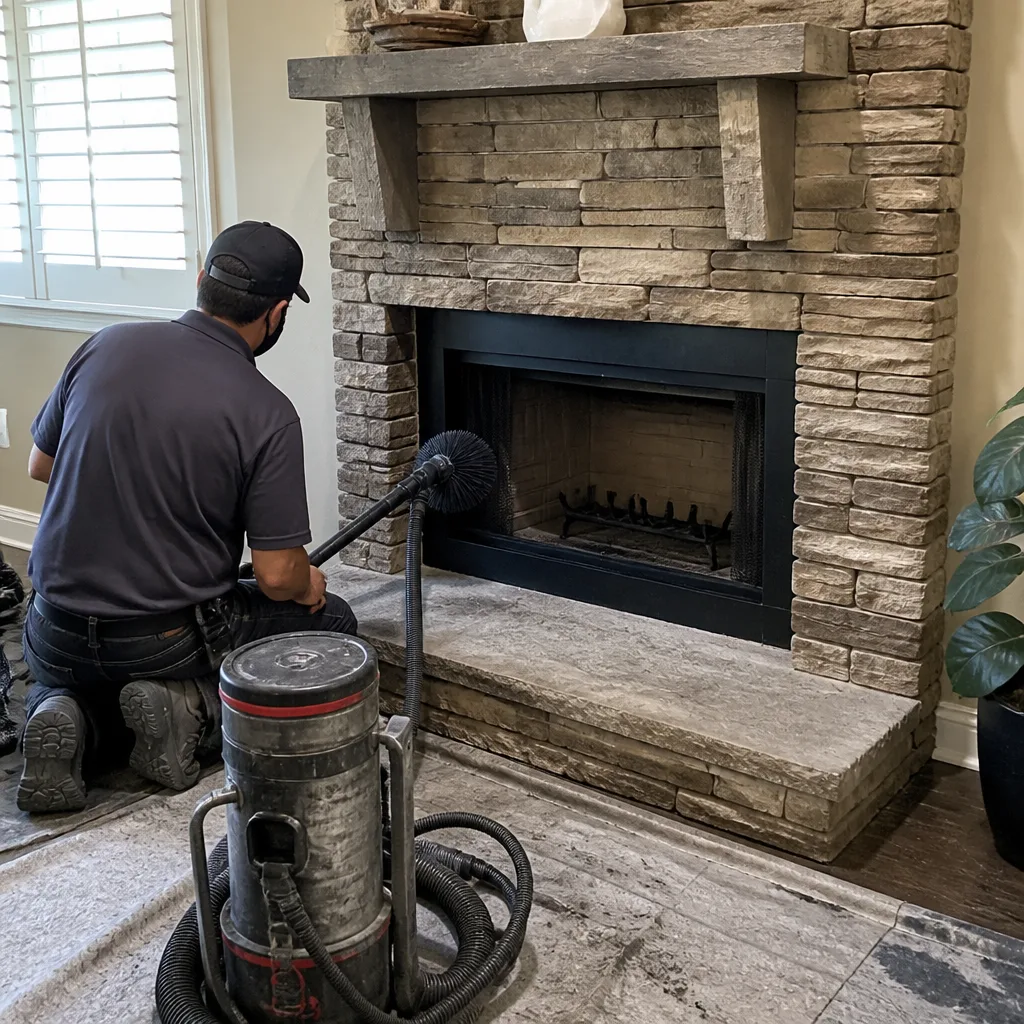 After
After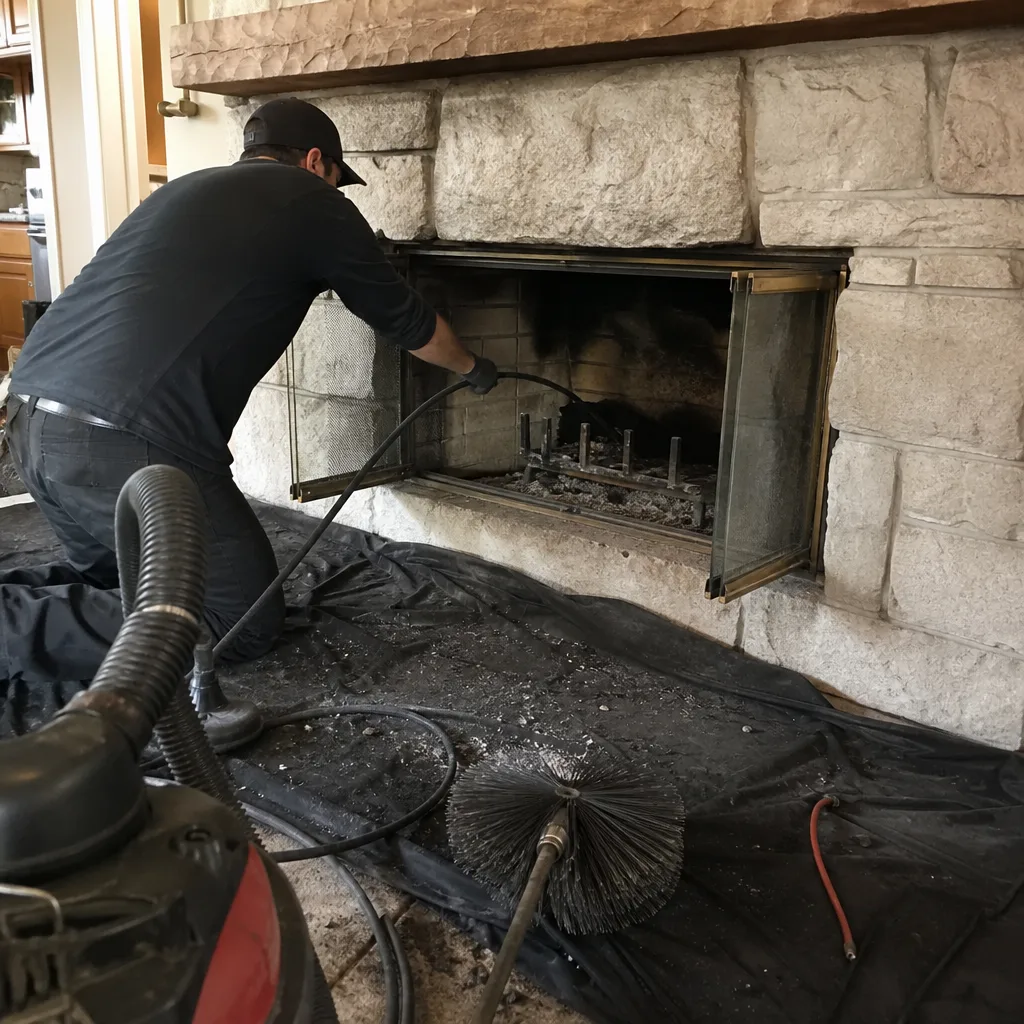 Before
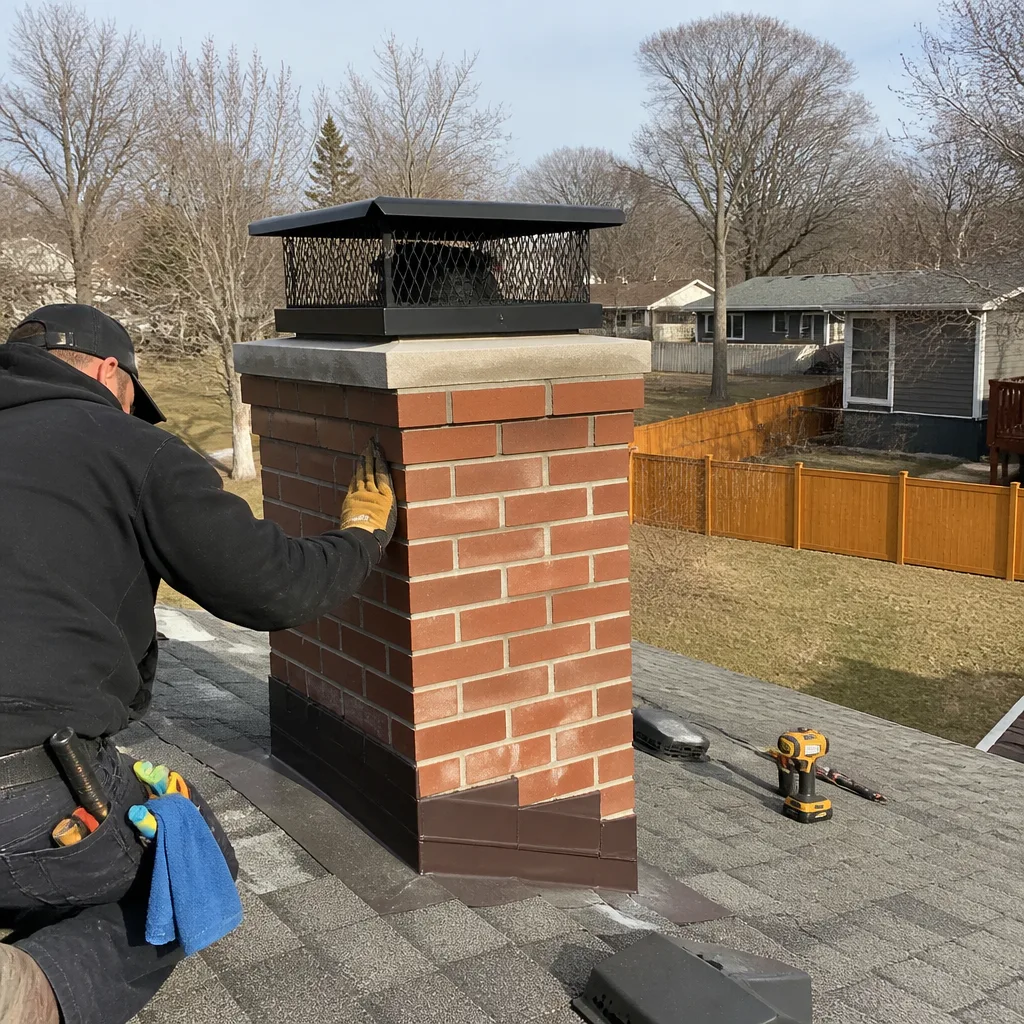 After
AfterAnnual Sweep in Denver, CO
An annual Chimney Cleaning & Sweep in Denver typically runs $179-$349, covers a full creosote removal and a camera-documented flue inspection, and takes about 90 minutes from setup to signed report. Most Denver homeowners who use their fireplace between October and April need one sweep per season – scheduled in late summer or early fall before the first fire goes in.
At Level Two Chimney Denver, an annual sweep is not a flashlight look and a handshake. Every visit includes a written price before anyone touches the chimney, a camera scan of the flue liner, and a photo record you keep when we leave. That’s not an upsell – it’s how we’ve run every job since 2009, and it’s now codified as Clause 4 of the Haven Standard.
If you’d rather talk through the details before booking, call us at (720) 674-7312 – a live person picks up, any time of day. Or read on, because the full scope of what we do and what it costs is right here on this page. You can also see how the annual sweep fits into our broader Chimney Cleaning & Sweep in Denver service if you want the bigger picture first.
When You Need an Annual Sweep
The short answer: once a year, before your first fire of the season. But there are specific situations that move “should schedule soon” into “schedule this week.”
- You burned wood last winter. Wood fires leave creosote on the flue liner – a flammable, tar-like residue that builds in stages. Even one cord of wood can push a clean flue into Class II creosote accumulation, which requires more than brushing to clear safely.
- You haven’t had the chimney looked at since you bought the house. Denver’s housing stock includes a large number of homes built in the 1960s-1990s in neighborhoods like Congress Park, Hilltop, and Harvey Park. Chimneys from that era often have clay tile liners that crack over decades of freeze-thaw cycling – and a previous owner may not have had a sweep done in years.
- You noticed a smoky smell even with a cold fireplace. A persistent smoke odor in July or August is almost always a draft or liner problem. A sweep and camera scan will tell you which one.
- You’re seeing black staining on the firebox throat or damper. That staining points to creosote migration or incomplete combustion. It doesn’t self-correct between seasons.
- You had a chimney fire. Any chimney fire – even one that seemed small – requires an inspection and sweep before the fireplace is used again. Denver’s dry climate means ignition conditions are present more often than homeowners expect.
- Your gas insert was just removed or converted. Conversions and appliance swaps change how the flue draft behaves. Debris and residue left from the old appliance need to come out before the new one is lit.
Our Annual Sweep Process
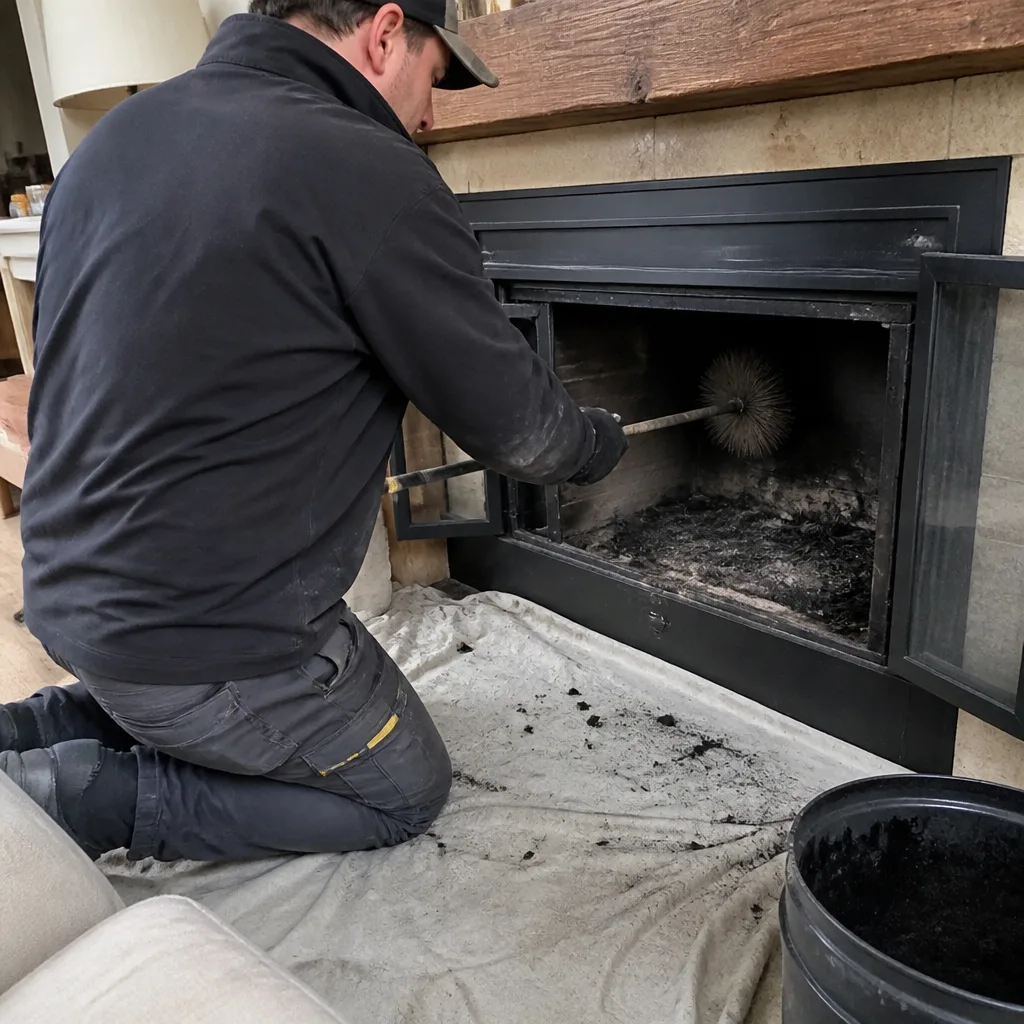
Here’s exactly what happens on a Level Two annual sweep, in the order it happens. No surprises, no scope creep mid-job.
- Written price before we start. The technician scopes the job on arrival, confirms the written price matches what was quoted, and hands you a copy before any equipment comes off the truck. This is Haven Standard Clause 1 – H.A.V.E.N. “Have it in writing.” If the price changes for any reason (it rarely does), we tell you why and you decide whether to proceed.
- Drop cloths and dust containment. We cover the hearth and surrounding floor area before opening the firebox. In Denver homes with hardwood floors and open floor plans, that prep step matters. Creosote dust is messy and it stains.
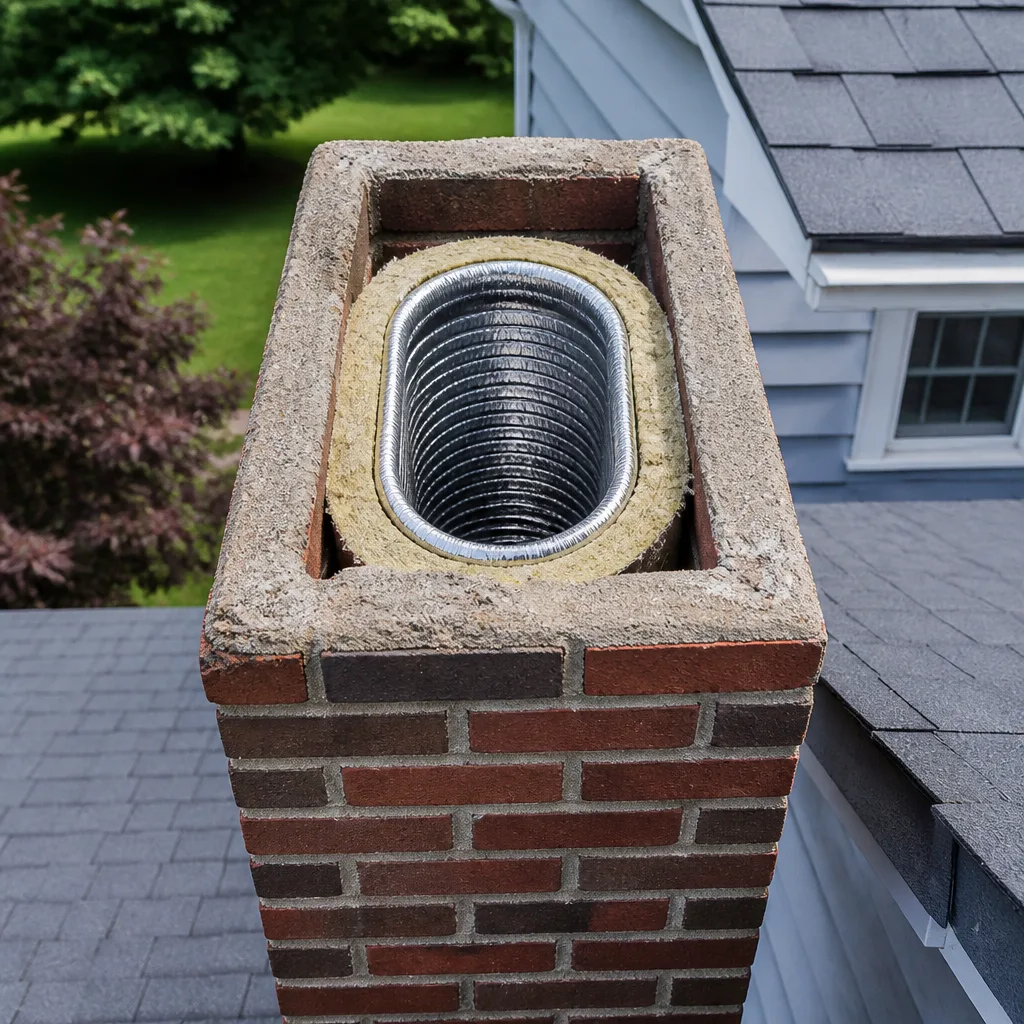
- Camera scan of the flue liner. Before any brushing starts, the camera goes down the flue. This is the baseline – we document what’s there before we disturb it. We’re looking at liner condition, mortar joint integrity, offset angles, and creosote class. You’ll see the footage and we’ll describe what we’re seeing in plain language.
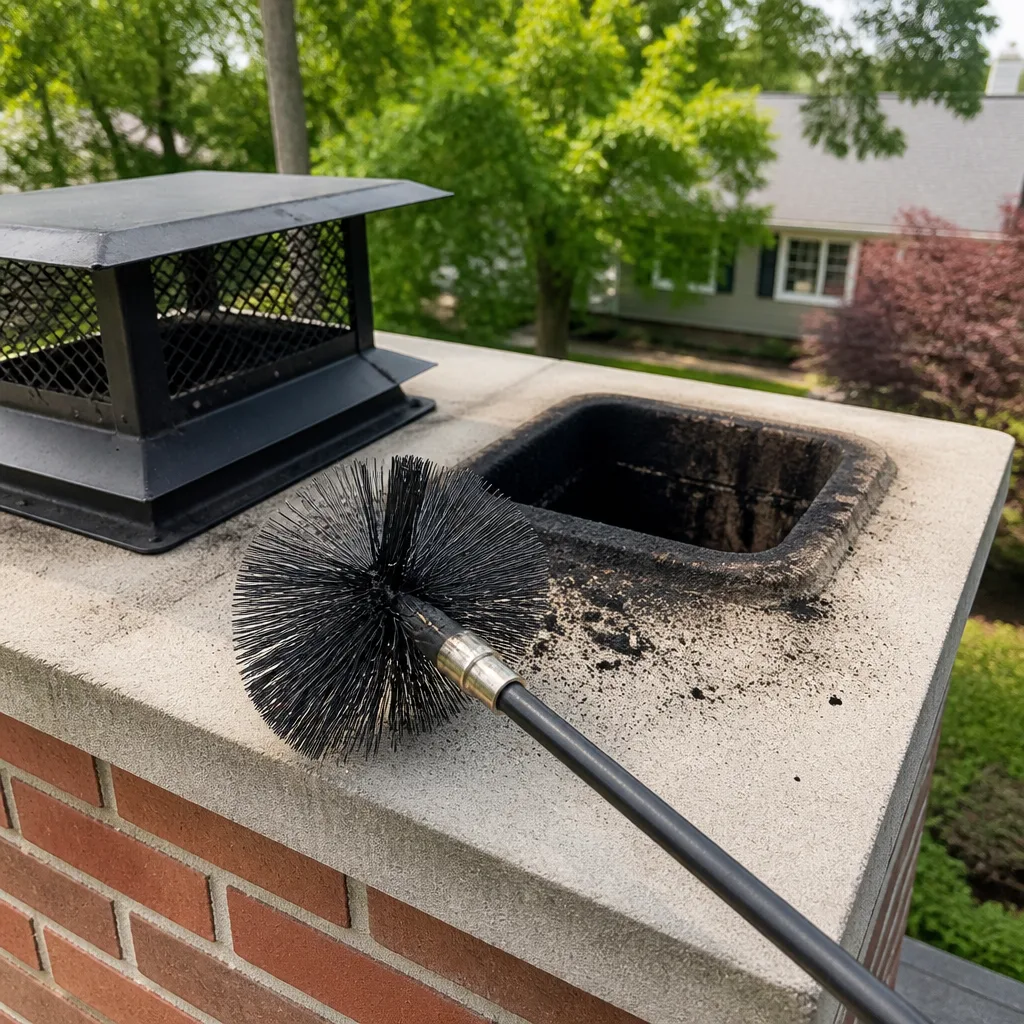
- Creosote removal and full brush sweep. We clear the flue from top to bottom using rod-and-brush equipment sized to your liner diameter. For a standard 8×8 or 8×12 clay tile flue – common in Denver’s mid-century homes – this takes 20-35 minutes. Class II or Class III creosote deposits take longer and may require a chemical treatment; we’ll tell you that before we start, not after.
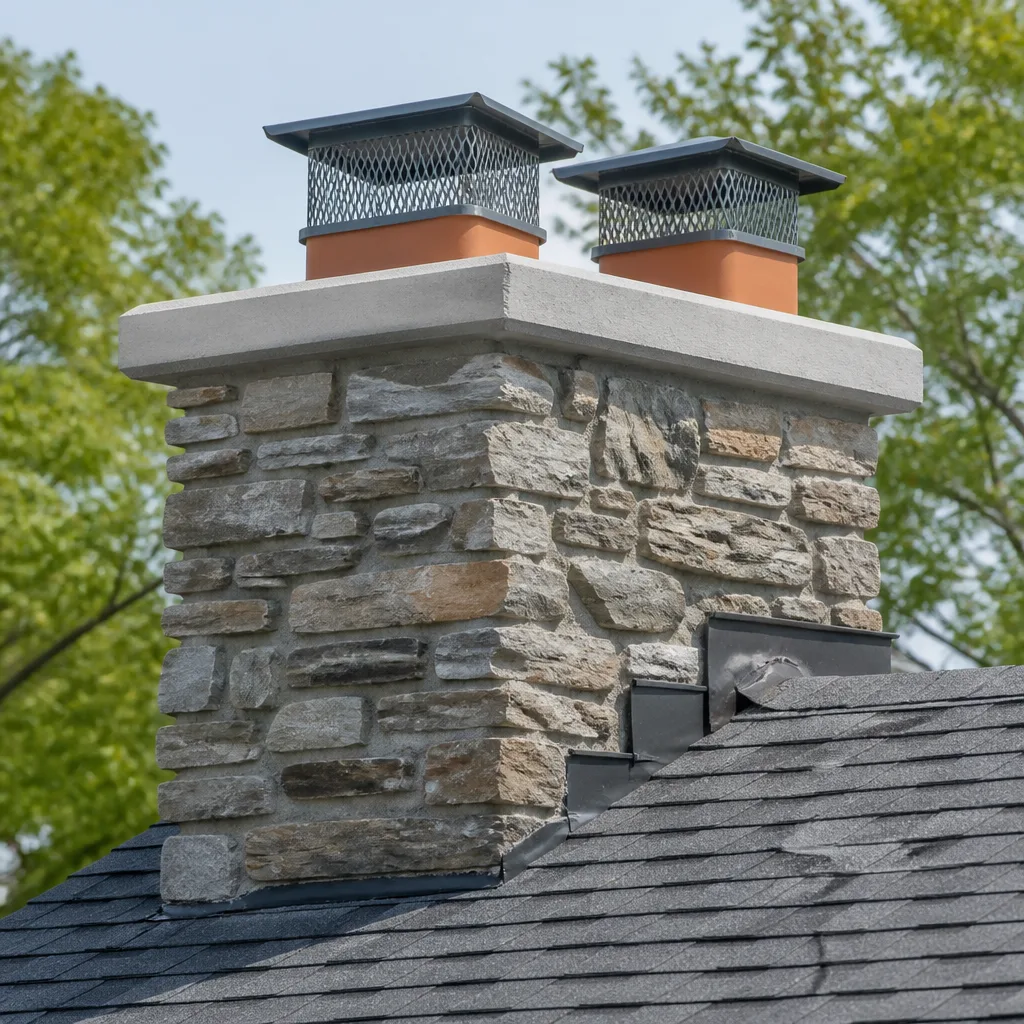
- Smoke chamber and firebox inspection. Once the flue is clear, we check the smoke chamber (the funnel-shaped area just above the firebox) for spalling – meaning cracked or flaking firebrick – and parging condition. The smoke shelf gets cleared of debris. We also look at the damper plate, throat, and lintel for cracks or corrosion.
- Photo record and written report. Every sweep closes with a documented photo record under Haven Standard Clause 4. You get the photos. The written scope of what we did, what we found, and any recommended follow-up is handed to you before we leave – not emailed three days later. If we found anything that needs repair, you’ll see the written price for that work before you decide.
 Before
 After
AfterAnnual Sweep Pricing in Denver
Annual sweep pricing in Denver runs $179-$349 for a standard wood-burning fireplace with a single-flue chimney. That range covers the camera scan, the sweep, the photo record, and the written report – all included as standard, not as add-ons.
Several factors move a job toward the higher end of that range:
- Creosote class. Class I (light, powdery deposits) is the fastest to clear. Class II (tar-like, sticky) takes longer and may require a conditioning agent. Class III (glazed, hardened) is the most difficult and occasionally requires chemical treatment before brushing is effective – that adds time and material cost.
- Chimney height and accessibility. Denver homes in neighborhoods like Wash Park or Platt Park often have two-story Victorians and Craftsmans with steeper rooflines. Taller chimneys require more rod footage and more time on the roof.
- Multiple flues. If your home has two fireplaces sharing a chimney – common in older Park Hill or Cherry Creek homes with a basement and main-floor hearth – each flue is a separate sweep.
- Stovepipe and insert sweeps. Wood stove inserts with flexible liner connectors have more surface area than open fireplaces. Pricing reflects the additional sweep time.
We also offer a Free Second Opinion on any written estimate. If another company gave you a written quote, bring it in. We’ll look at the scope and tell you whether what was quoted is what the job actually needs.
There is no “call for a quote” here. A written price is part of the job – not something we deliver after the truck is parked in your driveway.
Pricing Summary
| Scope | Typical Price Range |
|---|---|
| Standard single-flue wood-burning fireplace sweep (Class I creosote) | $179-$229 |
| Single-flue sweep with Class II creosote | $229-$289 |
| Single-flue sweep with Class III creosote or heavy deposits | $289-$349 |
| Second flue (same chimney stack) | $99-$149 added |
| Wood stove or insert with flex liner | $219-$319 |
Every price above includes the camera scan and photo documentation. If we find liner damage, crown cracking, or a cap issue that needs repair, you’ll see a written price for that work separately before you commit to anything.
What You Walk Away With
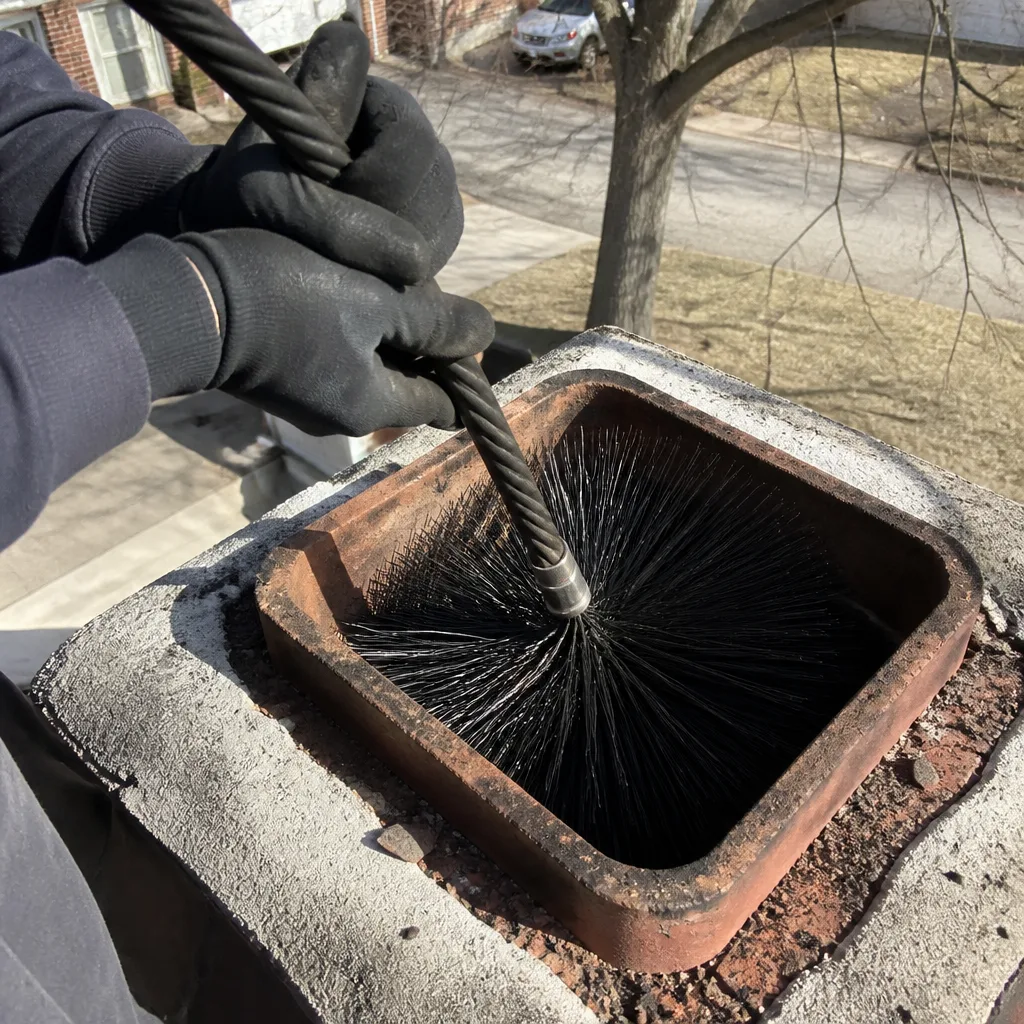
At the end of a Level Two annual sweep, you have three things in hand:
- A photo record of the flue condition before and after the sweep, filed under your address and available if you ever need it for an insurance claim or home sale disclosure.
- A written scope of what was done and what was found – liner condition, creosote class at arrival, smoke chamber and firebox notes, damper and cap status.
- A written price for any follow-up work we found necessary, with no obligation to schedule that day.
The 365-Day Done Right Promise covers every job. If something wasn’t done right, we make it right – no debate, no fee. That’s not marketing language; it’s stamped on every job under the Haven Standard.
We source liner materials from DuraFlex and repair mortars and smoke chamber coatings from HeatShield when follow-up work is needed. Those materials come through Haven’s buying network specifically to keep costs honest – not marked up three times because they were grabbed off a distributor shelf the morning of the job.
Why Denver Chimneys Specifically Need Annual Attention
Denver’s climate is hard on chimneys in a specific way that doesn’t apply the same way in Houston or Charlotte. The Front Range averages over 300 days of sunshine a year, which sounds fine until you factor in that Denver also sees temperatures swing 40 degrees in a single day – sometimes more. That thermal cycling works on mortar joints, clay tile liners, and crown concrete year after year. A liner that was fine in September may have a new crack by May after a hard winter.
On top of that, Denver’s altitude (5,280 feet) affects combustion. Fires burn slightly less efficiently at elevation, which means creosote accumulates a little faster per cord of wood burned compared to sea-level markets. It’s not dramatic, but it adds up over a season, which is why Creosote Removal matters. Homeowners in neighborhoods like Stapleton, Green Valley Ranch, and Montbello – areas with newer construction but also a lot of mid-2000s gas-converted fireplaces being switched back to wood – should know that the flue history matters as much as the current appliance.
We’ve inspected and cleaned more than 38,000 chimneys across Denver since 2009. Every single one had a written price before work started and a documented record when it was done. That’s not a claim we make casually – it’s the operational standard the business was built on.
FAQs – Annual Sweep in Denver
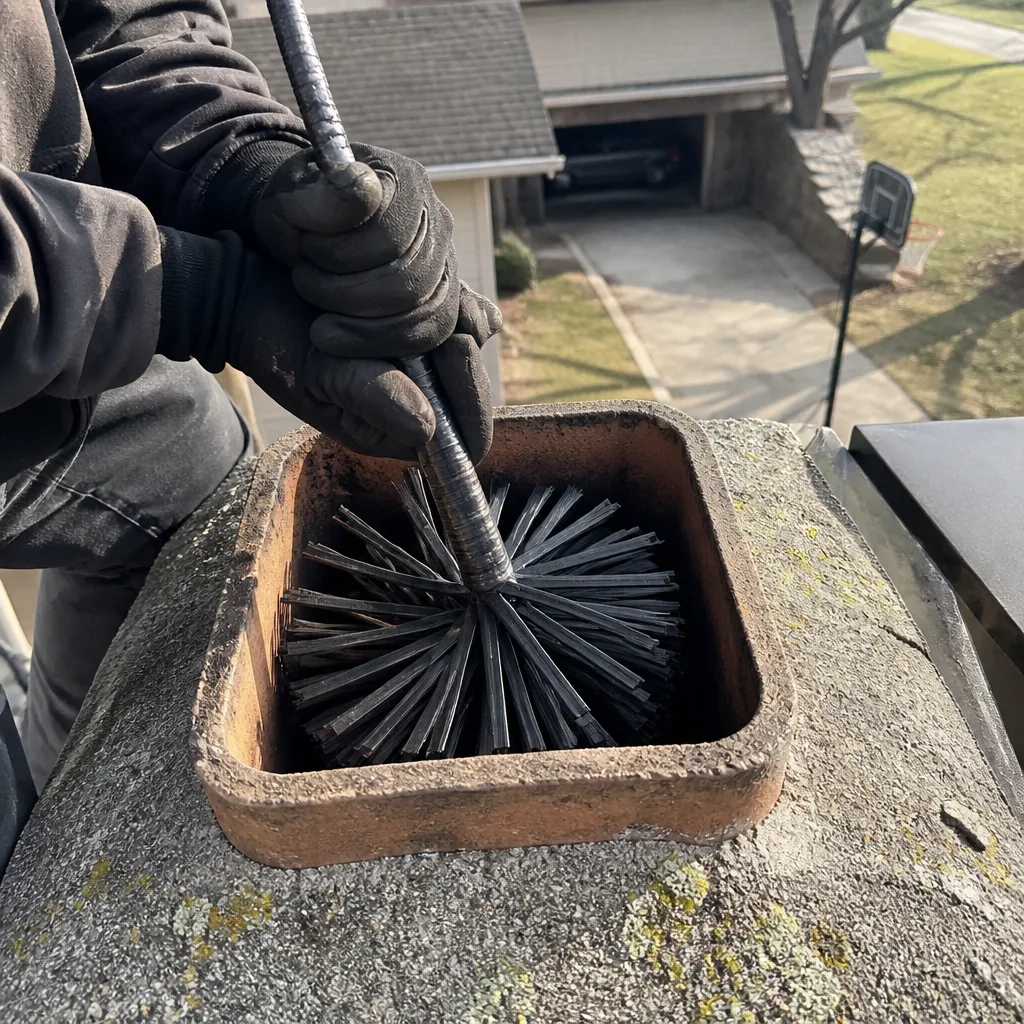
How often should I get my chimney swept in Denver?
Once per year is the baseline – specifically before your first fire of the heating season. The Chimney Safety Institute of America and NFPA 211 both recommend annual sweeps and inspections for any chimney in regular use. If you burn more than two or three cords of wood per season, or if you’re using unseasoned wood, you may need a mid-season sweep as well. Denver’s freeze-thaw cycles also mean that even a fireplace used lightly should be inspected annually for liner cracks and crown damage. Call us at (720) 674-7312 and we’ll tell you honestly whether you need Chimney Cleaning & Sweep Near Me in Denver, CO or just an inspection – free estimates, written price, no guesswork.
Is an annual sweep different from a chimney inspection?
Yes. A sweep removes creosote, debris, and blockages from the flue. An inspection documents the structural and mechanical condition of the chimney system – liner integrity, crown condition, smoke chamber, cap, flashing. A Level Two annual sweep includes both: we sweep the flue and run a camera inspection (NFPA 211 Level 2 standard) on the same visit. You get the cleaning and the documentation in one appointment, not two separate ones billed separately.
Can I use my fireplace before scheduling a sweep?
If it’s been more than a year since your last documented sweep, or if you’ve never had the chimney inspected since buying the home, we’d hold off on lighting fires until after the visit. A blocked or damaged flue can push carbon monoxide into the living space without any visible sign of a problem. This is one area where the risk is real and the fix – a sweep and camera scan – is straightforward. Book the sweep first, then use the fireplace confidently all season. Call (720) 674-7312 and we can usually get a technician out within a few days.
What happens if the sweep reveals liner damage or a bigger problem?
We stop, show you what we found in the camera footage and photos, and give you a written price for the repair before we do anything else. You decide whether to proceed, and there’s no pressure to commit on the spot. If the repair requires materials like a DuraFlex liner or HeatShield smoke chamber restoration, that cost is itemized in writing before any material is ordered. The 365-Day Done Right Promise covers all repair work – if it’s not right, we come back and make it right at no charge.
Schedule Your Annual Sweep in Denver
If you’re ready to book or want a written price before committing, call us at (720) 674-7312. A live person picks up every time – no voicemail, no web form, no waiting until Monday morning. Corrine Halstead and the Level Two Chimney Denver team serve homeowners across Denver and the surrounding metro area. The written price, the camera scan, and the photo record are standard on every job. The 365-Day Done Right Promise is stamped on every one.
Written by Corrine Halstead, Owner at Level Two Chimney Denver, serving Denver.