
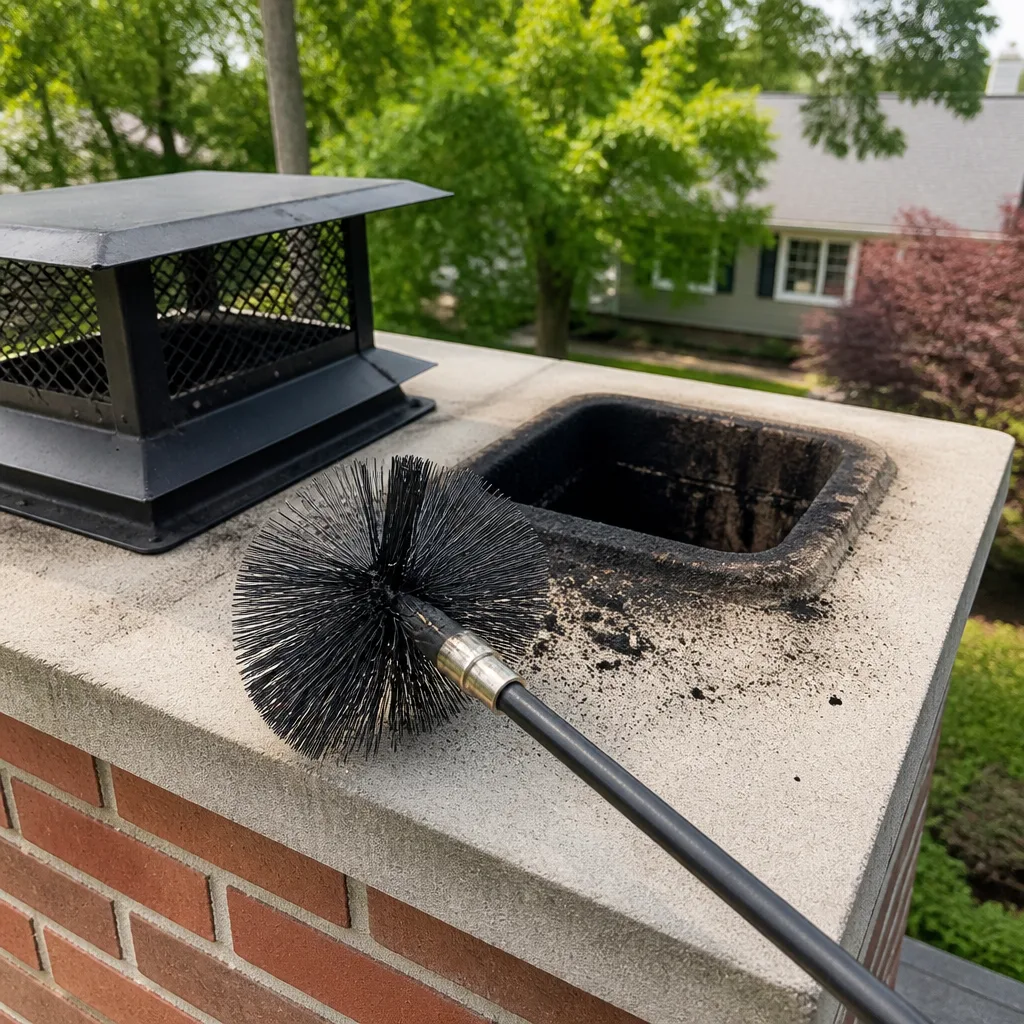
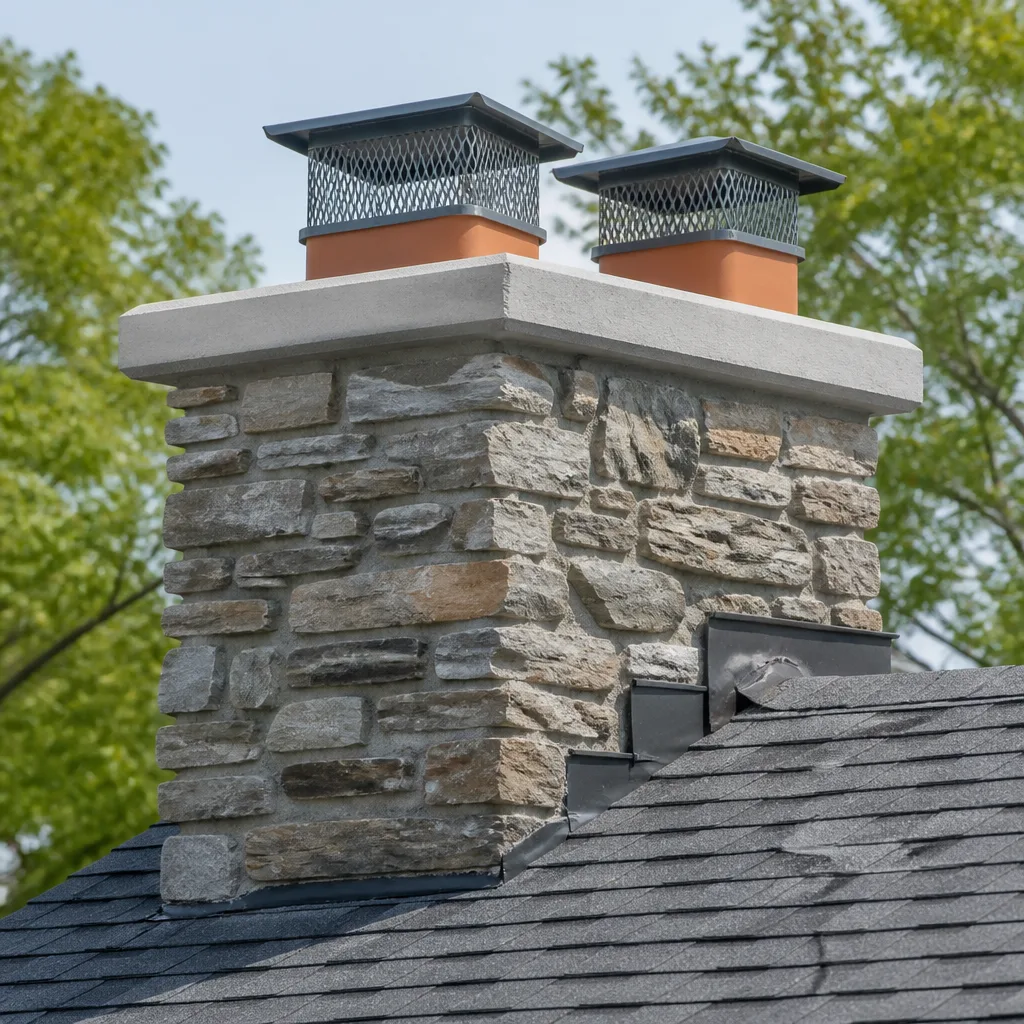
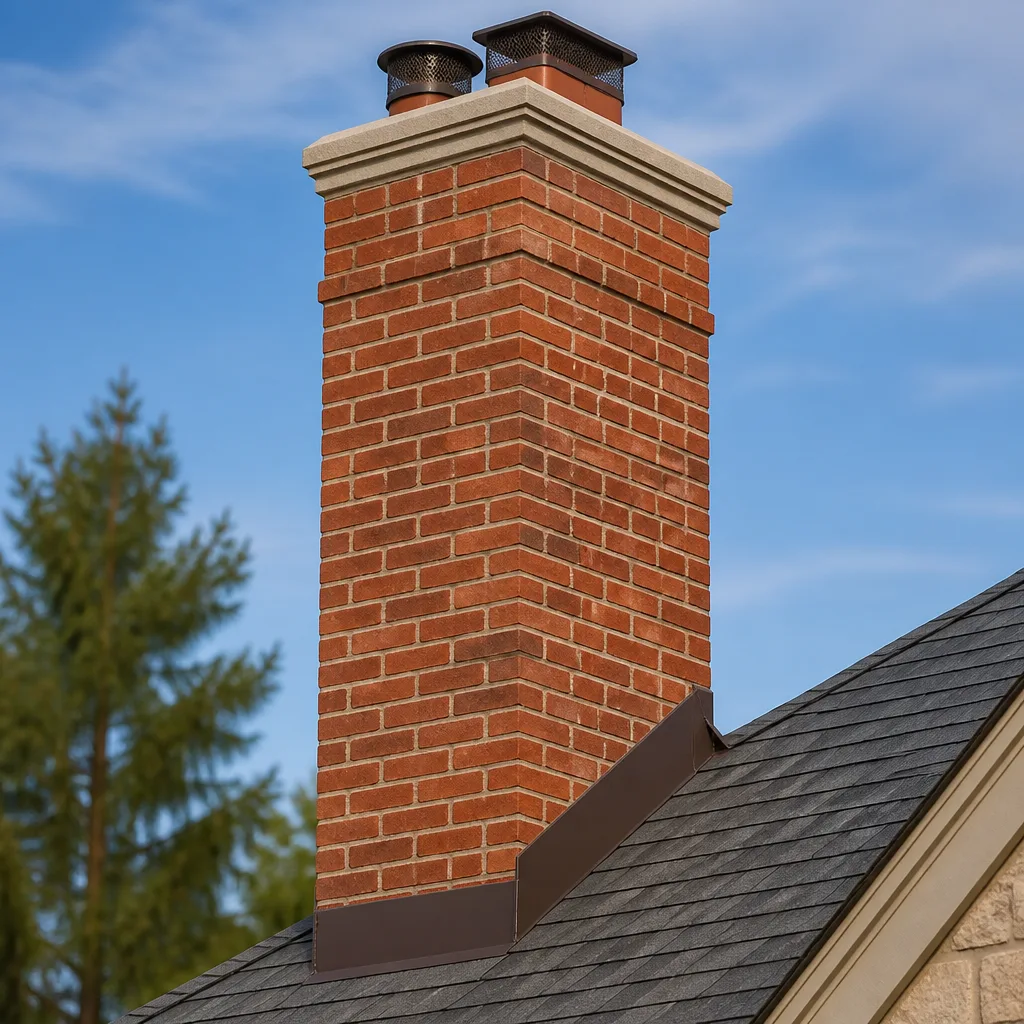
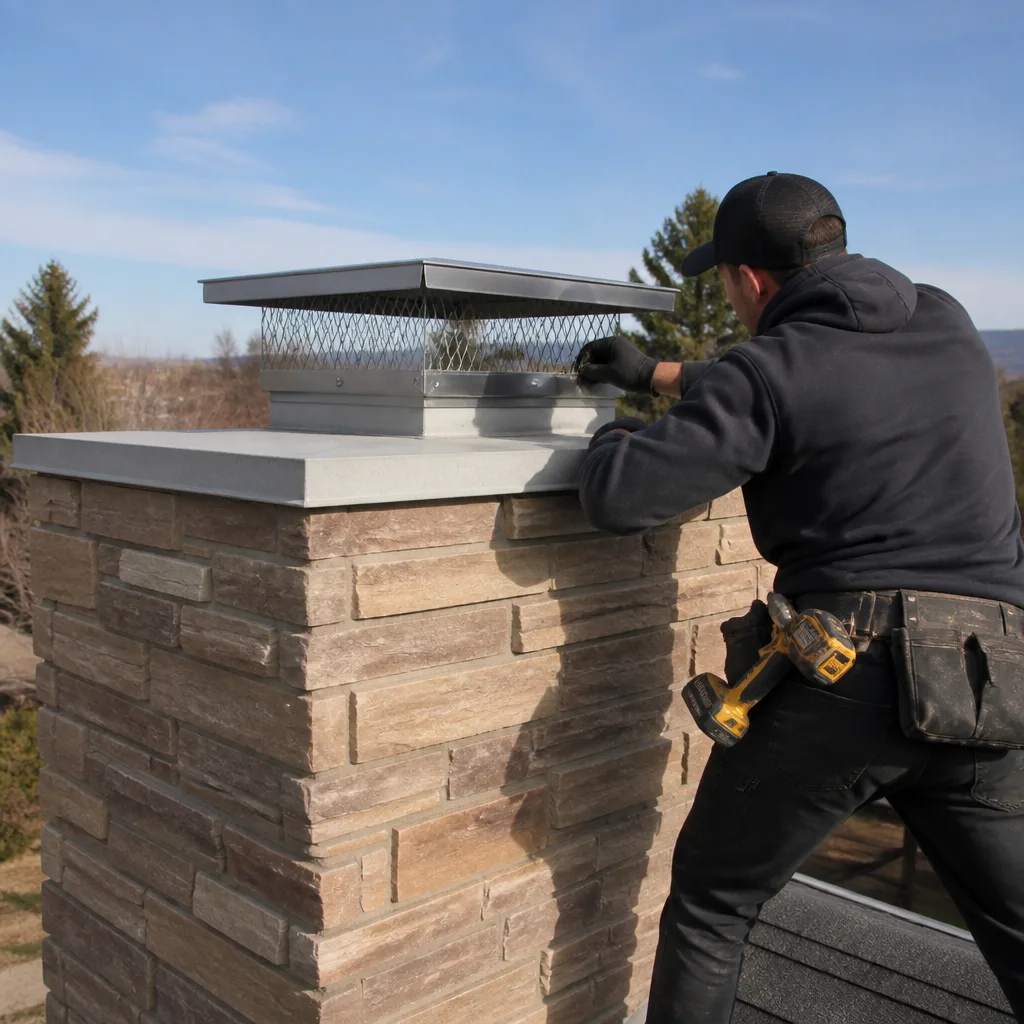
Level 1 sweep and inspection to the NFPA 211 annual standard - flue, crown, cap, and flashing checked and photographed
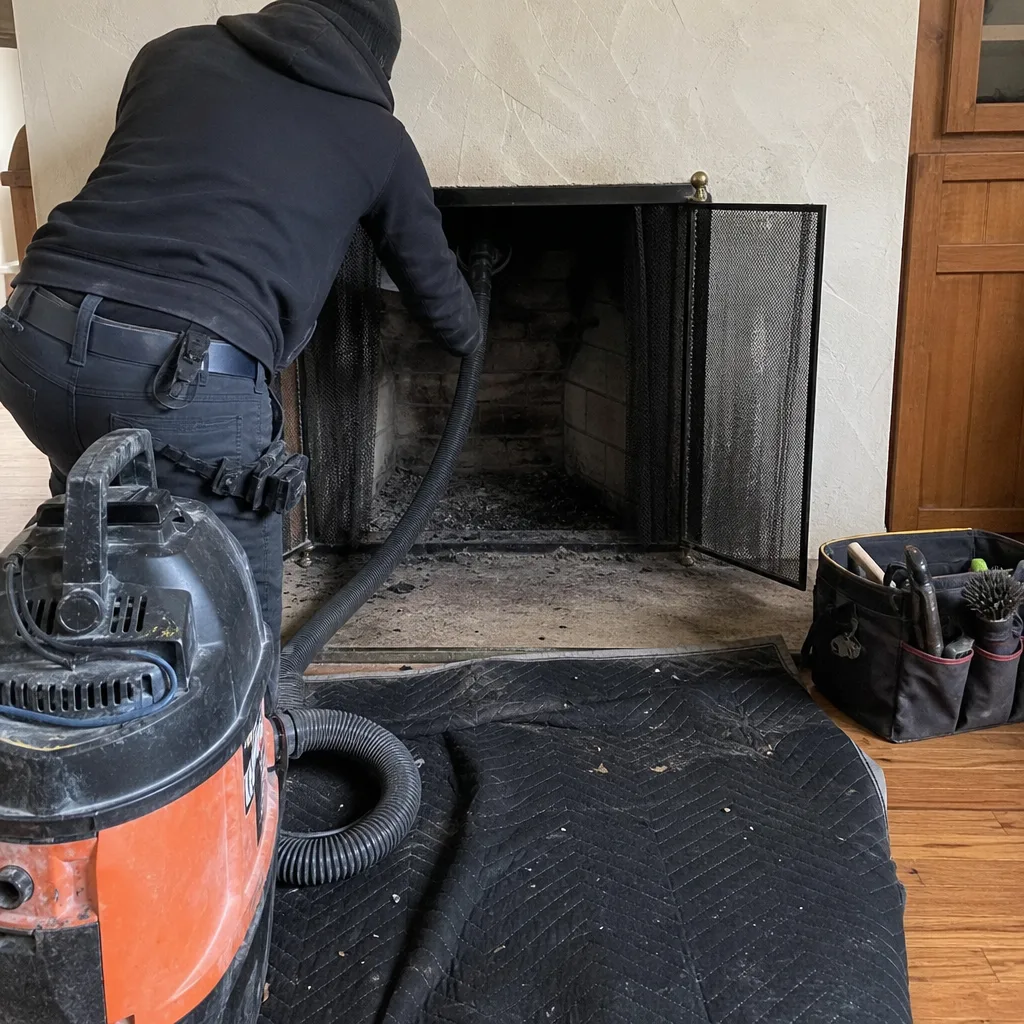
Chimney sweep logs do not sweep chimneys. They loosen some creosote - which then falls where a brush and vacuum still have to collect it.
 Before
 After
After Before
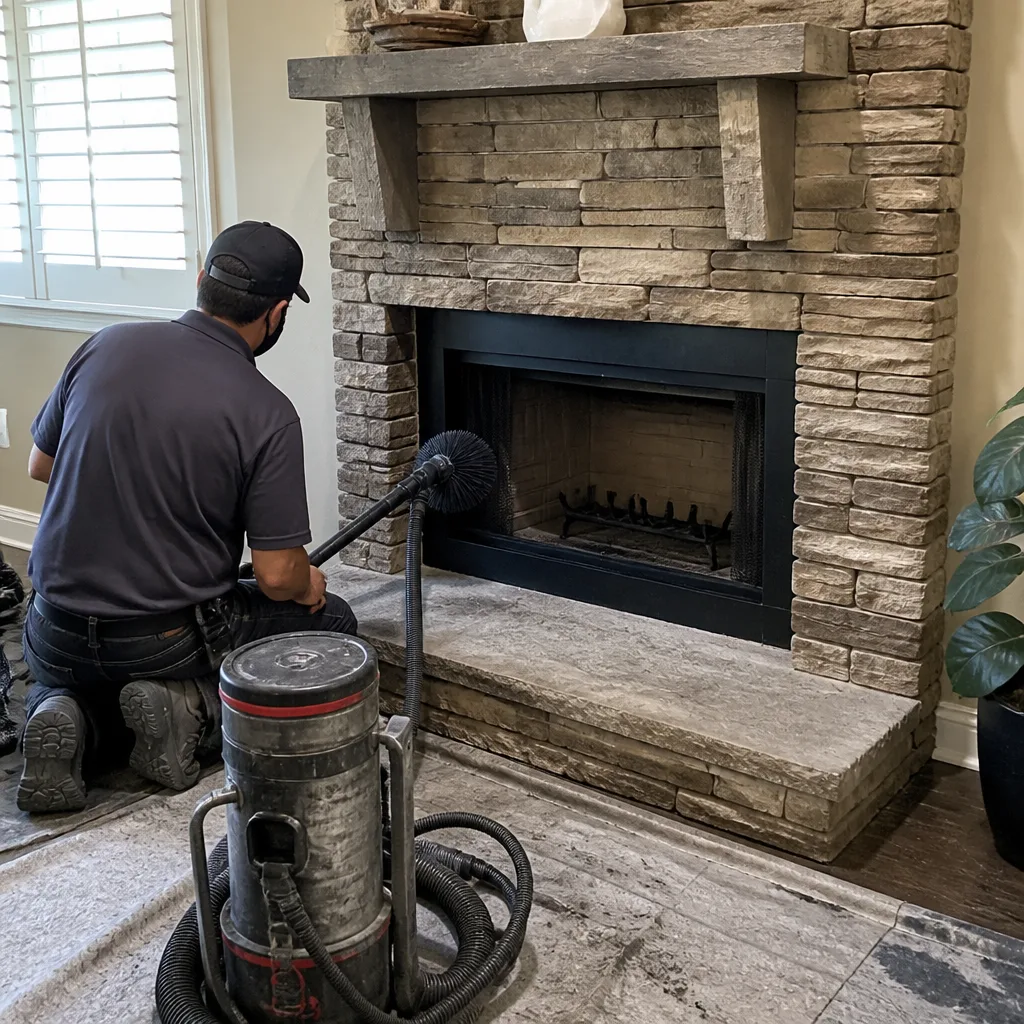 After
After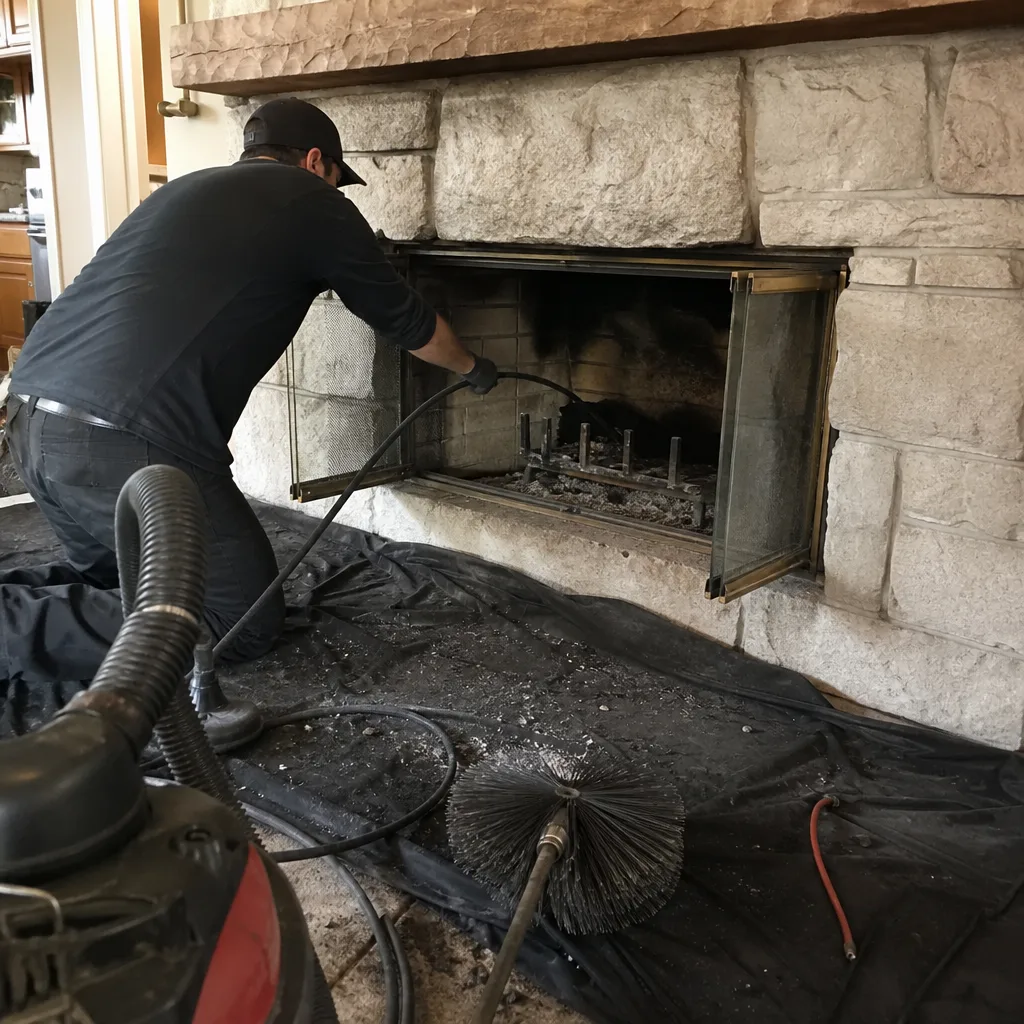 Before
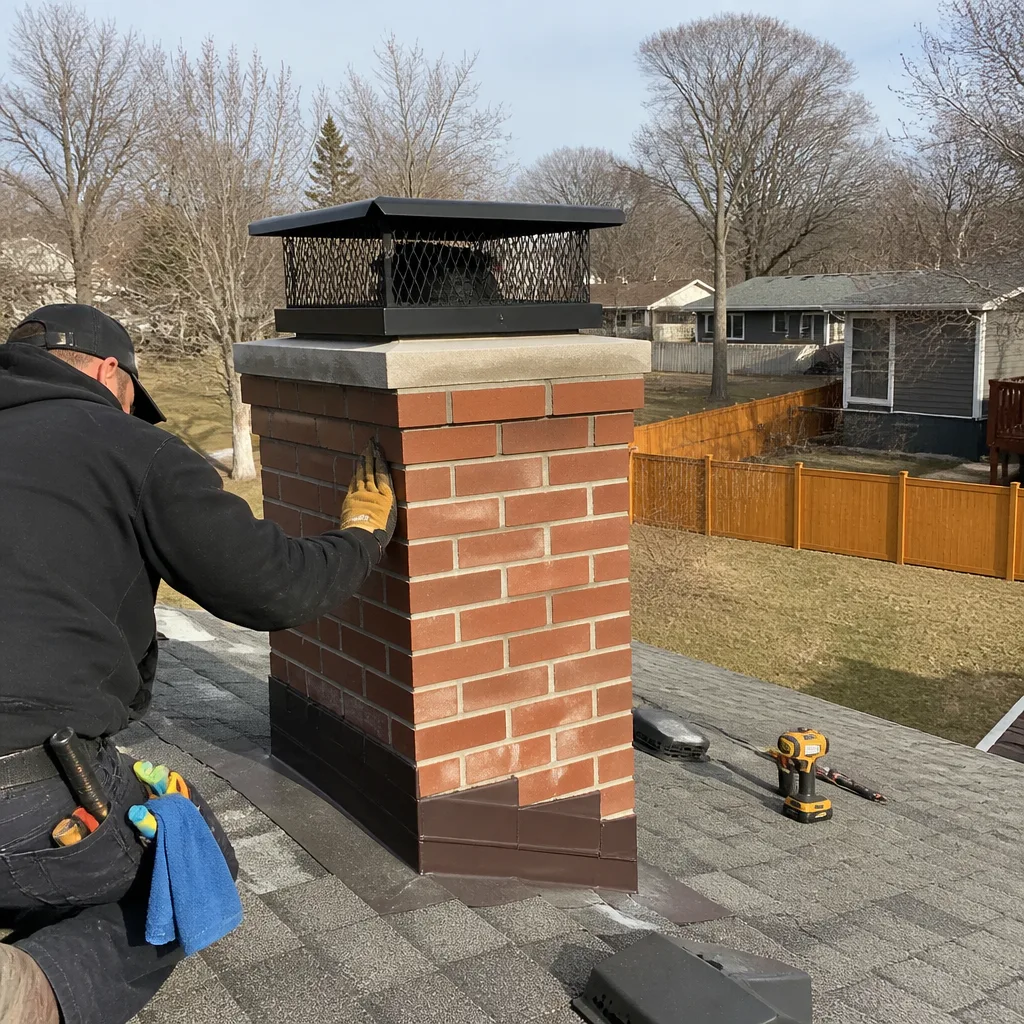 After
AfterCopperfield Flue Liner Replacement: The Denver Owner’s Guide
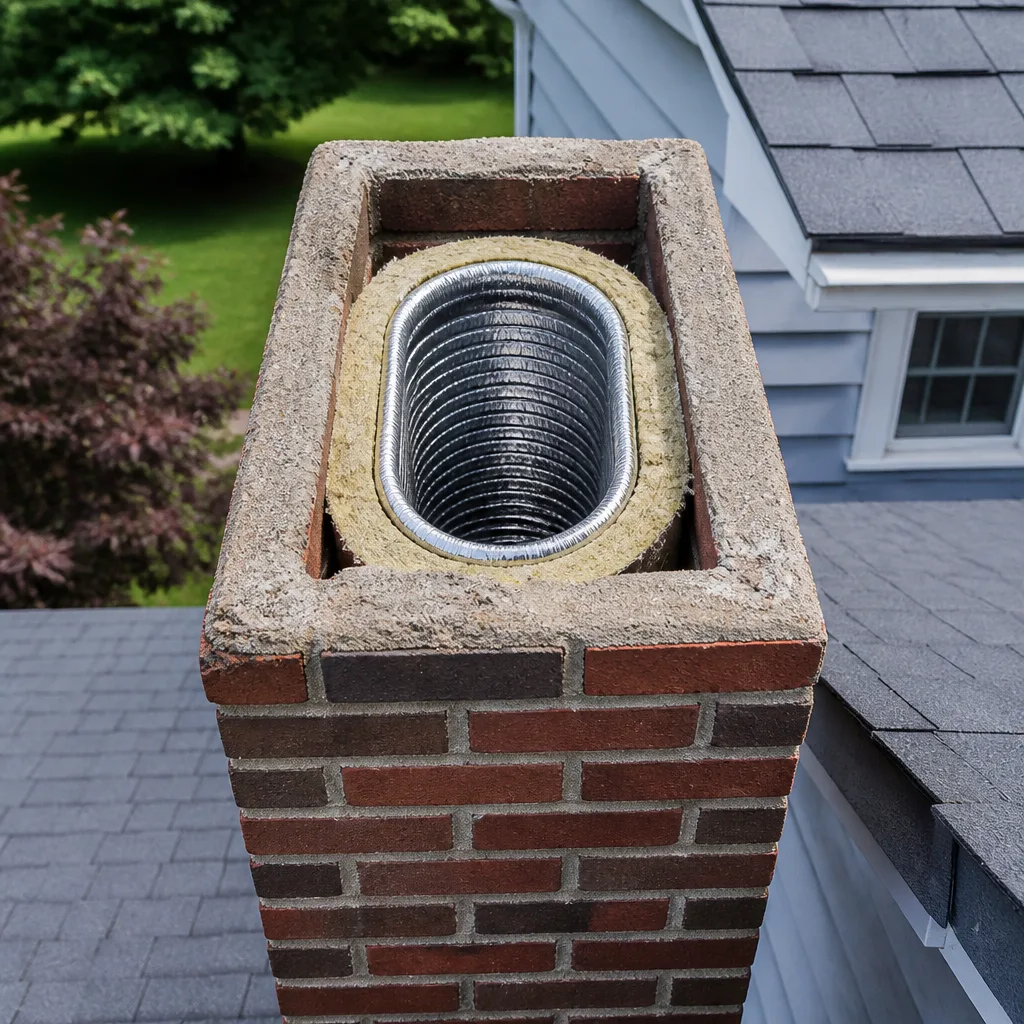
We stock and install Copperfield-compatible flue liner replacement in Denver, with typical installed pricing from $2,400 to $4,800 depending on liner diameter, chimney height, and whether the chase top needs removal. Most Copperfield liner jobs we book in the Denver metro are completed in a single day, and we carry common diameters on our trucks. You’ll usually discover the problem during a routine sweep when the camera shows gaps, corrosion scaling, or terra cotta shards in the smoke chamber, or when you notice bits of clay in the firebox after a hard freeze.
Which Copperfield Models This Applies To
Copperfield has manufactured several liner series over the years, and the part you need depends on when your system was installed and what fuel it serves. The Chimney Liner Pro series, common in Denver homes built between 1995 and 2010, uses 316Ti stainless in diameters from 3 to 8 inches with a corrugated outer wall and smooth inner. The newer Chim-Flex series switches to a 304/316 hybrid with a different end termination, and the collars are not cross-compatible. Check the stamp on your existing liner’s top plate, usually found just below the rain cap in the chase, or measure the inner diameter with a tape if the tag is corroded away.
We source Copperfield-compatible liners through our Haven buying network alongside DuraFlex, HeatShield, and Gelco. For most Denver applications, a quality aftermarket 316Ti equivalent meets or exceeds the original spec at a lower parts cost, though we keep OEM Copperfield terminations in stock for homeowners who want exact factory matching. The gotcha in this climate: Copperfield’s original 304-grade liners installed before 2005 often show accelerated chloride pitting from freeze-thaw cycling against Denver’s de-icing salt residue, which 316Ti resists far better. If your original liner is 304, we will note that in your written scope and explain why the upgrade matters.
Signs Your Copperfield Flue Liner Replacement Is Failing
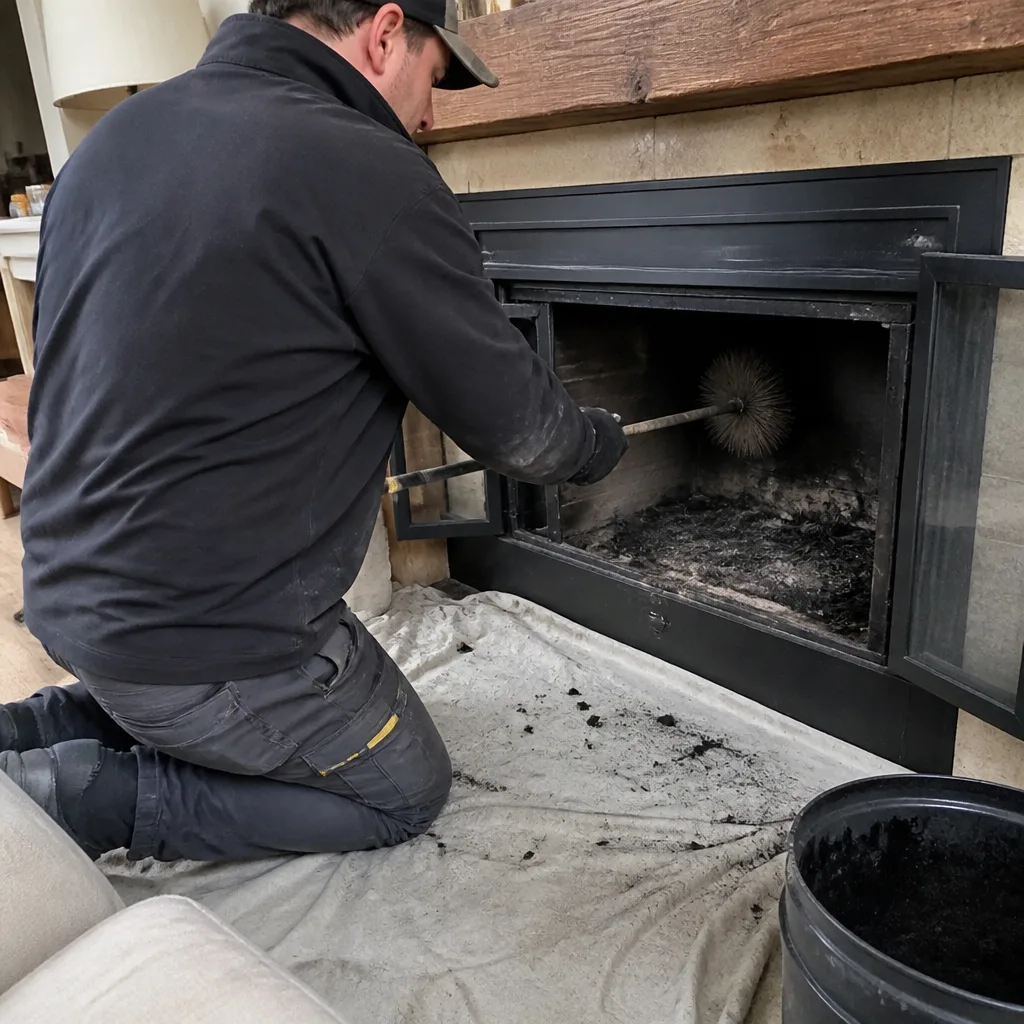
- Clay fragments in the firebox or hearth. This means the terra cotta flue tiles behind or around your Copperfield liner are spalling, often from thermal shock during Denver’s rapid temperature swings. The liner may still be structurally sound, but the debris indicates a gap that lets combustion gases contact the masonry.
- White or orange staining on exterior brick above the roofline. This is efflorescence or rust from condensate escaping through a liner breach. In Denver’s low-humidity climate, visible staining usually means the leak has been active for months, not weeks.
- Draft problems or smoke spillage on startup. A separated liner joint or collapse in a corrugated section creates turbulence that kills draft, especially at altitude where Denver’s already-thin air gives you less margin for error.
- Carbon monoxide detector alerts near the fireplace. Any liner failure that allows exhaust into wall cavities or the smoke chamber puts this on the table. We treat these calls as same-day priority.
- Visible gaps or “daylight” on camera inspection. Our standard NFPA 211 Level 2 inspection puts a camera down the flue; if we see light through the liner wall, separation at a joint, or the liner pulling away from the top plate, replacement is the only fix that satisfies code.
 Before
 After
AfterReplacement Cost & What’s Included
| Component | Typical Range (Denver) |
|---|---|
| Copperfield-compatible 316Ti liner, 25-35 ft | $1,400 – $2,600 |
| Top plate, rain cap, and termination | $280 – $520 |
| Labor: removal, installation, insulation pack | $720 – $1,680 |
| Total installed with written warranty | $2,400 – $4,800 |
What drives the range: chimney height (a three-story Victorian in Capitol Hill runs longer than a ranch in Congress Park), whether we must remove a framed chase top or can work through an existing access, and if the smoke chamber needs parging to match the new liner diameter. Every quote we deliver in Denver includes the written scope, the written price, and the written warranty before any work starts, per Haven Standard Clause 1. The 365-Day Done Right Promise applies to all liner work, and your documented photo record is archived under Clause 4.
DIY or Call Us?
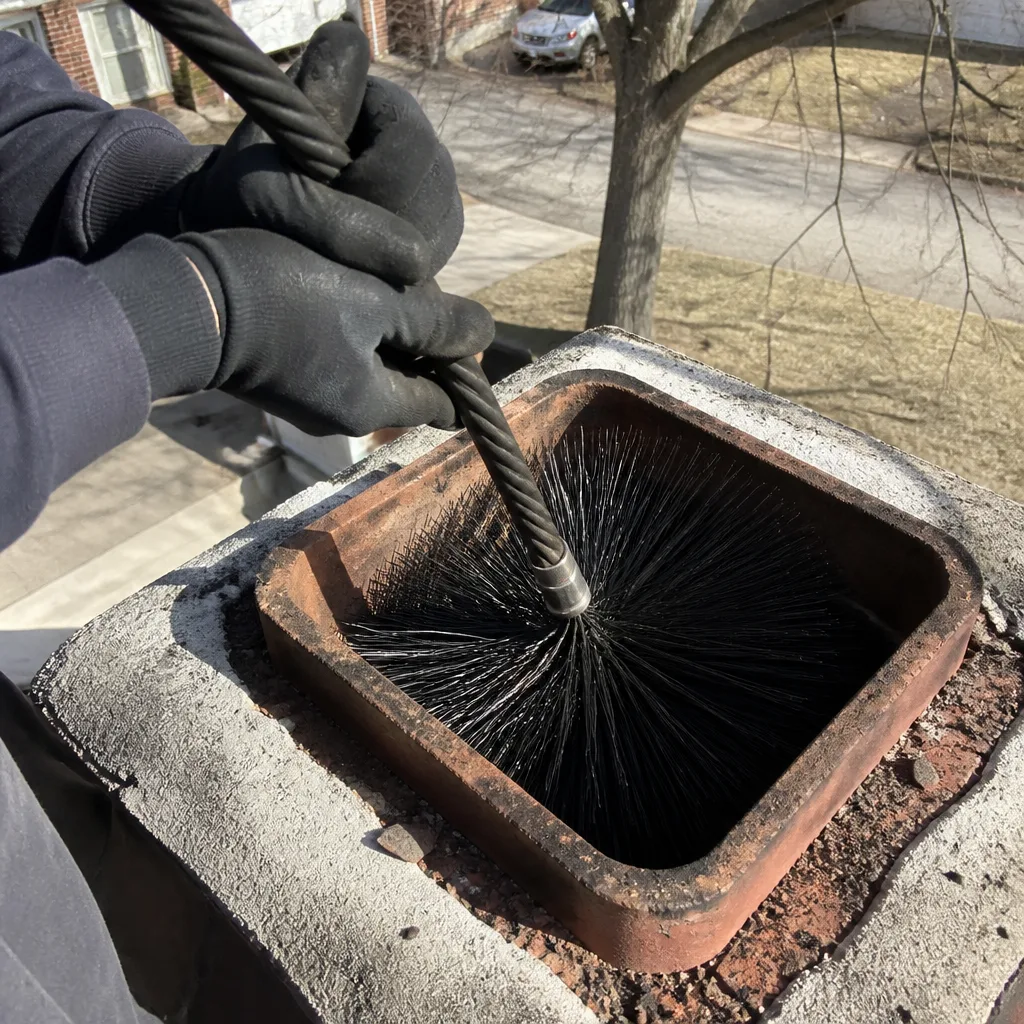
There is no safe DIY path for flue liner replacement. The work involves working at height on a steep or near-vertical surface, handling sharp stainless edges in tight quarters, and properly insulating the liner annular space to prevent creosote ignition. A dropped section can damage the liner, the roof, or you. We have seen homeowners in Denver attempt partial pulls only to lodge a section in the flue, turning a $3,000 job into a $6,000 extraction and rebuild.
What you can safely check: verify your fuel type and liner diameter from any visible tags, and confirm whether your chimney serves a fireplace, insert, or furnace. That information lets us bring the right materials on the first trip. Call (720) 674-7312 and we will walk through it.
FAQs
A properly installed 316Ti stainless liner in Denver typically lasts 15 to 25 years, but 304-grade originals from the 1990s often fail at 12 to 18 years due to chloride exposure from freeze-thaw and road salt aerosol. Annual inspection catches deterioration before it becomes hazardous. Call (720) 674-7312 to schedule a camera scan.
Small, accessible gaps in the top few feet can sometimes be addressed with a stainless repair sleeve or HeatShield cerfractory foam, but only if the camera shows the lower liner is intact. Most failures we find in Denver involve multiple breaches or wall thinning that makes spot repair a temporary fix at best. We will show you the footage and give you both options in writing.
Most single-flue replacements in Denver are completed in one day, typically 4 to 6 hours of on-site work. Two-story homes with chase removal, or jobs requiring smoke chamber parging, may extend to a second day. We confirm the timeline in your written scope before we start.
We carry the most common diameters, 5 to 7 inches, in 316Ti on our Denver trucks, along with Copperfield-compatible terminations and insulation. Less common sizes are available next-day through our Haven buying network. We will confirm material availability when you call so there are no surprises.
Written by Corrine Halstead, Owner, Level Two Chimney Denver at Level Two Chimney Denver, serving Denver and nearby areas.