
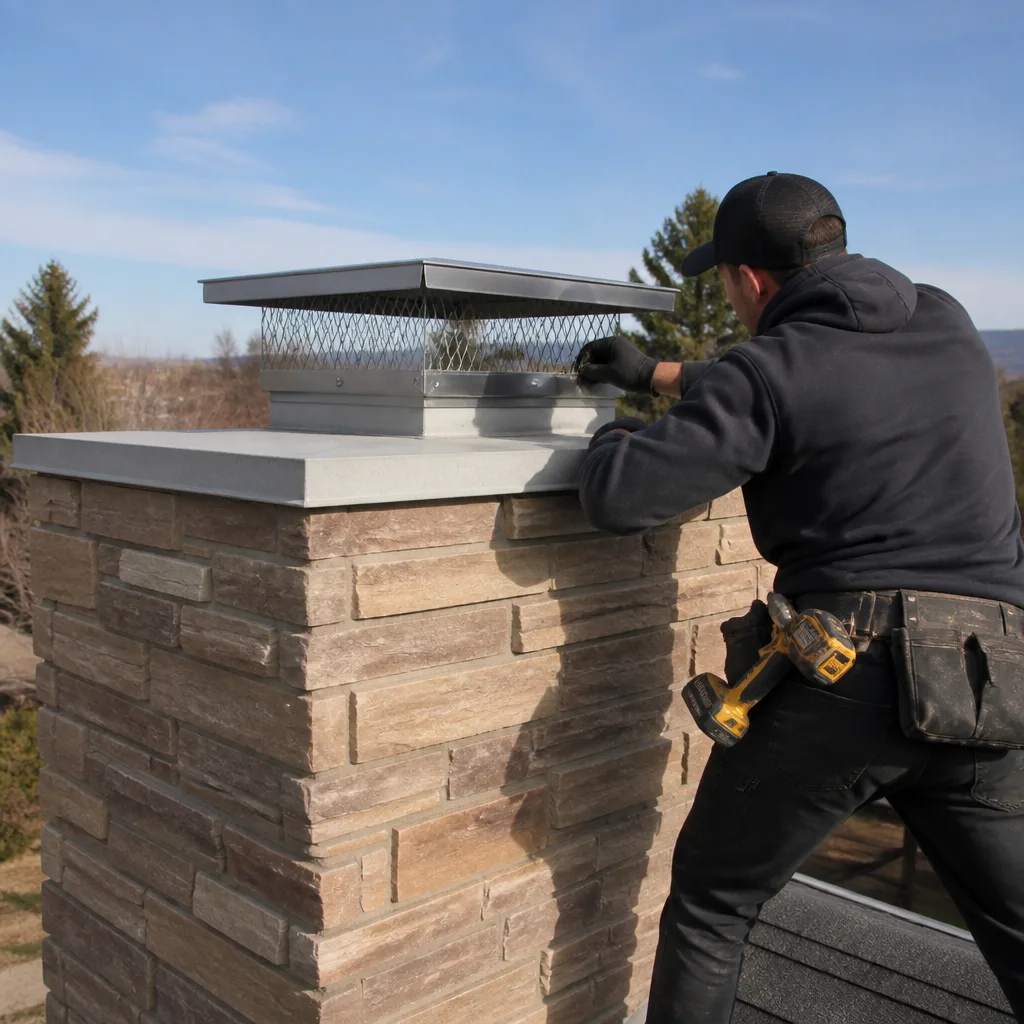
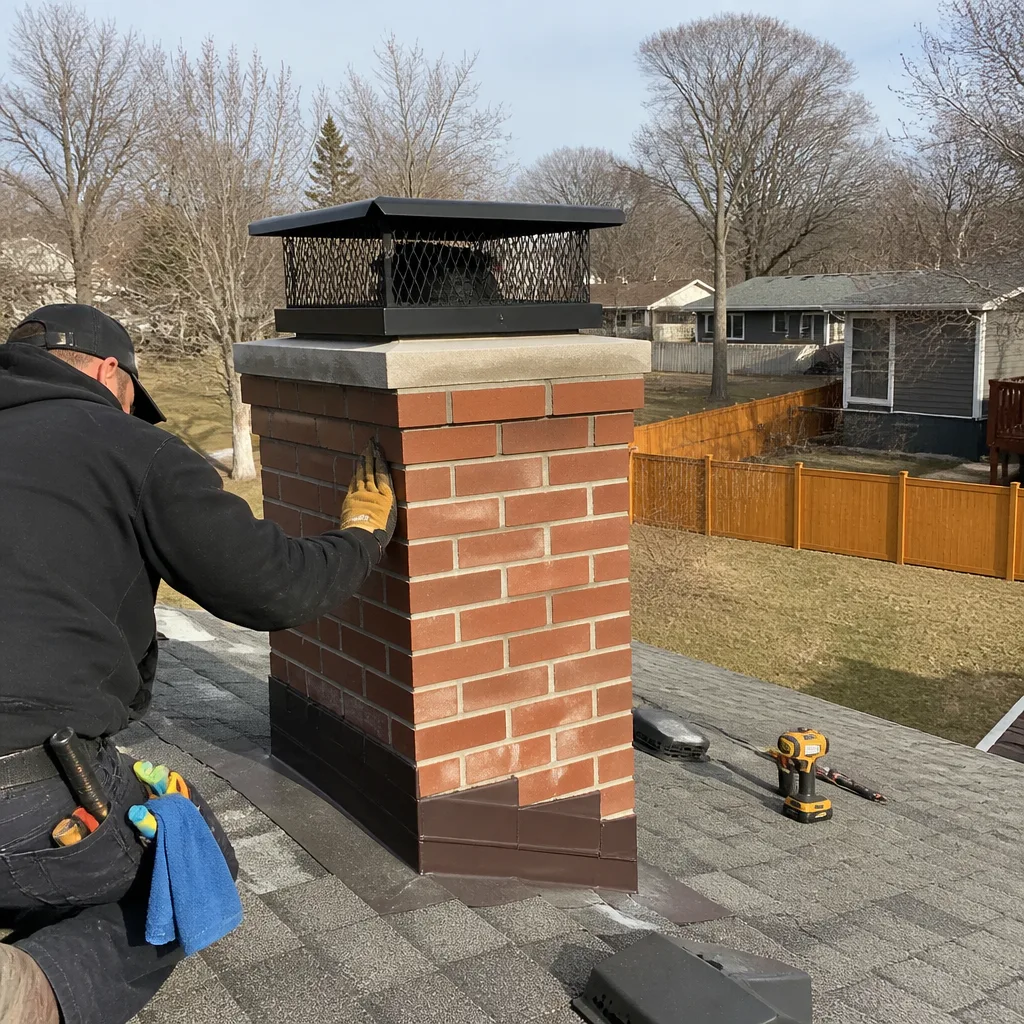
Level 1 sweep and inspection to the NFPA 211 annual standard - flue, crown, cap, and flashing checked and photographed
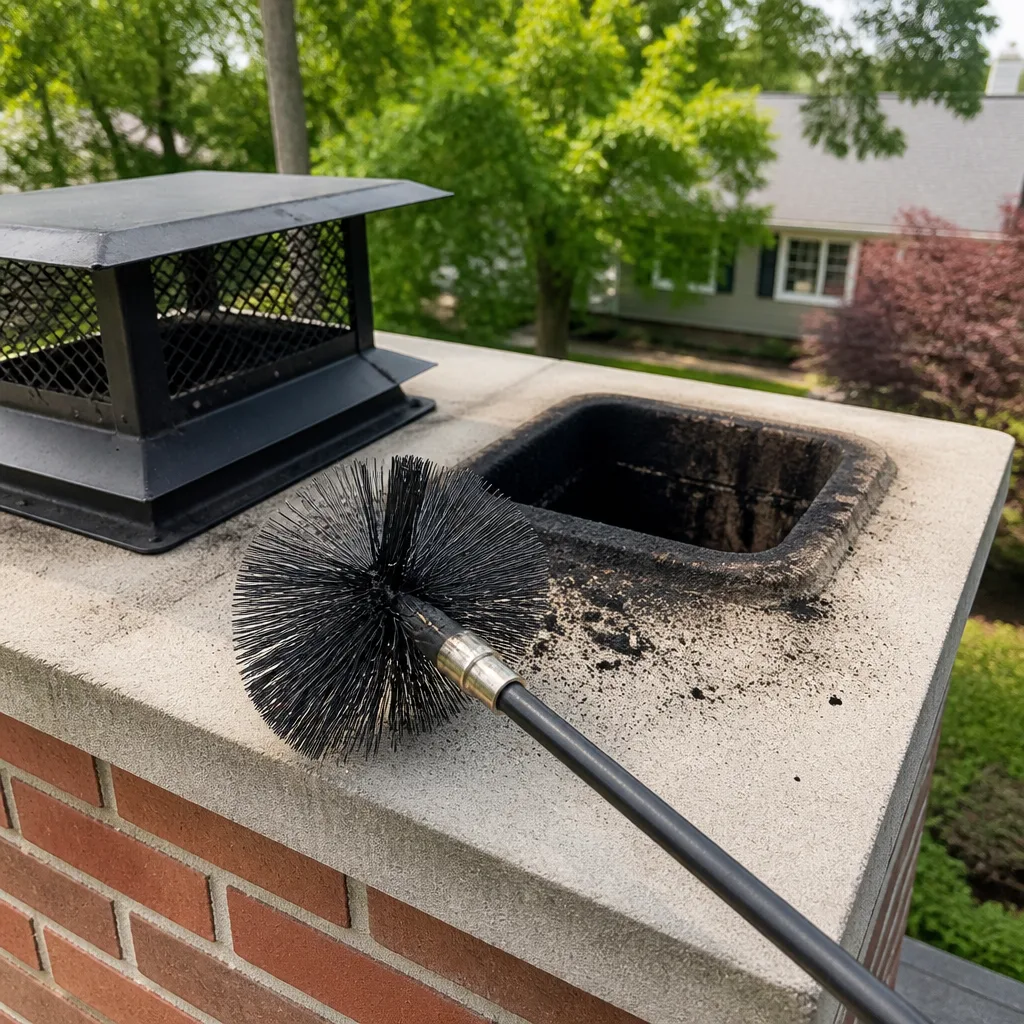
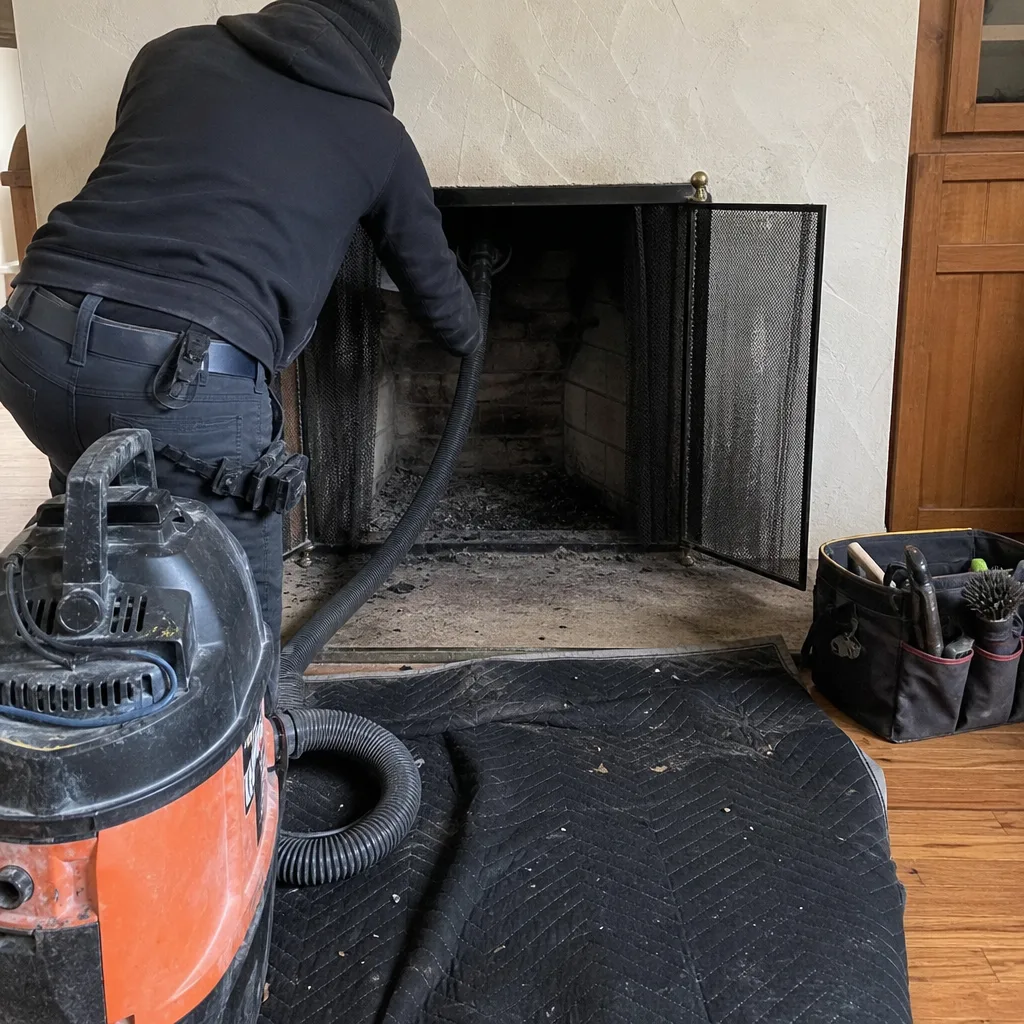
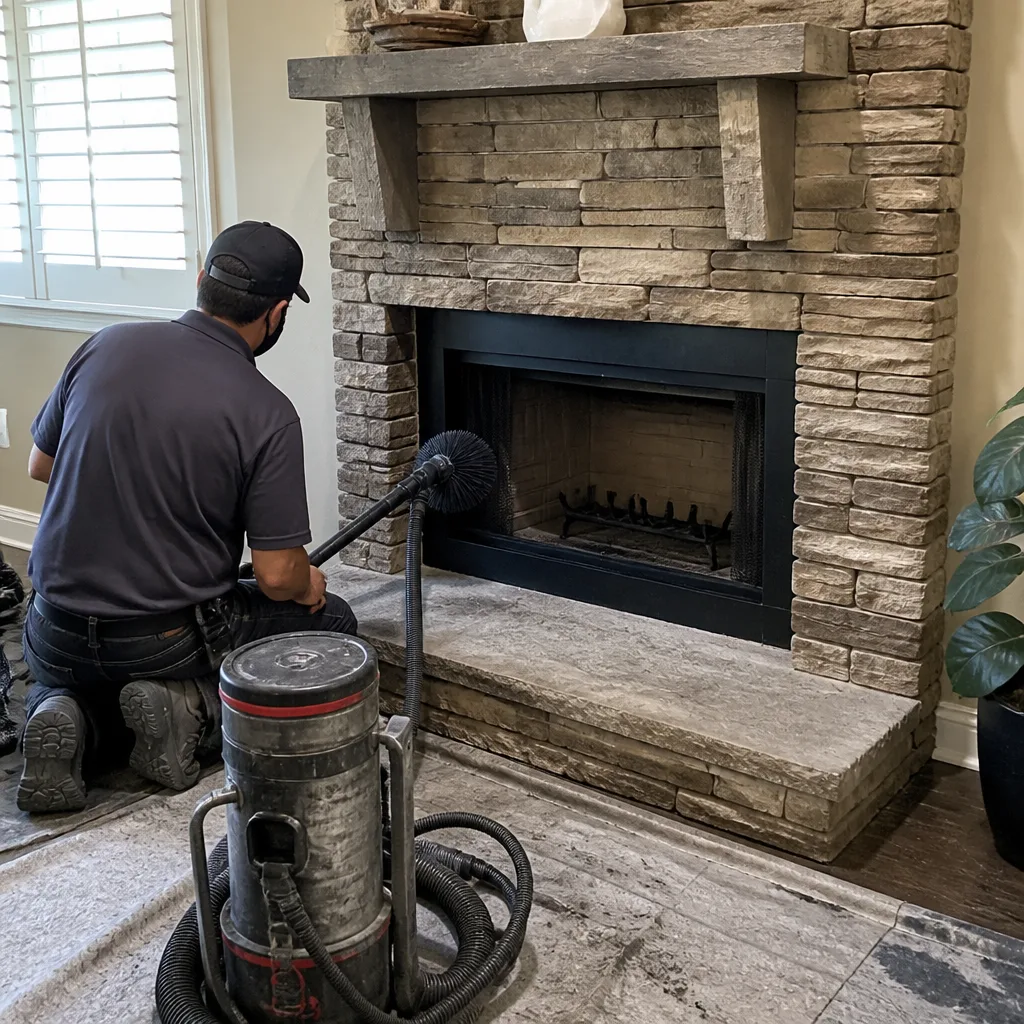
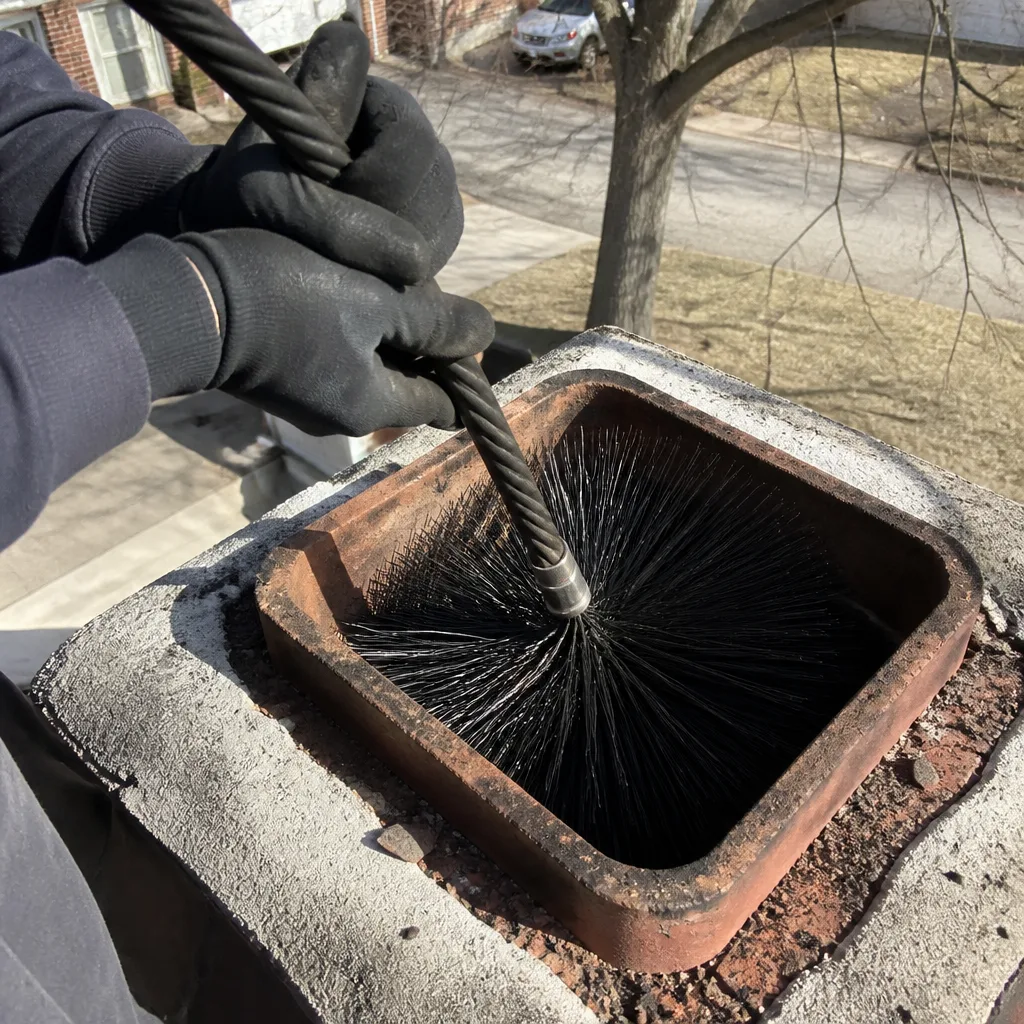
Chimney sweep logs do not sweep chimneys. They loosen some creosote - which then falls where a brush and vacuum still have to collect it.
 Before
 After
After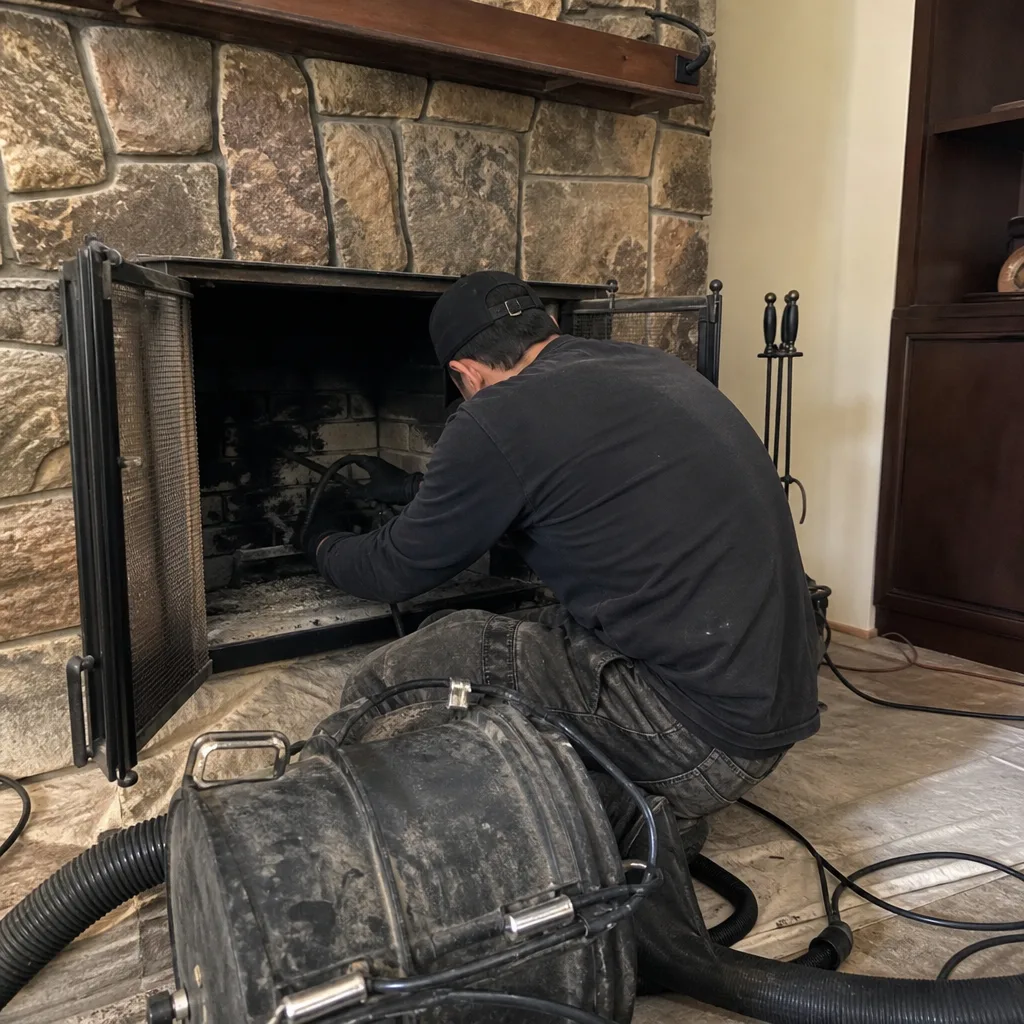 Before
 After
After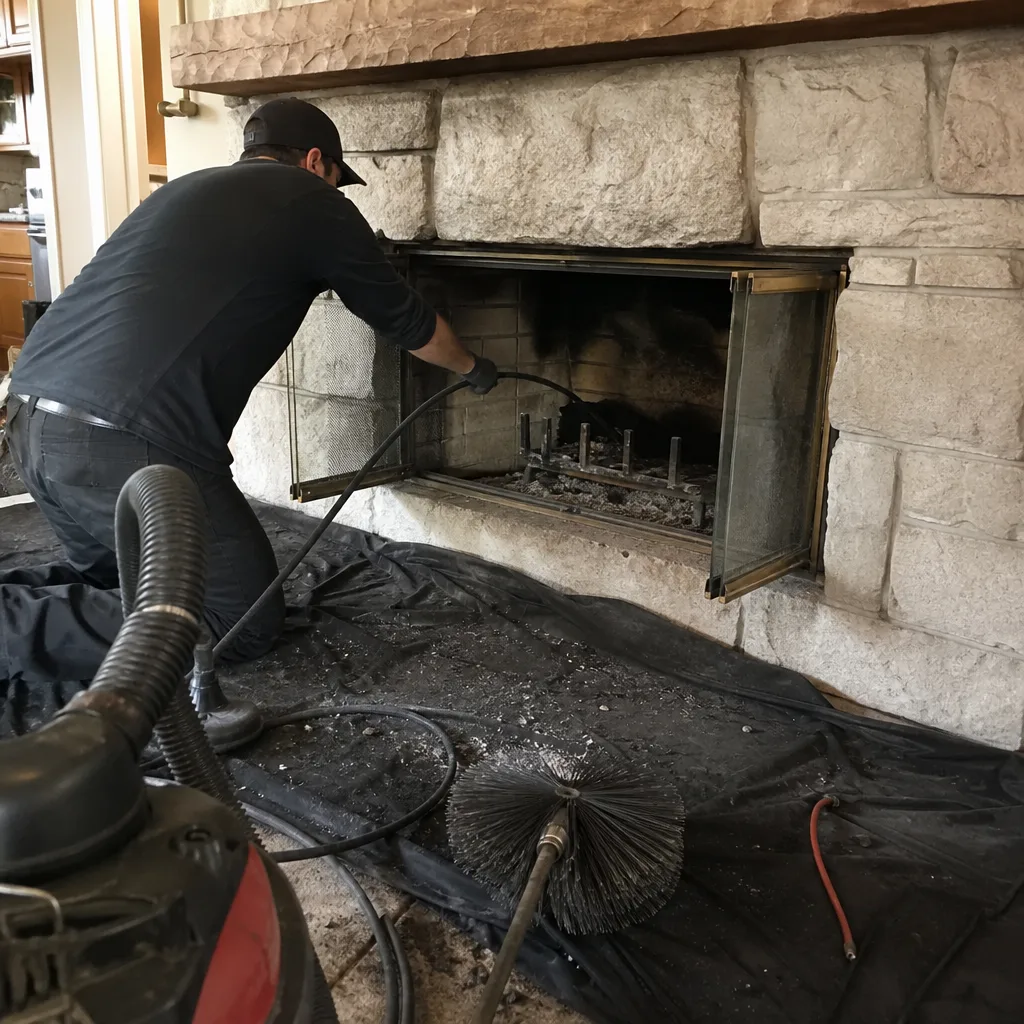 Before
 After
AfterDuraFlex Flue Liner Replacement: The Denver Owner’s Guide
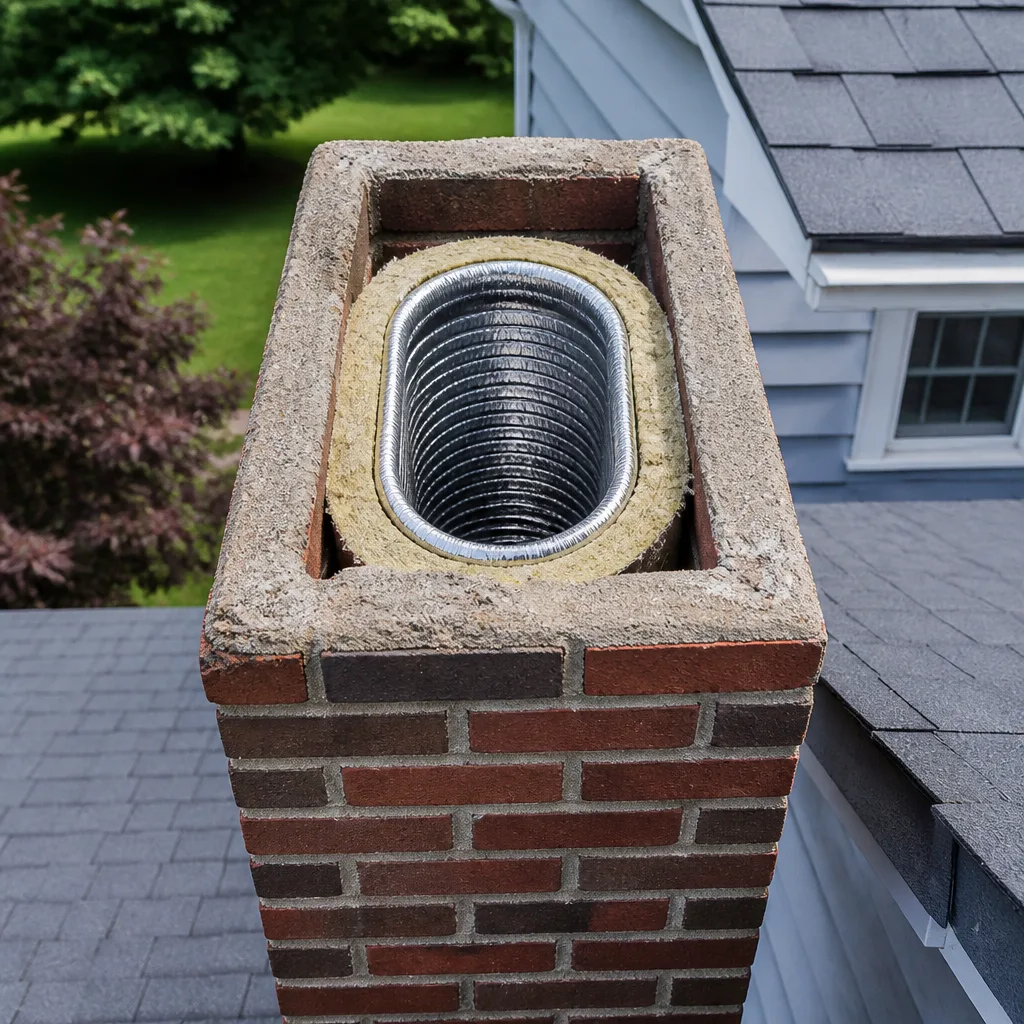
DuraFlex flue liner replacement in Denver typically runs $2,800-$4,500 installed for a standard single-flue chimney, with most jobs completed in one day. We stock DuraFlex-compatible liner sections, connectors, and termination caps on our trucks, and we source direct from DuraFlex’s distribution network through Haven’s buying group. Corrine Halstead and our crew have replaced these liners in everything from 1890s Capitol Hill brick to the tighter chase enclosures common in Stapleton rebuilds.
Most owners discover the problem during a routine sweep when the camera reveals cracked seams, corrosion pinholes, or separation at the collar. Others notice the telltale smell of smoke in the attic or a sudden draft reversal on cold Denver mornings after a Front Range wind event.
Which DuraFlex Models This Applies To
DuraFlex produces several distinct product lines, and matching the right replacement matters for both safety and warranty coverage. The DuraFlex SW (stainless wall) flexible liner and the DuraFlex HT (high-temperature) flexible liner are the two series we see most often in Denver homes built between 1985 and 2015. The SW carries a .005-inch 316Ti stainless wall; the HT steps up to .006-inch with a higher nickel content for oil and coal applications. Both use the same collar-and-band connection system, but the HT bands are wider and not interchangeable.
Identification starts at the cleanout or termination cap. Look for the stamped DuraFlex logo and series marking on the collar, typically within 12 inches of the top or bottom connection. If the tag is missing or illegible, we measure wall thickness with a pin gauge and check the alloy with a spark test, both done on-site. We do not guess. The camera doesn’t guess. Neither do we.
We are an independent service provider with no affiliation to DuraFlex. We source OEM DuraFlex components and also carry quality aftermarket equivalents from Olympia Chimney and Copperfield when the application permits. The aftermarket route saves roughly 15-20% on materials but carries a shorter warranty; we explain both options in writing before you choose.
Signs Your DuraFlex Flue Liner Replacement Is Failing
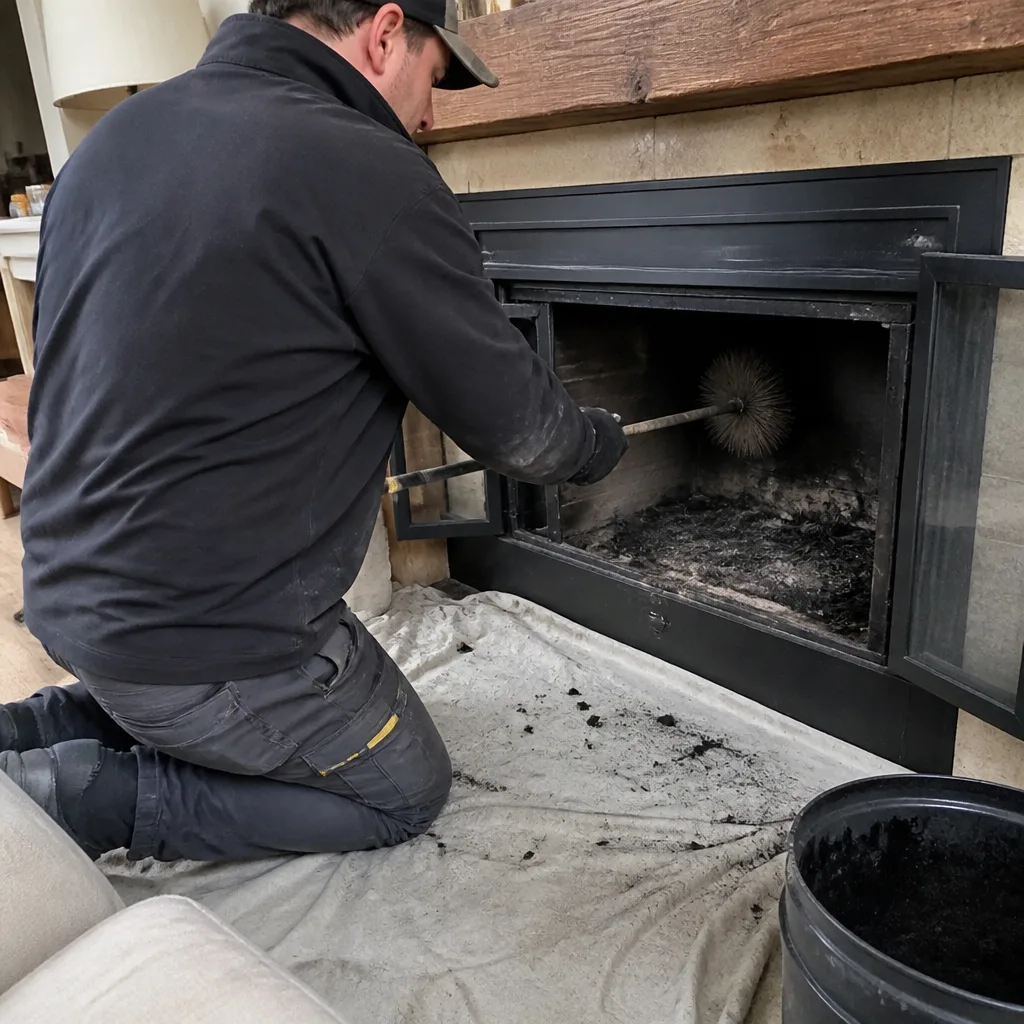
- Smoke or creosote odor in the attic or upper floors. This usually means a seam separation or pinhole corrosion in the liner wall, allowing combustion gases to leak into the chase cavity. In Denver’s dry climate, thermal cycling between summer attic heat and winter sub-zero drafts accelerates metal fatigue at the seams.
- Visible rust staining on the exterior masonry or chase cover. DuraFlex liners are stainless, but the termination hardware and collar bands are often galvanized or lower-grade alloy. When those fail, water tracks down and stains the brick. We see this pattern frequently on east-facing chimneys in Park Hill and Congress Park where morning sun hits snow-loaded caps.
- Draft reversal or smoke spillage at startup. A liner that has collapsed inward, kinked during a previous poor installation, or filled with detached liner fragments will choke the flue. The result is smoke backing into the room when the fire first catches, especially on cold days when the stack effect is weakest.
- Chunks of metal or “sand” in the cleanout. What looks like grit is often degraded 316Ti alloy from internal corrosion, usually from burning unseasoned wood or from a prior chimney fire that cracked the liner’s passive oxide layer. This material is your liner’s wall leaving one grain at a time.
- The camera shows a “ghost line” or shadow running the flue length. This is a circumferential crack or seam split that opens under heat. It may seal when cold, which is why some owners pass a basic cold-flue inspection and still have problems. Our Level 2 camera scan runs the full flue length under working conditions, or as close as safety allows.
 Before
 After
AfterReplacement Cost & What’s Included
| Component | Typical Range (Denver) |
|---|---|
| DuraFlex SW liner, 25-35 ft, materials only | $1,400-$2,200 |
| DuraFlex HT liner, 25-35 ft, materials only | $1,800-$2,800 |
| Labor: removal, installation, insulation pack, termination | $1,200-$1,800 |
| Chase modifications or refractory repair (if needed) | $400-$1,200 |
| Typical installed total | $2,800-$4,500 |
What drives the range: flue length and diameter, whether the existing liner can be extracted or must be demolished in place, chase access (steep roof pitch, tight alley setbacks in Highlands or Berkeley), and whether the smoke chamber or firebox needs refractory work before the new liner will seal properly.
Every replacement includes: NFPA 211 Level 2 camera inspection before and after; written scope and written price before any work starts (Haven Standard Clause 1); documented photo record archived under Haven Standard Clause 4; and our 365-Day Done Right Promise. We also stock HeatShield and Gelco refractory materials for smoke chamber parging when the liner replacement exposes hidden damage.
DIY or Call Us?
There is no safe DIY path for flue liner replacement. The work involves working at height on a pitched roof, handling sharp stainless sections in tight chase enclosures, and verifying combustion-tight seals that you cannot see from the living room. A poorly seated collar or missed band clamp creates a carbon monoxide pathway into the home. We have found homeowner-installed liners with the insulation pack omitted entirely, with termination caps reversed, and with seams facing the wrong direction for condensing appliances.
What you can safely check: verify the cleanout door is intact, look for rust staining from ground level with binoculars, and note any smoke odors or draft problems to report. Everything else, including the camera scan that tells you whether replacement is actually needed, requires a trained technician with proper fall protection and combustion testing equipment.
Call (720) 674-7312 and we will schedule a Level 2 inspection with written pricing. Estimates are free. If you have a competitor’s written quote, we will review it under our Free Second Opinion policy and explain where the scope differs from ours.
FAQs
A properly installed DuraFlex SW or HT liner typically lasts 15-25 years in the Denver metro, though we’ve seen premature failure at 8-10 years when unseasoned wood is burned regularly or when a chimney fire has cracked the alloy surface. The Front Range’s intense UV, freeze-thaw cycling, and occasional hail impact on termination hardware can shorten the effective lifespan of the exposed components even when the buried liner remains sound. Call (720) 674-7312 for a camera inspection that tells you exactly where your liner stands.
Localized damage, such as a single seam separation or a small collar crack, can sometimes be addressed with a stainless repair sleeve or a custom-fabricated band. But if the camera shows multiple cracks, wall thinning, or corrosion distributed along the length, partial repair is false economy; the adjacent sections usually fail within 2-3 years. We show you the footage, mark the damage, and explain whether repair or full replacement is the honest recommendation. Nothing is suggested without photo evidence you can see for yourself.
Most DuraFlex flue liner replacements are completed in a single day, with the crew on-site 6-8 hours for a standard residential job. Complex access, masonry rebuild of the smoke chamber, or coordination with a roofing contractor for chase cover work can extend to a second day. We give you a written schedule with the price, not a guess.
We carry DuraFlex-compatible liner sections, collars, bands, and termination caps on our service trucks in the most common diameters (6″, 7″, and 8″) and lengths. Less common sizes or HT-series components for oil-burning applications typically arrive within 48 hours through Haven’s buying network. We do not begin work until the correct materials are on-site and verified against your flue dimensions.
Written by Corrine Halstead, Owner, Level Two Chimney Denver at Level Two Chimney Denver, serving Denver and nearby areas.