
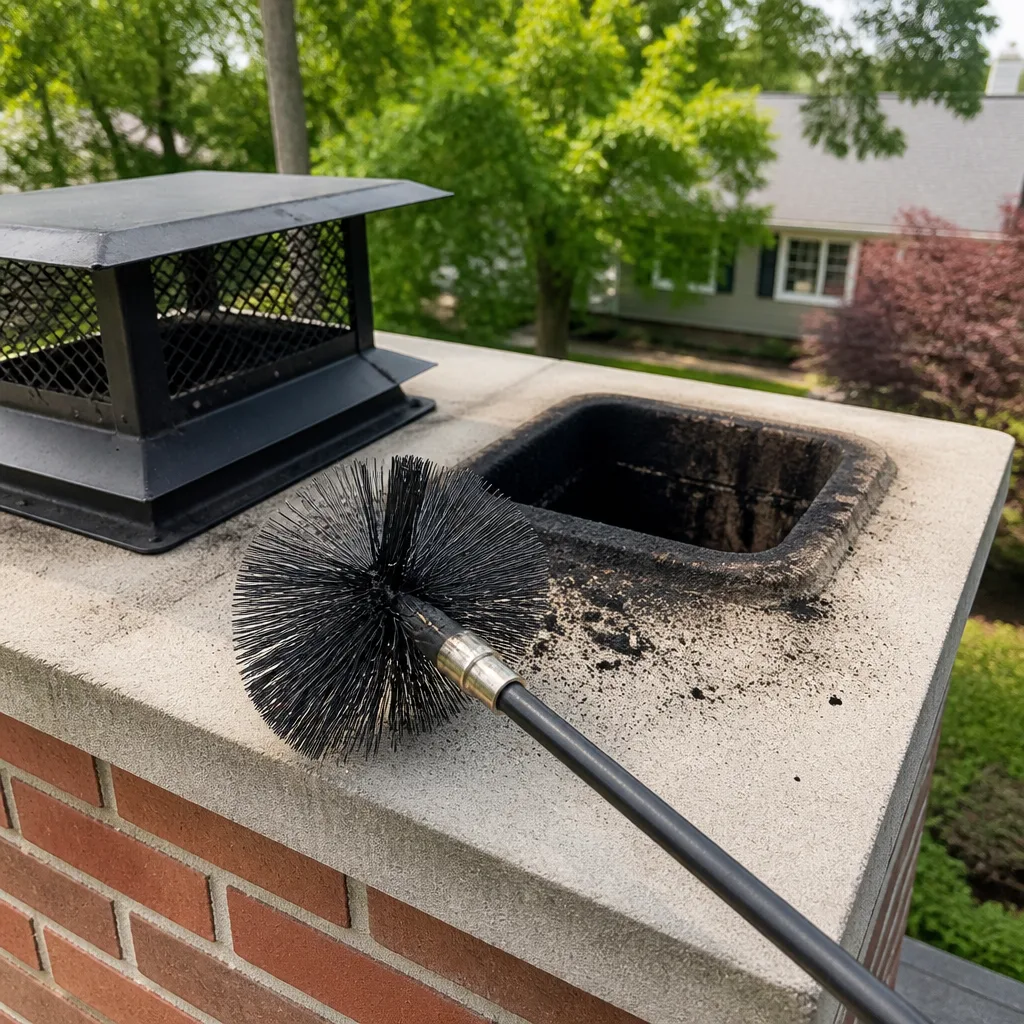
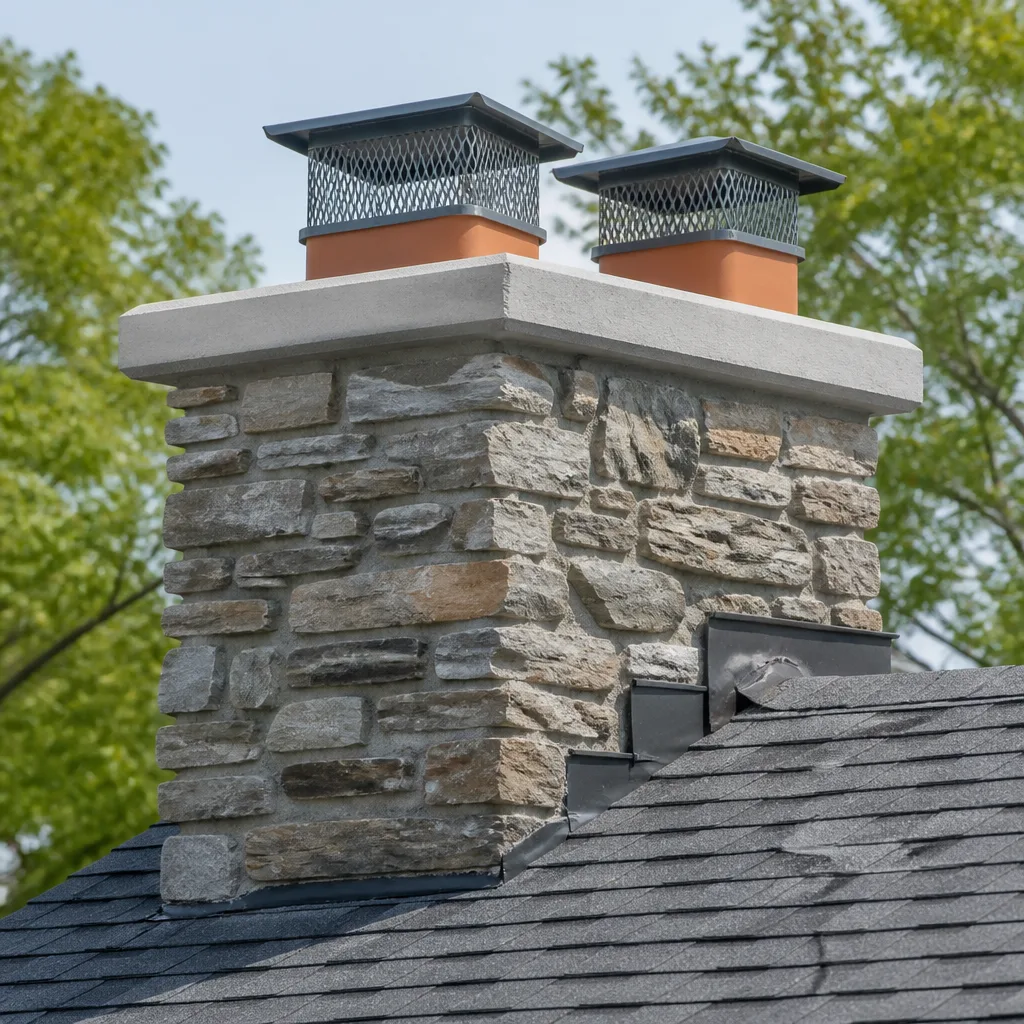
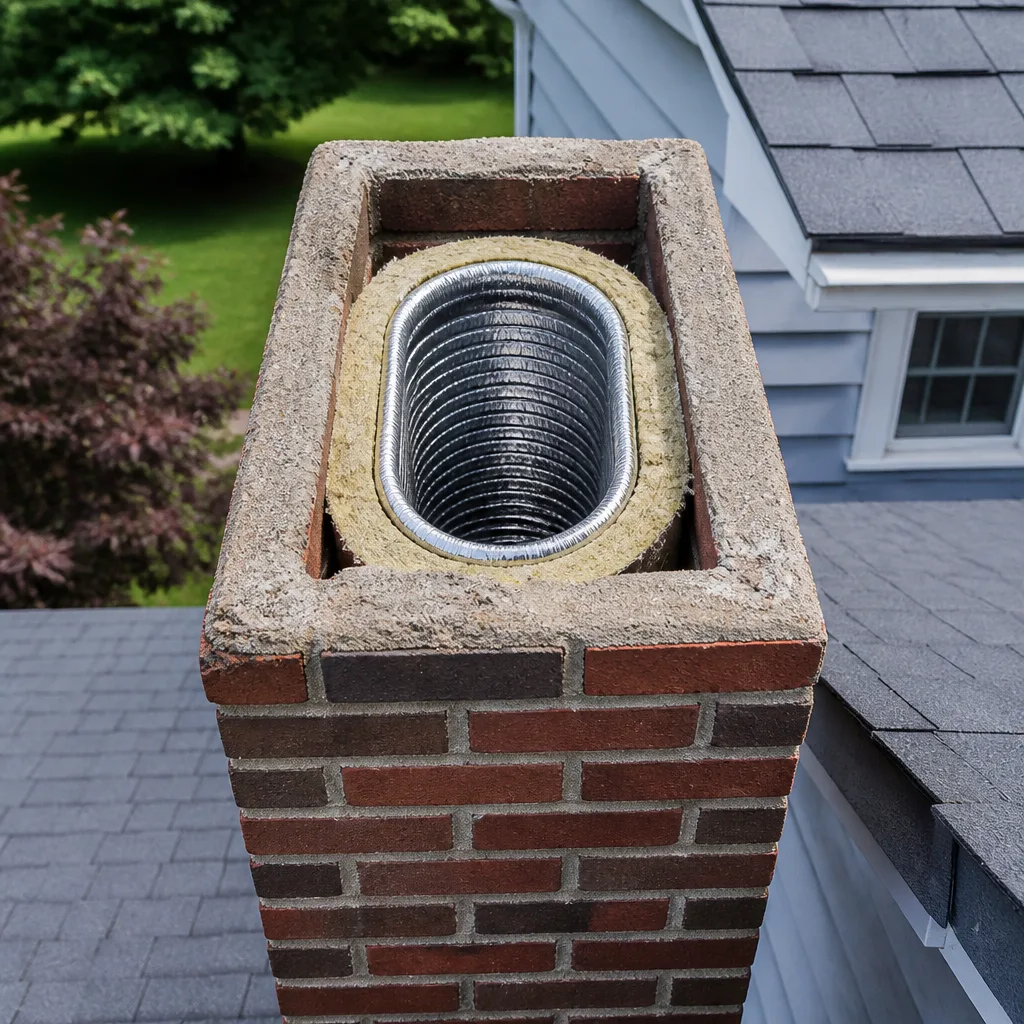
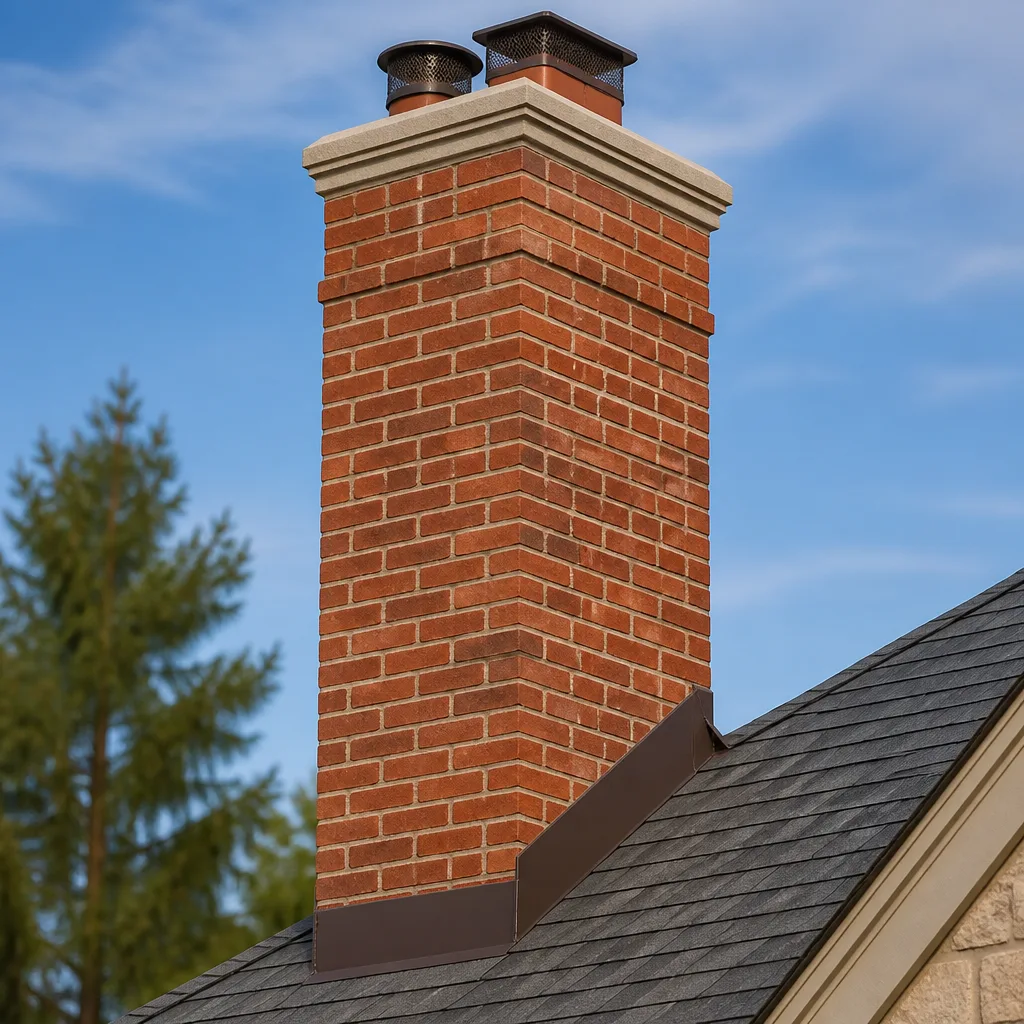
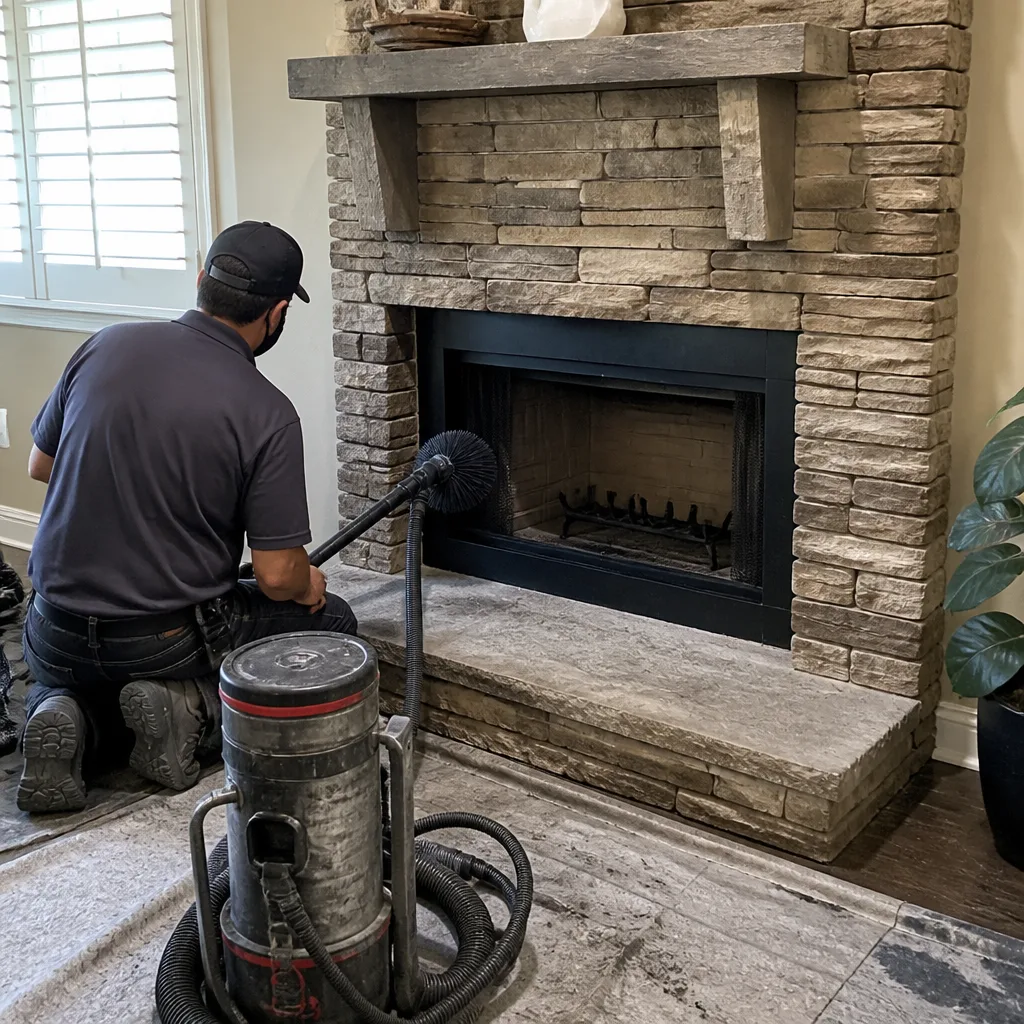
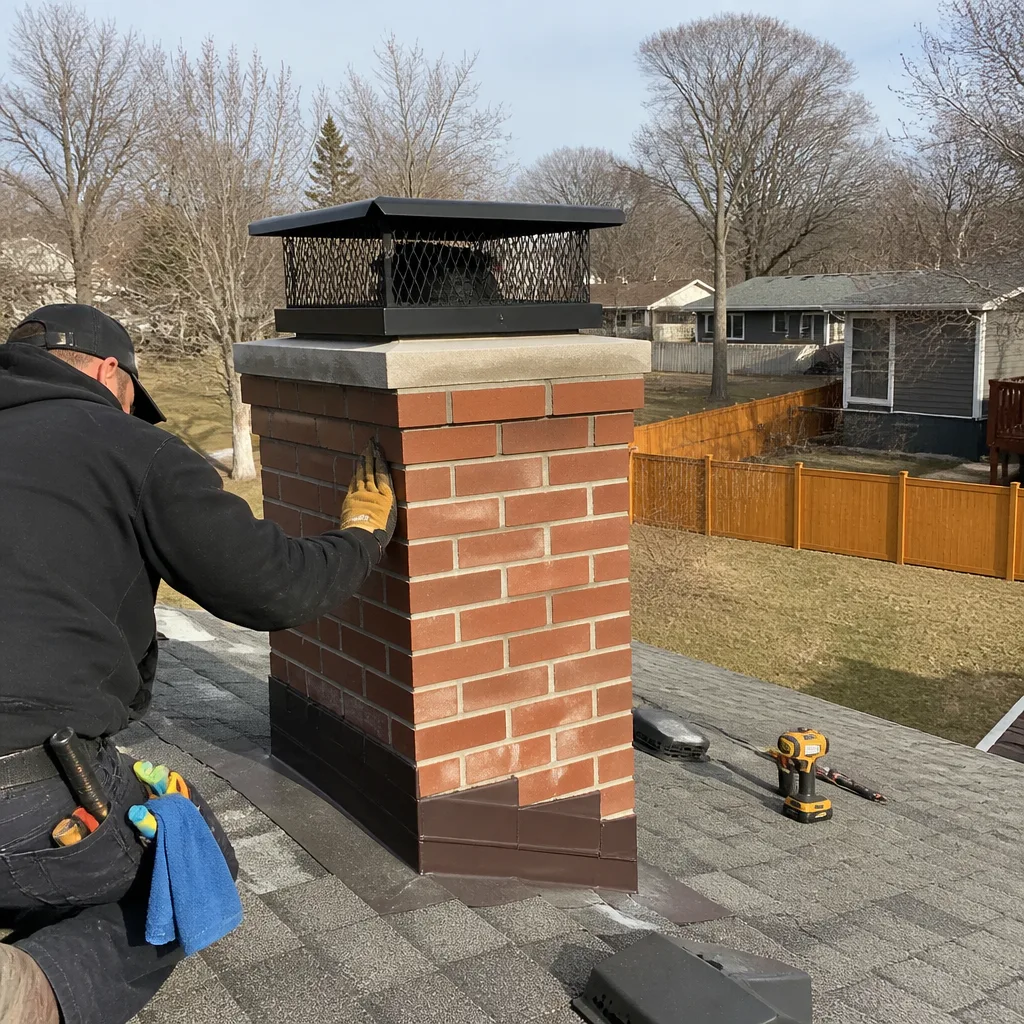
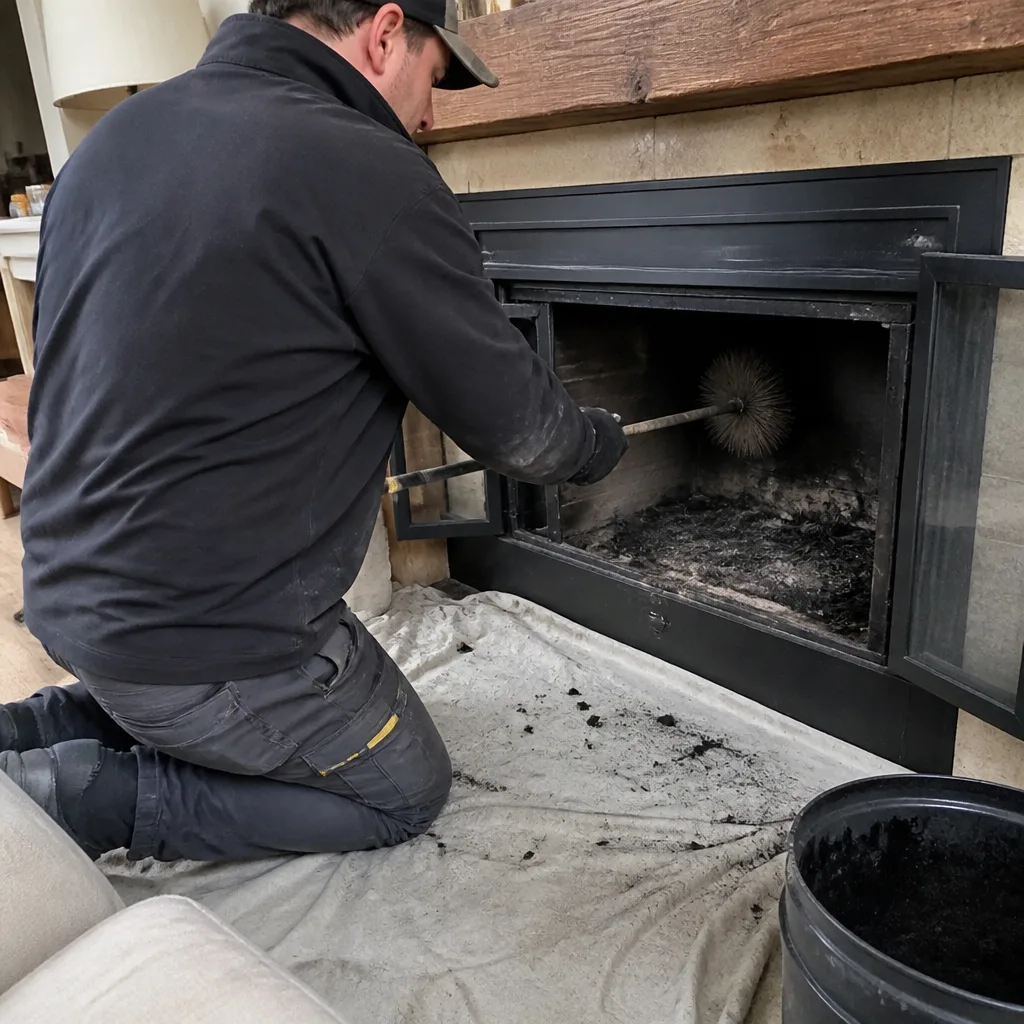
Level 1 sweep and inspection to the NFPA 211 annual standard - flue, crown, cap, and flashing checked and photographed
Chimney sweep logs do not sweep chimneys. They loosen some creosote - which then falls where a brush and vacuum still have to collect it.
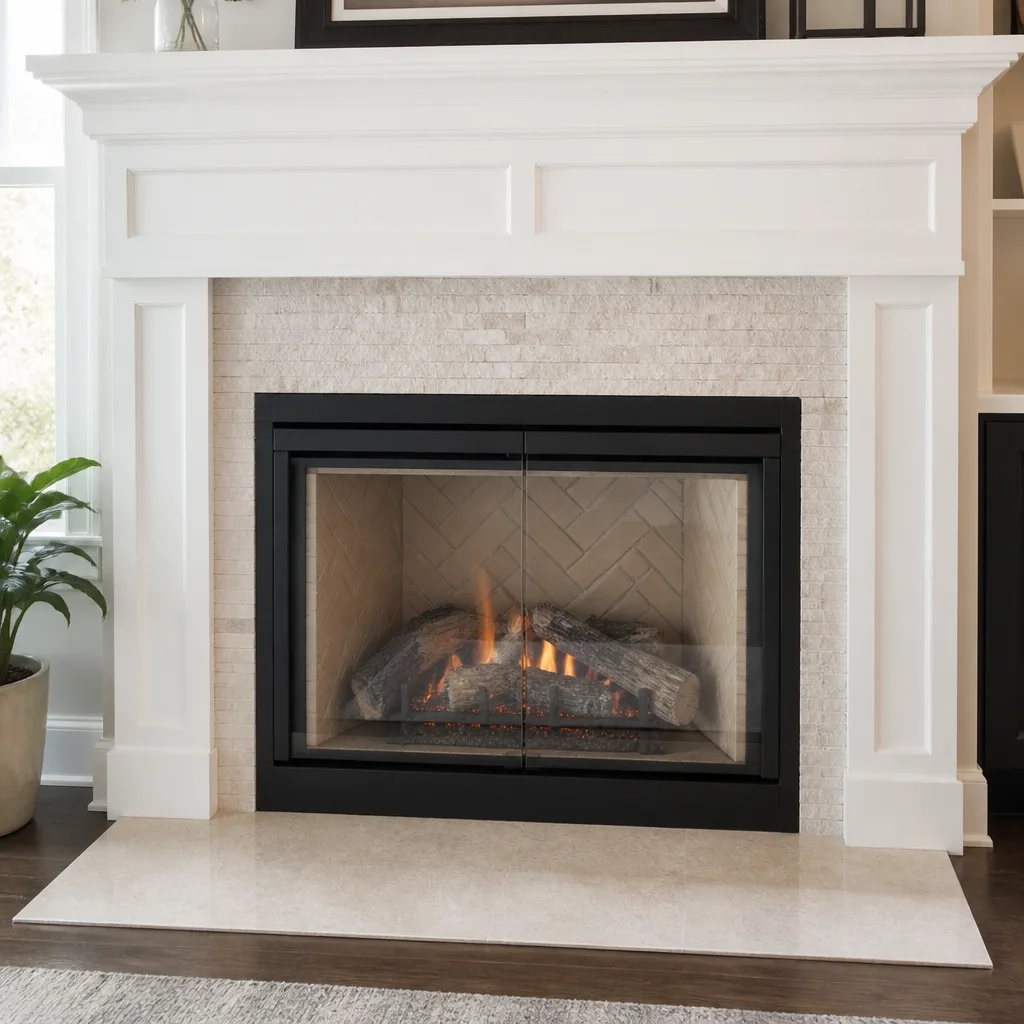
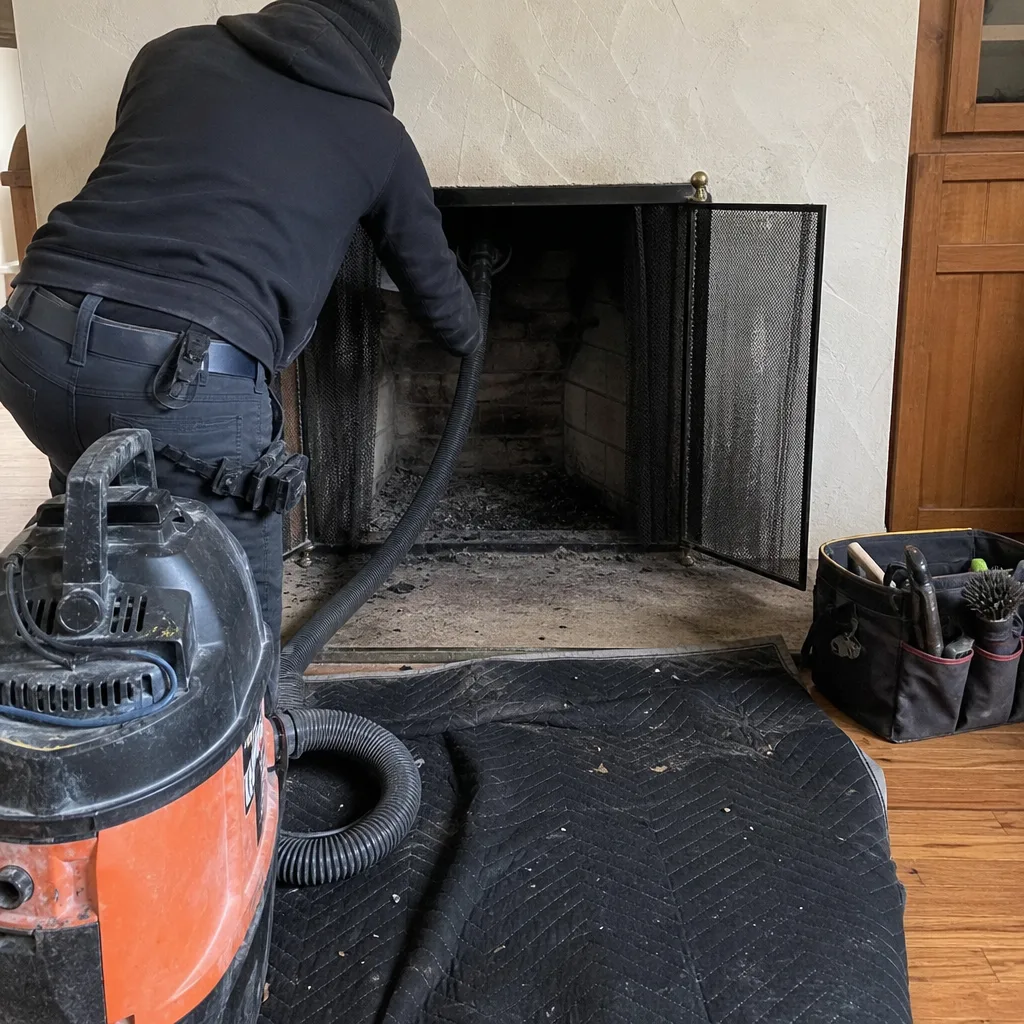 Before
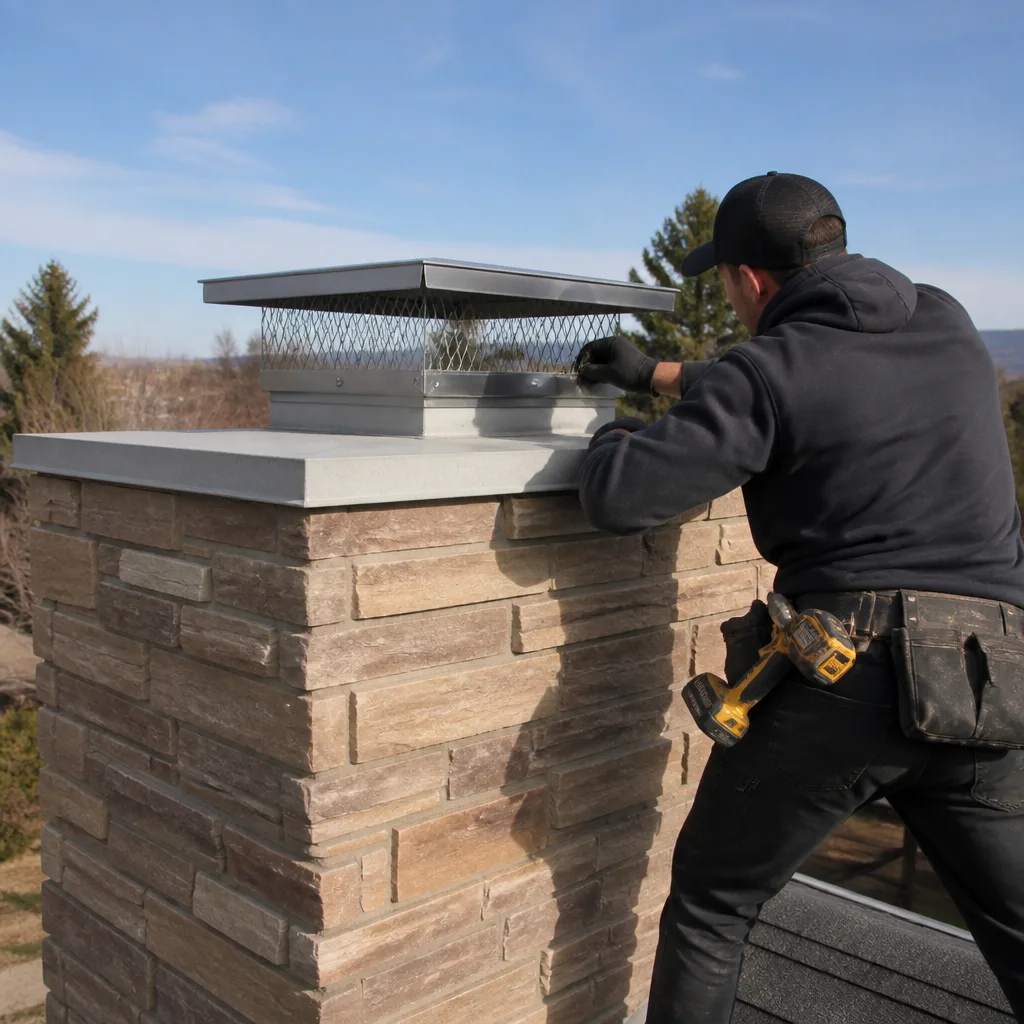 After
After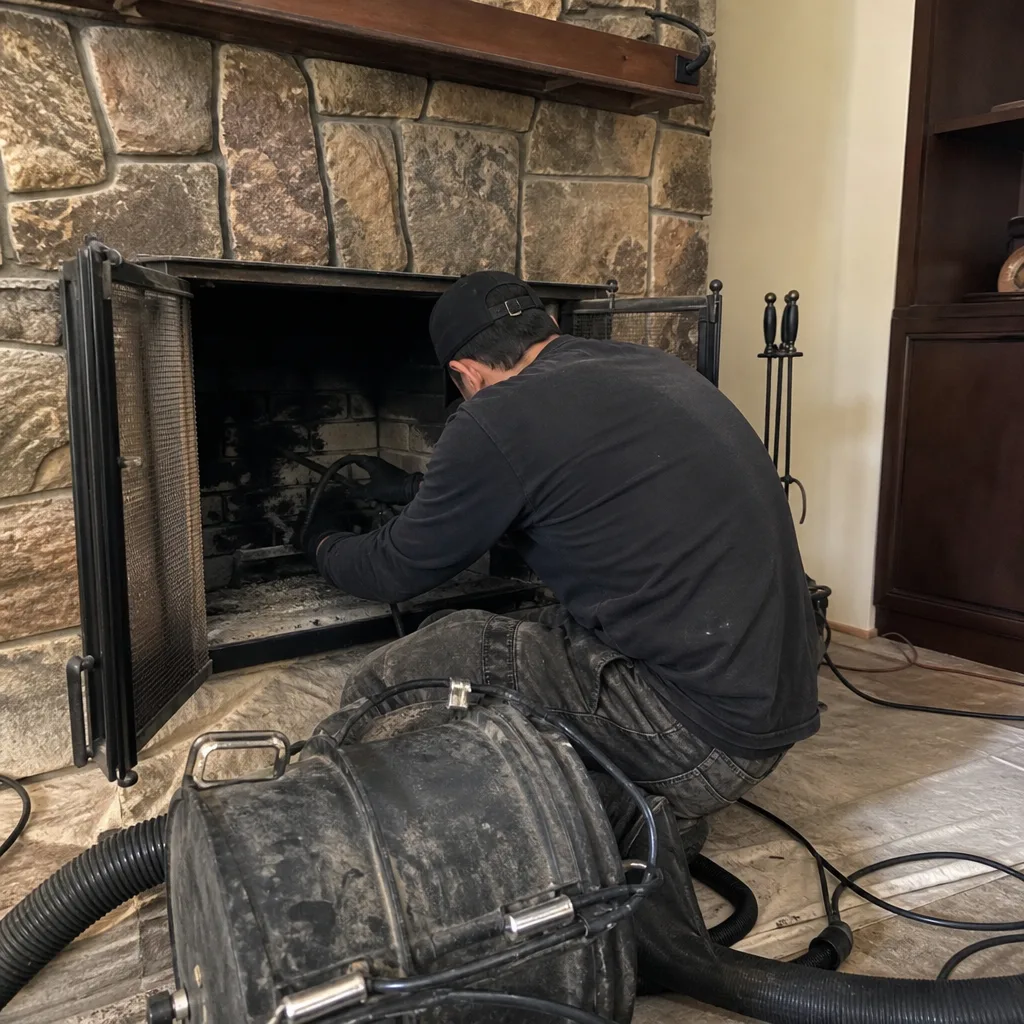 Before
 After
After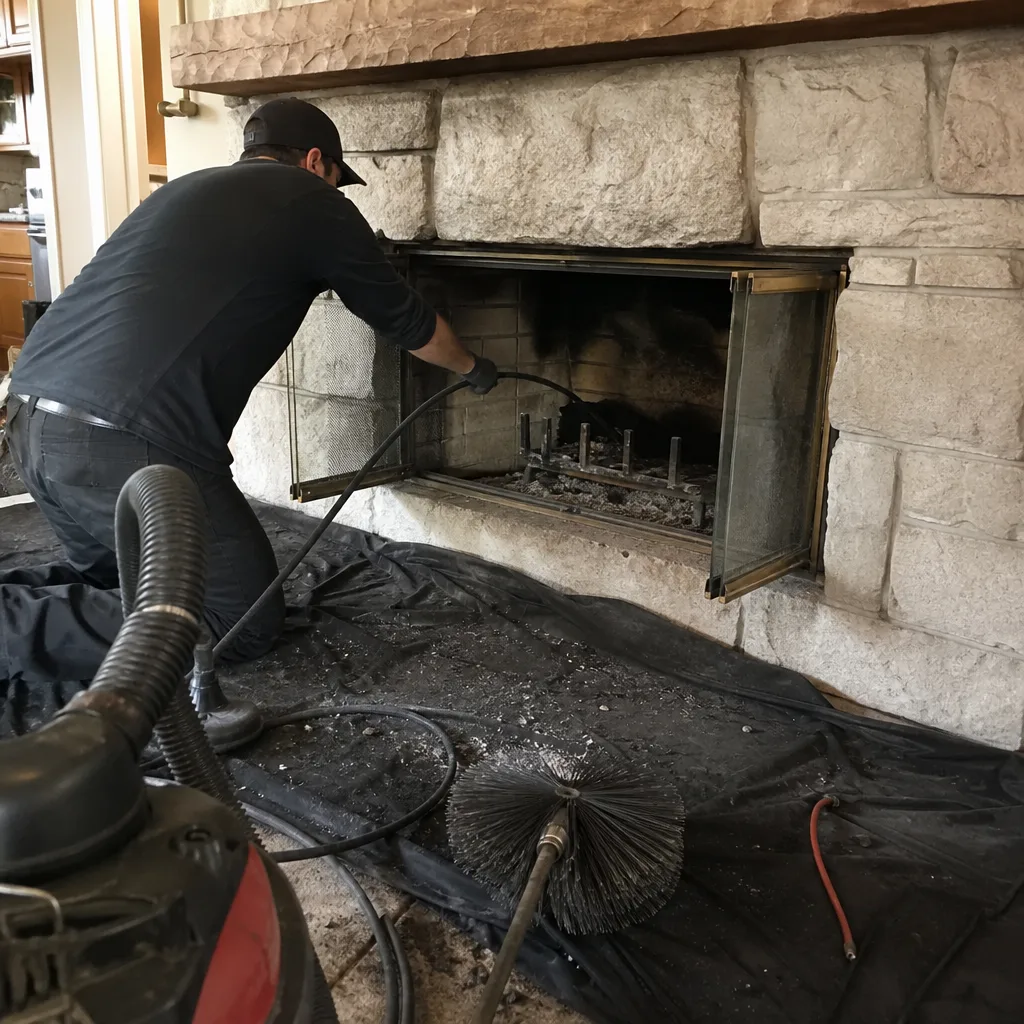 Before
 After
AfterGelco Fireplace Services in Denver: What to Know First
We provide independent Gelco fireplace services across Denver, from gas valve troubleshooting on the GL-550 series to firebox refractory replacement on wood-burning units. Most Gelco jobs book within 3-5 business days, and every repair starts with a written price before any work begins. A standard Gelco gas fireplace service runs $195-$285; firebox or damper repairs typically fall between $340-$780 depending on parts and access.
This page is for Denver homeowners who own a Gelco fireplace, insert, or gas log set and need service from a technician who knows the difference between a GL-400 and a GV-36i without reading the manual on your time. We are not affiliated with or authorized by Gelco. We are an independent Gelco service provider. Call (720) 674-7312 for a free estimate.
What happens when you call
- 1
A real person answersNo phone trees - you reach a local pro.
- 2
You get an upfront price rangeHonest numbers before anyone is dispatched.
- 3
A background-checked tech heads outLicensed & insured, dispatched right away.
- 4
You approve before work beginsNothing starts until you say go.
How Gelco Products Fail - and How We Fix Them
- GV-36i and GV-42i gas inserts: pilot assembly carbon fouling. Denver’s altitude (5,280 feet) thins combustion air, so these units run slightly rich. The pilot orifice cakes with carbon every 18-30 months, causing intermittent lighting or flame-out during wind. We pull the pilot, measure orifice diameter against OEM spec, and either clean with a non-wired brush or replace with a Robertshaw equivalent rated for 5,000+ feet. Never ream an orifice - that changes the gas/air ratio and voids whatever warranty remains.
- GL-550 direct-vent fireplaces: failed snap disc and blower delay. The snap disc on early GL-550 units (pre-2018) was specced for sea-level trip temperatures. In Denver’s dry cold, it cycles more aggressively and fatigues at 4-6 years instead of the expected 10. We replace with a higher-tolerance aftermarket disc from our Haven buying network, test three heat cycles, and log the trip temperature in your record.
- Wood-burning firebox refractory panels: thermal shock cracking. Gelco’s refractory panels are proprietary cast, but the 24″ and 36″ standard sizes fit quality aftermarket panels from HeatShield. We measure crack width and depth with a feeler gauge. Hairline surface cracks under 1/16″ get monitored; through-cracks or anything exposing the metal shell get replacement with written documentation for your insurer.
- GV series: deteriorated ember bed and glowing inefficiently. The silica ember material breaks down after 3-5 seasons of Denver’s wide temperature swings. Owners notice yellow tipping on flames and reduced radiant heat. We source OEM ember beds through our Copperfield supply line, or match spec with Olympia Chimney equivalent if Gelco backorders the part - which happens every fall when everyone discovers their fireplace on the first cold night.
- GL-400 top-vent gas fireplaces: condensation in the vent run. Denver’s freeze-thaw cycles exploit any low spot in a horizontal vent run. Water pools, freezes, and cracks the inner aluminum flex. We camera the full vent path, mark the low point on your photo record, and either re-pitch the run or install a condensate drain per NFPA 54. The camera doesn’t guess. Neither do we.
Our Gelco Fireplace Services Process
- 1
Call and schedule. A live person answers. We ask the model number (check the rating plate inside the lower louver), the symptom, and when it started. You get a 2-hour arrival window and a text when your tech is en route.
- 2
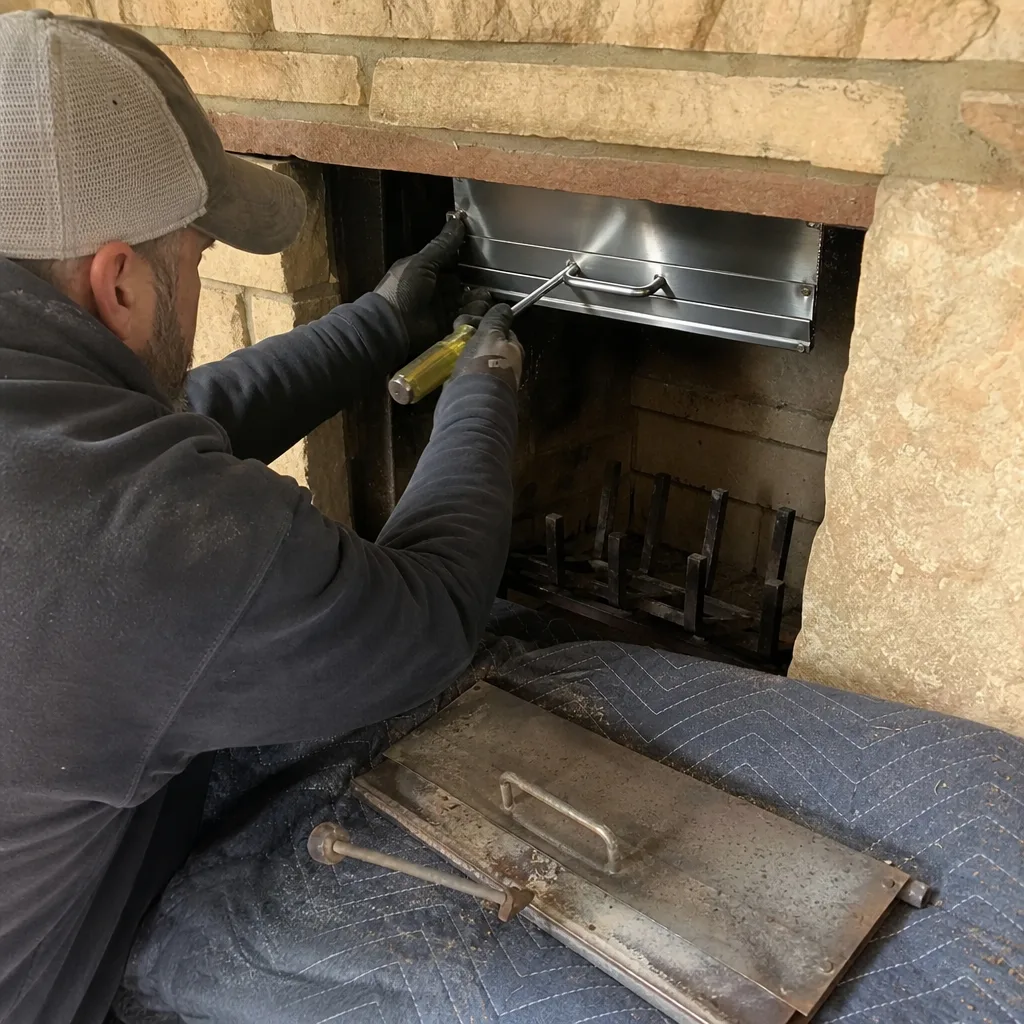
NFPA 211 Level 2 inspection with camera. For gas units, we inspect the burner, valve train, venting, and combustion chamber. For wood units, we scan the flue liner, smoke chamber, and firebox. Every finding is photographed and logged.
- 3
Written price, written scope, written warranty. Before any wrench turns, you get a single-page quote with line items, parts source (OEM Gelco or qualified aftermarket), and total. Haven Standard Clause 1: have it in writing.
- 4
Repair with documented parts. We use Gelco OEM when available and warranty-appropriate, or substitute from DuraFlex, HeatShield, or Olympia Chimney with equivalent or better spec - never a generic that fits “close enough.”
- 5
Combustion test and safety check. Gas units get CO readings at the unit and in the room, draft measurement on wood units, and a full function test of all controls.
- 6
Photo record delivery and cleanup. Your documented record uploads same-day. Haven Standard Clause 4 requires it, and we’ve done it on every job since 2009.
 Before
 After
AfterWhat Gelco Fireplace Services Costs in Denver
| Service | Typical Range | What Moves the Price |
|---|---|---|
| Gas fireplace service (GV/GL series) | $195 - $285 | Access panel removal difficulty, parts replacement |
| Pilot assembly replacement | $240 - $380 | OEM vs. aftermarket orifice, altitude-rated spec |
| Refractory panel replacement (wood) | $340 - $620 | Panel count, size, whether surround trim must come out |
| Gas valve or control module | $420 - $780 | Valve type, electrical testing time, OEM availability |
| Vent re-pitch or condensate drain | $380 - $650 | Roof access, length of run, interior vs. exterior routing |
| Full insert removal and reinstallation | $580 - $950 | Hearth modification, gas line reconnection, surround rebuild |
These are Denver-market ranges based on our 38,000+ jobs since 2009. Your exact price comes after inspection, never before. Estimates are free. Call (720) 674-7312.
Why Denver Homeowners Call Level Two Chimney Denver for Gelco Work
We’ve worked Gelco units in Capitol Hill condos, Baker bungalows, and the brick Victorians along Federal Boulevard where the original install was done by a builder who didn’t expect anyone to service it 15 years later. Corrine Halstead trained on combustion venting and liner systems at Apex Technical School in Manhattan, and she brought the habit of writing down what you find before you say a word about it. That became the Haven Standard.
Our techs are background-checked, uniformed, and assigned by name. You get their license number, a text when they’re on the way, and a 365-Day Done Right Promise on every repair. If we don’t have the Gelco OEM part in our Denver warehouse, we source through our buying network with DuraFlex, HeatShield, and Olympia Chimney - not because we want to, but because waiting three weeks for a backordered pilot assembly in October is not a plan. Free Second Opinion on any competitor’s written estimate. Always.
FAQs
No, but only if the repair follows Gelco’s published specifications and uses OEM or equivalent parts. We document both on every job, and we flag when a remaining factory warranty makes OEM mandatory. If you’re unsure about your warranty status, call us with your serial number and we’ll tell you exactly what’s still covered.
Common items like pilots, blowers, and refractory panels ship to our Denver warehouse in 2-4 business days. Obsolete GL-series parts or pre-2010 firebox components can take 7-10 days. We stock the failure-prone items - GV-36i pilots, GL-550 snap discs - and we source equivalent-spec alternatives through HeatShield or Olympia Chimney when Gelco backorders stretch past a week.
Replace if the firebox is cracked through to the metal shell, the vent system is obsolete and incompatible with current code, or repair costs exceed 60% of a comparable new insert installed. Repair if the issue is isolated to a control, burner, or refractory panel and the unit is under 15 years old. We give you the camera footage, the written price for each path, and our recommendation - never a push.
Every 12 months for units in regular use, every 18 months for occasional use. Denver’s altitude and dry dust accelerate burner port clogging and blower bearing wear. Annual service catches carbon buildup before it kills the pilot, and it’s required by most home warranties and insurer inspections.
Class I creosote becomes Class III (glazed, tar-like, and chimney-fire fuel) over 2-3 seasons of regular use. The risk is real and specific: a chimney fire can reach 2,000°F and crack a flue liner, which then leaks combustion gases including carbon monoxide into wall cavities. We find it with the camera, show you the footage, and quote sweep or repair before anything else. Call (720) 674-7312 for a free estimate.
Written by Corrine Halstead, Owner, Level Two Chimney Denver at Level Two Chimney Denver, serving Denver and nearby areas.