
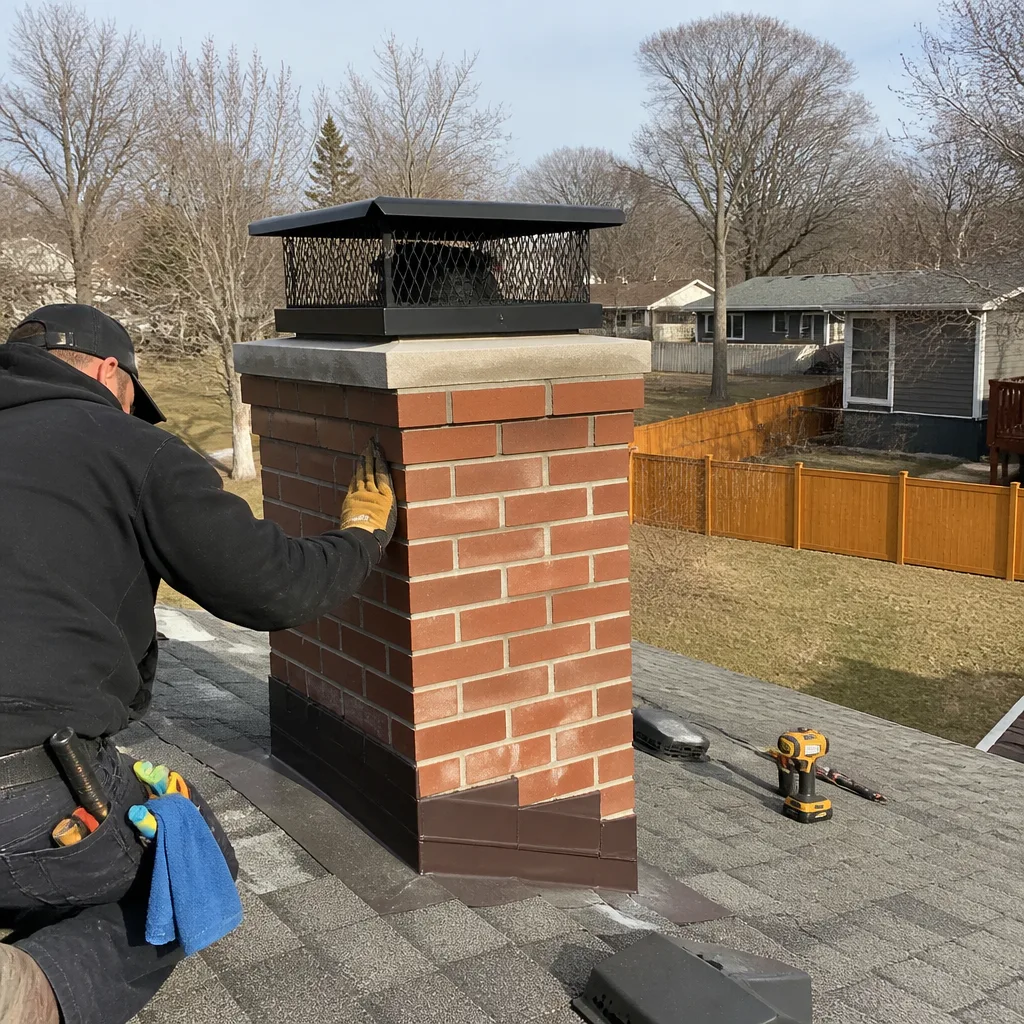
Level 1 sweep and inspection to the NFPA 211 annual standard - flue, crown, cap, and flashing checked and photographed
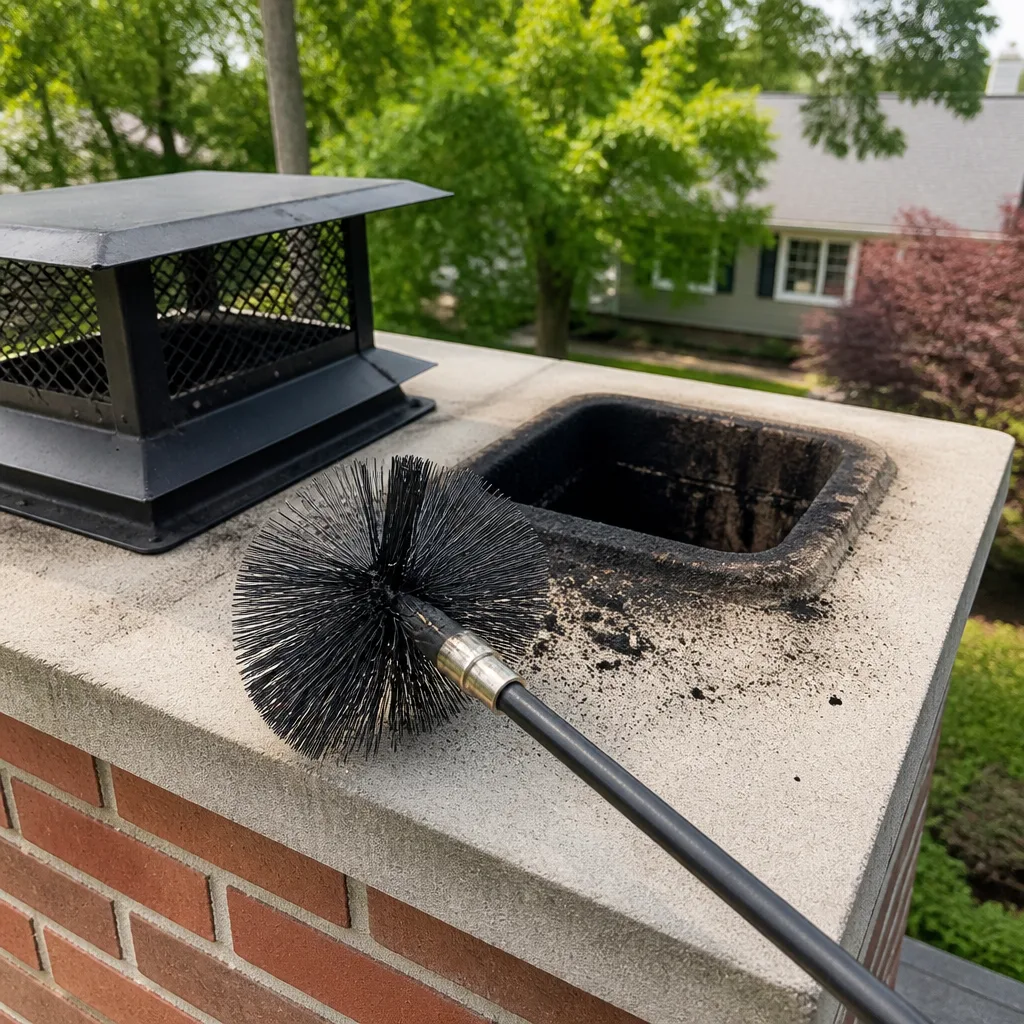
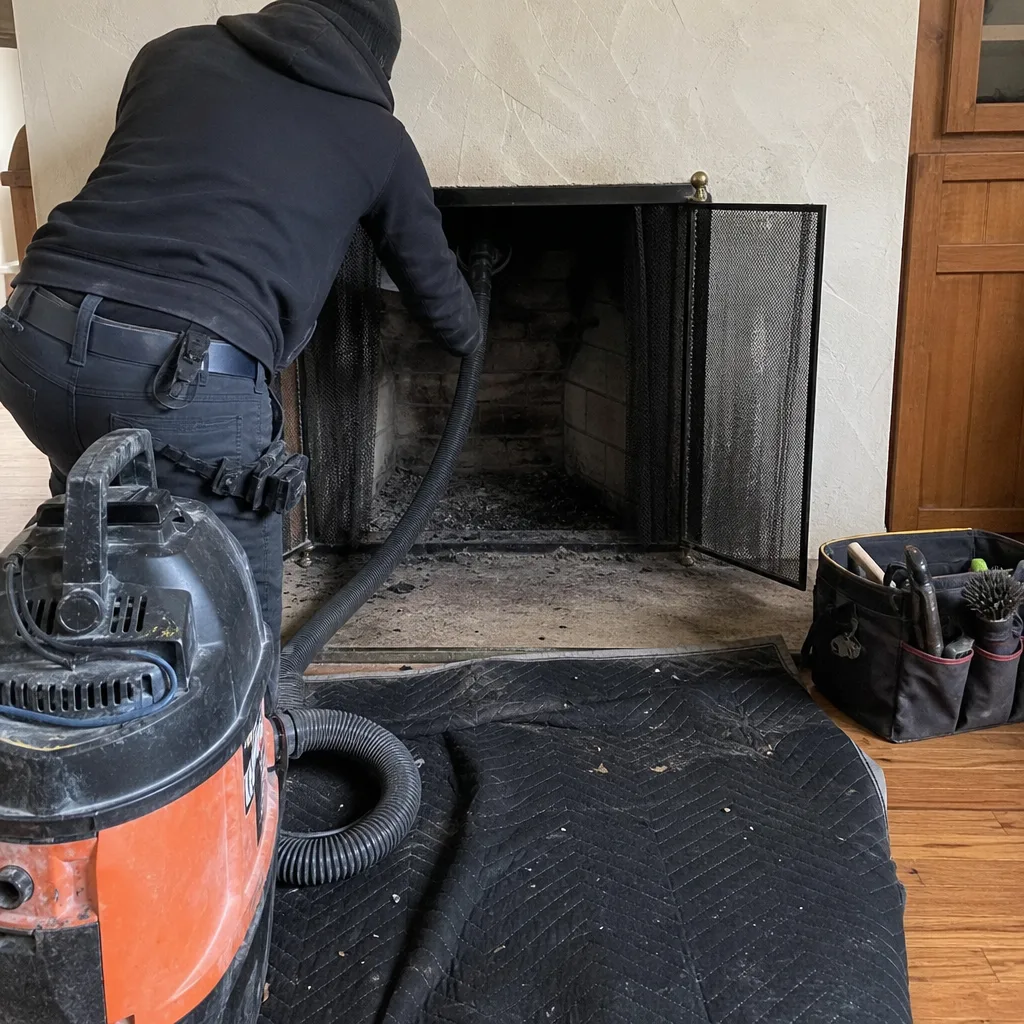
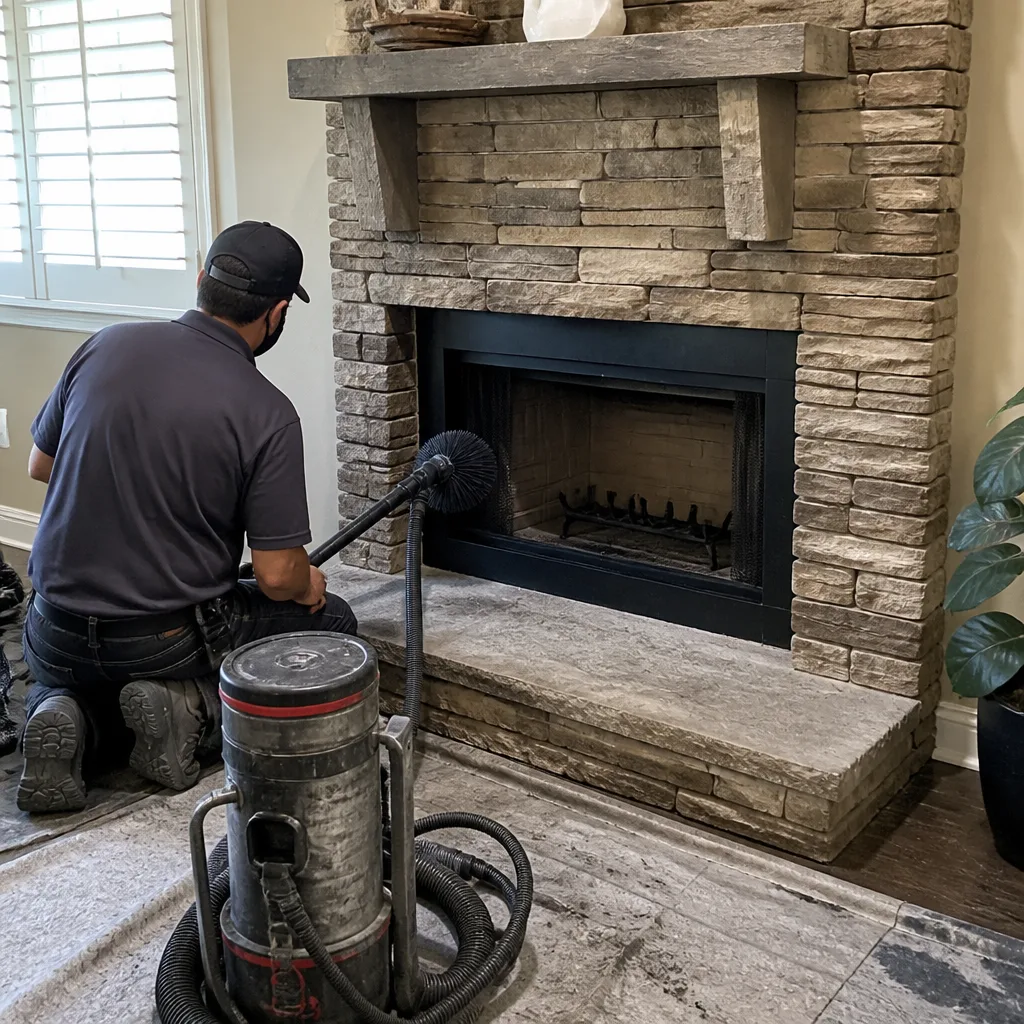
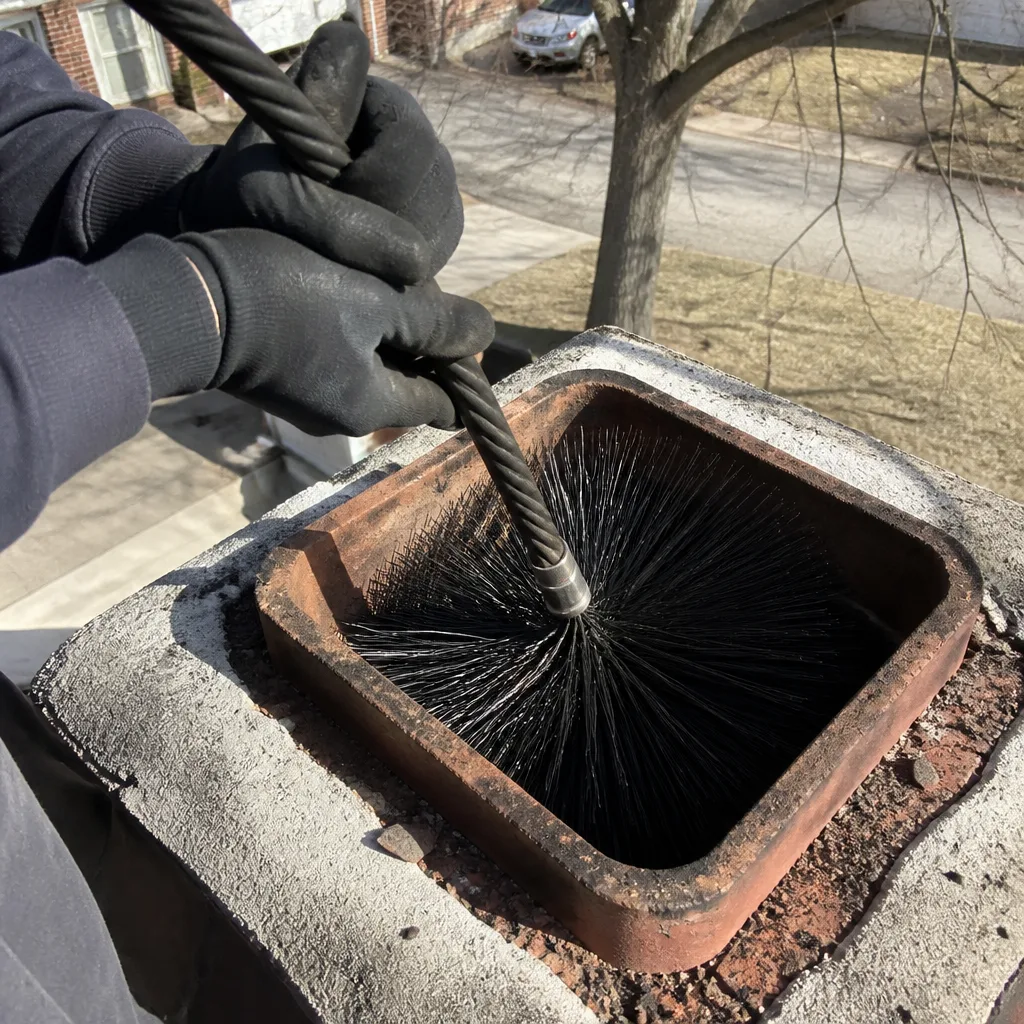
Chimney sweep logs do not sweep chimneys. They loosen some creosote - which then falls where a brush and vacuum still have to collect it.
 Before
 After
After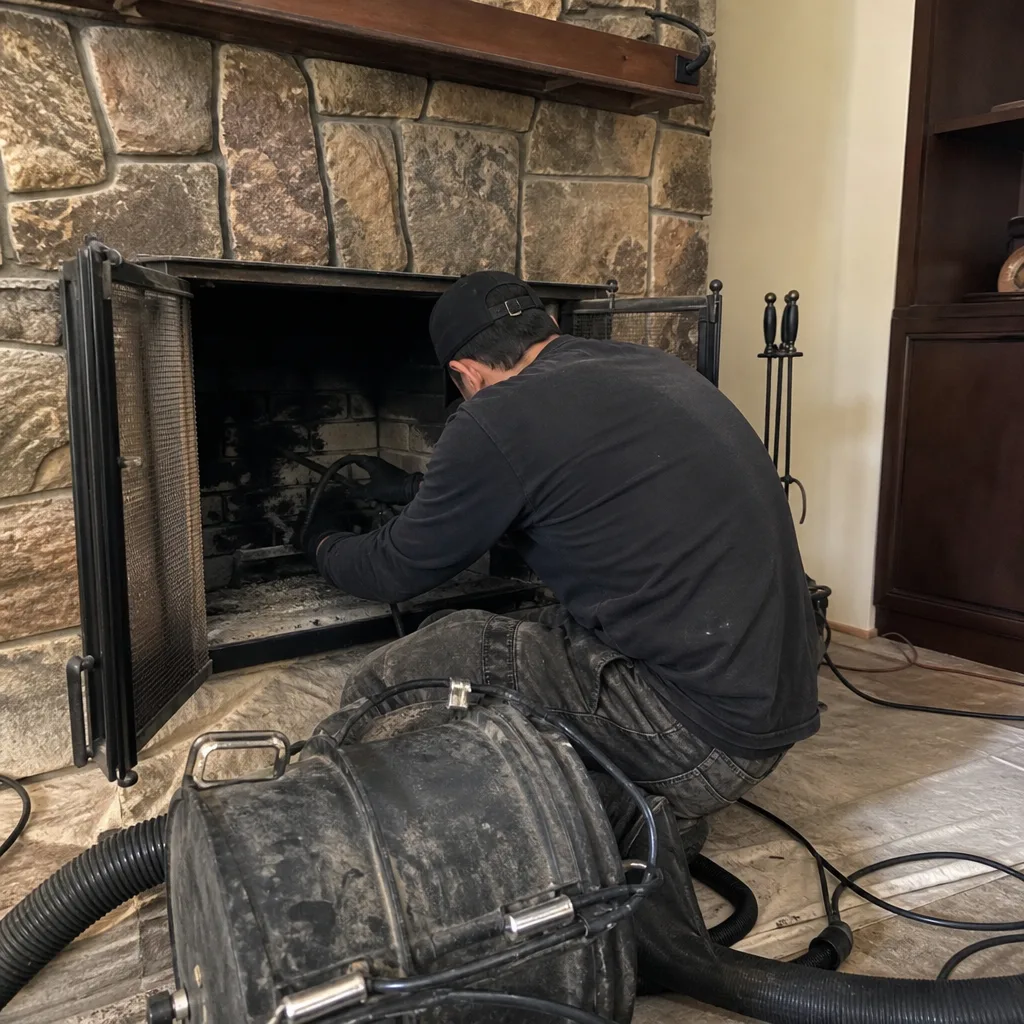 Before
 After
After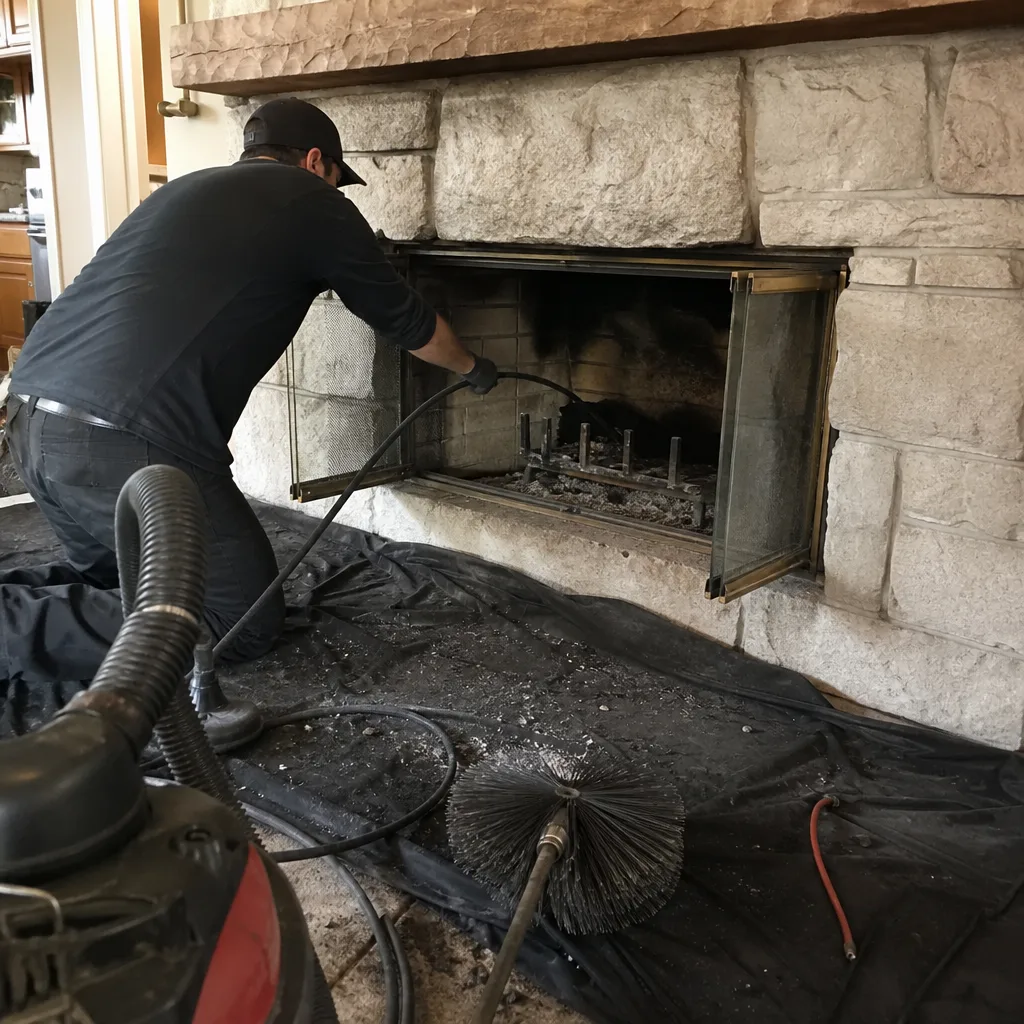 Before
 After
AfterHeatShield Chimney Liner & Rebuild in Denver: What to Know First
We provide independent HeatShield chimney liner and rebuild service across Denver, with most jobs quoted in writing within 24 hours of your call and completed within one to two weeks of approval. As an independent HeatShield service provider, we’re not affiliated with the manufacturer, which means we source OEM and quality aftermarket parts through our Haven buying network and choose the repair path that fits your flue, not a brand playbook. Typical HeatShield liner repairs in Denver run $1,800 to $3,400; full rebuilds with new liner systems range $4,500 to $8,200 depending on height, access, and whether we’re working through a finished chase. Call (720) 674-7312 to book a camera inspection, we’ll show you exactly what we found before we name a price.
This page is for Denver homeowners who know they’ve got a HeatShield product in their chimney and need straight answers on whether it can be repaired, what it’ll cost, and who can do the work without voiding whatever warranty remains. If you’re in Capitol Hill, Baker, Highland, or out toward Cherry Creek and Greenwood Village, we’ve likely worked on your exact liner series.
How HeatShield Products Fail - and How We Fix Them
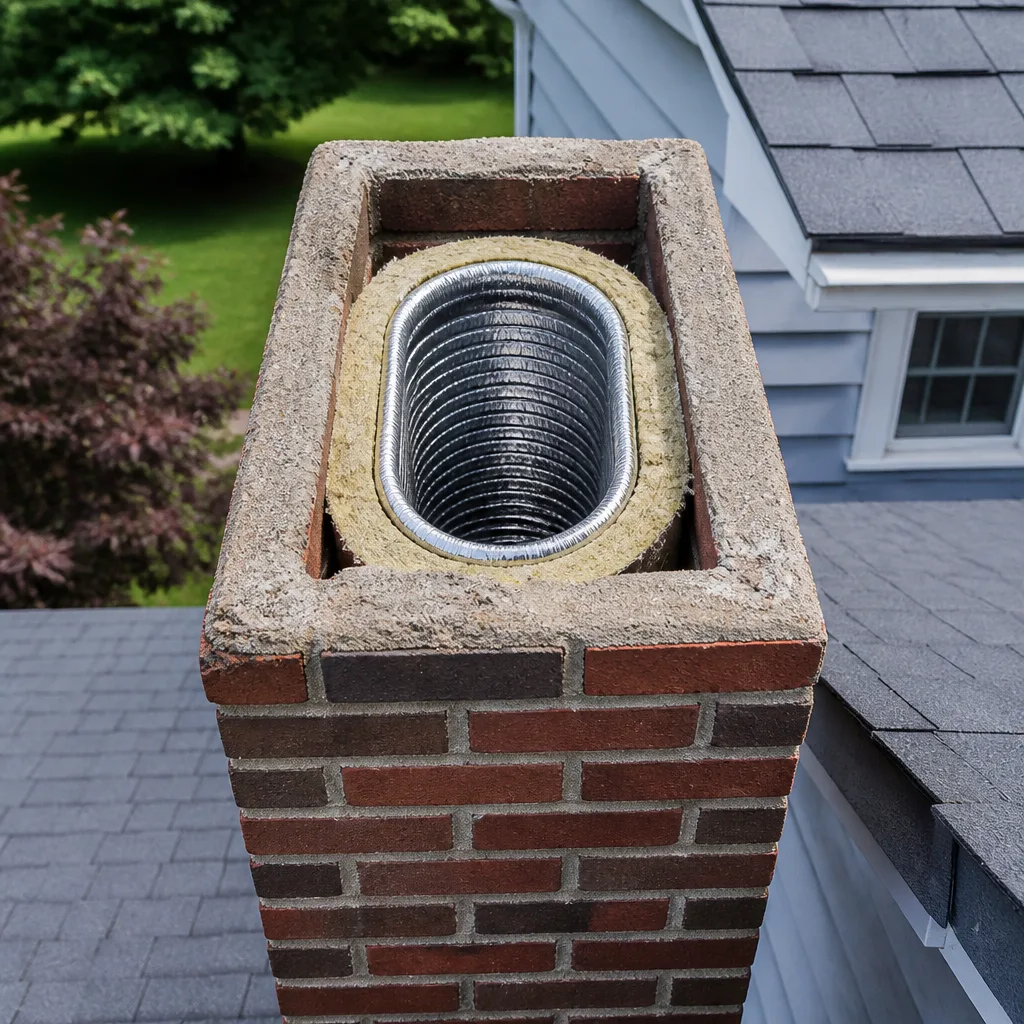
- HeatShield Cerfractory Foam liner systems develop shrinkage cracks at the smoke chamber junction. The foam-and-refractory coating is designed to resurface clay flue tiles, but in Denver’s freeze-thaw cycles the interface between the coated section and uncoated clay below often opens up after 8 to 14 years. We see this most in homes built between 1965 and 1985 in Park Hill and Montclair where the original clay was already spalling. Our fix: camera-scan to map crack depth, then either re-foam and coat the junction with HeatShield’s factory material or sleeve with a DuraFlex stainless liner if the clay host is too far gone.
- HeatShield UL Listed relining systems show joint separation in tall flues over 25 feet. The corrugated stainless jacket with refractory fill works well until thermal cycling loosens the mechanical couplings, especially where the flue passes through an uninsulated attic space. Denver’s 100-degree summer swings to below-zero nights accelerate this. We find the separation with a down-flue camera pull, then either re-torque and re-seal with OEM gaskets or recommend a full flexible liner replacement if the jacket has ovalized.
- HeatShield ProLiner smooth-wall kits suffer creosote bridging in low-temperature gas appliance conversions. Homeowners switching from wood to gas often keep the ProLiner sized for wood combustion, which drops flue gas velocity below the dew point for condensation. The smooth wall becomes a smooth trap for acidic condensate and scale. We see this in Wash Park and Congress Park bungalows where the furnace was swapped but the chimney wasn’t re-engineered. Fix: resize per appliance BTU and venting tables, or replace with a properly sized Gelco or Olympia gas-approved liner.
- HeatShield cast-in-place systems crack at the thimble penetration in exterior chimneys. The one-piece refractory casting can’t accommodate the differential expansion between the heated flue mass and cold exterior wall in Denver’s shoulder seasons. We document the crack pattern with photos, then either core and patch with HeatShield-compatible refractory or break out and reline with a stainless system if the crack network is extensive. Exterior chimneys on north-facing walls in Stapleton and Lowry are the worst hit.
- HeatShield joint repair (resurfacing) coatings delaminate from pre-existing glaze or tar deposits. The Cerfractory slurry needs bare, absorbent clay to bond; if the previous owner burned green pine or had a smoldering appliance, the surface is sealed with Class III creosote, a hard, shiny deposit that repels water-based coatings. We find this in mountain cabins and older Denver duplexes with wood stoves. Fix: mechanical removal of glaze with chain flails or rotary cleaners, then re-evaluate whether the clay substrate is worth coating or should be sleeved.
Our HeatShield Chimney Liner & Rebuild Process
- 1
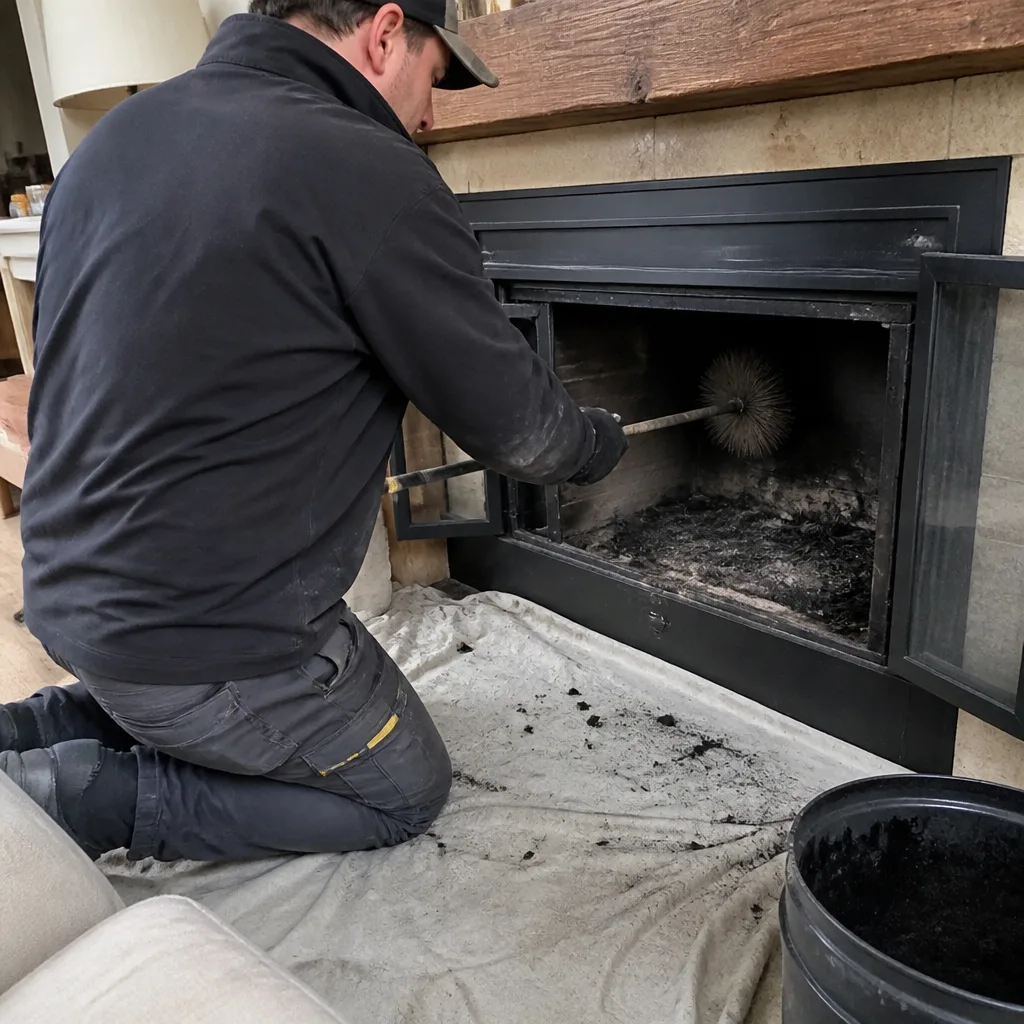
Camera inspection and documentation. We run a 360-degree camera the full flue length per NFPA 211 Level 2, recording crack patterns, joint gaps, and creosote class. Clause 4 of the Haven Standard requires this photo record on every job, no exceptions. Corrine Halstead still reviews footage with customers herself when she’s in the field. The camera doesn’t guess. Neither do we.
- 2
Written scope and price before any work starts. We deliver a written price, written scope, and written warranty within 24 hours of inspection. Haven Standard Clause 1, H.A.V.E.N. “Have it in writing.” No verbal quotes, no “we’ll see when we get in there.”
- 3
Parts decision: OEM HeatShield or quality aftermarket. We source HeatShield factory foam, refractory, and gaskets through our Haven buying network when the repair warrants it. For full relines, we may recommend DuraFlex or Gelco stainless systems with better Denver availability and equivalent UL listings. We tell you which we’re using and why.
- 4
Repair or rebuild with assigned, verified technician. Your tech is named in the booking confirmation, background-checked, uniformed, and licensed. You get a text when they’re en route. We protect floors, contain dust, and work to the manufacturer’s torque and cure specs even when we’re not a dealer.
- 5
Post-repair test burn and final camera pull. We verify draft, check spillage at the appliance, and run a final camera pass to document the finished work. You get the photo record, the test readings, and the warranty document before we pack up.
- 6
365-Day Done Right Promise activation. If it’s not done right, we make it right. Stamped on every job, no claim forms, no runaround.
 Before
 After
AfterWhat HeatShield Chimney Liner & Rebuild Costs in Denver
These are real ranges for jobs we’ve completed in Denver metro, not teaser rates:
| HeatShield Cerfractory foam resurfacing (smoke chamber, up to 15 ft flue) | $1,800 - $2,800 |
| HeatShield joint repair with localized re-coating | $2,200 - $3,400 |
| Partial stainless liner (DuraFlex or Gelco) for failed HeatShield host tile | $3,200 - $5,100 |
| Full chimney rebuild with new liner system, cap, and crown | $4,500 - $8,200 |
| Smoke chamber pargeting + HeatShield compatible repair | $1,400 - $2,600 |
What moves the price: flue height above 25 feet, scaffolding or roof-access complexity, finished chase enclosure that needs deconstruction, and whether the original clay flue is salvageable as a host. Exterior chimneys on two-story Denver homes with steep pitches cost more than interior flues with basement cleanout access. We don’t guess at your price. Call (720) 674-7312 for a free camera inspection and written estimate.
Why Denver Homeowners Call Level Two Chimney Denver for HeatShield Work
We’ve inspected and cleaned more than 38,000 chimneys since 2009, every one with a written price before work started and a documented record when done. That archive practice became Clause 4 of the Haven Standard. When your HeatShield system fails, you need a tech who knows whether the crack is in the coating or the host, whether the part is still manufactured, and whether a DuraFlex or Gelco alternative makes more sense than waiting on factory backorder.
Our background-checked, uniformed technicians carry license information on every page and every truck. Live phone support runs 24 hours a day, 7 days a week, answered by a person, not a voicemail tree. And our Free Second Opinion on Any Written Estimate means you can bring us a competitor’s quote and we’ll tell you straight if the scope and price match what your flue actually needs.
FAQs
HeatShield’s original warranty terms require factory-authorized application for some coating systems, but many of their stainless and relining products carry component warranties that transfer regardless of who installs subsequent repairs. We review your documentation and tell you exactly what’s still covered before we start. Call (720) 674-7312 and we’ll check your warranty status during the inspection booking.
Most resurfacing and localized repairs are completed in one day; full relines or rebuilds typically take two to three days depending on material cure times and weather. We don’t rush refractory cure cycles, especially in Denver’s dry winter air where accelerated curing causes shrinkage cracks. You’ll get a written schedule with your price.
Yes, for most lines through our Haven buying network, though some pre-2010 refractory formulations have been superseded. When OEM isn’t available, we use quality aftermarket materials from DuraFlex, Gelco, Olympia Chimney, Famco, and Copperfield that meet or exceed the original spec. We tell you which path we’re taking and why.
The camera decides. If the host clay is structurally sound and the damage is limited to coating cracks or joint gaps, repair is usually viable. If we find shifted flue tiles, extensive spalling, or liner ovalization beyond 15%, we recommend replacement. We show you the footage and explain the threshold before you decide.
A compromised liner allows flue gases, including carbon monoxide, to leak into wall cavities and living spaces; in wood-burning systems, creosote can accumulate in gaps and ignite. The risk increases with use, not time alone. We don’t scare-sell, but we also don’t soft-pedal what a camera shows. Call (720) 674-7312 for a free inspection and we’ll tell you whether your situation needs action this season or can wait.
Written by Corrine Halstead, Owner, Level Two Chimney Denver at Level Two Chimney Denver, serving Denver and nearby areas.