
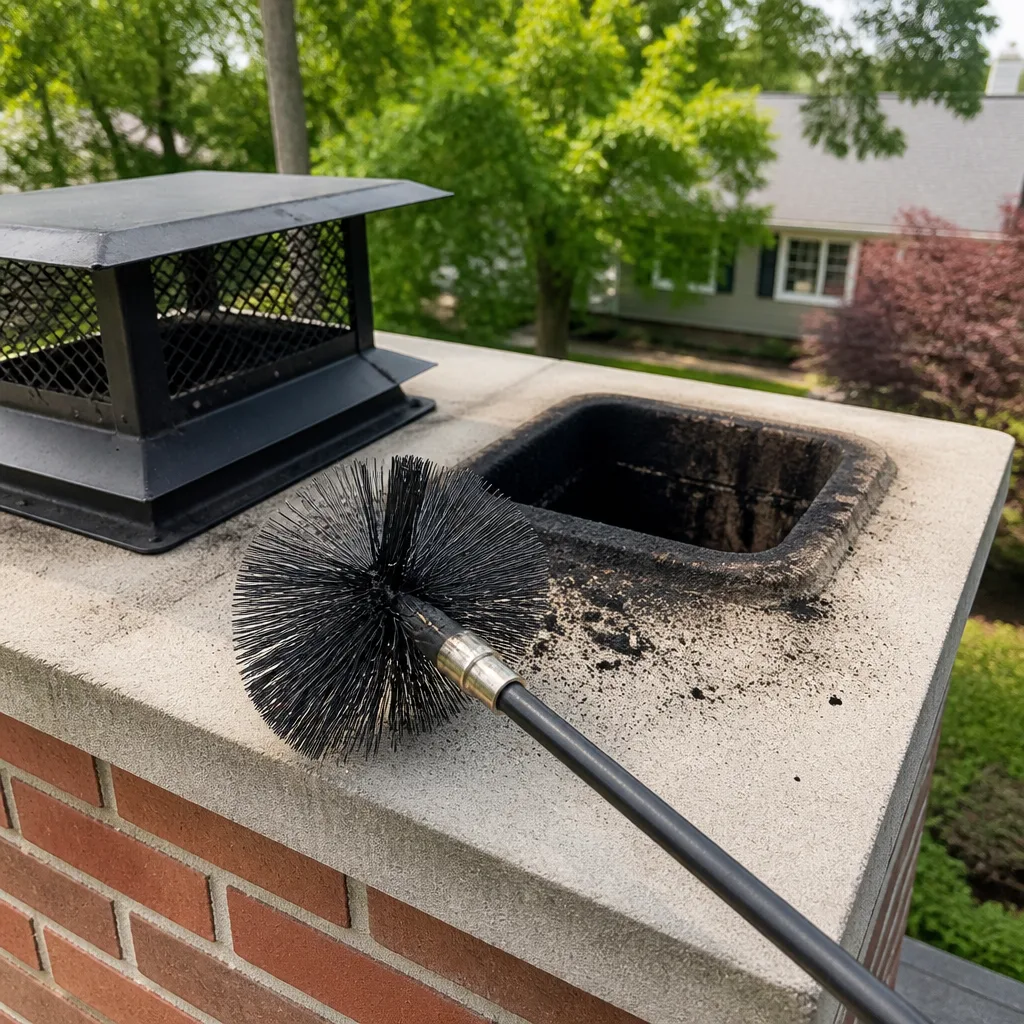
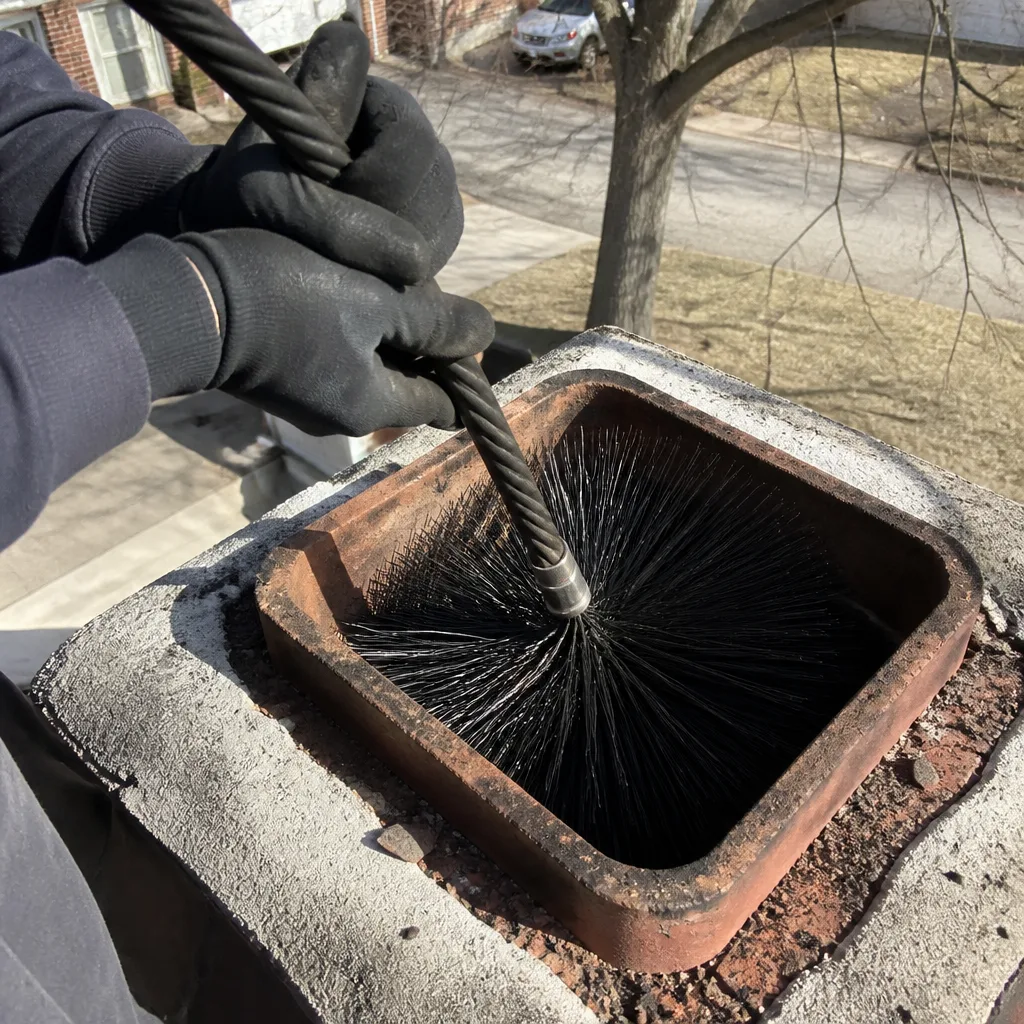
Level 1 sweep and inspection to the NFPA 211 annual standard - flue, crown, cap, and flashing checked and photographed
Chimney sweep logs do not sweep chimneys. They loosen some creosote - which then falls where a brush and vacuum still have to collect it.
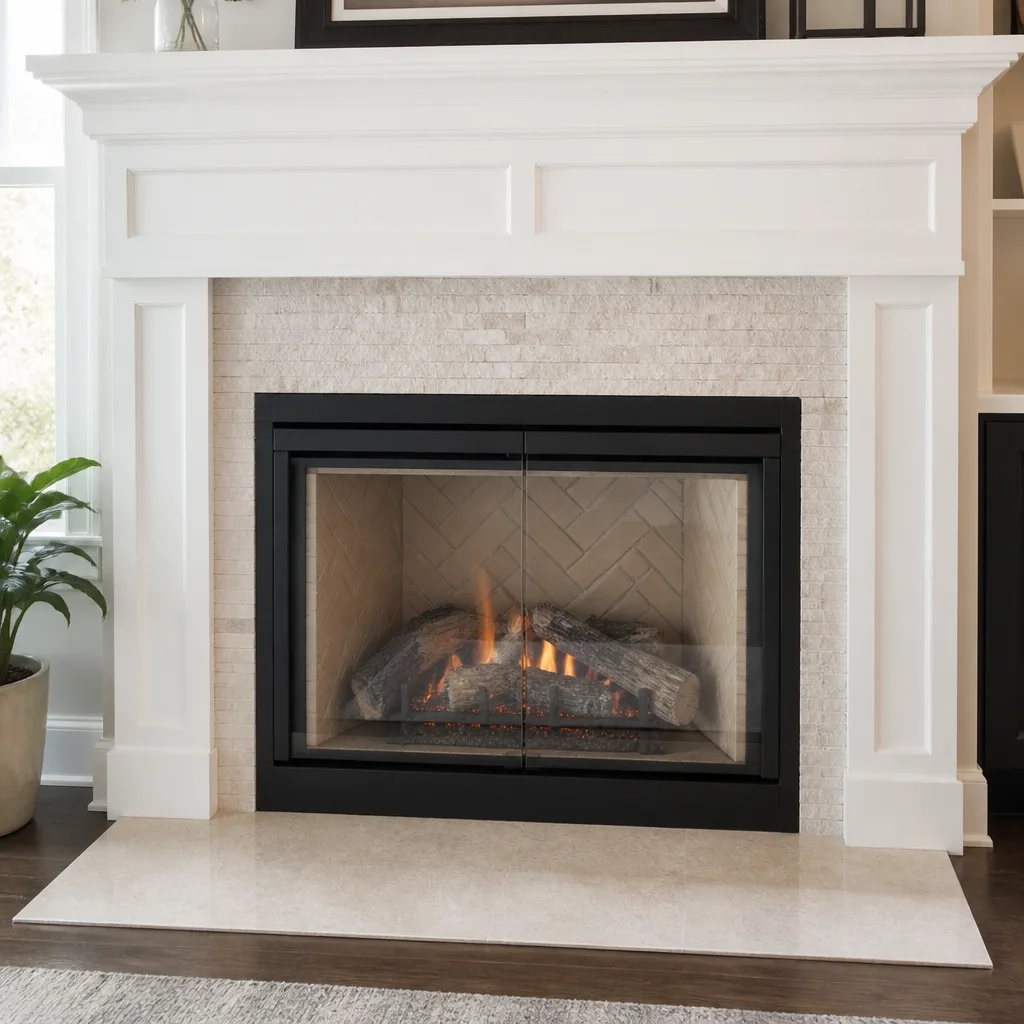
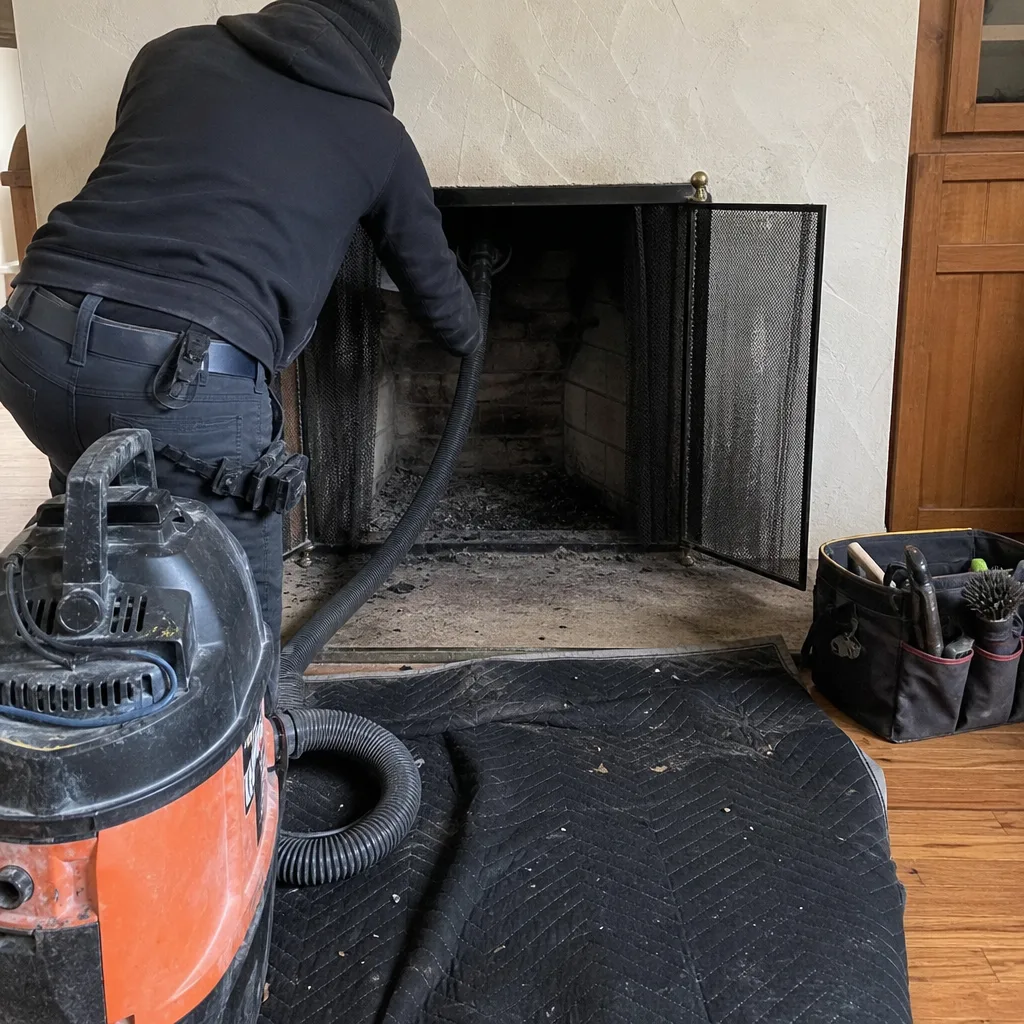 Before
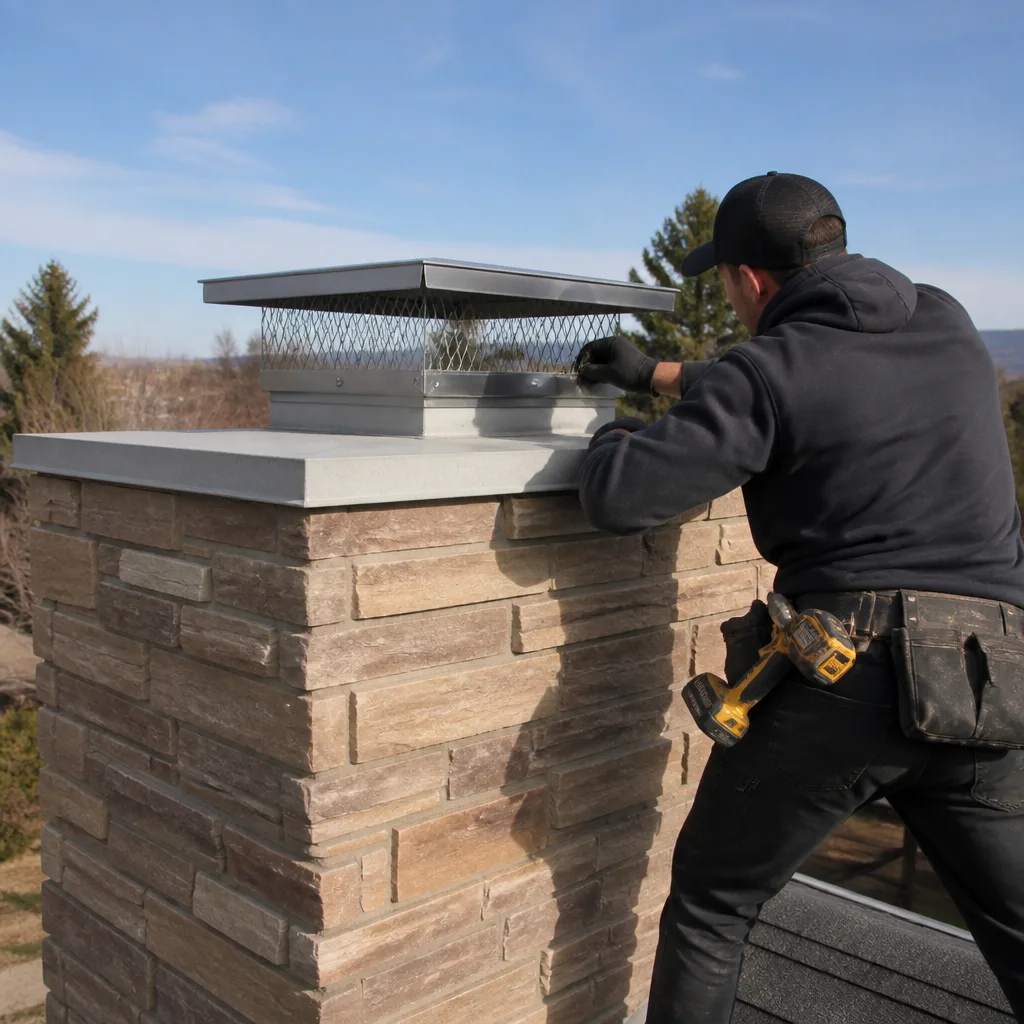 After
After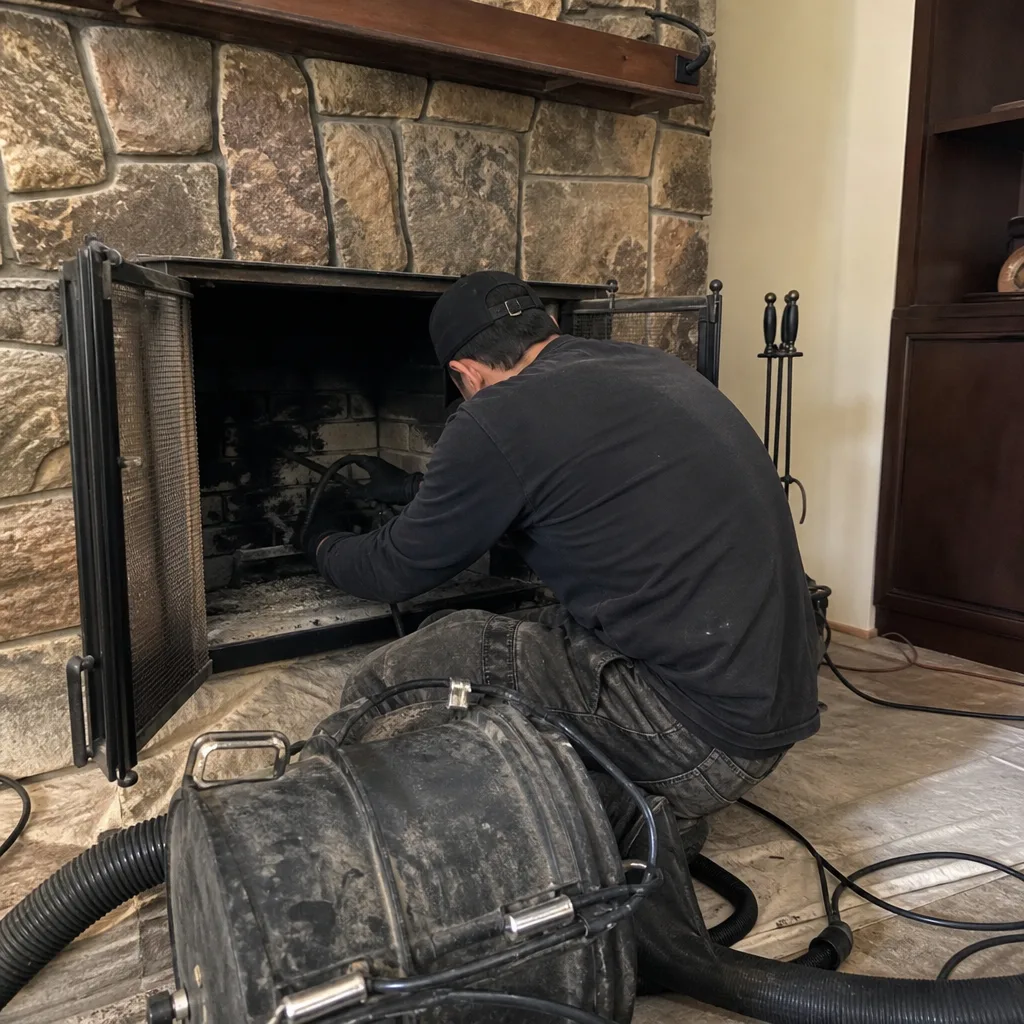 Before
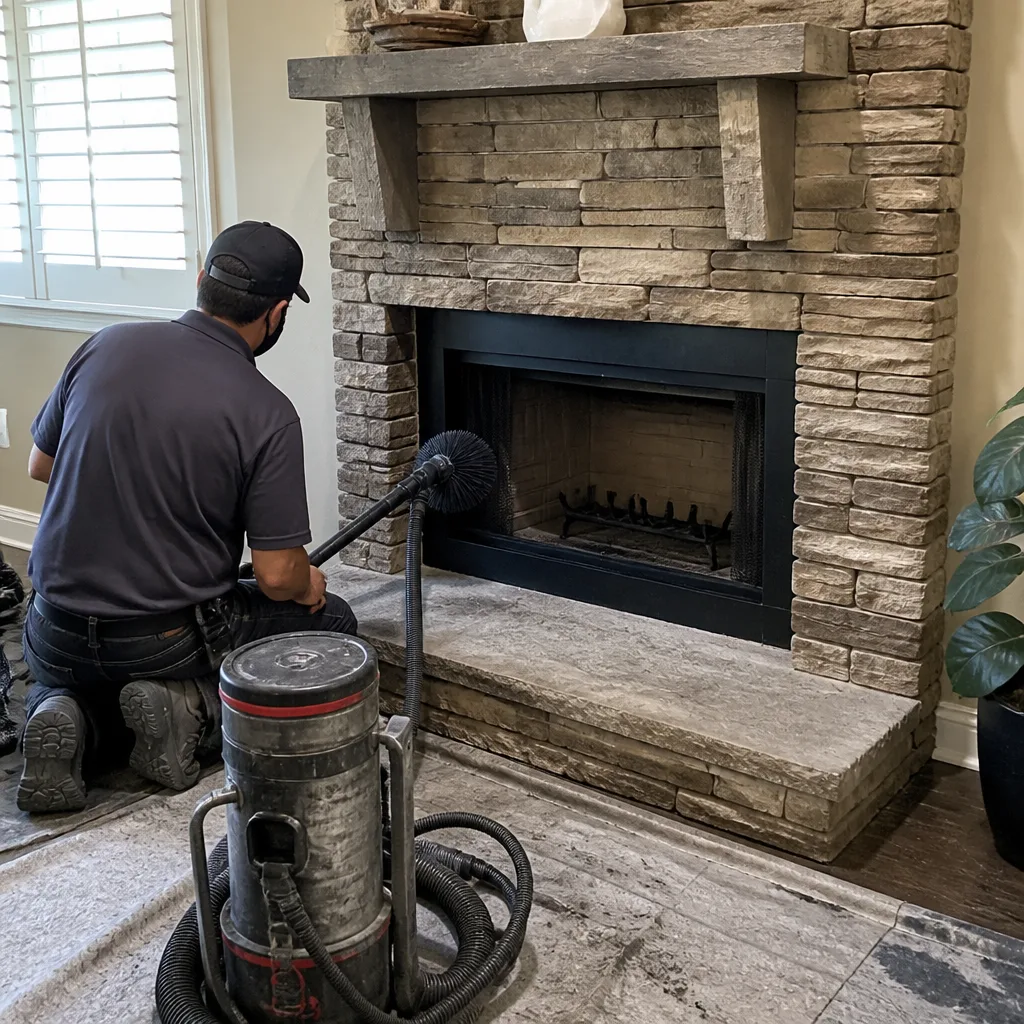 After
After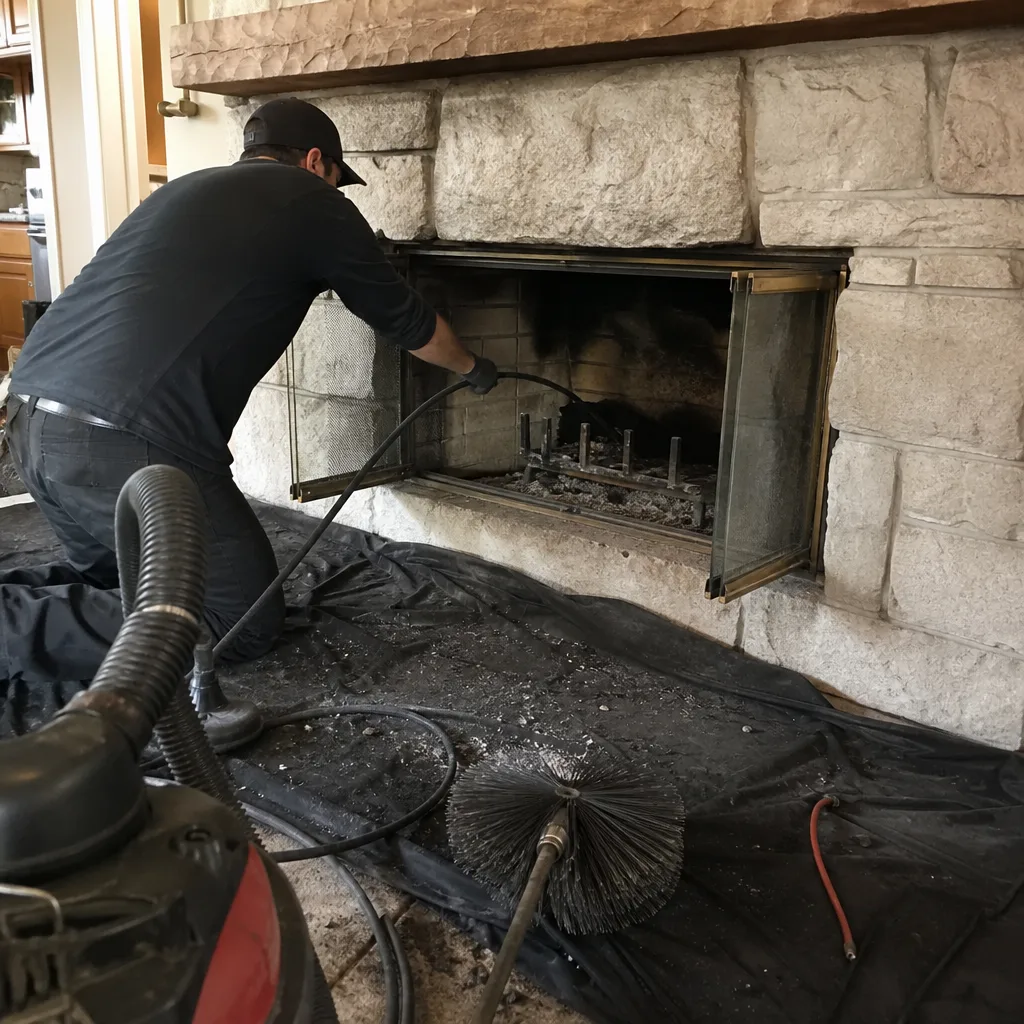 Before
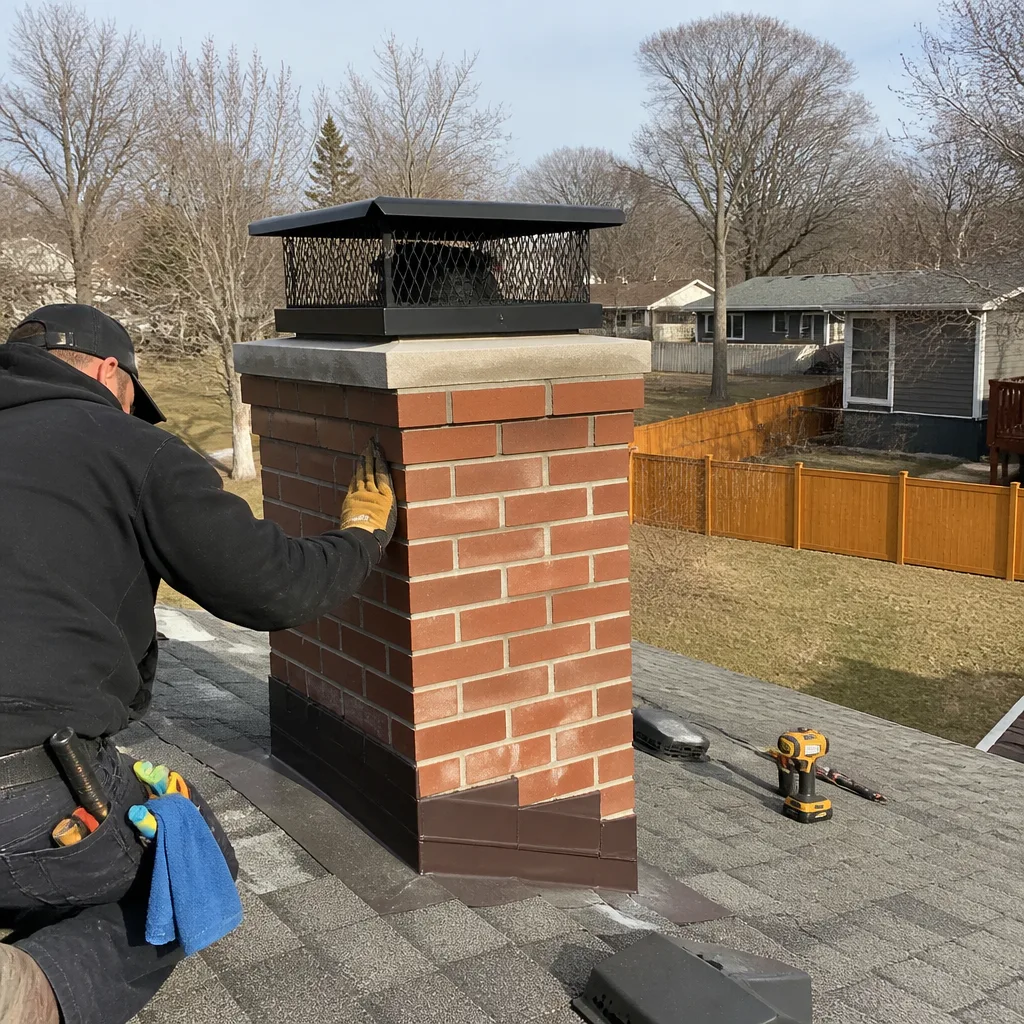 After
AfterWhy Denver Homeowners Choose HeatShield Chimney Cleaning
Level Two Chimney Denver provides independent HeatShield service in Denver, including chimney cleaning and repair throughout the metro area, specializing in ceramic joint repair and flue resurfacing for damaged clay-tile liners without the cost of a full stainless steel reline. Our technicians apply HeatShield’s cerfractory sealant using the manufacturer’s specified troweling techniques, and every job starts with a written price and ends with a documented photo record under Clause 4 of the Haven Standard. We’re not affiliated with or authorized by HeatShield - we’re an independent service provider with years of hands-on experience installing and servicing their system in Colorado’s unique climate. Call (720) 674-7312 for a free estimate.
Why Trust Level Two Chimney Denver for Your HeatShield Chimney Cleaning?
HeatShield isn’t a generic coating you brush on and hope for. The cerfractory sealant requires specific surface preparation, controlled application thickness, and proper curing conditions - steps our crew has repeated hundreds of times across Denver’s historic housing stock. Corrine Halstead, our owner, trained at Apex Technical School in Manhattan on combustion venting and liner systems before bringing that documentation-first discipline west. She and our team have worked HeatShield repair in Englewood and across the metro, from Capitol Hill’s brick Victorians to the 1950s ranch chimneys in Harvey Park and Barnum, and the pattern is consistent: Denver’s freeze-thaw cycles punish any shortcut in surface prep.
We stock genuine HeatShield ceramic sealant and primer, not generic substitutes that can delaminate when chinook winds swing temperatures forty degrees in a day. Our Level 2 inspection - camera down the flue, photo record included - catches the hairline cracks and spalled tile faces that make or break a HeatShield bond. The camera doesn’t guess. Neither do we. When we recommend HeatShield over a full reline, it’s because the tile structure is sound enough to support it, and we show you the footage that proves it.
Common HeatShield Chimney Cleaning Problems We Fix in Denver
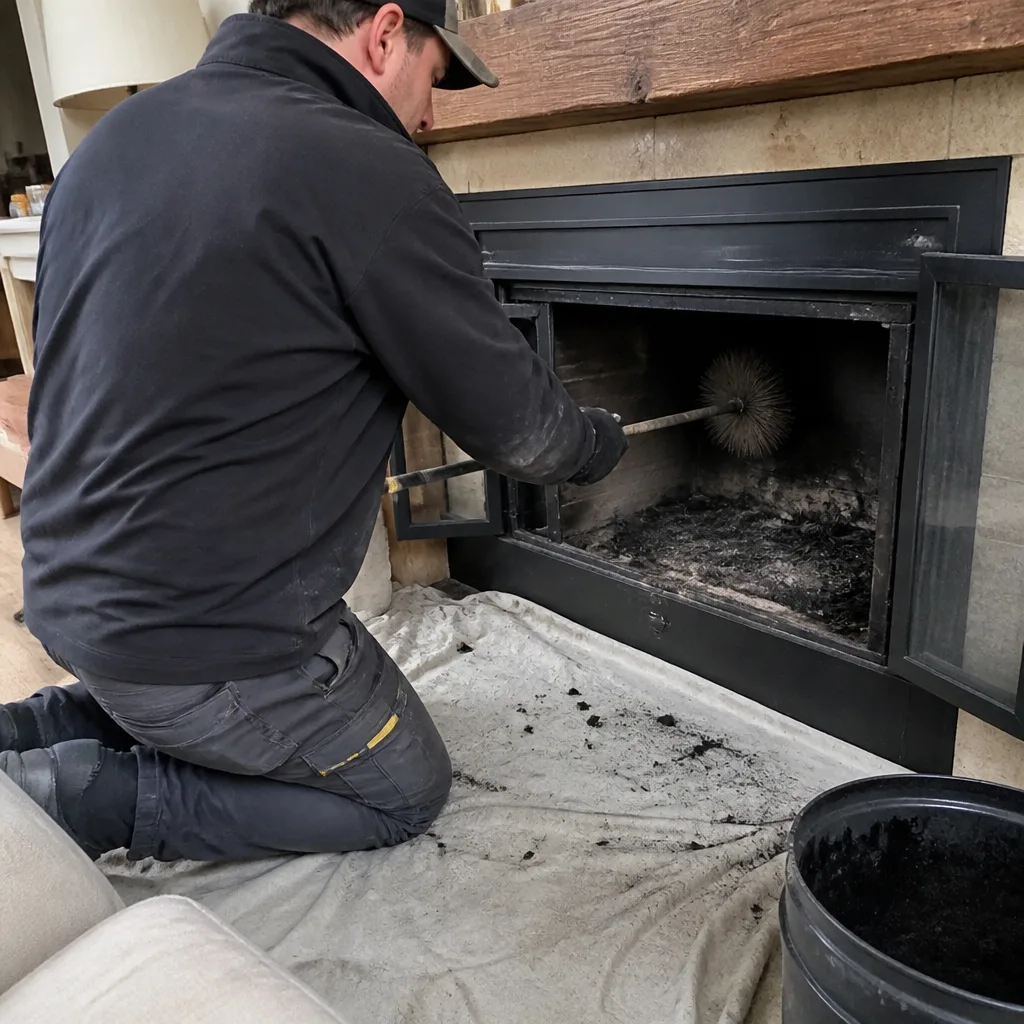
- Delamination and peeling of the cerfractory coating. This happens when moisture intrudes before the HeatShield primer has fully cured, or when surface prep skipped the acid-wash step that etches glazed creosote off the tile face. In Denver, the problem spikes in spring - homeowners burn hard through every CDPHE-permitted “Green Day” in winter, then schedule cleaning after a wet March snowmelt has already seeped down the flue. We strip the failed coating, re-prep the tile, and reapply to manufacturer’s thickness.
- Cracking at the crown-to-flue junction. HeatShield meets the chimney crown at the top of the flue, and Denver’s violent temperature swings - that single January week cycling from −10°F to 55°F - create expansion-contraction stress this junction wasn’t designed for. We see this most in Curtis Park and Potter-Lawson homes with original corbeled brick caps. The fix is removing the cracked material, sealing the gap with compatible refractory filler, and ensuring the crown itself sheds water properly.
- Gaps and voids around flue tile joints. HeatShield’s Joint Repair System is meant to seal these gaps, but incomplete troweling leaves channels where creosote and moisture penetrate. In wood-burning chimneys with Class III glazed creosote - the hardened, tar-like deposit common after Denver’s intense use-dormancy cycles - the creosote itself can mask joint gaps from a casual inspection. Our camera scan measures the voids before we commit to joint repair versus full resurfacing.
- Surface degradation from acidic creosote exposure. HeatShield’s cerfractory surface resists heat but degrades when acidic creosote sits on it for extended periods. Denver’s altitude (5,280 feet, roughly 17% less oxygen than sea level) produces more creosote per cord than lower-elevation burns, and the curtailment program’s stop-start pattern means that creosote bakes on during heavy use phases. Annual cleaning with proper creosote removal extends the coating life significantly.
- Improper application over structurally unsound tile. This isn’t a HeatShield product failure - it’s a misapplication. When flue tiles are spalled, shifted, or missing chunks, the ceramic sealant has nothing to bond to. We see this in 1890s-1930s unlined brick flues in Baker and the Highlands, where well-meaning owners or inexperienced sweeps applied HeatShield over substrate that needed a full stainless steel reline. Our repair-vs-replace assessment is honest: we show you the camera footage, name the price for each option, and let the evidence decide.
 Before
 After
AfterHeatShield Parts & Our Repair-vs-Replace Approach
We source genuine HeatShield ceramic sealant, primer, and joint repair materials through Haven’s buying network, procured specifically to keep customer prices honest. Generic refractory mixes won’t bond to HeatShield’s cured surface and can void any remaining manufacturer coverage. For fast turnaround on Denver jobs, we stock the full cerfractory system locally.
The decision point is always the tile structure. If the flue tiles are cracked but structurally intact - no missing chunks, no lateral shifting, no exposed brick - HeatShield resurfacing restores a smooth, sealed flue surface at a fraction of reline cost. When tiles are spalled through, mortar is missing, or the chimney has no liner at all, we recommend a full stainless steel reline with DuraFlex or another proven system. We don’t apply HeatShield over failing substrate. Clause 1 of the Haven Standard requires a written price and written scope before work starts, so you’ll know the cost of each path before we touch a tool. Call (720) 674-7312 and we’ll walk you through the footage.
Our HeatShield Service Process - Step by Step
- 1
Level 2 diagnosis with camera scan. We run a camera the full length of the flue, documenting tile condition, joint gaps, creosote class, and any spalling or delamination of existing coating. You get the photo record. Corrine Halstead reviews flagged findings personally.
- 2
Written price and scope before work. Based on the footage, we specify either joint repair, full resurfacing, or reline recommendation - with a fixed price for each option. No work starts until you have it in writing under Haven Standard Clause 1.
- 3
Creosote removal and surface preparation. Class III glazed creosote gets mechanically removed. Tile faces are acid-washed and neutralized per HeatShield specifications. This step is where Denver’s climate matters most - we verify the flue is fully dry before primer application, because trapped moisture from snowmelt or humidity swings causes delamination.
- 4
HeatShield application. Joint repair or full resurfacing is troweled to specified thickness, with particular attention to the crown-to-flue junction where freeze-thaw stress concentrates.
- 5
Cure, test, and document. The coating cures under controlled conditions. We perform a draft test and final camera scan to verify a smooth, continuous surface. The photo record, scope, and 365-Day Done Right Promise are delivered before we leave.
HeatShield Products We Service & Install in Denver
We work with the full HeatShield cerfractory line: the Joint Repair System for sealing gaps between flue tiles, the Resurfacing System for restoring a smooth interior surface to damaged but structurally sound liners, and the base Cerfractory Flue Sealant used in both applications. These are not interchangeable with generic refractory products - the bonding chemistry is specific. For HeatShield Chimney Cleaning in Greenwood Village, CO and Denver’s historic masonry chimneys, particularly the 1890s-1930s housing stock in Capitol Hill and Curtis Park, HeatShield’s niche is preserving original flue construction when a full reline would require demolition the structure can’t accommodate. We stock all three system components locally for same-week scheduling on most jobs.
We Also Service These Brands
Our crew is equally experienced with DuraFlex stainless steel relining systems, Gelco chimney caps and accessories, and liners from Olympia Chimney. Multi-brand fluency matters because the right fix for your chimney might not be HeatShield at all - and we’ll tell you when it isn’t. Materials are sourced through Haven’s buying network to keep pricing honest across every option.
FAQs - HeatShield Chimney Cleaning Service in Denver
No. We are an independent HeatShield service provider, not affiliated with or authorized by the manufacturer. Our expertise comes from years of field installation and repair in Denver’s specific climate, not from a factory certification program. We use genuine HeatShield materials sourced through authorized distributors and apply them per manufacturer specifications.
Yes. We stock genuine HeatShield ceramic sealant, primer, and joint repair materials. Generic refractory substitutes do not bond properly to HeatShield’s cured surface and can fail prematurely in Denver’s freeze-thaw environment. Our materials come through Haven’s buying network, procured specifically to keep customer prices honest.
Most joint repair and resurfacing jobs are completed in one day, with a 24-hour cure period before the fireplace can be used. Jobs requiring heavy creosote removal or extensive surface prep may extend to a second day. We give you a written timeline with the written price before work starts - Clause 1 of the Haven Standard.
We service and install all current HeatShield systems: the Cerfractory Flue Sealant, Joint Repair System, and Resurfacing System. If you’re unsure which system your chimney needs, the camera scan from our Level 2 inspection will show us. Call (720) 674-7312 to schedule.
Using an independent service provider rather than a manufacturer-authorized technician does not automatically void a HeatShield warranty, but warranty terms vary by original installation date and installer. We use genuine materials and documented application procedures, which supports any warranty claim you may pursue. We can review your installation paperwork and advise on coverage status.
HeatShield joint repair typically runs $800-$1,400 for a standard fireplace flue; full resurfacing ranges $1,500-$2,800 depending on flue length, creosote severity, and access. These are 2024-2025 price ranges for the Denver market - your exact quote comes after the Level 2 inspection, which includes the camera scan and photo record. Estimates are free. Call (720) 674-7312 for an exact quote.
No. HeatShield is designed for clay-tile flue liners, not stainless steel. If your chimney has a DuraFlex or other stainless reline, the surface is already smooth and sealed - HeatShield would serve no purpose and would not adhere. We inspect to confirm liner type before recommending any service.
With annual cleaning and proper use, a correctly applied HeatShield resurfacing typically lasts 15-20 years. Denver’s freeze-thaw cycles and altitude-driven creosote production can shorten this if maintenance is skipped. The key longevity factor is keeping the flue clean with our Chimney Cleaning & Sweep services - glazed creosote is acidic and degrades the cerfractory surface over time.
HeatShield is formulated for wood-burning and solid-fuel applications where creosote, high heat, and thermal cycling occur. Gas fireplaces operate at lower temperatures and produce moisture rather than creosote, so they present different liner challenges - usually condensation and corrosion rather than surface degradation. We assess fuel type during inspection and recommend accordingly.
The deciding factors are structural: intact flue tiles with surface damage, cracked joints, or minor spalling point toward HeatShield. Missing tiles, lateral shifting, exposed brick, or severe spalling through the tile wall require a full stainless steel reline. Our camera scan shows the difference clearly - we don’t guess, and we don’t apply coating over failing substrate just to offer a lower price.
No. The cerfractory coating requires a 24-hour minimum cure at temperatures above 50°F. In Denver’s winter, we schedule around weather windows or use temporary heating in the firebox area to maintain cure temperature. We’ll give you a specific ready-to-burn date before we leave the job.
Book Your HeatShield Service in Denver, CO
Call (720) 674-7312 for a free estimate. A live person answers 24 hours a day. We’ll schedule your Level 2 inspection with camera scan, deliver a written price before any work starts, and back the job with our 365-Day Done Right Promise. Every visit includes a documented photo record under Haven Standard Clause 4 - the practice we’ve held since 2009.
Written by Corrine Halstead, Owner at Level Two Chimney Denver, serving Denver since 2009.