
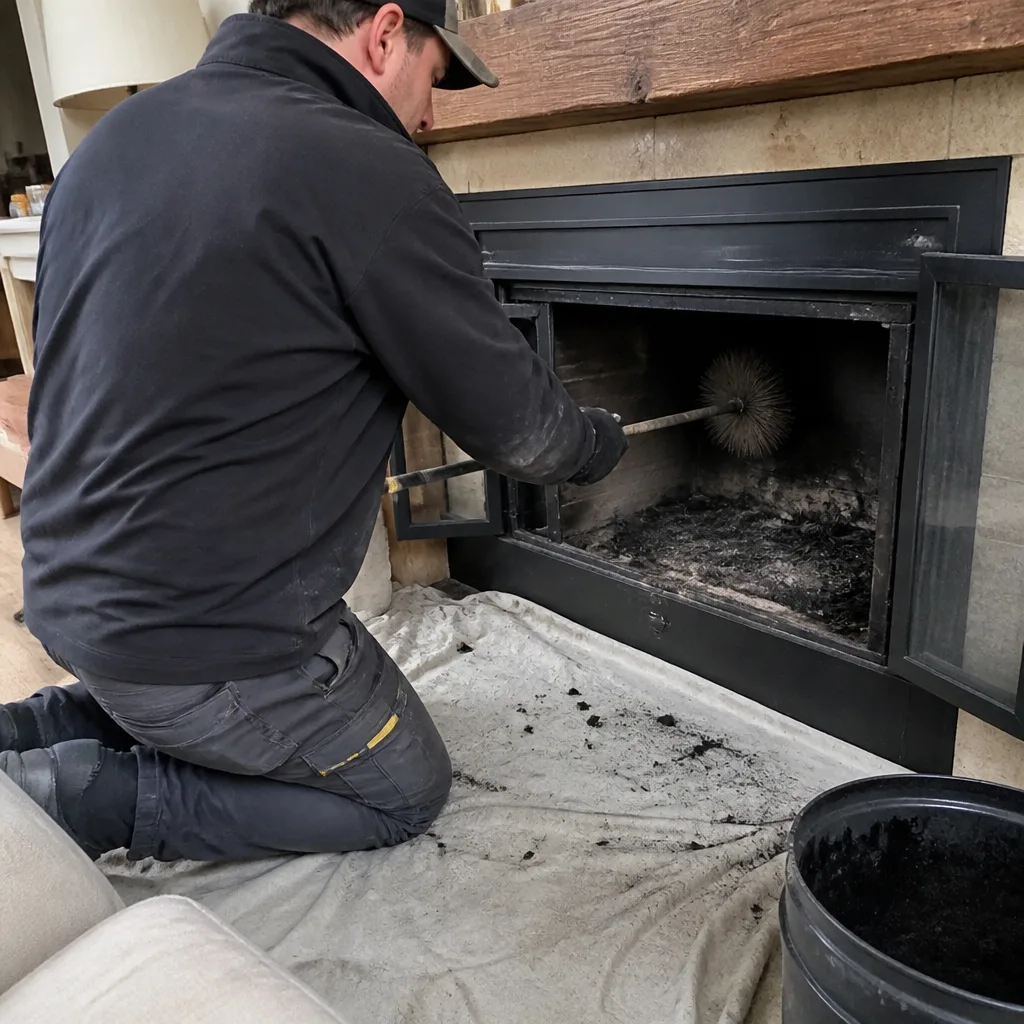
Level 1 sweep and inspection to the NFPA 211 annual standard - flue, crown, cap, and flashing checked and photographed
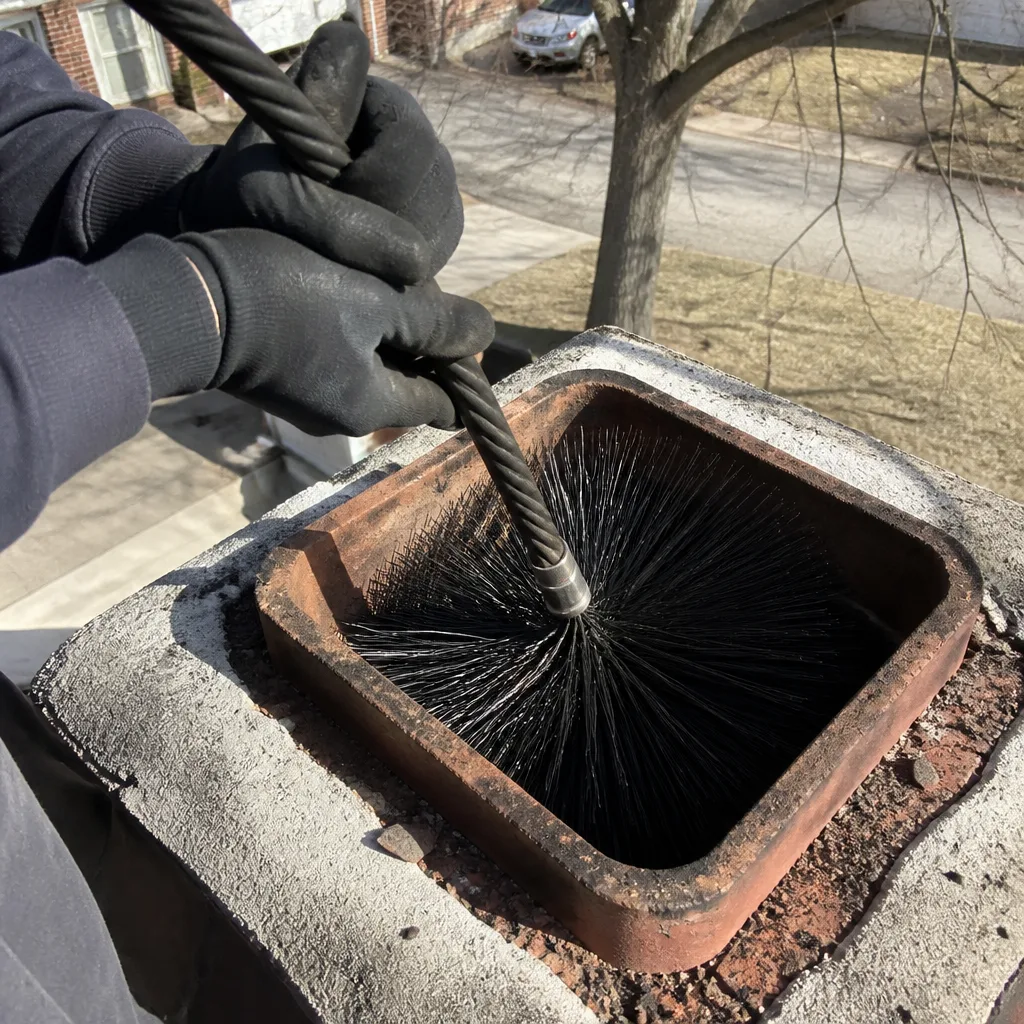
Chimney sweep logs do not sweep chimneys. They loosen some creosote - which then falls where a brush and vacuum still have to collect it.
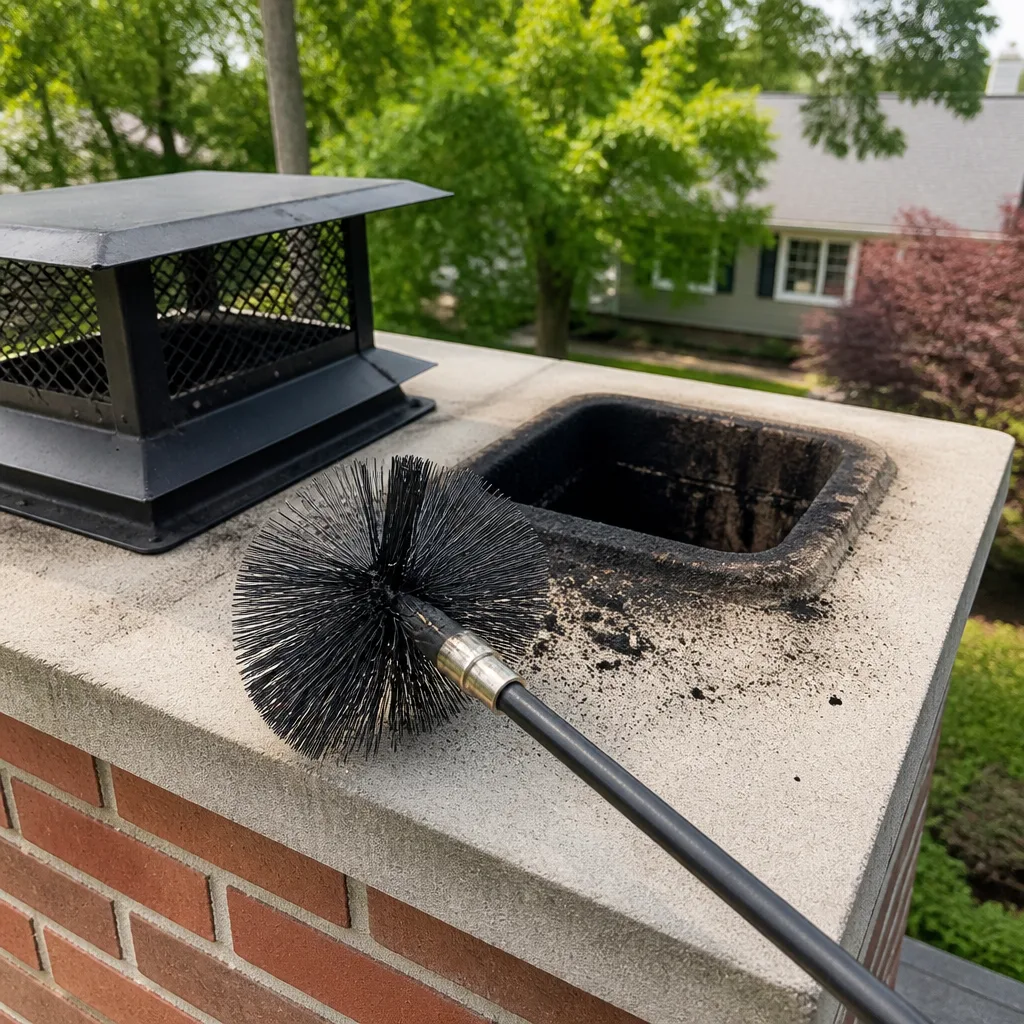
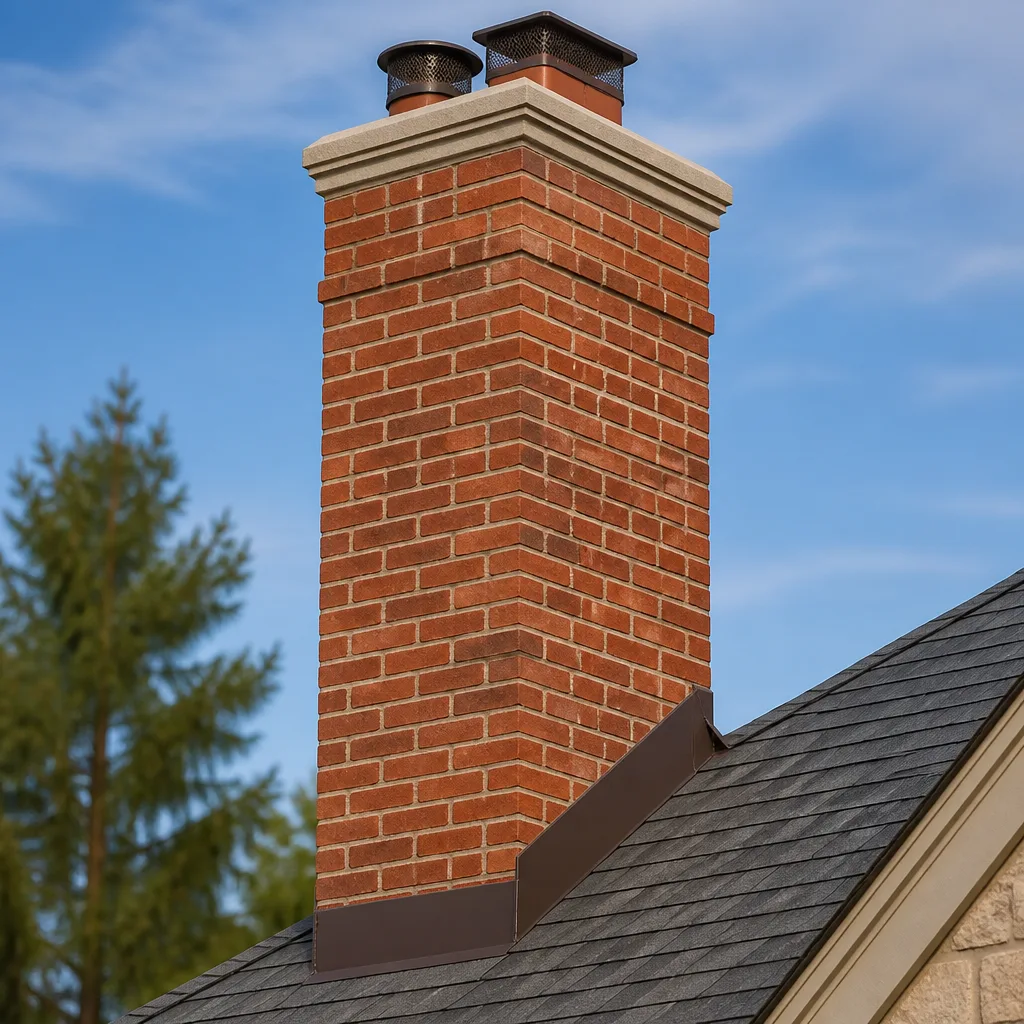
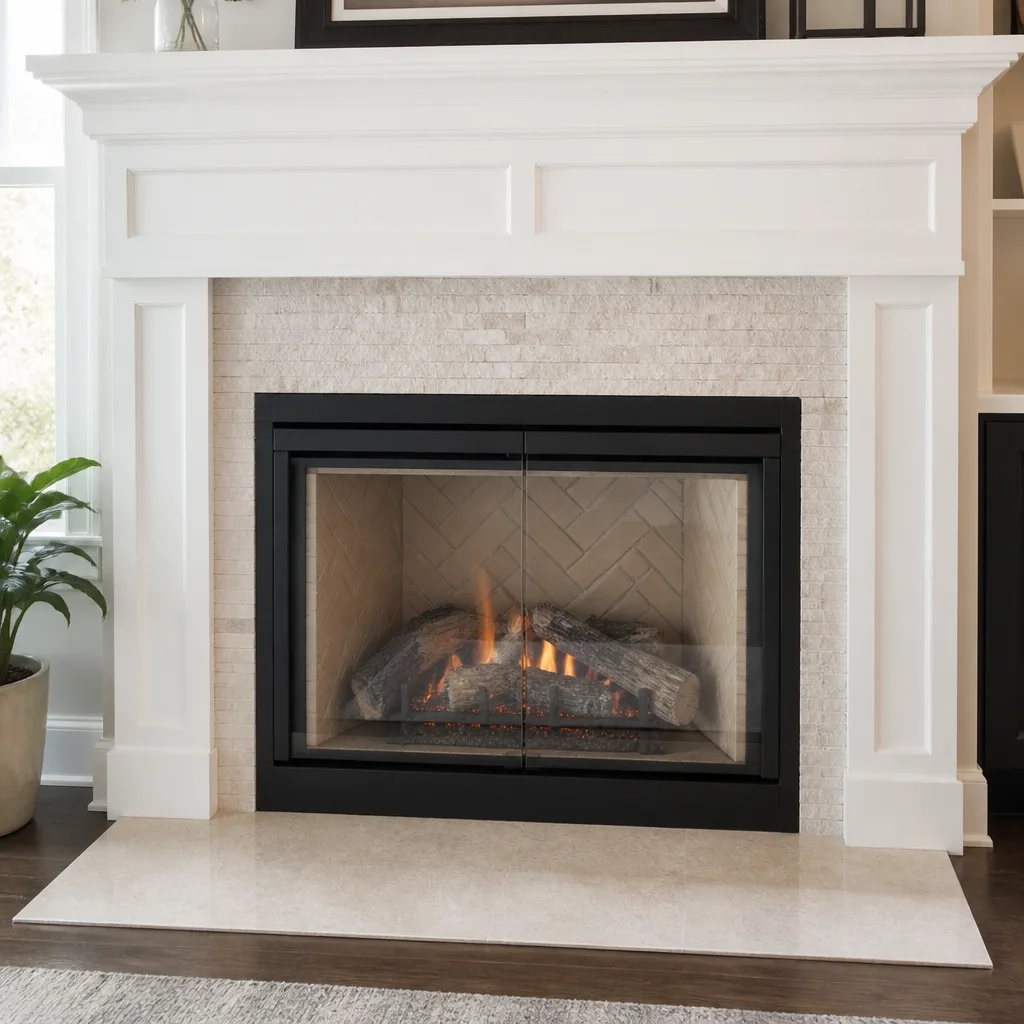
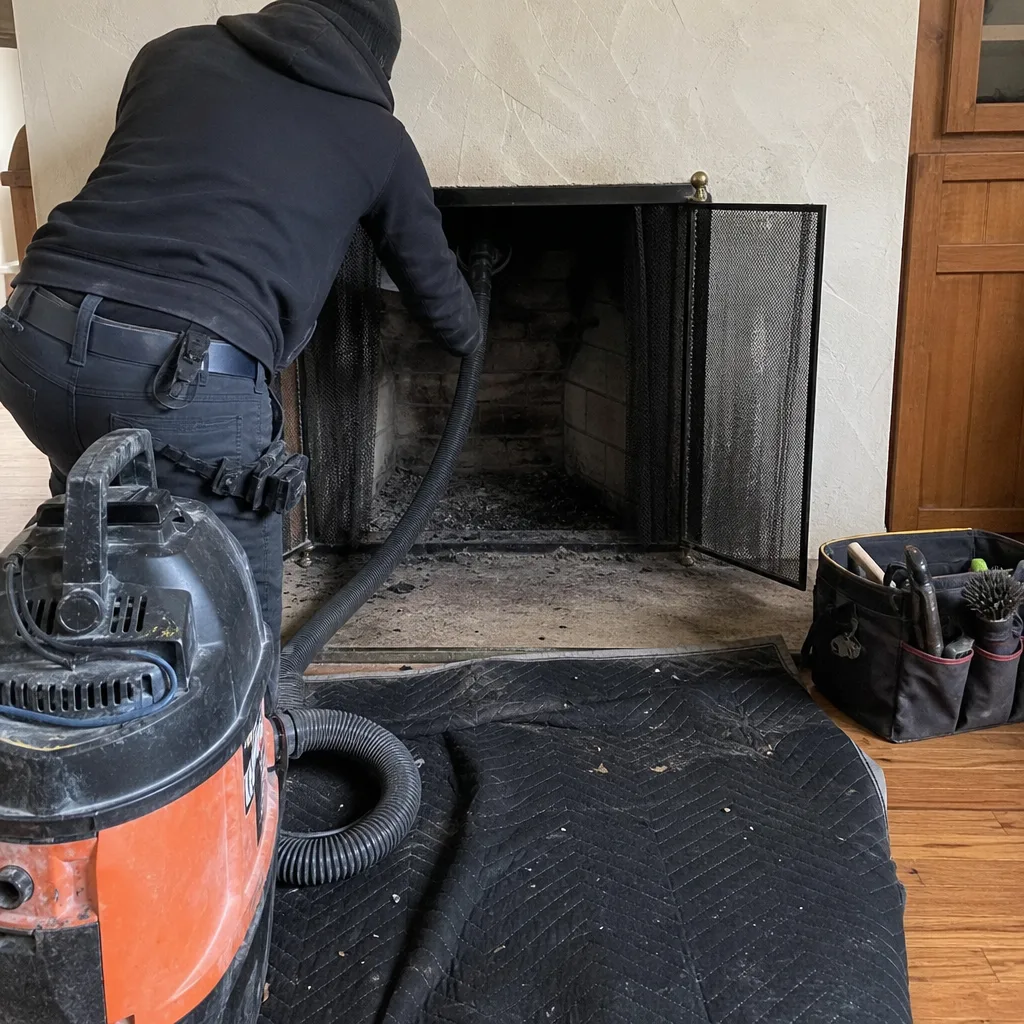 Before
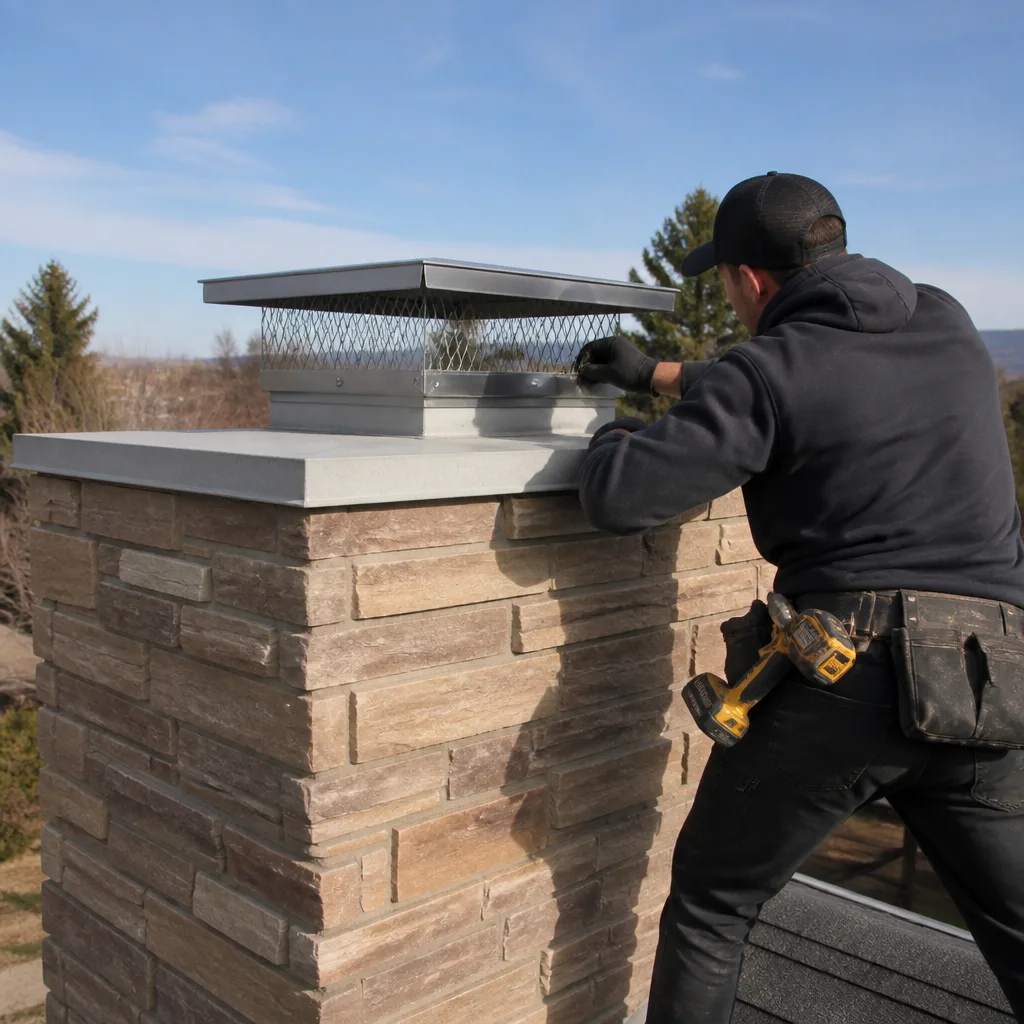 After
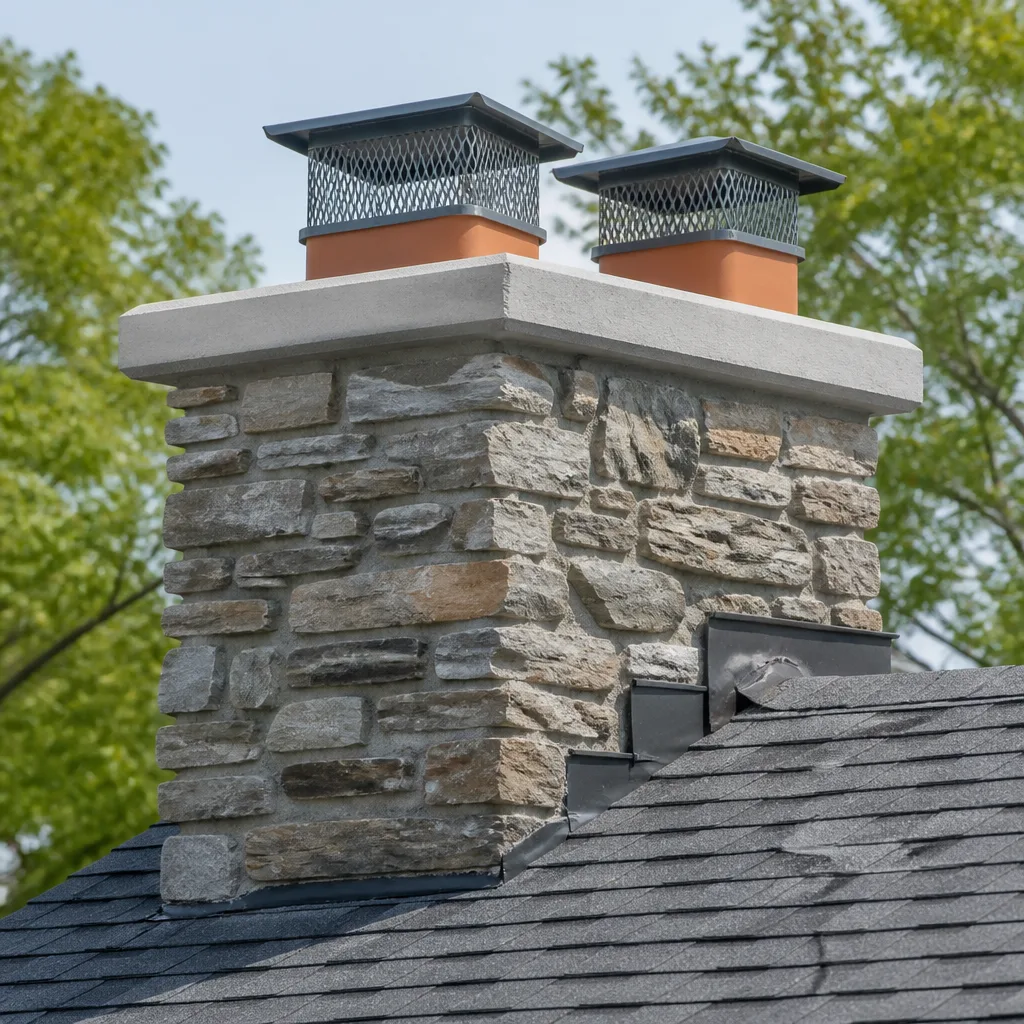
After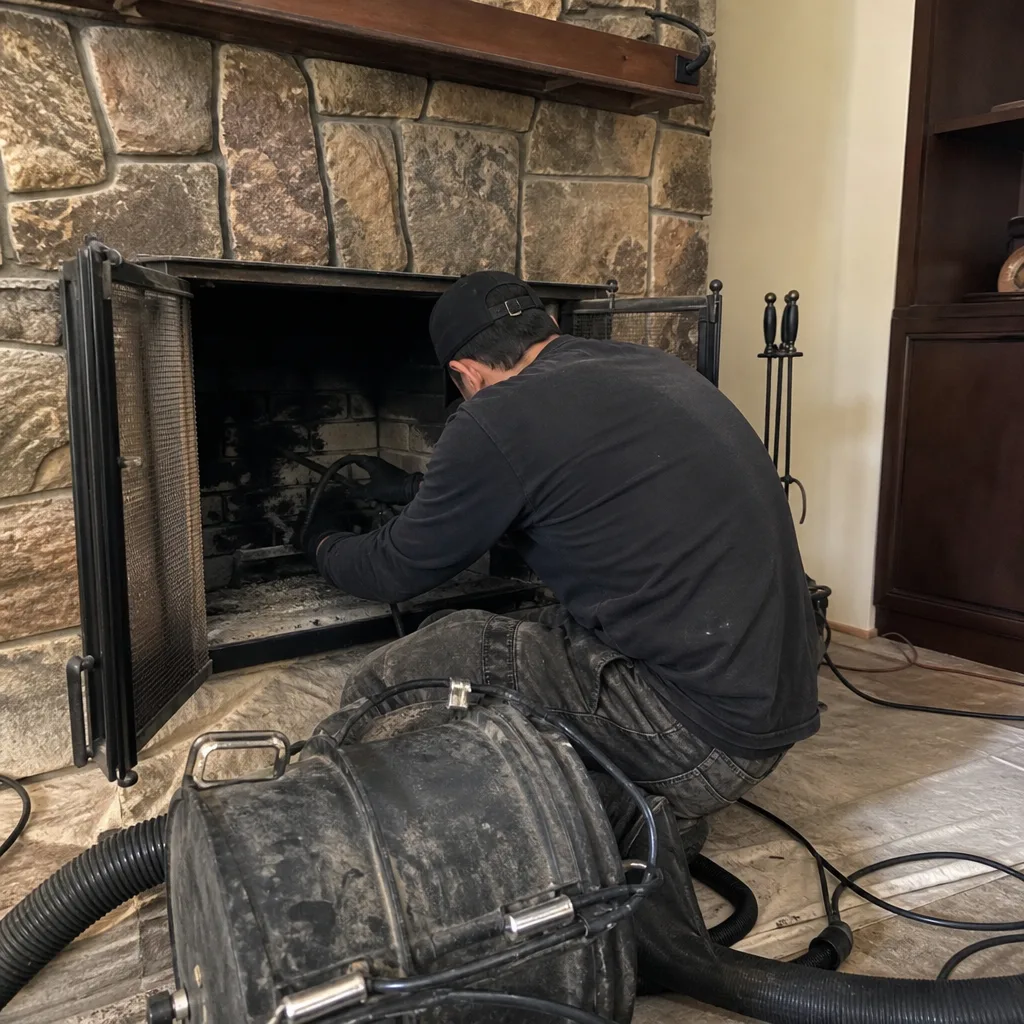 Before
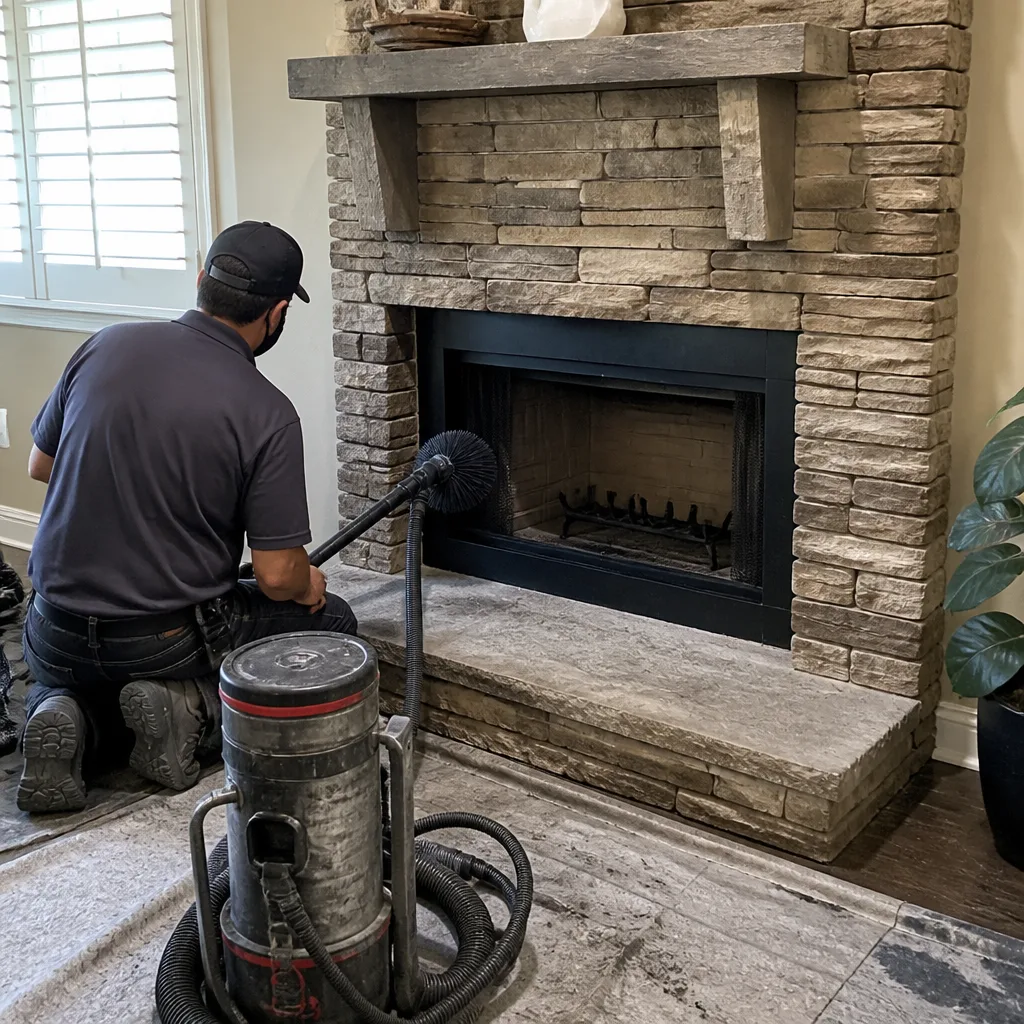 After
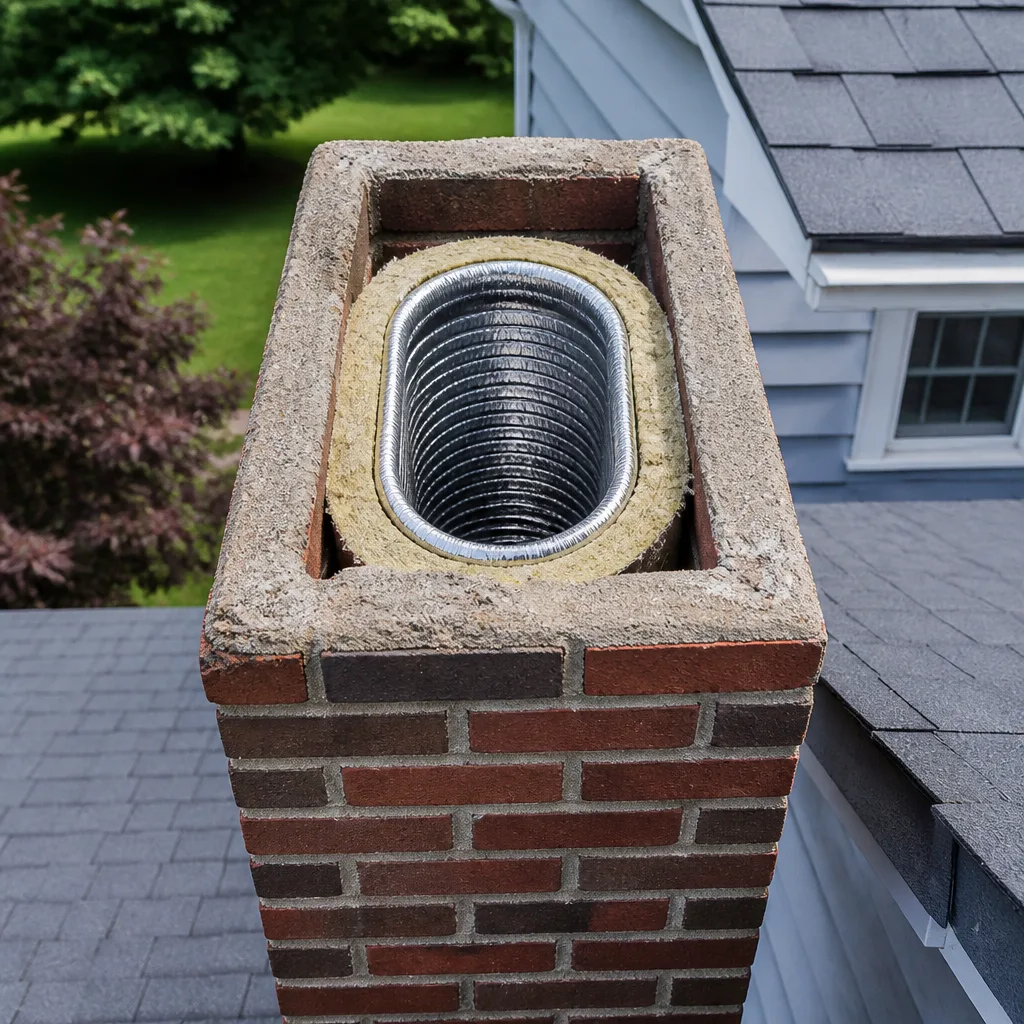
After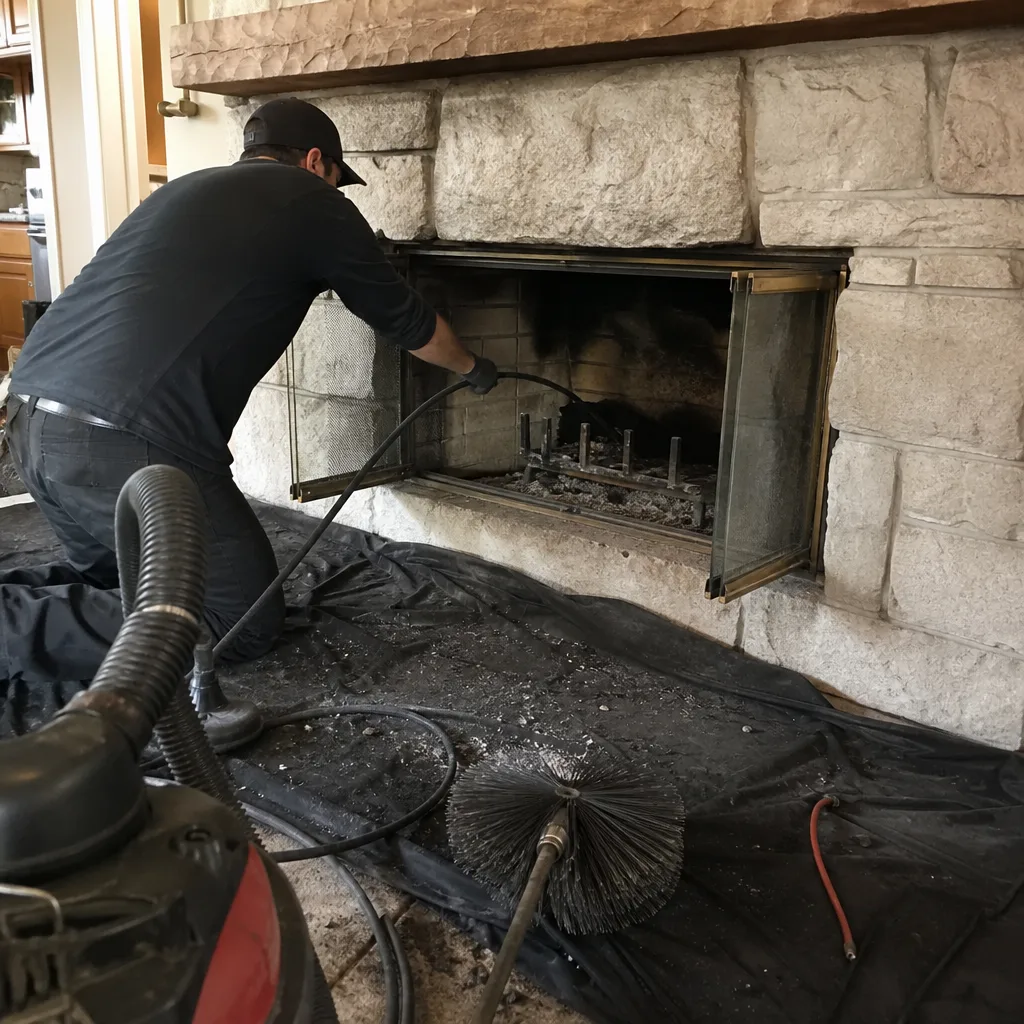 Before
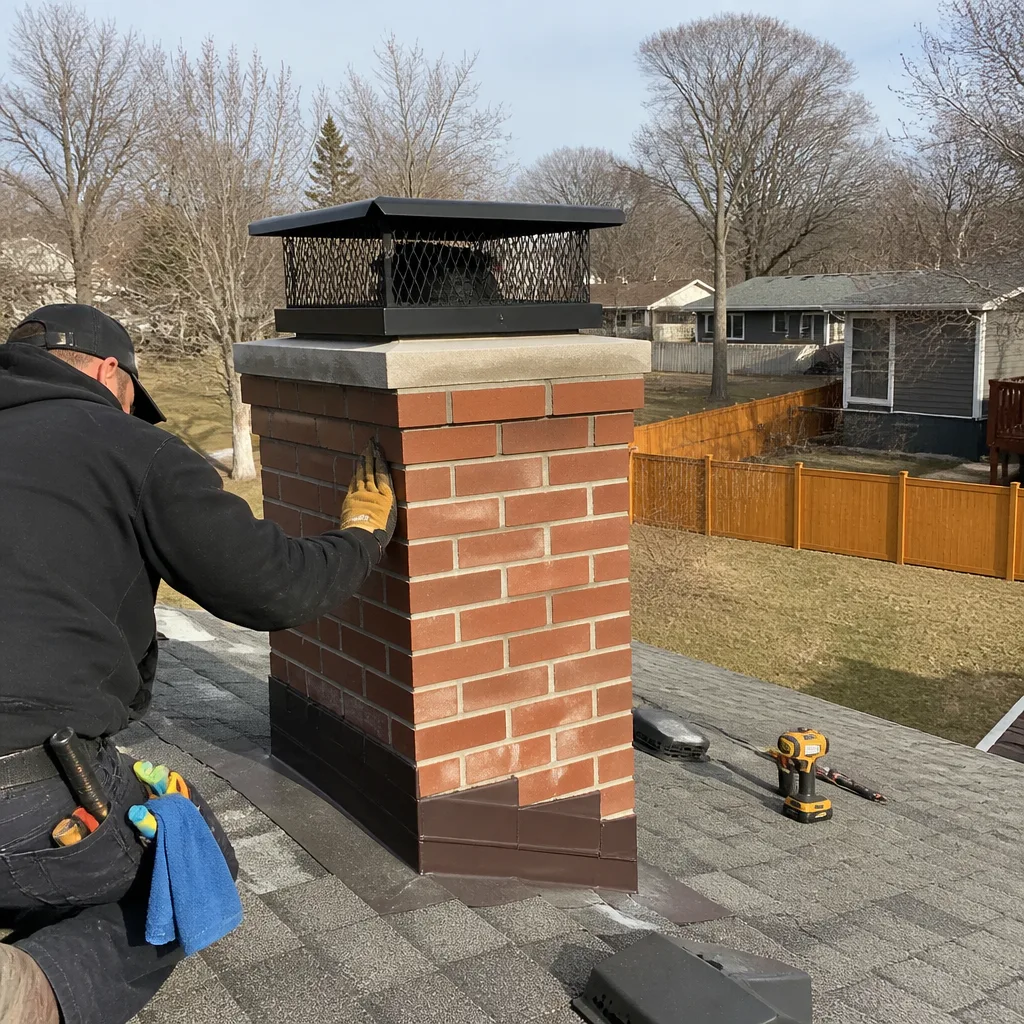 After
AfterHow Much Does Chimney Liner & Rebuild Cost in Denver?
Chimney liner installation in Denver typically runs $2,400 to $7,500, depending on liner type, flue length, and the condition of the existing masonry. A full chimney rebuild – tearing down and relaying the brick and mortar from the firebox up – costs $4,500 to $18,000+ for most Denver homes, which is why we also offer our Chimney Liner & Rebuild services to address the full scope of what your system needs. Both numbers are written on your estimate before any work starts, no exceptions.
Chimney Liner & Rebuild Cost Breakdown (2026)
Denver’s housing stock skews older than most people expect. Capitol Hill, Park Hill, Congress Park, and Whittier are packed with Craftsman bungalows and brick foursquares built between 1910 and 1950 – many with original terra cotta tile liners that were never designed for a modern gas insert or a high-efficiency wood stove. When we run a camera down those flues, cracked tiles and mortar joint separation are the norm, not the exception. That’s the context behind these numbers.
| Service | Typical Denver Price Range | Notes |
|---|---|---|
| Flexible stainless steel liner (gas appliance) | $2,400 – $3,800 | Single-story; 15-20 ft flue. DuraFlex or equivalent. |
| Flexible stainless steel liner (wood-burning) | $2,900 – $4,800 | Heavier gauge required; 316Ti alloy for wood systems. |
| Two-story flexible liner installation | $3,400 – $5,500 | Longer flue, more complex pull; common in Wash Park and Highlands bungalows. |
| HeatShield cerfractory liner resurfacing (in-place repair) | $1,800 – $4,200 | Viable when tile is cracked but structure is sound. Saves masonry teardown. |
| Cast-in-place poured liner system | $4,500 – $7,500 | Best for irregularly shaped flues. Labor-intensive; premium material cost. |
| Partial chimney rebuild (firebox to roofline) | $4,500 – $9,500 | Spalling brick, failing mortar joints, frost heave damage from Denver freeze-thaw cycles. |
| Full chimney rebuild (ground to cap) | $9,500 – $18,000+ | Structural failure, major lean, or interior fire damage. Requires permit in Denver. |
| Smoke chamber parging (smoke shelf repair) | $450 – $950 | Often paired with liner work; improves draft and seals corbelled joints. |
| Chimney cap replacement (stainless or copper) | $280 – $650 | Frequently needed after liner pull; Gelco and Famco caps standard. |
| NFPA 211 Level 2 camera inspection (pre-liner) | $179 – $249 | Required before any liner or rebuild quote at Level Two. Documented photo record included. |
A few things to flag about these ranges. The low end assumes a single, accessible flue with no major obstructions and a chimney that passes plumb. The high end reflects Denver-specific complications: rooflines that required staging in steeper South Gaylord Street properties, multiple flues sharing a single chase, or offset flue runs where the mason who built the chimney took a creative approach that doesn’t align with modern liner kits. We’ve also seen Denver homes where a tile liner looked fine on a flashlight inspection but showed significant separations once the camera went down – which is exactly why the Level 2 scan happens before any price is written.
Materials are sourced through Haven’s buying network – DuraFlex, HeatShield, Gelco, Olympia Chimney, Famco, and Copperfield – specifically to keep markups in a defensible range. You’re not paying for a distributor’s distributor.
What Affects Chimney Liner & Rebuild Pricing in Denver
- Liner type and material gauge: A standard 316-alloy flexible liner for a gas insert costs significantly less than a 316Ti heavy-gauge liner rated for wood smoke temperatures above 2,100°F. Don’t let a contractor install a gas-rated liner on a wood-burning system – it’s a fire hazard and a code violation under Colorado’s adoption of NFPA 211.
- Flue length and number of flues: A classic two-story Denver square with a standard 25-foot flue costs more to line than a ranch-style home in Green Valley Ranch. Each additional foot of liner adds material cost; offsets and bends add labor. Homes with two or more flues sharing a chimney – common in older Denver properties with a fireplace and a furnace on the same structure – may need two separate liner runs.
- Existing liner condition and debris: If tile sections have collapsed into the flue, the debris has to come out before a new liner goes in. That’s a full day of work in some cases. We’ve pulled buckets of fractured tile from chimneys in the Hilltop and Mayfair neighborhoods where the original liner was never maintained. That labor cost is real and will be on your written estimate before anyone starts.
- Denver’s freeze-thaw cycle and masonry damage: At 5,280 feet, Denver sees temperature swings that are genuinely hard on masonry. Water infiltrates mortar joints, freezes, expands, and cycles through that process dozens of times between October and April. The result is spalling brick faces and mortar that crumbles to the touch. A partial rebuild becomes a full rebuild when the damage has migrated further than the initial camera pass revealed. We document what the camera finds so you know exactly where the deterioration stops.
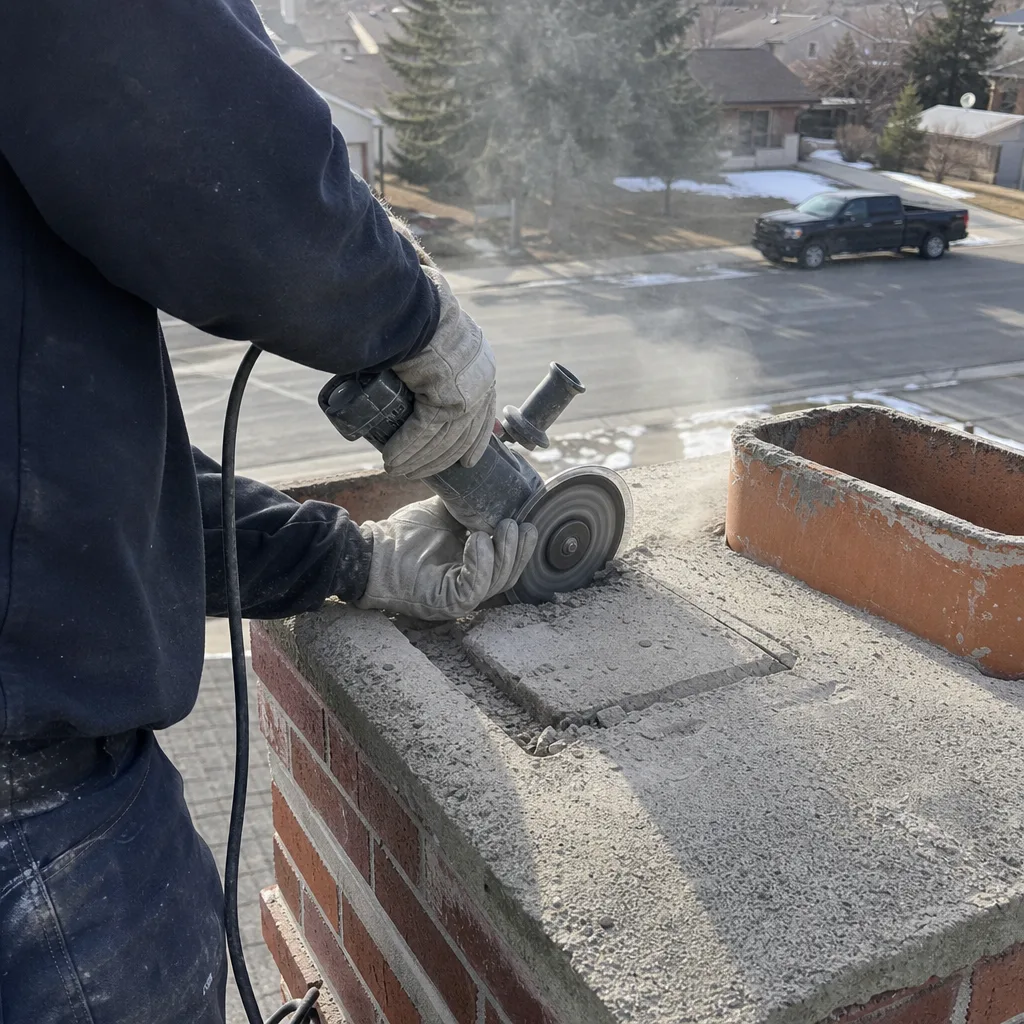
- Permit requirements: Denver Building & Inspection requires a permit for full chimney rebuilds and, in many cases, for liner installations on wood-burning systems. Permit fees run roughly $150 to $400 depending on the project value. Any contractor skipping this step is creating a liability problem for you at resale – underwriters and home inspectors know where to look.
- Roof access and staging: Single-story homes in Stapleton or Montbello are relatively straightforward. A three-story Victorian in Capitol Hill with a steep-pitch roof and no flat staging area adds scaffolding cost that can run $400 to $900. We call this out on the estimate – it doesn’t show up as a surprise line item at the end.
 Before
 After
AfterHow to Save on Chimney Liner & Rebuild in Denver
The biggest savings on a chimney liner project almost always come from catching problems early, before a cracked tile becomes a collapsed flue section. A tile liner that’s cracked but structurally intact may be a candidate for HeatShield cerfractory resurfacing at $1,800 to $4,200, rather than full removal and stainless liner installation at $3,500 to $5,500. That gap is worth a proper inspection to determine which option applies to your situation.
A few things that genuinely help:
- Get the Level 2 inspection before you budget anything. A flashlight look from the firebox isn’t a diagnosis. The camera shows where tile separations actually are, whether an offset liner is passable, and whether a resurfacing product is viable. That inspection runs $179 to $249 and the documented photo record is yours – it becomes part of your home file and matters when you sell. Call (720) 674-7312 to schedule; estimates are free once we have the camera data.
- Use the free second opinion on any written estimate. If another contractor has already given you a price for a liner or rebuild, bring that written estimate to Level Two. We’ll look at it, run our own camera scan if one hasn’t been done, and give you a written comparison. No charge for the second opinion. This isn’t a sales tactic – it’s how we’d want to be treated if a contractor handed us a number without showing their work.
- Bundle related work. If your chimney needs a new liner and the crown is cracked, doing both in the same visit costs less than two separate mobilizations. Same applies to a cap replacement or smoke chamber parging – labor overlap is real, and we reflect that in the written price.
- Don’t delay on known damage. A cracked tile that’s allowing flue gases to reach the wood framing around your chimney isn’t a problem you want to defer to next season. Carbon monoxide and house fires don’t wait for spring. The repair that costs $2,400 today can become a rebuild that costs $12,000 if water gets into the structure through a failed liner joint over two or three Denver winters.
- Understand what the quote includes. Some Denver chimney contractors quote liner-only and bill the smoke chamber work, cap, and haul-away separately. Our written quote – required under Clause 1 of the Haven Standard before anyone picks up a tool – itemizes every line. You can compare apples to apples against any other written estimate.
The Chimney Liner & Rebuild in Denver service page has more detail on which liner systems we use and why we match liner type to appliance type rather than defaulting to the cheapest kit on the truck.
FAQs – Chimney Liner & Rebuild Cost in Denver
How much does chimney liner installation cost in Denver in 2026?
Chimney liner installation in Denver runs $2,400 to $7,500 for most residential jobs, with flexible stainless liner systems at the lower end ($2,400 to $4,800) and cast-in-place poured systems at the higher end ($4,500 to $7,500). The number on your written estimate depends on liner type, flue length, and what the camera finds before work starts. Call (720) 674-7312 for a free estimate – we’ll have a written price ready before any work begins.
How much does a full chimney rebuild cost in Denver?
A full chimney rebuild in Denver – from firebox to cap – typically costs $9,500 to $18,000 or more, depending on chimney height, brick and mortar type, whether permit staging is required, and the extent of freeze-thaw damage. A partial rebuild (firebox to roofline) runs $4,500 to $9,500. Denver’s climate is genuinely hard on masonry: the freeze-thaw cycles between October and April accelerate mortar joint failure faster than in lower-altitude markets, which is why we see full rebuilds more often here than in comparable markets. A written scope and price go out before any demolition starts. Call (720) 674-7312 to schedule the inspection that tells us exactly what’s there.
Is it cheaper to reline or rebuild a chimney?
Relining is almost always cheaper than rebuilding, often by a factor of two to four. A flexible liner installation runs $2,400 to $4,800; a full rebuild runs $9,500 to $18,000+. The right choice depends entirely on what the structure looks like. If the masonry is sound and the problem is the liner, you reline. If the masonry is failing – spalling brick, crumbling mortar joints, visible lean, or structural damage from a flue fire – relining the inside of a failing structure doesn’t fix the structure. The camera tells us which situation you’re in. Don’t let anyone quote you a rebuild before running a Level 2 scan, and don’t let anyone quote you a liner before confirming the masonry can support it.
Does Denver require a permit for chimney liner installation?
Denver Building & Inspection requires permits for full chimney rebuilds and for many liner installations, particularly on wood-burning systems. Permit fees typically run $150 to $400 depending on declared project value. If a contractor tells you a permit isn’t needed for a wood-burning liner or a full rebuild, ask them to put that in writing – because if the work is discovered unpermitted at resale or by an insurer after a claim, the liability lands on the homeowner. We pull permits where required and include that cost in the written estimate. No surprises.
Can you come the same day for a chimney liner inspection in Denver?
Same-day and next-day appointments are available for most Denver neighborhoods, including Capitol Hill, Park Hill, Stapleton, Highlands, Washington Park, Green Valley Ranch, and Montbello. Live phone support runs 24 hours a day, seven days a week – call (720) 674-7312 and you’ll reach a person, not a voicemail. The NFPA 211 Level 2 camera inspection runs $179 to $249, takes about an hour, and produces a documented photo record you keep regardless of whether you hire us for the repair. That record is included as standard under Clause 4 of the Haven Standard – it’s not an upsell.
How long does a chimney liner last in Denver’s climate?
A properly installed 316Ti stainless steel flexible liner, used with a wood-burning appliance, typically lasts 15 to 25 years under normal use. A 316-alloy liner on a gas system, with lower exhaust temperatures, commonly runs 20 to 30 years. Denver’s altitude and temperature swings don’t directly affect the liner the way they affect exterior masonry, but they do matter for moisture – the condensation patterns inside a flue at 5,280 feet differ from sea-level norms, and improper sizing accelerates corrosion regardless of alloy grade. HeatShield cerfractory resurfacing carries its own rated service life depending on substrate condition. All of this goes into the written documentation you receive after the inspection.
What the Inspection Documents – and Why It Matters at Resale
Denver’s real estate market has tightened considerably since 2022, and home inspectors are more thorough on chimney systems than they were five years ago. We’ve seen sales in Wash Park, Sunnyside, and Berkeley fall apart or get repriced because a buyer’s inspector found a liner deficiency that the seller’s pre-listing disclosure didn’t address.
Every Level Two visit produces a documented photo record under Clause 4 of the Haven Standard. That means camera stills of the flue at multiple points, notation of any tile separation or mortar joint failure, and a written record of what the technician found and what was done. That file goes to you, not just into our system. When you sell the house, you have documentation that the liner was inspected, the condition was noted, and any repair was completed to a written scope with a written warranty – the 365-Day Done Right Promise is stamped on every job.
Buyers in Denver’s price range – and most of the neighborhoods we serve run $600,000 to $1.4 million – are research-literate. They read the inspection report. A chimney liner documented by Level Two is not a question mark on that report. That’s worth something.
Why Denver Chimney Liners Fail Faster Than the National Average
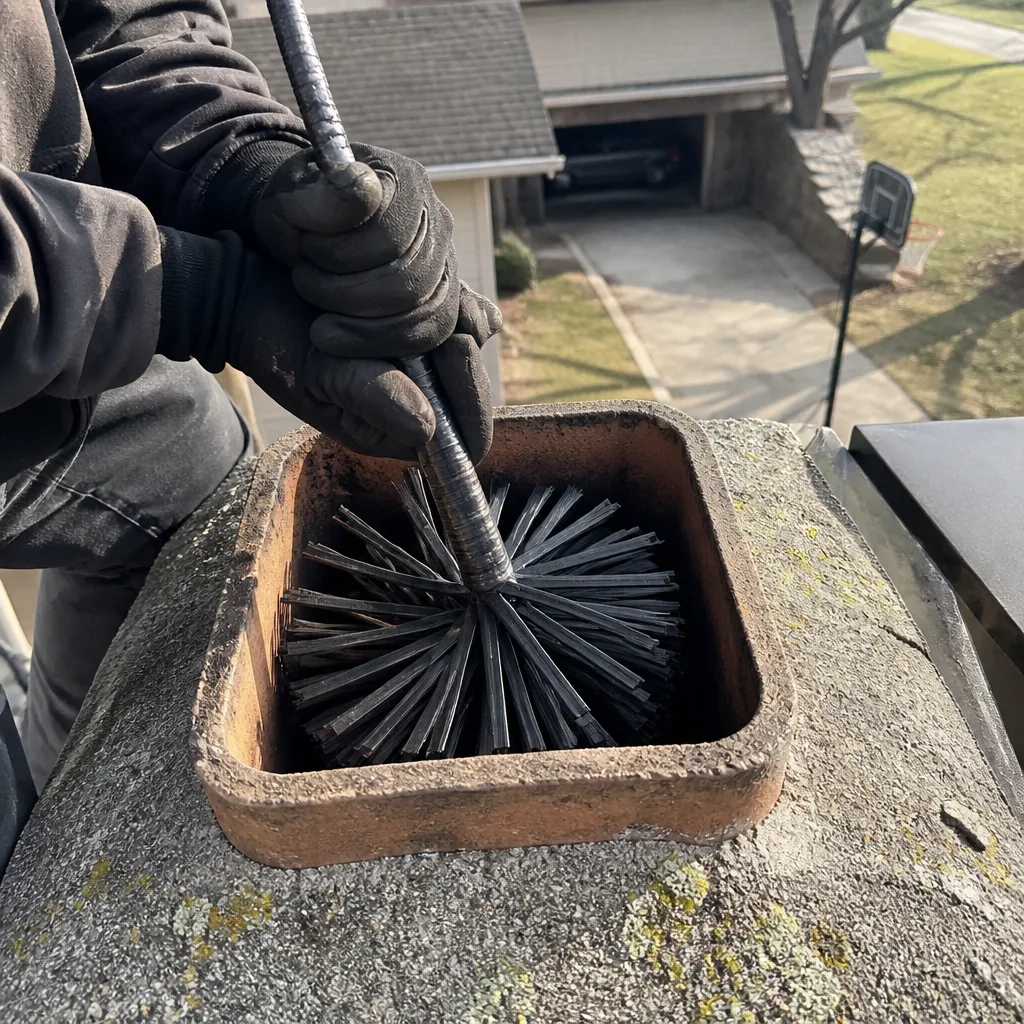
Three factors converge in Denver that don’t overlap as severely in other major metros.
First, altitude. At 5,280 feet, combustion dynamics change. Gas appliances burn less efficiently at elevation, which means cooler flue gases that condense into acidic moisture higher up in the liner. That moisture accelerates corrosion in undersized or improperly matched liner systems. We see this regularly in Green Valley Ranch and Montbello, where mid-century homes had gas appliances retrofitted into flues that were never resized for the change.
Second, the freeze-thaw cycle. Denver averages over 150 freeze-thaw cycles per year – days when the temperature crosses 32°F in both directions. Every one of those cycles moves water into and out of masonry pores. Tile liners that were intact in 2010 can have significant joint separation by 2026 if moisture infiltration wasn’t addressed at the crown or cap. We document the progression when we have prior inspection records to compare against.
Third, the original construction era. A large share of Denver’s residential chimney stock dates to 1910 to 1960, when terra cotta tile was the standard liner material. That tile has had more than sixty years to absorb water, expand, contract, and crack. It was not designed for the thermal shock of a modern high-output gas insert or a pellet stove. The combination of aged tile, altitude combustion dynamics, and repeated freeze-thaw stress is why Denver sees a higher rate of liner failure than comparable metros at lower elevation.
This isn’t alarm-raising for its own sake. It’s the explanation for why we don’t skip the camera, and why the price on your estimate reflects what’s actually there rather than what a visual-only inspection assumed.
The Safety Note on High-Tension Components
Chimney liner and rebuild work doesn’t involve the same immediate physical danger as, say, garage door spring work or live electrical panels. But the safety stakes are real and worth naming plainly. A cracked or missing liner allows carbon monoxide and combustion gases to migrate into living spaces – that’s not a gradual inconvenience, it’s a documented cause of residential fatalities. A failed liner on a wood-burning fireplace allows ember contact with framing materials; the National Fire Protection Association attributes a significant share of residential structure fires to unmaintained or deteriorated flue liners.
We say this not to pressure anyone but because it’s accurate and it’s something a real professional tells you upfront. If your chimney is showing signs of liner failure – white staining on the exterior (efflorescence), a sulfur or exhaust smell in the house, visible tile debris in the firebox – those are signals to stop using the appliance until a camera inspection has been done. Call (720) 674-7312; we’ll get eyes on it before you light another fire.
Key Takeaways
- Chimney liner installation in Denver runs $2,400 to $7,500 depending on liner type and flue length.
- Full chimney rebuilds cost $9,500 to $18,000+; partial rebuilds (firebox to roofline) run $4,500 to $9,500.
- HeatShield cerfractory resurfacing is a lower-cost alternative ($1,800 to $4,200) when the masonry structure is sound.
- Denver’s freeze-thaw cycle and altitude combustion dynamics accelerate liner deterioration faster than most markets.
- Permits are required for full rebuilds and many wood-burning liner installs; permit fees run $150 to $400.
- A written price, written scope, and written warranty are delivered before any work starts – no exceptions.
- Every visit includes a documented photo record under Clause 4 of the Haven Standard.
- The 365-Day Done Right Promise is stamped on every job.
- Free second opinion on any written estimate – bring us a competitor’s quote.
- Live phone support at (720) 674-7312, answered by a person 24 hours a day, seven days a week.
Get a Written Estimate for Your Denver Chimney Liner or Rebuild
If you’re working through the numbers on a liner installation, a rebuild quote, or a second opinion on an estimate you’ve already received, the next step is a Level 2 camera inspection – the only honest starting point for any of these projects. Corrine Halstead and the Level Two team have run that camera down more than 38,000 flues since 2009, and the written price comes before anyone picks up a tool. That’s not a promise we added later; it’s been the operating standard since the beginning.
You can read more about our home base of operations and the full range of services we cover across Denver, or call (720) 674-7312 directly to schedule your inspection or request a free estimate. A live person picks up – not a voicemail, not a form.
Written by Corrine Halstead, Owner at Level Two Chimney Denver, serving Denver, CO since 2009.
Pricing reflects the Denver market as of 2026. Level Two Chimney Denver offers free estimates – call (720) 674-7312.
What Our Customers Say
"They ran a camera down the flue and showed me the cracked tiles on a screen. The previous company had swept it twice and never mentioned it."
- Gregory F."Clean, careful, put down sheeting, and the fireplace works properly for the first time since we moved in."
- Yvette S."Gas insert service done properly with the readings written down. The technician had the certification number printed on the paperwork."
- Bettina A.