
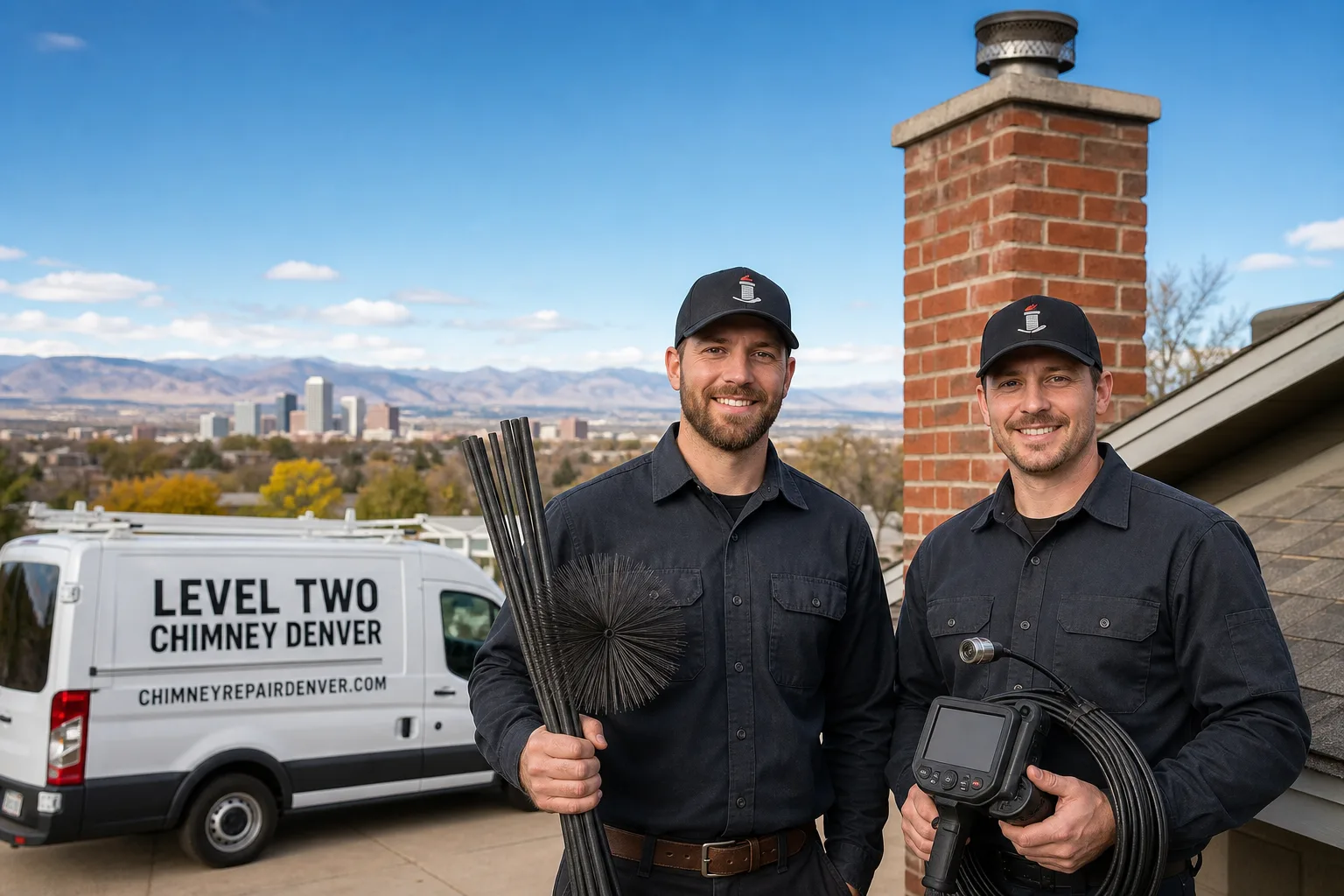
Level 1 sweep and inspection to the NFPA 211 annual standard - flue, crown, cap, and flashing checked and photographed
Chimney sweep logs do not sweep chimneys. They loosen some creosote - which then falls where a brush and vacuum still have to collect it.
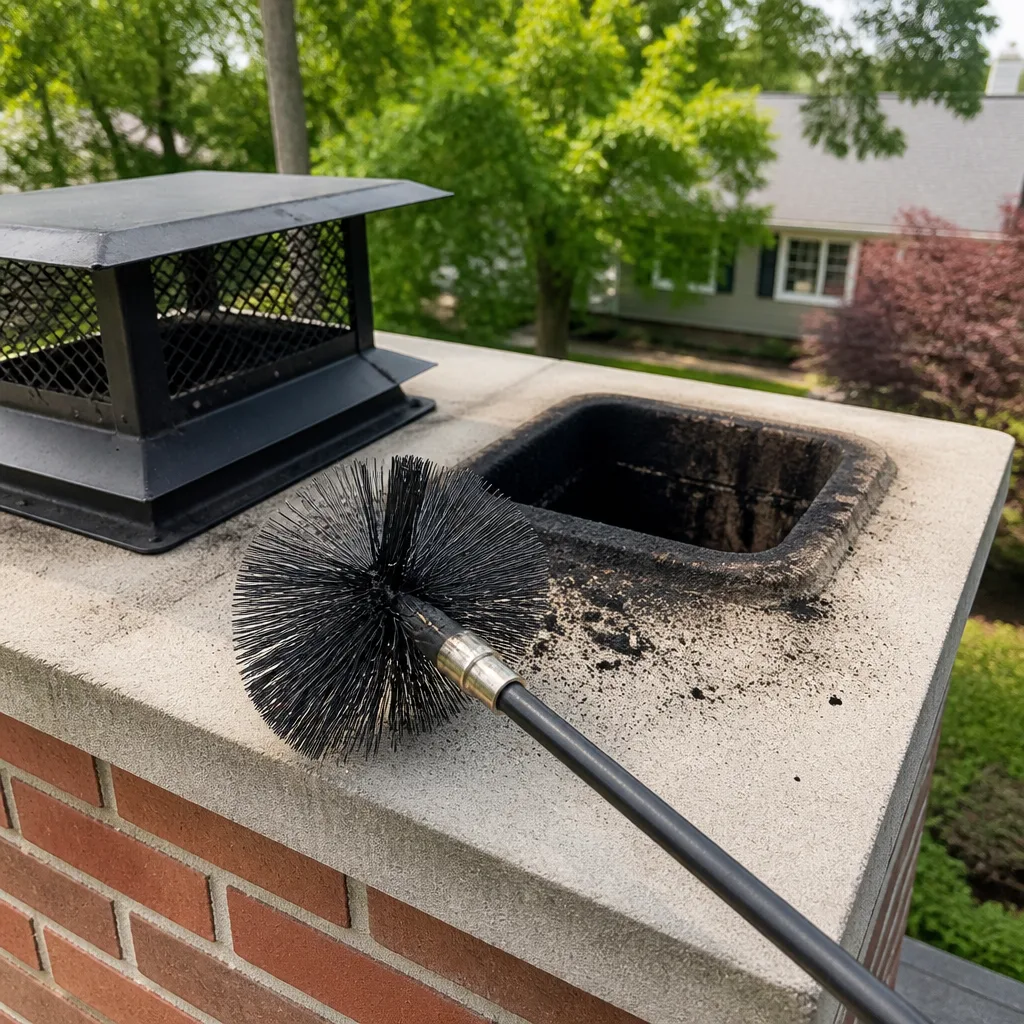
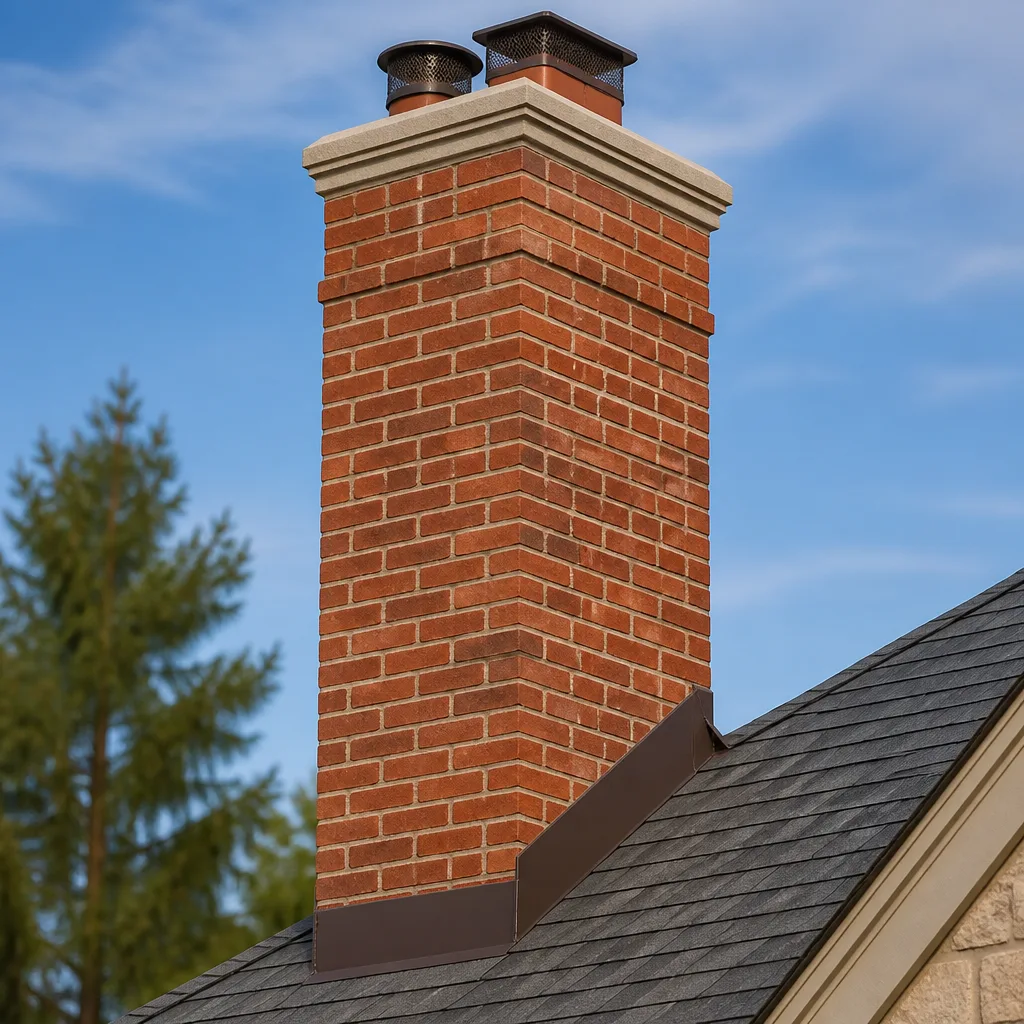
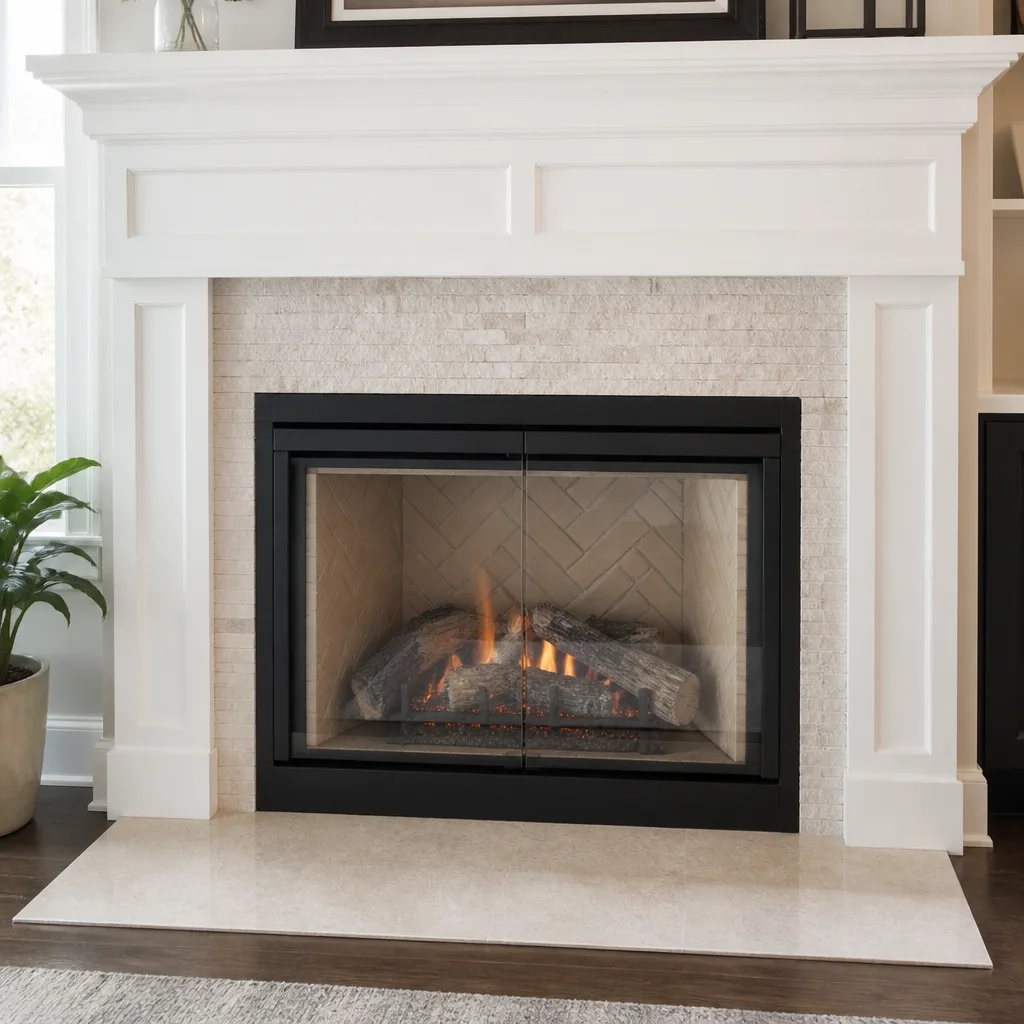
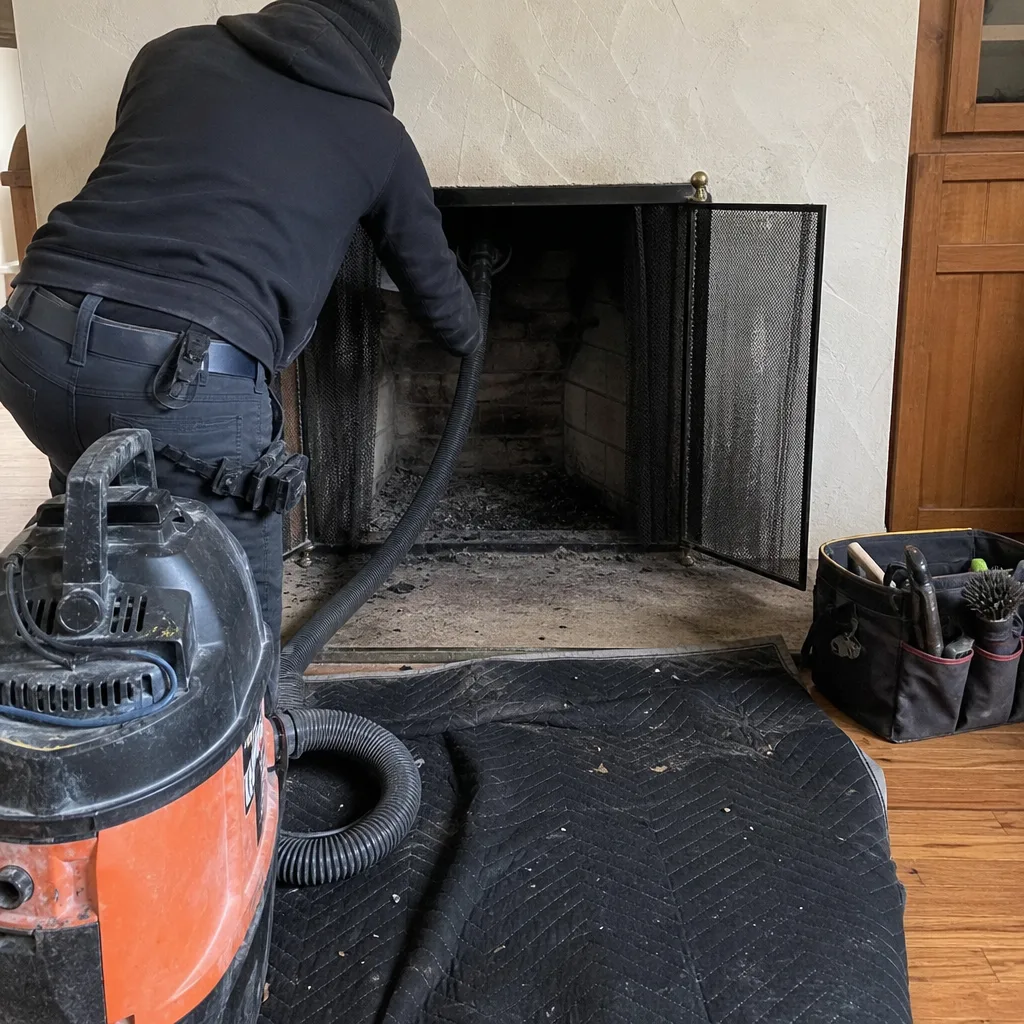 Before
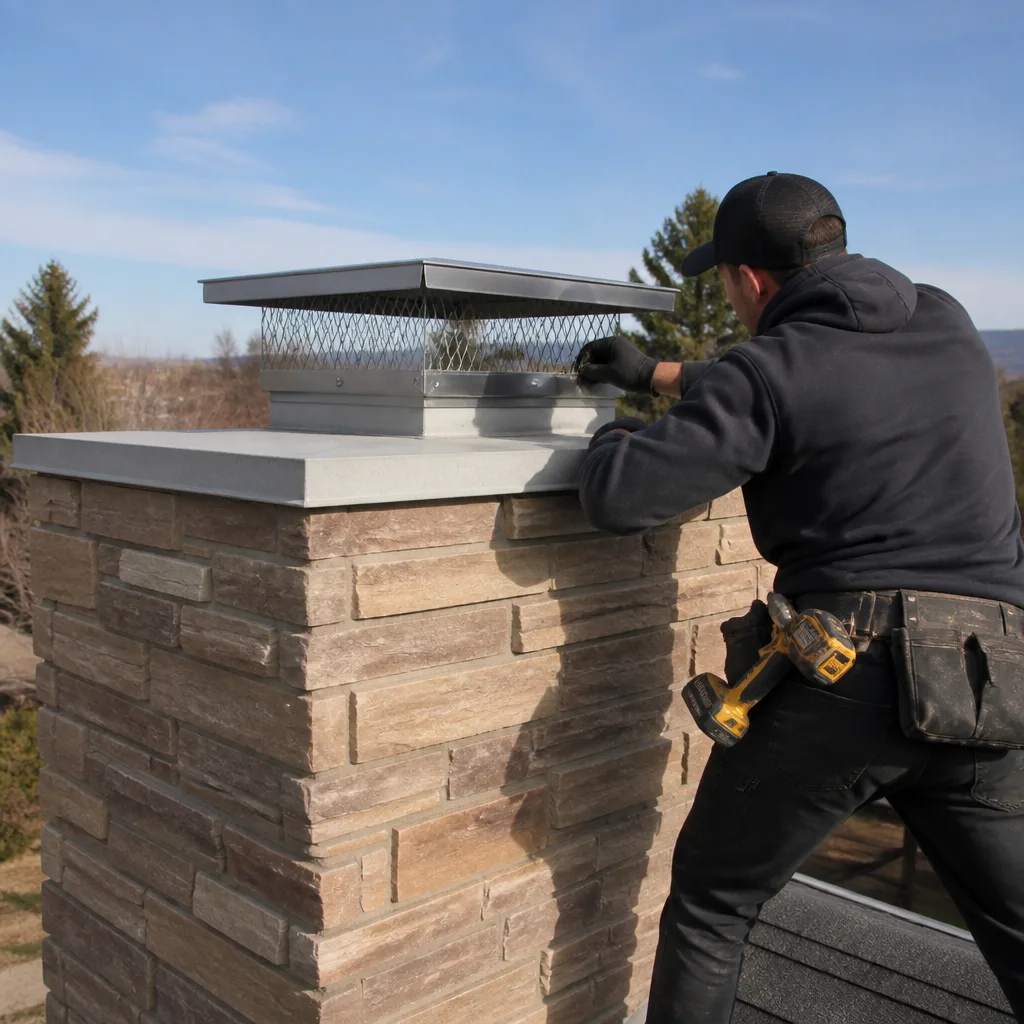 After
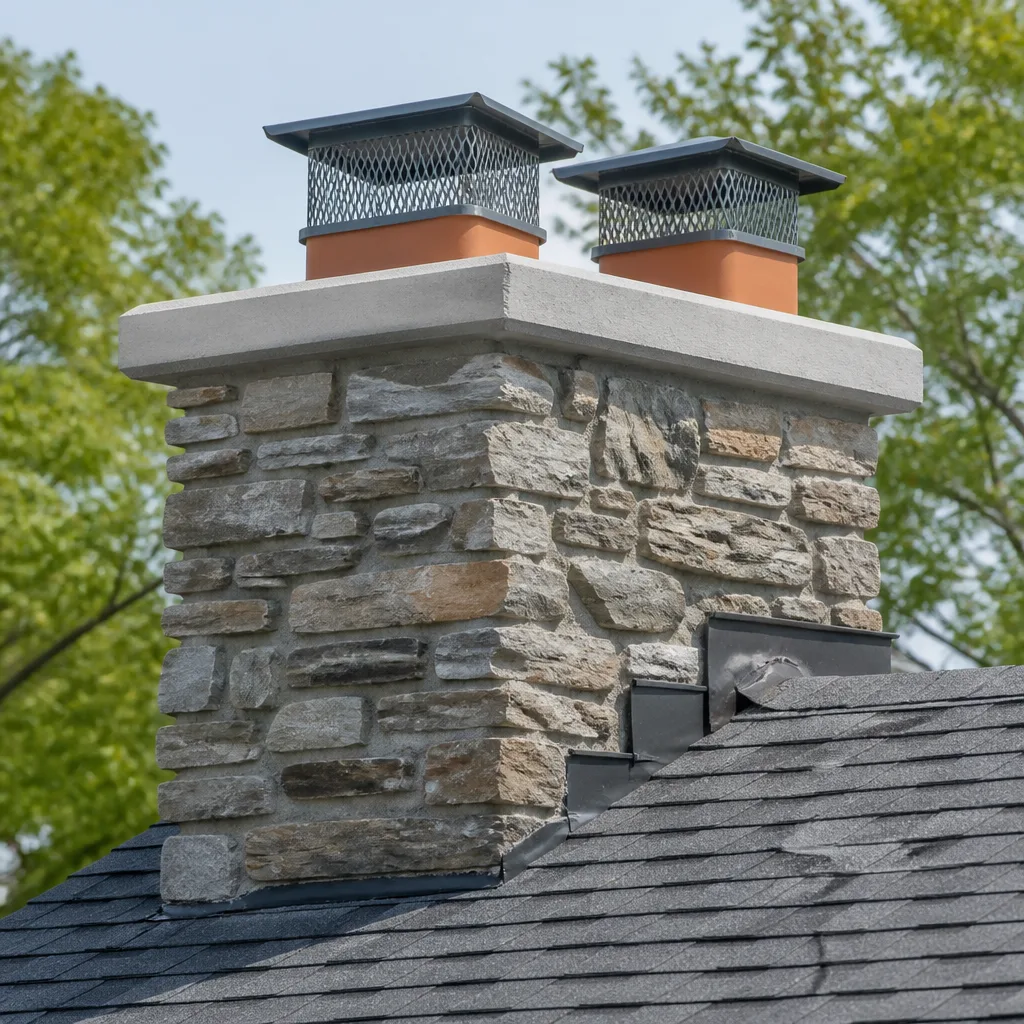
After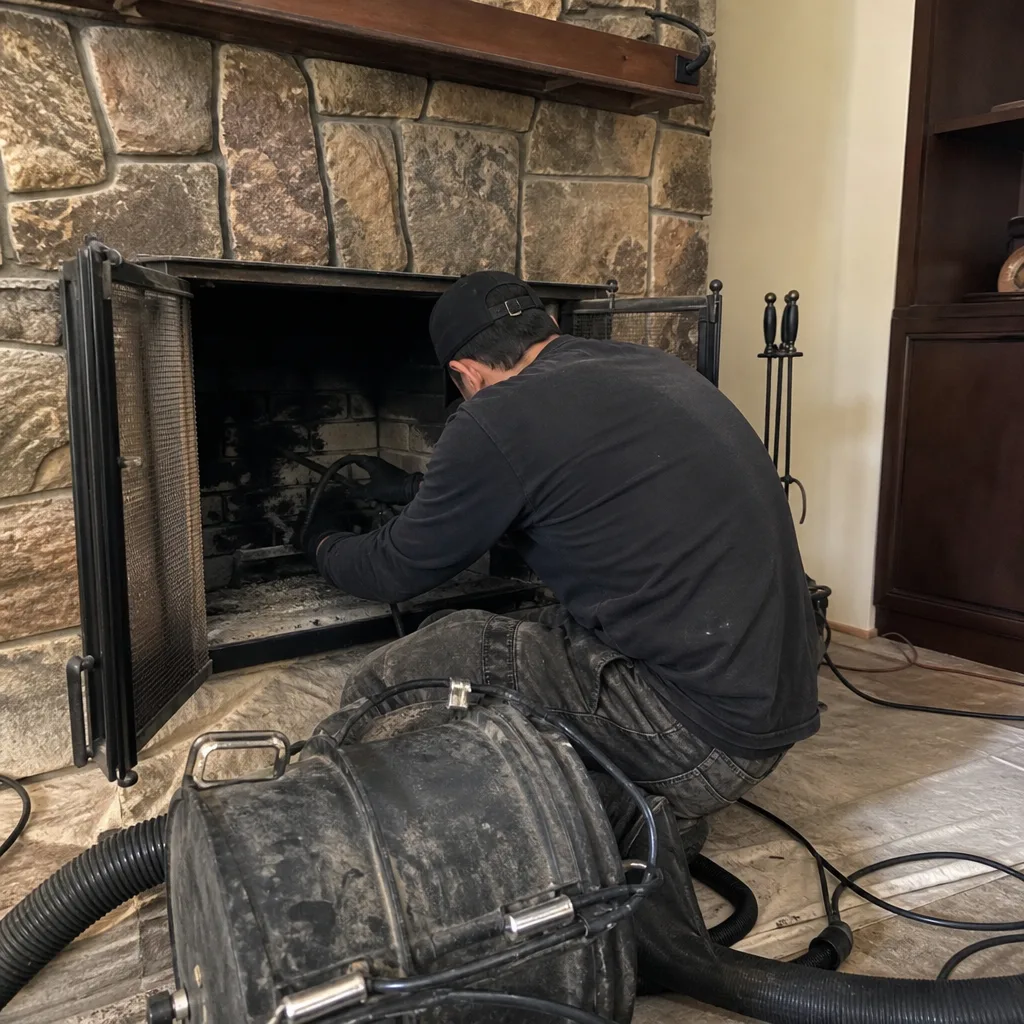 Before
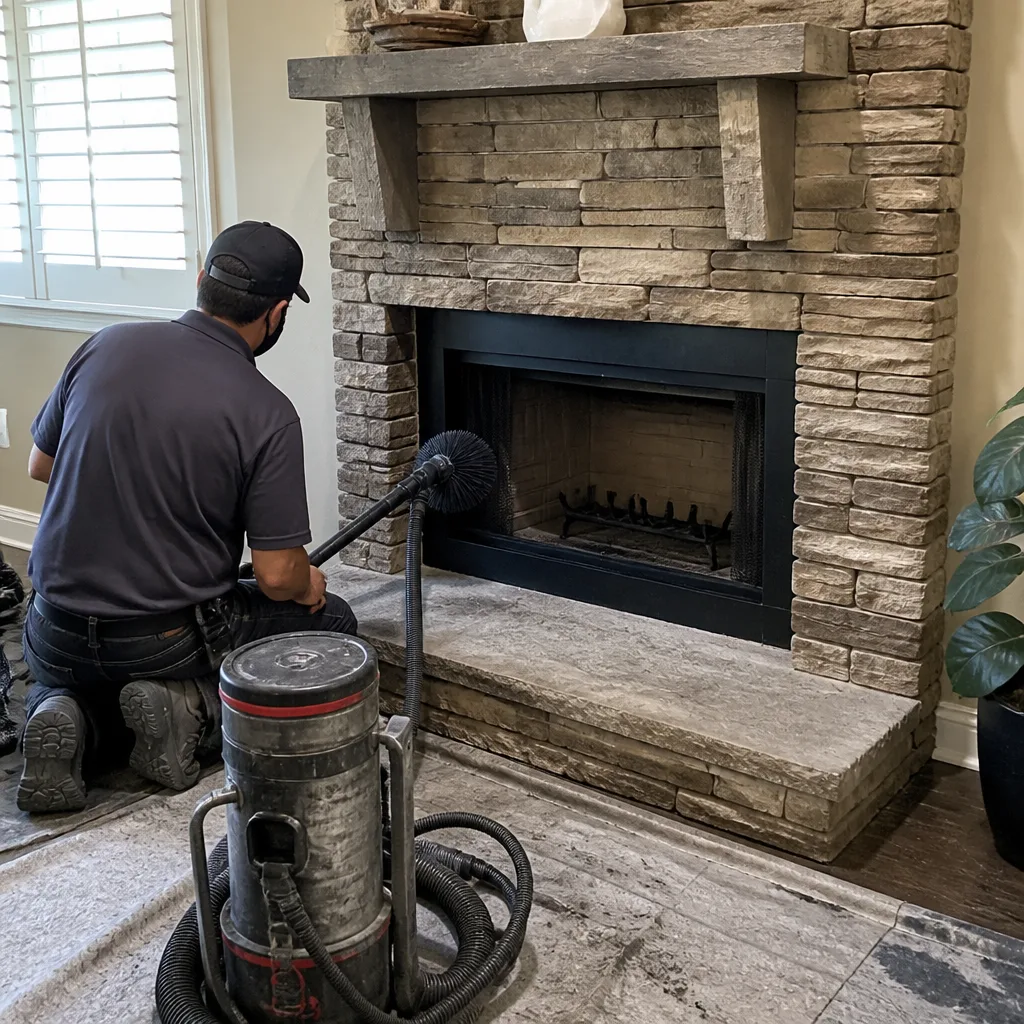 After
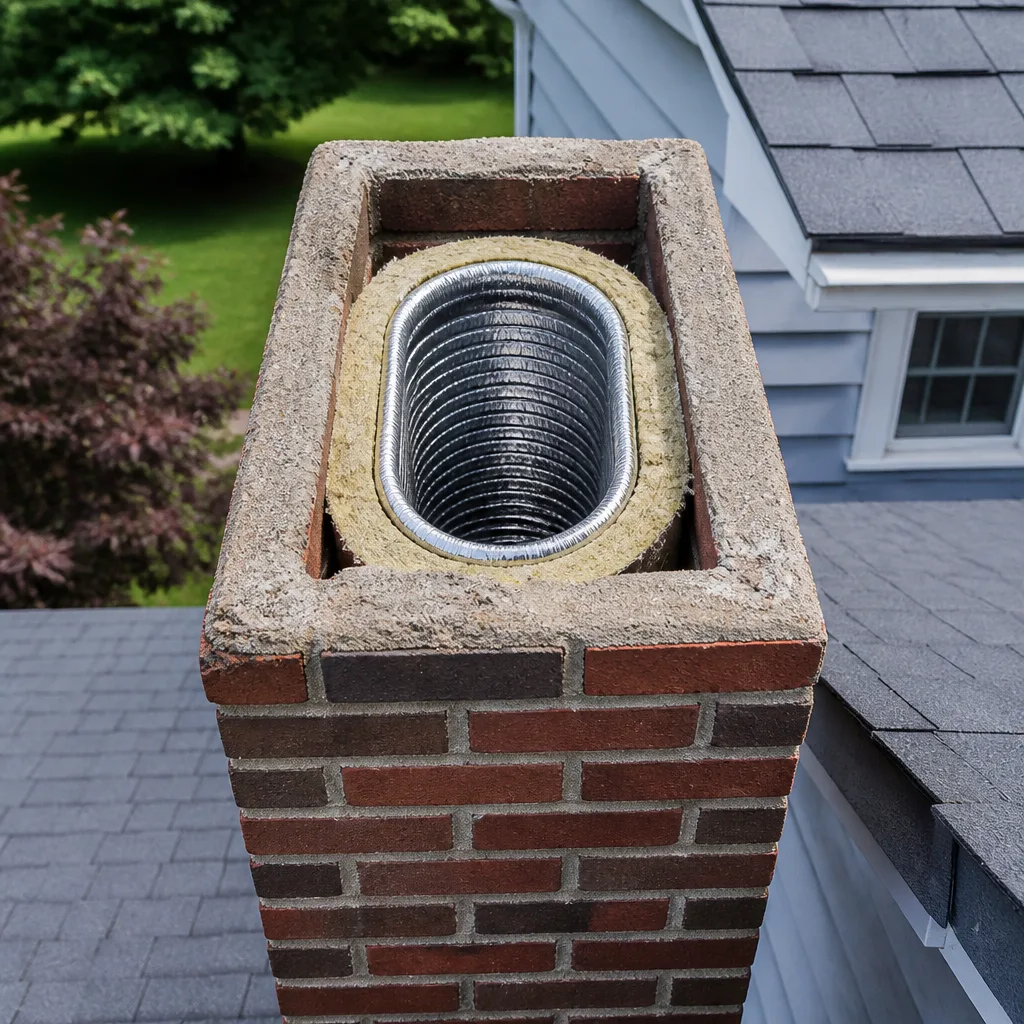
After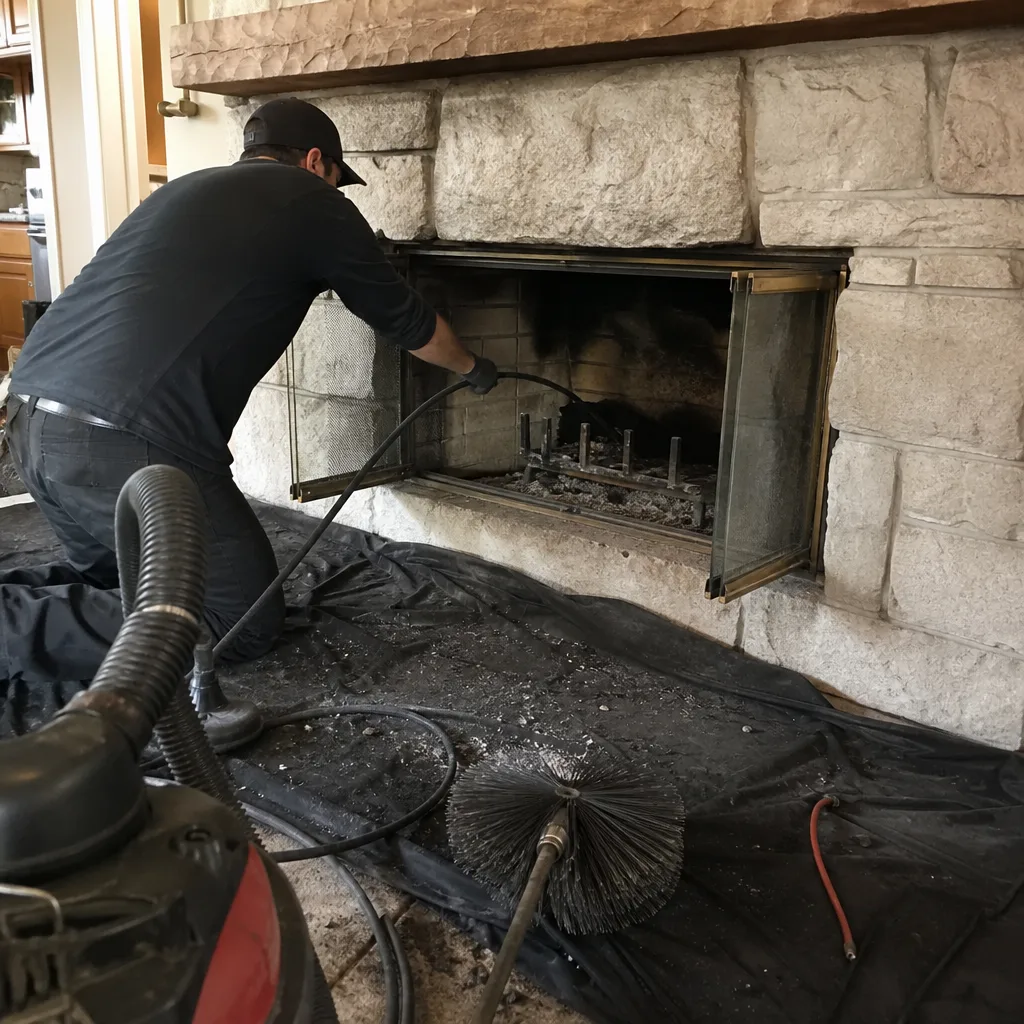 Before
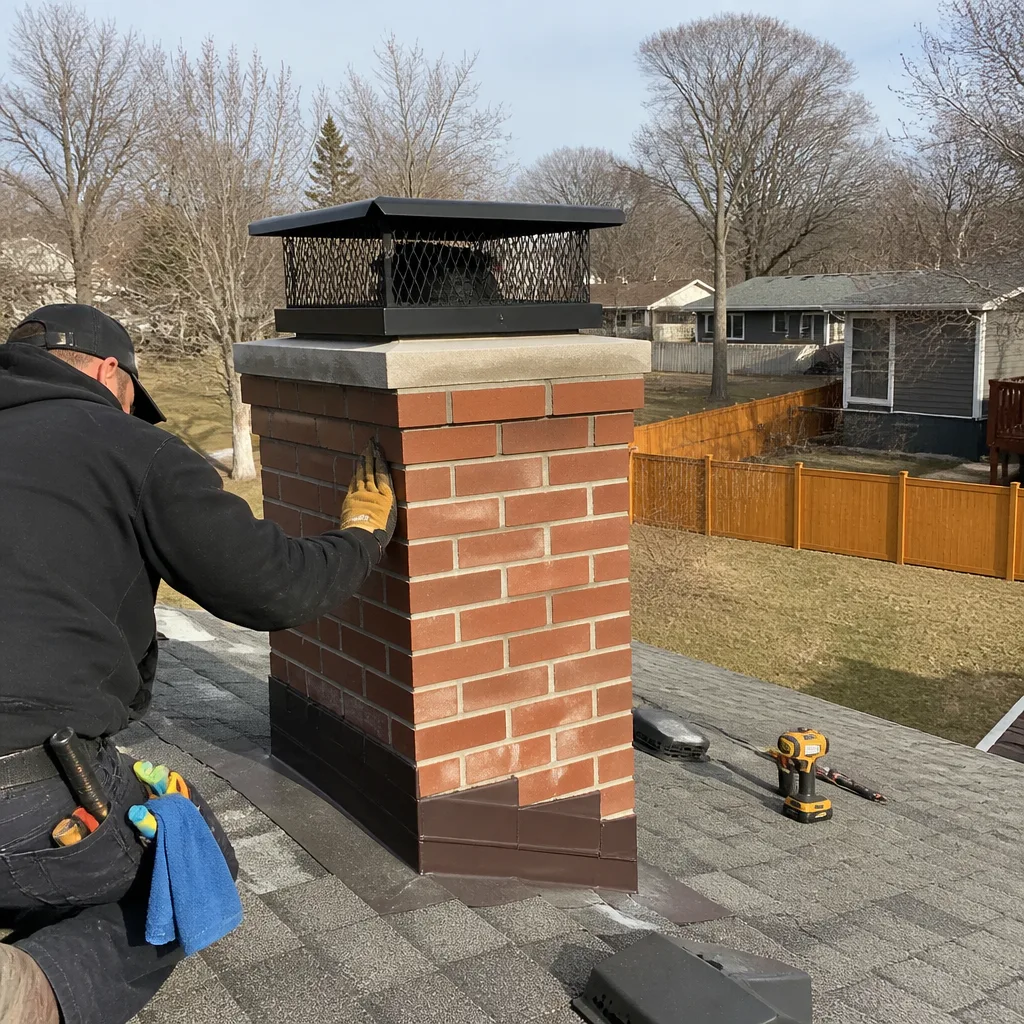 After
AfterFast, Reliable Chimney Repair Across Denver
Chimney repair in Denver typically runs $650-$4,500 depending on scope, with mortar repointing and spalling brick repair making up most of what we do. Our crews are dispatched from the Denver office and carry DuraFlex liners, HeatShield resurfacing compound, and Gelco caps on every truck, so most jobs finish in a single visit. Call (720) 674-7312 for a written estimate before any work starts.
We’ve worked the rural properties along the Front Range foothills and the historic cores of Capitol Hill, Baker, and the Highlands since 2009. That range of housing stock - 1890s Victorians with unlined brick flues, mid-century ranches with deteriorating crowns in Harvey Park and Westwood, and wood-stove-heated cabins past Conifer - means we’ve seen the specific failure patterns Denver’s altitude and climate produce. We don’t guess at what’s wrong. We run a camera, show you the footage, and give you a written price.
Our Chimney Repair team works under the Haven Standard: Clause 4 requires a documented photo record on every job, Clause 1 requires a written price before any work starts, and our 365-Day Done Right Promise backs the result.
Why Level Two Chimney Denver Is Denver’s Preferred Chimney Repair Company
We’ve completed more than 38,000 chimney inspections and cleanings since 2009, every one with a written price agreed beforehand and a photo record delivered after. Denver homeowners know what they’re getting before anyone touches their chimney.
Our reviews come from across the metro - Capitol Hill landlords with 1920s four-squares, Baker homeowners with original Craftsman fireplaces, and rural property owners past Morrison who heat with wood stoves six months a year. They mention the same things: the camera footage, the written quote, the text when the tech is on the way.
Dispatch and scheduling run from our Denver office. Calls are answered live, 24/7, by a person who can book you, not a voicemail tree. Background-checked, uniformed technicians carry license numbers on every page and every truck.
We know Denver’s specific problems: the 17% oxygen deficit at 5,280 feet that drives heavier creosote deposits, the CDPHE Red/Green no-burn days that create intense use-dormancy cycles, the chinook thaw that pushes snowmelt into cracked crowns before the next hard freeze. Generic chimney companies don’t account for this. We do.
Our Chimney Repair Services in Denver
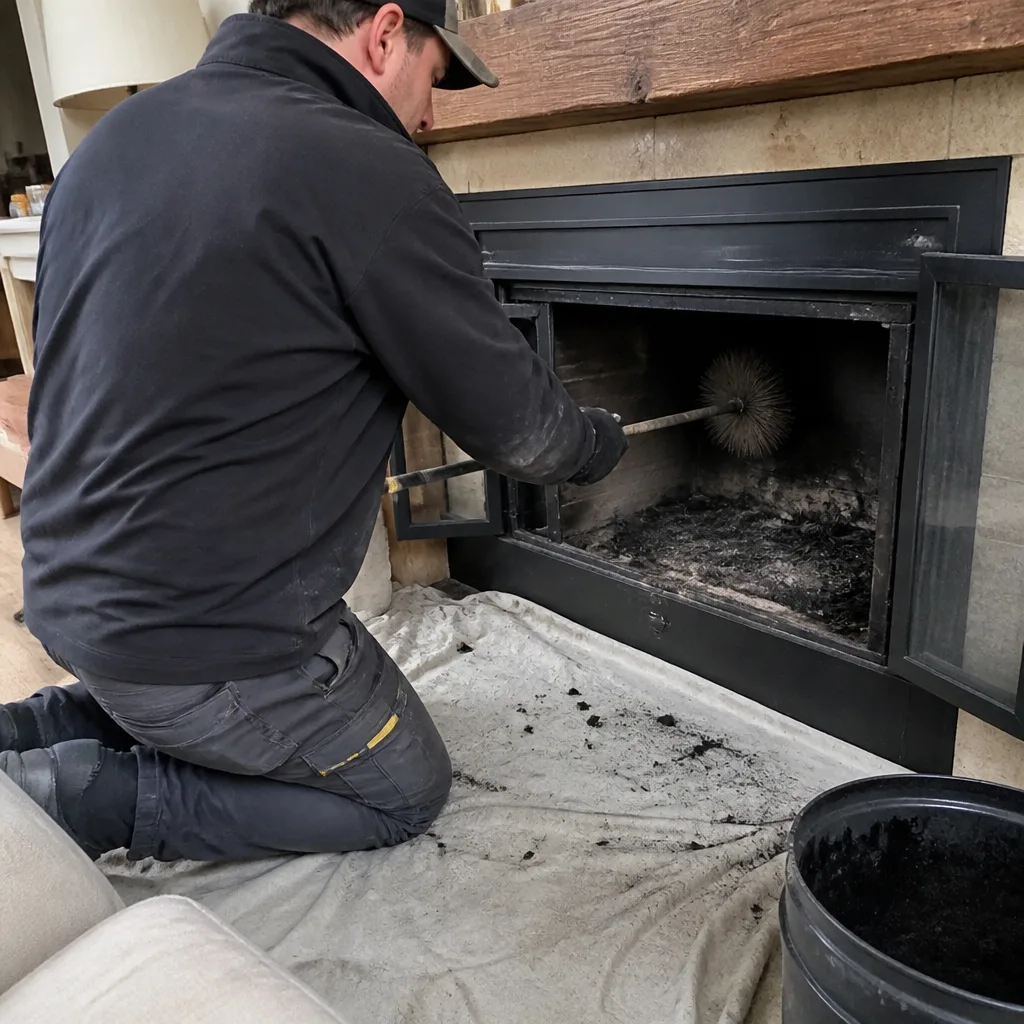
Mortar Repointing
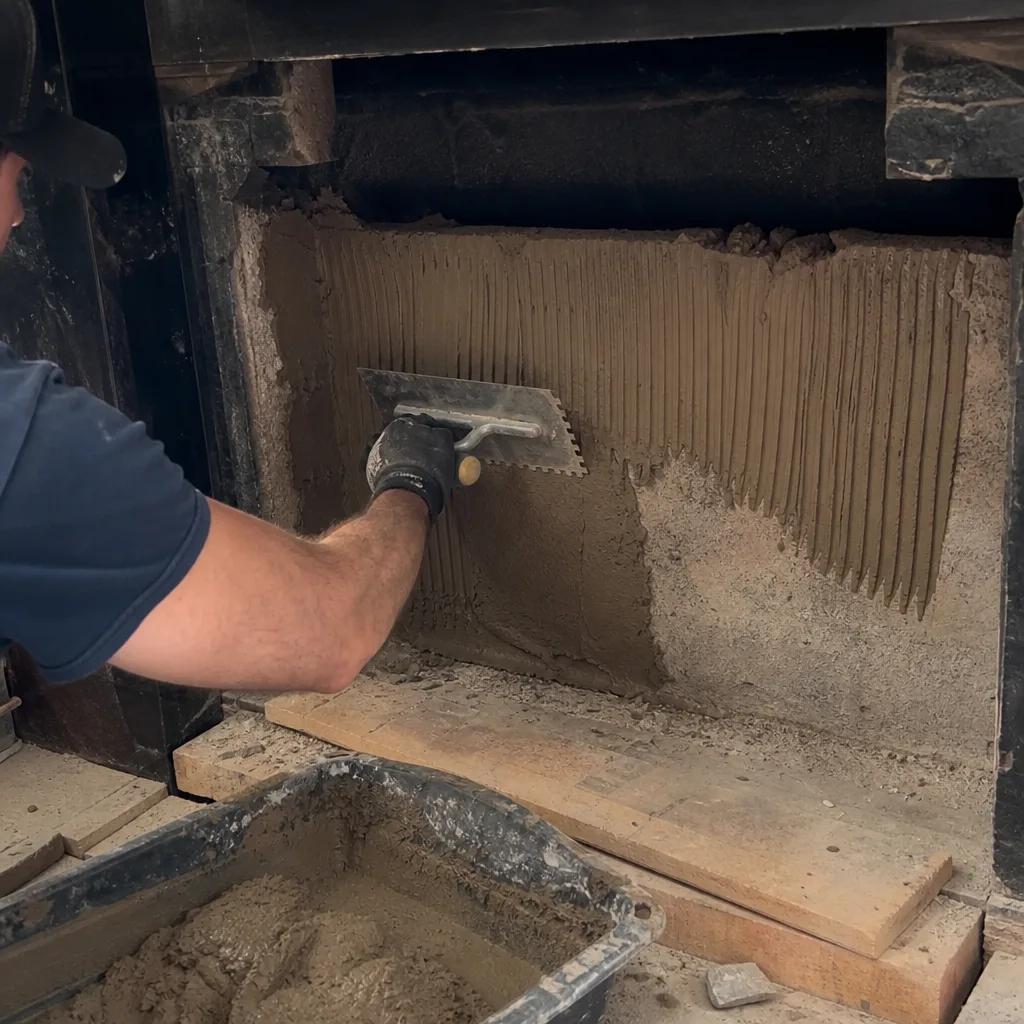
Mortar repointing in Denver runs $850-$2,200 for a typical single-flue chimney. We grind out deteriorated joints to a uniform depth, match the new mortar to your existing compressive strength and color profile, and tool the joints to shed water. In neighborhoods like Curtis Park and Potter-Lawson, where 1890s-1930s brick has endured a century of Front Range freeze-thaw cycling, repointing is often the difference between a sound chimney and a rebuild. We document the joint depth and bond pattern with photos before and after, under Haven Standard Clause 4.
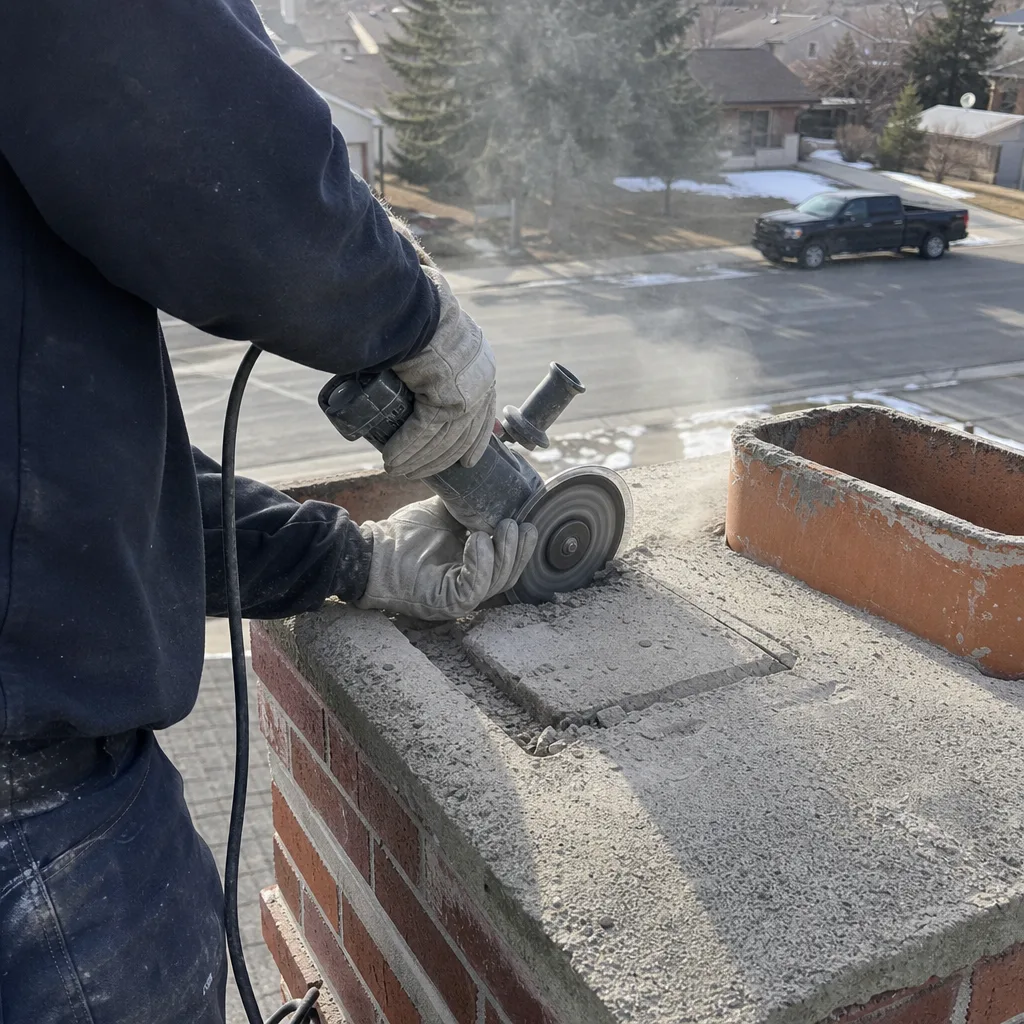
Spalling Brick Repair
Spalling brick repair in Denver costs $1,200-$3,800 depending on how many courses need replacement and whether the damage extends below the roofline. Denver’s violent temperature swings - a January week can swing from −10°F to 55°F - fracture brick faces and let moisture penetrate. We source matching brick through our Haven buying network, remove spalled units without disturbing adjacent sound masonry, and install with proper weep and drainage detail. On rural properties with wood-stove chimneys, spalling often concentrates above the roofline where the flue runs hottest and the brick cycles fastest.
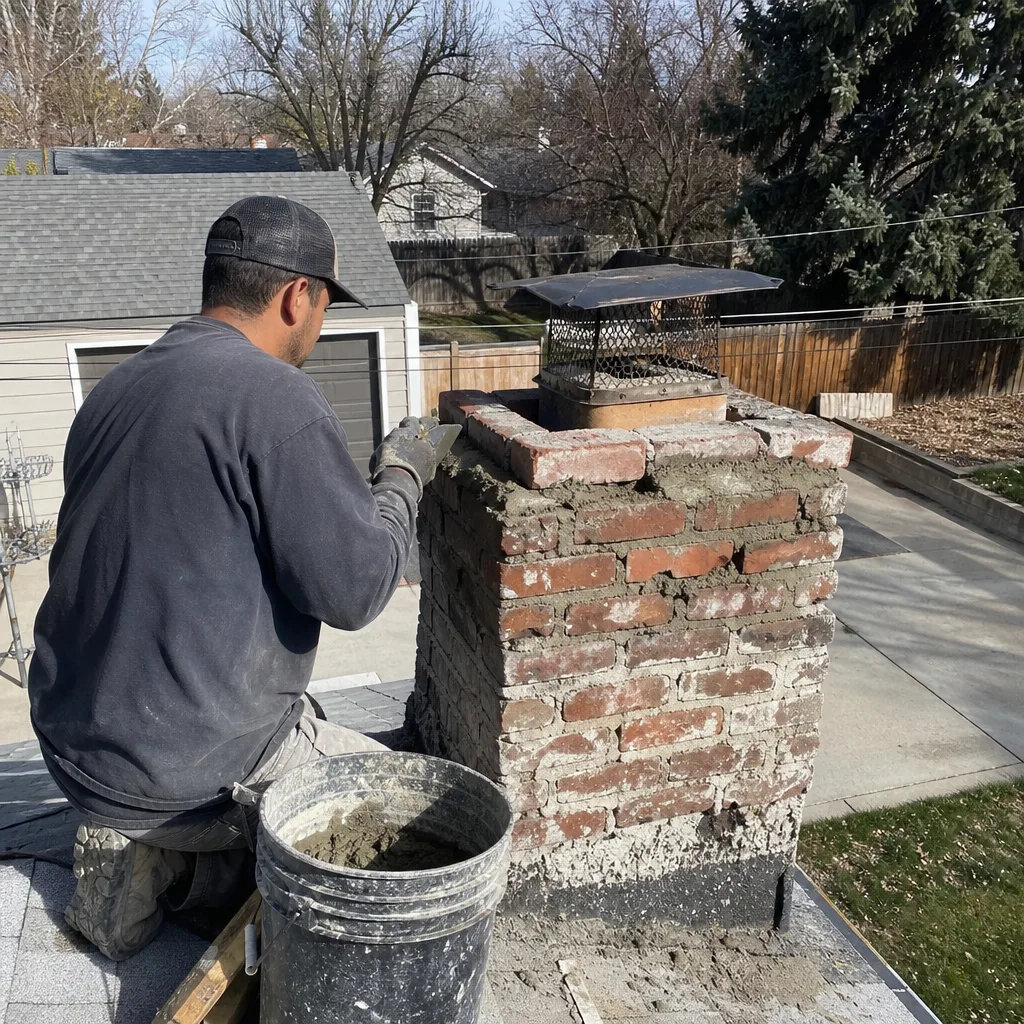
Chimney Waterproofing
Chimney waterproofing in Denver is $480-$1,100 for a standard application with vapor-permeable siloxane sealant. This matters more here than in most cities. Denver’s 57 inches of annual snowfall is wet and heavy, and chinook wind warm spells push that snowmelt into every hairline crack before the next hard freeze. We apply a breathable treatment that blocks liquid water while letting vapor escape - critical for chimneys that see heavy winter use and spring dormancy. Waterproofing buys time on sound masonry and is mandatory after repointing or spalling repair to protect the new work.
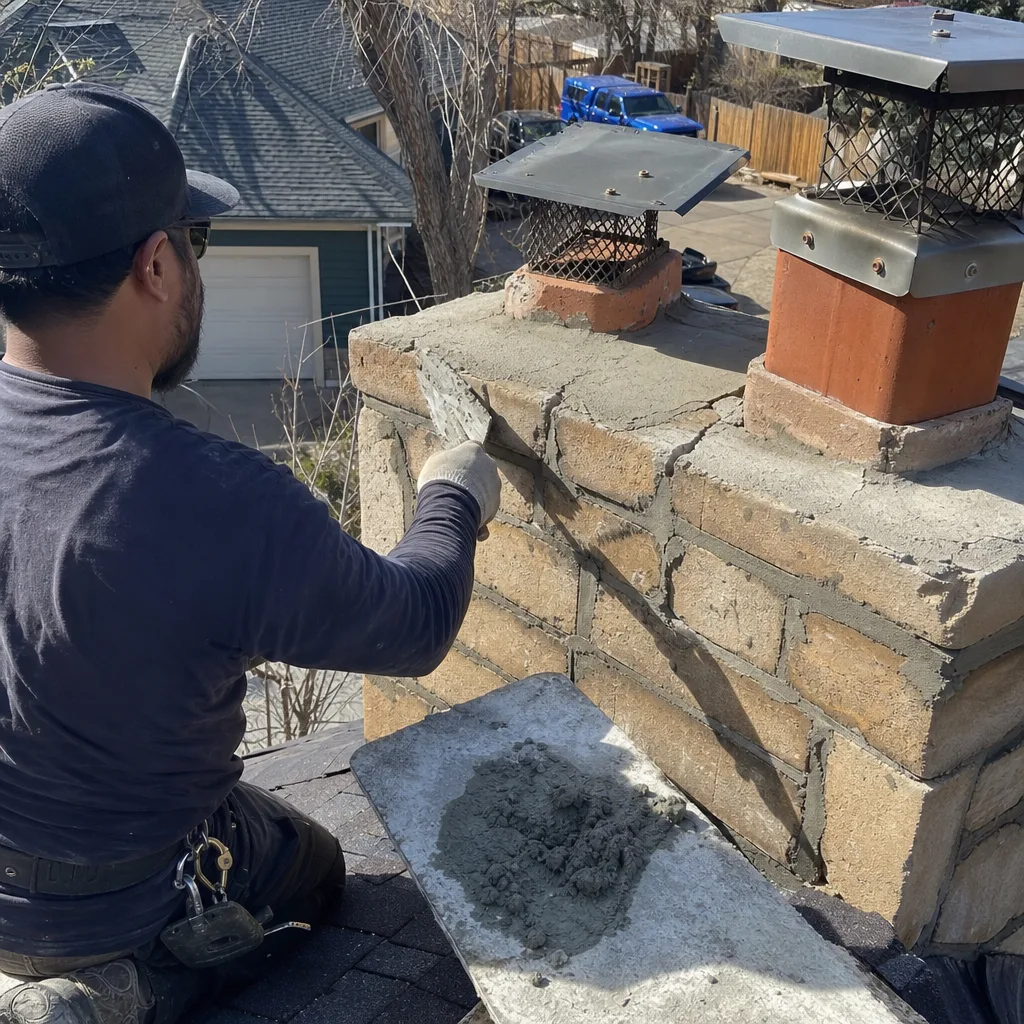
Chimney Rebuilding
Partial or full chimney rebuilding in Denver ranges $3,200-$8,500. We rebuild when repointing and brick replacement can’t restore structural integrity - typically on chimneys with multiple spalled courses, shifted or leaning stacks, or failed foundations. In Barnum and Westwood, where 1950s-70s ranch chimneys are now 50-70 years old, we’re seeing more full rebuilds as corbeled brick caps and mortar crowns finally give out. Every rebuild gets a new concrete crown with proper overhang and drip edge, and we document the flue liner condition with camera footage before we close.
Flashing Repair
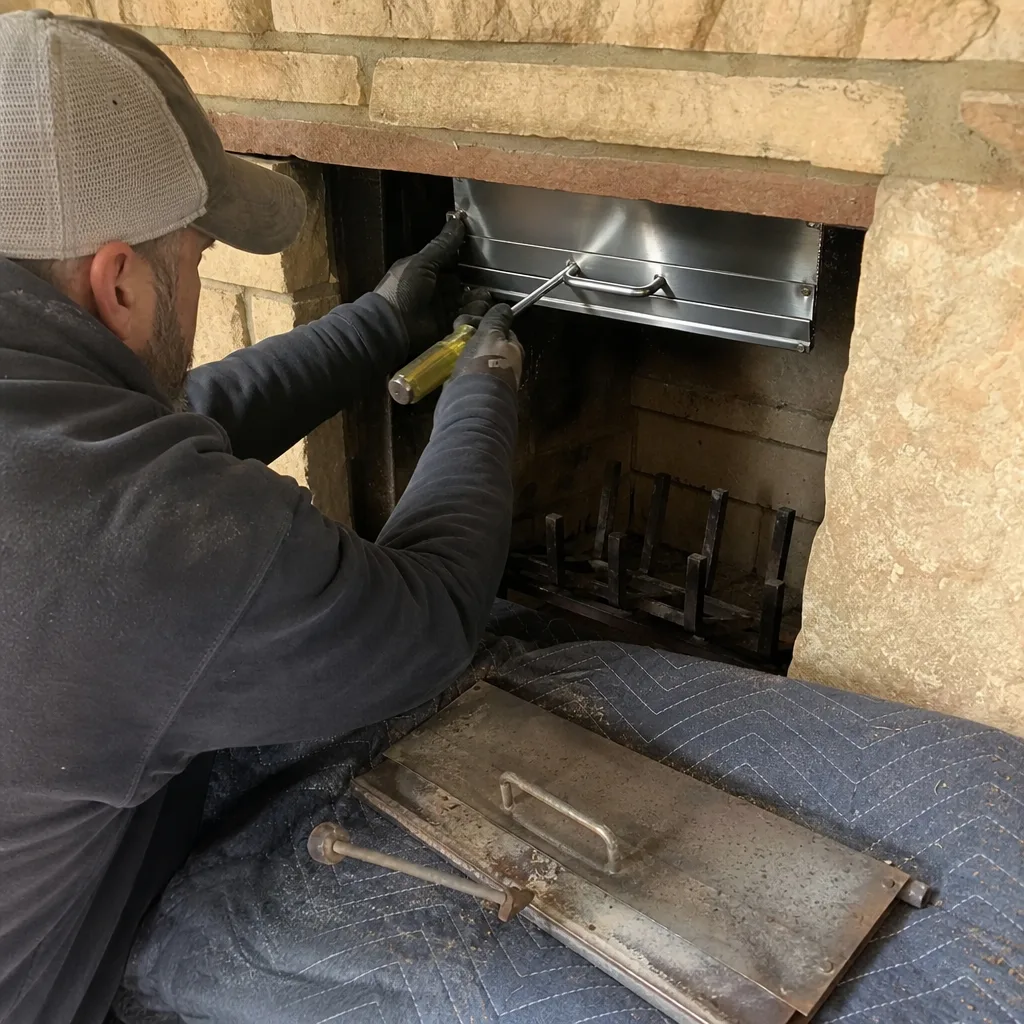
Flashing repair in Denver runs $350-$950 for standard chimney-to-roof intersection work. Rural properties with wood-stove thimbles penetrating older hand-framed roof decks are a specific local pattern we see: the thimble settles differently than the chimney stack, opening gaps in step flashing that standard caulk can’t fix. We fabricate custom flashing from matching material, integrate with your existing roof underlayment, and seal with high-temperature sealant rated for wood-stove exhaust temperatures.
What happens when you call
- 1
A real person answersNo phone trees - you reach a local pro.
- 2
You get an upfront price rangeHonest numbers before anyone is dispatched.
- 3
A background-checked tech heads outLicensed & insured, dispatched right away.
- 4
You approve before work beginsNothing starts until you say go.
 Before
 After
AfterTrusted Brands We Service in Denver
We stock DuraFlex stainless steel liners, HeatShield resurfacing compound for cracked flue tiles, and Gelco chimney caps on every Denver truck. Materials come through the Haven buying network, sourced from Olympia Chimney and other suppliers specifically to keep customer prices honest. For rural wood-stove installations, we carry DuraFlex’s heavy-wall insulated liner for proper draft at altitude. HeatShield’s rotary chain system is what we use to grind third-degree glazed creosote back to bare tile - the only method that works when a standard brush won’t touch the deposit. Most parts are on the truck, so we’re not ordering and returning.
Common Chimney Repair Problems We See in Denver Homes
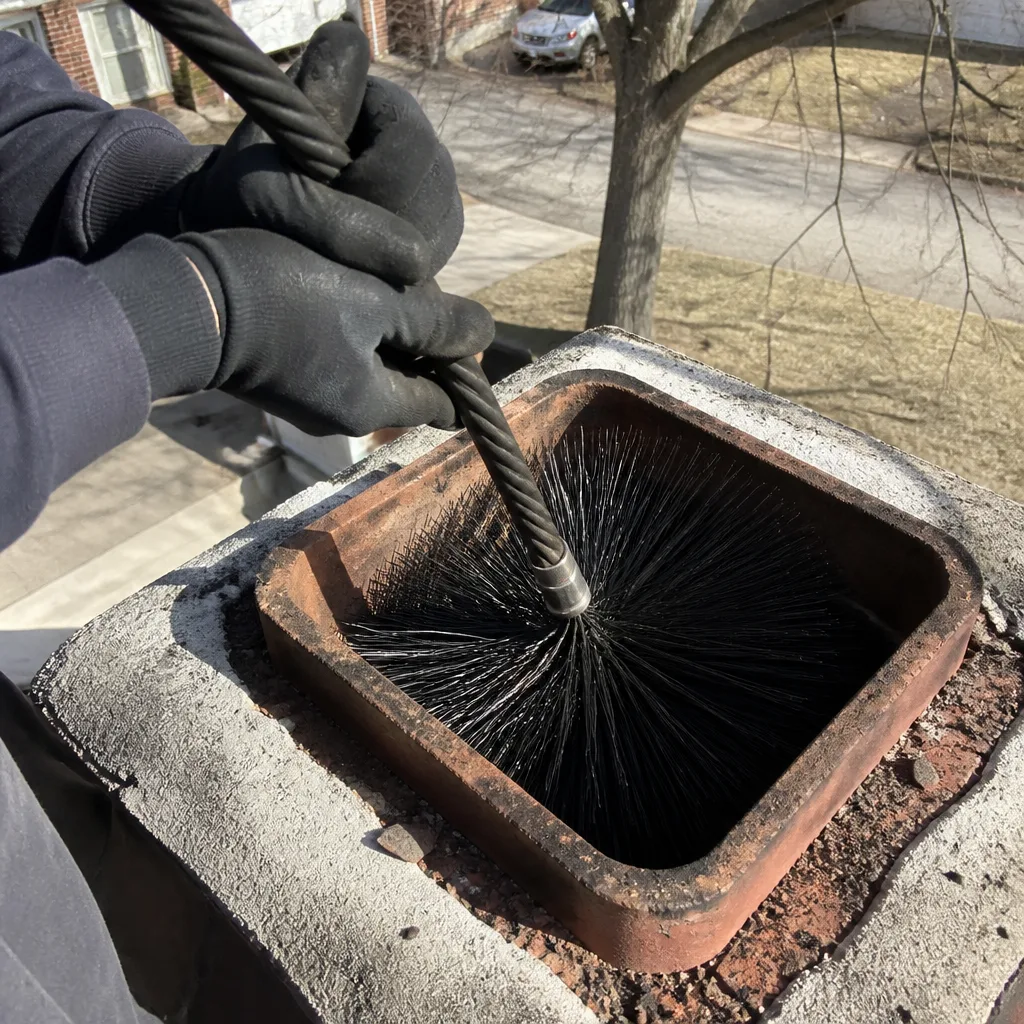
- Third-degree glazed creosote fused into flue tile. Because Denver sits at 5,280 feet, every wood fire burns with roughly 17% less oxygen than at sea level, so a rural stove or fireplace along the Front Range foothills deposits measurably more creosote per cord than the same appliance would in a low-elevation city. The CDPHE’s Red/Green no-burn program intensifies this: fireplaces sit cold during curtailment, then burn heavily on every permitted Green day, creating hardened glaze that a standard brush cannot remove.
- Spalling brick and fractured mortar crowns from freeze-thaw cycling. Denver’s Front Range position produces temperature swings that fracture mortar joints and spall brick far faster than in stable climates. Wet, heavy snow accumulates on crowns, chinook warm spells push meltwater into hairline cracks, and the next hard freeze expands that water into spalled faces and failed joints.
- Cracked or unlined clay-tile flue liners in pre-1940s construction. Capitol Hill, Baker, Highlands, Curtis Park, and Potter-Lawson are packed with Victorians and Craftsman bungalows, many still fitted with original unlined brick flues or cracked clay-tile liners that predate modern NFPA 211 clearance requirements. Heavy wood-stove use in rural properties accelerates their failure.
- Failed flashing at wood-stove thimble penetrations. Common on rural properties where the chimney meets an older, hand-framed roof deck. The thimble and chimney settle at different rates, opening gaps that standard flashing detail doesn’t address.
Our tech drove out past the foothills toward Conifer, where the homeowner heats almost entirely with a wood stove and had gone two winters without a sweep. We pulled the baffle, found the flue liner packed with third-degree glazed creosote that a standard brush couldn’t touch, and used HeatShield’s rotary chains to grind the glaze back to bare tile before we could even assess the mortar joints. Then we repointed the crown, which had spalled from years of wet Front Range snow and chinook thaw cycles, and reset the damper so the stove could draft properly again.
Pricing for Chimney Repair in Denver, CO
| Service | Typical Range in Denver |
|---|---|
| Mortar Repointing | $850 - $2,200 |
| Spalling Brick Repair | $1,200 - $3,800 |
| Chimney Waterproofing | $480 - $1,100 |
| Flashing Repair | $350 - $950 |
| Chimney Rebuilding (partial or full) | $3,200 - $8,500 |
| Flue Liner Resurfacing (HeatShield) | $2,400 - $4,800 |
These are the ranges we quote in writing before work starts. What moves a job within the range: height and access (steep roof, tight alley), extent of damage found on camera inspection, and whether matching brick or specialty liner size is needed. We don’t start work until you have the written price, the written scope, and the written warranty - Haven Standard Clause 1. Free Second Opinion on any competitor’s written estimate. Call (720) 674-7312.
We Also Serve Cities Near Denver
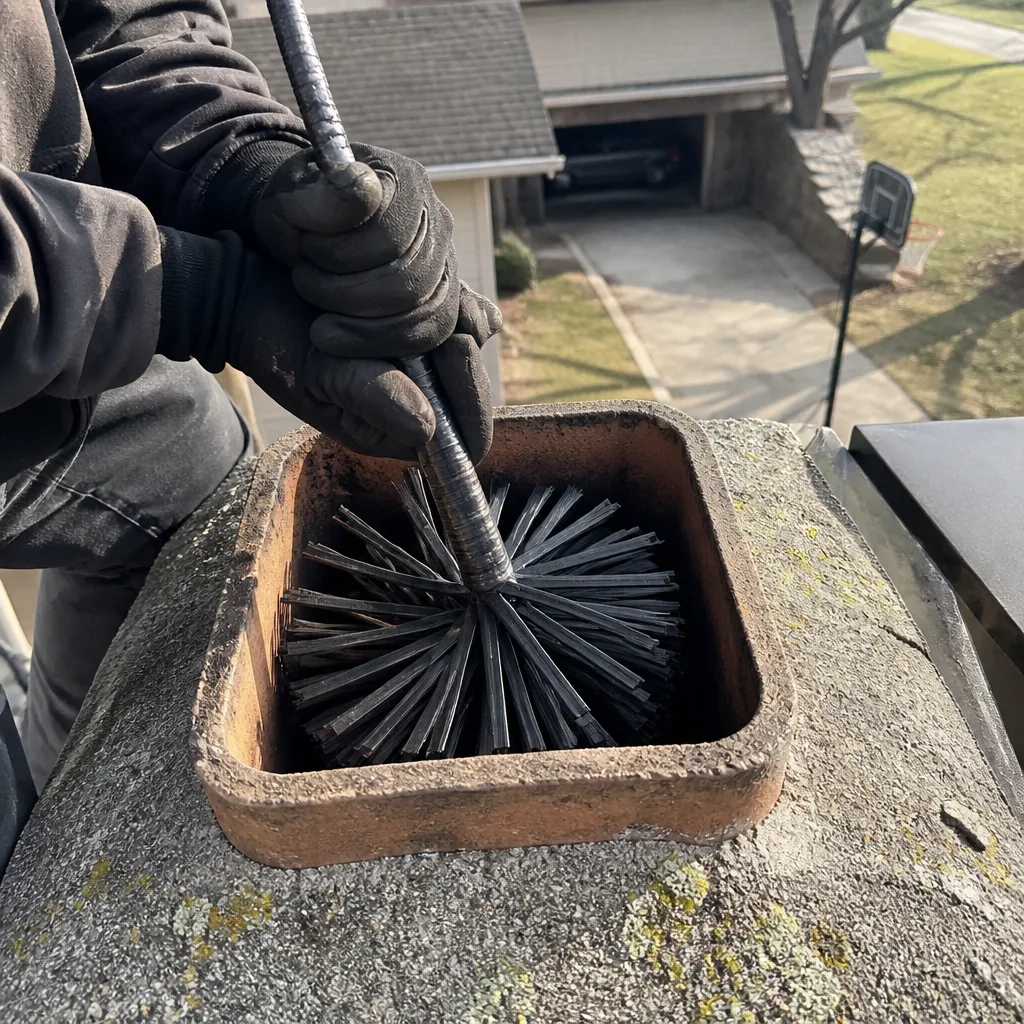
Our Denver crews regularly work in Aurora, Englewood, Thornton, and Littleton. The same trucks, the same stocked parts, the same written-price-first standard. Rural properties in all directions - whether you’re in the foothills past Conifer or the older suburbs - get the same camera inspection and documented record.
Serving Denver, CO - Our Local Coverage Area
We’re based in the Denver area and know this community well. Use the map below to see our service coverage - if you’re nearby, we can almost certainly help.
FAQs - Chimney Repair in Denver
Every 50-60 burns, or roughly twice per heating season if you’re burning daily. Because Denver sits at 5,280 feet with 17% less oxygen than sea level, your stove deposits more creosote per cord than the same appliance would at low elevation. The CDPHE’s Red/Green curtailment program makes this worse: intense burning on permitted days followed by cold dormancy creates glazed creosote that annual sweeping misses. We recommend a mid-season inspection for primary-heat wood stoves in the foothills. Call (720) 674-7312 to schedule - estimates are free.
Third-degree creosote is a hardened, glazed tar-like deposit fused to the flue liner, and it shows up frequently in Denver because altitude-driven incomplete combustion produces more of it, while the city’s burn/dormancy cycles let it harden into glaze. A standard wire brush won’t remove it. We use HeatShield’s rotary chain system to grind it back to bare tile, then assess the liner condition underneath. If you’re burning wood above 5,000 feet on a stop-start schedule dictated by air-quality alerts, you’re likely forming this deposit faster than you think. Camera inspection confirms it.
Yes. Denver’s freeze-thaw cycling is extreme: a single January week can swing from −10°F to 55°F, and 57 inches of wet, heavy snow sits on crowns before chinook warm spells push meltwater into every crack. That water expands on the next freeze, spalling brick faces and fracturing mortar joints from the top down. Waterproofing after repair is essential here - more so than in climatically stable cities. We document crown condition with photos before quoting, under Haven Standard Clause 4.
Yes. Moisture intrusion, freeze-thaw damage, and animal nesting happen whether you burned or not. In Denver, prolonged dormancy can actually accelerate crown and mortar deterioration - wet snow sits on cold, unused masonry without the drying effect of flue heat. A Level 2 camera inspection shows you the condition without guesswork. We find significant damage on roughly one in three “we didn’t burn” inspections in the metro. The inspection includes a written report with photos, and we only recommend work you can see for yourself on the camera footage.
Altitude, chimney height relative to roof peak, and creosote obstruction are the three main causes. At 5,280 feet, air pressure is lower and draft is inherently weaker than at sea level. Add a flue partially blocked with third-degree creosote, or a damper rusted in place from condensation during curtailment dormancy, and the stove smokes into the room on light-up. We measure draft pressure, run the camera to find obstructions, and check damper operation - then give you a written fix with the price before starting. Call (720) 674-7312 for an exact quote.
Ready to see what your chimney actually needs? Call (720) 674-7312. We’ll answer live, book a camera inspection, and give you a written price before any work starts. Free Second Opinion on any competitor’s written estimate.
Written by Corrine Halstead, Owner at Level Two Chimney Co., serving Denver and the Front Range since 2009.