
Level 1 sweep and inspection to the NFPA 211 annual standard - flue, crown, cap, and flashing checked and photographed
Chimney sweep logs do not sweep chimneys. They loosen some creosote - which then falls where a brush and vacuum still have to collect it.
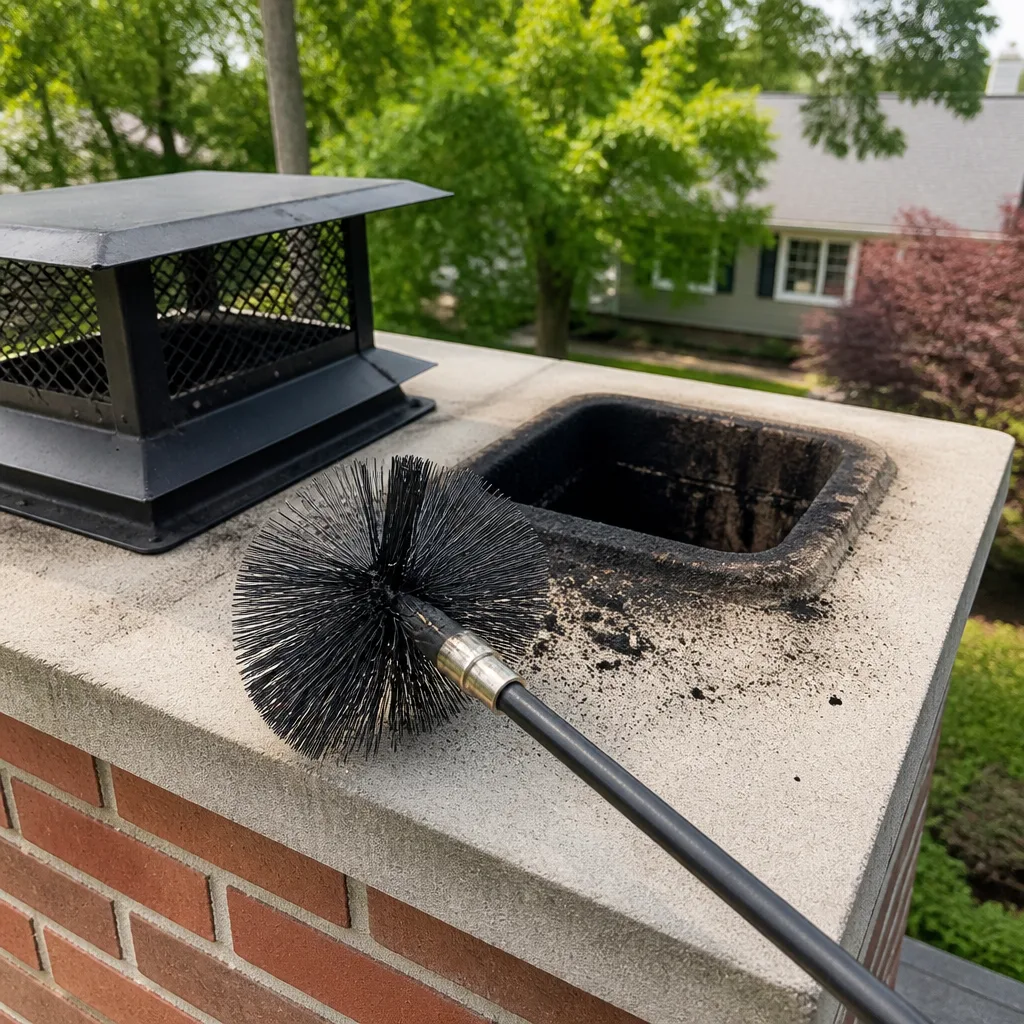
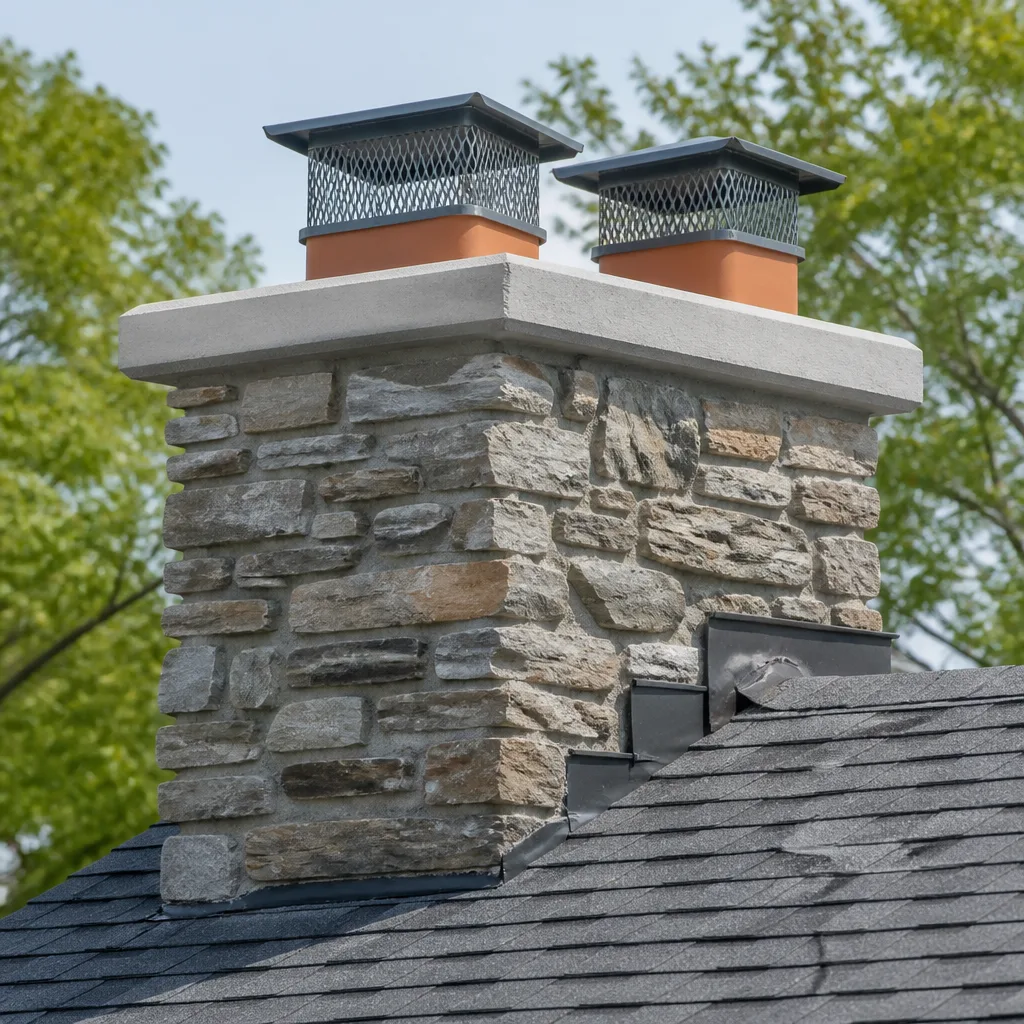
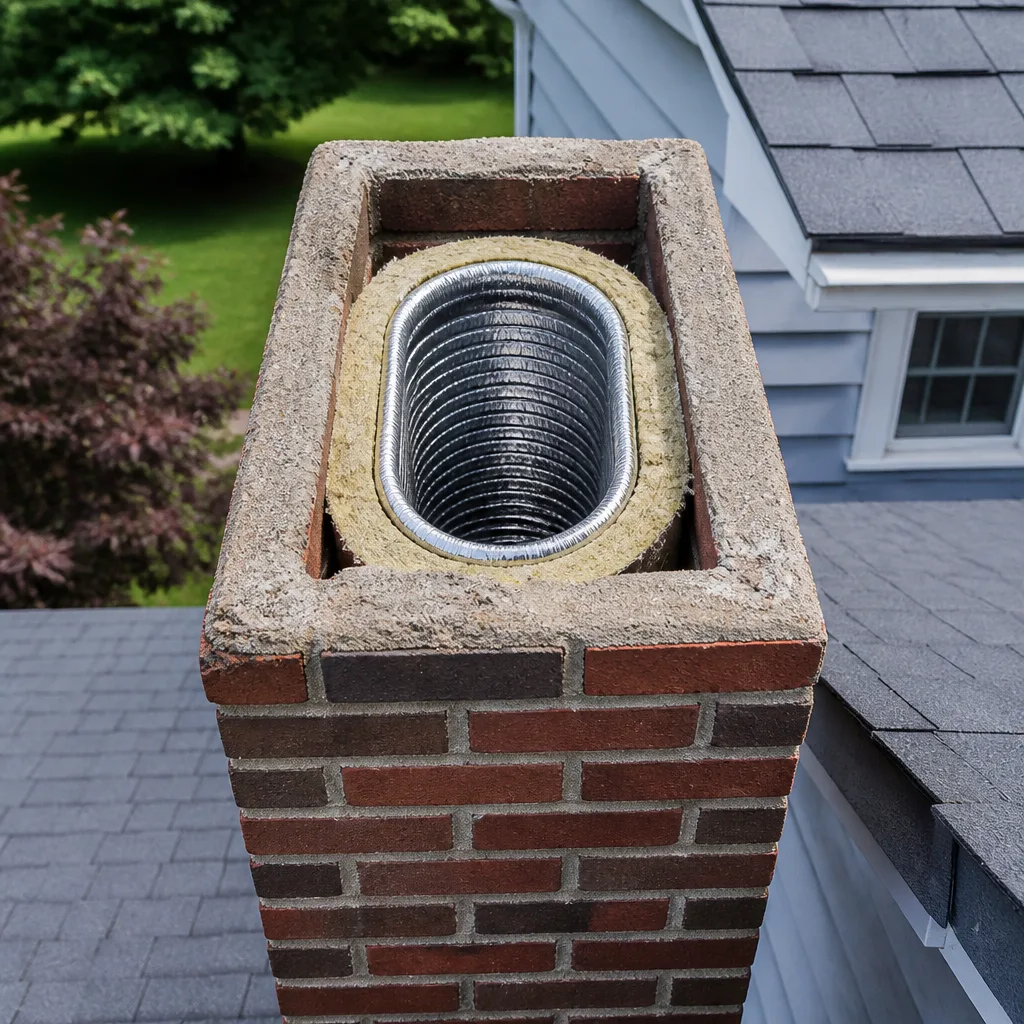
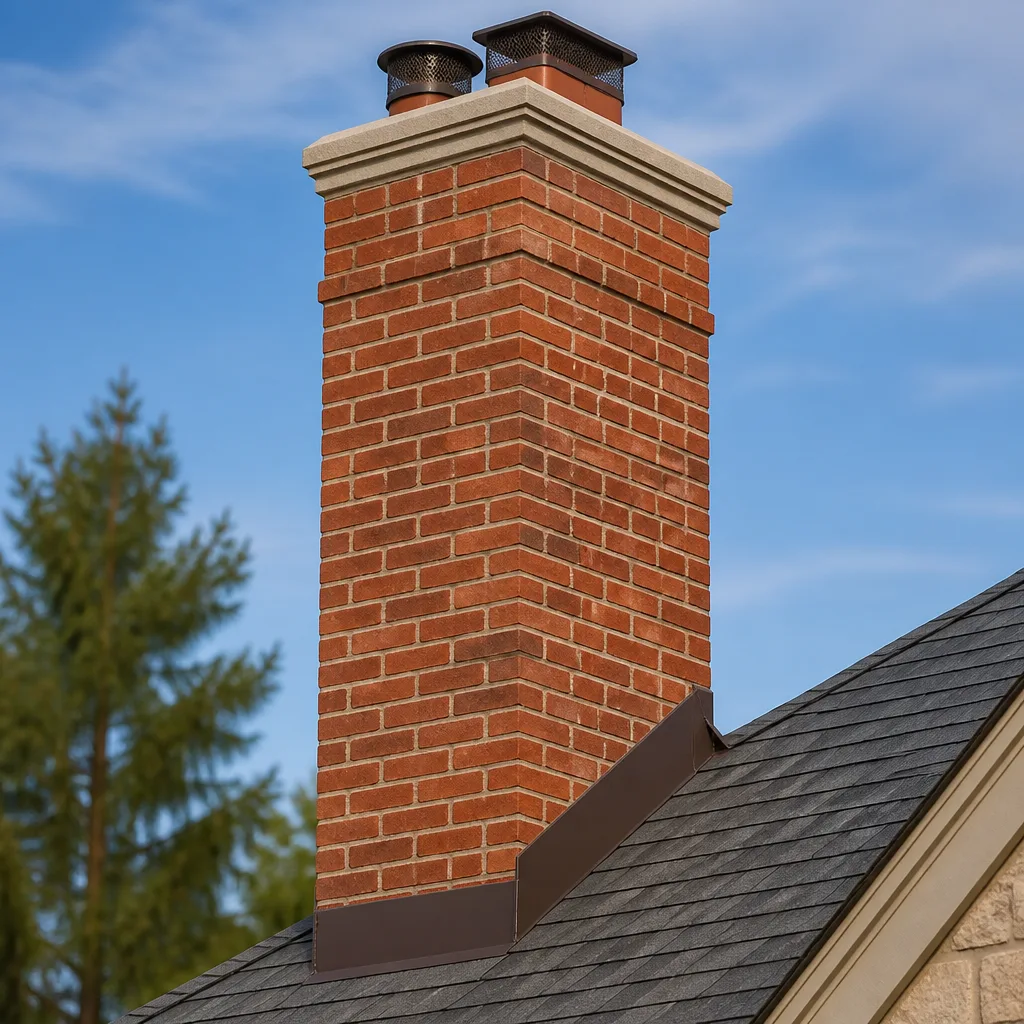
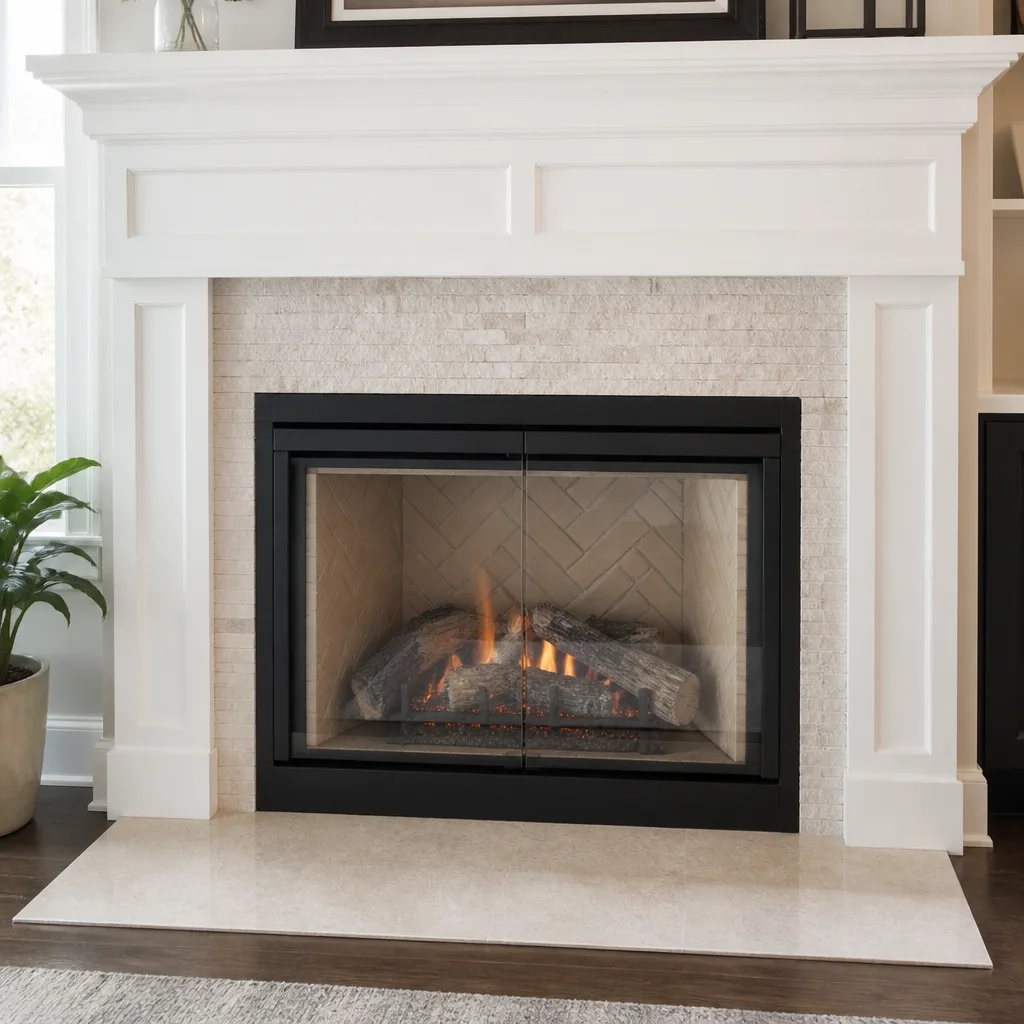
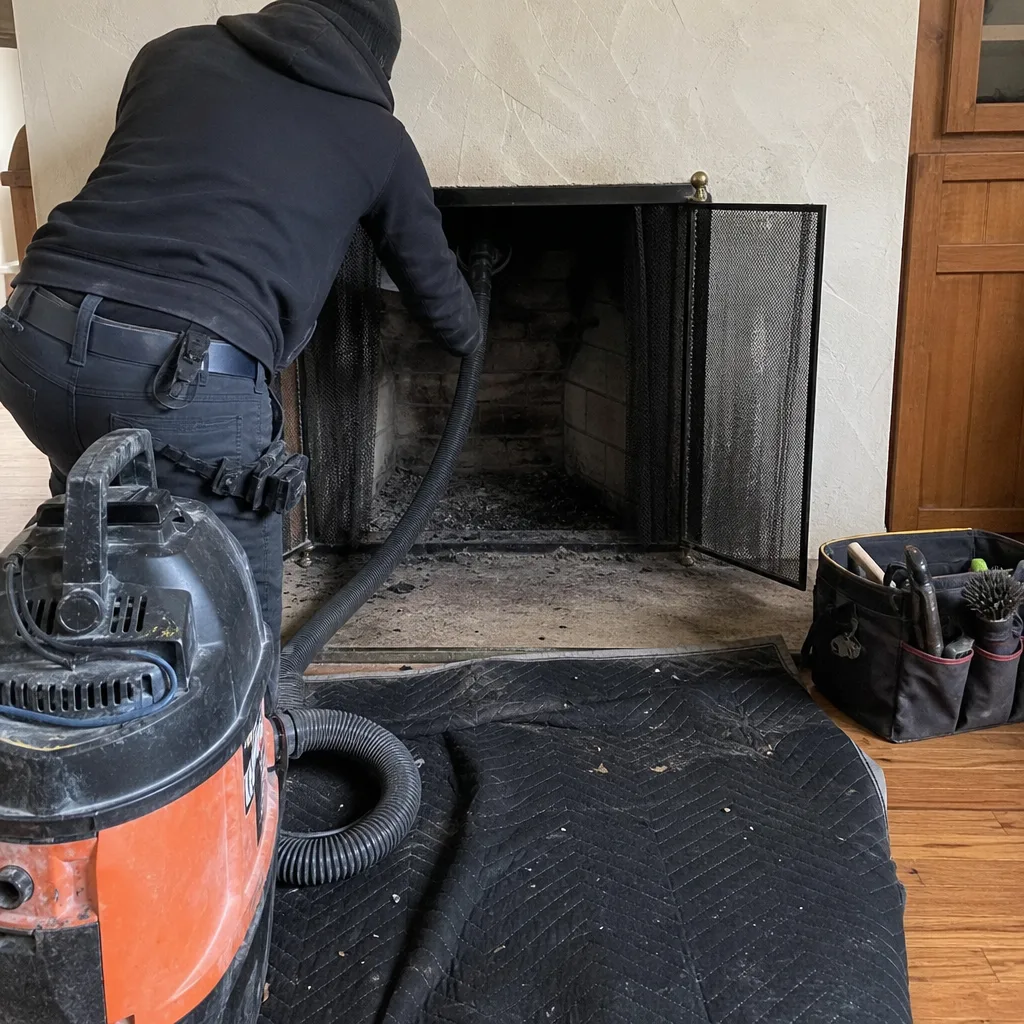 Before
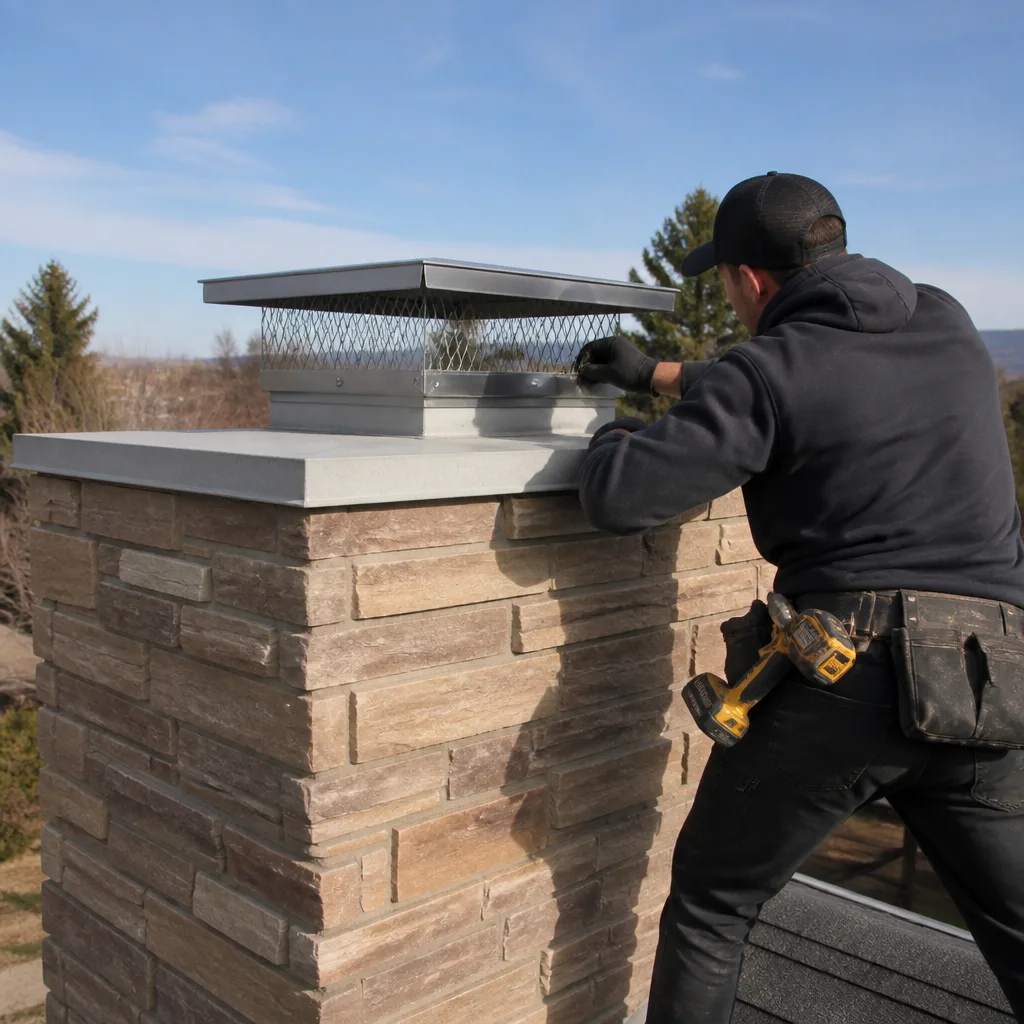 After
After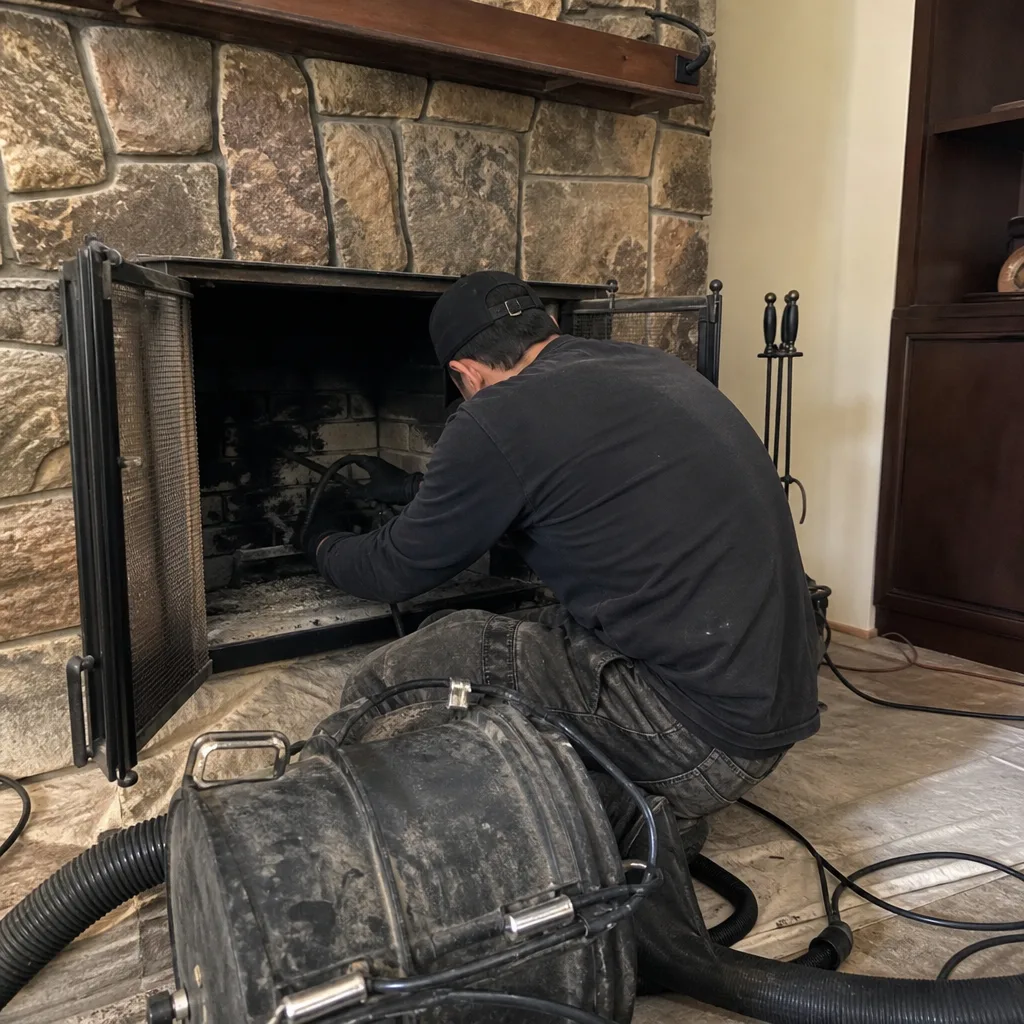 Before
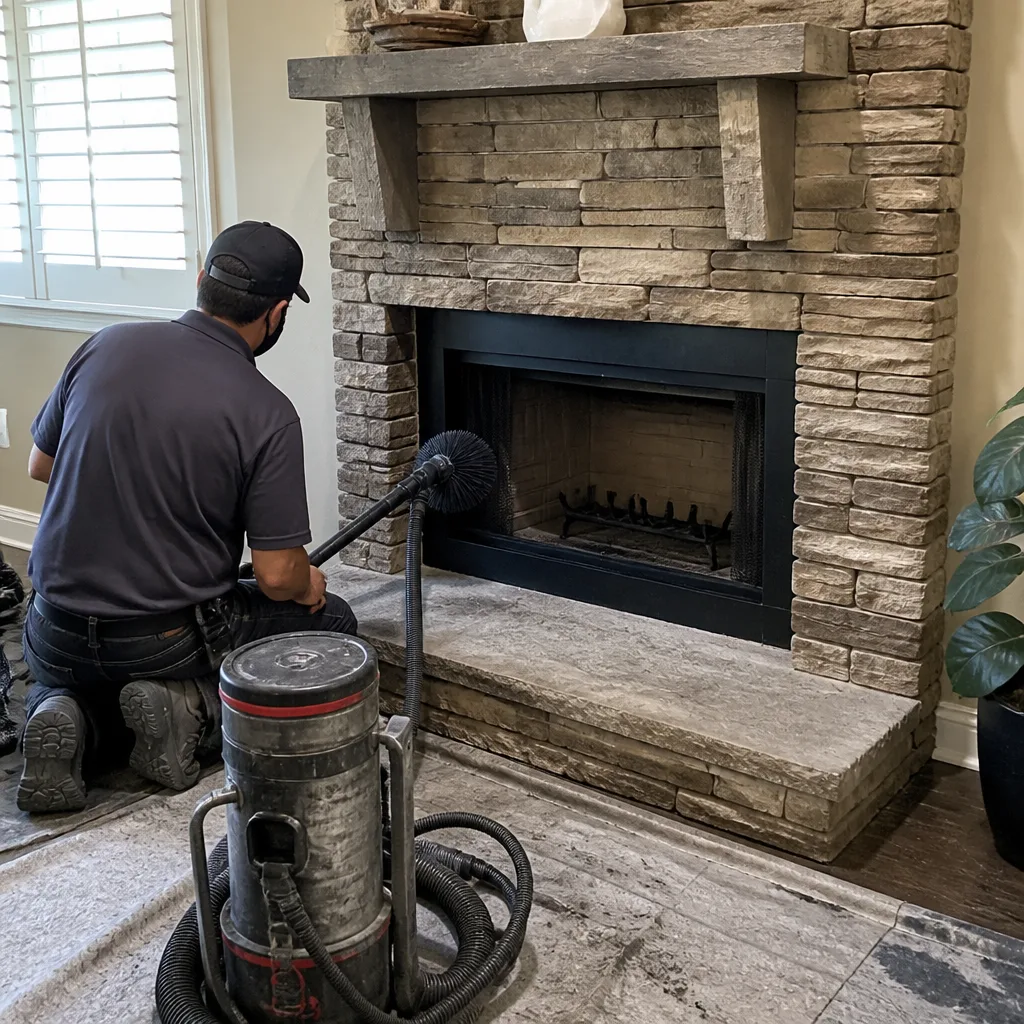 After
After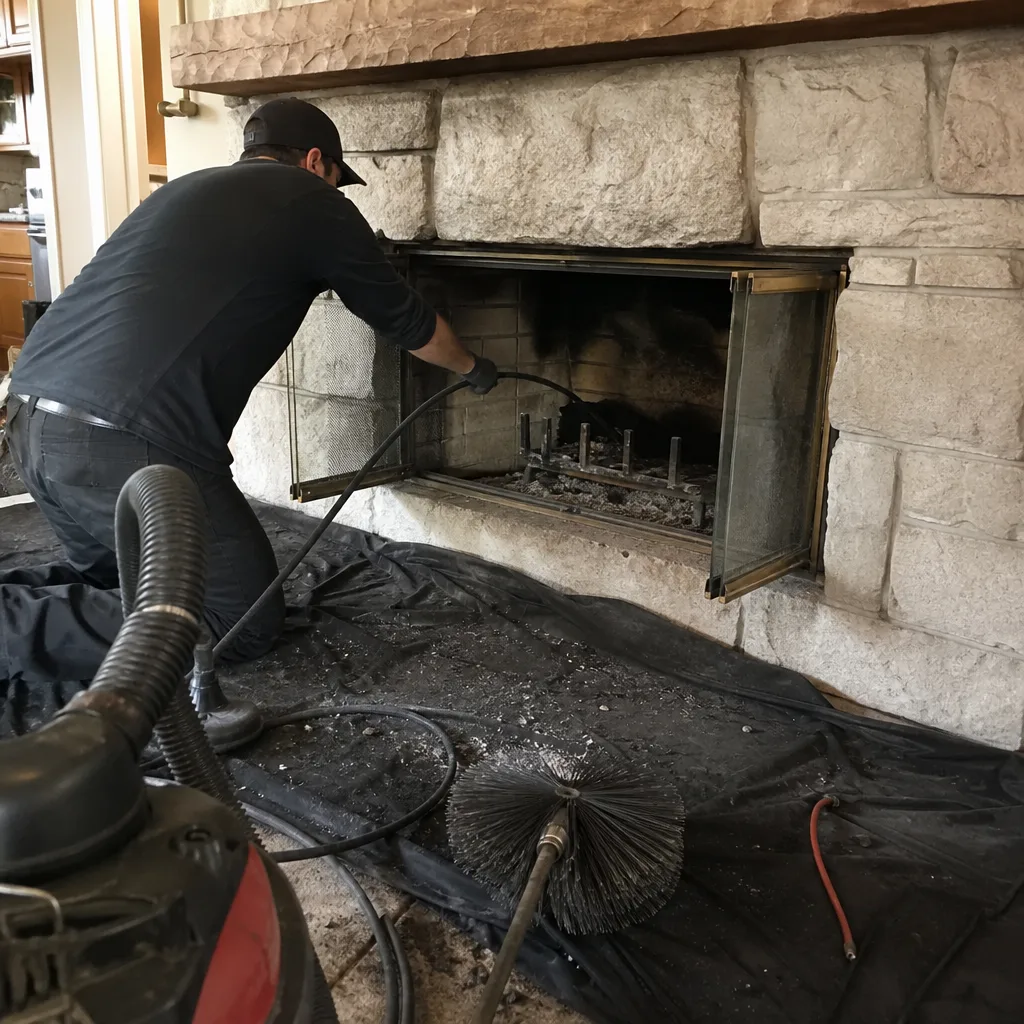 Before
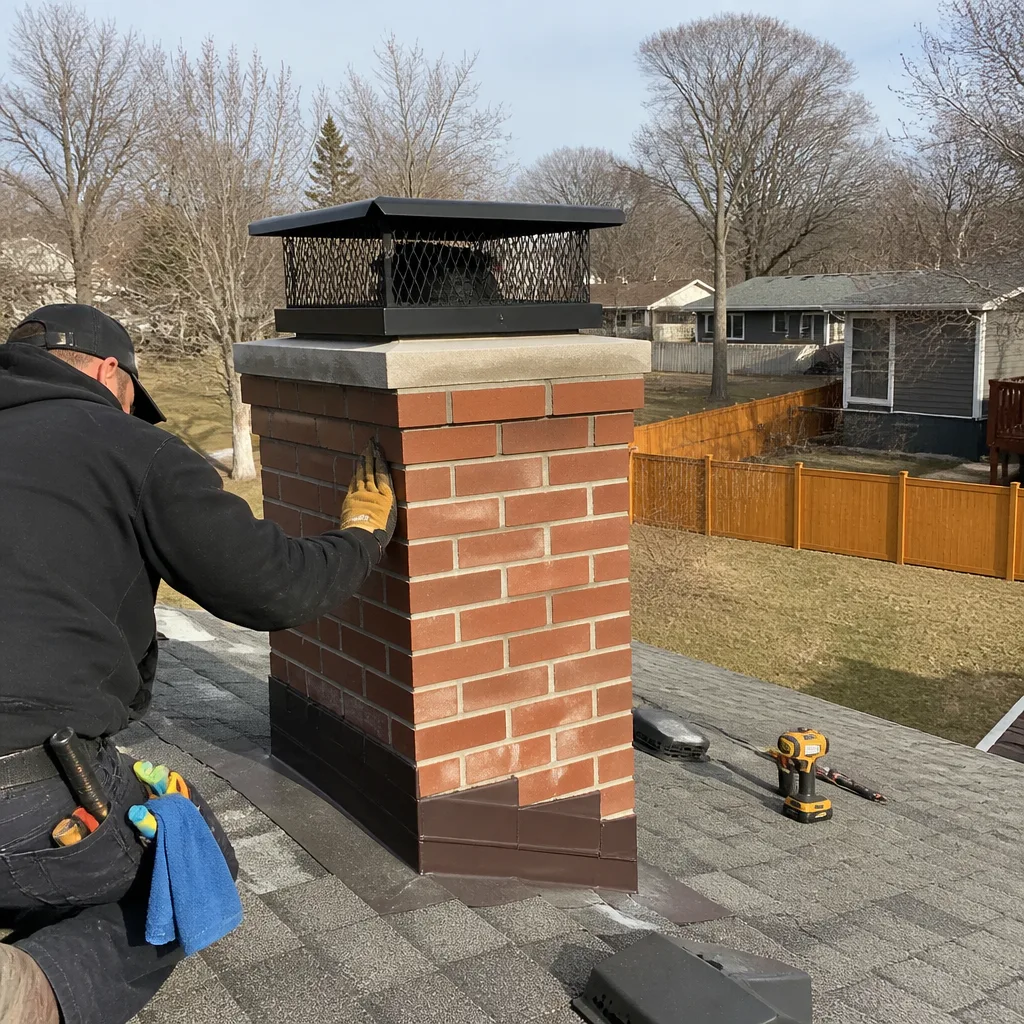 After
AfterCreosote Removal in Denver, CO
Creosote removal is the process of clearing hardened, flammable carbon deposits from your flue liner and smoke chamber – deposits that form every time wood burns and are the leading cause of chimney fires in Denver homes. A trained sweep classifies the buildup (Class I, II, or III), uses rotary tools, chemical treatments, or both, and documents the before-and-after with camera footage. Level Two Chimney Denver has handled creosote at every stage of severity since 2009, across more than 38,000 Chimney Cleaning & Sweep services and inspections, and every visit starts with a written price before anyone touches a brush.
If you’re burning wood in a Denver fireplace or wood stove – even occasionally – creosote is building up. The only question is how much, and what class it’s reached. Our technicians find that answer with a camera-scan inspection on every visit, not a flashlight and a guess. Call us at (720) 674-7312 any time; a live person answers 24 hours a day, 7 days a week.
Creosote removal is a core part of what we do under our Chimney Cleaning & Sweep in Denver service. If you want the full picture of what a cleaning visit covers, that page has it. This page focuses on creosote specifically: what it is, when you need it removed, what we do, and what it costs in Denver.
Why Denver Chimneys Build Creosote Faster Than Average
Denver sits at 5,280 feet, and altitude matters here. Wood combustion is less complete at elevation because there’s less oxygen per cubic foot of air. That means more unburned particulates travel up your flue, condense on cooler liner walls, and harden into creosote. Homeowners in Washington Park, Park Hill, and Highlands who burn through two or three cords a winter are often surprised to find Class II glaze forming inside a single season.
Add to that the temperature swings Denver sees from October through March – days in the 50s followed by overnight lows below 20 – and you get frequent cold-start fires. Cold starts push smoke through a still-cold flue, and cold flue walls are where creosote sticks fastest. We see it consistently in older homes in Berkeley and Sloan’s Lake, where original clay tile liners run on exterior walls with minimal insulation around them. Cold exterior walls, cold liner surface, heavy creosote accumulation. It’s a predictable pattern.
Green or unseasoned wood accelerates the problem significantly. With Denver’s dry climate, wood sold locally often looks dry on the outside but retains core moisture. Burning it produces far more smoke at lower temperatures, which translates directly into faster creosote buildup.
The Three Classes of Creosote – and Why the Class Determines the Method
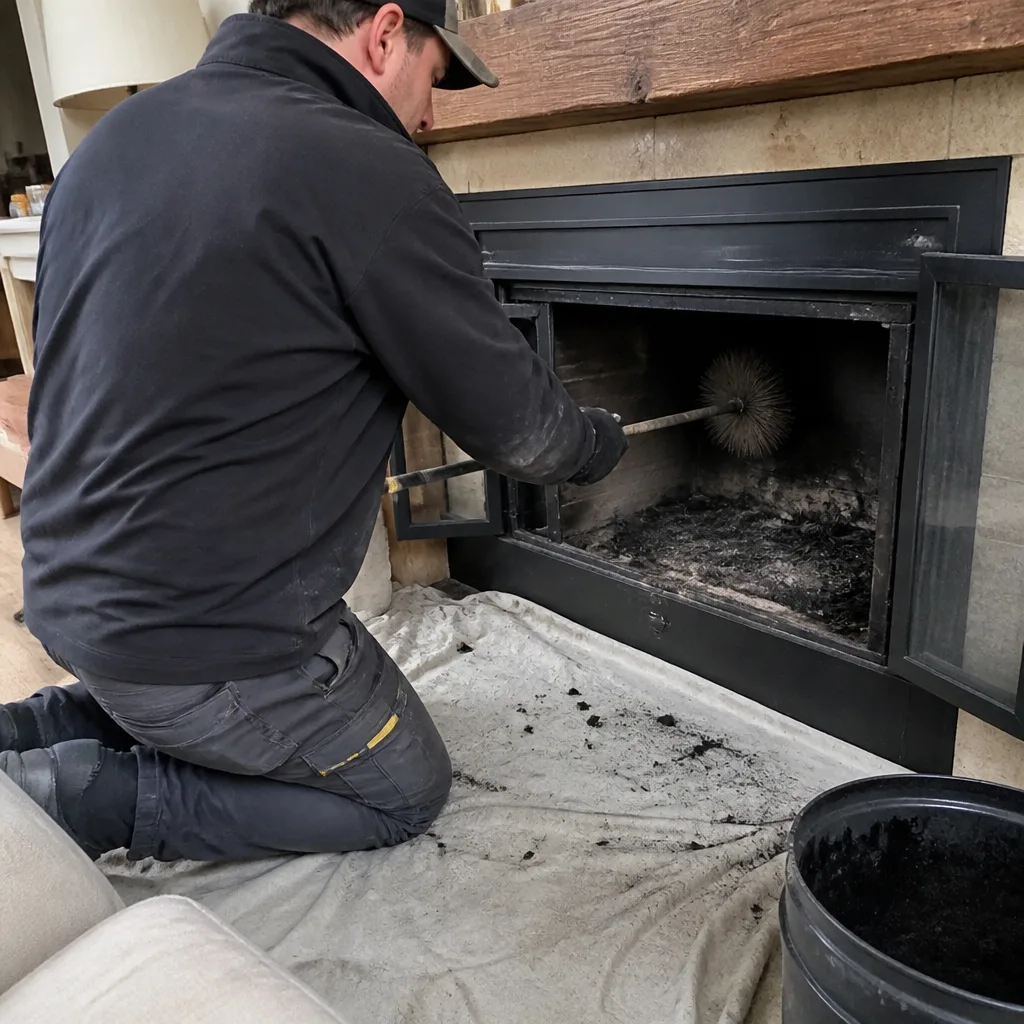
Class I creosote is the dusty, flaky residue that brushes out during a standard cleaning. It’s the deposit you want to see, and it’s what you get when you burn dry, seasoned hardwood with good airflow and a properly sized flue. Standard rotary brushing removes it without any additional treatment.
Class II creosote is a tar-like, crunchy glaze. It’s harder, sticks more aggressively to the liner surface, and standard brushing won’t clear it completely. We use rotary systems designed for glaze – specifically equipment that delivers high-speed mechanical abrasion along the full liner length – combined with chemical loosening agents applied during the process. In Denver homes where the firebox sees heavy use between November and February, Class II is the most common finding.
Class III creosote is concentrated, hardened tar – sometimes dripping, sometimes rock-hard, almost always the result of years of Class II being left in place. This is the stage that catches fire inside the flue and burns at temperatures that can exceed 2,000°F, hot enough to crack clay tile liners and ignite adjacent framing. Class III requires a multi-stage chemical treatment protocol over several visits before mechanical clearing is safe, and in many cases, the liner underneath needs a Level 2 Inspection with a camera before we know the full scope. This is not a DIY situation. High-temperature combustion deposits, chemical solvents, and damaged liner materials are a combination that requires trained hands and proper equipment – we’ll always say that plainly.
 Before
 After
AfterWhen You Need Creosote Removal
- You smell a tar or asphalt odor near the fireplace, especially in warm weather. When Denver heats up in June and July, creosote deposits release volatile compounds that back-draft into the living space. That smell is not normal and it doesn’t go away on its own.
- You see dark, oily staining on the firebox walls or damper. This is often Class II glaze migrating down from the flue – a sign the deposit is heavy enough to drip when the fire burns hot.
- Your fires produce noticeably more smoke than they used to. Creosote narrows the effective diameter of the flue, reducing draft. If your fireplace is smokier than last season, restricted airflow from buildup is one of the first things to check.
- You haven’t had the flue inspected or cleaned in more than 12 months of active use. The NFPA 211 standard recommends annual inspection. In Denver’s high-altitude, cold-start conditions, that’s the right interval even for moderate users.
- You hear a crackling or roaring sound coming from the chimney during a fire. This is what a chimney fire sounds like. If you hear it, extinguish the fire, close the damper, and call us. Do not use the fireplace again until a Level 2 camera inspection has confirmed liner integrity.
- You bought a home with a wood-burning fireplace and don’t have documentation of the last cleaning. A significant share of the inspection calls we get in Capitol Hill and Congress Park come from buyers who inherited a fireplace with unknown history. The camera tells us the truth quickly.
Our Creosote Removal Process
- Written scope and price before we start. When we schedule and when we arrive, you get a written price and written scope of work – before anything else happens. That’s Haven Standard Clause 1 (H.A.V.E.N.: “Have it in writing”), and it’s not optional. You know exactly what we’re doing and what it costs before we open a single tool bag.
- NFPA 211 Level 2 camera-scan inspection. The camera goes down the flue first. We’re looking at liner condition, the smoke chamber, the smoke shelf, the damper, and the firebox. This tells us the creosote class, whether there’s any liner damage underneath the deposit, and what tools the job actually requires. We’ve run this protocol on every visit since 2009; it’s Clause 4 of the Haven Standard and the reason we can document conditions accurately instead of estimating from a flashlight look from below.
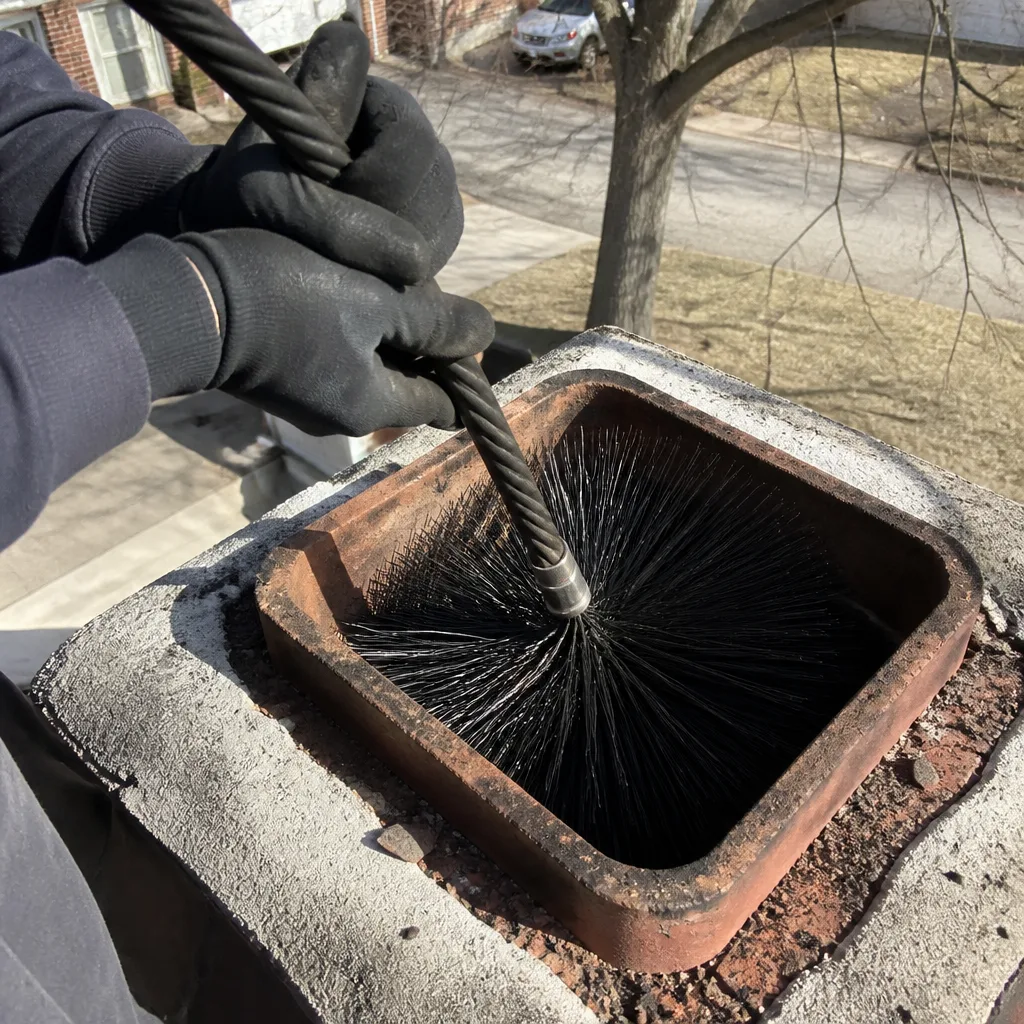
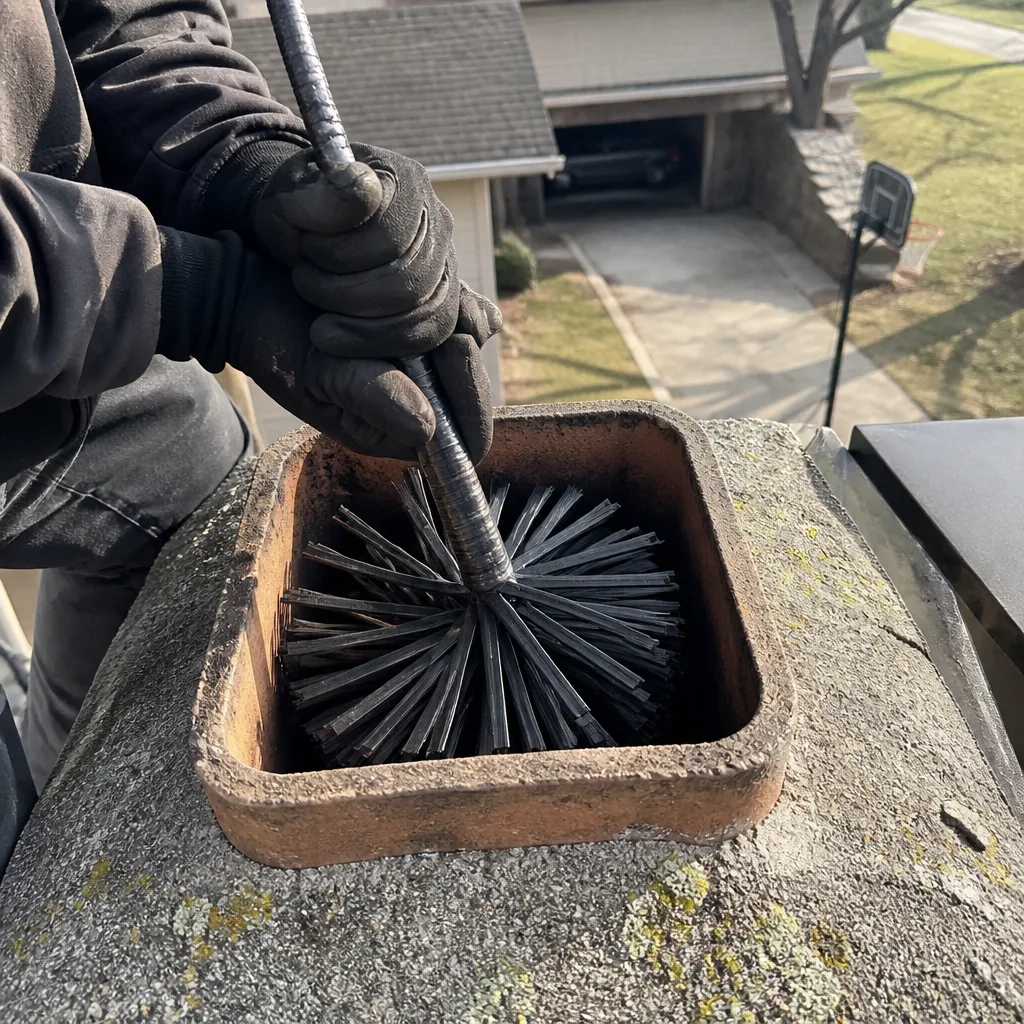
- Class-appropriate mechanical cleaning. Class I gets standard rotary brush passes from both the top and bottom of the flue. Class II gets high-speed rotary equipment with extended contact time per liner section, often combined with a chemical loosening agent applied prior to mechanical clearing. We work methodically from the top down so loosened material falls into the firebox, where it’s collected and removed – not blown into your living room.
- Chemical treatment where the classification warrants it. For Class II glaze and any Class III conditions, we apply a professional-grade chemical treatment product to the liner surfaces. These products work by converting the tar-like deposits into a more brittle, removable material over 24 to 72 hours. Class III situations often require a return visit after the initial chemical application before full mechanical clearing is safe or effective.
- Post-clearing camera verification and photo record. After mechanical clearing, the camera goes back down. We confirm liner integrity and document the post-cleaning condition with photos. That photo record is yours – it’s the documented archive we deliver on every job under Haven Standard Clause 4. If there’s a warranty claim, an insurance question, or a buyer inspection two years from now, that record exists.
- Written findings and recommendations. If the camera shows liner damage, crown cracking, or anything else that needs attention, we write it down with photos attached and explain what it means in plain terms. No pressure, no upselling. What we found and what it means – that’s the deliverable.
Creosote Removal Pricing in Denver
Creosote removal in Denver typically costs between $149 and $600, depending on the creosote class, the liner length, and whether chemical treatment is required. Here’s how the ranges break down:
| Service | Typical Denver Range |
|---|---|
| Class I creosote removal (standard cleaning, single-story flue) | $149 – $229 |
| Class I creosote removal (two-story or longer flue) | $199 – $279 |
| Class II glaze removal (rotary + chemical treatment) | $275 – $425 |
| Class III creosote treatment (multi-stage chemical protocol, per visit) | $350 – $600 |
| NFPA 211 Level 2 camera-scan inspection (included on every visit) | Included |
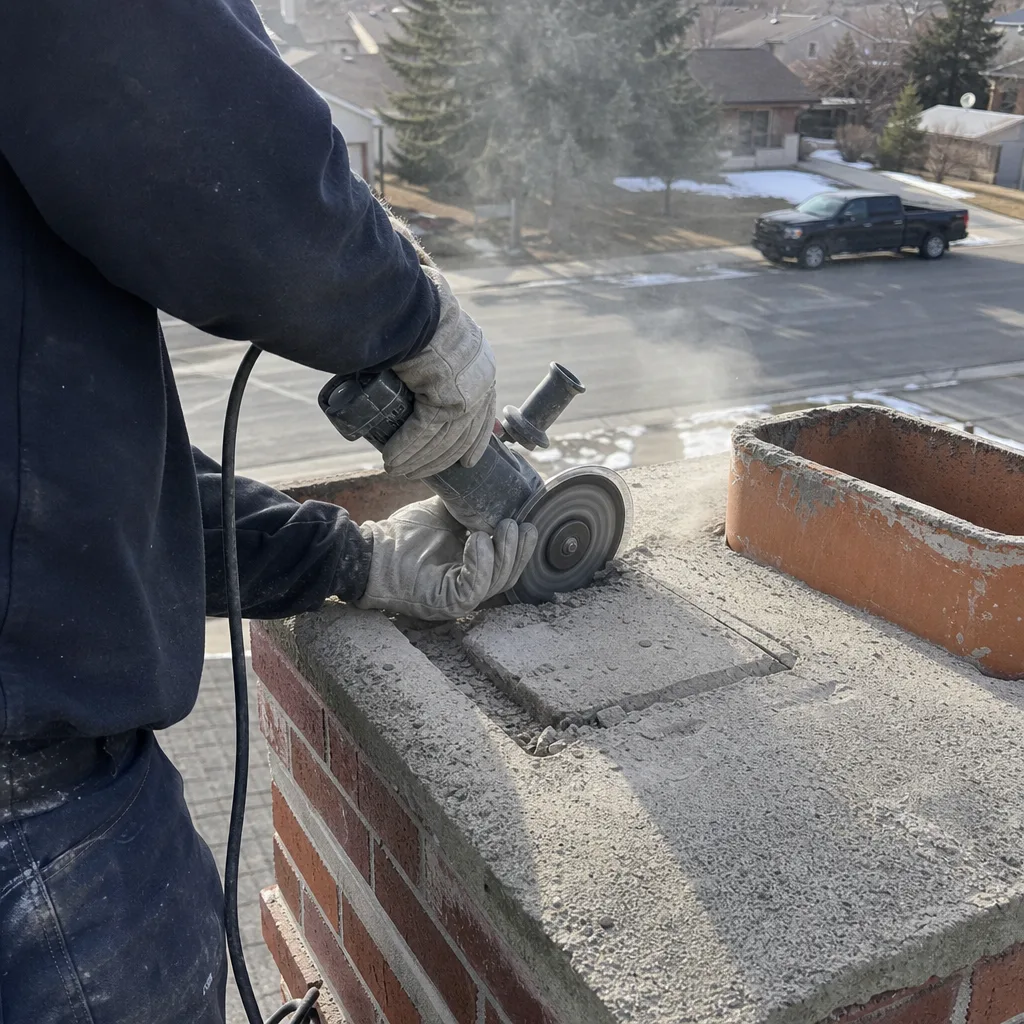
What moves the number up: flue height beyond two stories, access constraints on older Denver rowhouses and bungalows (particularly in Sunnyside and Jefferson Park where roof access can be tight), severe Class III conditions requiring multiple chemical applications, and liner damage discovered during the camera scan that needs to be addressed before cleaning proceeds safely.
What doesn’t move the number: the camera inspection, the photo record, and the written warranty. Those are included on every job regardless of price. The 365-Day Done Right Promise covers every visit – if something wasn’t done right, we come back and make it right.
We also offer a free second opinion on any written estimate you’ve received from a competitor. Bring us the paper and we’ll tell you what we see in it. No charge for that conversation.
Every price is written before work begins. That’s not a marketing line – it’s the operational standard the company was built on in 2009 and has run on since. Call (720) 674-7312 for a free estimate and we’ll give you a number, not a range that expands after the tech arrives.
What You Walk Away With After Every Visit
Documentation is the product, not just the service. After every creosote removal visit in Denver, you receive:
- Before-and-after camera footage from the NFPA 211 Level 2 scan, archived under your address
- A written photo record of liner condition, smoke chamber, damper, and firebox – delivered the same day
- The written scope of work completed, matched against what was quoted before the job started
- A written warranty on the work performed, backed by the 365-Day Done Right Promise
- Written findings on anything else observed during the inspection, with plain-language explanations
If your insurer, your HOA, or a future buyer asks whether your chimney was inspected and cleaned, you have a paper trail that answers the question without relying on anyone’s memory.
The Materials We Use
For chemical treatment of Class II and Class III creosote, we source professional-grade products through Haven’s buying network. For liner repairs identified during the camera scan, we work with HeatShield for smoke chamber and liner resurfacing and DuraFlex stainless liner systems where full relining is the right answer. These are the same products we spec for liner work across Denver, procured at volume specifically so the cost to the customer stays honest.
FAQs – Creosote Removal in Denver
How much does creosote removal cost in Denver?
Creosote removal in Denver runs $149 to $600 depending on the class of buildup and the flue configuration. Class I (dusty, flaky) removal on a standard single-story flue is typically $149 to $229. Class II glaze, which requires rotary equipment and chemical treatment, runs $275 to $425. Class III – hardened tar deposits that can take multiple visits – is $350 to $600 per visit. The camera-scan inspection and photo record are included in every visit. Call (720) 674-7312 for a written price before anything starts – we don’t quote ranges after the tech is already in your home.
Can you remove Class III creosote in one visit?
Usually not safely. Class III creosote needs a chemical treatment that converts the hardened tar into a more brittle, removable material – and that process takes 24 to 72 hours to work before mechanical clearing is effective. We apply the treatment, document the condition, schedule the return visit, and complete the mechanical clearing once the chemistry has done its job. Trying to skip that step and force the deposit out mechanically risks liner damage and, more critically, leaves hardened material behind that continues to be a fire hazard. We’ll always tell you exactly how many visits the condition calls for before you commit to anything.
How often does a Denver home need creosote removed?
The NFPA 211 standard recommends a Level 1 Inspection annually for any wood-burning appliance, and in Denver’s conditions – high altitude, cold starts, temperature swings – that’s the right baseline even for moderate users. Homes in areas like Washington Park or Park Hill where fireplaces see heavy use from October through March often need cleaning mid-season as well. The camera scan at each visit tells us exactly where the buildup stands; if it’s light, we say so. If it’s building faster than expected, we tell you why and document it.
Is creosote removal something I can do myself?
Class I removal with a proper rotary brush kit is within reach for a homeowner who’s comfortable on a roof and has the right equipment – though you won’t have the camera footage or the liner condition assessment that a professional visit provides. Class II and Class III are a different matter. The chemical solvents involved require handling precautions, the rotary equipment for glaze runs at speeds that can damage a liner if used incorrectly, and Class III deposits often sit on top of liner cracks or deterioration that you won’t see without a camera. We’d rather give you an honest price and do it right than see a liner get damaged or a chimney fire started because the job looked simpler than it was. Call us at (720) 674-7312 and we’ll tell you straight what we find.
Ready to Schedule Creosote Removal in Denver?
If your fireplace has seen regular use this season, or if you’re not sure when it was last cleaned, a camera-scan inspection is the fastest way to know where you stand. We’ll put the findings in writing, give you a price before any work starts, and back everything with the 365-Day Done Right Promise. Level Two Chimney Denver serves homes across the city – from Stapleton and Montbello on the east side to Edgewater and Applewood on the west, and the dense inner neighborhoods in between.
Call (720) 674-7312 to schedule. A live person answers every call, around the clock. You’ll have a written price and a confirmed appointment before we hang up.
You can also read more about the full scope of what a cleaning visit covers on our home page.
Written by Corrine Halstead, Owner at Level Two Chimney Denver, serving Denver.