
Level 1 sweep and inspection to the NFPA 211 annual standard - flue, crown, cap, and flashing checked and photographed
Chimney sweep logs do not sweep chimneys. They loosen some creosote - which then falls where a brush and vacuum still have to collect it.
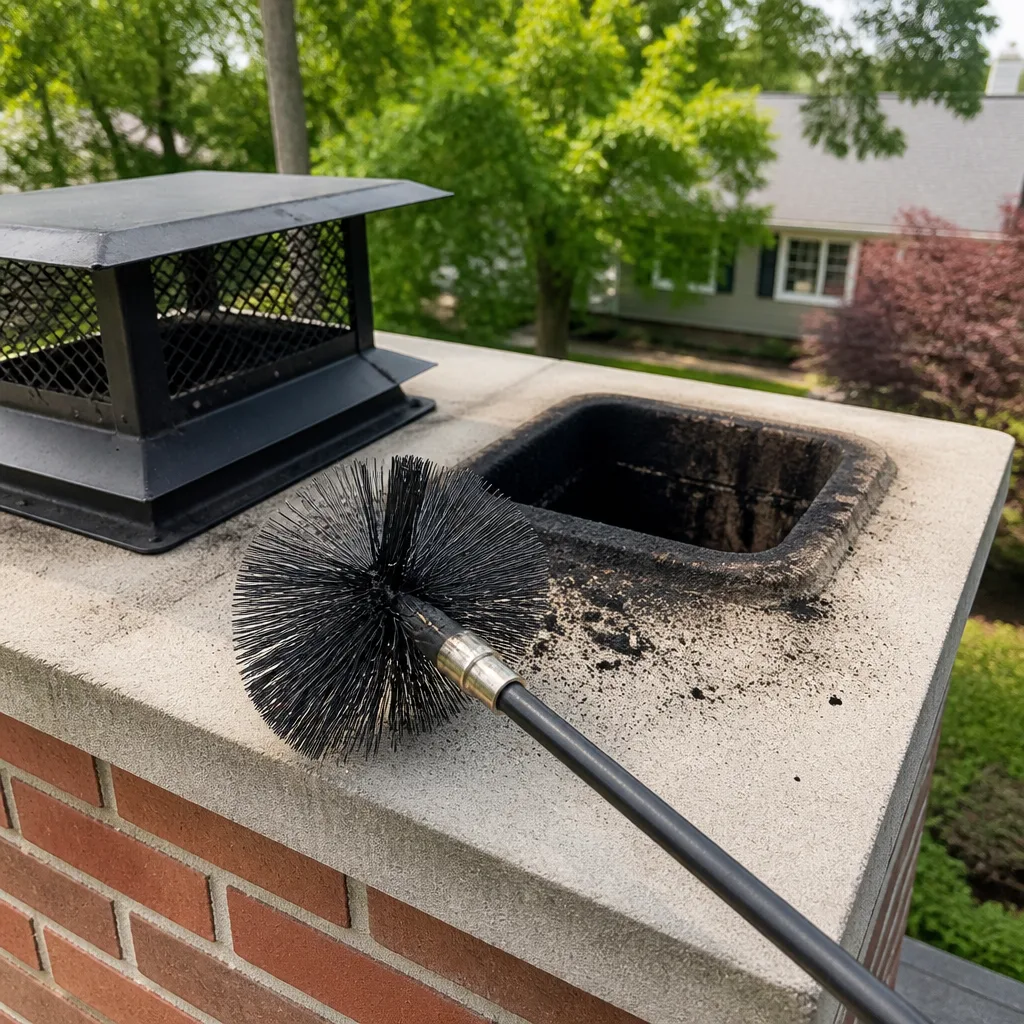
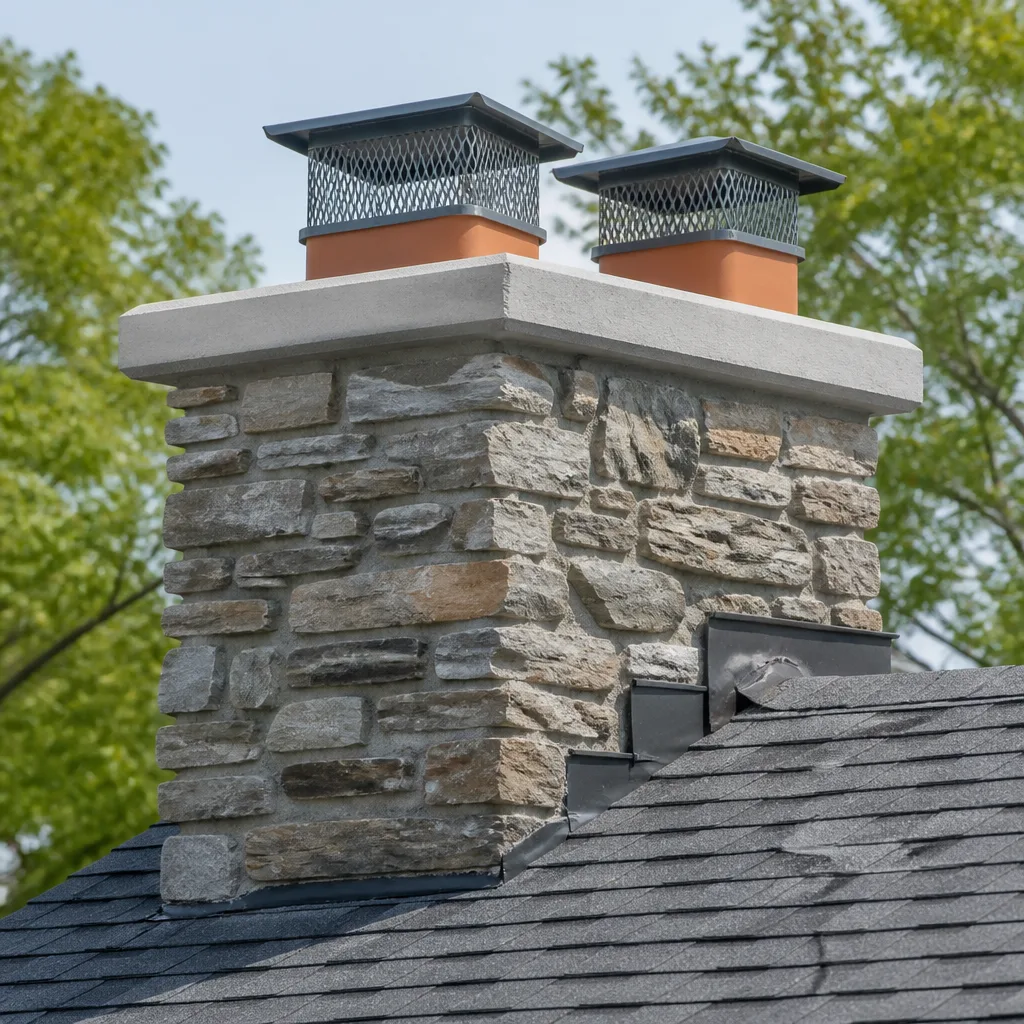
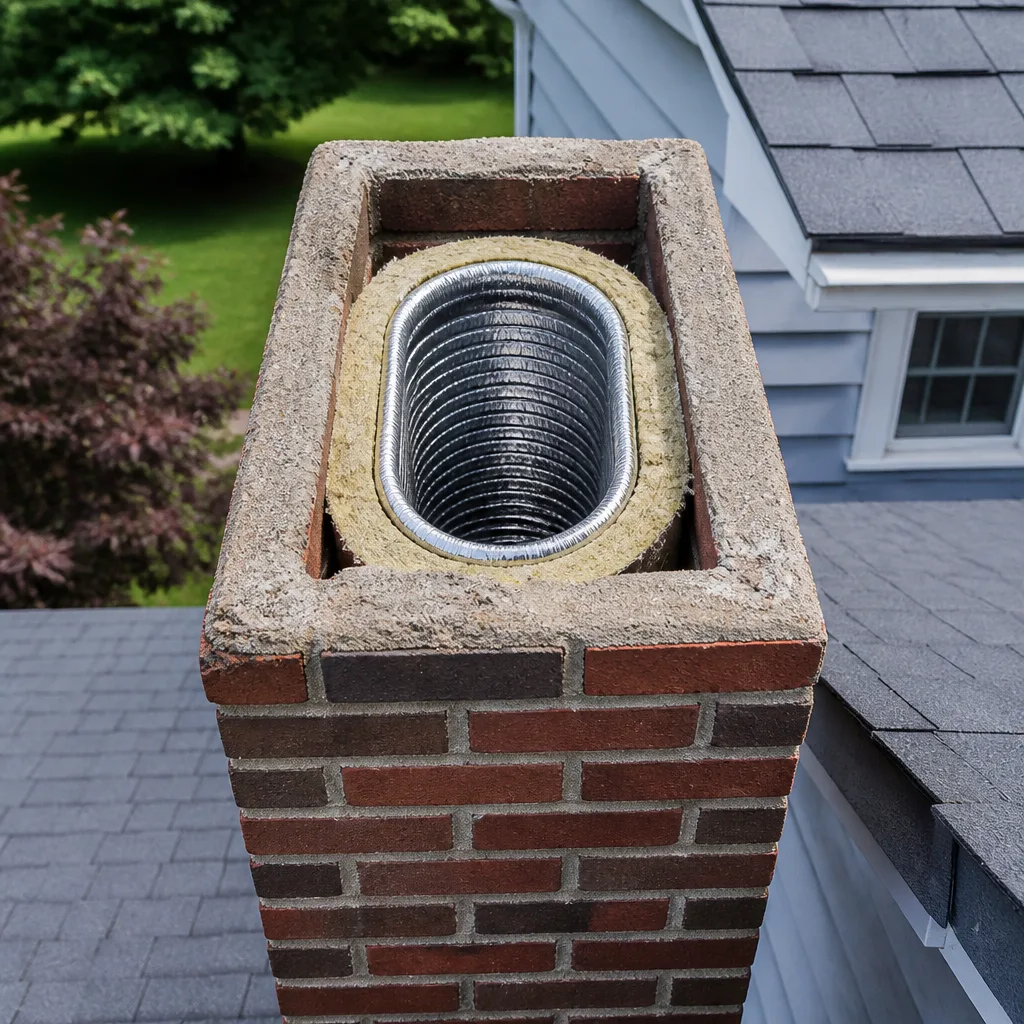
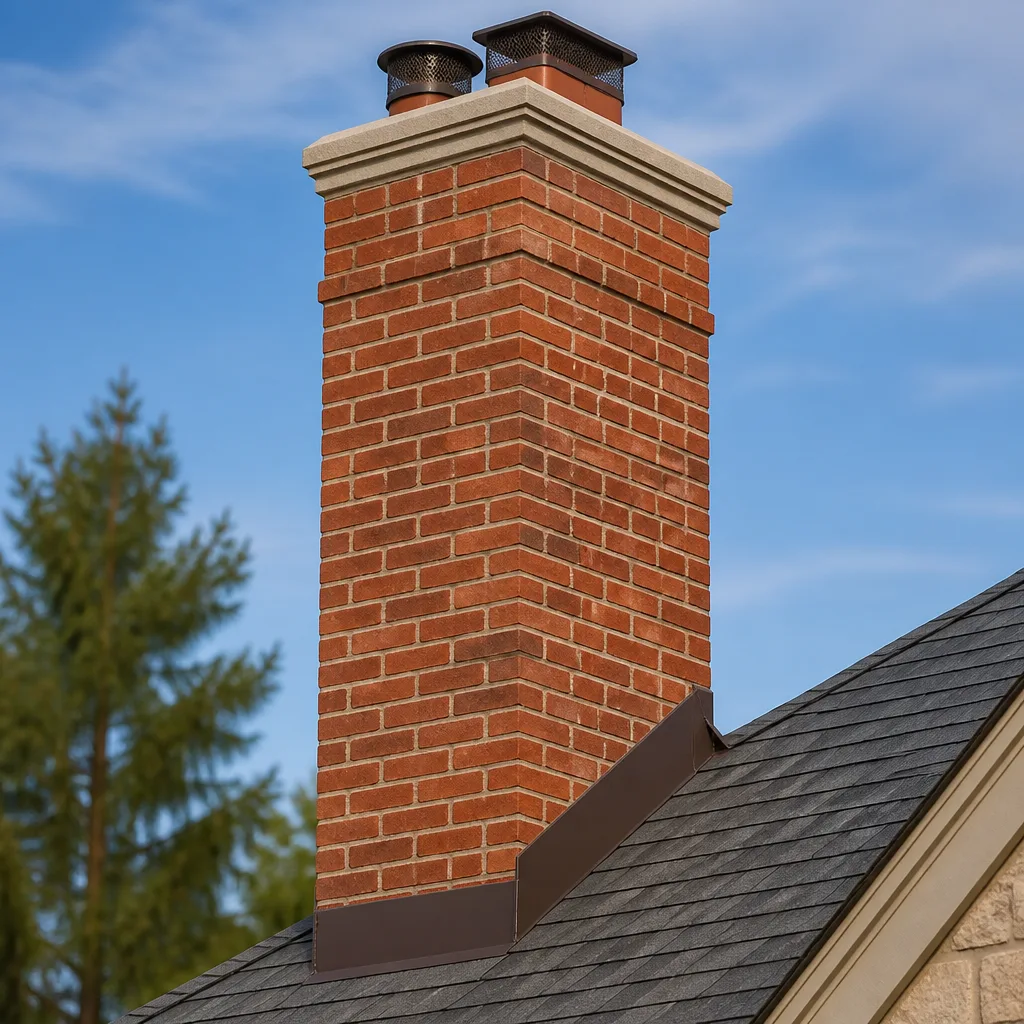
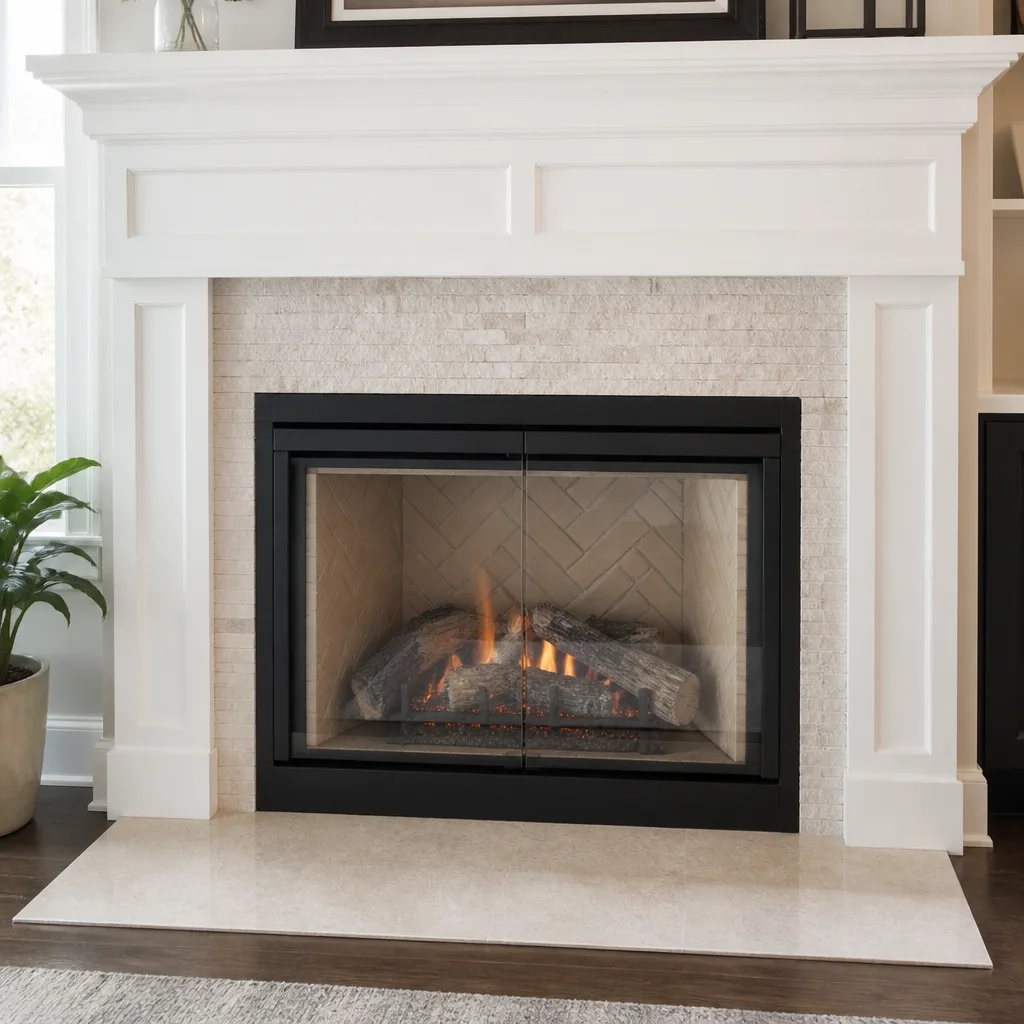
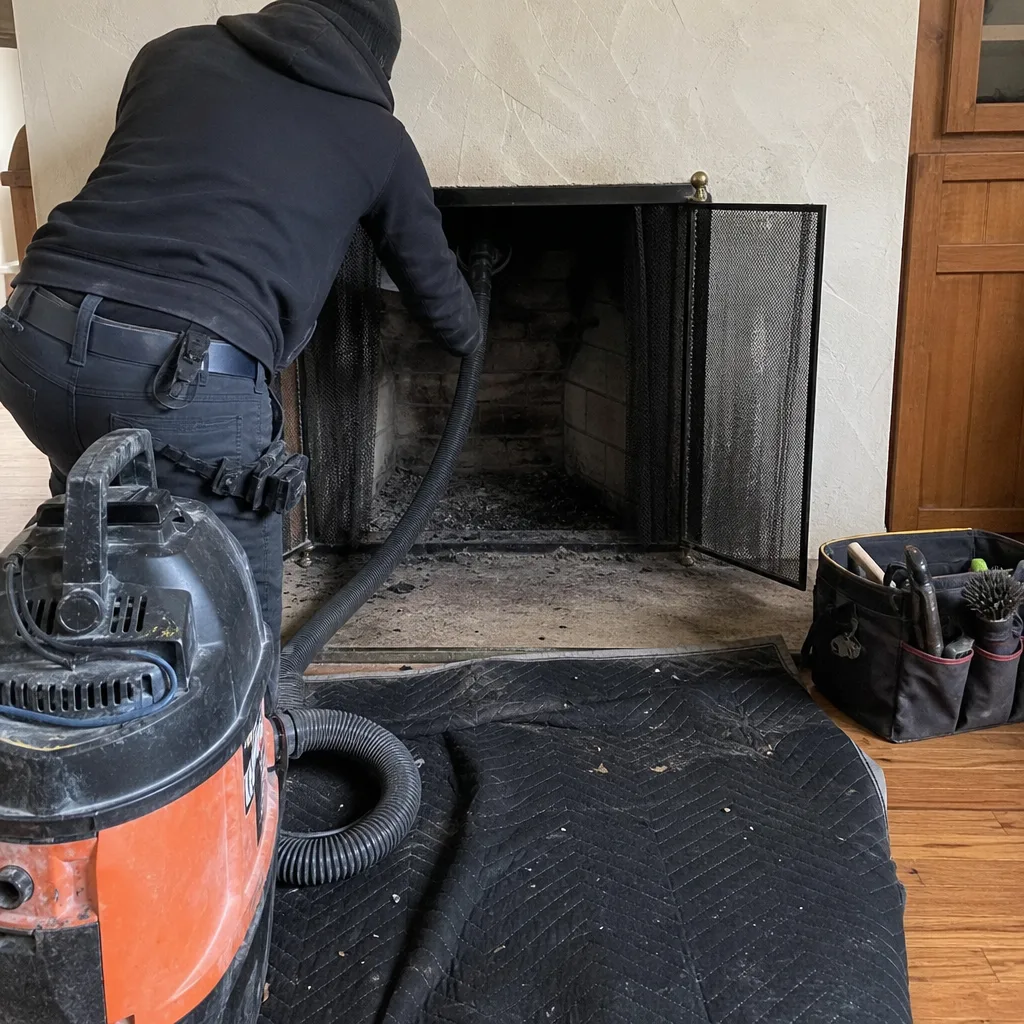 Before
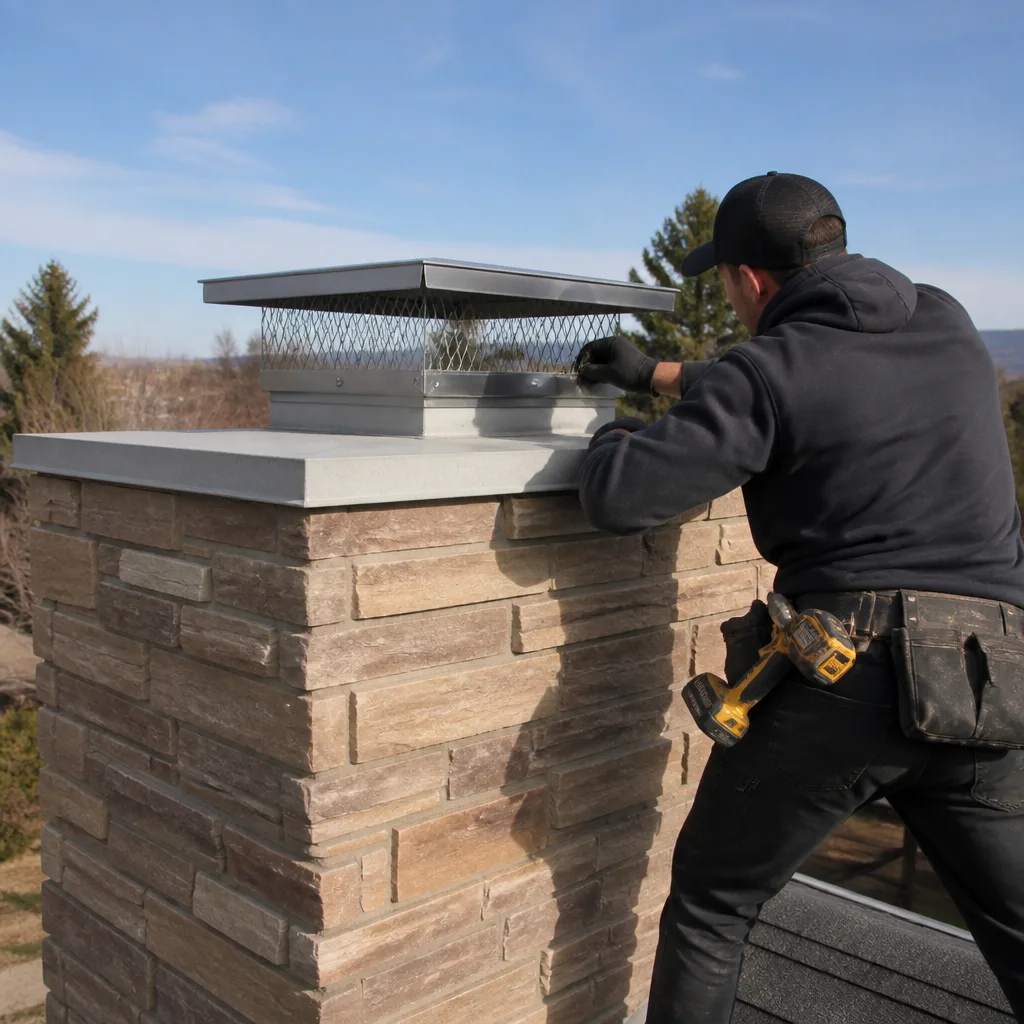 After
After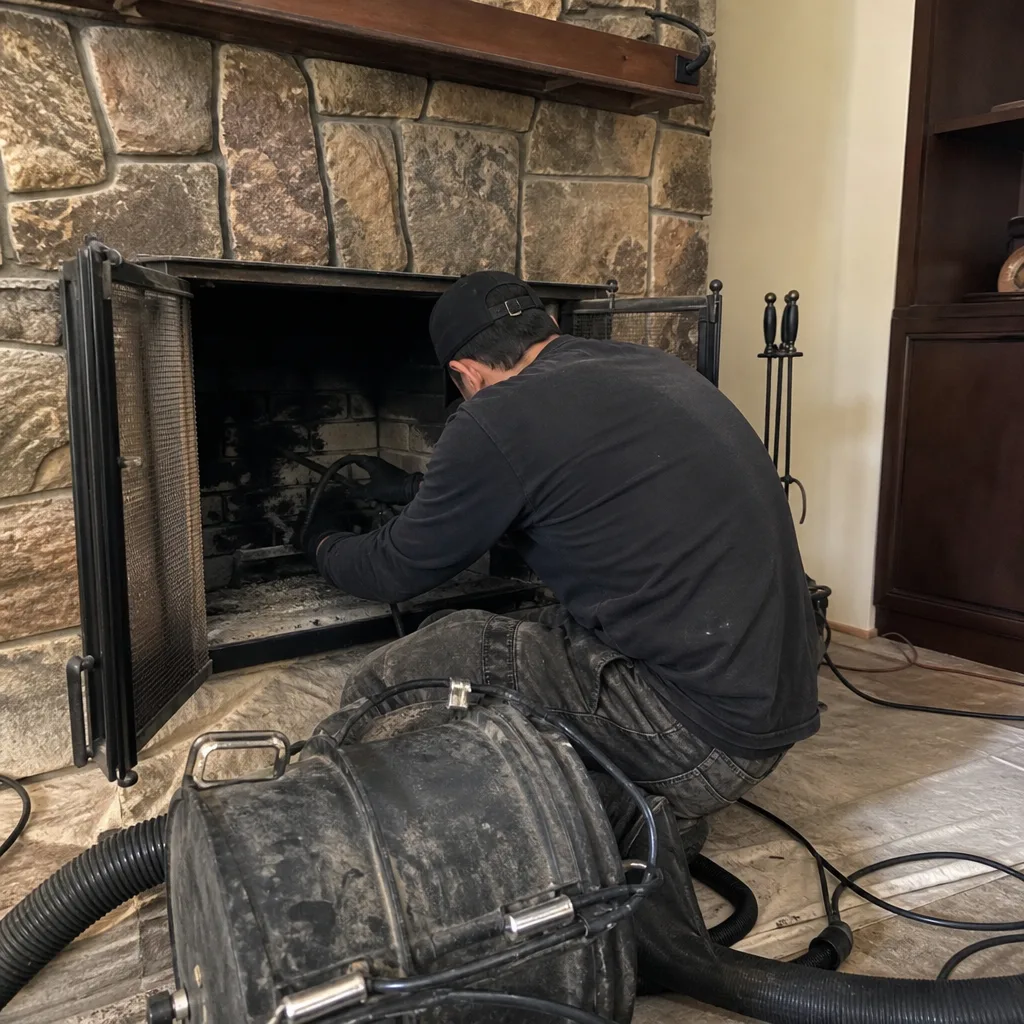 Before
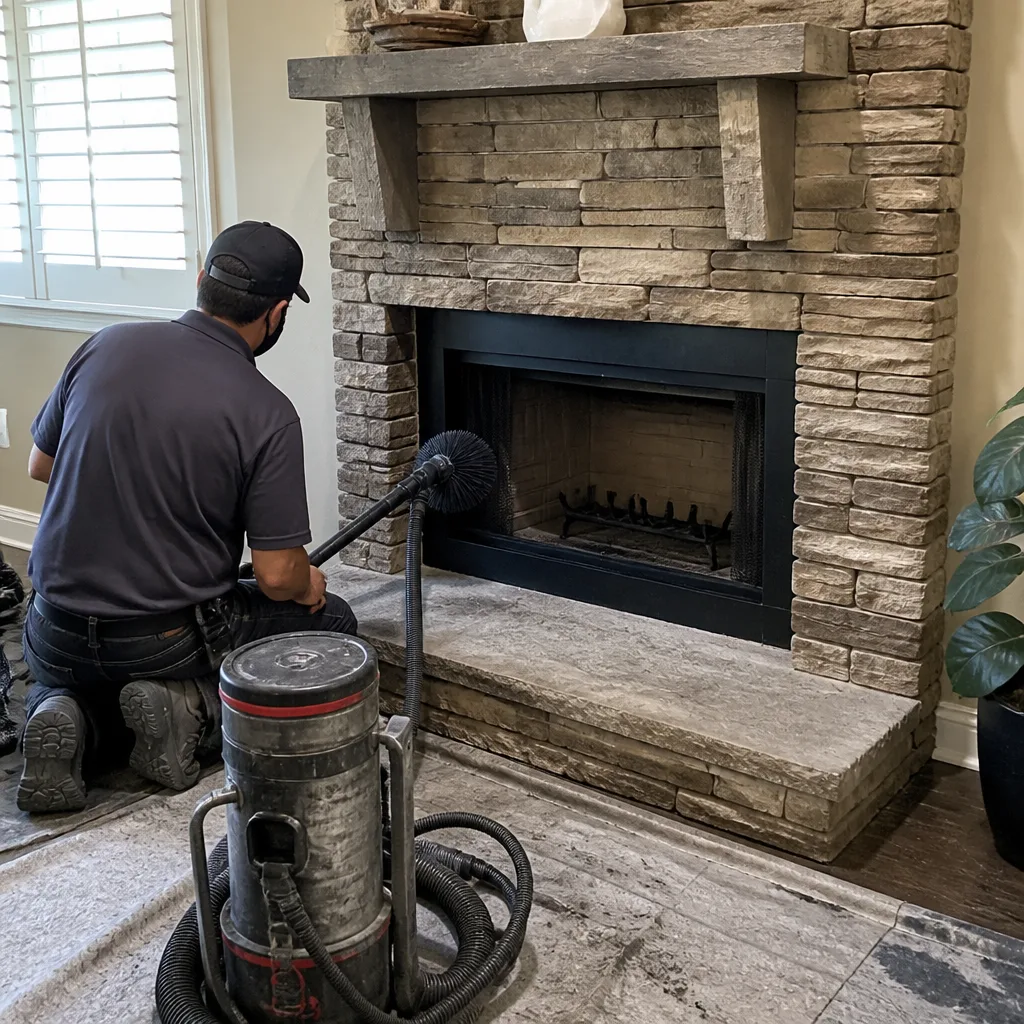 After
After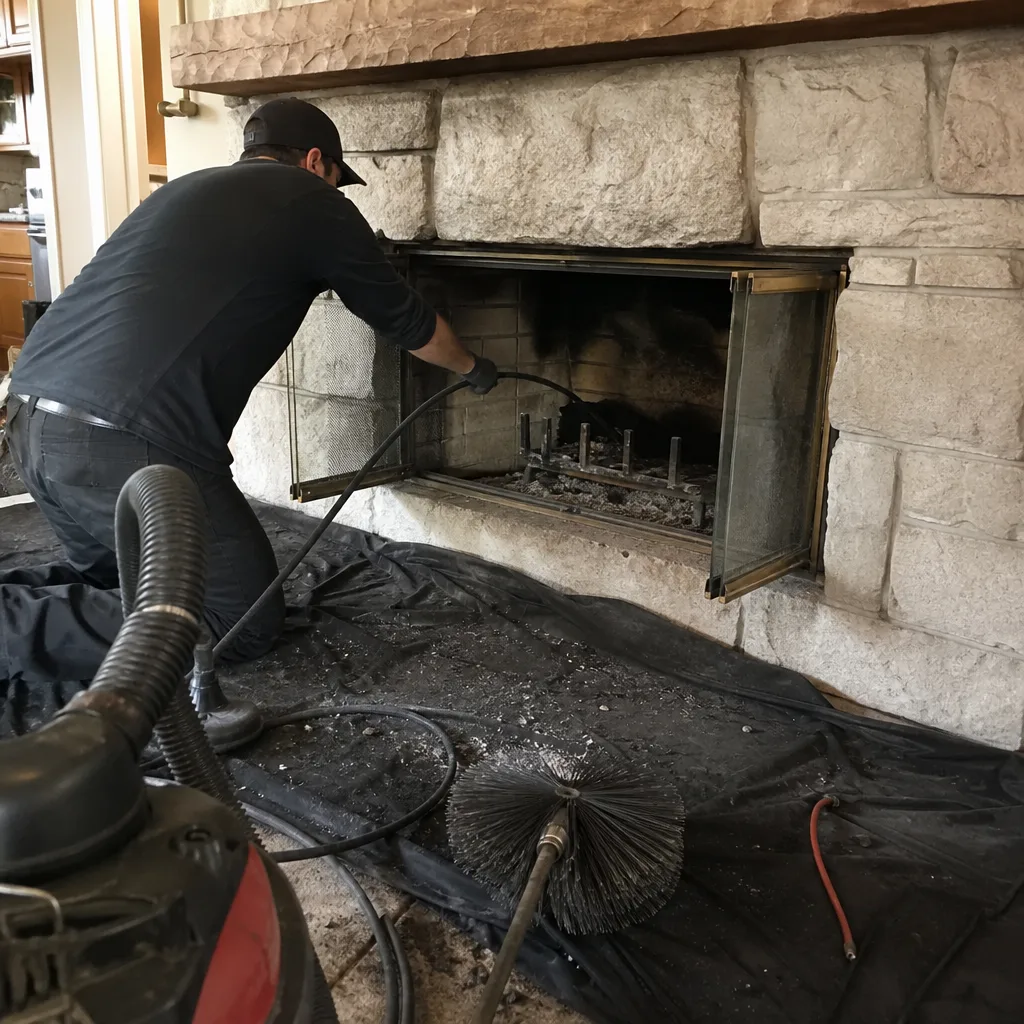 Before
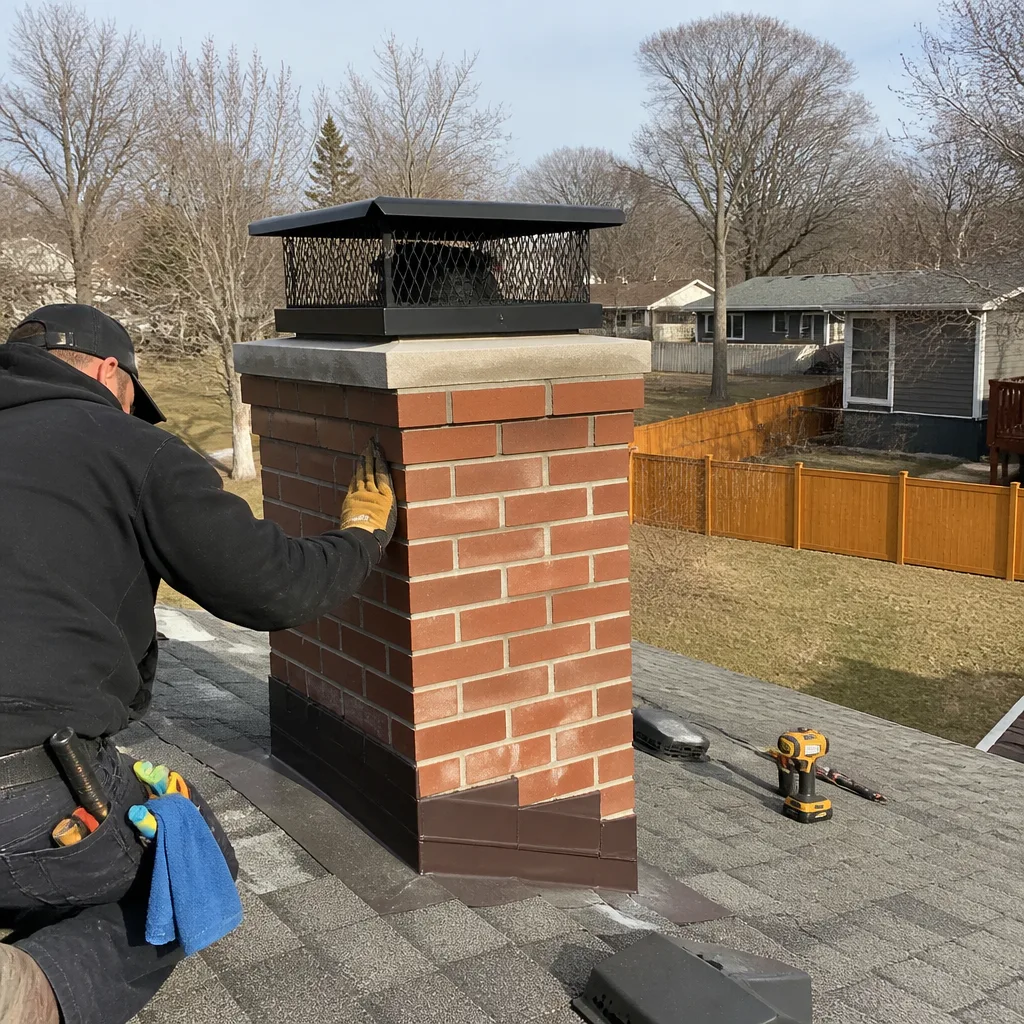 After
AfterLevel 2 Inspection in Denver, CO
A Level 2 chimney inspection in Denver means a camera goes down the flue – every inch of the liner, smoke chamber, firebox, and accessible attic and crawl space connections are documented with photos and a written report before we ever suggest a repair. It is the inspection standard defined by NFPA 211, and it is the only inspection Level Two Chimney Denver performs as part of our Annual Sweep program. If you have recently bought a home, had a chimney event like a fire or a hard freeze, or are switching fuel types, a Level 2 is not optional – it is the one scan that tells you exactly what you are working with.
We have been running camera-scan inspections this way since 2009, across more than 38,000 chimneys in the Denver metro. Every visit produces a documented photo record and a written price before any work begins – that is Clause 4 and Clause 1 of the Haven Standard, not a feature we added when it became fashionable. Call us at (720) 674-7312 and a live person will pick up. Our Chimney Cleaning & Sweep in Denver page covers the broader service picture if you are still figuring out what you need first.
When You Need a Level 2 Inspection
- You just bought a home in Denver. Real estate transactions trigger a mandatory Level 2 under NFPA 211. Title companies and home inspectors catch a lot of things, but neither carries a camera down a flue. Denver’s older stock in Capitol Hill, Park Hill, and Wash Park includes clay tile liners that have been cracking quietly for decades – a standard home inspection will not find a fractured flue tile behind smoke stains.
- Your chimney had a chimney fire. If you heard a deep rumble or found heavy creosote deposits after a burn, the liner may have sustained structural damage that is invisible from the firebox. We have pulled camera footage from Washington Park homes where the liner looked fine from below and showed active spalling – crumbling tile – within the first eighteen inches above the smoke chamber.
- You are switching fuel types or installing a new appliance. A gas insert going into a woodburning fireplace, a pellet stove replacing a gas log set, or a new high-efficiency furnace venting through a masonry flue – each of these changes the flue’s temperature, moisture load, and diameter requirements. The Level 2 tells you whether the existing liner is sized and rated correctly before the new appliance is in.
- Your home came through a severe weather event. Denver’s hail seasons are real, and a hail storm hard enough to damage a roof is hard enough to crack a chimney crown or knock mortar joints loose. The same goes for the freeze-thaw cycles we see through March and April, when moisture that worked into hairline cracks over the winter expands and opens them wider. Crown integrity and flashing condition are both part of the Level 2 scope.
- Your insurance carrier or lender is asking for documentation. An increasing number of Colorado homeowners insurance underwriters now require a written Level 2 report for policy renewal or claims processing – especially after a fire loss. The documented photo record from Clause 4 of the Haven Standard gives your adjuster exactly what they need in a format that holds up.
- You have not had the chimney looked at in more than three years. NFPA 211 recommends annual inspections. If it has been longer than that, or if you have been burning regularly and have never had a camera run, a Level 2 gives you a complete baseline – liner condition, creosote class, mortar joint integrity, and cap and crown condition – rather than a summary you cannot act on.
Our Level 2 Inspection Process
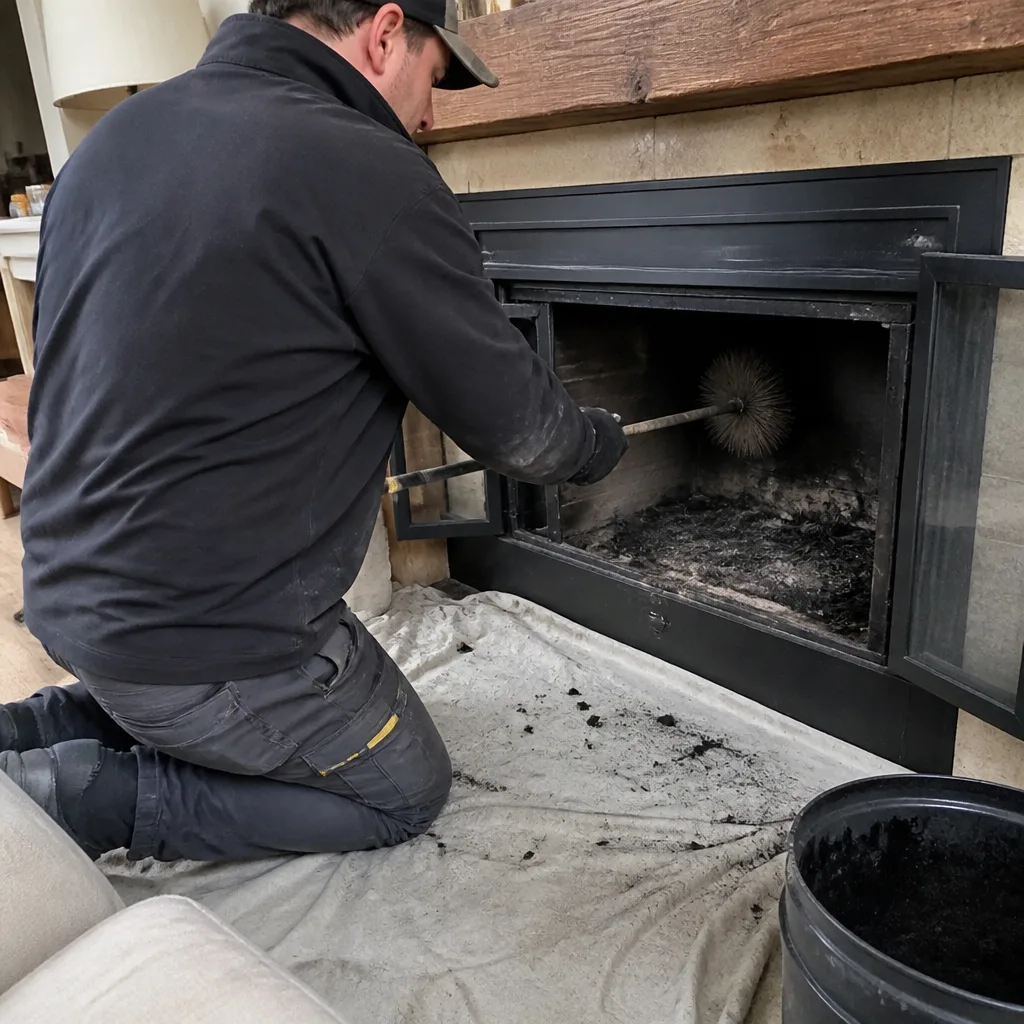
This is what happens from the time our tech arrives to the time you have a written report in hand. Nothing is shortened because a job looks simple from the outside.
- Tech arrival, access review, and written price delivery. Your assigned, background-checked, uniformed technician arrives – you will have received a text when they are on the way. Before anything is moved or touched, you receive a written price, written scope, and written warranty for the inspection. That is Haven Standard Clause 1. If the number does not work for you, we part ways without obligation.
- Exterior inspection: crown, cap, flashing, and masonry. The tech works the exterior first – crown condition, cap fit and condition, flashing seal at the roofline, and visible masonry for spalling or efflorescence (the white salt staining that signals water is moving through the brick). Denver’s UV exposure and temperature swings accelerate mortar joint erosion faster than you might expect, especially on south-facing stacks.
- Interior inspection: firebox, smoke chamber, and damper. Inside the home, the firebox is examined for firebrick condition, mortar joint integrity, and any evidence of smoke rollout or back-puffing patterns. The smoke chamber – the angled section above the firebox that compresses the smoke column before it enters the flue – is checked for corbeling defects and parging condition. The damper is operated and examined for seating and corrosion.
- Camera scan: the full flue liner, documented in real time. The camera goes down from the top. Every foot of the liner is recorded. For clay tile systems – common in Denver’s older neighborhoods – we are looking for cracked tiles, offset joints, and mortar deterioration. For stainless liner systems from DuraFlex or Olympia Chimney, we check seam integrity and connector condition. The footage becomes part of your permanent documented photo record under Clause 4 of the Haven Standard.
- Creosote classification and hazard assessment. If the system has been used for wood burning, we classify the creosote deposit by NFPA class – Class I (light, dusty), Class II (tar-like, crunchy), or Class III (hardened, glazed). Class III creosote requires chemical treatment before any mechanical cleaning is safe, and our tech will tell you that plainly, in writing, along with what it costs to address it – not after they have already started.
- Written report delivery and next-steps conversation. You receive a written report that includes the camera footage, photographs of every condition noted, a plain-language description of what was found, and any repair recommendations with written pricing attached. We do not hand you a verbal summary and ask you to trust us – you get the evidence. If a repair is recommended, that triggers the Free Second Opinion on any written estimate; bring a competitor’s written quote and we will look at it honestly.
 Before
 After
AfterLevel 2 Inspection Pricing in Denver
A Level 2 chimney inspection in Denver runs $175 to $325 for most single-flue systems. The range reflects real variables, not padding.
- Single flue, standard access: $175 – $225
- Single flue with heavy creosote requiring pre-cleaning assessment: $225 – $275
- Multi-flue systems (two or more flues in one chase): $275 – $325 per flue, depending on configuration
- Systems with difficult roof access or steep pitch: add $50 – $75 for extended setup time
What affects cost in Denver specifically: homes in Stapleton, Highlands Ranch, and the older Capitol Hill corridor often have two-story or multi-flue configurations that add time. Properties with flat or low-slope roofs – more common in mid-century Denver construction – typically fall at the lower end. Homes that have never had a camera inspection may require a preliminary Chimney Cleaning & Sweep before the camera can produce usable footage, and if that is the case, we will quote it in writing before we start, not after.
The written price is delivered before your tech does anything. That is not a policy we bend on. Call (720) 674-7312 – a live person answers around the clock – and we will give you a number before the appointment is booked, or walk you through what the range looks like for your specific system.
What the Documentation Looks Like
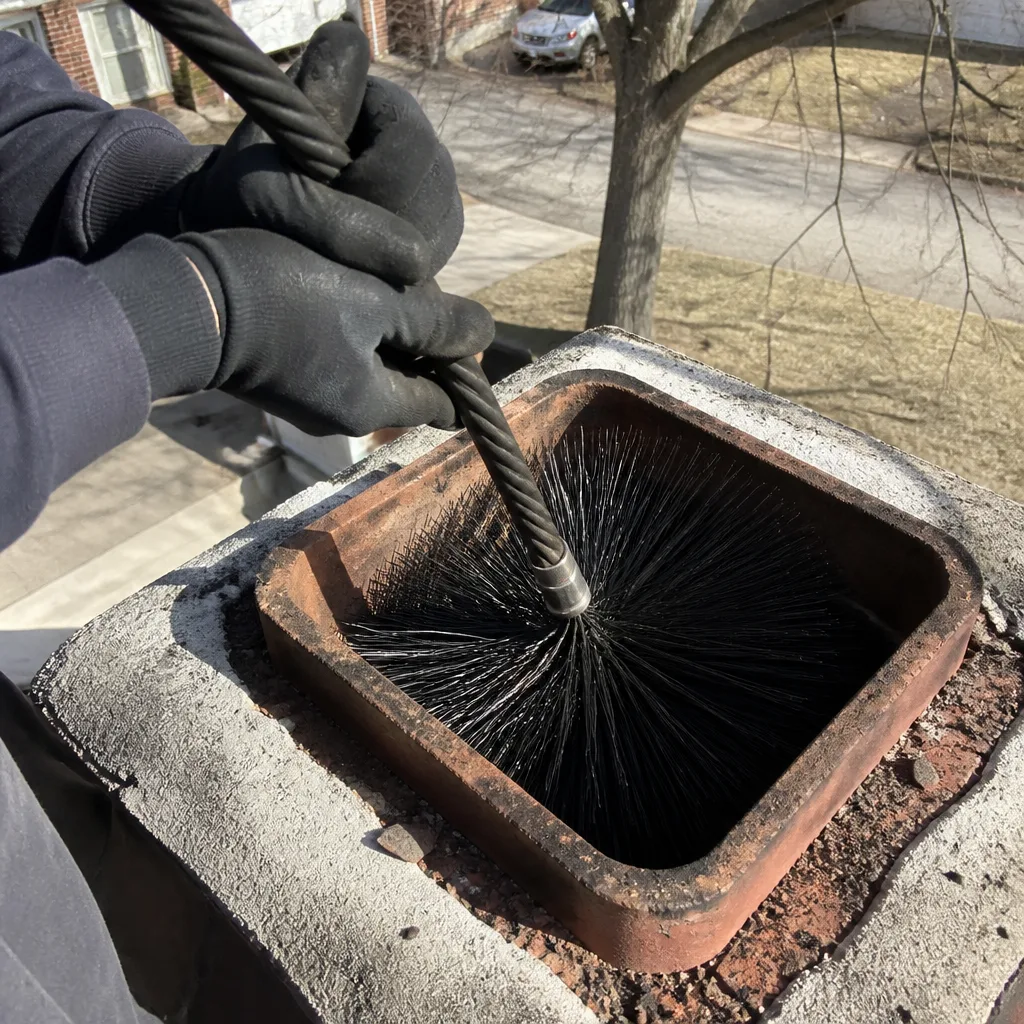
A lot of companies use the phrase “photo report.” What that means in practice varies widely. Here is what you get from Level Two Chimney Denver under Clause 4 of the Haven Standard, which has been standard on every job since 2009.
You receive timestamped photos from the exterior inspection covering crown, cap, and flashing. You receive a full camera video file of the flue liner with annotated stills pulled from any condition point – a cracked tile at 14 feet, a mortar gap at 22 feet, a liner joint that has shifted. You receive a written summary that uses plain language and trade vocabulary: if the flue liner shows “spalling,” we write what spalling means in the same sentence. If the smoke chamber parging has a void, we photograph it and describe the size. The creosote class is stated explicitly with what it means for your next burn season.
This record is yours permanently. When you sell the home, when an insurance adjuster asks for documentation, or when you want to compare the current condition to a scan from three years ago, the record exists and is specific enough to be useful.
Denver-Specific Conditions That Affect Chimney Liner Health
Denver’s climate puts chimneys through conditions that are different from what you would see in a more temperate market, and those differences show up consistently in our camera footage.
The freeze-thaw cycle here – temperatures that swing from the low teens in January to the mid-fifties by afternoon in March – is hard on clay tile liners. Moisture works into hairline cracks during wet fall weather, freezes in January, and expands. By the time we are running inspections in April, we regularly find tile fractures in systems that passed a visual check the previous spring. In the Congress Park and Mayfair neighborhoods, where bungalows from the 1920s and 1930s still have their original clay tile liners, we find this pattern more often than not.
Denver’s elevation – 5,280 feet – also affects combustion. Wood burns slightly less completely at altitude, and incomplete combustion produces more creosote per cord than you would see at lower elevations, making Soot Removal an important consideration. Homeowners who burn two or three cords a season and live in the foothills edge of Denver’s western suburbs are often moving through Class I to Class II creosote faster than they expect.
Hail is the other factor. A storm that damages a roof will often crack or chip a chimney crown, even when the crown looks intact from the ground. The camera and the exterior inspection together catch what a roofing contractor’s report typically does not address.
The 365-Day Done Right Promise
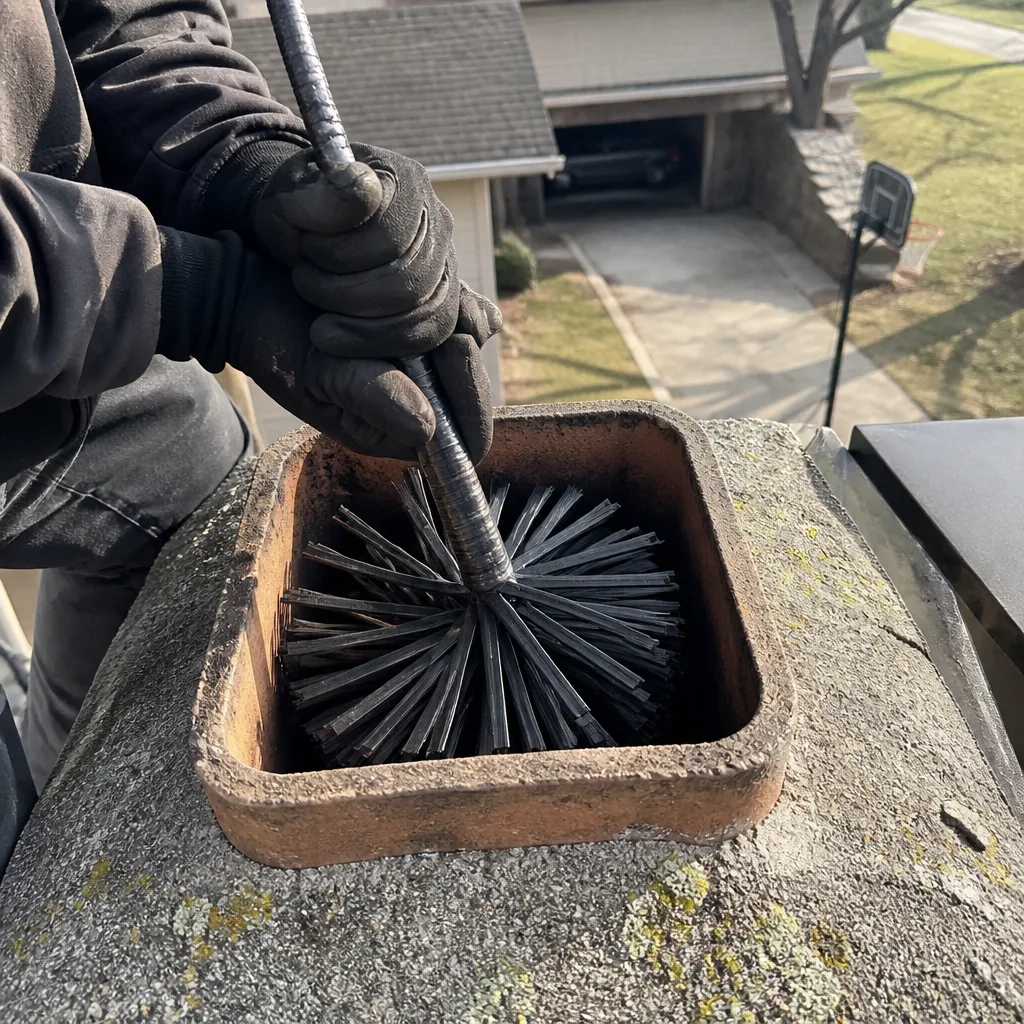
Every inspection – and any repair that follows from it – is backed by the 365-Day Done Right Promise. If the work is not right, we make it right. That applies to the inspection report as much as it applies to a liner installation or a crown rebuild. If the documentation is incomplete or a condition was missed that shows up in a subsequent inspection, we return and complete it.
This is not a satisfaction guarantee in the marketing sense. It is a written commitment, stamped on every job under the Haven Standard. If you have a competitor’s written estimate for a repair we recommended, bring it – the Free Second Opinion is always available, and we will look at the numbers honestly.
FAQs – Level 2 Inspection in Denver
What is a Level 2 chimney inspection, exactly?
A Level 2 inspection is the standard defined by NFPA 211 that requires a camera scan of the full flue liner, inspection of all accessible portions of the chimney interior and exterior, and documentation of any conditions found – it goes significantly beyond a visual check with a flashlight. At Level Two Chimney Denver, a Level 2 includes timestamped photos, camera footage, a written condition report, and a written price for any recommended repairs, all delivered before any work begins. Call (720) 674-7312 if you want to talk through what your specific system will involve.
How much does a Level 2 inspection cost in Denver?
A Level 2 inspection in Denver runs $175 to $325 for most single-flue systems, with multi-flue systems quoted per flue. The price you receive is in writing before the tech starts – there is no “we’ll tell you after we look” pricing at Level Two Chimney Denver. If your system has complicating factors like steep roof access or heavy creosote that requires pre-cleaning, that will be quoted separately in writing before anything proceeds, and you can learn more about How Much Does Chimney Cleaning & Sweep Cost? (2026 Price Guide) - Denver, CO on our site. Call (720) 674-7312 for a number specific to your home.
Is a Level 2 inspection required when buying a home in Denver?
Yes, under NFPA 211, a real estate transaction is one of the triggering conditions for a mandatory Level 2 inspection. A standard home inspection does not satisfy this requirement – it does not include a camera scan of the flue liner. Lenders and title companies increasingly ask for written documentation, and a Level 2 report from Level Two Chimney Denver includes the camera record and written findings that satisfy those requests. We have run these inspections for buyers in every Denver neighborhood from the Highlands to Stapleton, and the documentation holds up when it is needed.
Can a Level 2 inspection be done the same day I call?
In most cases, yes – we can typically schedule a Level 2 inspection within one to two business days, and same-day appointments are available depending on the schedule. Live phone support runs 24 hours a day, 7 days a week, so calling (720) 674-7312 at any hour will reach a person who can check availability and give you a price range before the appointment is set. If you need documentation quickly for a real estate closing or an insurance claim, tell us that when you call and we will tell you honestly what is possible.
Schedule a Level 2 Inspection in Denver
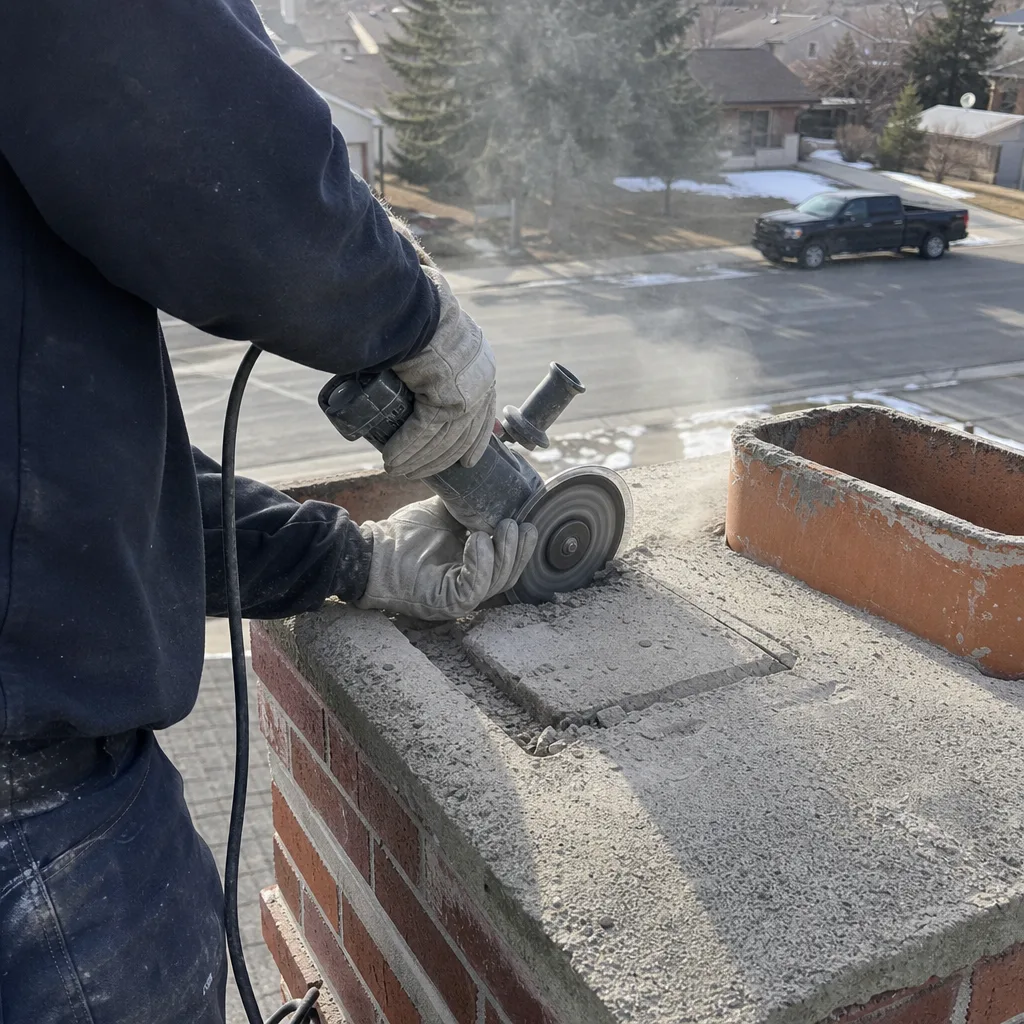
If you need a camera-down Level 2 inspection in Denver – for a home purchase, after a chimney event, or because it has simply been too long since anyone ran a camera down that flue – call (720) 674-7312. A live person answers. You will have a written price before the appointment ends and a documented photo record before we leave. The 365-Day Done Right Promise is on every job. If you want to review the broader service we provide, visit our home page for a full picture of what Level Two Chimney Denver covers.
Written by Corrine Halstead, Owner at Level Two Chimney Denver, serving Denver since 2009.