
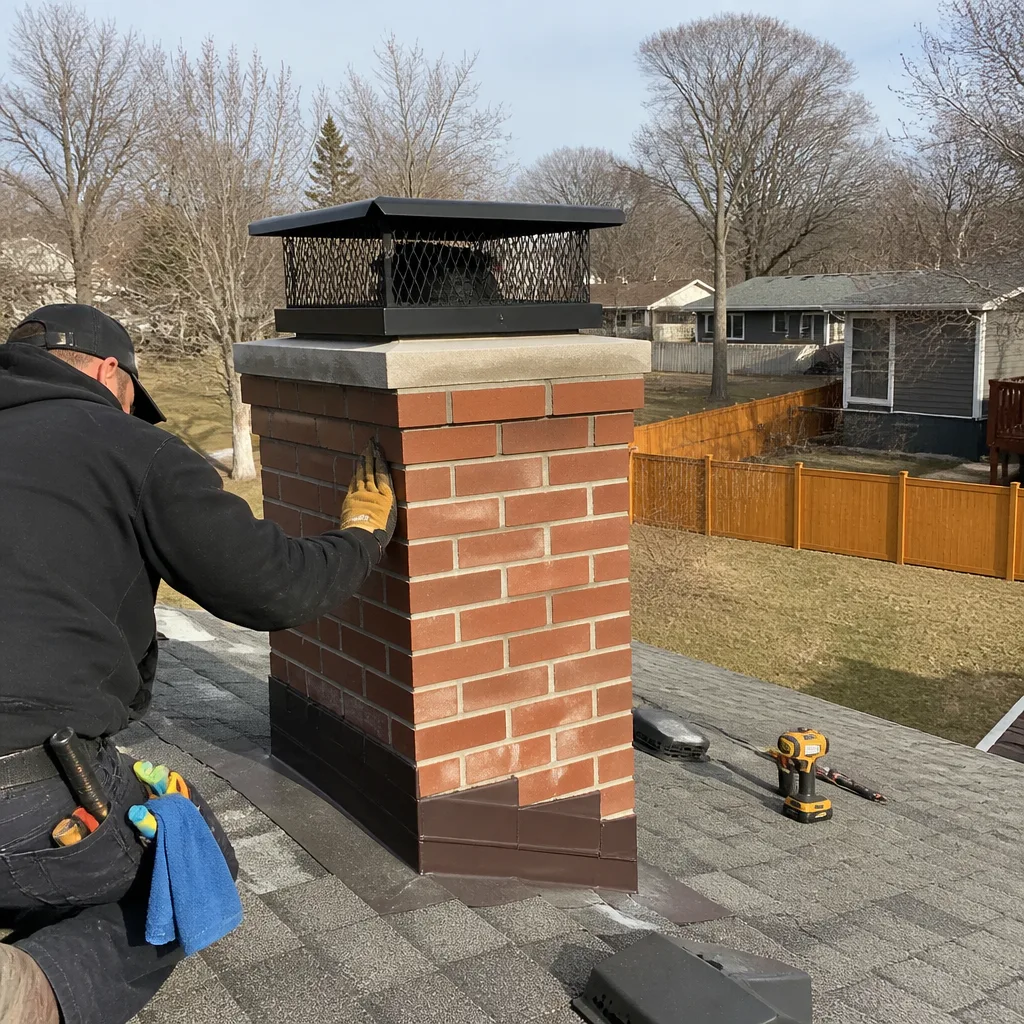
Level 1 sweep and inspection to the NFPA 211 annual standard - flue, crown, cap, and flashing checked and photographed
Chimney sweep logs do not sweep chimneys. They loosen some creosote - which then falls where a brush and vacuum still have to collect it.
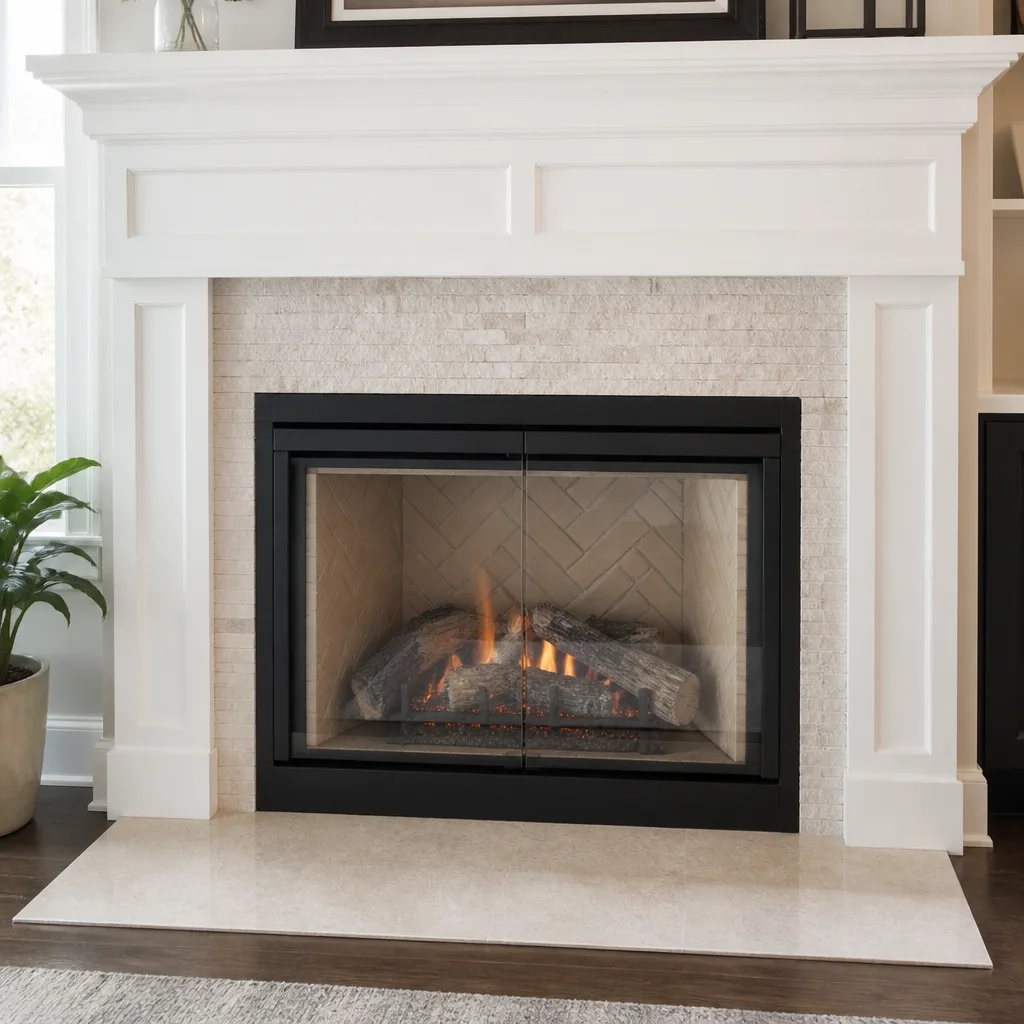
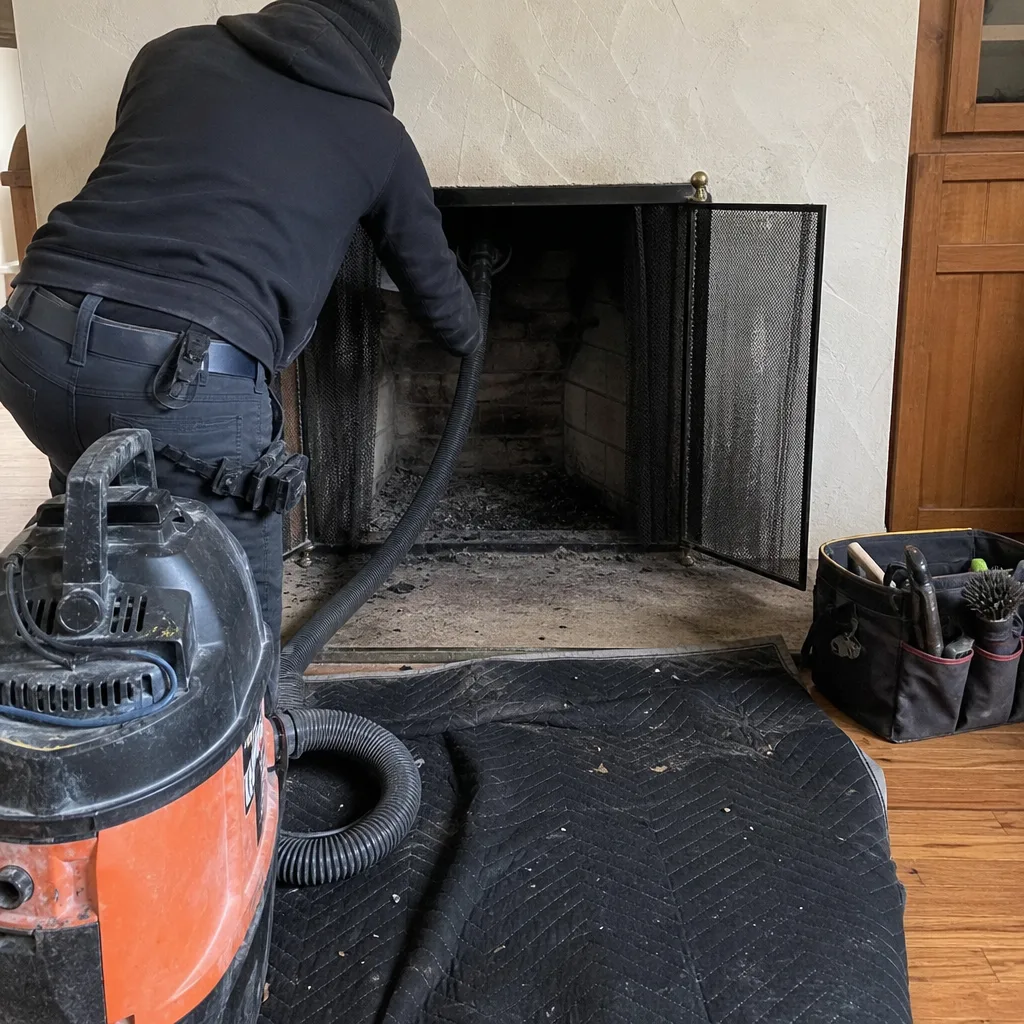 Before
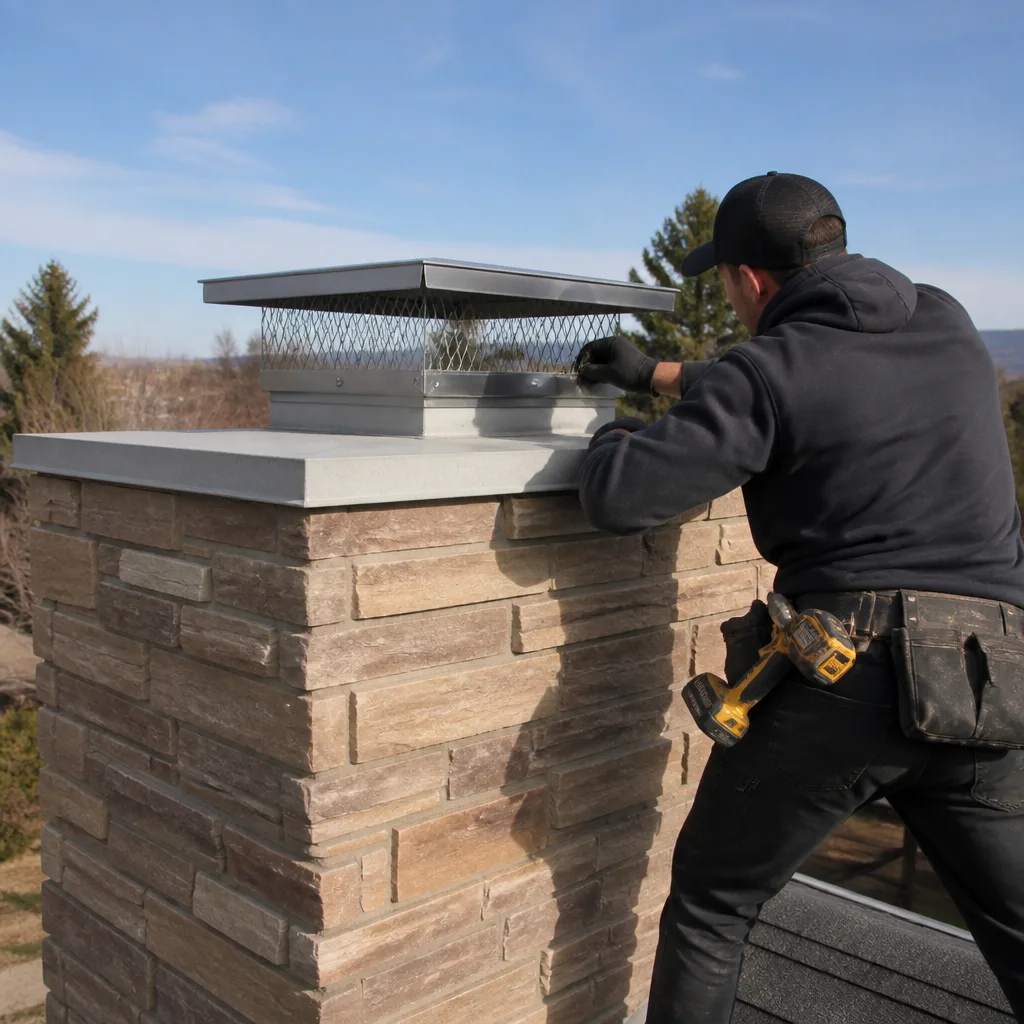 After
After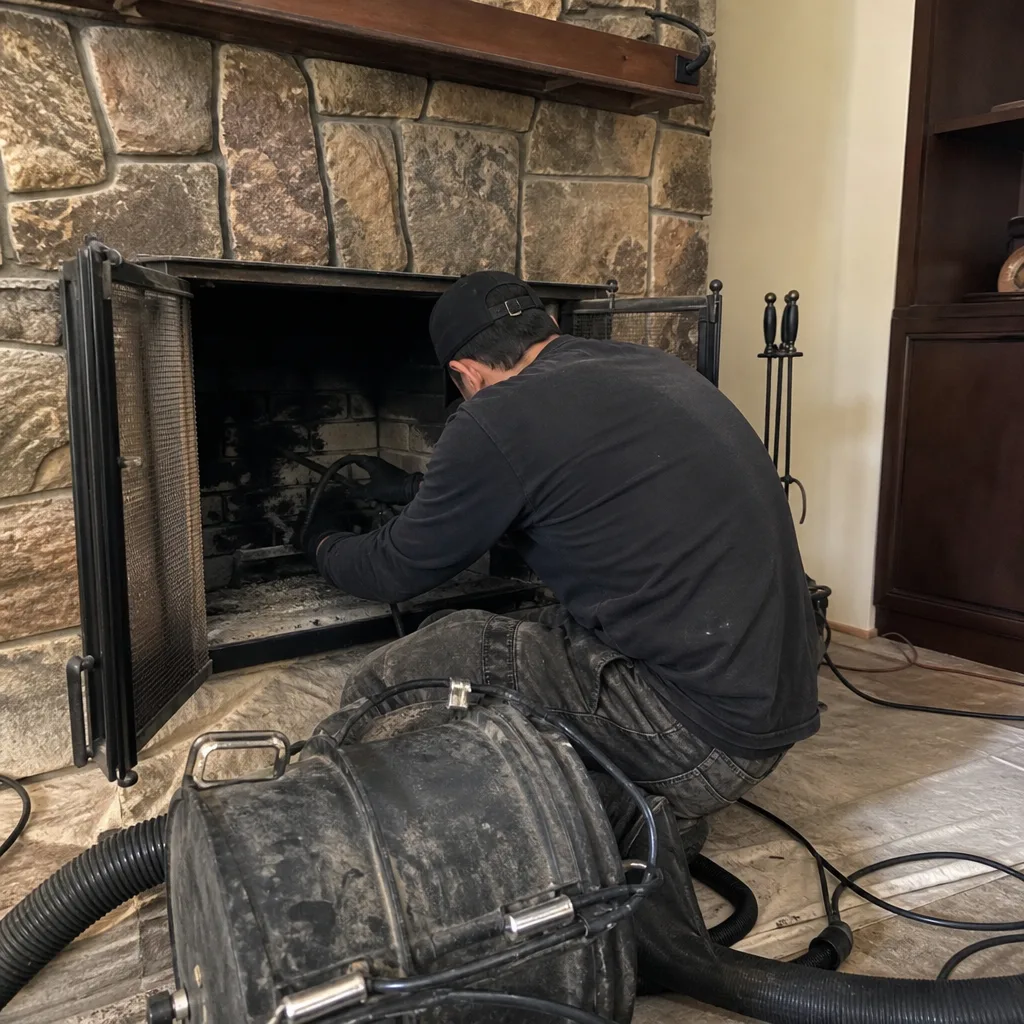 Before
 After
After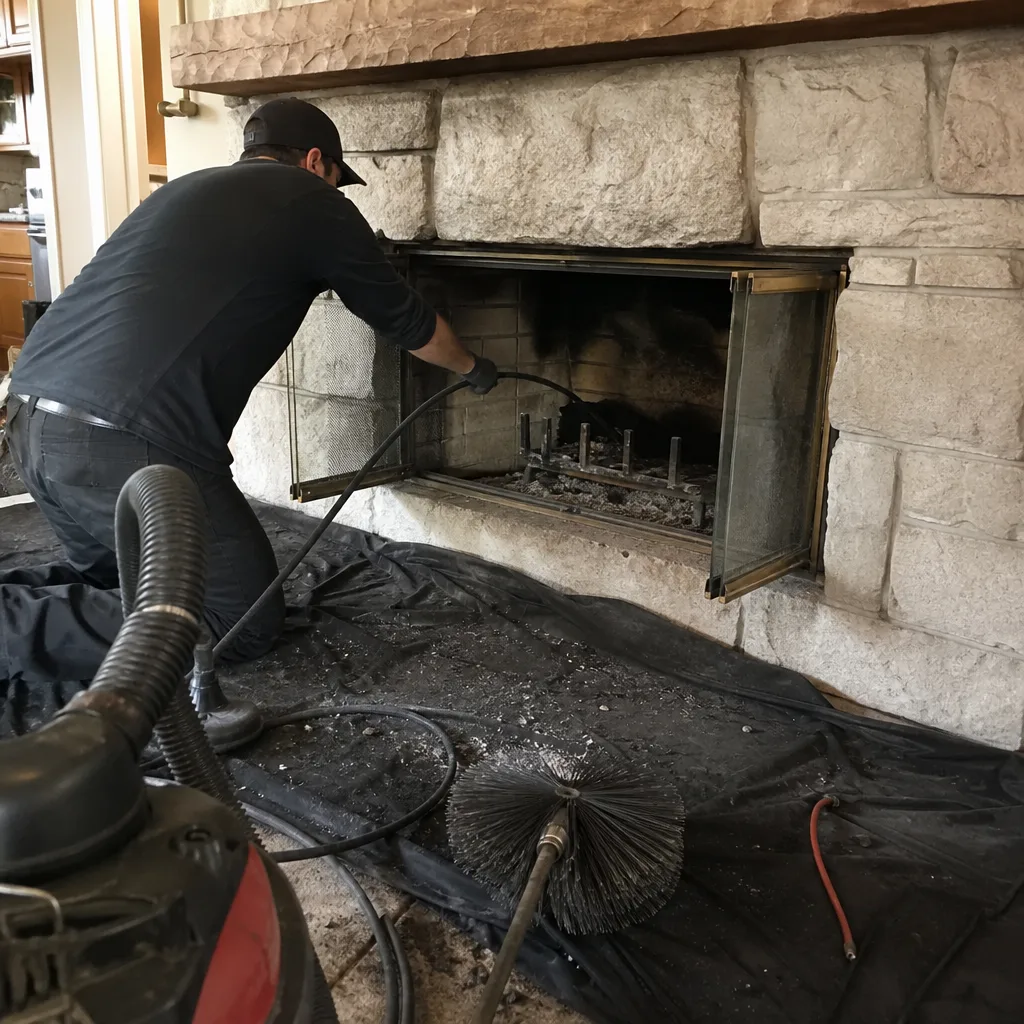 Before
 After
AfterSoot Removal in Denver, CO
Soot removal in Denver typically runs $149 to $349 depending on flue height, buildup depth, and whether a full camera inspection is included. Most appointments are completed in under two hours, and you get a written price before anyone picks up a brush. If you’re seeing black smudging around your firebox opening, smelling smoke when the fireplace is cold, or noticing a persistent burnt odor drifting through your home, the issue is almost always a soot load that’s built up faster than normal – something Denver’s high-altitude burn conditions make more common than most homeowners expect.
Level Two Chimney Denver has been documenting, pricing, and cleaning soot from Denver chimneys since 2009. Every soot removal visit falls under our Chimney Cleaning & Sweep in Denver service umbrella and includes a camera scan of the flue liner, a documented photo record, and a written price before any work starts. Call (720) 674-7312 to speak with a live person right now – not a voicemail, not a form.
What Soot Actually Is (and Why Denver Makes It Worse)
Soot is the fine, powdery carbon residue left behind when wood or gas combustion is incomplete. It coats flue walls, smoke chamber surfaces, and damper assemblies. On its own, a thin soot layer is normal and expected. The problem starts when that layer thickens, blocks airflow, or begins trapping the moisture and organic compounds that eventually convert it into harder, more dangerous creosote.
Denver’s altitude – sitting at 5,280 feet – changes how wood burns. Lower atmospheric pressure means slightly less oxygen per cubic foot of air, which pushes combustion toward the incomplete side. The result: Denver fireplaces tend to produce more soot per cord of wood than the same fireplace would at sea level. Add the rapid temperature swings between daytime highs and overnight lows along the Front Range, and you get condensation cycles inside the flue that bind loose soot to the liner wall faster than in lower-elevation cities. In neighborhoods like Washington Park, Hilltop, and Capitol Hill – where older clay-tile liners are common in century-old homes – that buildup accelerates further because rough tile surfaces give soot more texture to cling to.
None of this means your fireplace is broken. It means Denver chimneys need Annual Sweep services on a schedule that matches local burn conditions, not a generic national calendar.
When You Need Soot Removal
- Black smudging above or around the firebox opening. This is one of the clearest visible signs. Soot is blowing back into the room rather than drafting up the flue, which usually points to a partial blockage or a flue that’s overdue for cleaning.
- A smoke or burnt smell when the fireplace hasn’t been used recently. Soot holds odor. During Denver’s humid spring months or after a heavy rain, moisture activates that stored smell and pushes it back through the damper into the living space.
- Visible black residue inside the firebox on the walls, smoke shelf, or damper plate. A thin dusting is normal after a season of use. Heavy black coating – especially if it’s oily or shiny in patches – means soot has begun converting toward Class I creosote and the flue needs attention now.
- Reduced draw or smoking into the room during fires. A soot-narrowed flue can’t move combustion gases efficiently. If your fire smokes more than it used to, a partial blockage from soot accumulation is one of the first things to rule out.
- You burned more than one cord of wood last winter. Denver winters in neighborhoods like Stapleton, Park Hill, or Harvey Park can be long, and heavy users burn through fuel quickly. A cord of wood or more per season means an annual cleaning is reasonable – possibly more frequent if you’re burning pine or unseasoned wood.
- You haven’t had the chimney cleaned in two or more years. Even light use deposits soot. The National Fire Protection Association’s NFPA 211 standard calls for annual inspection for a reason: buildup is always happening, just at different rates.
 Before
 After
AfterOur Soot Removal Process
- Written price before anything starts. When we arrive, we give you a written scope and price before a single tool comes out of the truck. That’s not a policy we waffle on. Under the Haven Standard, Clause 1 – what we call the “Have it in writing” clause – no work begins without a signed, written price. If the scope changes after we open the flue, we tell you what we found and present a new written number. You decide.
- Camera scan of the flue liner. Before we clean, we run a camera down the flue. This is a full NFPA 211 Level 2 inspection, not a flashlight check from the firebox. The camera shows us the actual soot depth, whether there are cracks or spalling in the liner, and whether the smoke chamber or smoke shelf has buildup the brush won’t reach without a different tool. We’ve been archiving these camera records since 2009 – that practice became Clause 4 of the Haven Standard.
- Sealing the firebox and protecting the room. We seal the firebox opening with a vacuum-attached drop cloth before any brushing begins. This keeps fine soot particles out of your living room. Denver homes, especially the open-floor-plan builds common in Highlands and RiNo, are particularly sensitive to airborne soot migration during cleaning.
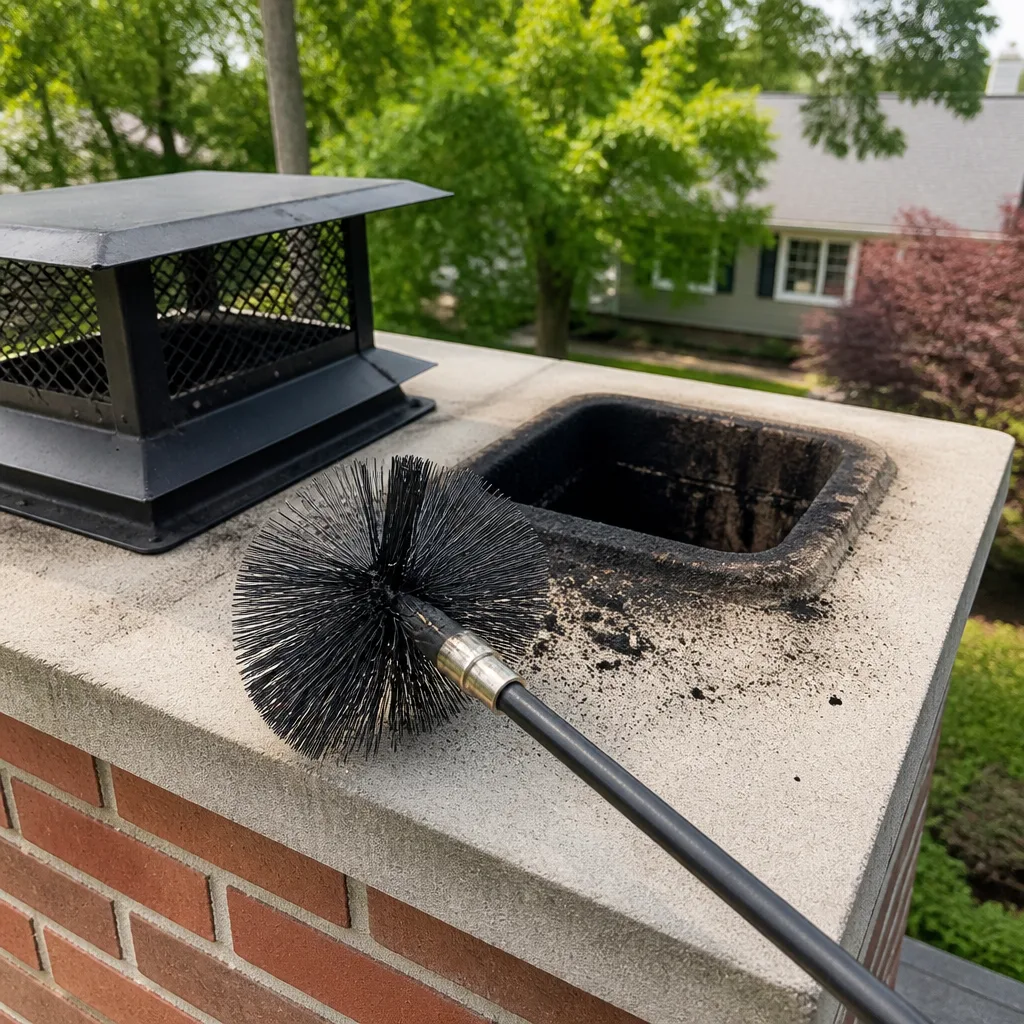
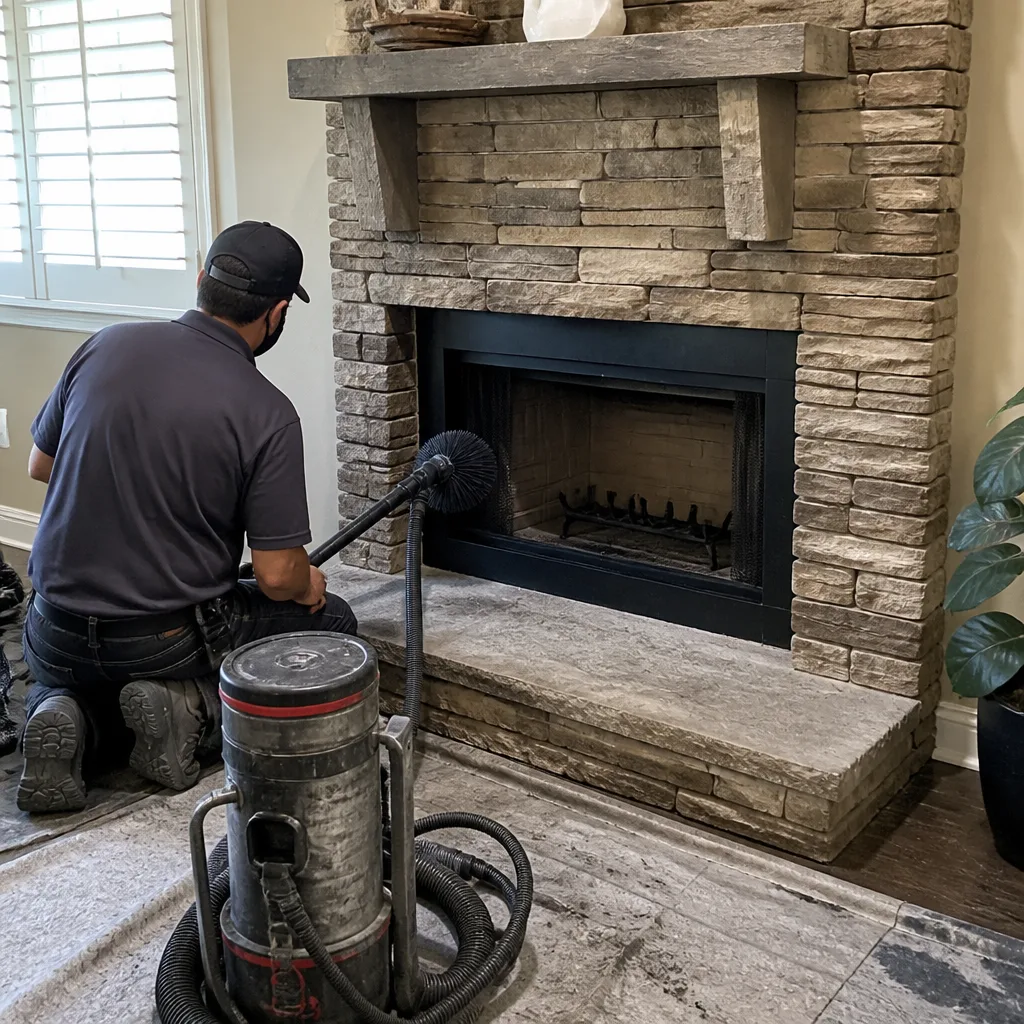
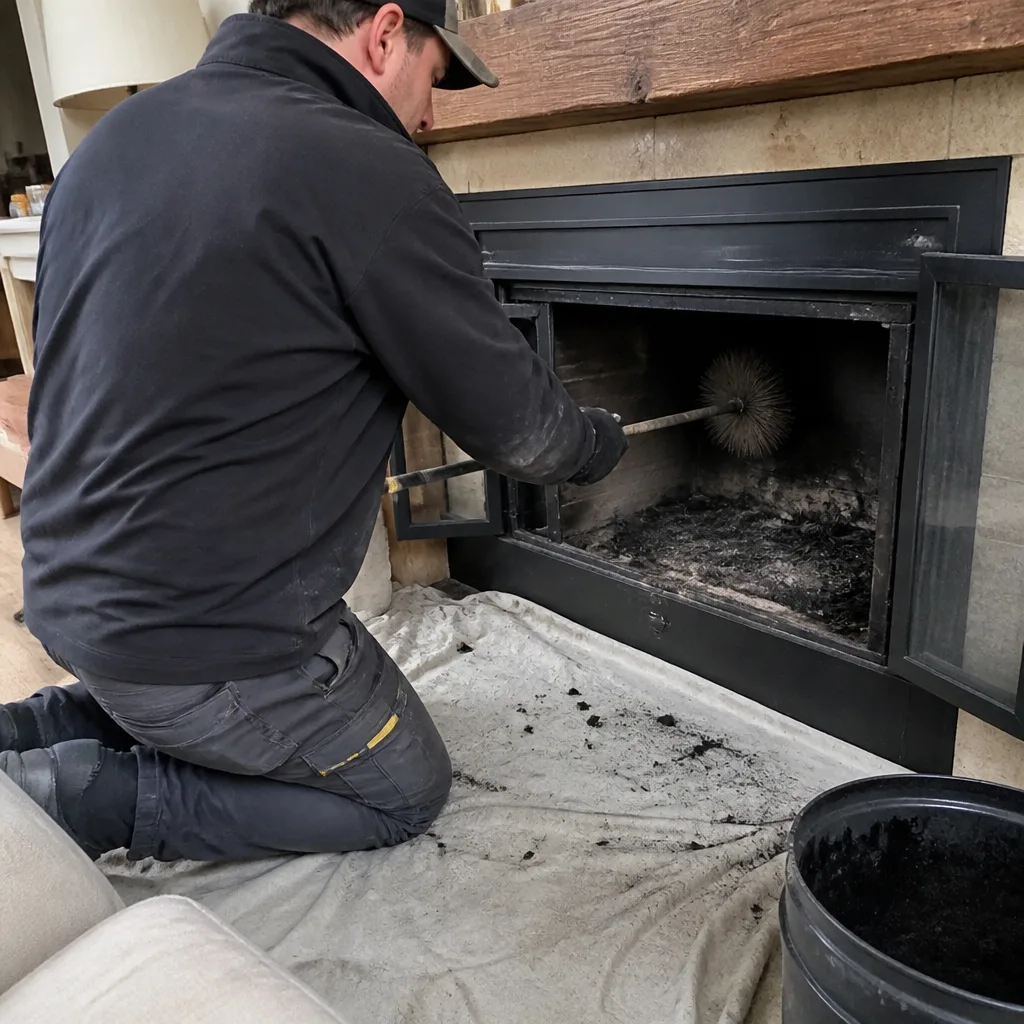
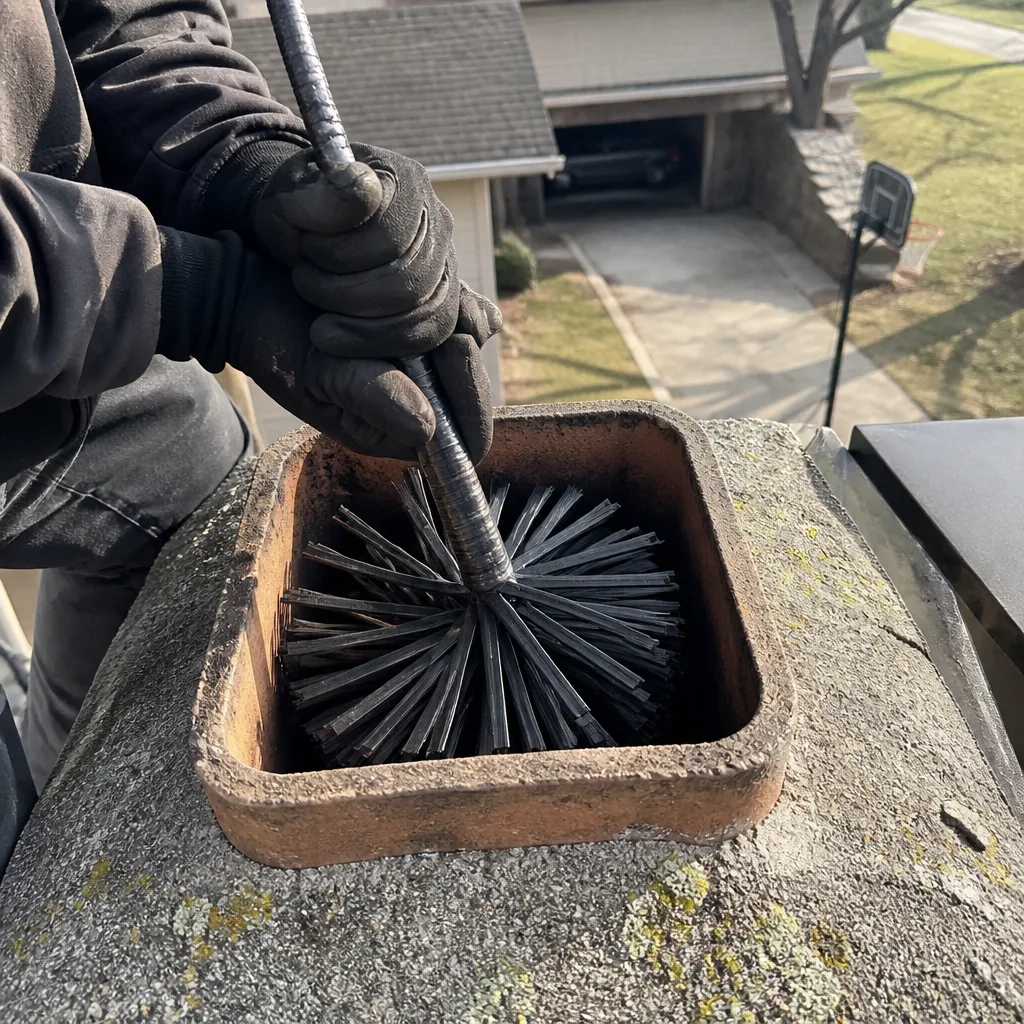
- Rotary brush cleaning from the top down. Our technicians work from the roofline downward using rotary chimney brushes sized to your specific flue dimensions – round, square, or rectangular. Soot deposits on the flue walls, smoke chamber, and smoke shelf are loosened and pulled into the vacuum system. Stubborn deposits on tile liners may require a second pass.
- Inspection of the smoke chamber and damper. Soot doesn’t stay in the flue. The smoke chamber – the tapered section between the firebox and the flue – is one of the heaviest soot collection points and one of the most commonly skipped areas in a basic cleaning. We check it, document it, and clean it as part of the standard scope.
- Documented photo record and written closeout. When we’re done, you get a photo record of what we found before cleaning, what we removed, and the post-cleaning condition of the flue liner, smoke chamber, and firebox. This is the record your insurer or a future home buyer might ask for. It’s included on every visit, not an add-on.
Soot Removal Pricing in Denver
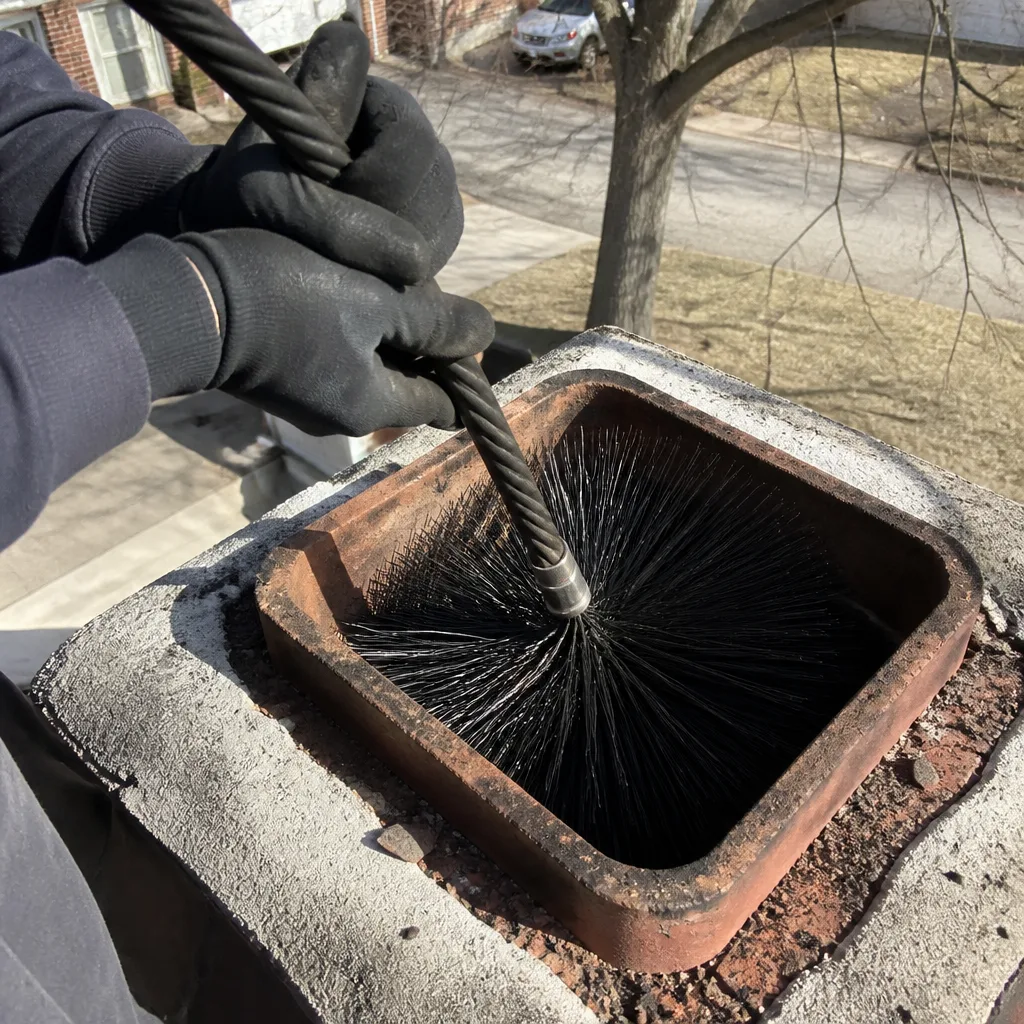
Soot removal pricing in Denver runs $149 to $349 for most residential single-flue fireplaces. Below is a closer look at what moves the number up or down.
| Scope | Typical Range |
|---|---|
| Single-flue standard cleaning (light to moderate soot) | $149 – $229 |
| Single-flue cleaning with heavy soot buildup or smoke chamber work | $229 – $299 |
| Two-story or extended flue (above 20 ft) | $249 – $349 |
| Camera scan inspection (NFPA 211 Level 2), included as standard | Included |
| Documented photo record, included as standard | Included |
What moves the price higher: flue length (taller Victorian and Foursquare homes in Congress Park or Montclair often have flues running 25 to 30 feet), the presence of Class I or Class II creosote mixed into the soot load (which requires additional chemical treatment), and smoke chamber corbeling that’s heavily coated and needs hand-brushing. Gas fireplace flues tend to accumulate less soot than wood-burning units, so they often fall at the lower end of the range.
What doesn’t affect our price: how far into Denver you are, how old the chimney is, or whether you’ve used a competitor before. The written price you get before work starts is the price on your invoice when we leave.
If you’ve already gotten a written estimate from another company, bring it to us. We offer a free second opinion on any written estimate – and we’ll show you, on camera, exactly what’s in your flue so you can make an informed decision. Call (720) 674-7312 and ask to speak with someone about a second opinion. It costs nothing.
What Happens If Soot Is Left Alone
Soot itself is not as immediately dangerous as creosote, but it’s the precursor to it. Left in place through a Denver heating season – particularly when winter fires run long and hot to counteract sub-zero nights along the Front Range – loose soot absorbs unburned hydrocarbons from combustion gases and begins converting to Stage 1 creosote: a dry, flaky deposit. That transitions to Stage 2 creosote with repeated heating and cooling cycles: a harder, tar-like coating that brushes don’t remove cleanly. Stage 3, or Class III creosote, is a glazed, dense material that is both extremely flammable and very difficult to remove without chemical application or, in severe cases, full liner replacement using a system like DuraFlex stainless liner.
The conversion timeline isn’t fixed – it depends on burn habits, wood moisture content, and flue temperature. But the pattern we see repeatedly in Denver, particularly in areas like Green Valley Ranch and Montbello where newer homes have shorter, factory-built fireplace flues, is that homeowners who skip one cleaning and burn heavily the following season often find themselves with a Class II problem where they expected a routine cleaning. The cleaning cost doesn’t double. It can triple or more, and liner repair may enter the picture.
Scheduling Chimney Cleaning & Sweep services for annual soot removal is the lower-cost, lower-risk option. The camera tells us exactly what class of buildup you have, and we price accordingly.
Key Takeaways
- Denver’s altitude and temperature swings accelerate soot buildup compared to lower-elevation markets.
- Standard soot removal runs $149 to $349 for most Denver homes, written price before work starts, no exceptions.
- Every visit includes a camera scan (NFPA 211 Level 2) and a documented photo record under Haven Standard Clause 4.
- Soot left in place converts to creosote, which is significantly more expensive to address.
- Smoke chamber cleaning is included in our scope – not skipped, not billed separately.
- The 365-Day Done Right Promise applies to every job: if something isn’t right, we make it right.
FAQs – Soot Removal in Denver
How much does soot removal cost in Denver?
Soot removal in Denver costs between $149 and $349 for a standard single-flue wood-burning fireplace. The exact number depends on flue height, the depth of the soot deposit, and whether the smoke chamber needs additional attention. A two-story flue or one with mixed creosote buildup will land at the higher end. The camera scan and photo record are included at every price point. Call (720) 674-7312 for a written quote – we’ll give you a number before anyone starts work, guaranteed.
Is soot removal the same as a chimney sweep?
Soot removal is a core part of what a chimney sweep does, but not the whole job. A full sweep – as we describe on our Chimney Cleaning & Sweep in Denver page – also covers the smoke chamber, damper assembly, and firebox, plus a camera inspection of the flue liner. If a tech cleans the firebox walls and calls it done without running a camera or checking the smoke shelf, that’s an incomplete job. Our scope covers the full system.
How often do Denver chimneys need soot removal?
Once per year is the NFPA 211 baseline, and it’s the right answer for most Denver homeowners who burn one to two cords of wood per season. If you’re burning more than two cords, running fires through long winter stretches, or burning pine or other resinous softwoods – common in the foothills communities west of Denver – twice a year is worth considering. The camera tells us exactly what’s present, so we’re never guessing or upselling based on nothing.
Can I remove soot myself with a chimney brush?
You can clean visible soot from the firebox walls using a stiff brush and a HEPA-filter shop vacuum without any risk of injury – that’s straightforward maintenance. The flue liner, smoke chamber, and smoke shelf are different. Working inside a flue without the right equipment scatters fine soot particles throughout the home, and you won’t be able to assess the liner condition or identify creosote conversion without a camera. High-tension components like the damper assembly can also be dangerous to disturb without knowing the fireplace’s construction. For anything above the firebox opening, searching Chimney Cleaning & Sweep Near Me in Denver, CO to find a trained tech with a camera and the right vacuum setup is the practical call. Call us at (720) 674-7312 and we’ll give you a written price before we start.
Why Level Two Chimney Denver
Corrine Halstead built Level Two Chimney Denver on a single operating premise: the camera comes first, the price goes in writing, and the documentation belongs to the customer. Since 2009, that approach has produced more than 38,000 chimney inspections and cleanings across Denver and the surrounding metro. Every one of those jobs had a written price before work started. Every one had a photo record when it finished.
We’re not the company that hands you a brochure and a firm handshake. We’re the company that shows you the inside of your own chimney, tells you in plain terms what the camera found, and gives you a written number before anyone picks up a brush. That’s what we’ve done since the beginning, and it’s what the Haven Standard was built to hold us to – in writing, on every job, with a 365-Day Done Right Promise stamped on it.
If you have a written estimate from another company and want a second set of eyes on it, call us. The second opinion is free, and we’ll back it with camera footage. Reach us at (720) 674-7312 – a live person picks up, 24 hours a day. Or visit our home page to learn more about how we work before you decide anything.
Written by Corrine Halstead, Owner at Level Two Chimney Denver, serving Denver.