
Last updated September 22, 2026
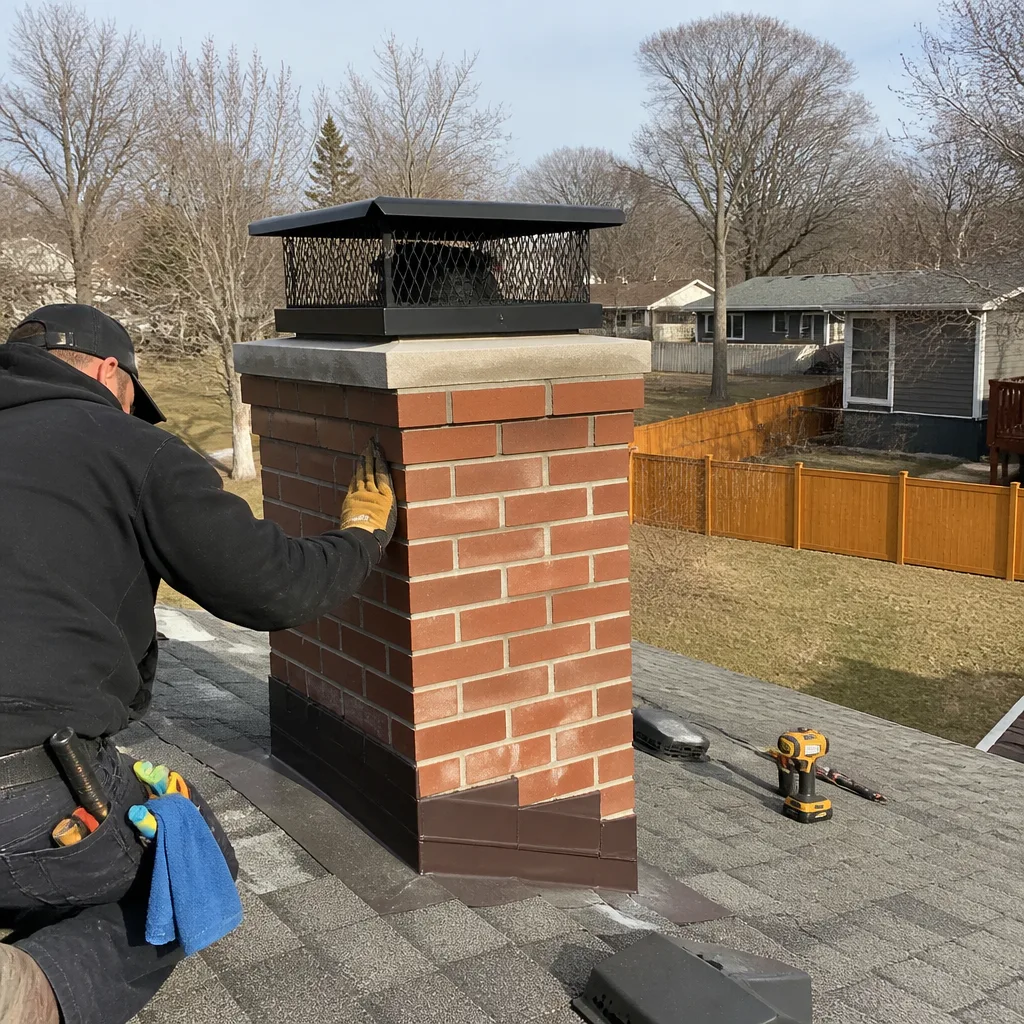
Level 1 sweep and inspection to the NFPA 211 annual standard - flue, crown, cap, and flashing checked and photographed
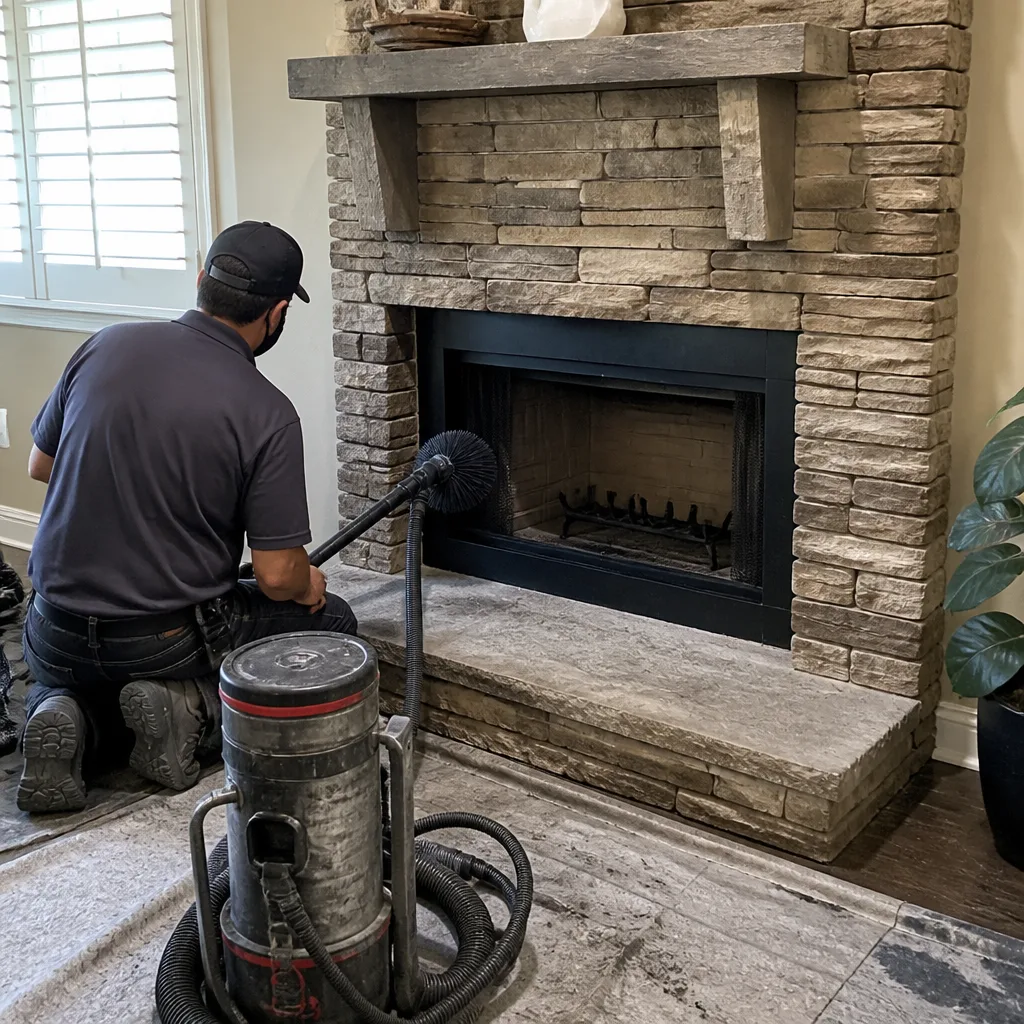
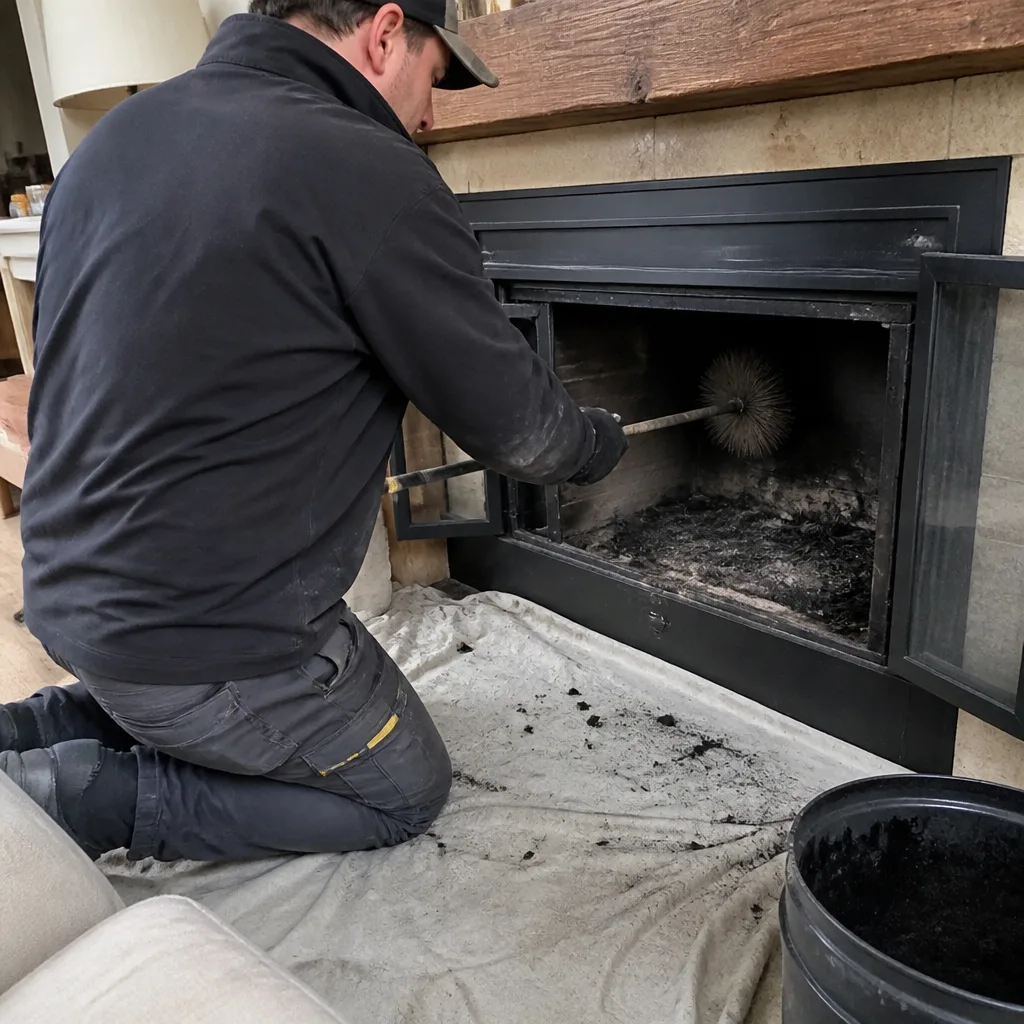
Chimney sweep logs do not sweep chimneys. They loosen some creosote - which then falls where a brush and vacuum still have to collect it.
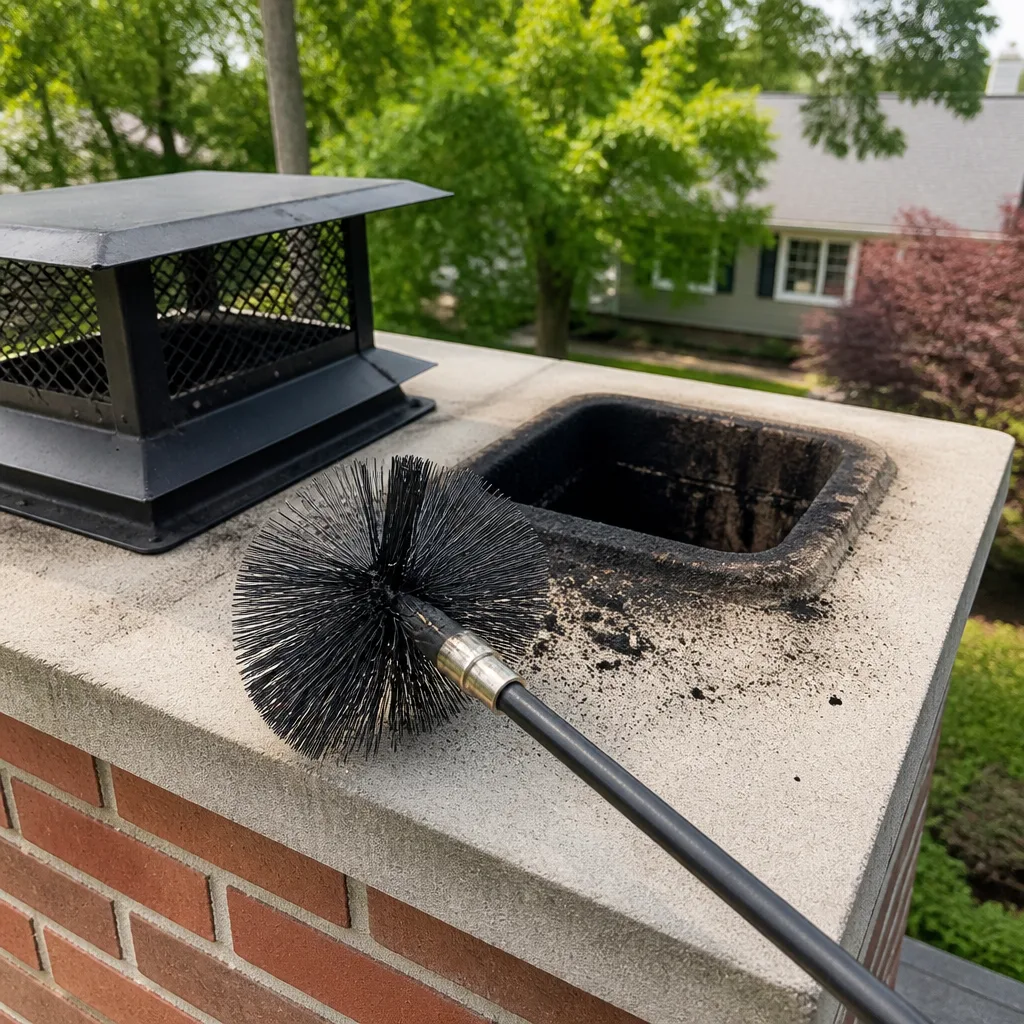
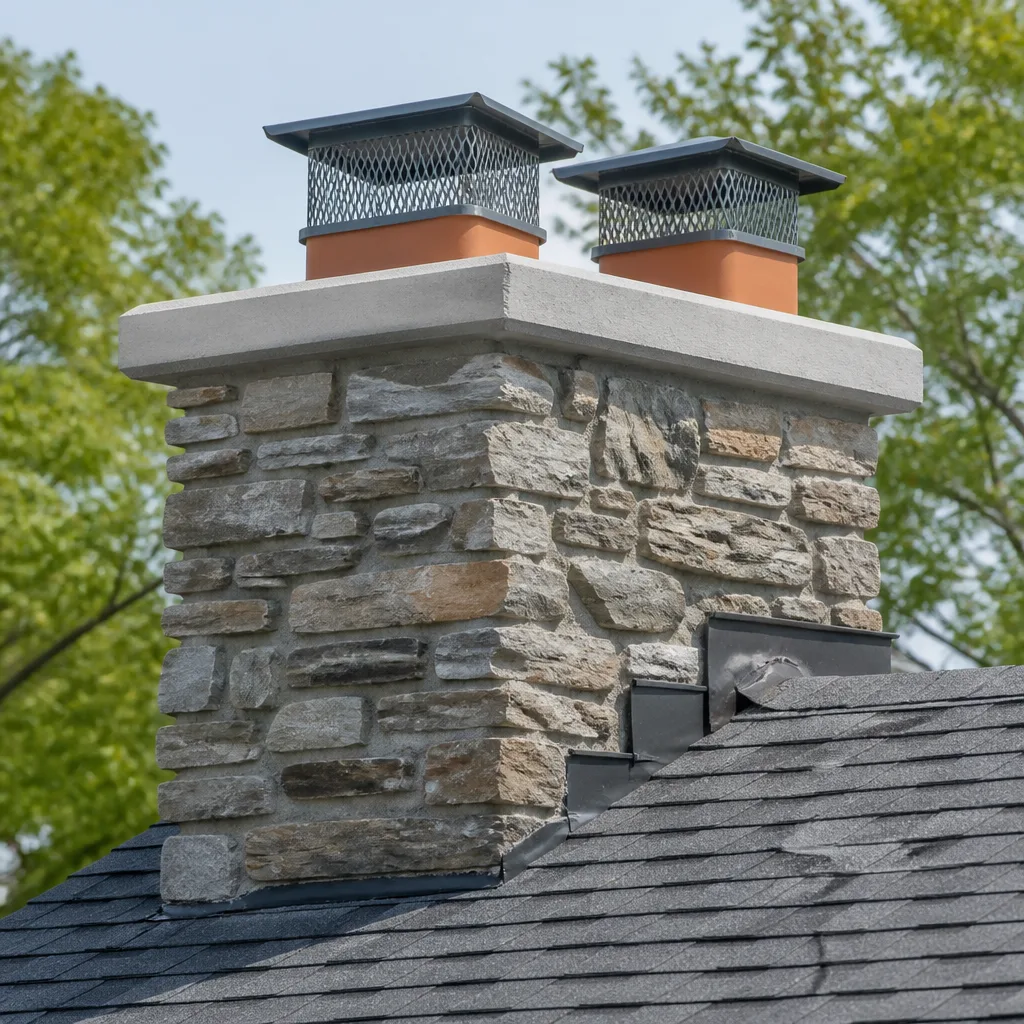
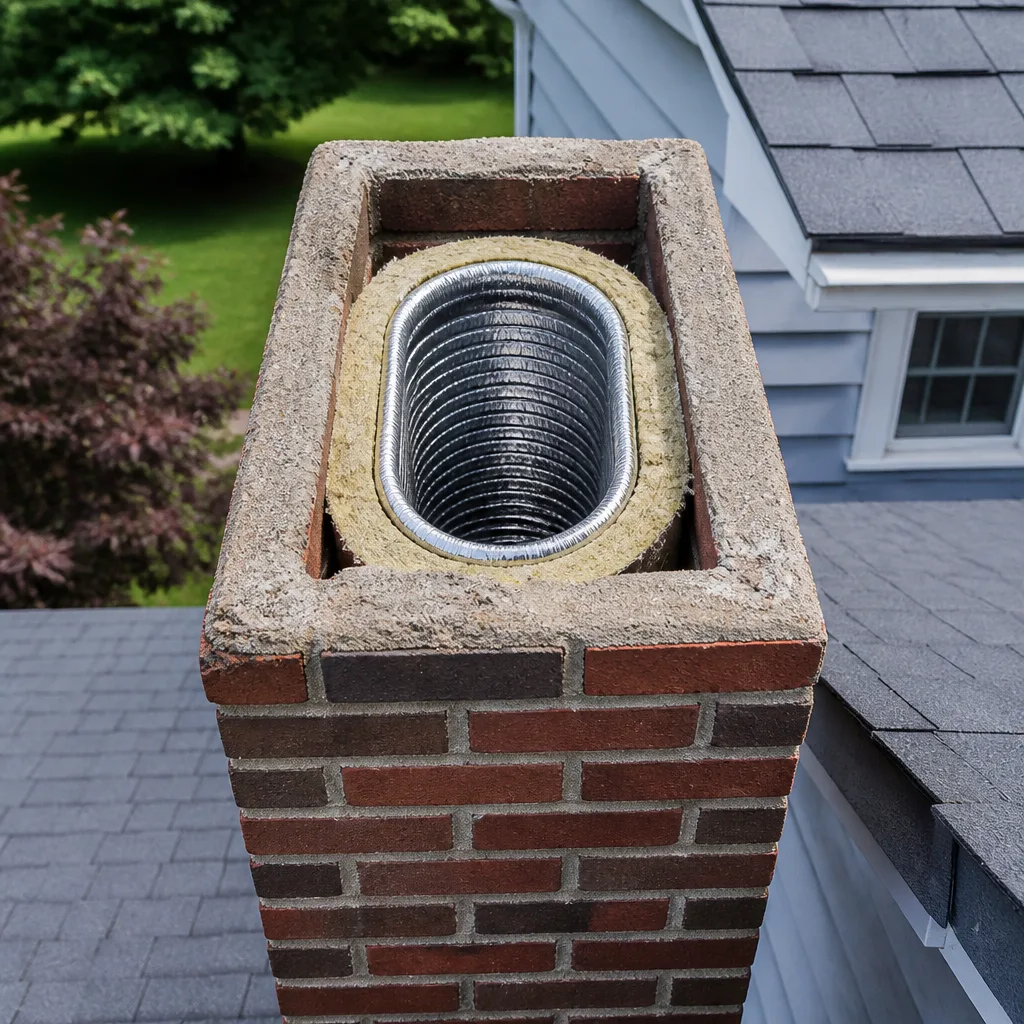
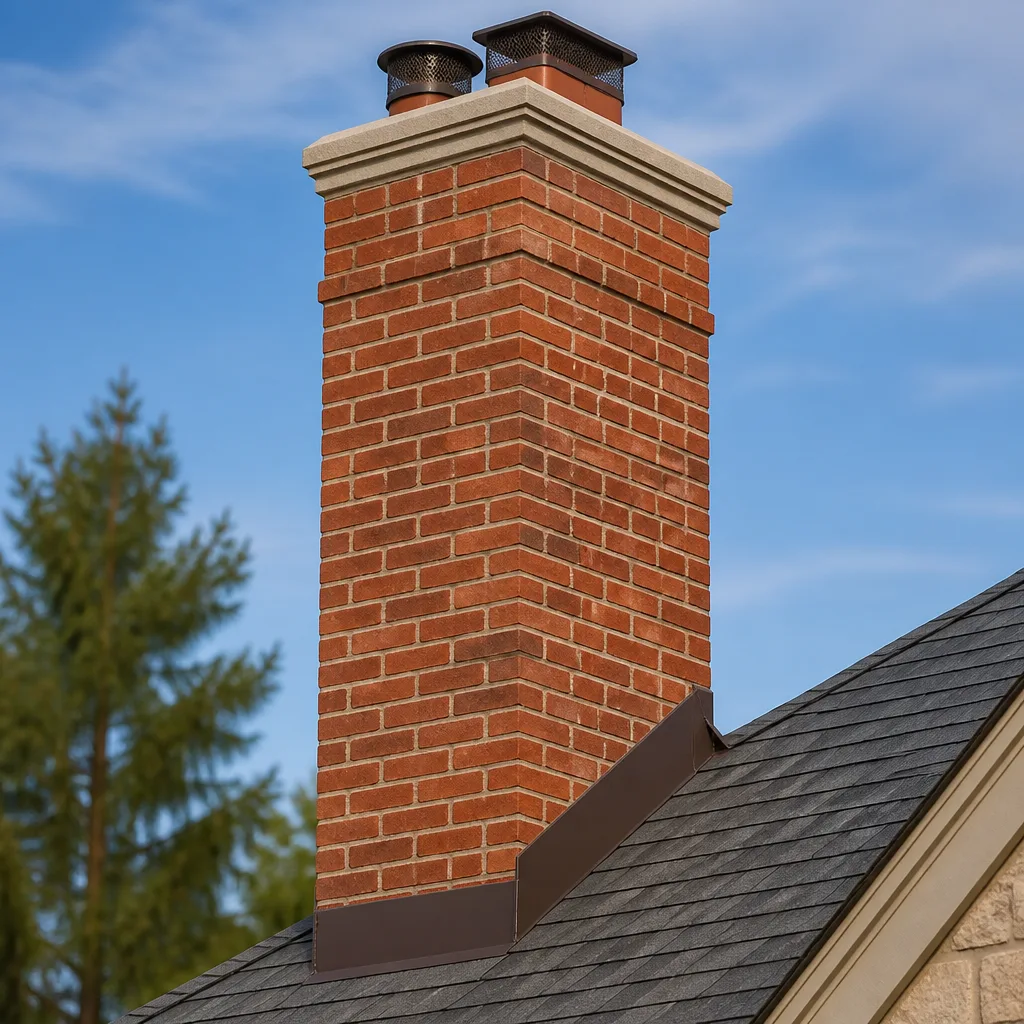
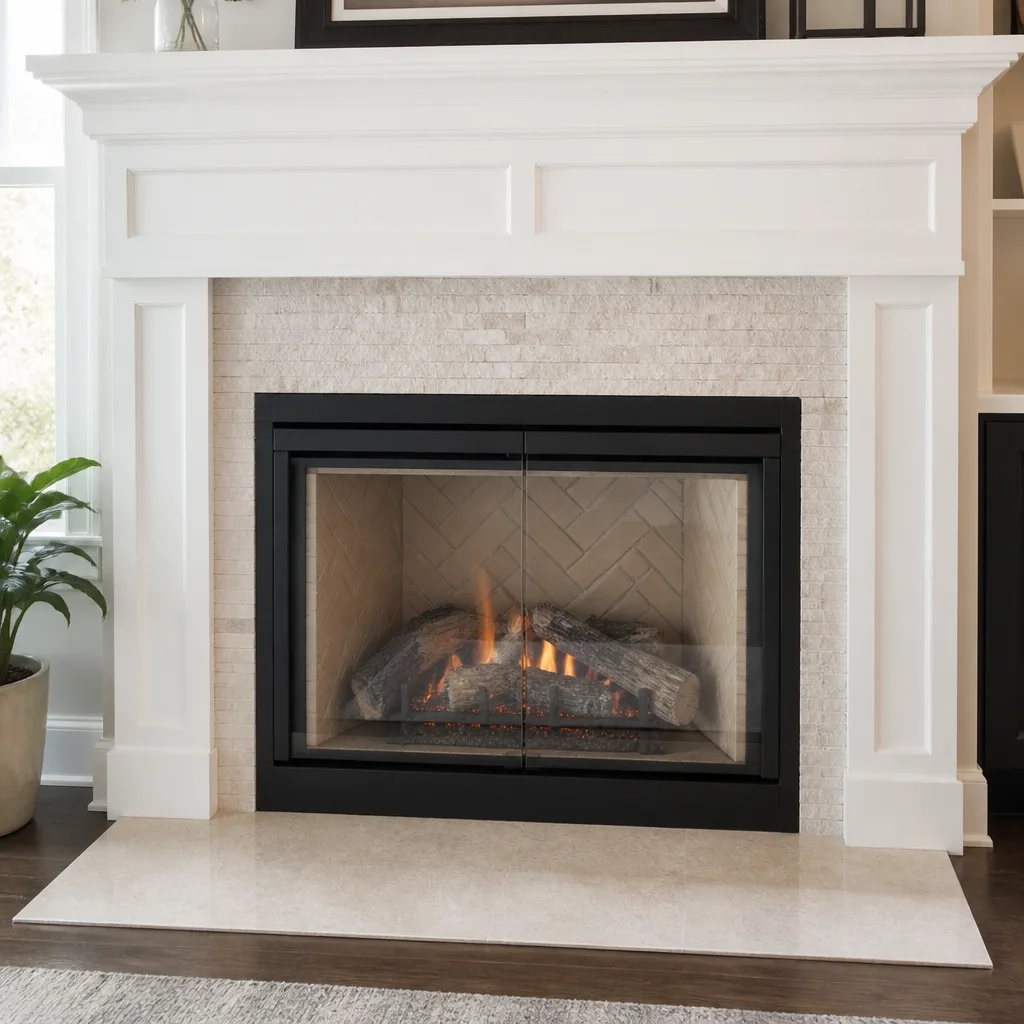
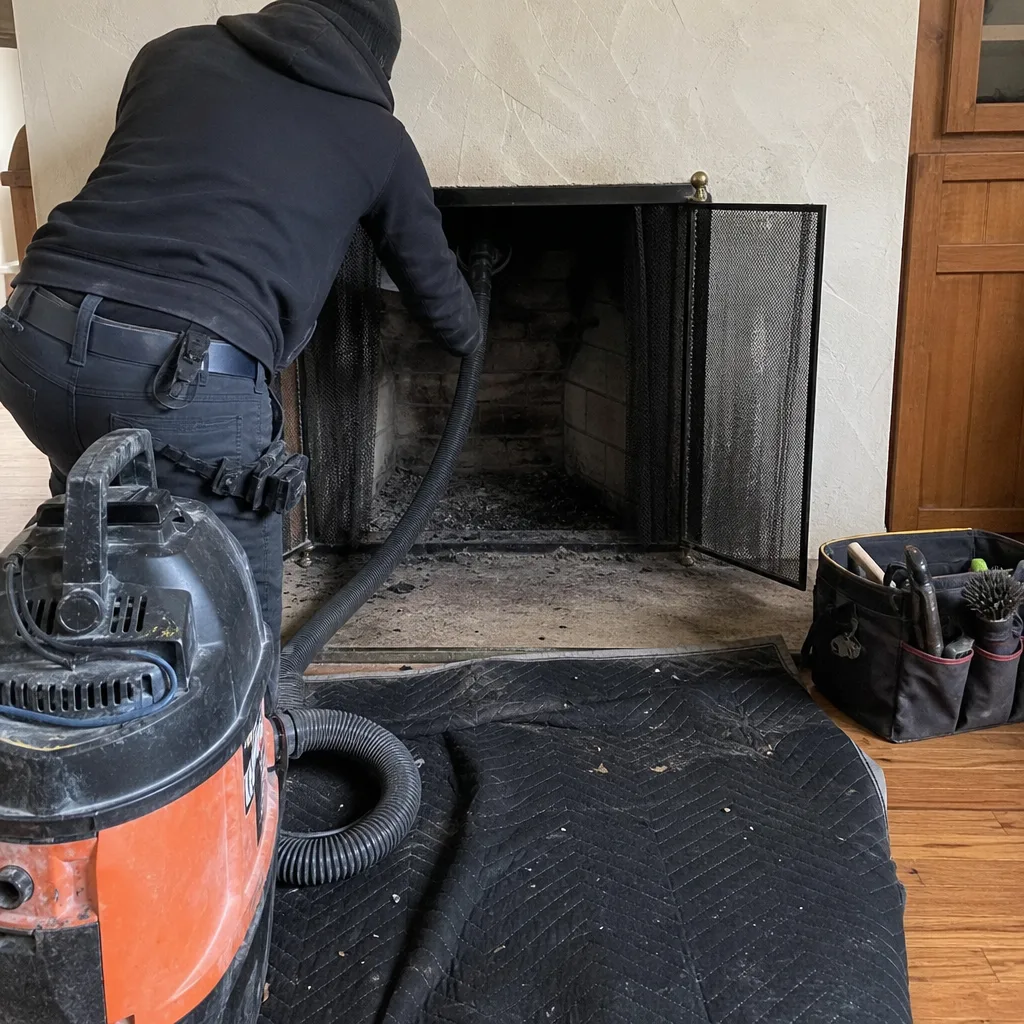 Before
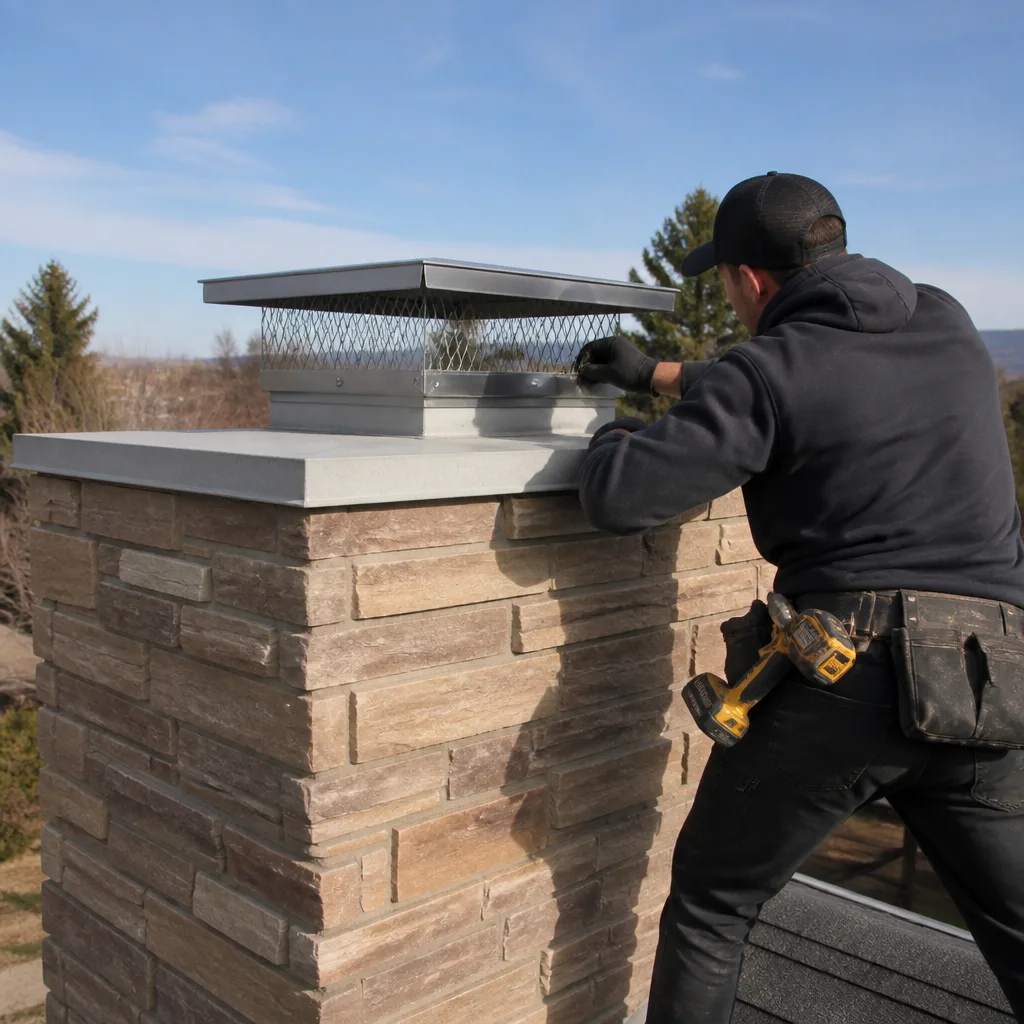 After
After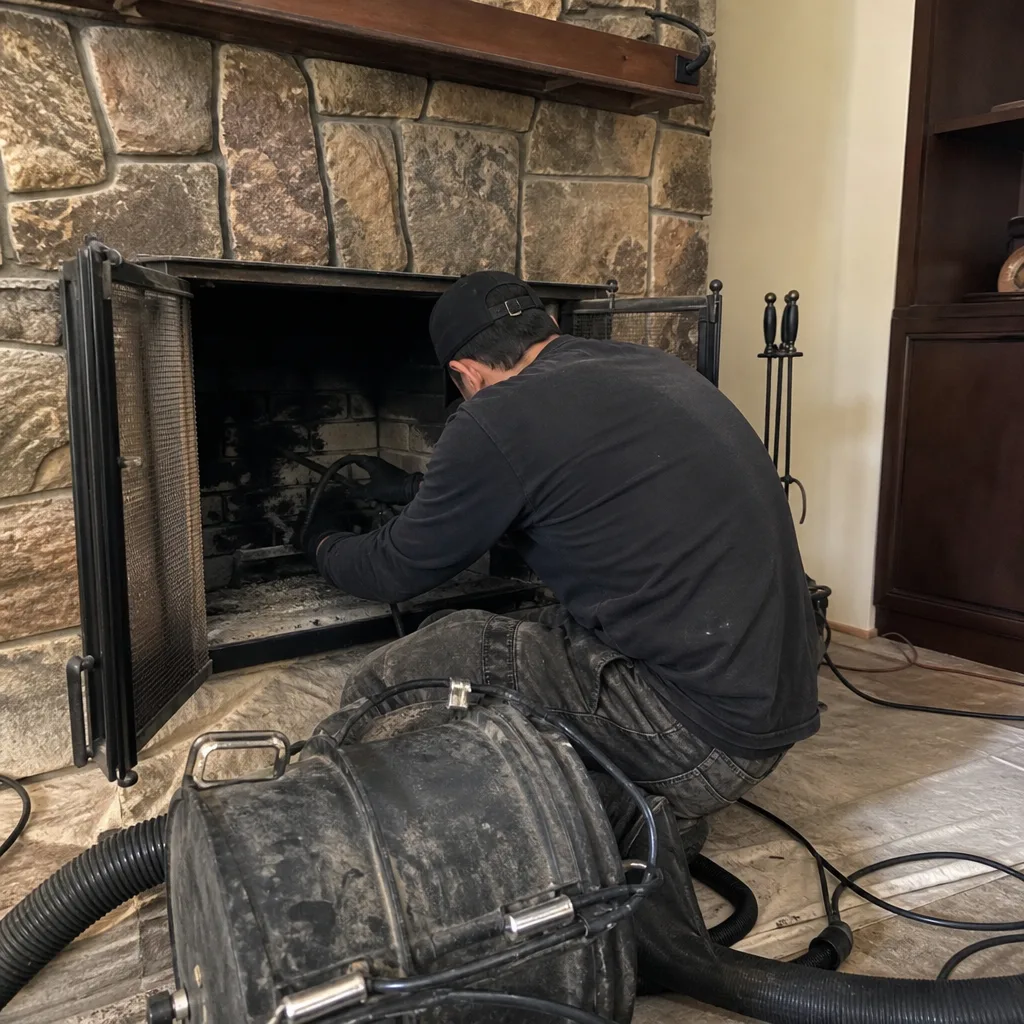 Before
 After
After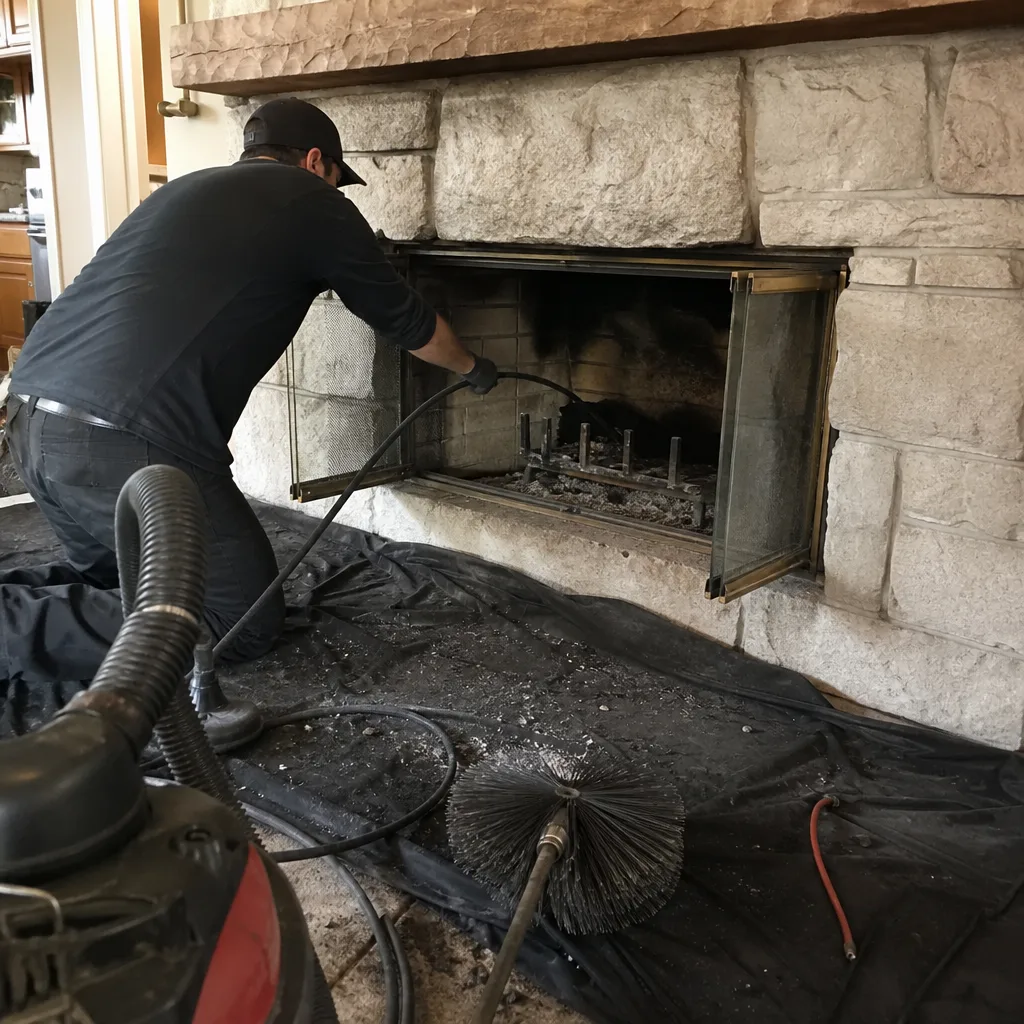 Before
 After
AfterChimney Cleaning Cost Breakdown: The Denver Homeowner’s Reference for 2026
The $89 chimney cleaning coupon covers brush-and-vacuum for a single flue. The question isn’t whether that’s a fair price - it’s whether it includes a camera scan, a written condition report, or any documentation at all. Usually, the answer is no to all three. In Denver’s market, where freeze-thaw cycles damage crowns and high-altitude burns alter creosote buildup patterns, the gap between a cheap sweep and a documented inspection isn’t $200 of profit margin. It’s the difference between knowing your chimney’s condition and guessing. This guide - along with our Chimney Cleaning & Sweep Maintenance Checklist for Denver Homeowners - breaks down every line item, what it costs in the Denver market in 2026, and what you’re actually paying for when you book.
Quick Answer
A standard chimney sweep in Denver costs $150-$250 for a single-flue masonry chimney with a Level 1 visual inspection. A full Level 2 inspection with camera scan, written report, and documented photo record runs $280-$420. Prices vary by chimney type, accessibility, and creosote severity, with two-story homes and Class III glazed creosote adding $75-$150.
Table of Contents
- What Determines Chimney Cleaning Cost in Denver
- Itemized Cost Breakdown: Denver Market 2026
- Level 1 vs. Level 2 Inspection: What the Price Gap Buys
- Chimney Type Cost Comparison: Denver Homes
- Hidden Surcharges: How to Spot Them Before Booking
- Why Documentation Matters: Insurance, Resale, and Liability
- How to Read a Written Estimate Before Work Starts
- Denver-Specific Factors: Climate, Codes, and Neighborhoods
 Before
 After
AfterWhat Determines Chimney Cleaning Cost in Denver
Chimney cleaning prices in Denver aren’t pulled from a national rate card. They’re shaped by local conditions that affect how long a job takes, what equipment is required, and what risks the technician assumes.
Chimney type and construction. A prefab zero-clearance fireplace with a metal flue takes 45 minutes to sweep. A masonry chimney with clay tile flue liners in a 1920s Park Hill bungalow may need two hours, especially if the smoke chamber - the area above the firebox that funnels smoke into the flue - requires parging (smoothing with refractory mortar) to reduce turbulence and creosote accumulation.
Creosote class. The NFPA recognizes three classes. Class I is sooty, powdery, and brushes off easily. Class II is granular and requires more aggressive brushing. Class III is glazed, tar-like, and often requires chemical treatment or rotary cleaning - adding $100-$200 in Denver due to labor and material costs. In our experience, Denver’s high-altitude, low-humidity burns produce more Class III buildup than sea-level equivalents because fires burn hotter and faster, concentrating combustion byproducts.
Accessibility and height. A single-story ranch in Virginia Village with a shallow-pitch roof is straightforward. A three-story Victorian in Capitol Hill with a steep slate roof and limited ladder access adds time and equipment. Some companies apply a two-story surcharge of $50-$100; others build it into their base rate. The key is knowing which before you book.
Number of flues. Many Denver homes, especially in Stapleton and newer infill construction, have multiple flues: one for the fireplace, one for the furnace or water heater. A second flue typically adds $80-$150 per sweep. Beware the “additional flue pass” language in low advertised rates - it’s often where $89 becomes $240.
Seasonal demand. September through November in Denver sees 3-4x booking volume. Some companies raise rates 10-20% during peak season. Others maintain flat pricing year-round but extend lead times to 3-4 weeks. Booking in March or April often secures better availability and occasionally preseason discounts.
Itemized Cost Breakdown: Denver Market 2026
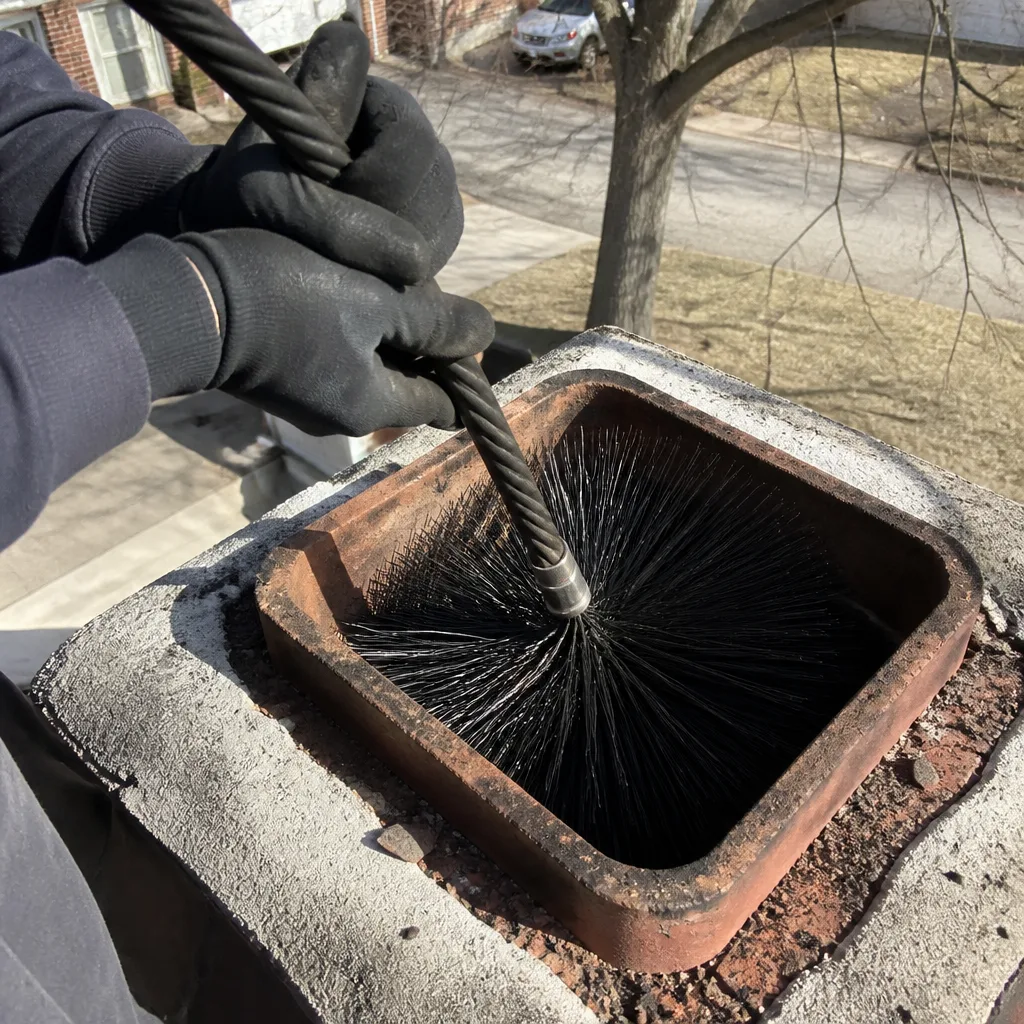
Here’s what each component should cost when priced separately in the Denver metro area. These ranges reflect our buying network and competitor monitoring across Aurora, Lakewood, Littleton, and central Denver neighborhoods.
| Service Component | Typical Range | What’s Included |
|---|---|---|
| Standard chimney sweep (single flue, Class I-II creosote) | $150-$220 | Brush-and-vacuum cleaning, basic debris removal, visual firebox check |
| Level 1 inspection (visual, accessible areas only) | $50-$100 | Exterior crown, cap, and accessible flue tile examination; no roof work |
| Level 2 inspection (NFPA 211 compliant) | $180-$280 | Camera scan of full flue length, attic and basement access, written report |
| Documented photo record | $0-$75 | Digital photos or video file of flue interior, delivered post-visit |
| Written condition report | $0-$50 | Standardized form or narrative description of findings |
| Chimney cap replacement (standard galvanized) | $150-$250 installed | Cap, screen, installation; stainless steel adds $100-$200 |
| Chimney cap replacement (stainless or copper) | $280-$450 installed | Corrosion-resistant materials, animal-proof screening |
| Crown repair (minor crack sealing) | $200-$400 | Waterproof sealant or thin overlay; not rebuild |
| Crown rebuild (concrete or proprietary mix) | $800-$1,500 | Formed and poured new crown with proper overhang and drip edge |
| Smoke chamber parging | $500-$1,200 | Refractory mortar application to smooth corbelled brick; reduces creosote adhesion |
| Class III creosote removal (chemical + rotary) | $100-$250 additional | Application of creosote-modifying chemical, rotary chain cleaning after dwell time |
| Two-story or steep-roof surcharge | $50-$125 | Additional ladder work, safety equipment, or second technician |
| Second flue (fireplace + furnace, etc.) | $80-$150 | Full sweep and basic inspection of additional flue |
At Level Two Chimney Denver, we’ve structured our pricing so the camera scan, written report, and documented photo record are never add-ons. They’re standard under Haven Standard Clause 4, which we’ve followed since 2009. The price we quote in writing before work starts includes everything the job requires - no “additional flue pass” surprises, no post-inspection upsell pressure.
Level 1 vs. Level 2 Inspection: What the Price Gap Buys
The $130-$180 difference between a Level 1 and Level 2 inspection isn’t a luxury upgrade. It’s the gap between a flashlight glance and a documented evaluation that insurers, home inspectors, and attorneys recognize.
Level 1 inspection. Defined by NFPA 211, this is a visual examination of readily accessible portions of the chimney exterior, interior, and appliance connection. The technician doesn’t climb the roof, doesn’t enter the attic, and doesn’t run a camera. It’s appropriate for annual maintenance when no changes have occurred to the system. In Denver, this typically costs $50-$100 when bundled with a sweep, or $100-$150 standalone.
Level 2 inspection. Required by NFPA 211 upon sale or transfer of property, after chimney fire or seismic event, or when any component is changed - see our Chimney Cleaning Warning Signs: A Denver Homeowner’s Reference Guide for when to schedule one. This includes everything in Level 1 plus:
- Camera scan of the full flue length, from firebox to crown, documenting liner condition, joint alignment, and obstruction
- Attic and basement access to examine chimney structure, clearances to combustibles, and connection points
- Roof examination of crown, cap, flashing, and exterior masonry condition
- Written report with findings, recommendations, and documented photo record
The Level 2 inspection originated as a response to hidden flue damage - cracked tiles, missing mortar joints, or deteriorated liners - that visual inspection simply cannot detect. In Denver’s climate, where thermal shock from rapid temperature swings (50°F afternoons dropping to 15°F nights) stresses masonry, these defects are common and often invisible from the firebox.
Here’s what the price difference protects: if a chimney fire occurs and your insurer discovers no Level 2 inspection was performed, coverage disputes arise. If you sell your home and the buyer’s inspector finds unreported flue damage, you may face repair credits or sale delays. The $180-$280 for a Level 2 inspection is liability insurance priced as a service call.
We’ve performed over 38,000 chimney inspections and cleanings since 2009, every one with a written price before work started and a documented record when finished. Clause 4 of the Haven Standard requires that photo record - not as a marketing point, but as a verifiable archive of what we found and when.
Chimney Type Cost Comparison: Denver Homes
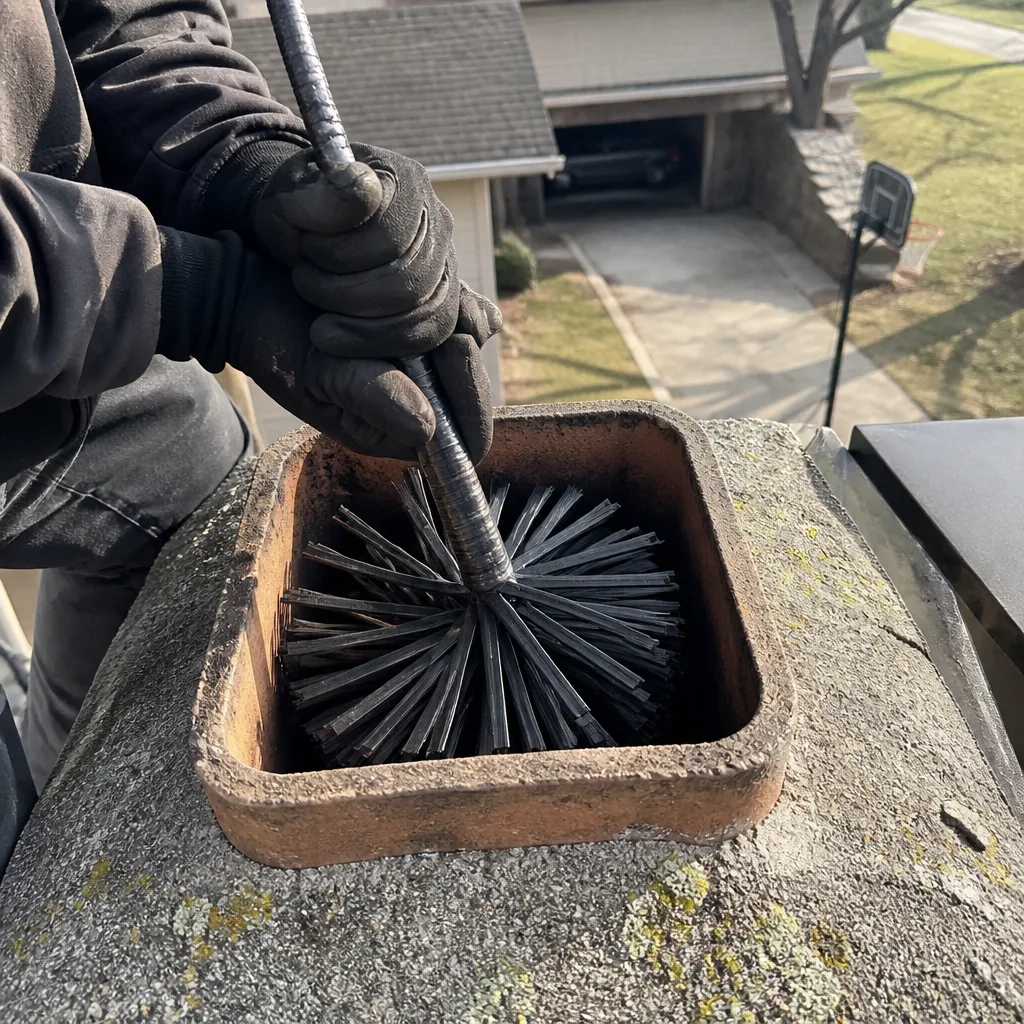
Denver’s housing stock spans 140 years, and chimney construction varies dramatically by era and neighborhood. The type of system in your home determines cleaning complexity, inspection requirements, and typical repair needs.
Prefab zero-clearance fireplaces (1985-present). Common in Stapleton, Green Valley Ranch, and post-2000 infill. These metal-box systems with factory-built metal flues are the simplest to sweep - typically $130-$180. The catch: they require manufacturer-specific parts for repairs, and the metal flue liners deteriorate predictably after 15-25 years. A camera scan is essential to catch liner separation or corrosion before it becomes a wall-void fire hazard. Replacement parts come from DuraFlex and Olympia Chimney through our buying network.
Masonry with clay tile liners (1890-1980). The standard in Park Hill, Whittier, Berkeley, and most pre-war Denver neighborhoods. Clay tiles handle heat well but crack from thermal shock and settle with foundation movement - common in Denver’s expansive clay soils. Sweeping runs $160-$240; the real cost exposure is tile repair or stainless steel liner replacement ($2,500-$5,500) when inspection reveals damage. We see spalling (surface flaking) and mortar joint erosion frequently in 1920s Denver chimneys where original crowns have failed.
Masonry with stainless steel liners (1990-present, retrofits). Often installed after clay tile failure or during gas conversion. The smooth steel surface reduces creosote adhesion, making sweeps faster - $150-$220 typically. But the liner termination, connection to appliance, and top plate seal require camera verification. HeatShield and DuraFlex materials dominate this segment.
Unlined masonry (pre-1940, rare but present). Found in some Capitol Hill and Highland renovations. These are priority cases: NFPA 211 prohibits use of unlined masonry for solid fuel without lining or approved alternative. A Level 2 inspection is mandatory, not optional, and repair costs escalate quickly. We flag these immediately and provide written documentation for insurance and code compliance.
Hidden Surcharges: How to Spot Them Before Booking
The $89 chimney sweep is a legitimate marketing tool for companies that need volume. It’s also a structure designed to recover margin through add-ons. Here’s how to read the fine print and ask the right questions before booking in Denver.
“Additional flue passes.” A pass is one complete brushing of the flue. Heavy creosote or a tall chimney may need multiple passes. Some $89 specials include one pass; additional passes run $40-$75 each. A standard sweep in a two-story Denver home typically requires 3-4 passes. Ask: “How many passes are included, and what’s the charge for additional?”
Two-story or roof-access fees. Not always disclosed in advertised rates. Ask whether your roof pitch, height, or ladder setup triggers surcharges. In Denver, any home above 25 feet to the crown - most two-story construction - should be clarified upfront.
Creosote severity upcharges. Class III glazed creosote requires chemical pretreatment and rotary cleaning. Some companies quote assuming Class I, then assess Class III surcharges on arrival. Ask how creosote class is determined and at what stage the price changes.
Inspection vs. sweep separation. The $89 may cover brushing only, with any inspection - even Level 1 - billed separately at $75-$125. A “complete” service that excludes inspection documentation leaves you without evidence of chimney condition.
Photo and report fees. Documentation that should be standard is often priced as premium. Photo records run $25-$75; written reports $15-$50. At Level Two Chimney Denver, these are included under Haven Standard Clause 4 - no variation, no upsell.
The Haven Standard Clause 1 requires a written price, written scope, and written warranty before any work begins. If a company can’t produce this on request, the advertised price is a starting point, not a commitment.
Why Documentation Matters: Insurance, Resale, and Liability
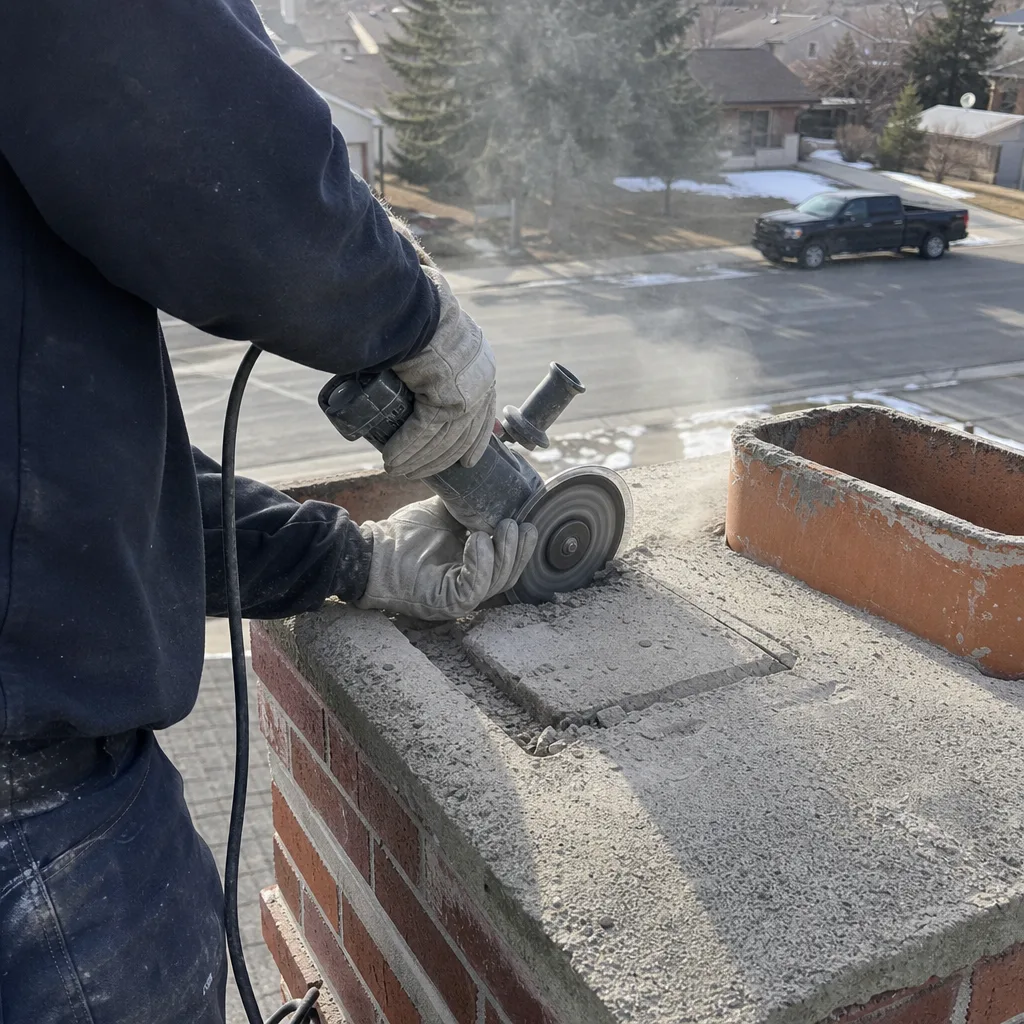
A chimney sweep without documentation is a household chore with a receipt. A chimney sweep with a Level 2 inspection, camera scan, and photo record is a dated, verifiable assessment of a structural system in your home. The difference matters in three specific scenarios.
Insurance claims after chimney fire. Insurers increasingly require evidence of maintenance for chimney fire claims. A dated photo record showing flue condition before the incident supports your position that the fire resulted from defect or anomaly, not neglect. Without it, adjusters may reduce or deny claims based on presumed lack of maintenance. We’ve provided documentation for Denver homeowners in claims disputes where our 2009-present archive established maintenance history.
Real estate transactions. Colorado sellers are required to disclose known defects. A pre-listing Level 2 inspection with written report lets you disclose from knowledge, not fear. Buyers’ inspectors find fewer surprises, and repair credits are negotiated from documented findings rather than worst-case assumptions. In Denver’s competitive market, a clean inspection report with photo record can accelerate closing.
Liability protection. If a tenant, guest, or subsequent owner suffers injury from chimney-related carbon monoxide exposure or fire, maintenance documentation establishes due diligence. The absence of documentation creates exposure. This isn’t theoretical - we’ve been called to provide records in two Denver-area liability assessments since 2019.
The 365-Day Done Right Promise backs our documentation: if any finding proves inaccurate or any work fails within a year, we make it right. The promise is stamped on every job, not offered as a separate warranty purchase.
How to Read a Written Estimate Before Work Starts
A proper written estimate before work starts - Haven Standard Clause 1, “Have it in writing” - should contain specific elements that protect both parties. Here’s what to verify.
- Company identification. Legal business name, license number, and physical address. In Denver, verify the license through the Denver Community Planning and Development office. The estimate should match the entity performing the work.
- Scope description. Exact services: “Chimney sweep, single flue, Class I-II creosote” or “Level 2 inspection with camera scan of full flue length.” Vague language like “chimney service” allows scope expansion on arrival.
- Line-item pricing. Each service separated with individual price. Bundled pricing isn’t inherently problematic, but line items let you compare components across quotes and verify no hidden additions.
- Material specifications. If caps, crowns, or liners are recommended, the materials should be named: “Stainless steel chimney cap, Gelco or equivalent” rather than “new cap.” This prevents substitution with inferior products.
- Warranty terms. Duration, coverage limits, and transferability. The 365-Day Done Right Promise covers workmanship; manufacturer warranties cover materials. Both should be specified.
- Exclusions and assumptions. “Estimate assumes safe roof access” or “Price valid for Class I-II creosote; Class III may require additional $125-$200.” These protect you from open-ended commitments.
- Expiration date. Material costs fluctuate; a 30-day expiration is standard. Open-ended estimates suggest the company hasn’t committed to current pricing.
Our practice since 2009: the written price, scope, and warranty are delivered before any technician enters your home. No verbal quotes, no “we’ll figure it out when we get there.” If a competitor provides a written estimate you’re uncertain about, we offer a Free Second Opinion - bring us their quote, and we’ll review it against what we find.
Denver-Specific Factors: Climate, Codes, and Neighborhoods
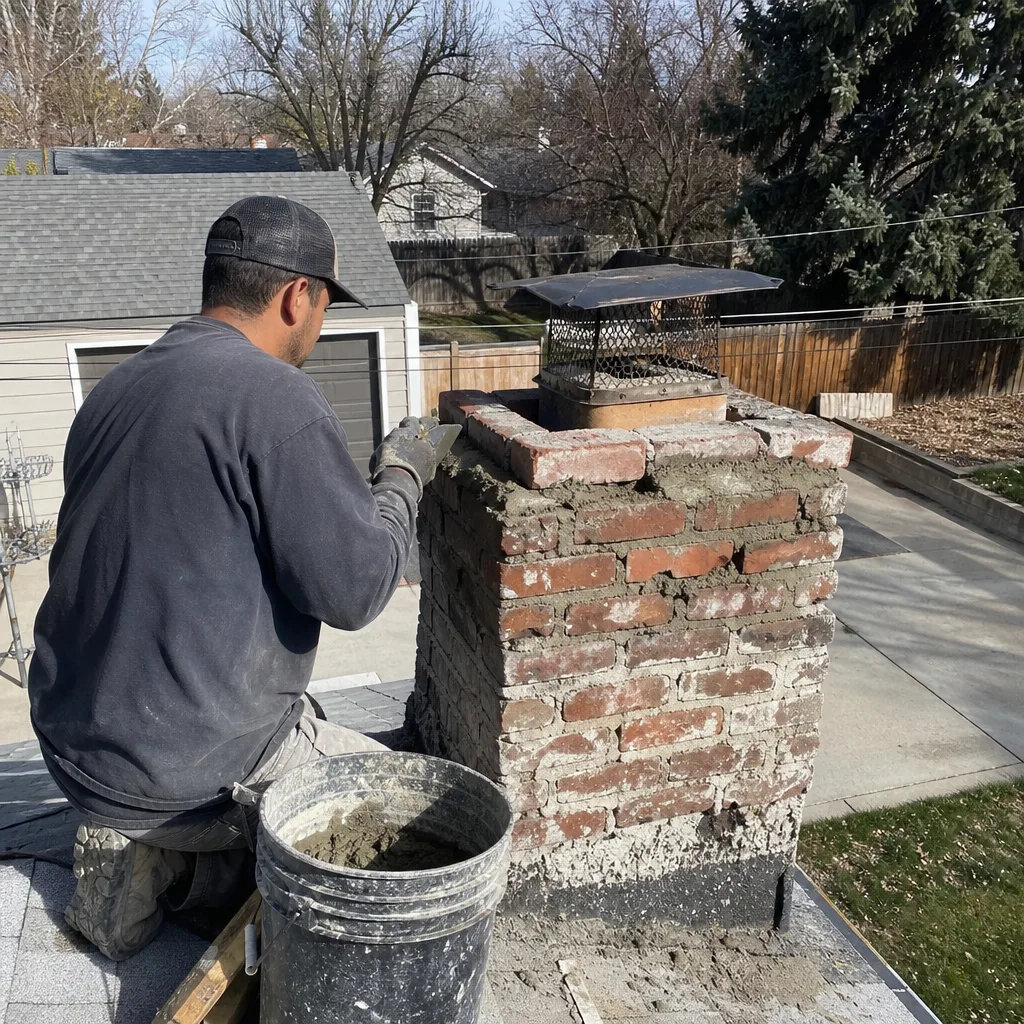
Chimney maintenance in Denver isn’t generic national advice with a city name swapped in. Local conditions create specific risks and cost drivers.
Climate and creosote. Denver’s 5,280-foot elevation means thinner air and faster, hotter burns for the same fuel load. This produces harder, more concentrated creosote that accumulates faster than at sea level. We see Class III glazed buildup in Denver fireplaces that would produce Class II at lower elevations, especially in homes where owners burn pine or construction scrap for economy. The result: more frequent need for chemical treatment and rotary cleaning, adding $100-$250 to standard sweep costs.
Freeze-thaw masonry damage. Denver’s temperature swings - 40°F in a single day are common - stress chimney crowns and exterior masonry. Water enters micro-cracks, freezes, expands, and repeats. Crown failure is the most common repair we document in 1920s-1950s Denver homes, particularly in neighborhoods with original construction: Park Hill, Whittier, West Highland, and Baker. A compromised crown channels water into the chimney structure, accelerating liner and smoke chamber deterioration. Catching this early through camera inspection prevents the $800-$1,500 crown rebuild or $3,000+ liner replacement.
Local code and permitting. Denver requires Chimney Cleaning Permits, Codes & Inspections in CO: What You Need to Know for chimney rebuilds, liner replacements, and structural modifications. Permit fees run $150-$400 depending on project scope. Any estimate for major repair work should specify whether permitting is included. We handle permit submission as standard on qualifying projects; some competitors leave this to the homeowner, creating delays and compliance risk.
Neighborhood construction patterns. Infill construction in RiNo, LoHi, and Stapleton often uses prefab fireplaces with limited clearances - these require specific inspection protocols. Historic districts like Curtis Park and Clements have additional design review for exterior chimney modifications. Knowing these constraints before work starts prevents mid-project surprises.
Wildland-urban interface. Homes in Cherry Hills Village, Ken Caryl, and mountain foothills communities face additional spark and ember exposure. Chimney cap screening requirements are stricter, and maintenance intervals are typically shorter due to heavier use and debris exposure. For more guides & resources on keeping your chimney safe year-round, see our blog.
Common Mistakes to Avoid
- Booking on price alone without verifying what’s included. The $89 special that excludes inspection, documentation, and second-flue coverage often costs more than the $220 flat-rate service with everything included. Always request itemized scope in writing.
- Skipping inspection after a chimney fire or seismic event. Colorado’s seismic risk is moderate but present; the 2019 Ridgeway quake damaged chimneys in Denver metro. NFPA 211 mandates Level 2 inspection after any fire or significant ground movement. Skipping this risks undetected structural damage.
- Assuming a new home needs no inspection. New construction in Denver - Stapleton, Green Valley Ranch, Reunion - sometimes has installer errors: disconnected flue sections, improper clearances, or missing chimney caps. A pre-occupancy Level 2 inspection catches these before they become warranty disputes.
- Ignoring the second flue. Many Denver homes have a furnace or water heater venting through a chimney flue separate from the fireplace. This flue doesn’t produce creosote but can suffer liner deterioration, blockages from failed caps, or condensation damage. It needs inspection even if it doesn’t need sweeping.
- Accepting verbal quotes for repair work. Without written scope and price, you have no basis to dispute charges or verify warranty coverage. Haven Standard Clause 1 exists because we’ve seen homeowners pay 40% more than expected after “it was worse than we thought” verbal revisions.
- Delaying maintenance until burning season. Denver’s September-November booking crunch means rushed service, extended waits, and occasionally corners cut by overbooked technicians. March-August scheduling secures thorough attention and often better rates.
- Using unqualified contractors for gas conversions. Converting a wood-burning fireplace to gas in Denver requires proper liner sizing, appliance certification, and often permit compliance. Unqualified installation creates carbon monoxide risk and voids homeowner’s insurance. Verify gas-line and chimney credentials separately.
When to Call a Professional
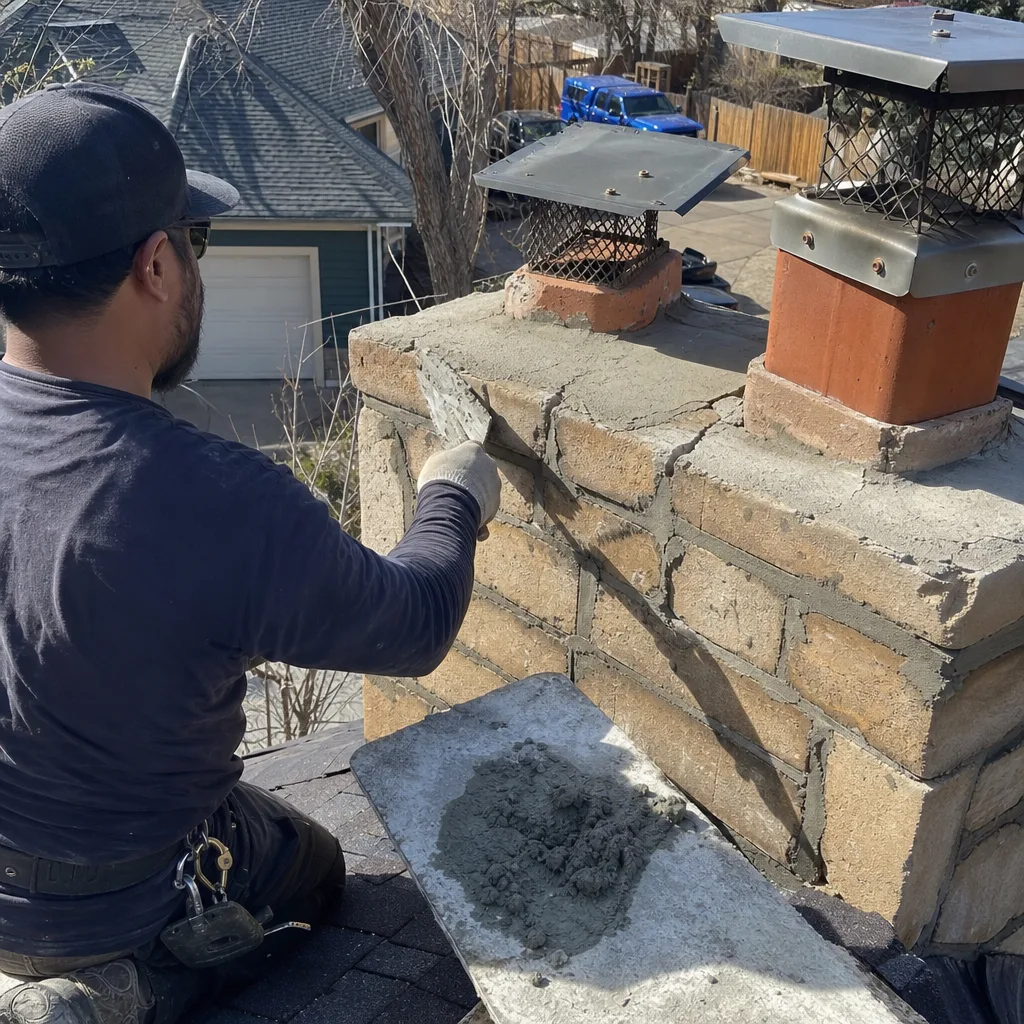
Call a chimney professional when you notice smoke backup into the room, visible creosote flakes in the firebox, a damaged or missing chimney cap, white efflorescence staining on exterior brick, or any odor of smoke when the fireplace isn’t in use. These symptoms indicate active problems that worsen with use. After any chimney fire, even a small one, Level 2 inspection is mandatory before next use - the thermal shock cracks flue tiles in patterns invisible without camera examination.
For new homeowners in Denver, a Level 2 inspection before first use establishes baseline condition and documents any pre-existing issues for your records. Chimney Cleaning & Sweep in Denver from Level Two Chimney Denver includes this documentation as standard. We offer free estimates throughout Denver - call (720) 674-7312 to schedule, or request a Free Second Opinion on any competitor’s written quote.
Frequently Asked Questions
A standard chimney sweep for a single-flue masonry chimney in Denver costs $150-$250, including basic cleaning and Level 1 inspection. A full Level 2 inspection with camera scan, written report, and documented photo record runs $280-$420. Two-story homes, heavy creosote, or additional flues add $75-$150. Call (720) 674-7312 for an exact quote - estimates are free.
You need a new liner when camera inspection reveals cracked or missing clay tiles, gaps at mortar joints, or deterioration that compromises the flue’s ability to contain heat and combustion gases. In Denver’s climate, we see accelerated liner failure from freeze-thaw crown damage that channels water into the structure. We never recommend liner replacement without camera evidence you can review yourself, and we’ll tell you plainly when damage is minor enough to monitor rather than replace immediately. Call (720) 674-7312 for a documented inspection.
The NFPA recommends annual inspection for all chimney systems, with sweeping frequency determined by use and creosote accumulation. In Denver’s high-altitude environment, where fires burn hotter and produce harder creosote, heavy-use fireplaces (3+ times weekly during season) often need annual sweeping. Occasional-use systems may extend to every 2-3 years if annual Level 1 or 2 inspection shows minimal buildup. The inspection, not the calendar, should drive the schedule.
Skipped maintenance leads to creosote accumulation, which is the primary fuel for chimney fires - over 25,000 occur annually in the U.S. In Denver specifically, freeze-thaw damage to crowns and caps accelerates water intrusion that deteriorates liners and masonry. Undetected liner damage can allow heat transfer to combustible framing or carbon monoxide leakage into living spaces. The cost of prevention is a fraction of repair or remediation. Call (720) 674-7312 for a free estimate if you’re behind schedule.
A sweep is the physical cleaning of the flue to remove creosote and debris. An inspection is the evaluation of system condition, performed visually (Level 1) or with camera scan and written documentation (Level 2). They’re complementary: cleaning without inspection misses structural problems, and inspection without cleaning may obscure defects behind creosote buildup. A complete service includes both, with documentation of findings.
Homeowners can perform basic firebox and damper cleaning, but flue sweeping requires proper brushes, rods, and vacuum equipment sized to your flue diameter. More critically, without camera inspection you cannot assess liner condition, joint integrity, or hidden obstructions. In Denver’s older housing stock, we’ve found significant defects in chimneys that appeared clean and functional from the firebox. For safety-critical systems involving fire and carbon monoxide, professional evaluation with documented findings is the prudent approach. We provide written price before work starts and photo record after - no guesswork, no hidden conditions.
The Bottom Line
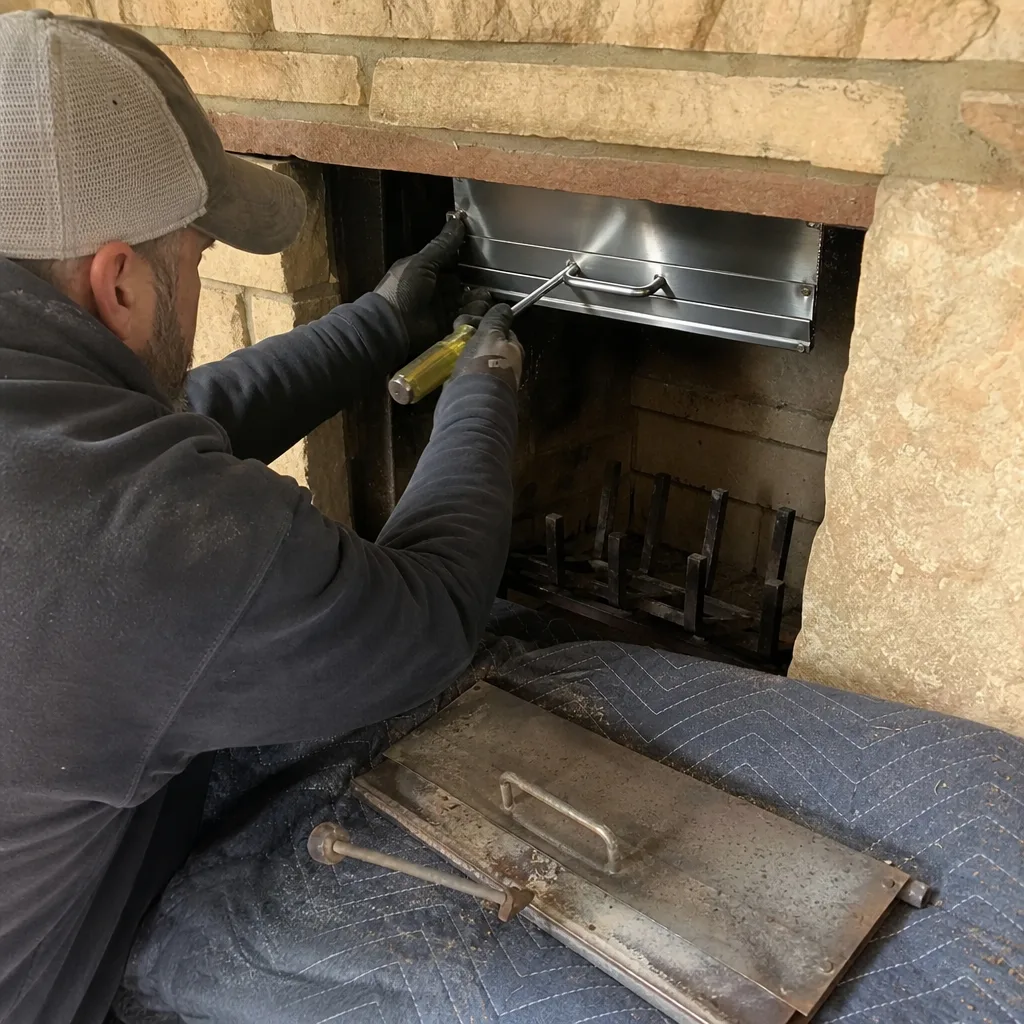
Chimney cleaning prices in Denver range from $89 brush-and-vacuum specials to $400+ documented inspections because the services are genuinely different. The gap isn’t profit - it’s camera verification, written documentation, and accountability for what was found. For homeowners who bought between 2015 and 2025 and research before calling, the relevant question isn’t “what’s the cheapest sweep?” but “what do I need to know about my chimney, and what proof will I have?”
A proper Level 2 inspection with camera scan, written report, and photo record costs $280-$420 in Denver’s 2026 market. That price buys insurance compliance, resale documentation, liability protection, and the actual condition of a structural system that affects your home’s safety. Anything less is a gamble with incomplete information.
Level Two Chimney Denver has completed over 38,000 inspections and cleanings since 2009, every one with a written price before work started and a documented record when finished. Materials come through our Haven buying network from DuraFlex, HeatShield, Gelco, Olympia Chimney, Famco, and Copperfield. The 365-Day Done Right Promise applies to every job. For Chimney Repair in Denver, Fireplace Services in Denver, or a free estimate on any chimney service, call (720) 674-7312. Live phone support, 24 hours a day.
Written by Corrine Halstead, Owner at Level Two Chimney Denver, serving Denver since 2009.