
Last updated September 22, 2026
Level 1 sweep and inspection to the NFPA 211 annual standard - flue, crown, cap, and flashing checked and photographed
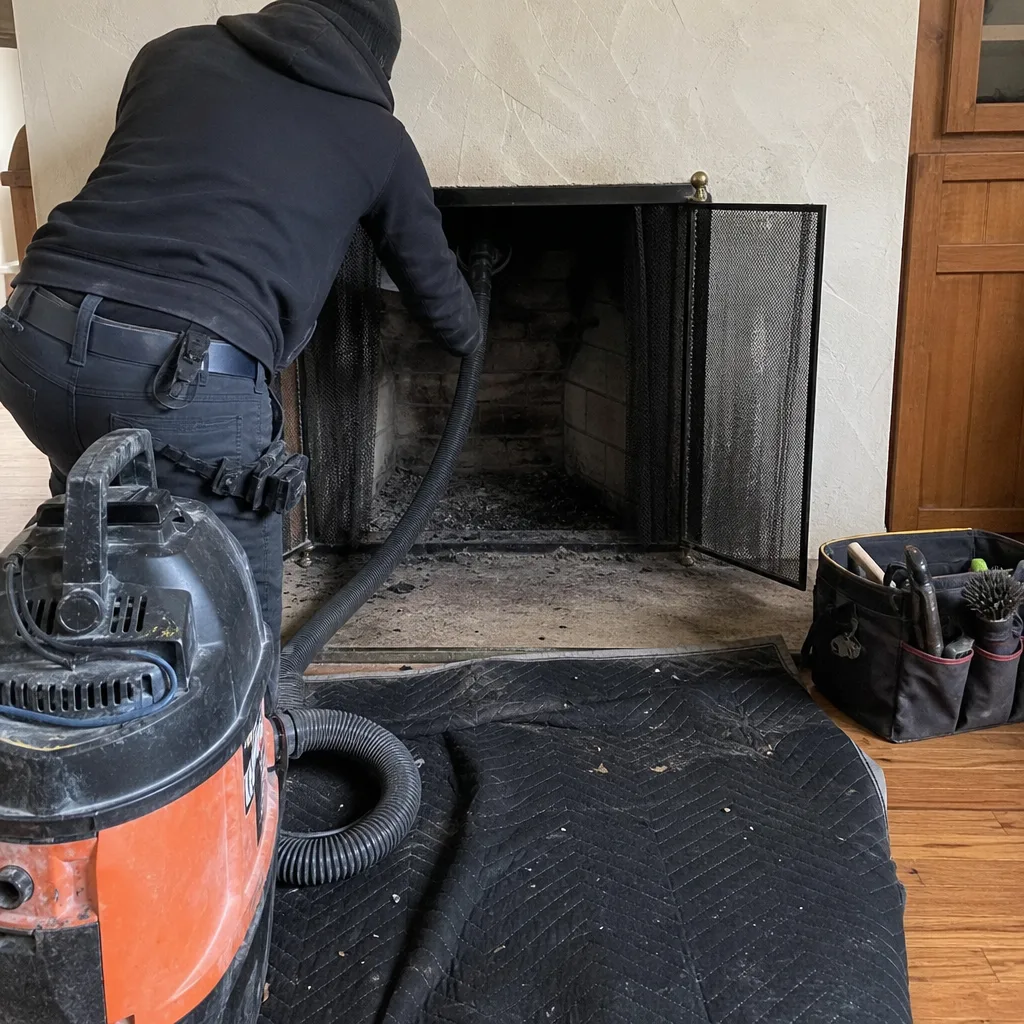
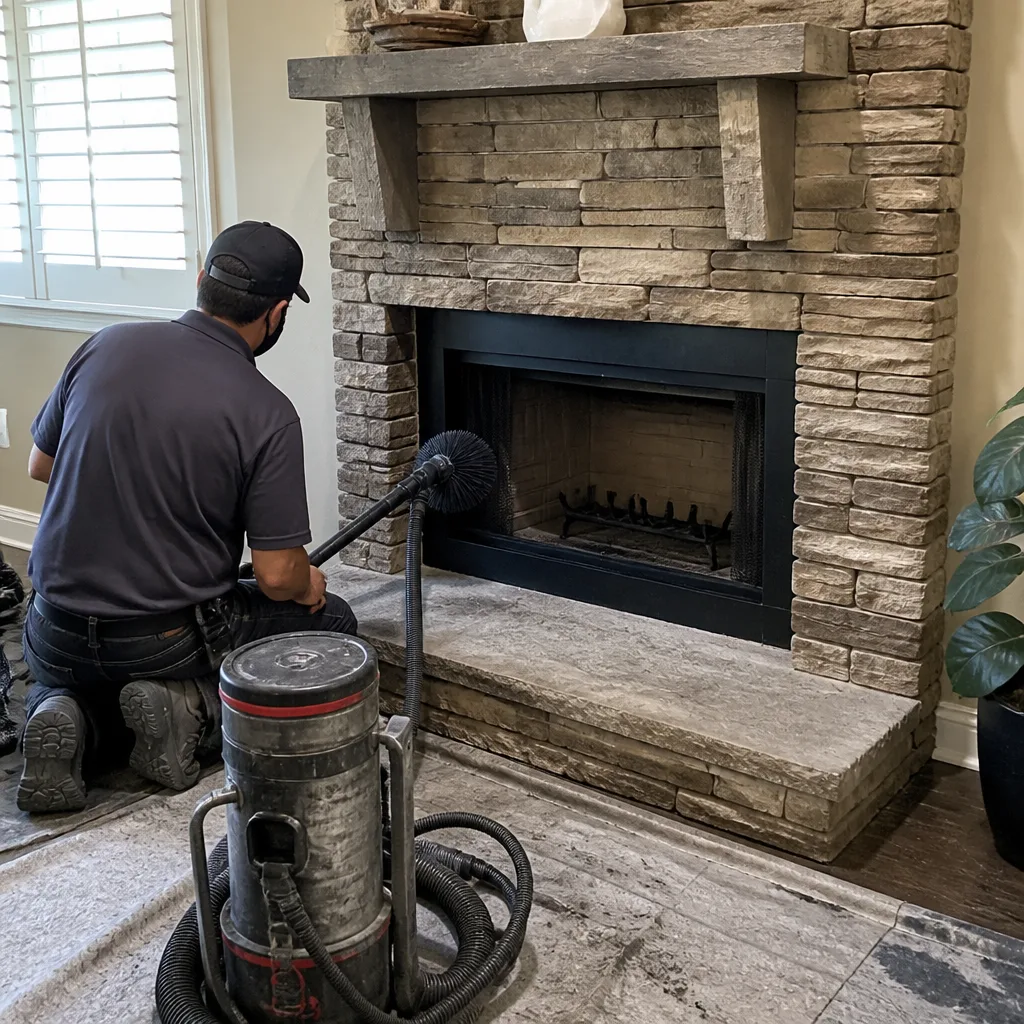
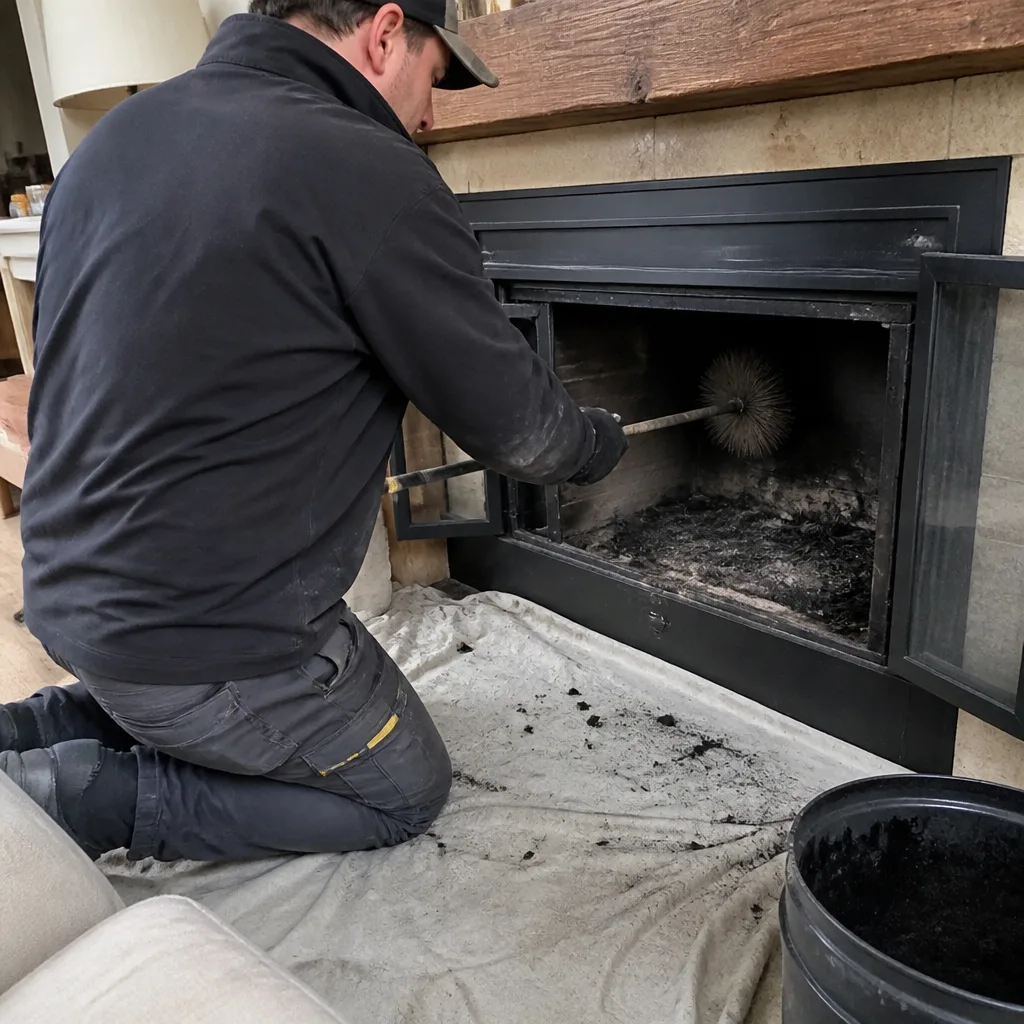
Chimney sweep logs do not sweep chimneys. They loosen some creosote - which then falls where a brush and vacuum still have to collect it.
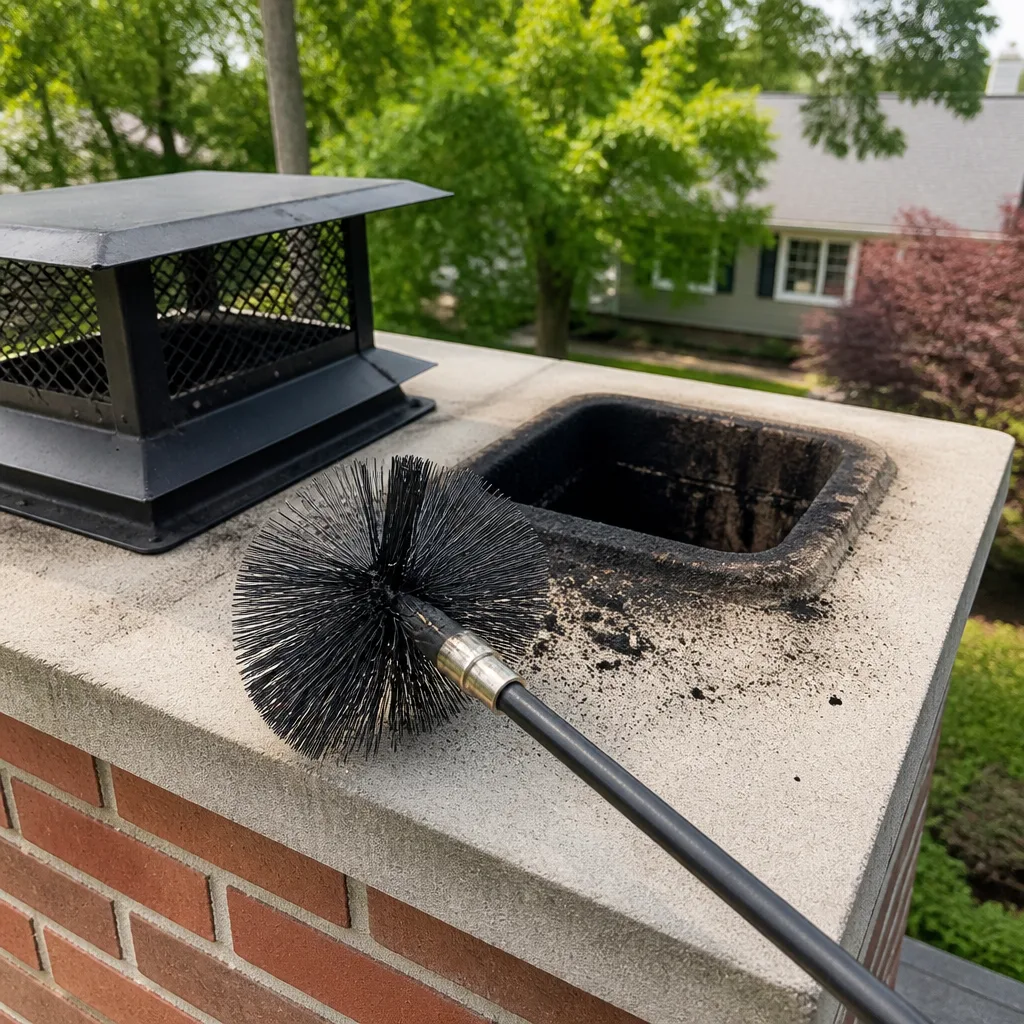
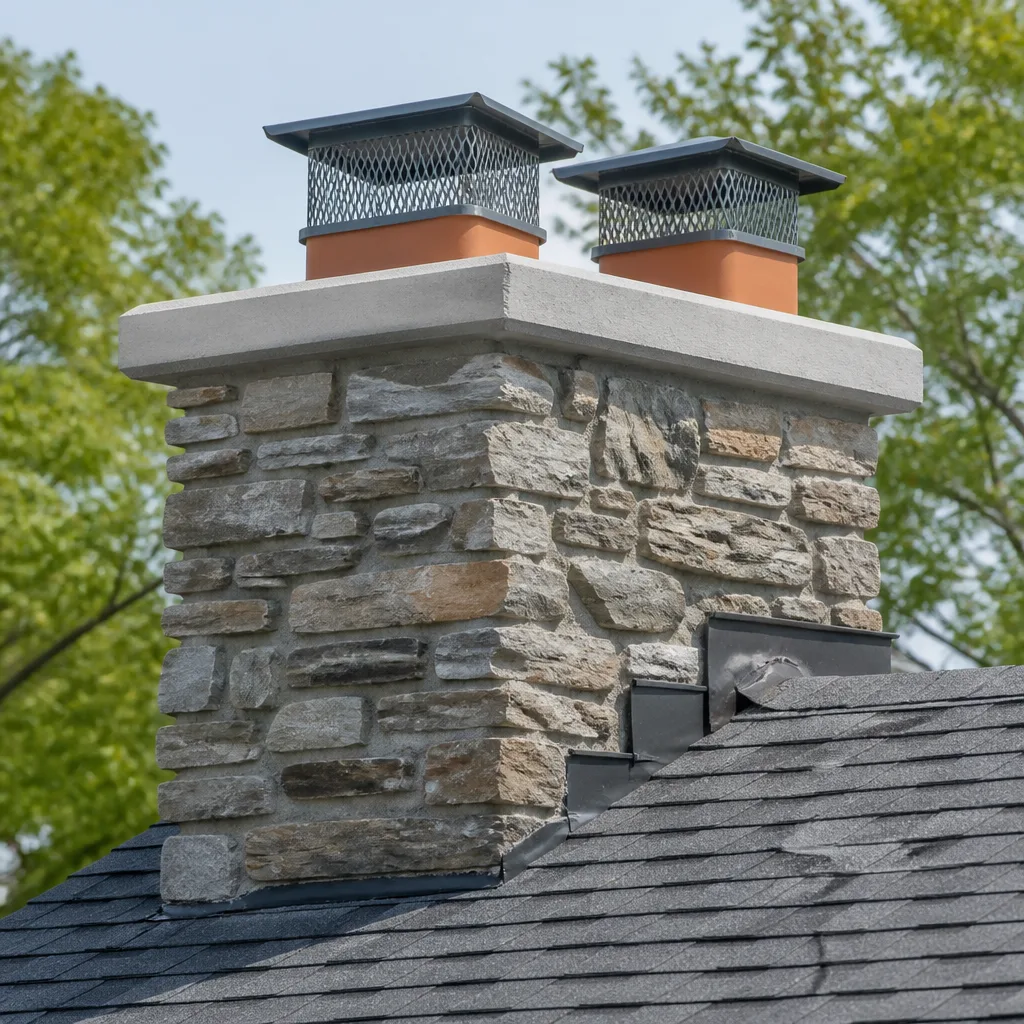
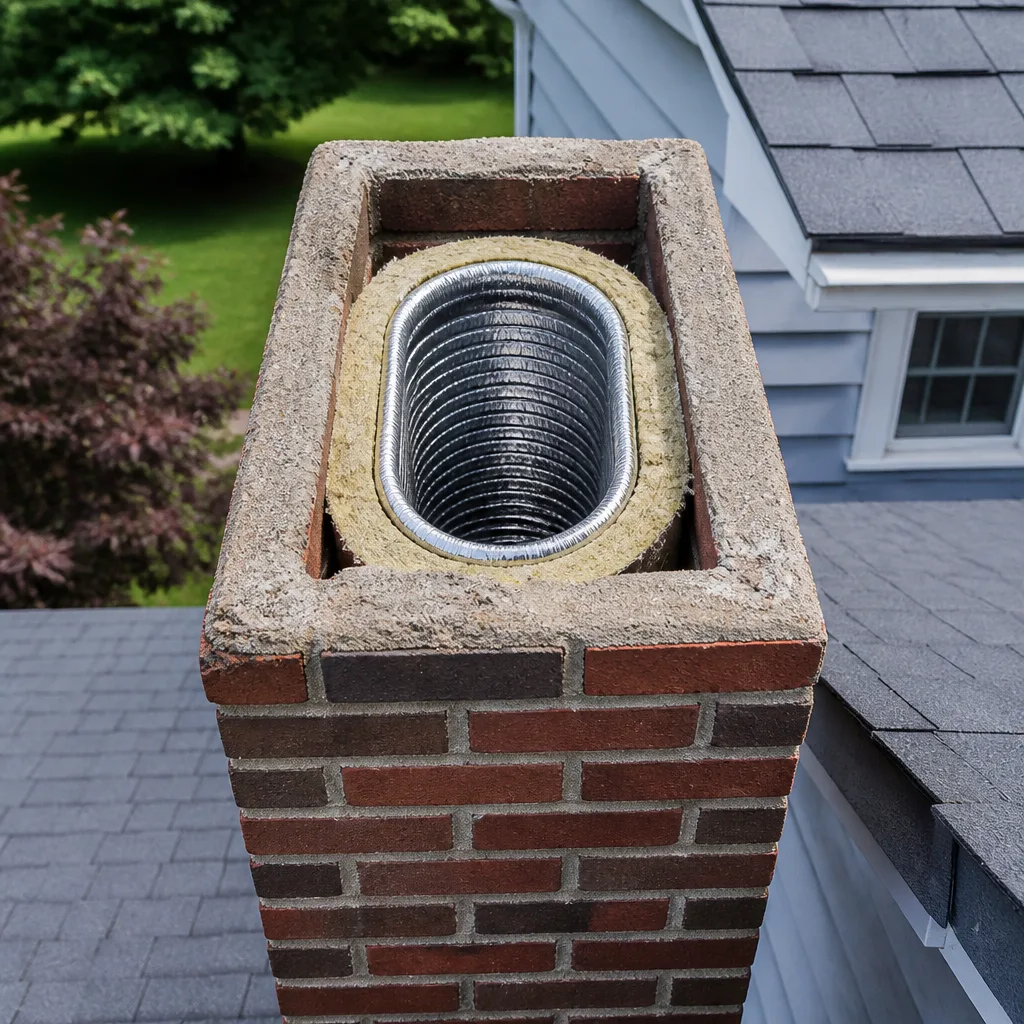
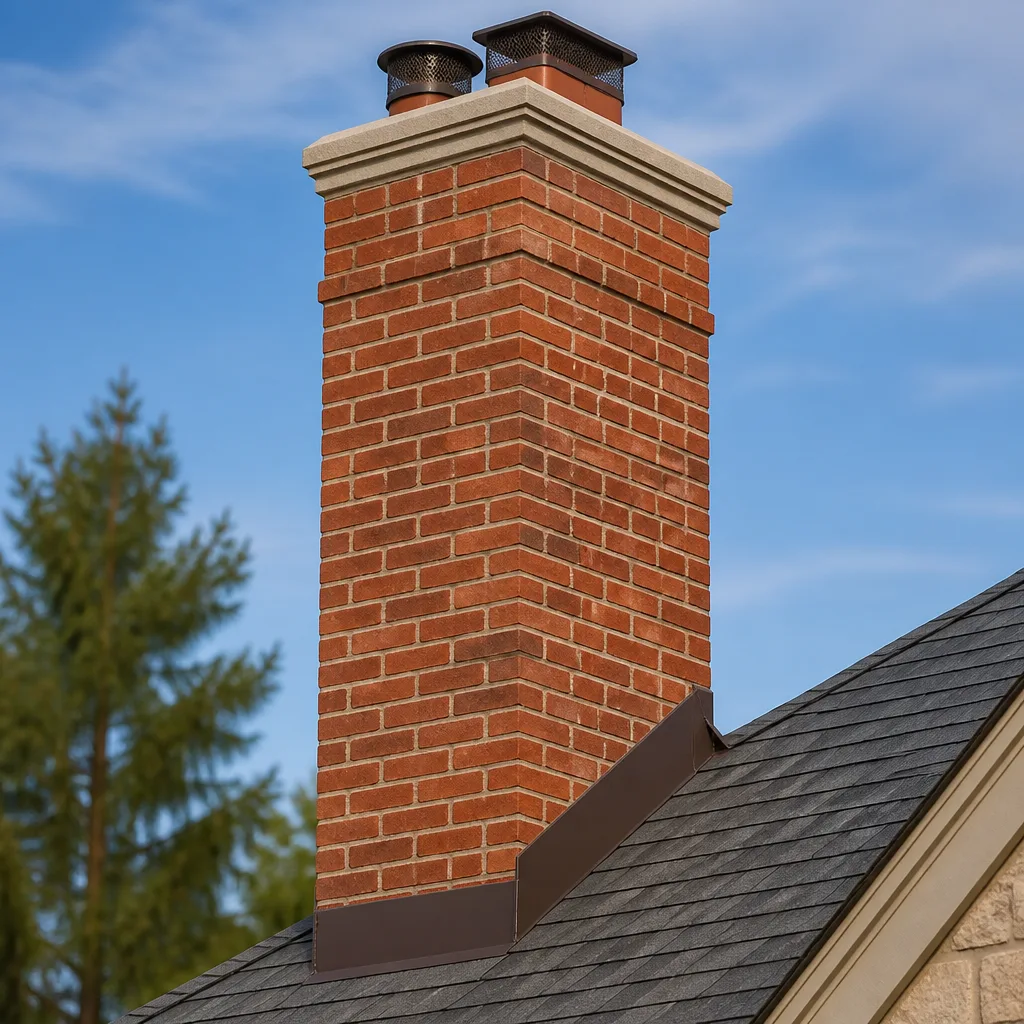
 Before
 After
After Before
 After
After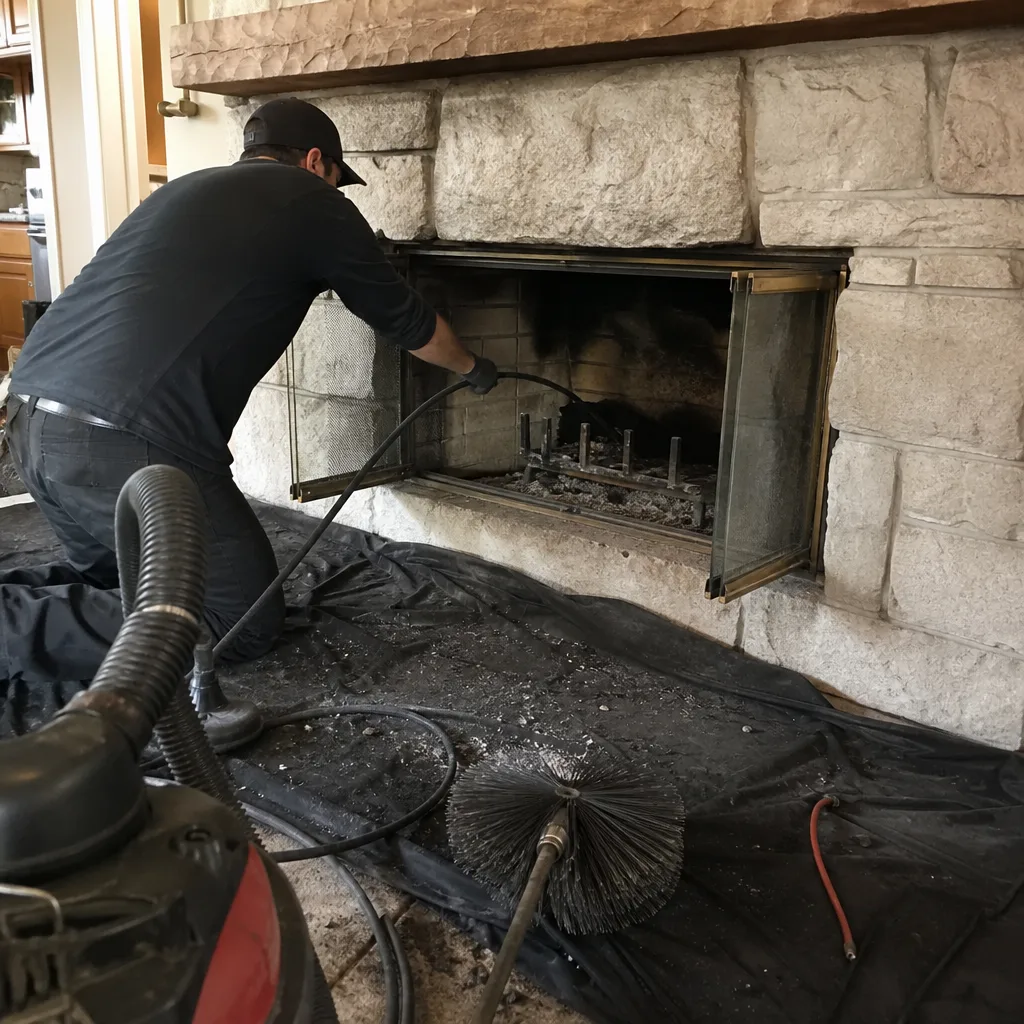 Before
 After
AfterChimney Cleaning & Sweep Maintenance Checklist for Denver Homeowners
Most chimney maintenance checklists floating around Denver home improvement circles are liability disclaimers dressed up as advice. They tell you to “check for creosote buildup” without explaining that Stage 1 creosote flakes off like black potato chips while Stage 3 forms a tarry, glass-hard glaze that requires chemical treatment or rotary removal. That distinction matters in Denver, where altitude and temperature swings between 70°F afternoons and 20°F nights create condensation cycles that accelerate creosote formation faster than at sea level. In this guide, you’ll get measurable pass/fail criteria for every component of your chimney system, specific thresholds for when to clean versus when to call for a camera inspection, and a documentation method that protects you during insurance claims or home resale in Denver’s competitive market. For Chimney Cleaning Warning Signs: A Denver Homeowner’s Reference Guide, see our companion resource.
Quick Answer
A proper Chimney Cleaning & Sweep maintenance checklist for Denver homeowners includes five measurable checkpoints: creosote stage assessment (clean at Stage 2 or above), flue liner integrity verification, cap/crown/damper functional testing, clearance-to-combustibles measurement, and documented photo record of all findings. In Denver’s climate, schedule this inspection annually before the first hard freeze, typically mid-October, and again in spring if you burned more than two cords of wood during heating season.
Table of Contents
- How to Assess Creosote Buildup: The Three Stages
- Denver-Specific Timing: Freeze Cycles and Burn Season Boundaries
- Liner, Cap, Crown, and Damper: Pass/Fail Checkpoints
- Clearance to Combustibles: What to Measure and Where
- How to Document Findings Before Calling a Sweep
- Using Your Checklist as an Ongoing Service Record
- Common Mistakes to Avoid
- When to Call a Professional
- Frequently Asked Questions
 Before
 After
AfterHow to Assess Creosote Buildup: The Three Stages
Creosote staging isn’t academic jargon. It’s the difference between a routine sweep and a hazardous deferred maintenance bill. We’ve pulled enough flue tiles in Capitol Hill Victorians and Park Hill bungalows to know that homeowners who can identify Stage 2 early save themselves from the rotary chain jobs that run 3-4 times the cost of standard cleaning.
Stage 1: Soot and Flake Creosote
Appearance: Dry, black or brown, dusty to slightly flaky. Wipes off with a gloved finger. Smells like a campfire, not asphalt.
What it means: Normal byproduct of wood combustion. Standard brush and vacuum removal. No chemical treatment needed.
Action threshold: Clean when accumulation exceeds 1/8 inch, per NFPA 211 guidelines. In Denver’s dry climate, this typically takes 50-80 fires with properly seasoned hardwood.
Stage 2: Crusty or Puffy Creosote
Appearance: Hard, porous, honeycomb or curly structure. Brittle but requires scraping to remove. Color ranges from dark brown to black.
What it means: Condensation has begun hardening volatile compounds. This is where Denver’s altitude effect becomes relevant: lower boiling points at 5,280 feet mean more incomplete combustion and faster Stage 2 formation than identical stoves at sea level.
Action threshold: Clean immediately. Standard brushing may not suffice; expect a powered rotary system or chemical pretreatment. Budget $280-$450 in the Denver market versus $180-$240 for Stage 1.
Stage 3: Glazed or Gummy Creosote
Appearance: Shiny, black, tar-like, or glass-hard coating. May show rainbow iridescence. Extremely difficult to scratch with a screwdriver.
What it means: Repeated condensation cycles have polymerized creosote into a near-plastic state. Highly flammable: ignition temperature drops to approximately 450°F, and a chimney fire can reach 2,000°F within seconds.
Action threshold: Stop burning immediately. Professional treatment required, often with chemical creosote modifiers (we use HeatShield or Copperfield stage treatments) followed by rotary removal over multiple visits. Denver homeowners in older neighborhoods like Baker or West Highland frequently encounter this in unlined masonry chimneys with exterior walls exposed to our intense freeze-thaw cycling.
Self-Assessment from the Firebox:
- Open the damper fully and shine a flashlight up the flue.
- Look for the texture on the flue walls 12-24 inches above the smoke chamber.
- Insert a fireplace poker or old spoon and scrape gently: dust (Stage 1), brittle chunks (Stage 2), or no removal possible (Stage 3).
- Photograph your finding with your phone for documentation.
Do not attempt to remove Stage 2 or 3 creosote yourself. The risk of chimney fire during amateur removal exceeds any savings, and without a camera inspection, you cannot verify complete removal or assess underlying flue damage.
Denver-Specific Timing: Freeze Cycles and Burn Season Boundaries
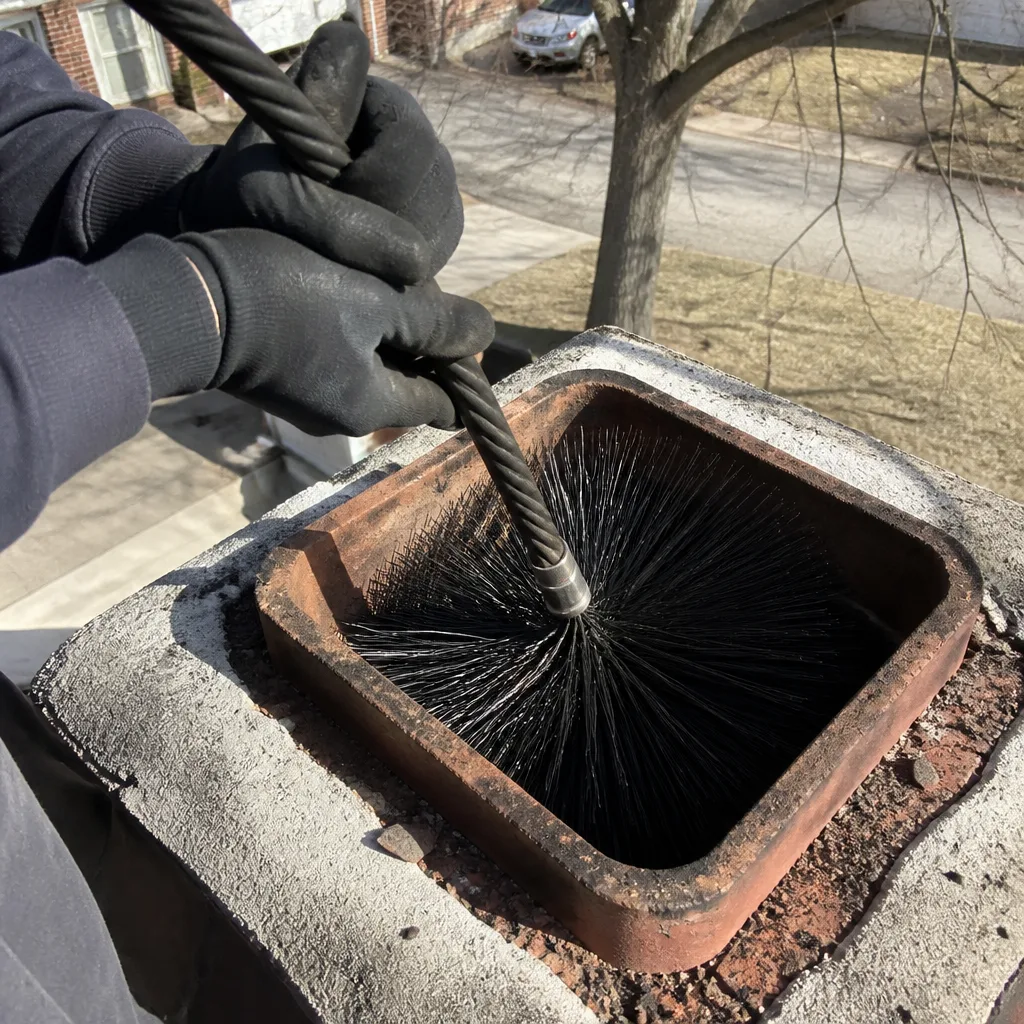
Denver’s chimney maintenance calendar differs from national templates. Our average first hard freeze arrives October 7th, but we’ve seen September 8th freezes in 2020 and October 26th delays in 2016. The last reliable freeze typically falls April 20-30, though May snows aren’t uncommon in Hilltop or Montclair.
Pre-Season Inspection Window: September 1 – October 15
This is non-negotiable for Denver homeowners. Booking in September avoids the October rush and catches summer moisture intrusion before first fire. In our experience across 38,000+ inspections, chimneys that sat unused through Denver’s summer monsoon season (July-August) show higher spalling rates and damper corrosion than those with spring closures.
Mid-Season Check: January 15 – February 15
Recommended if you’ve burned more than one cord of wood by New Year’s. The January thaw, when Denver temperatures spike to 50-60°F before crashing again, creates ideal condensation conditions for accelerated creosote formation.
Post-Season Assessment: April 15 – May 15
Critical for insurance documentation and catching freeze-thaw damage before summer rains. We document crown cracks and cap displacement most frequently in April appointments, when winter expansion/contraction cycles have completed their work.
Wood-Burning Volume Thresholds for Denver’s Altitude:
- Less than 1 cord per season: Annual inspection sufficient if burning dry hardwood (below 20% moisture)
- 1-2 cords per season: Inspect at start and mid-season; clean if Stage 2 detected
- More than 2 cords per season: Inspect three times yearly; Denver’s altitude increases particulate deposition rate by 15-20% compared to sea-level combustion
- Pine or softwood burning: Double all frequency recommendations; resin content accelerates creosote regardless of altitude
Denver’s Air Quality Division issues no-burn alerts on high-pollution days, typically 5-15 days per winter. These don’t eliminate your maintenance obligation; in fact, interrupted burn cycles with cold starts increase creosote formation compared to continuous operation.
Liner, Cap, Crown, and Damper: Pass/Fail Checkpoints
A checklist without pass/fail criteria is a suggestion box. Here’s what we measure on every Chimney Cleaning & Sweep in Denver visit, with thresholds you can verify from the ground or firebox before calling.
Flue Liner
Pass: Continuous, uncracked surface from smoke chamber to top. Clay tile joints aligned. No visible gaps when viewed from firebox with flashlight. Stainless steel liners show no deformation, separation at joints, or corrosion pitting.
Fail: Hairline cracks wider than 1/16 inch, spalled tile edges, displaced joints, or any visible gap to surrounding masonry. Stainless liners with dents from chimney fire thermal shock, separated tee connections, or rust-through at the cap.
Denver-specific note: Clay tile liners in homes built 1900-1940, common in Curtis Park and Five Points, suffer thermal shock from our extreme daily temperature swings. We’ve replaced more liner sections after 30°F single-day drops than gradual winter wear.
Chimney Cap
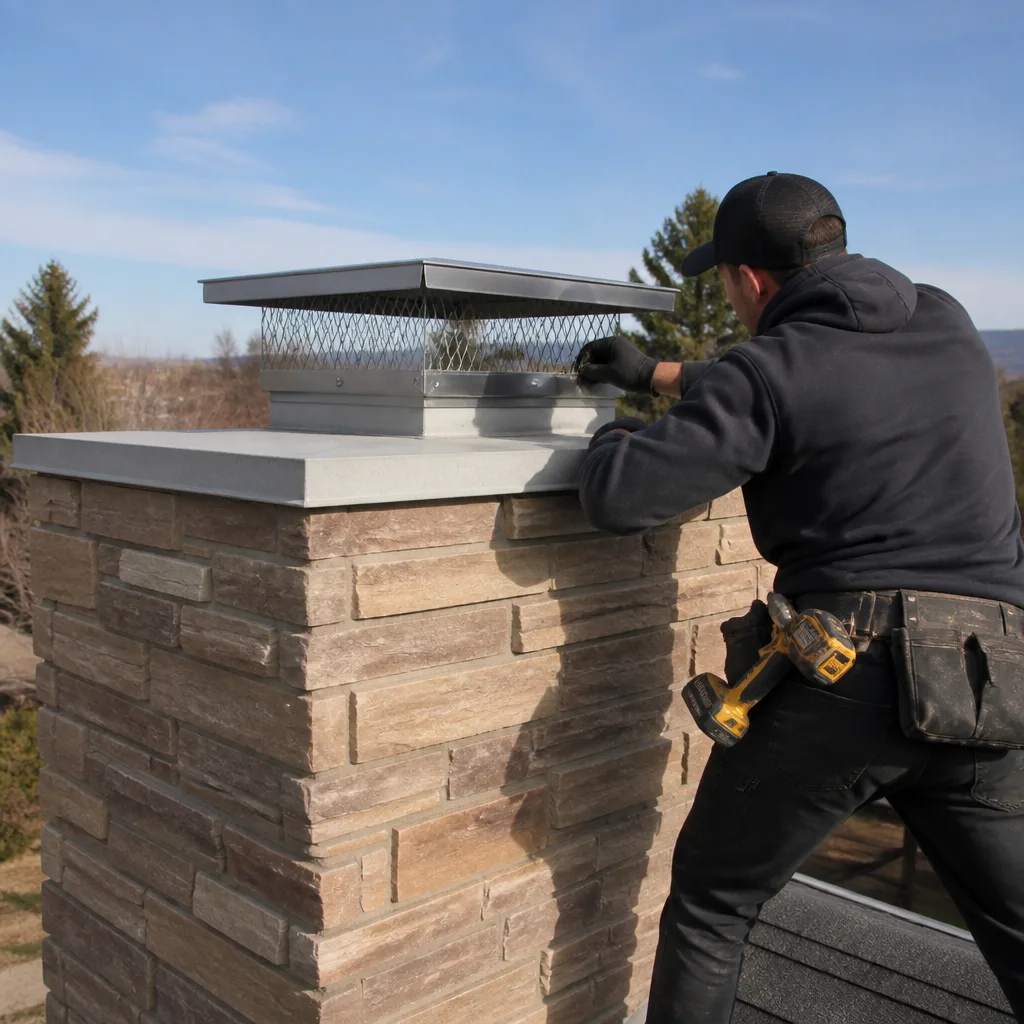
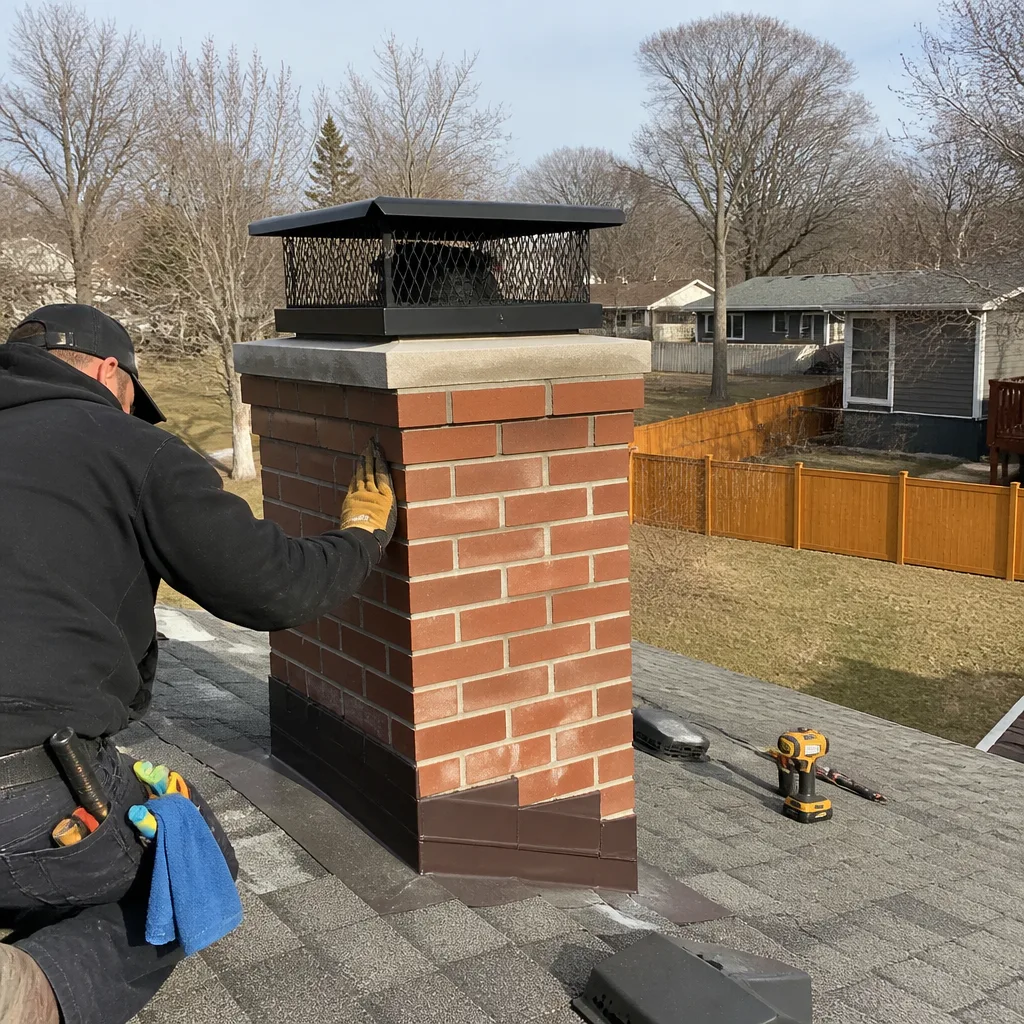
Pass: Securely attached to flue tile or liner top. Mesh screening intact with 3/4-inch or 5/8-inch gaps (spark arrestor standard). Sufficient overhang to shed water beyond crown edge. No visible rust on galvanized or stainless models.
Fail: Loose, tilted, or missing cap. Screen damage allowing animal entry. Rust-through on galvanized caps, common after 5-7 Denver winters. Improper sizing creating blowback in our prevailing westerly winds.
Crown (Concrete Top)
Pass: Minimum 2-inch overhang beyond chimney brick on all sides. Slope away from flue opening. No cracks wider than 1/8 inch. Proper seal at flue tile penetration.
Fail: Any crack that admits a flathead screwdriver tip. Deteriorated edges from freeze-thaw spalling. Pooling water on crown surface. Separation between crown and brick below.
Denver’s 350+ annual freeze-thaw cycles (day/night temperature crossings) destroy improperly sloped or sealed crowns faster than any other climate factor. We source crown repair materials from Gelco and Olympia Chimney specifically rated for high-elevation UV and thermal exposure.
Damper
Pass: Opens fully without binding. Closes to seal smoke chamber from firebox. No visible warping, rust perforation, or missing blades. Throat dampers operate smoothly; top-sealing dampers close with positive pressure.
Fail: Stuck or frozen closed (carbon monoxide hazard). Stuck open (heat loss, animal entry). Missing blades or severe corrosion. Misalignment preventing full closure.
Document each component with dated photos. When you call for service, reference your findings for apples-to-apples quoting.
Clearance to Combustibles: What to Measure and Where
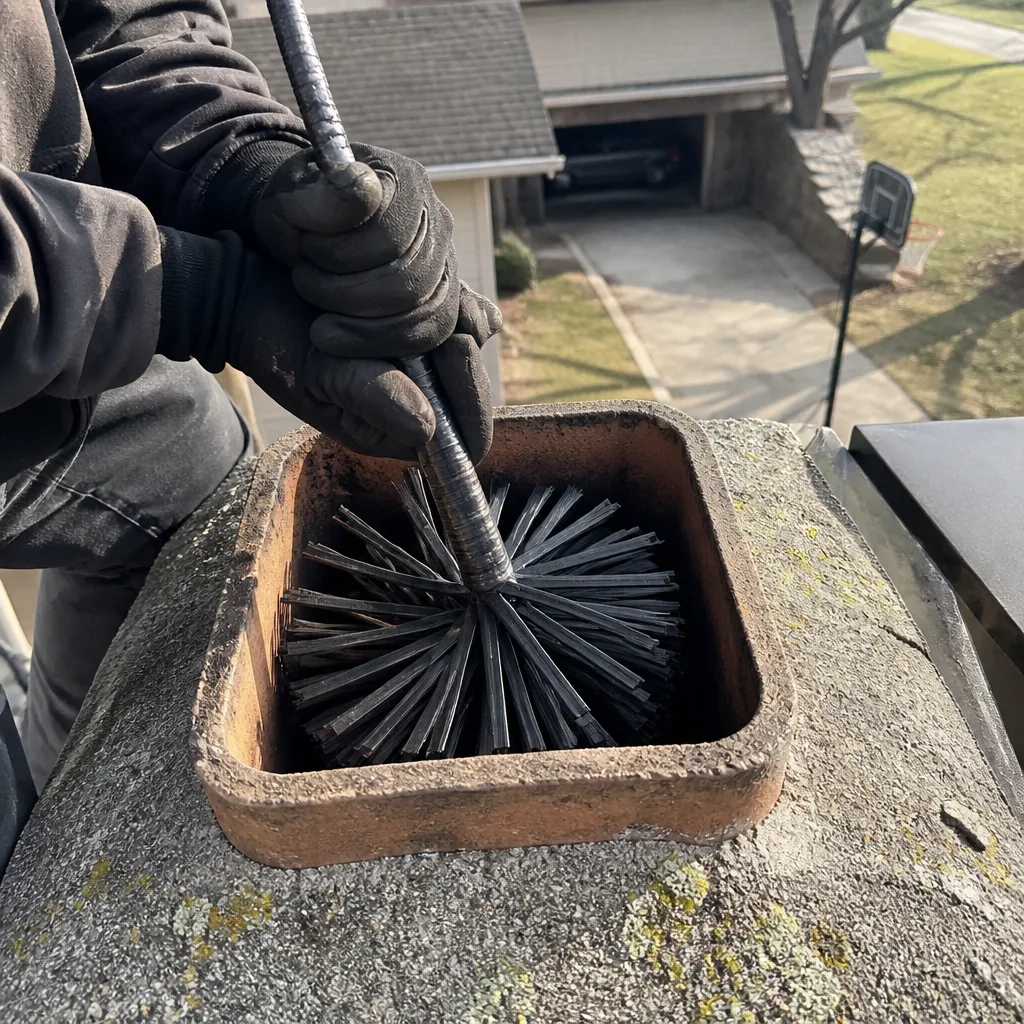
This is where most homeowner checklists fail entirely. “Check clearances” means nothing without knowing where to hold the tape measure and what the number should read.
Mandatory Clearance Points:
- Mantel to flue opening: Minimum 6 inches for combustible mantels, plus 1 inch additional for each 1/8 inch mantel projection beyond 1.5 inches from face. A 3-inch thick mantel needs 12+ inches. Measure from the top of the firebox opening, not the hearth.
- Side wall to fireplace: 12 inches minimum for masonry, 6 inches for listed factory-built units. Measure to the nearest stud or drywall, not the finish surface.
- Ceiling above firebox: 24 inches to unprotected combustibles. Many Denver homes with dropped ceilings or soffits violate this invisibly.
- Floor protection (hearth extension):strong> 16 inches front, 8 inches side for fireplaces with opening less than 6 square feet; 20 inches front, 12 inches side for larger. Measure from the firebox opening, not the hearth itself.
- Chimney structure to framing: 2 inches minimum for masonry chimneys in exterior walls; 1 inch for factory-built metal chimneys with proper insulation.
Denver-Specific Clearance Issues:
Homes in neighborhoods like Sloan Lake and Highland underwent basement conversions and additions that encroached on original chimney clearances. We’ve found 2×4 framing in direct contact with masonry in more than 200 Denver inspections, often hidden behind finished walls until thermal imaging or destructive inspection reveals it.
Factory-built fireplaces installed during the 1980s-90s boom frequently have modified clearances in documentation that subsequent owners lost. Without the original installation manual, assume the most restrictive standard applies and verify with a Level 2 inspection.
Measurement Protocol:
- Use a metal tape measure, not a cloth one that can melt or distort
- Measure to the nearest combustible substrate, not paint or tile
- Photograph each measurement with the tape visible
- Record the date and any visible signs of pyrolysis (discolored, charred, or cracked surfaces near heat sources)
Any clearance measurement below code minimum is an immediate stop-burn condition. Pyrolysis lowers wood ignition temperature over time; a 2×4 that passed visual inspection can ignite at 250°F after years of sub-clearance exposure.
How to Document Findings Before Calling a Sweep
Denver’s chimney service market ranges from $99 “sweeps” that last twenty minutes to proper NFPA 211 Level 2 inspections. See The Complete Guide to Chimney Cleaning in Denver for pricing benchmarks and scope standards. Your documentation determines which quote you actually need and prevents bait-and-switch pricing.
Minimum Documentation Package:
- Dated exterior photos: Full chimney from roofline, close-up of cap and crown, crown slope evidence (water pooling or shedding), brick condition (spalling, efflorescence, missing mortar), flashing at roof penetration
- Dated interior photos: Firebox walls and floor (cracking, missing mortar), damper full open and full closed, smoke chamber (flashlight up from firebox), hearth extension with tape measure visible
- Creosote stage assessment: Your Stage 1/2/3 determination with the scrape test method described above
- Burn history: Cords burned, wood species, moisture content if known (split a piece and use a moisture meter; under 20% is the threshold)
- Prior service records: Dates, company names, scope of work, any recommendations made
- Known issues: Smoke spillage, draft problems, animal entry, water leaks, odors
Using Documentation for Equal Comparison:
When you contact Chimney Repair in Denver services, email your documentation package and request written scope responses to each item. A company that won’t quote against documented findings is a company planning to upsell in your living room.
Level Two Chimney Denver’s practice, established in 2009 and now Haven Standard Clause 4, requires photo documentation on every visit specifically so homeowners can compare year-over-year condition changes. Bring us a competitor’s written estimate and we’ll provide a free second opinion against your documentation, line item by line item.
Red Flags in Competitor Quotes:
- No mention of creosote stage or removal method
- “Inspection” without camera verification of flue interior
- Liner recommendation without photo evidence of failure
- Crown repair quoted without crack width measurement
- No written warranty or follow-up inspection included
Using Your Checklist as an Ongoing Service Record
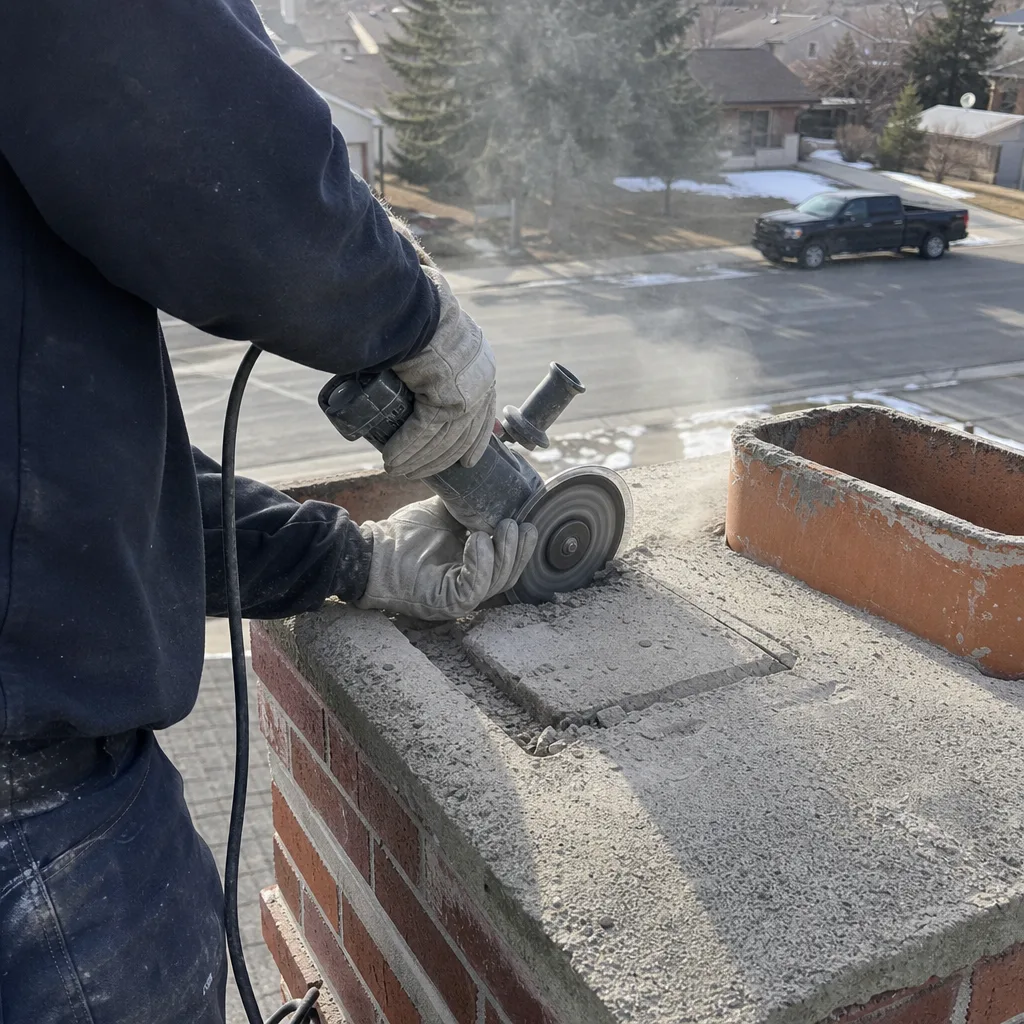
A single-point inspection tells you today’s condition. A maintained checklist becomes evidence for insurance claims, resale negotiations, and warranty enforcement.
Annual Record Format:
Create a simple file, digital or physical, with this structure:
- Year and service date
- Company name and technician name
- Creosote stage found and removal method
- Liner condition assessment with photo references
- Cap, crown, damper pass/fail status
- Clearance measurements taken
- Recommendations made and accepted/declined
- Written price quoted and work performed
- Warranty documentation (Haven Standard Clause 1 requires written warranty on every job)
Insurance and Resale Value in Denver:
Colorado homeowners insurance policies increasingly require documented chimney maintenance for wood-burning coverage. After the 2021 Marshall Fire and subsequent underwriting tightening, we’ve seen carriers request 3-5 years of inspection records for homes in wildland-urban interface zones, including Denver’s western suburbs and foothill-adjacent neighborhoods like Belcaro and Cory-Merrill.
For resale, a documented maintenance history with photo records differentiates your listing in Denver’s competitive market. Buyers’ inspectors flag chimneys without service history as high-risk items. A file showing annual NFPA 211 Level 2 inspections with photo documentation can prevent last-minute repair credits that derail closing timelines. Explore our more guides & resources for maintenance templates and seasonal checklists.
Our 38,000+ job archive, maintained since 2009, includes records for Denver homeowners who’ve used their documentation to dispute insurance denials and support pre-listing disclosures. The Haven Standard’s Clause 4 photo record requirement exists precisely because verbal assurances fade and memories fail; dated images of your flue condition don’t.
Common Mistakes to Avoid
- Assuming a clean firebox means a clean flue. The firebox is the easy part. Creosote accumulates in the cooler upper flue and smoke chamber, invisible without a mirror or camera. We’ve found Stage 3 glaze in fireboxes that looked showroom-clean.
- Using Denver’s dry climate to justify skipping annual inspection. Low humidity reduces some moisture damage, but our intense UV at 5,280 feet degrades crown sealants faster, and freeze-thaw cycling is more severe due to greater daily temperature swings than lower-elevation cities.
- Hiring based on lowest quoted price without scope comparison. A $99 sweep that doesn’t include smoke chamber access, damper removal, or camera verification leaves 60% of your system uninspected. Get the written scope, not just the number.
- Burning improperly seasoned wood because “it’s just for ambiance.” Even decorative fires produce creosote. Denver’s altitude makes incomplete combustion more likely; wet wood at 5,280 feet is significantly worse than wet wood at sea level.
- Ignoring animal entry until nesting material blocks the flue. Squirrels, raccoons, and chimney swifts are active in Denver from March through October. A missing or damaged cap invites obstruction that can force carbon monoxide back into living spaces.
- DIY removal of Stage 2 or 3 creosote with hardware store tools. The risk of chimney fire during amateur removal is substantial. Rotary chains and whips require controlled speed, proper vacuum containment, and post-cleaning camera verification you cannot perform without training.
- Failing to document pre-existing conditions before service. Without your own photos, you cannot verify whether damage existed before or was caused during service. This is particularly important in Denver’s older housing stock where fragile clay tiles and deteriorated mortar are easily disturbed.
When to Call a Professional
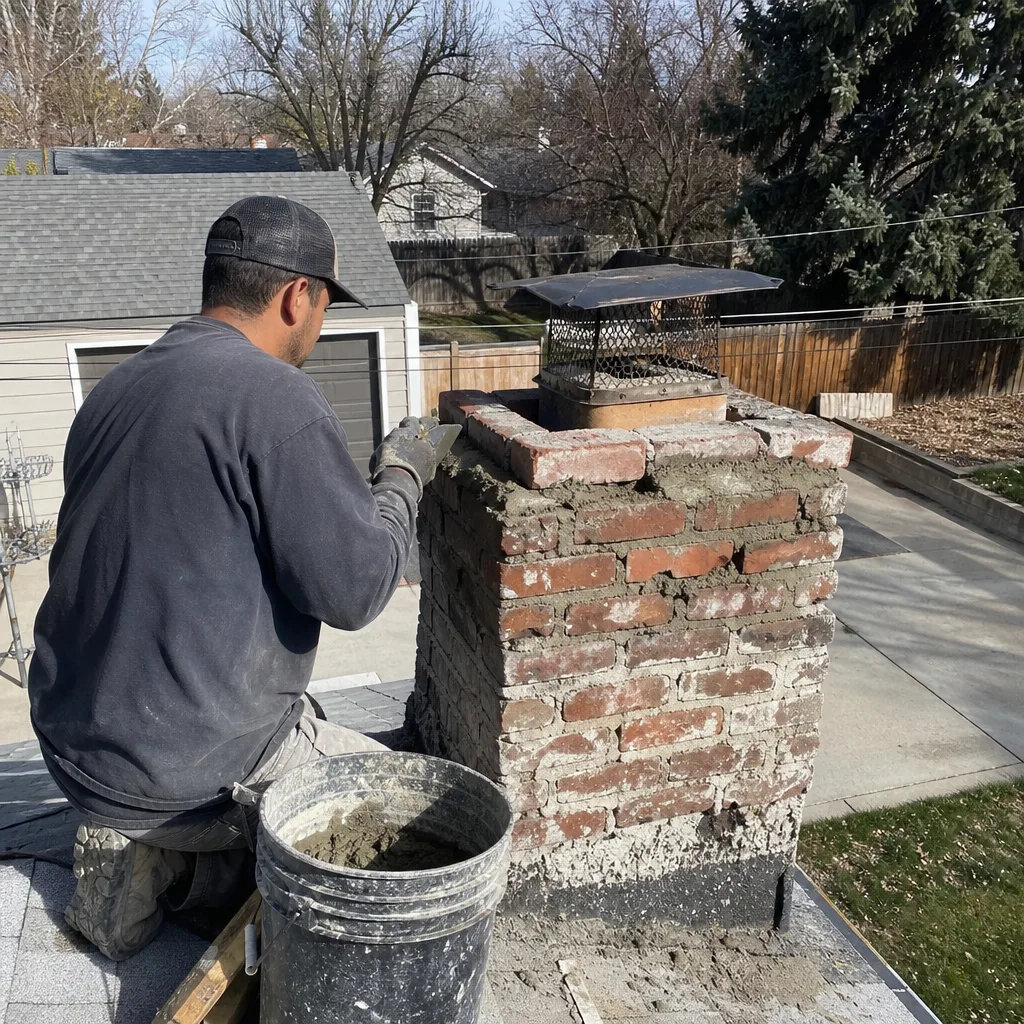
Stop burning and call for inspection if you observe any of the following: visible cracks in firebox or flue tile, smoke entering the room during normal operation, a strong tar or asphalt odor from the fireplace, white or brown staining on exterior chimney brick (efflorescence or pyrolysis indicators), or any creosote stage beyond light, flaky Stage 1.
Call before the situation becomes urgent. A camera inspection takes 60-90 minutes and provides definitive documentation of what needs attention now versus what can be scheduled. In Denver’s market, reputable sweeps book 2-3 weeks ahead during peak season; emergency calls carry premium pricing and limited scheduling flexibility.
Level Two Chimney Denver offers free estimates throughout Denver and surrounding areas. Our NFPA 211 Level 2 inspections include camera-scan documentation, written pricing before any work begins, and a 365-Day Done Right Promise on every job. Call (720) 674-7312 to schedule or email your documentation package for a preliminary scope assessment.
Frequently Asked Questions
A standard chimney cleaning for Stage 1 creosote in Denver typically runs $180-$260, while Stage 2 or 3 removal with rotary equipment ranges $280-$450. An NFPA 211 Level 2 inspection with camera documentation adds $150-$220 to the cleaning price. Level Two Chimney Denver provides written pricing before any work starts, with no hidden charges for smoke chamber access or damper removal. Call (720) 674-7312 for an exact quote based on your documented creosote stage and system configuration.
Annual inspection is the baseline for all wood-burning systems in Denver, with cleaning frequency determined by creosote accumulation rather than calendar. Most homeowners burning 1-2 cords of seasoned hardwood need cleaning every 1-2 years; softwood or high-volume burners may need mid-season service. Denver’s altitude accelerates creosote formation compared to sea-level locations, so the 1/8-inch accumulation threshold often arrives sooner than national guidelines suggest.
You need a new liner only if inspection reveals specific failure modes: cracked or missing clay tiles, gaps at joints visible to camera, spalling that exposes masonry, or corrosion/perforation in metal liners. In Denver, unlined masonry chimneys built before 1940 are common in neighborhoods like Whittier and City Park West; these require liner installation for safe operation with modern appliances. Nothing should be recommended without photo evidence you can see yourself. Level Two Chimney Denver’s camera documentation shows you exactly what we found and where the failure is located.
Skipped maintenance leads to three predictable outcomes: chimney fire from ignited creosote (7,000+ annually in the U.S., with peak season December-February), carbon monoxide intrusion from blocked or damaged flues, and accelerated structural deterioration from moisture and acid damage. In Denver, freeze-thaw cycling worsens crown and mortar damage that starts as minor cracking. The cost of deferred maintenance typically exceeds proactive care by 3-5x when liner replacement or masonry rebuild becomes necessary.
A Level 1 inspection is visual, accessible-surface examination without tools or camera, appropriate for unchanged systems with no known issues. A Level 2 inspection, required for property transfers, new appliance connections, or suspected damage, includes camera examination of the full flue interior, attic and crawl space access for clearance verification, and documented photo record. Level Two Chimney Denver performs NFPA 211 Level 2 inspection as standard practice on every visit, not as an upgrade, because surface-only examination misses the damage patterns we see most frequently in Denver’s aging housing stock.
Gas fireplaces require annual inspection of burner operation, venting integrity, and carbon monoxide production, though they typically don’t produce creosote. The venting system still degrades from condensation, corrosion, and animal entry. In Denver, high-efficiency gas inserts can produce acidic condensation that deteriorates clay liners faster than traditional gas logs. Schedule inspection with a technician who understands your specific appliance type and venting configuration.
The Bottom Line
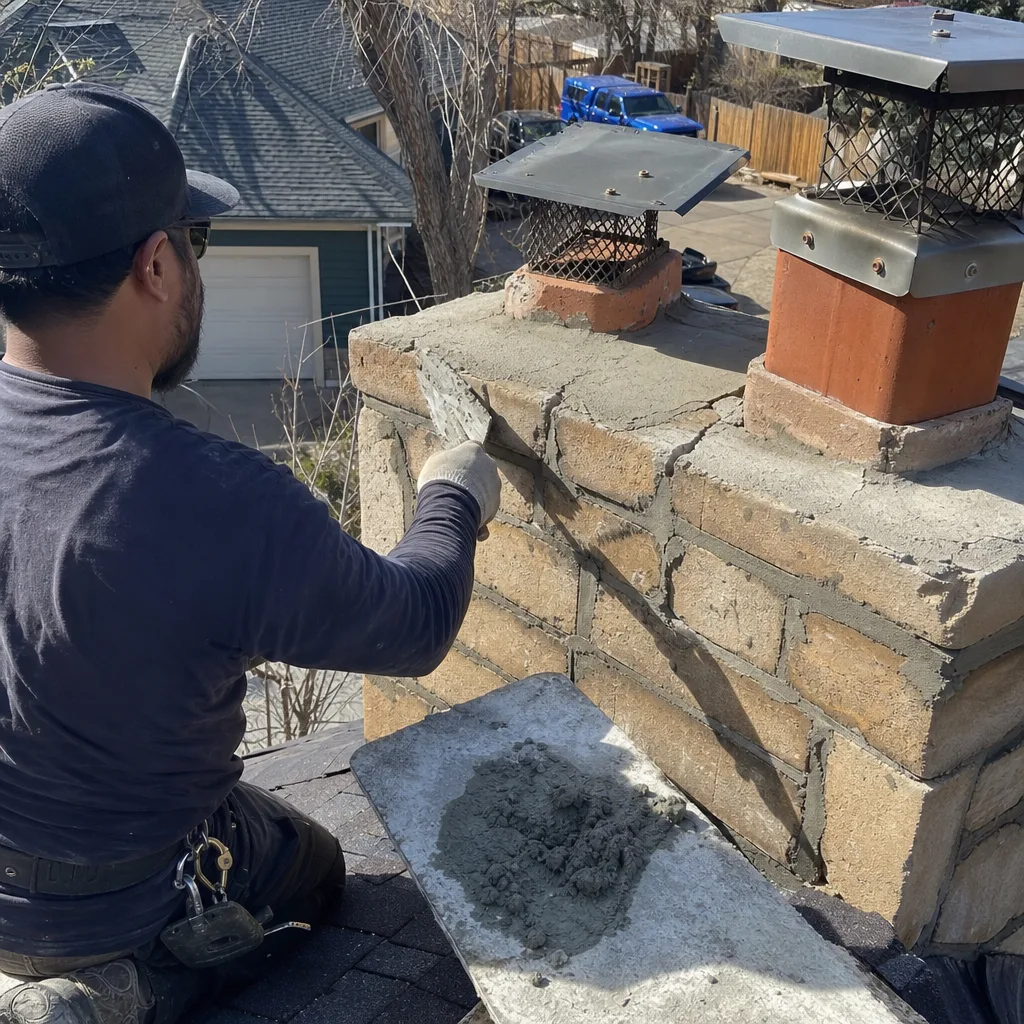
Effective chimney maintenance in Denver demands measurable criteria, not vague reminders. Know your creosote stage, verify pass/fail condition on every component, document findings with dated photos, and maintain records across service visits. The checklist above gives you the thresholds to decide when to clean, when to repair, and when to call for camera inspection before the next burn season begins. In a market with widely variable service quality, your documentation protects against upselling and ensures you pay only for work your system actually needs.
Level Two Chimney Denver has operated under the Haven Standard since 2009, completing more than 38,000 chimney inspections and cleanings with written pricing before every job and photo documentation on completion. Our materials come through Haven’s buying network from DuraFlex, HeatShield, Gelco, Olympia Chimney, Famco, and Copperfield to keep customer prices honest. Background-checked, uniformed technicians serve Denver with live phone support available 24 hours a day, 7 days a week.
Call (720) 674-7312 for a free estimate, or email your documentation package for a preliminary scope and price before we arrive.
Written by Corrine Halstead, Owner at Level Two Chimney Denver, serving Denver since 2009.