
Last updated September 22, 2026
Level 1 sweep and inspection to the NFPA 211 annual standard - flue, crown, cap, and flashing checked and photographed
Chimney sweep logs do not sweep chimneys. They loosen some creosote - which then falls where a brush and vacuum still have to collect it.
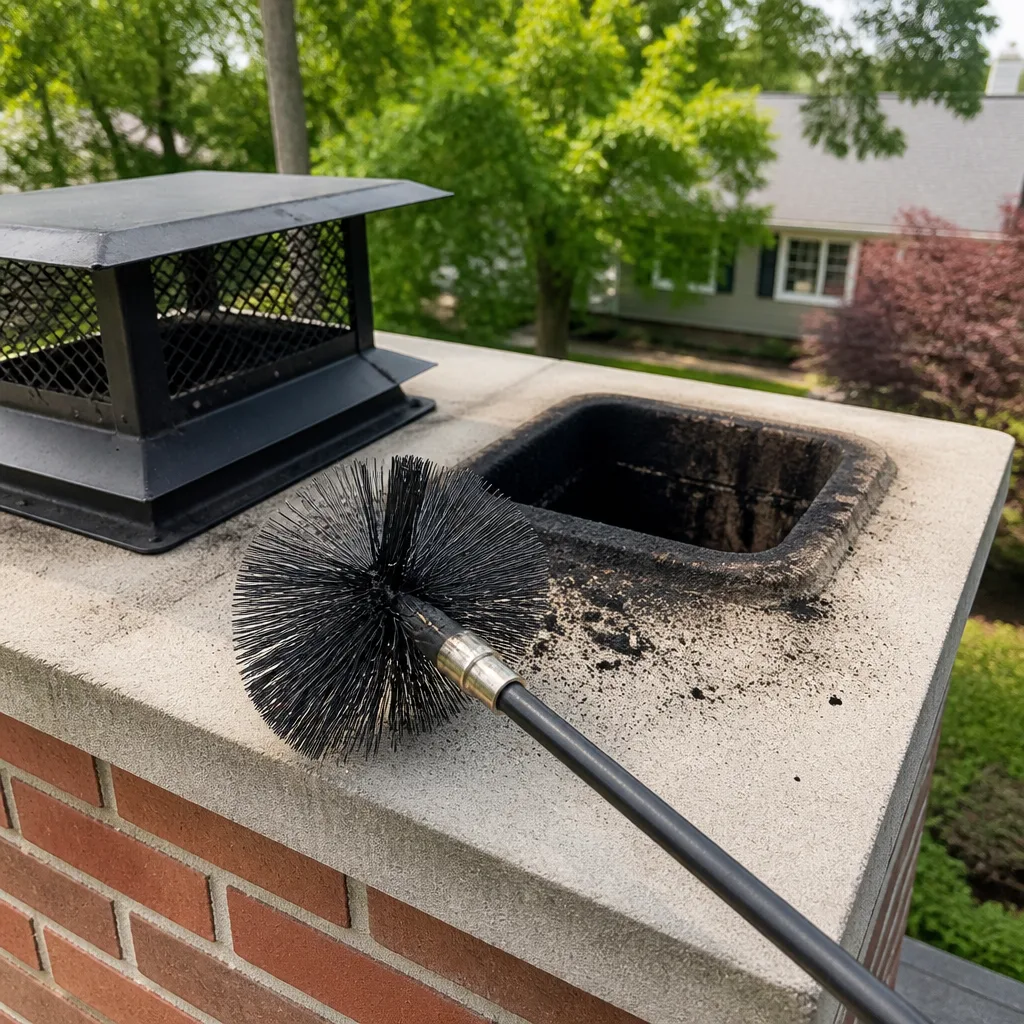
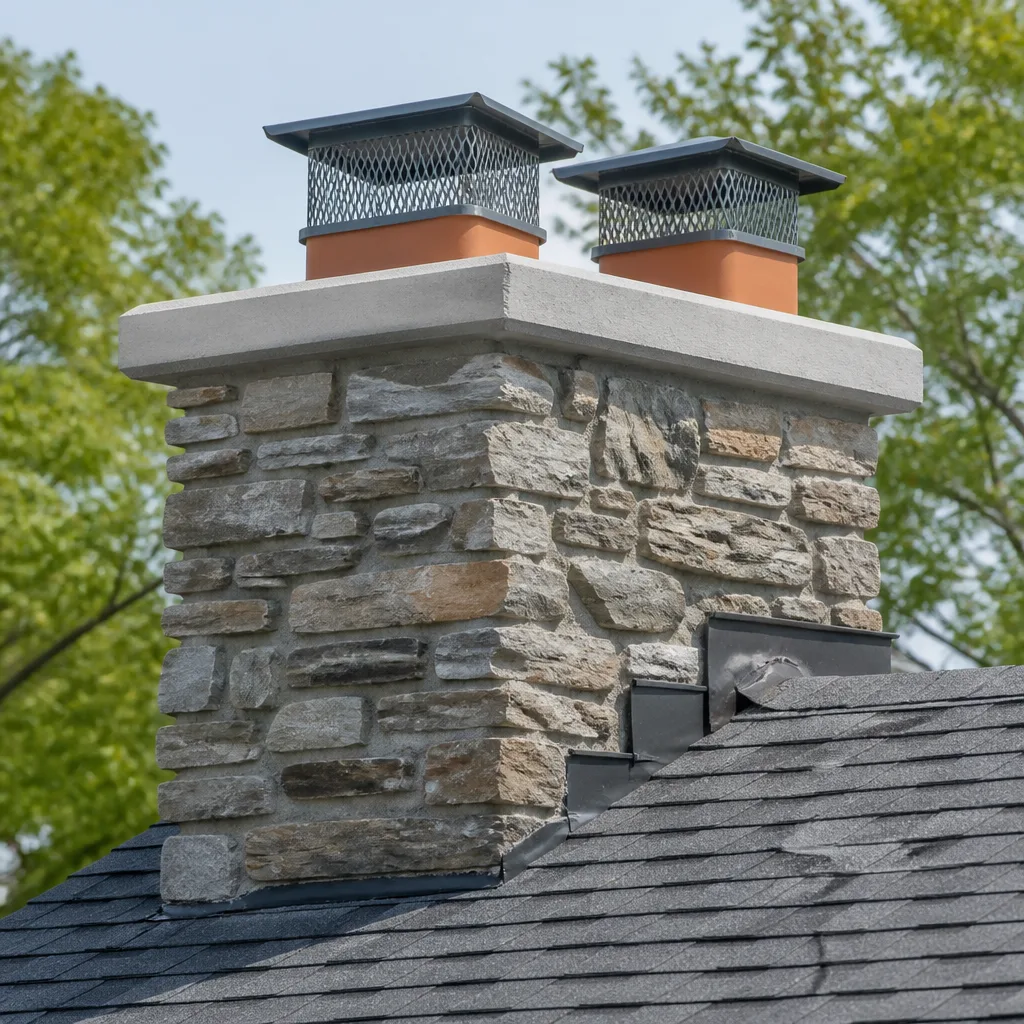
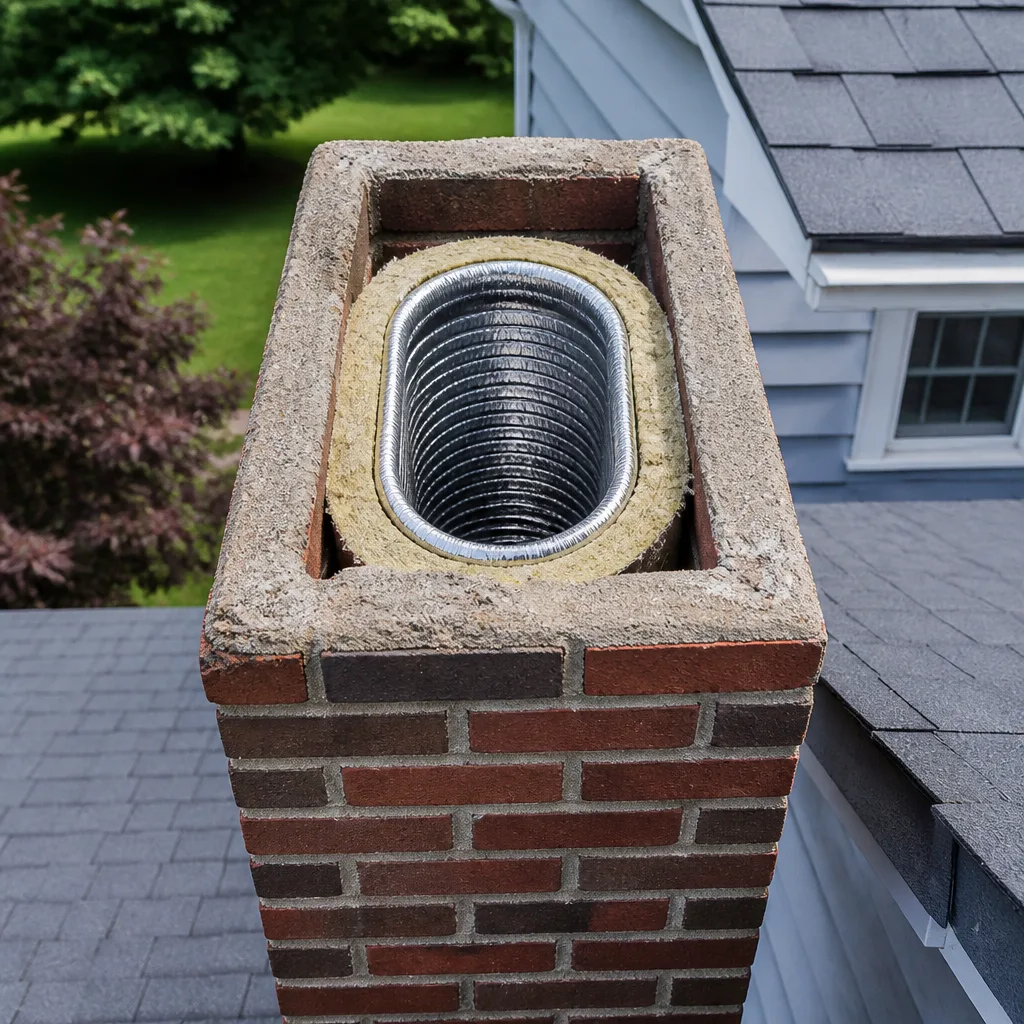
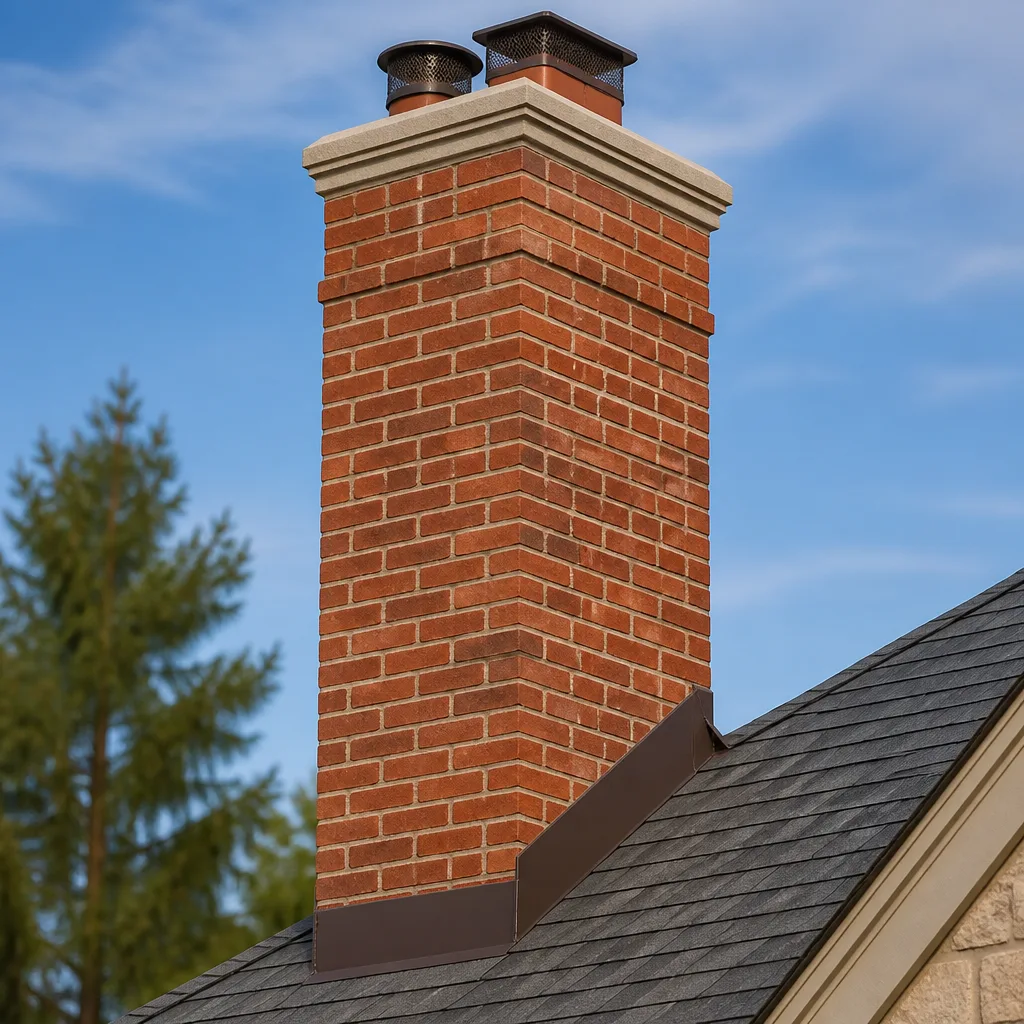
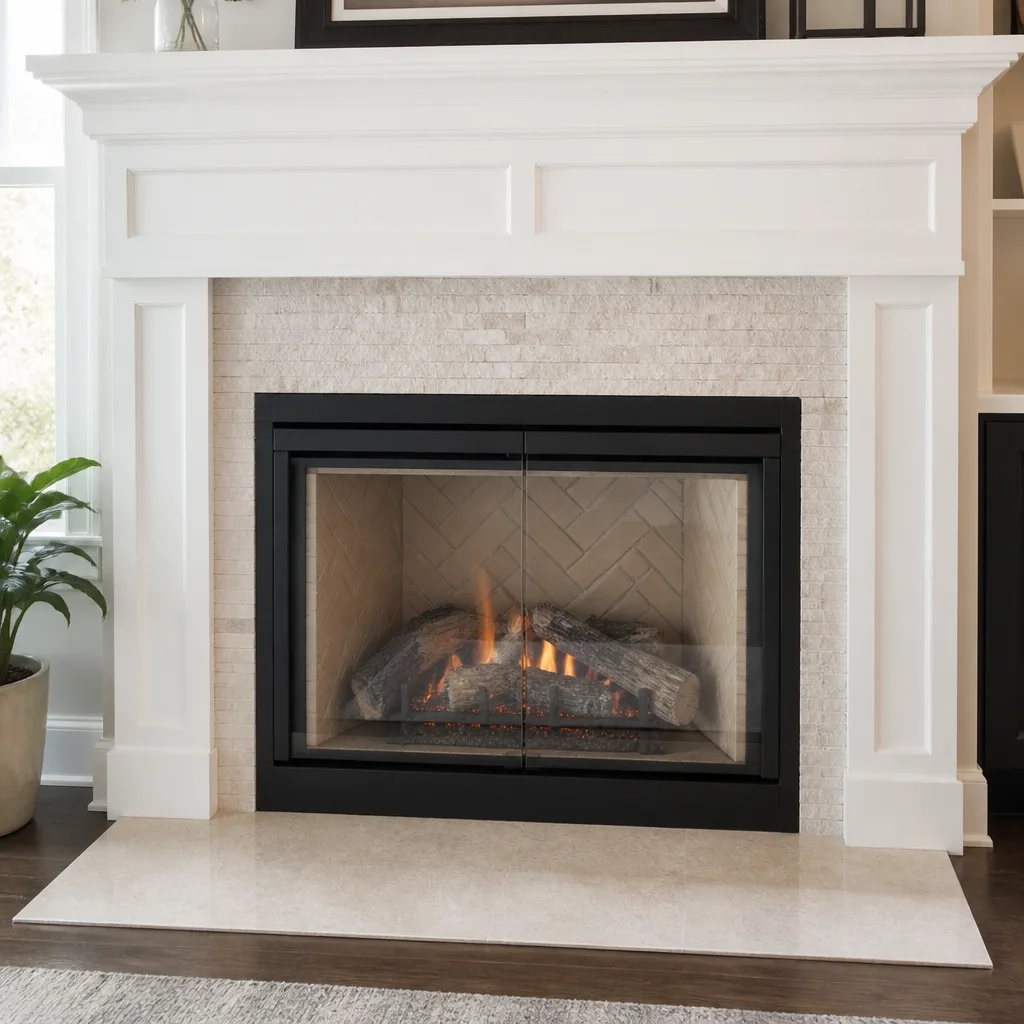
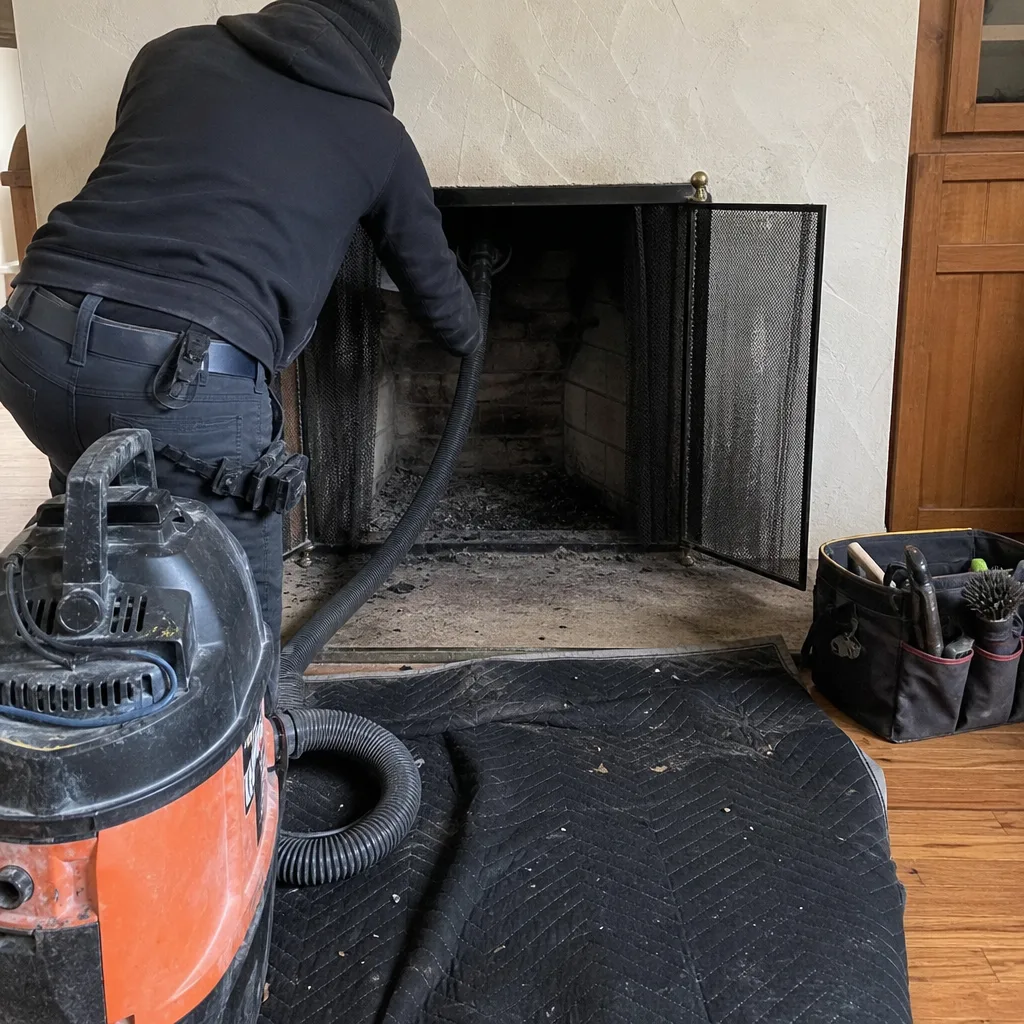 Before
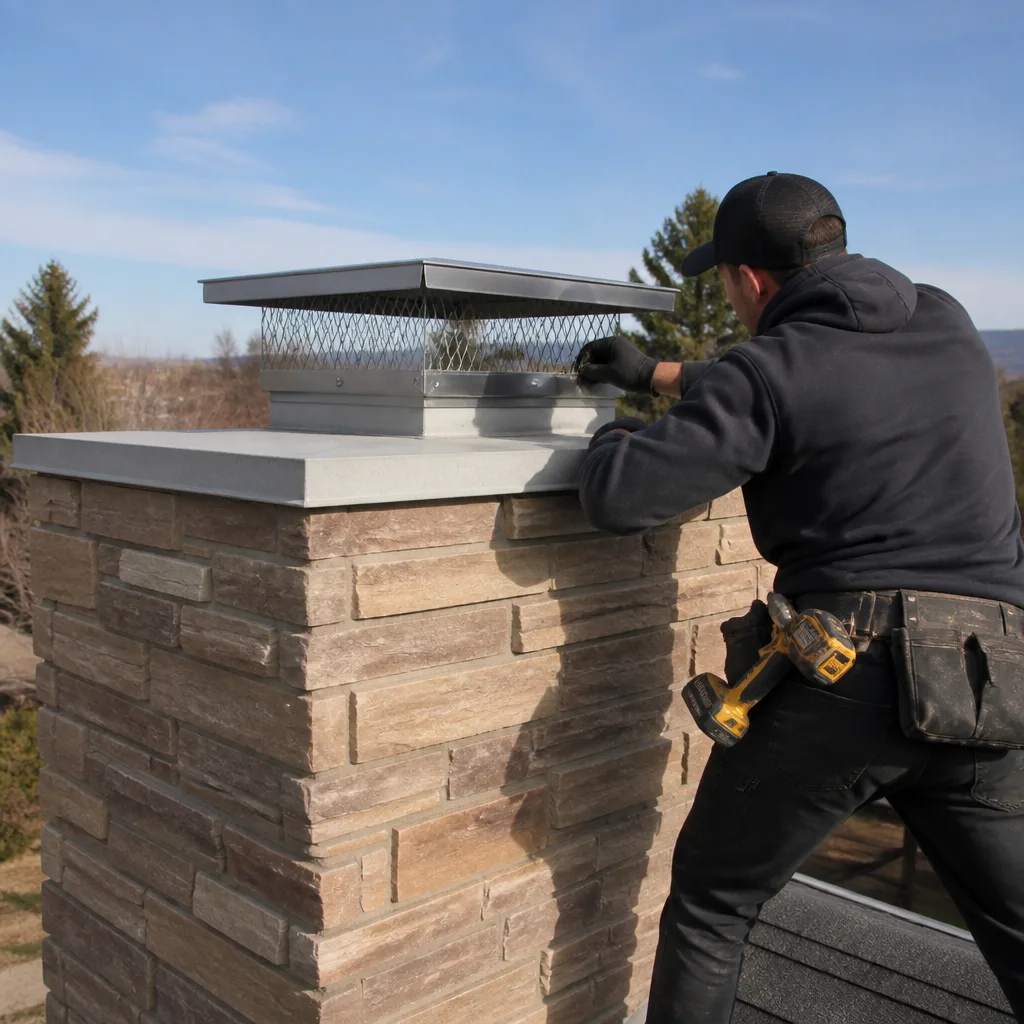 After
After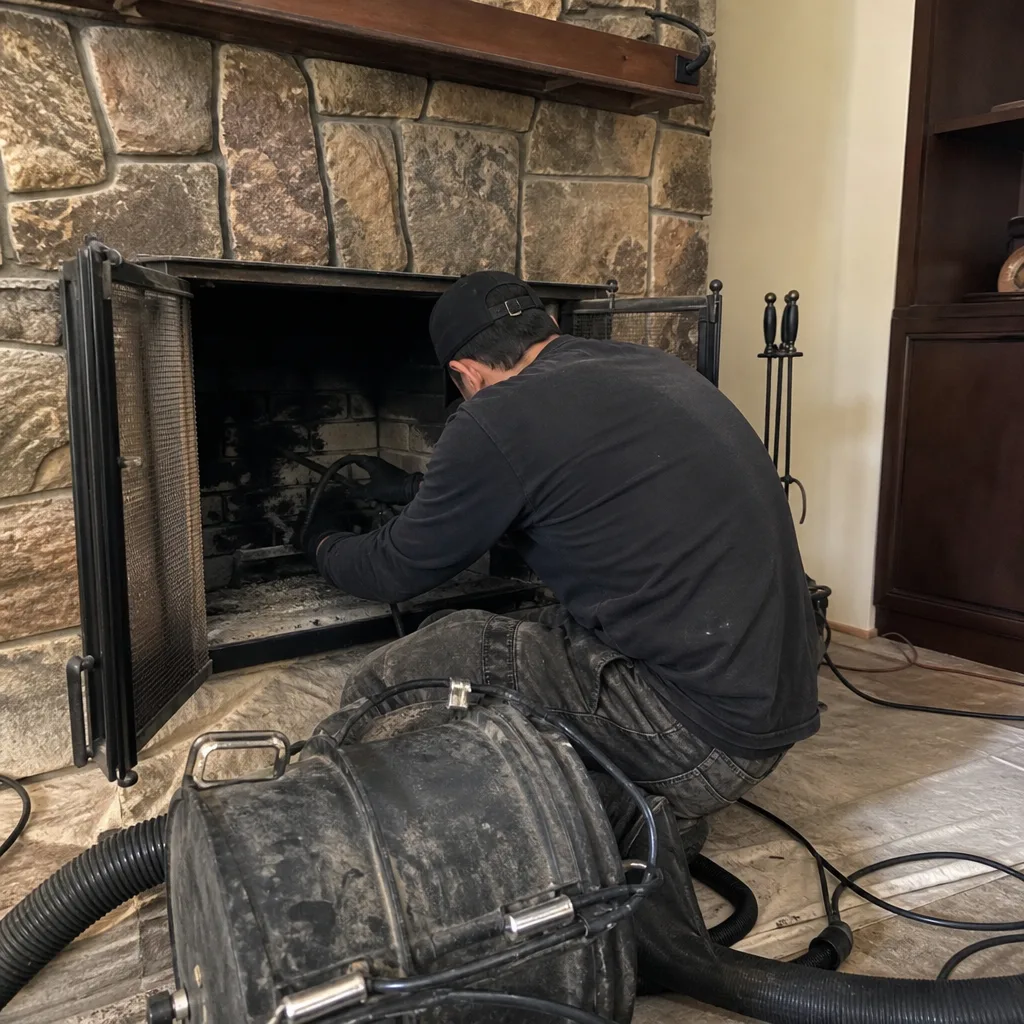 Before
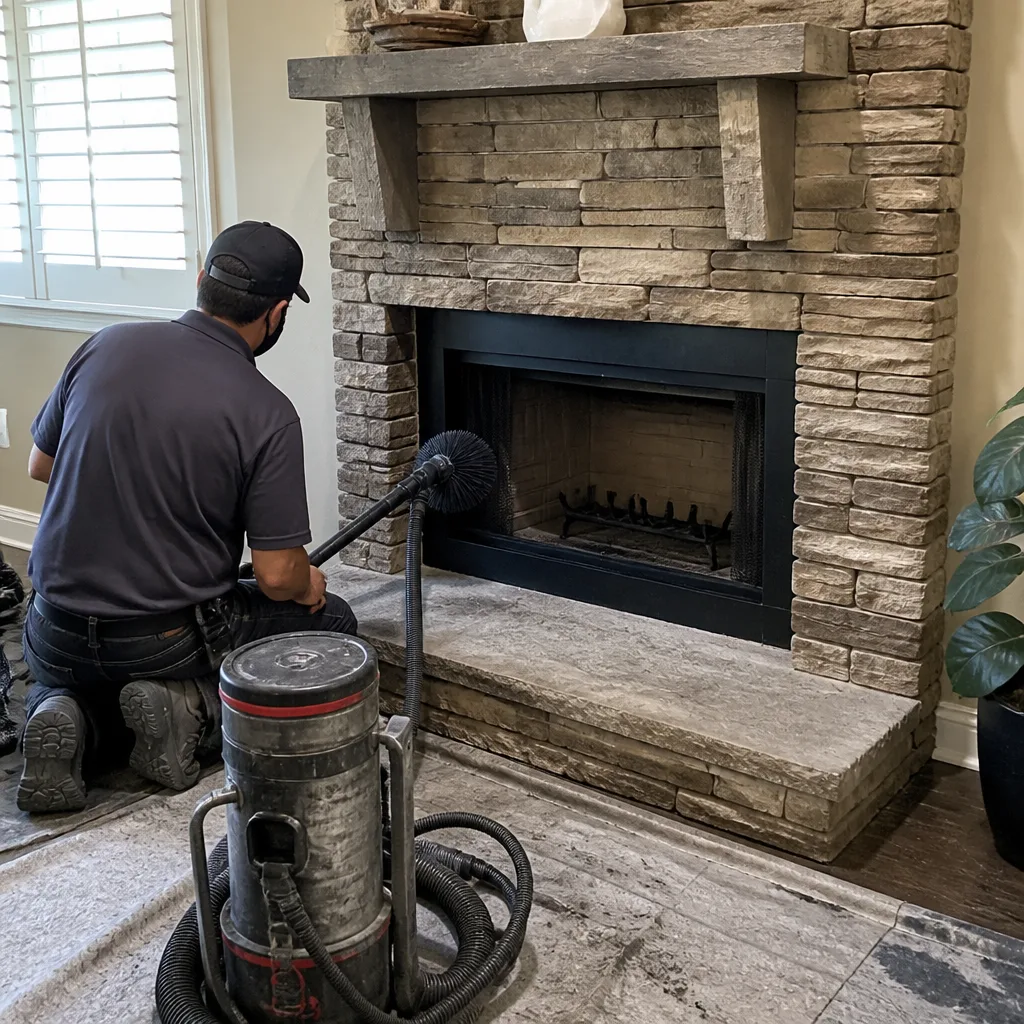 After
After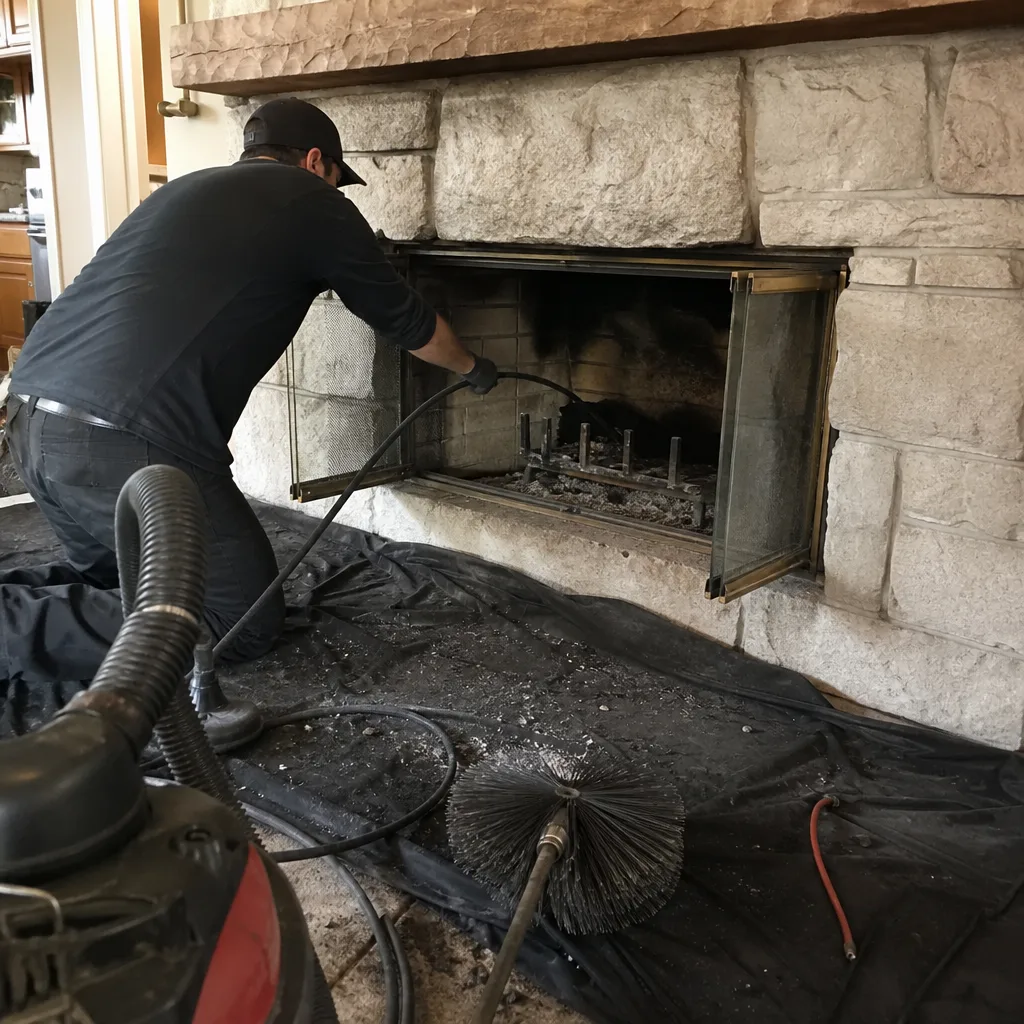 Before
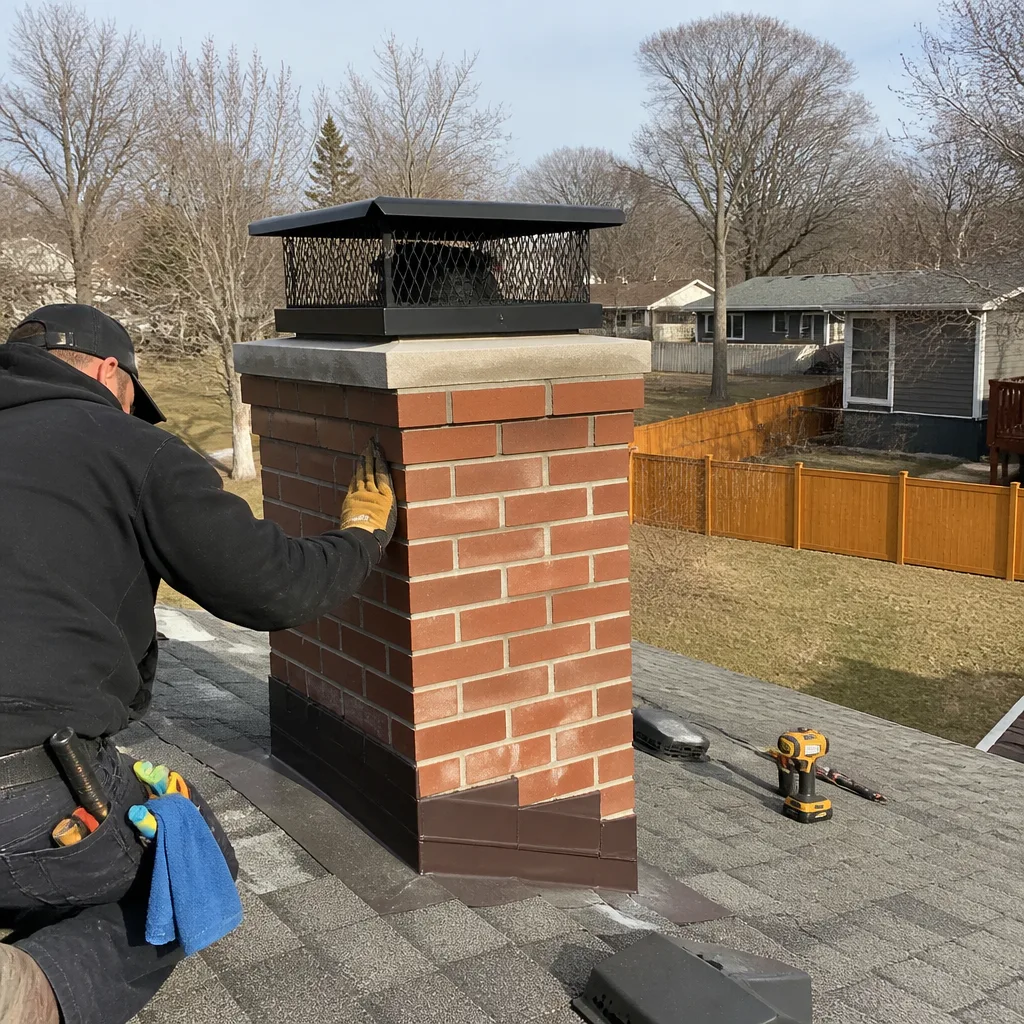 After
AfterThe Complete Guide to Chimney Cleaning in Denver
At 5,280 feet, wood burns hotter and dries faster than at sea level - which means Denver fireplaces accumulate Stage 2 glazed creosote at a rate most national cleaning-frequency charts don’t account for. We’ve inspected chimneys in Capitol Hill Victorians and Stapleton new builds that looked clean to the naked eye but showed dangerous glazing three feet up the flue liner on camera. This guide explains how Denver’s altitude, fuel choices, and climate patterns change what “clean” actually means, what documentation separates a real cleaning from a quick brush-out, and why the inspection standard matters more here than in humid coastal cities. For more on this topic, see our Seasonal Chimney Cleaning Care for Denver: Year-Round Homeowner’s Guide.
Quick Answer
A complete chimney cleaning in Denver costs between $199 and $389 for a standard fireplace flue sweep with Level 2 camera inspection, and should be performed annually for wood-burning systems used regularly. The process includes a full flue liner scan, creosote removal, smoke chamber cleaning, and a documented photo record of every surface inspected. Because Denver’s dry climate and pine-heavy fuel mix accelerate glazed creosote formation, skipping the camera inspection means missing the buildup that causes most chimney fires in Colorado.
Table of Contents
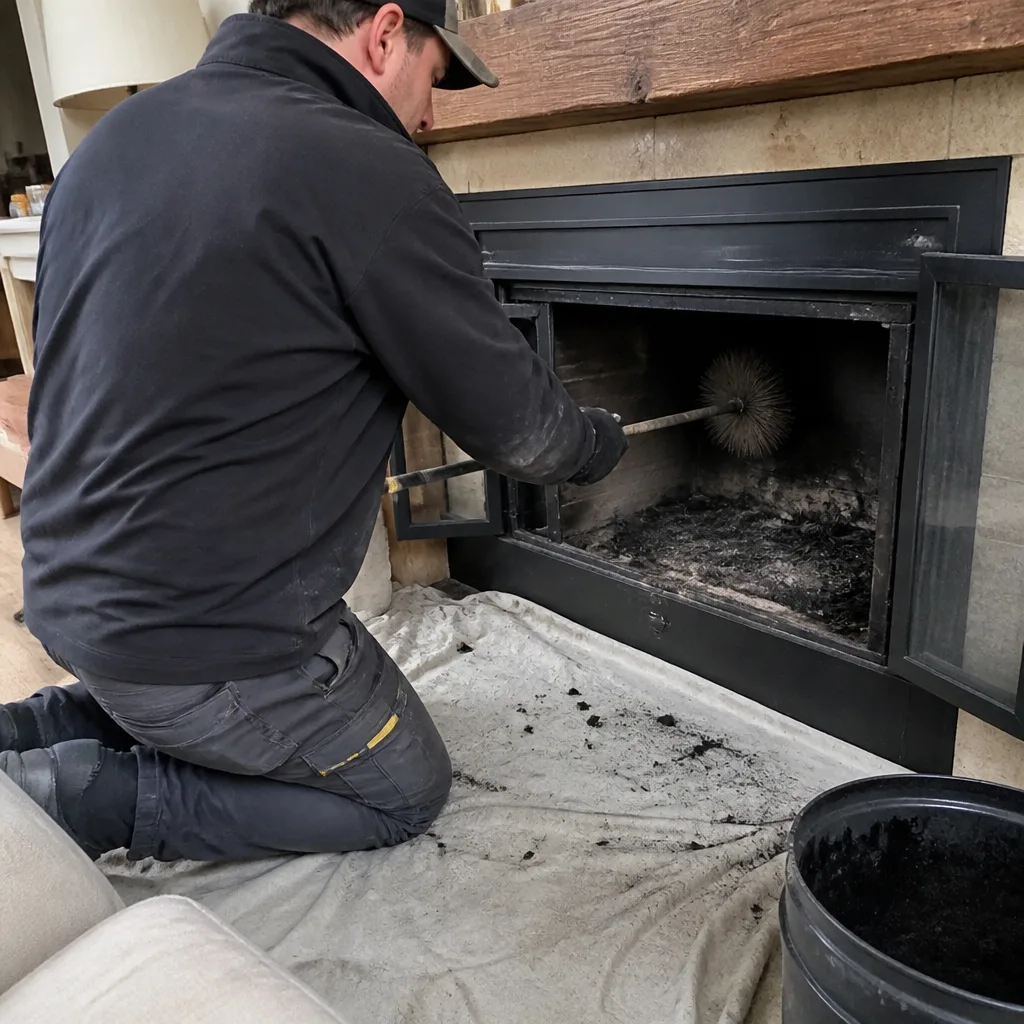
- How Denver’s Altitude Changes Everything
- What Complete Chimney Cleaning Actually Includes
- Denver’s Wood-Burning Culture and Creosote Risk
- NFPA 211 Level 2 vs. the Flashlight Pass
- What Documentation You Should Walk Away With
- How Often Denver Homes Need Cleaning
- Costs and What Drives Price in Denver
- Common Mistakes to Avoid
- When to Call a Professional
- Frequently Asked Questions
 Before
 After
AfterHow Denver’s Altitude Changes Everything
Combustion chemistry shifts measurably at altitude. Denver’s thin air contains roughly 17% less oxygen than sea-level atmosphere, which means fires burn faster, hotter, and with less complete combustion when the damper isn’t precisely tuned. Incomplete combustion produces more hydrocarbon byproducts, and those byproducts condense on cooler flue surfaces as creosote - a tar-like compound that hardens into glaze under repeated heat cycling.
Here’s what we’ve observed across 38,000+ inspections since 2009: Denver chimneys that burn pine or mixed hardwoods often show Stage 2 glazed creosote (shiny, hardened, difficult to remove with standard brushes) after just one season of weekend use. In humid Midwestern or coastal cities, the same burning pattern typically produces fluffy Stage 1 creosote that brushes away easily. The difference matters because Stage 2 glaze ignites at roughly 1,000°F - a temperature reached quickly in a chimney fire - while Stage 1 requires closer to 1,200°F.
Temperature swings compound the problem. Denver’s winter days can swing from single digits at 6 a.m. to 45°F by afternoon. A cold flue liner that heats rapidly from zero to 400°F creates more condensation surface than a liner that starts at 35°F. In neighborhoods like Park Hill and Berkeley, where 1920s masonry chimneys have thick, slow-warming walls, we’ve documented glaze accumulation 40% faster than in newer homes with insulated metal flues.
The practical implication: national guidelines suggesting cleaning “every cord of wood” or “every 50 fires” underestimate Denver buildup rates. We recommend annual camera inspection for any Denver wood-burning system used more than occasionally, with cleaning frequency determined by what the camera shows - not by calendar optimism.
What Complete Chimney Cleaning Actually Includes
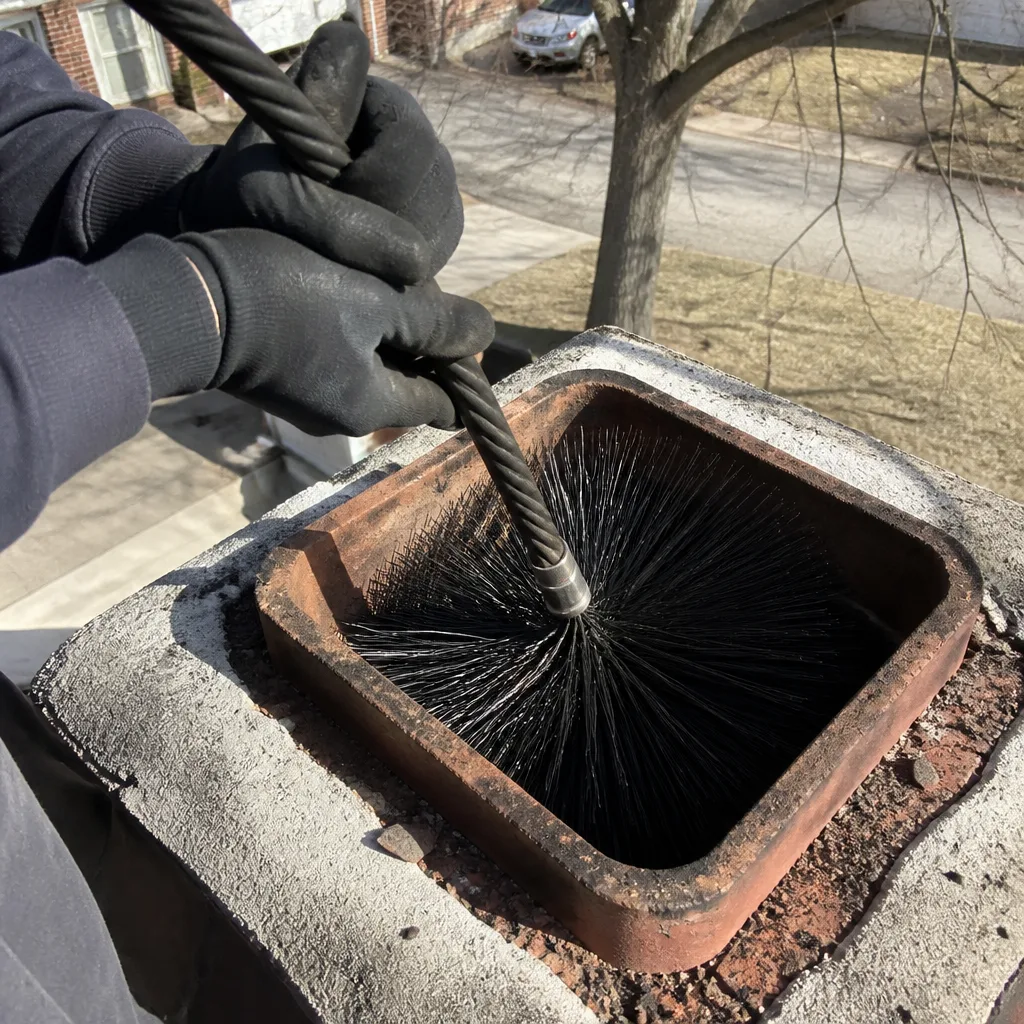
The term “chimney sweep” covers a wide range of actual work. A complete cleaning under NFPA 211 standards includes specific steps that many Denver-area competitors skip or charge separately for. Here’s what the process should look like:
- Pre-work documentation: Condition photos of the firebox, damper, and visible flue before any disturbance. Written scope and price confirmed with homeowner signature - Haven Standard Clause 1, “Have it in writing.”
- Firebox and smoke chamber cleaning: Removal of ash, soot, and debris from the firebox floor, plus hand-brushing of the smoke chamber (the area above the damper that funnels smoke into the flue). This area is inaccessible to standard rotary brushes and is where many chimney fires start.
- Flue liner rotary sweeping: A motorized brush sized to the flue diameter, run the full length of the liner to dislodge creosote deposits. In Denver’s older homes, particularly in Baker and Highland, flues may be unlined terra cotta with irregular joints - requiring brush selection that won’t damage fragile mortar.
- Camera inspection during cleaning: The chimney scan camera runs behind the brush to verify complete removal and identify cracks, gaps, or deterioration exposed once creosote is gone. This is where we find most hidden damage.
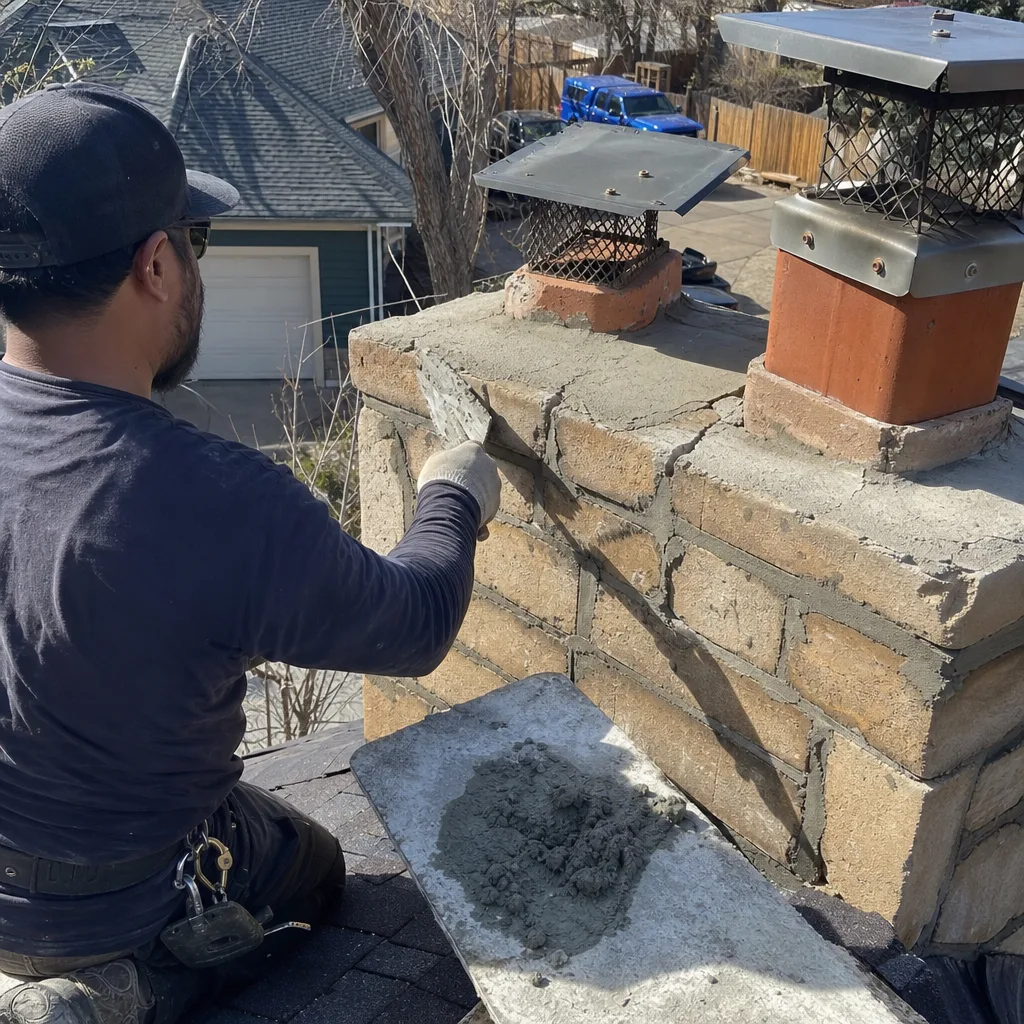
- Exterior crown, cap, and flashing visual inspection: From roof level or ladder, checking for water intrusion points that accelerate liner deterioration. Denver’s freeze-thaw cycles destroy crowns faster than steady cold climates.
- Post-cleaning documentation: Photos of cleaned surfaces, camera footage archive, written condition report, and warranty terms. Clause 4 of the Haven Standard requires this photo record on every job - we’ve delivered it since 2009.
What a complete cleaning does not include: masonry repair, liner replacement, or crown rebuilding. These are separate services quoted separately after the inspection reveals need. A reputable sweep identifies them, documents with photos, and provides a written estimate - never pressure to decide during the same visit.
Denver’s Wood-Burning Culture and Creosote Risk
Denver metro sits at the edge of the pine beetle epidemic zone, and beetle-kill wood has been a common, inexpensive fuel source for two decades. It burns fast and hot, which feels efficient, but the compromised cellular structure releases more volatile gases before complete combustion - gases that condense as creosote on their way up the flue.
We’ve cleaned chimneys in Cherry Creek and Congress Park where homeowners burned “seasoned” beetle-kill that was actually six months old, not the 12+ months required for moisture content below 20%. The result: heavy Stage 2 glaze halfway up a 25-foot flue after a single Denver winter. One homeowner in Montclair had been told by a previous sweep that the chimney “looked fine” after a flashlight inspection from the firebox. Our camera found a glaze layer nearly 3/8-inch thick - a significant fire hazard invisible without documentation.
Pine species common in Colorado - lodgepole, ponderosa, limber - all have higher resin content than oak or maple. Resin vaporizes during burning, travels up the flue, and plates onto cooler surfaces as that distinctive shiny glaze. The solution isn’t switching to hardwood (though it helps); it’s more frequent camera inspection to catch glaze before it hardens to Stage 3, which requires chemical treatment or mechanical removal with chains or whips.
Denver’s dry climate does offer one advantage: less moisture-driven spalling and freeze damage than Midwestern chimneys see. But the tradeoff is accelerated creosote chemistry. We tell homeowners in Wash Park and Sloan’s Lake: your chimney won’t rot from rain, but it might glaze from pine faster than you expect.
NFPA 211 Level 2 vs. the Flashlight Pass
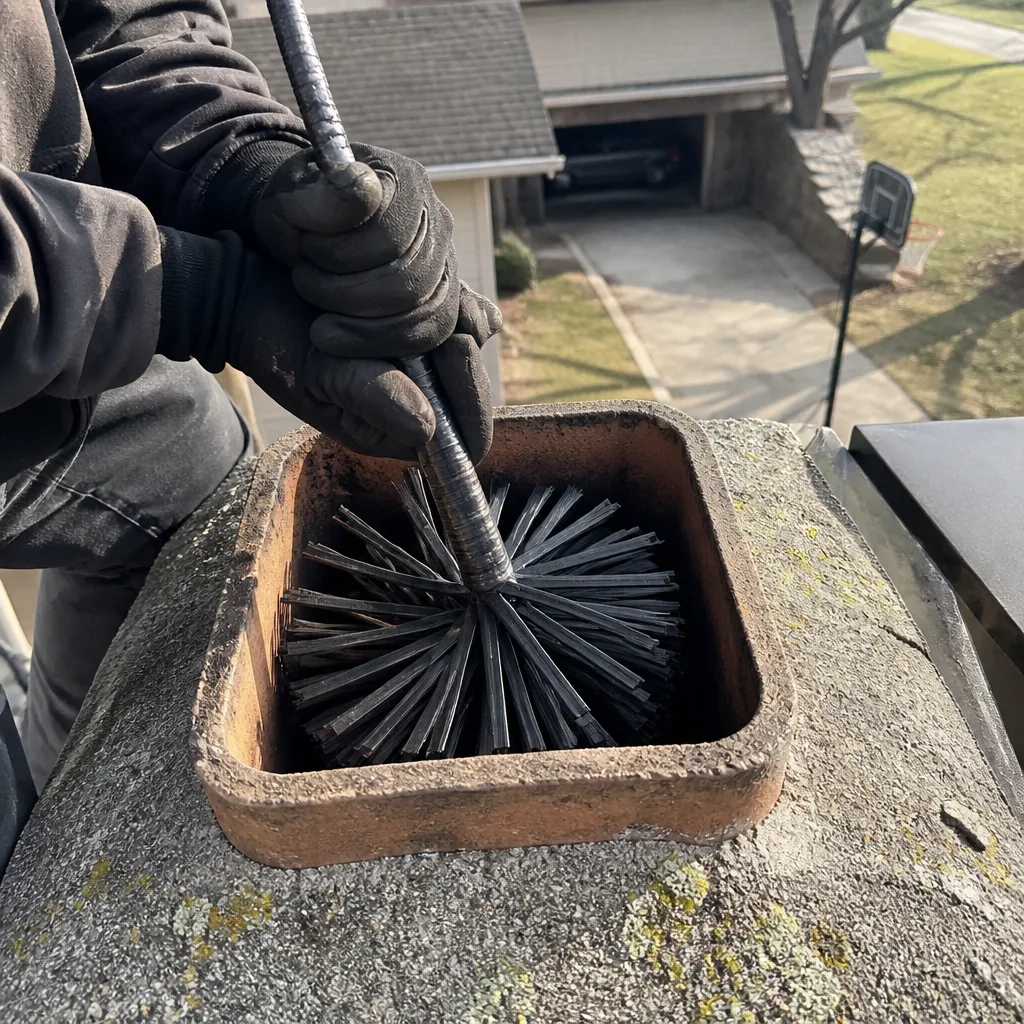
Most Denver homeowners don’t know there are three inspection levels defined by NFPA 211, the National Fire Protection Association standard adopted by Colorado building codes. Here’s the distinction that determines whether you’re getting information or guesswork:
Level 1 Inspection: Visual examination of readily accessible portions of the chimney exterior, interior, and connecting appliances. No tools, no climbing, no camera. Appropriate for annual maintenance when no changes have been made to the system. What many Denver companies call a “full inspection” is actually this - a flashlight look from the firebox and a glance at the roofline.
Level 2 Inspection: Everything in Level 1, plus examination of accessible attics, crawl spaces, and basements; video scanning of internal flue surfaces; and inspection of all clearances to combustibles. Required upon sale or transfer of property, after chimney fire or seismic event, or when any appliance is changed. This is the Chimney Cleaning & Sweep in Denver standard we established as default in 2009 - before insurers or regulators required it.
Level 3 Inspection: Destructive examination - removal of building materials to access concealed portions. Only performed when Level 2 indicates serious hazard requiring full exposure.
The flashlight pass problem: A Level 1 visual inspection cannot see past the smoke chamber throat, cannot evaluate flue liner joints, and cannot detect glaze accumulation on the upper flue where it typically forms thickest. Yet many Denver-area sweeps charge $150-$250 for this limited exam, call it an “inspection,” and pronounce the chimney “safe” - a conclusion the evidence doesn’t support.
We’ve rebuilt trust with hundreds of Denver homeowners who received false assurance from flashlight passes. In one 1890s home near Cheesman Park, three previous “inspections” missed a detached flue liner section 18 feet up, visible only on camera. The gap was venting combustion gases into a wall cavity adjacent to bedroom framing. Level 2 documentation found it in ten minutes.
The Haven Standard’s Clause 4 requirement - documented photo record on every job - exists because verbal reports are unverifiable and unenforceable. When we say a flue is clean, we show you the camera frame. When we note a crack, the photo is stamped, dated, and archived.
What Documentation You Should Walk Away With
A professional chimney cleaning should produce a paper or digital record you can reference, share with insurers, or use in home sale negotiations. Here’s what complete documentation includes:
- Written price and scope, signed before work begins: Not an estimate range - a fixed price for defined work. Haven Standard Clause 1. If additional needs are found, they’re documented and quoted separately before proceeding.
- Pre-cleaning condition photos: Firebox, damper, smoke chamber, and accessible flue sections in original state.
- Camera scan video or frame captures: Full flue liner length, showing joints, mortar condition, and any cracks or gaps. In Denver’s expansive clay soils, we’ve documented liner displacement from foundation movement in homes from Stapleton to Westwood.
- Creosote classification note: Stage 1 (sooty, brushable), Stage 2 (glazed, requires rotary or chemical treatment), or Stage 3 (hardened, requires mechanical or chemical removal). This determines cleaning method and next service interval.
- Post-cleaning verification photos: Same angles as pre-cleaning, showing completed work.
- Written condition report: Observations on crown integrity, cap function, flashing condition, clearance compliance, and any recommended repairs with priority ranking.
- Warranty terms: The 365-Day Done Right Promise - if workmanship fails, we return and correct it. Stamped on every job record.
What you should not accept: a verbal “all good,” a carbon-copy checklist with no photos, or a recommendation for major work without visual evidence you can see yourself. In Denver’s competitive real estate market, we’ve seen home sales delayed when buyers’ inspectors request documentation the seller’s sweep never provided. Complete records protect value.
How Often Denver Homes Need Cleaning
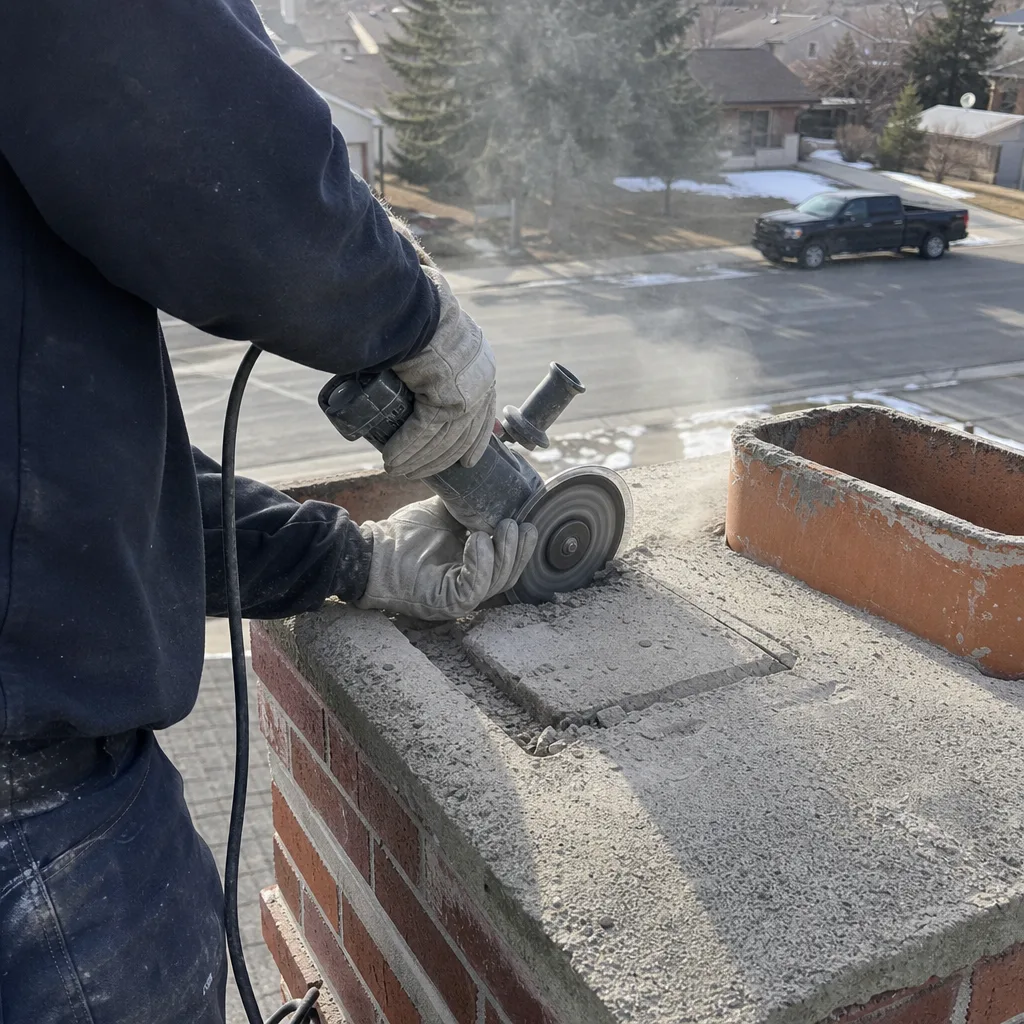
Frequency depends on fuel, appliance type, and burning habits - not on calendar superstition. Here’s our Denver-specific guidance based on 15 years of documented inspections:
Wood-burning fireplaces and inserts, regular use (2+ times weekly October-March): Annual Level 2 inspection with cleaning as indicated by camera findings. In practice, most Denver systems in this category need annual cleaning due to pine content and altitude effects.
Occasional use (holiday weekends, aesthetic fires): Inspection every 12-18 months; cleaning typically every 2-3 years unless glaze forms faster than expected. Camera determines actual need.
Pellet stoves: Annual professional inspection plus owner maintenance per manufacturer schedule. Pellet systems burn more completely but have critical exhaust pathways that clog with ash fines. We’ve found blocked pellet vents in Highlands Ranch and Aurora homes where owners skipped annual service.
Gas fireplaces: Annual inspection recommended, though cleaning needs are minimal. Focus is on valve function, log placement, and vent integrity. Fireplace Services in Denver covers gas system specifics.
Unused chimneys: Inspection every 2-3 years for water intrusion, animal nesting, and structural deterioration. An unused flue with a failed cap can accumulate debris that blocks ventilation if the fireplace is later used.
Special Denver consideration: Homes in fire-prone foothill areas (Golden, Evergreen, Genesee) may have additional restrictions on burning days. We document appliance EPA certification status for homeowners in these zones, as uncertified wood stoves face usage limitations during air quality alerts.
Costs and What Drives Price in Denver
Chimney cleaning pricing in Denver varies by system complexity, access difficulty, and - most importantly - whether you’re paying for documentation or just a brush-out. Here’s the honest breakdown:
| Service | Typical Denver Range | What’s Included |
|---|---|---|
| Standard fireplace sweep with Level 2 inspection | $199 - $289 | Firebox cleaning, smoke chamber hand-brushing, rotary flue sweep, camera scan, photo documentation, written report |
| Insert or stove sweep (removed/reinstalled) | $249 - $349 | Above plus appliance disconnect/reconnect, baffle cleaning, gasket inspection |
| Stage 2 glazed creosote removal | $289 - $389 | Chemical treatment or mechanical removal with chains/whips, extended camera verification |
| Stage 3 removal or multiple flues | $389 - $550+ | Extended labor, possible second visit, full documentation |
| Flashlight-only “inspection” (competitor typical) | $99 - $175 | Visual only, no camera, no documentation, no flue access above smoke chamber |
Price drivers specific to Denver: Two-story homes with steep roof pitches (common in Hilltop and Crestwood) require additional safety equipment and time. Historic homes with unlined flues need specialized brush selection to avoid mortar damage. And homes burning exclusively pine or beetle-kill may need more frequent service, which we price as maintenance - not as upsell.
We source materials through Haven’s buying network from HeatShield, Gelco, Olympia Chimney, and Famco specifically to keep customer prices honest. No markup mysteries. The price on the page - or the written quote we deliver - is the price.
Free Second Opinion on any written estimate: Bring us a competitor’s quote. We’ll review their scope against what we find, with no obligation. If you’re still choosing a provider, our How to Hire a Chimney Cleaning Contractor in Denver: A Step-by-Step Guide can help. We’ve saved Denver homeowners thousands by identifying unnecessary liner replacements or crown rebuilds that camera evidence didn’t support.
Common Mistakes to Avoid
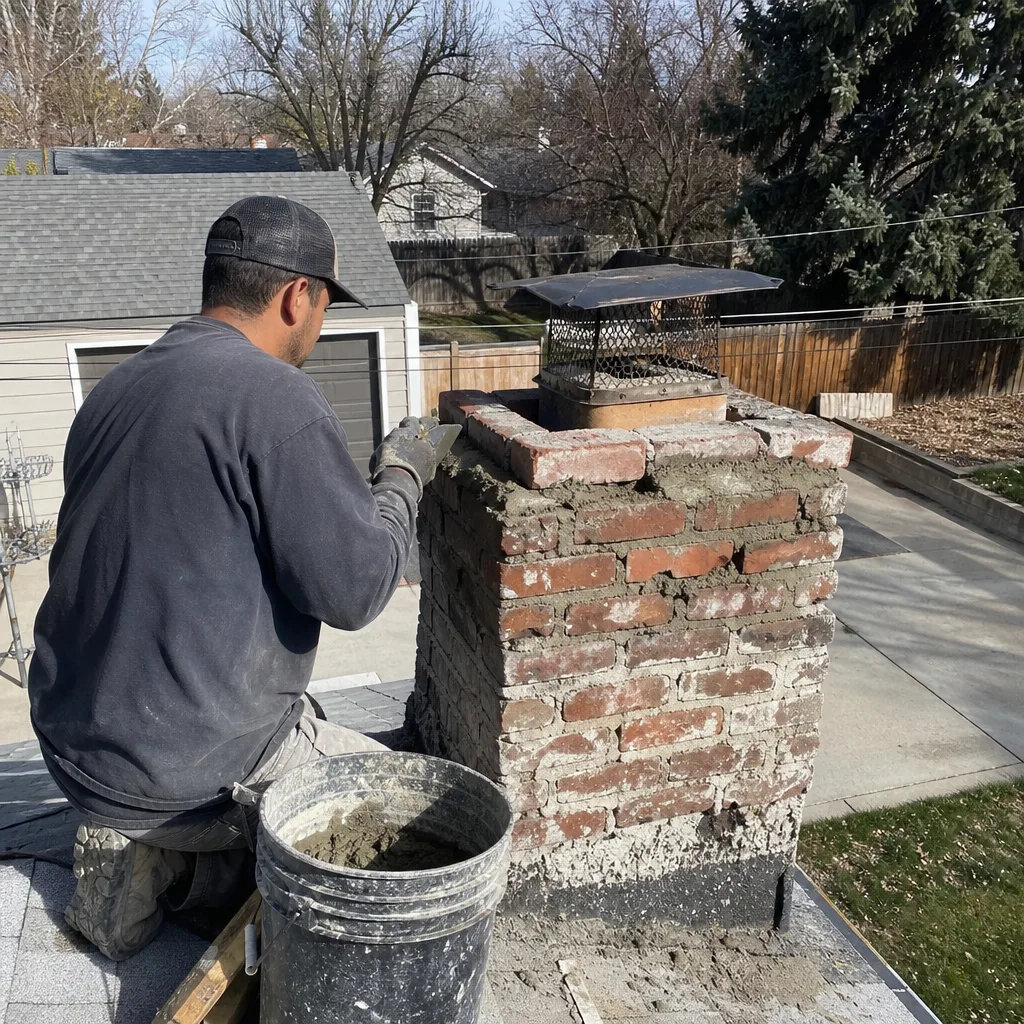
- Trusting “clean” without camera proof: In Park Hill, we found a homeowner who’d paid for annual “cleanings” for eight years - no camera, no photos, no documentation. The flue had never been properly accessed; glaze was 1/2-inch thick and the liner had a foot-long crack.
- Burning unseasoned wood because it’s cheap: Beetle-kill and fresh-cut pine are abundant in Denver metro. Moisture content above 25% doubles creosote production. A $20 moisture meter pays for itself in one avoided cleaning.
- Assuming gas fireplaces need no service: Gas systems don’t produce creosote, but deteriorated valves, misaligned logs, and blocked vents cause carbon monoxide risk. Annual inspection is non-negotiable for safety.
- Ignoring the smoke chamber: This angled area above the damper is where many chimney fires start - it’s also inaccessible to standard rotary brushes. Hand-cleaning is required; if your sweep doesn’t mention it, they’re skipping it.
- Waiting for visible signs of trouble: By the time you see smoke backing up or smell creosote, the problem is advanced. Denver’s dry air means you won’t get the moisture indicators (efflorescence, musty smell) that alert humid-climate homeowners.
- Hiring based on lowest price without comparing scope: The $99 sweep is almost always a flashlight pass with a quick brush run. You’re paying for documentation and verified safety, not just a clean flue.
- Skipping inspection after a chimney fire: Even a small fire can crack liners, damage mortar, or warp metal components. NFPA 211 requires Level 2 inspection after any fire event before resuming use.
When to Call a Professional
Call for inspection before the burning season starts - typically September in Denver, before first frost drives sustained fireplace use. Specific triggers: visible creosote flakes in the firebox, smoke odor when the damper is closed, a new home purchase, any chimney fire event (even suspected), or if it’s been more than 12 months since last documented service.
For repairs beyond cleaning - cracked crowns, spalling brick, liner gaps, or water staining - Chimney Repair in Denver covers structural work. We never recommend repair without camera evidence you can review yourself, and we clearly distinguish urgent safety issues from maintenance that can wait.
Level Two Chimney Denver offers free estimates in Denver - call (720) 674-7312. A live person answers 24/7, and we’ll schedule a named technician with background verification, license display, and text notification when they’re en route.
Frequently Asked Questions
A complete chimney cleaning with Level 2 camera inspection in Denver typically runs $199 to $389, depending on system type and creosote condition. Standard open fireplaces with Stage 1 creosote fall at the lower end; inserts requiring removal, or systems with Stage 2 glaze, require more labor and land higher. We deliver a written price before any work starts - no surprises, no “call for quote” games. Call (720) 674-7312 for an exact quote; estimates are free.
Not unless camera inspection shows cracks, gaps, or deterioration that compromise containment of combustion gases. We’ve reviewed competitor estimates in Denver that recommended $3,000+ liner replacements for surface staining or minor mortar joint gaps that HeatShield cerfractory foam could seal for a fraction of that cost. The key question: did your sweep show you dated, stamped photos of the actual damage? If not, get a second opinion. Our Free Second Opinion service exists for exactly this scenario.
Annual Level 2 inspection is the right interval for most Denver wood-burning systems, with cleaning frequency determined by what the camera finds. Altitude, pine-heavy fuel, and temperature swings mean Denver chimneys accumulate glazed creosote faster than sea-level or hardwood-burning regions. Occasional-use fireplaces may extend to 18-24 months between cleanings if inspection shows minimal buildup. Gas systems need annual inspection but minimal cleaning. Call (720) 674-7312 to schedule; we’ll recommend the right interval for your specific burning habits.
Skipped cleaning allows creosote accumulation that narrows the flue, reduces draft efficiency, and increases chimney fire risk. Stage 2 glaze ignites at approximately 1,000°F - a temperature reached within minutes if burning material contacts the deposit. In Denver’s dry climate, chimney fires spread to adjacent framing faster than in humid regions where moisture slows combustion. Carbon monoxide risk also rises as blocked or cracked flues leak exhaust into living spaces. The cost of prevention is a fraction of fire damage, medical emergency, or liner replacement after a fire event.
Cleaning (sweeping) removes deposits; inspection evaluates condition. A sweep without inspection is blind - you don’t know if the flue is cracked, if clearance is compromised, or if the crown is failing. A Level 2 inspection without cleaning may miss damage hidden under creosote. We perform both together as standard: clean to expose, camera to document, written report to record. Anything less is incomplete by NFPA 211 standards.
Basic brush kits exist for straight, short flues with easy roof access. We don’t recommend it for most Denver homes, so read our DIY vs Professional Chimney Cleaning: The Denver Homeowner’s Decision Guide before deciding. Steep roof pitches, two-story heights, unlined historic flues, and the need for camera verification make professional service the safer choice. More critically, DIY cleaning cannot produce the documented record that insurers, home buyers, and fire marshals may require after an incident. The 365-Day Done Right Promise and archived photo record are only available through professional service. For safety-critical work at height, a trained technician is the right call.
The Bottom Line
Denver’s altitude, fuel culture, and climate patterns make chimney cleaning a different proposition than generic national guides suggest. For more guides & resources tailored to Denver homeowners, explore our blog. Stage 2 glazed creosote forms faster here. Pine and beetle-kill wood accelerate buildup. Temperature swings create condensation conditions that humid-climate models don’t capture. And the difference between a flashlight pass and a camera-documented Level 2 inspection is the difference between guessing and knowing.
The complete cleaning produces evidence: photos, video, written scope, written price, written warranty. Clause 4 of the Haven Standard has required this since 2009. We’ve completed 38,000+ inspections under that standard, and we’ve learned that homeowners who see what we see make better decisions about their chimneys - no pressure required.
Start with documentation. End with confidence. That’s what Level Two Chimney Denver home service means.
Written by Corrine Halstead, Owner at Level Two Chimney Denver, serving Denver since 2009.