
Last updated September 22, 2026
Level 1 sweep and inspection to the NFPA 211 annual standard - flue, crown, cap, and flashing checked and photographed
Chimney sweep logs do not sweep chimneys. They loosen some creosote - which then falls where a brush and vacuum still have to collect it.
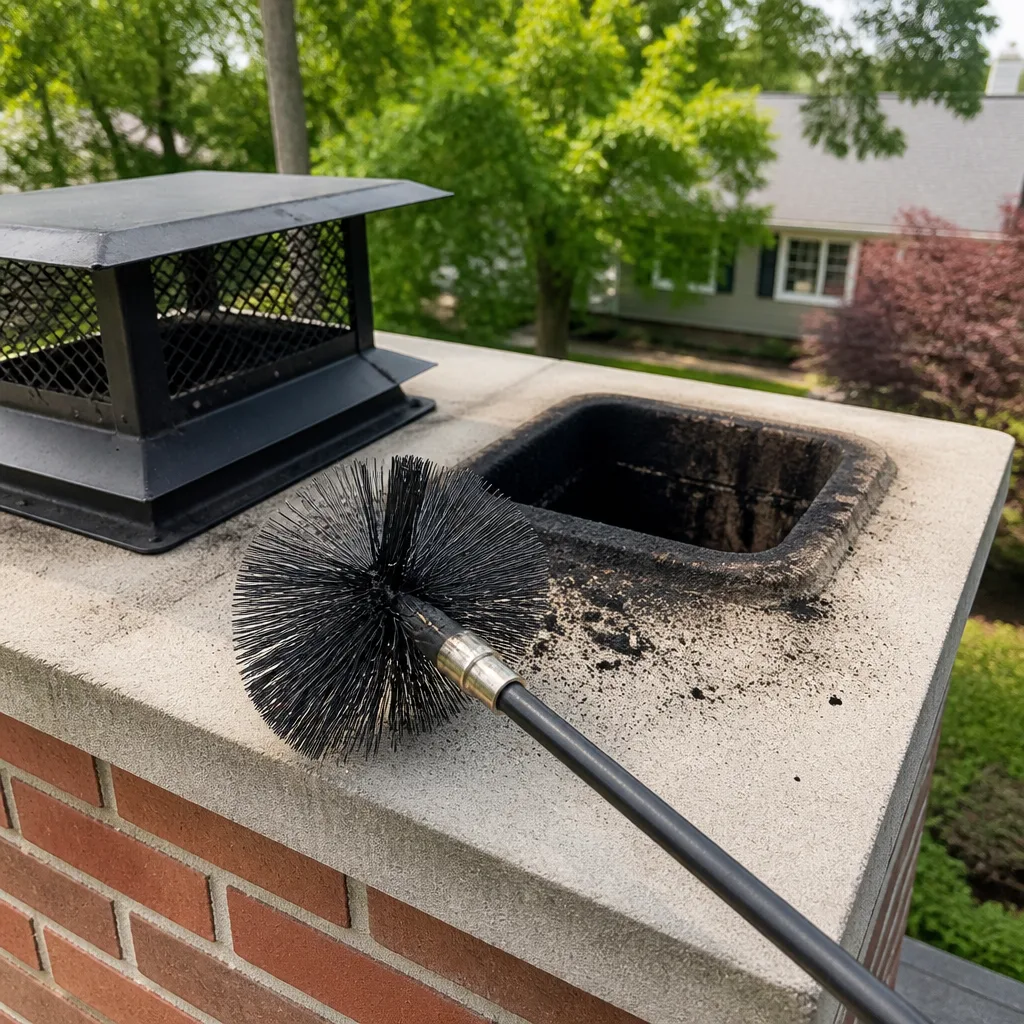
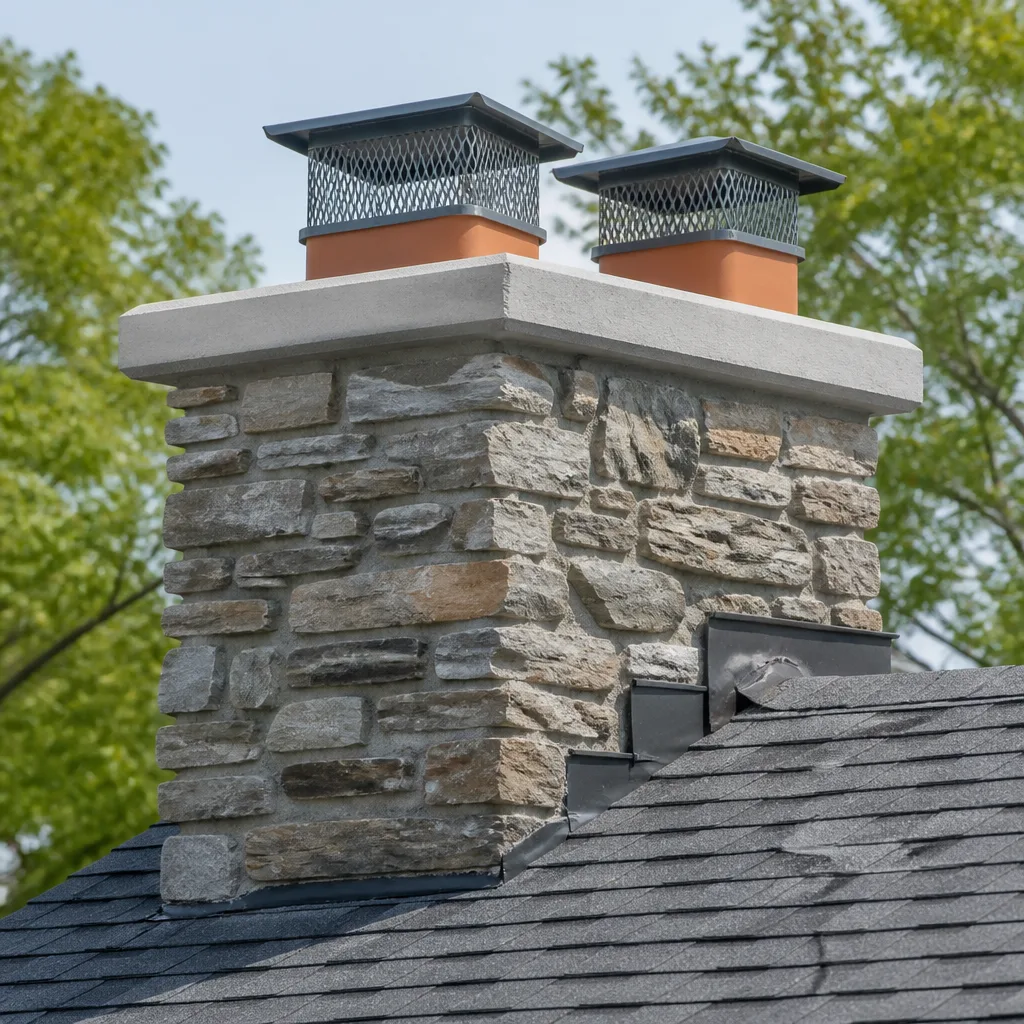
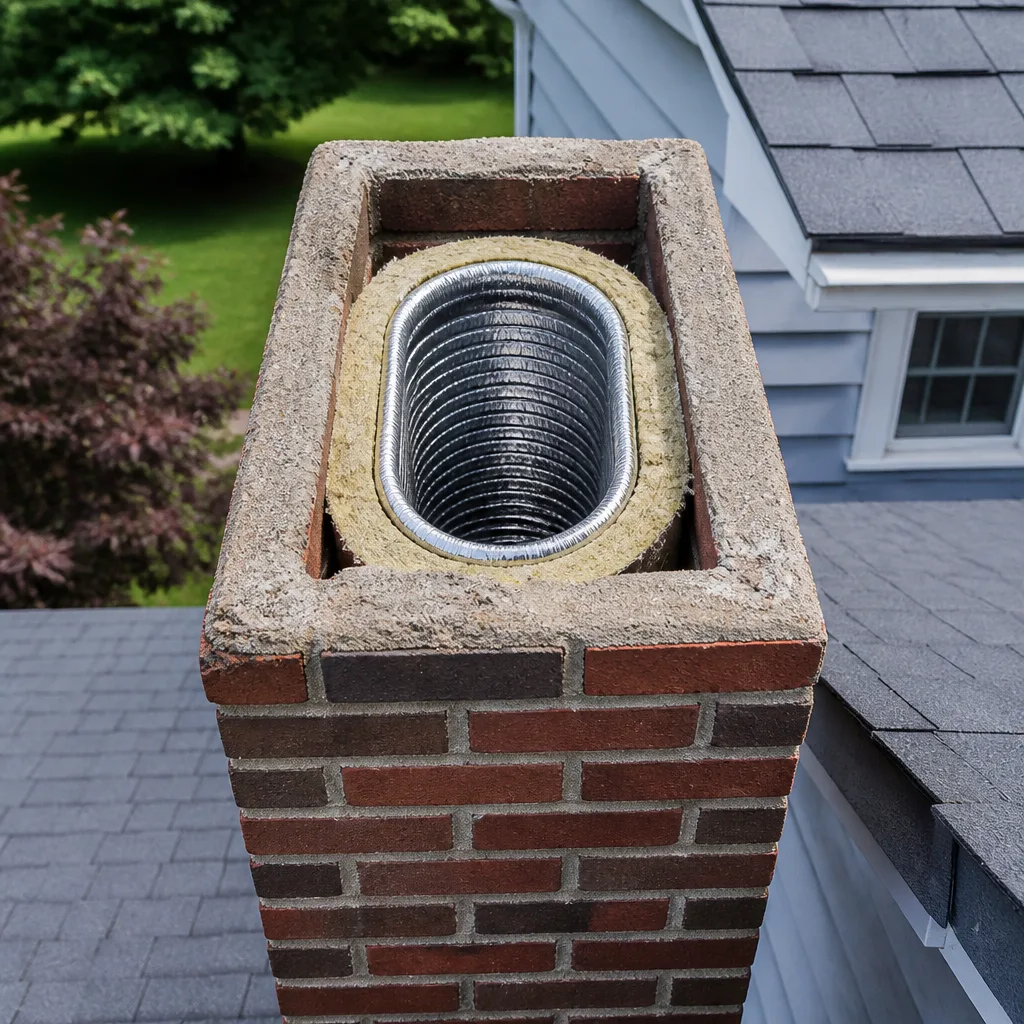
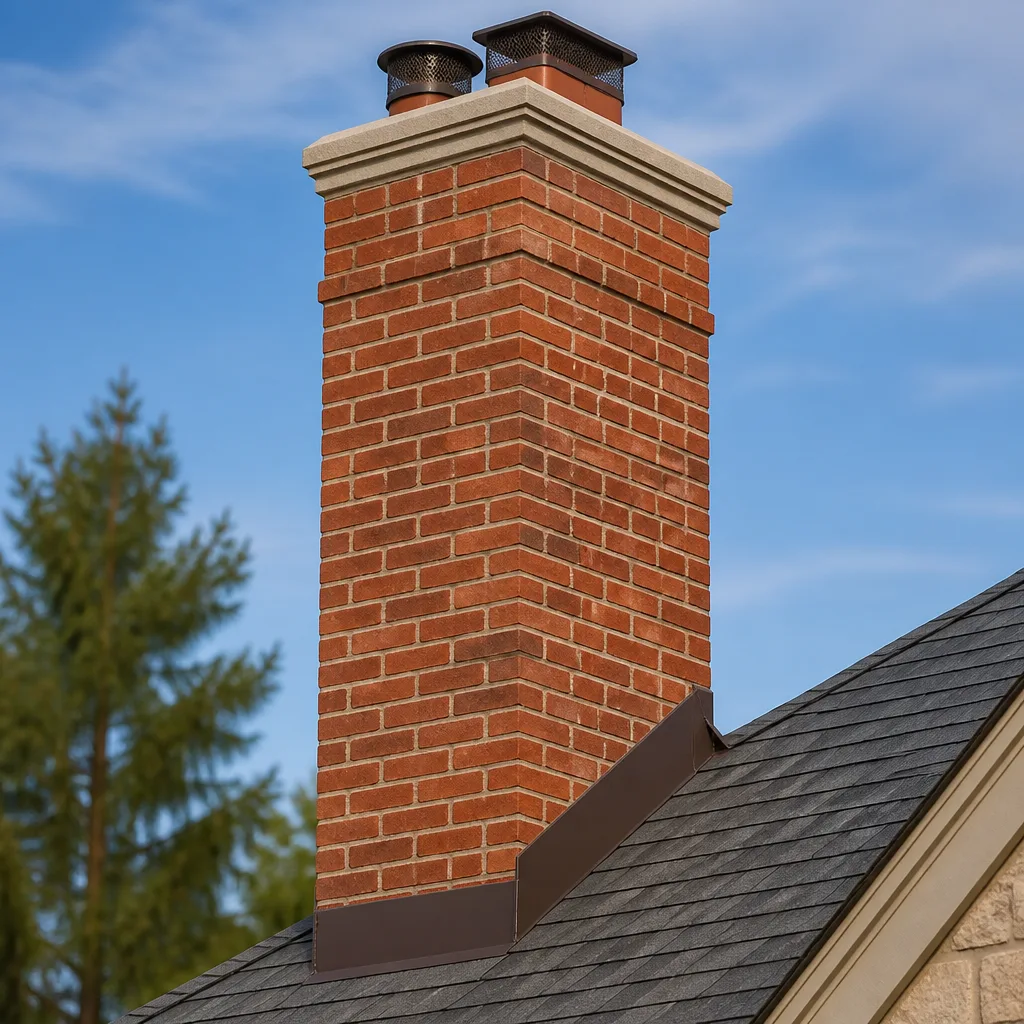
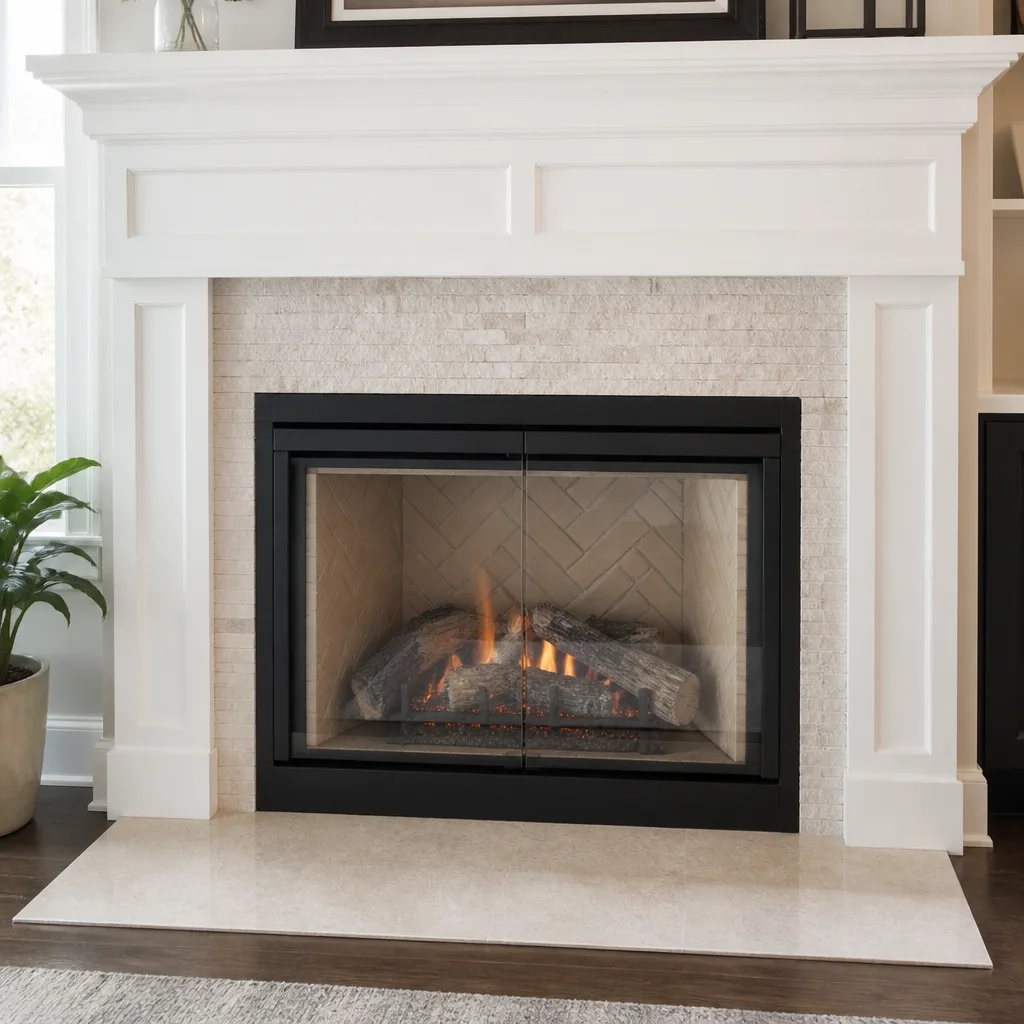
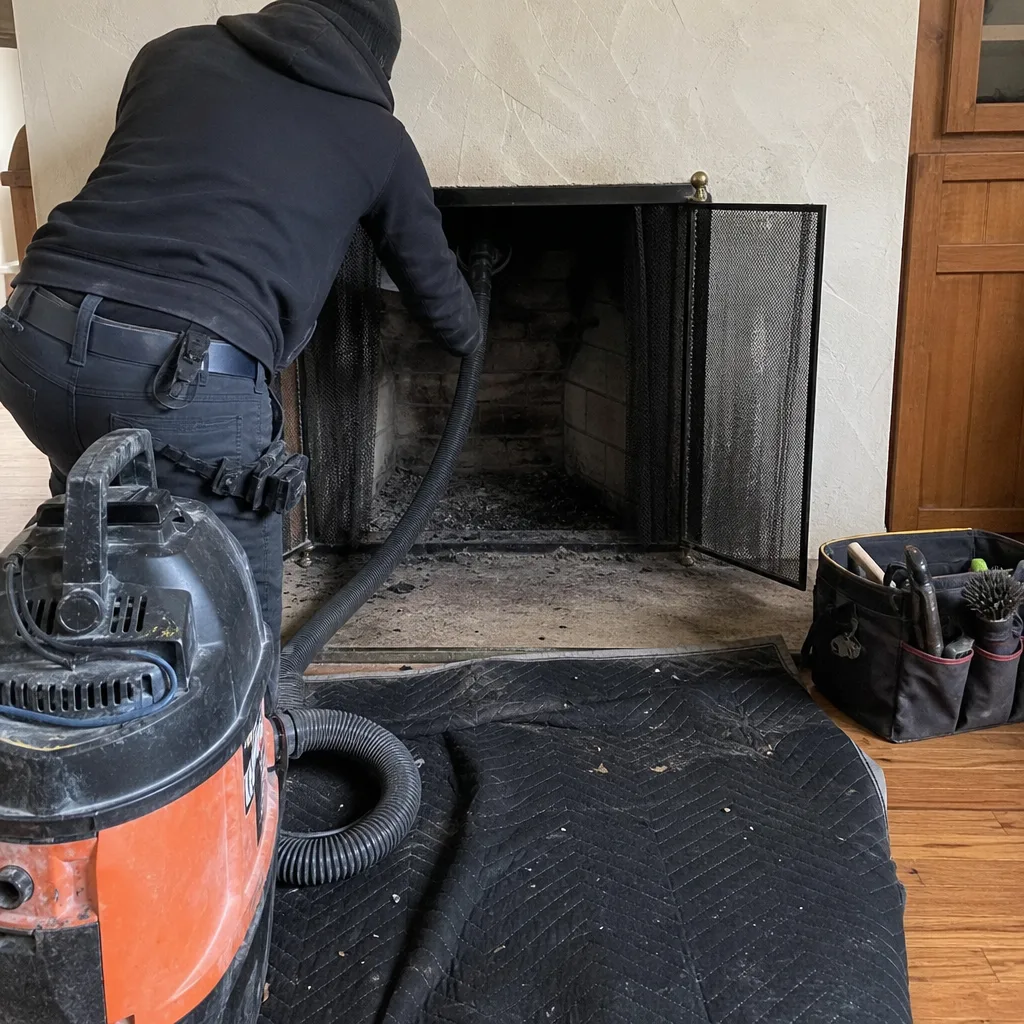 Before
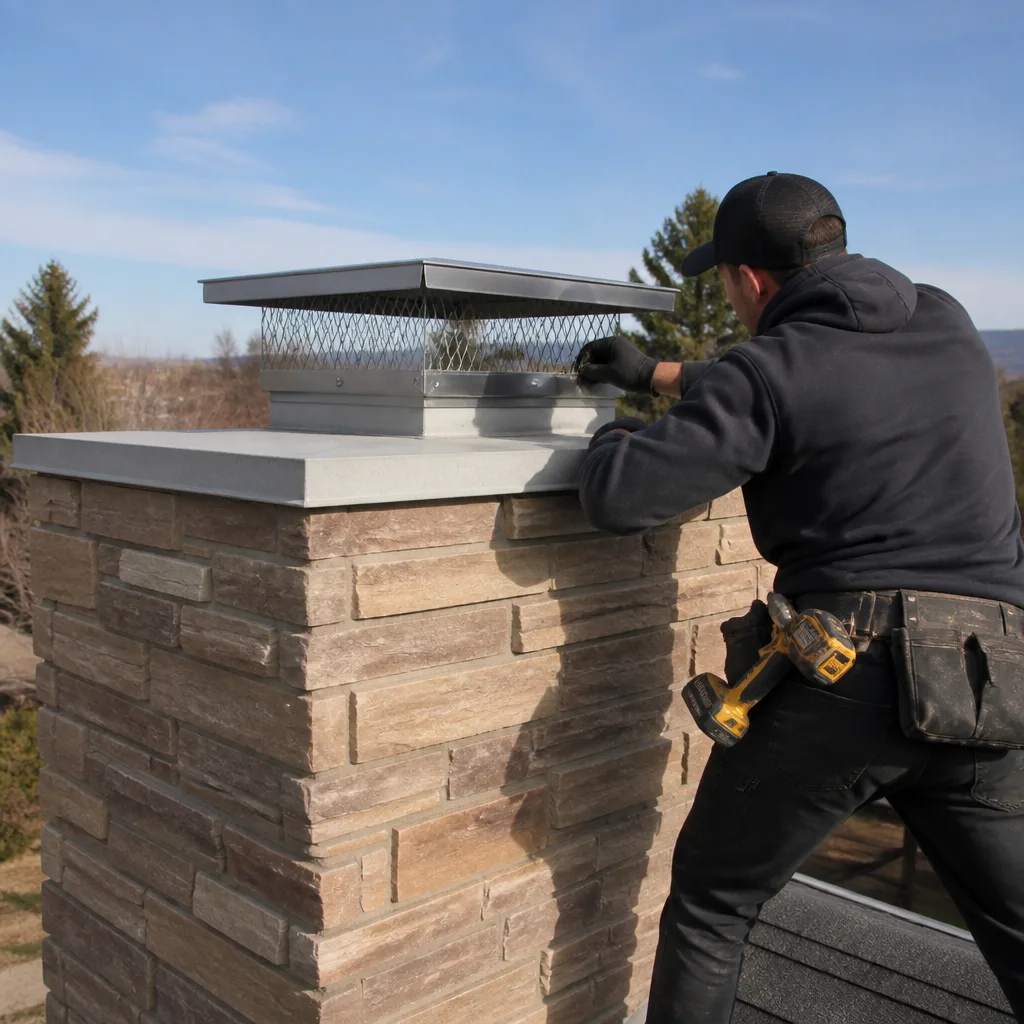 After
After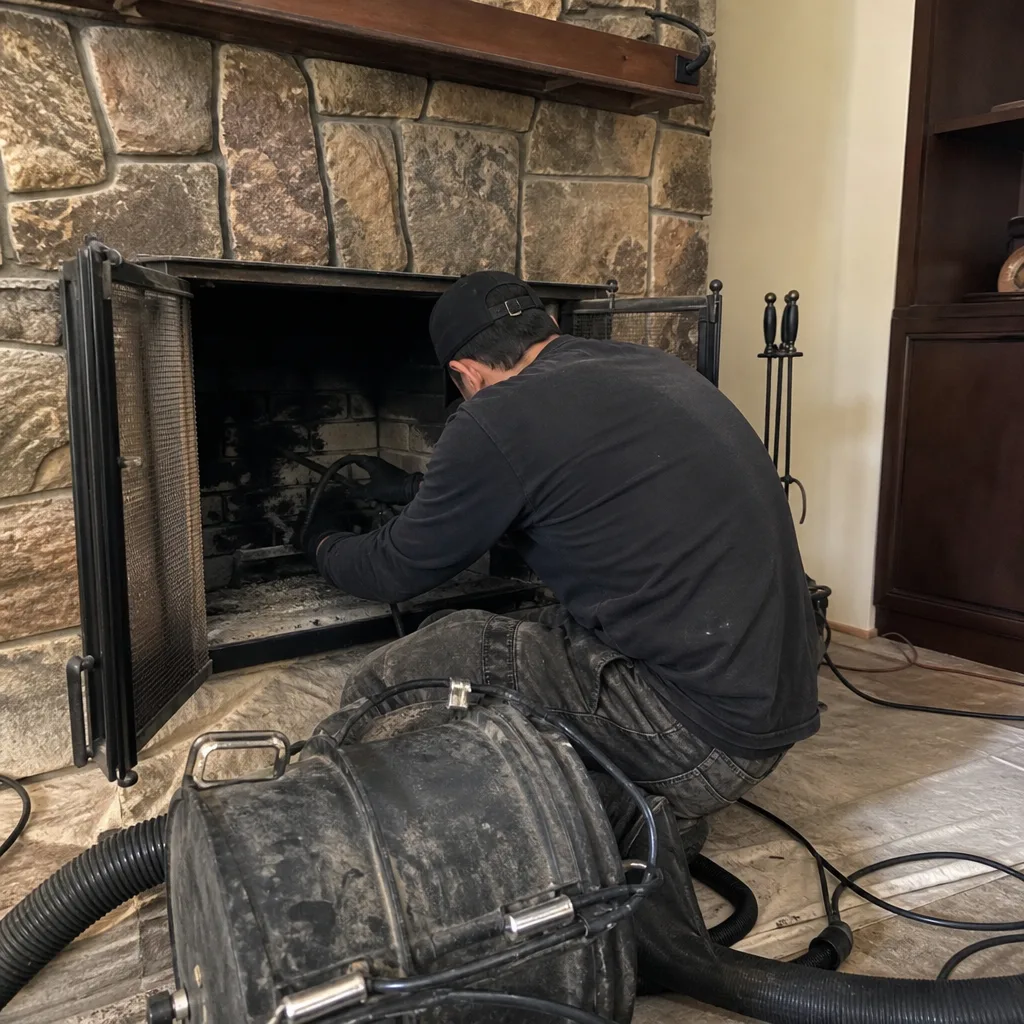 Before
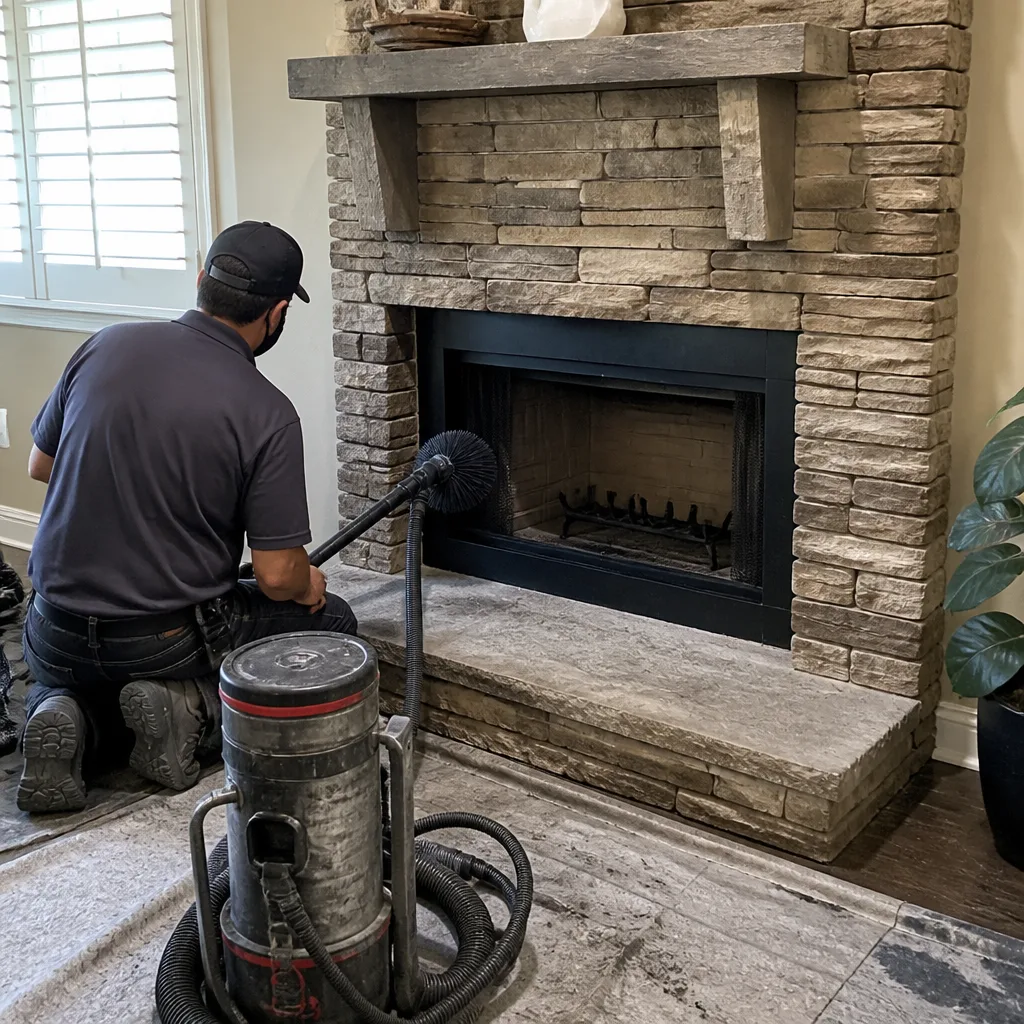 After
After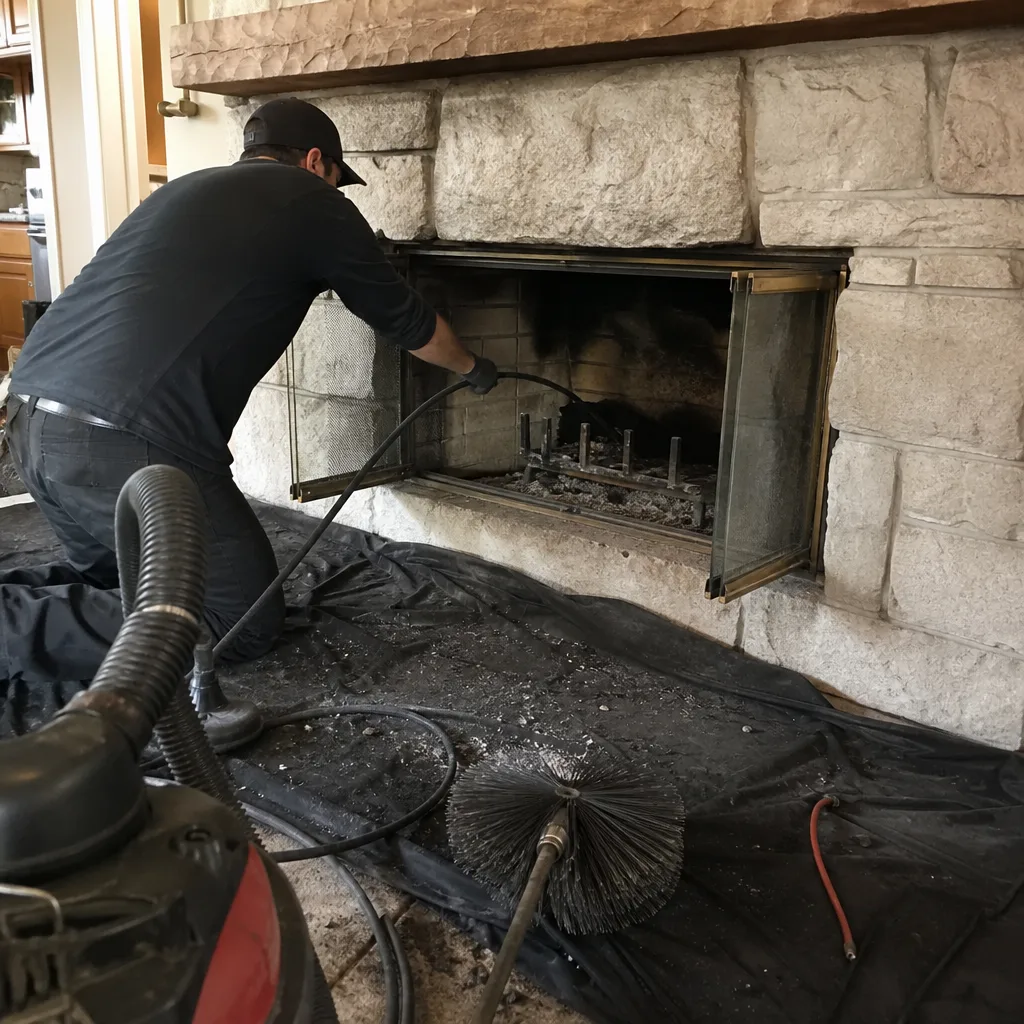 Before
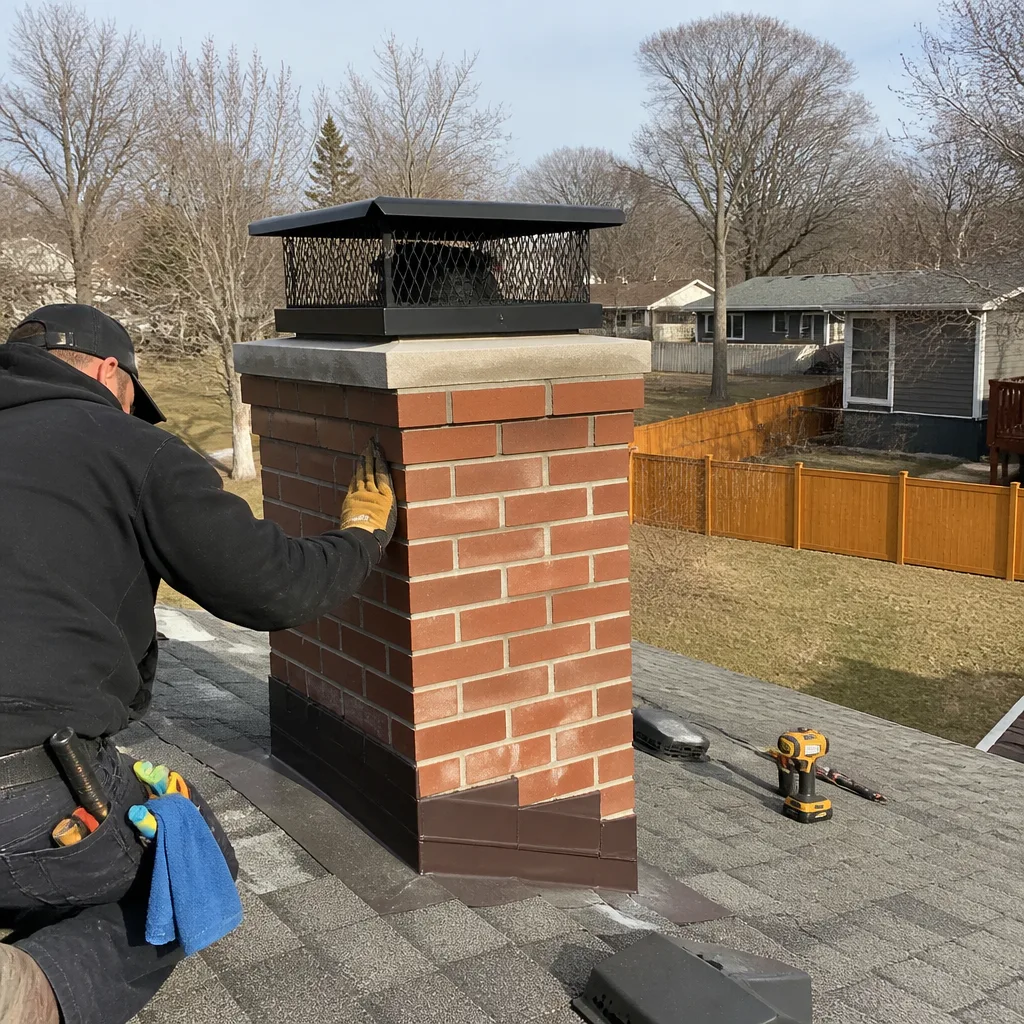 After
AfterDIY vs Professional Chimney Cleaning: The Denver Homeowner’s Decision Guide
Here’s something most chimney guides won’t tell you upfront: a $60 brush-and-rod set from the hardware store will remove loose soot from your flue. What it will not produce is a camera-documented condition report, an NFPA 211 inspection classification, or a warranty - the three documents that carry actual legal and financial weight when your insurer asks for proof of maintenance or a buyer’s inspector calls for a Level 2 evaluation. In Denver’s competitive housing market, where bungalows in Berkeley and Park Hill change hands with inspection contingencies measured in days, the documentation gap between DIY and professional cleaning is often the difference between a cleared sale and a renegotiated price. This guide breaks down what you can realistically accomplish yourself, what you structurally cannot, and how to make the decision based on evidence rather than fear. For How to Hire a Chimney Cleaning Contractor in Denver: A Step-by-Step Guide, see our companion resource.
Quick Answer
DIY chimney cleaning in Denver removes surface creosote and soot for roughly $60-$120 in tools, but it cannot produce the camera-documented inspection record, written condition assessment, or warranty that insurers, home inspectors, and real estate transactions increasingly require. Professional cleaning with a Level 2 inspection runs $199-$349 in the Denver market and delivers documented proof of flue liner integrity, creosote classification, and code compliance that a DIY job structurally cannot generate. See our Chimney Cleaning Cost Breakdown: The Denver Homeowner’s Reference for 2026 for detailed pricing factors.
Table of Contents
- What DIY Cleaning Actually Accomplishes
- The Documentation Gap: Why Paper Matters
- Denver’s DIY Risk Factors: Roofs, Elevation, and Weather
- When DIY Is Defensible - and When It Creates Exposure
- Evaluating Professional Quotes: Beyond the Brush Work
- What Professional Cleaning Delivers, Step by Step
- Total Cost Analysis: DIY vs. Pro Over Five Years
- Common Mistakes to Avoid
- When to Call a Professional
- Frequently Asked Questions
- The Bottom Line
 Before
 After
AfterWhat DIY Cleaning Actually Accomplishes
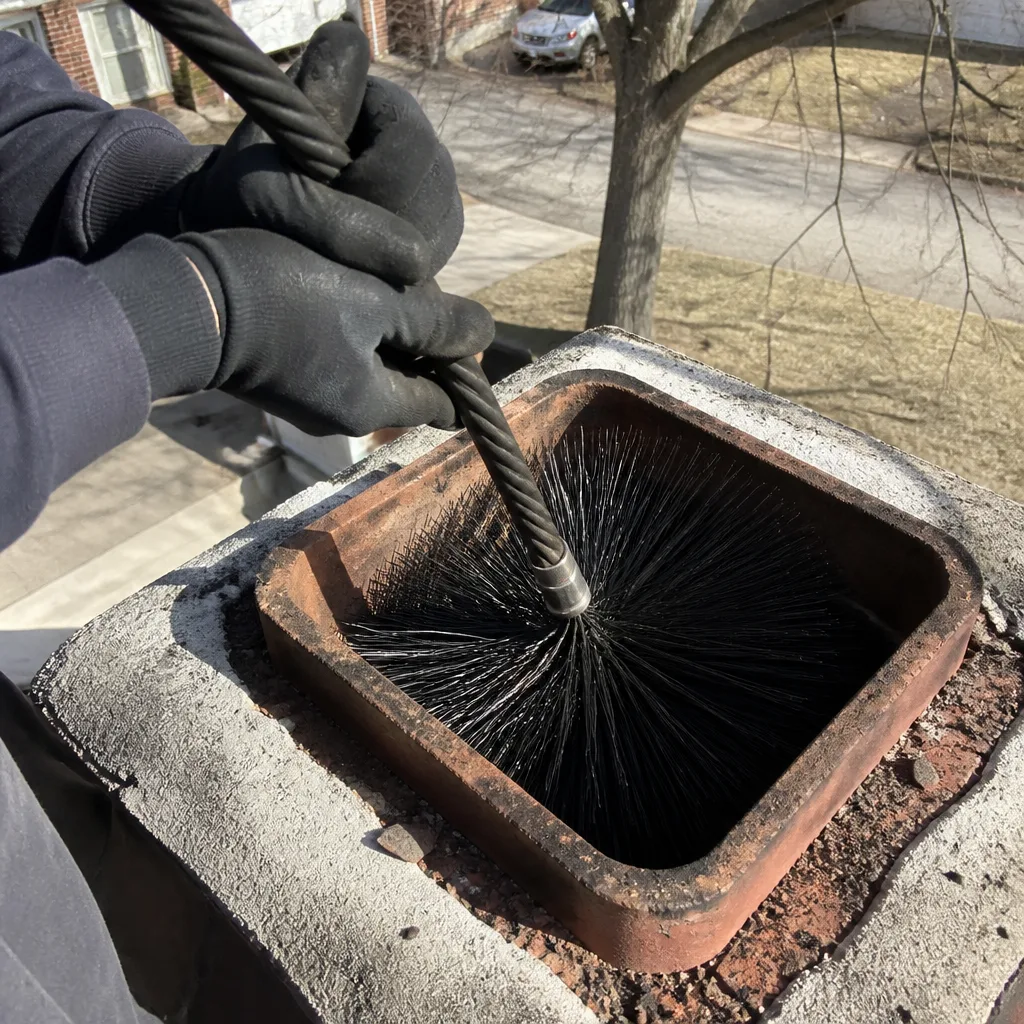
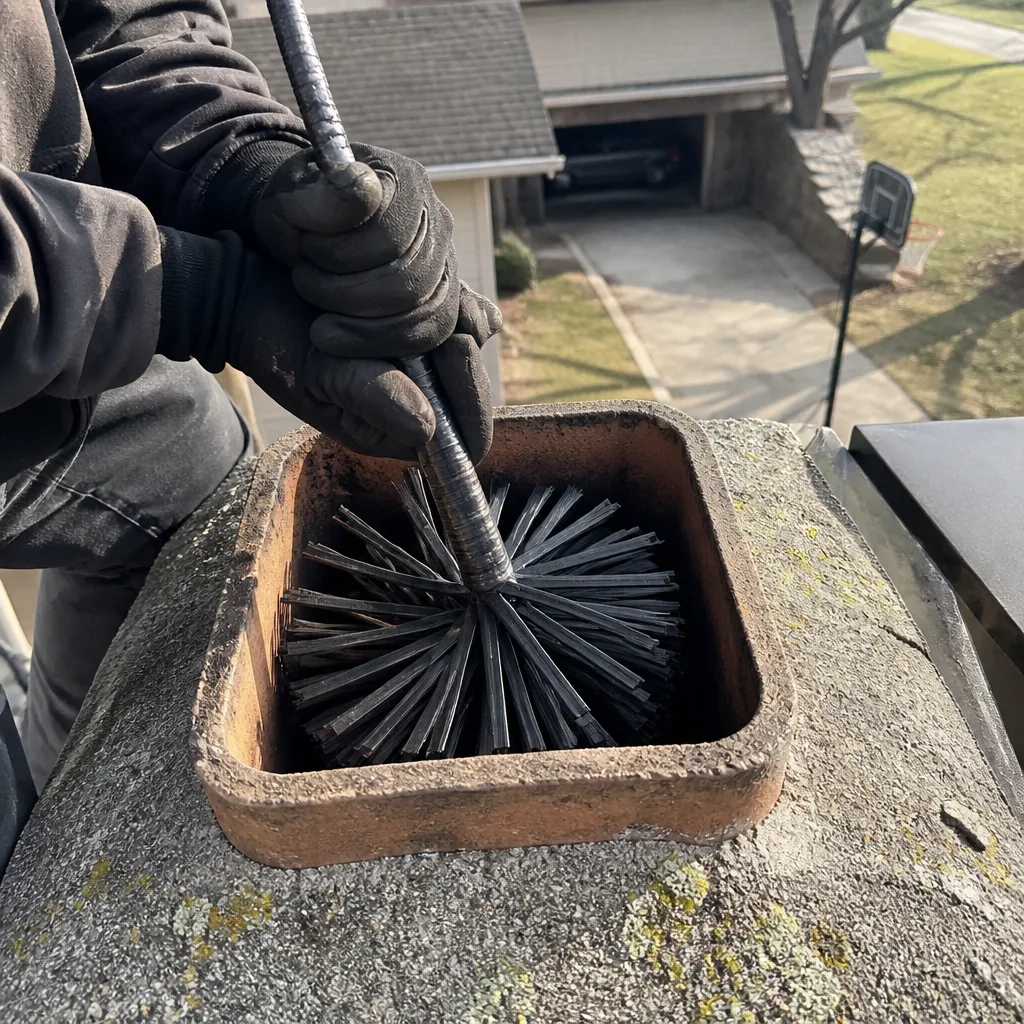
A homeowner with basic mechanical skills can purchase a polypropylene brush, flexible fiberglass rods, and a basic ash vacuum for approximately $60-$120. With these tools, you can remove Stage 1 (soot) and some Stage 2 (granular) creosote from the flue walls of a straight, masonry chimney with standard dimensions. The process takes 2-4 hours for a first-timer, including setup and cleanup.
What this accomplishes, in practical terms:
- Reduced immediate fire risk from accumulated surface deposits
- Improved draft in a chimney that was partially obstructed by loose material
- Visual access to the flue’s upper reaches via flashlight (limited)
What it does not accomplish:
- Detection of cracked flue liners, which require a camera scan to identify
- Assessment of the smoke chamber - the area above the firebox where many fires originate
- Evaluation of crown integrity, cap condition, or flashing deterioration
- Classification of creosote stage (Stage III, or “glazed” creosote, requires chemical treatment and mechanical removal - a brush alone will not address it)
- Measurement of flue clearance to combustibles, which determines whether the chimney meets code
In our experience across more than 38,000 chimney inspections and cleanings since 2009, we’ve found cracked liners in roughly 12% of Denver-area chimneys that appeared “fine” from a flashlight look. The homeowner had no idea until the camera went down. A brush doesn’t find cracks. It cleans past them.
The tools themselves have limitations. Standard DIY brush sets handle 6-inch and 8-inch round flues. Oval flues, common in pre-1950 Denver bungalows in neighborhoods like Whittier and Sunnyside, require custom brushes. Flexible rods in kits under $100 often lack the torque to navigate offset flues or sharp turns. And no DIY kit includes a chimney camera - the device that transforms a cleaning into a documented inspection.
The Documentation Gap: Why Paper Matters
This is where the DIY vs. professional debate actually lives. Not in the brush work. In the paperwork that follows it.
A professional Chimney Cleaning & Sweep in Denver under NFPA 211 Level 2 standards produces four documents that a DIY cleaning structurally cannot generate:
- Written scope of work - what was done, what was found, and what was recommended, delivered before any work begins (Haven Standard Clause 1)
- Photo/video record of flue condition - time-stamped camera footage showing liner walls, joints, and any defects (Haven Standard Clause 4)
- Creosote classification and clearance measurement - documented proof that the chimney meets or departs from safety standards
- Written warranty - a guarantee on the work performed, with recourse if something fails
These documents matter in specific, concrete situations:
Home sales: Denver’s inspection-driven market means buyer’s inspectors routinely call for Level 2 chimney evaluations. A seller who cleaned the chimney themselves has no documentation to present. The buyer’s inspector orders a professional inspection anyway. The seller pays twice - once for the DIY effort, once for the required documentation.
Insurance claims: After a chimney fire, insurers increasingly request proof of maintenance. “I cleaned it myself” carries no evidentiary weight. A dated inspection report with photo documentation does.
Warranty disputes: Fireplace insert manufacturers (brands like Olympia Chimney supply components for many installations) often require professional installation and maintenance records to honor warranty claims. DIY cleaning voids this protection.
Code compliance: Denver building code and Colorado state fire codes reference NFPA 211 standards. A professional inspection cites the specific code sections and documents compliance or departure. A DIY cleaning produces no such reference.
We’ve reviewed competitor estimates for Denver homeowners who initially skipped professional service, then needed documentation for a sale or insurance matter. In most cases, the homeowner paid more in total - DIY tools plus rush professional service - than they would have with scheduled professional maintenance from the start.
Denver’s DIY Risk Factors: Roofs, Elevation, and Weather
Denver presents specific conditions that amplify the physical risks of rooftop chimney work. These aren’t abstract warnings. They’re patterns we’ve observed across thousands of Denver-area service calls.
Roof pitch and access: Many Denver neighborhoods - Congress Park, City Park West, parts of Highland - feature pre-1940 bungalows with 8:12 or steeper roof pitches. Chimney access requires working on slopes that become slick with the fine soot and creosote dust that chimney brushing dislodges. A homeowner on a 28-foot extension ladder, handling 15-foot flexible rods, is managing three separate risk vectors simultaneously.
Elevation and wind: Denver sits at 5,280 feet with frequent afternoon wind gusts of 25-35 mph, particularly in spring and fall when homeowners typically schedule chimney maintenance. Wind at elevation exerts more force on a ladder and on the worker than at sea level. The “calm morning” that started the project often deteriorates by midday.
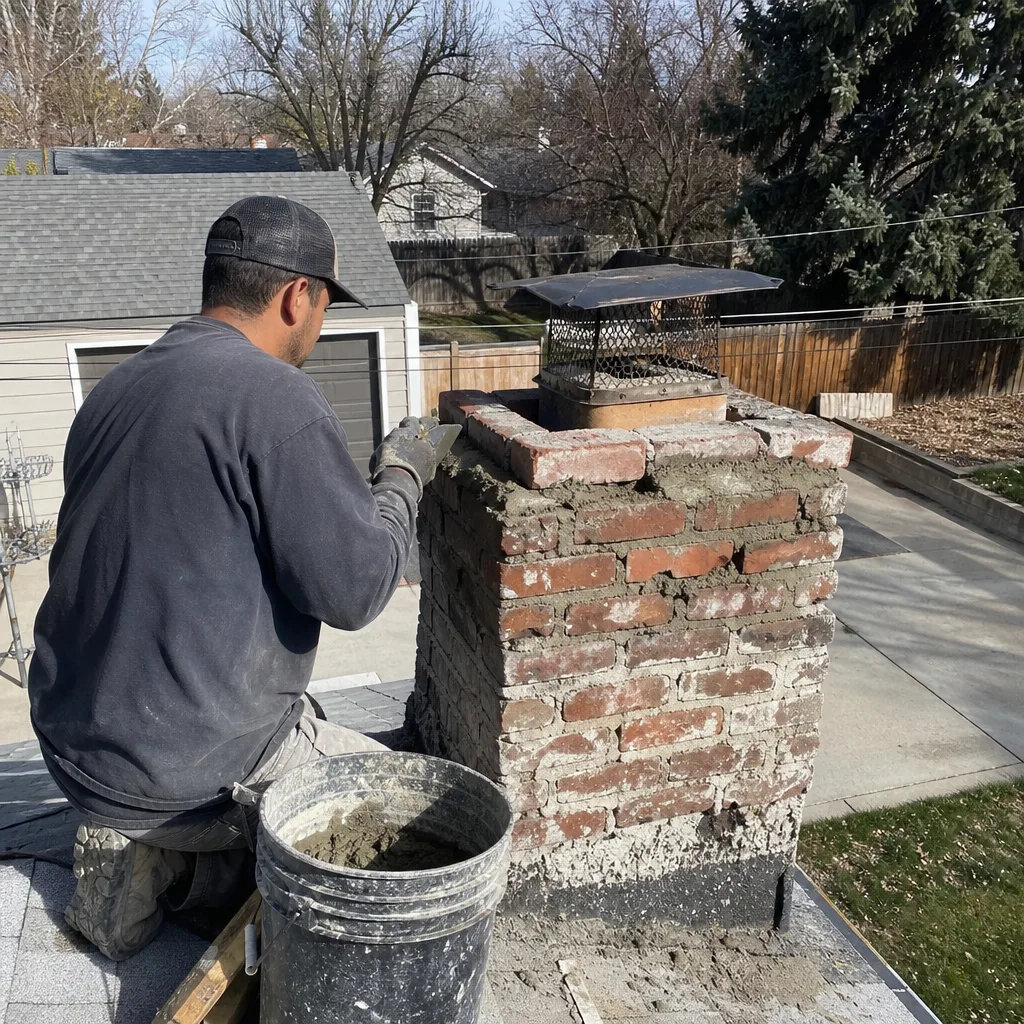
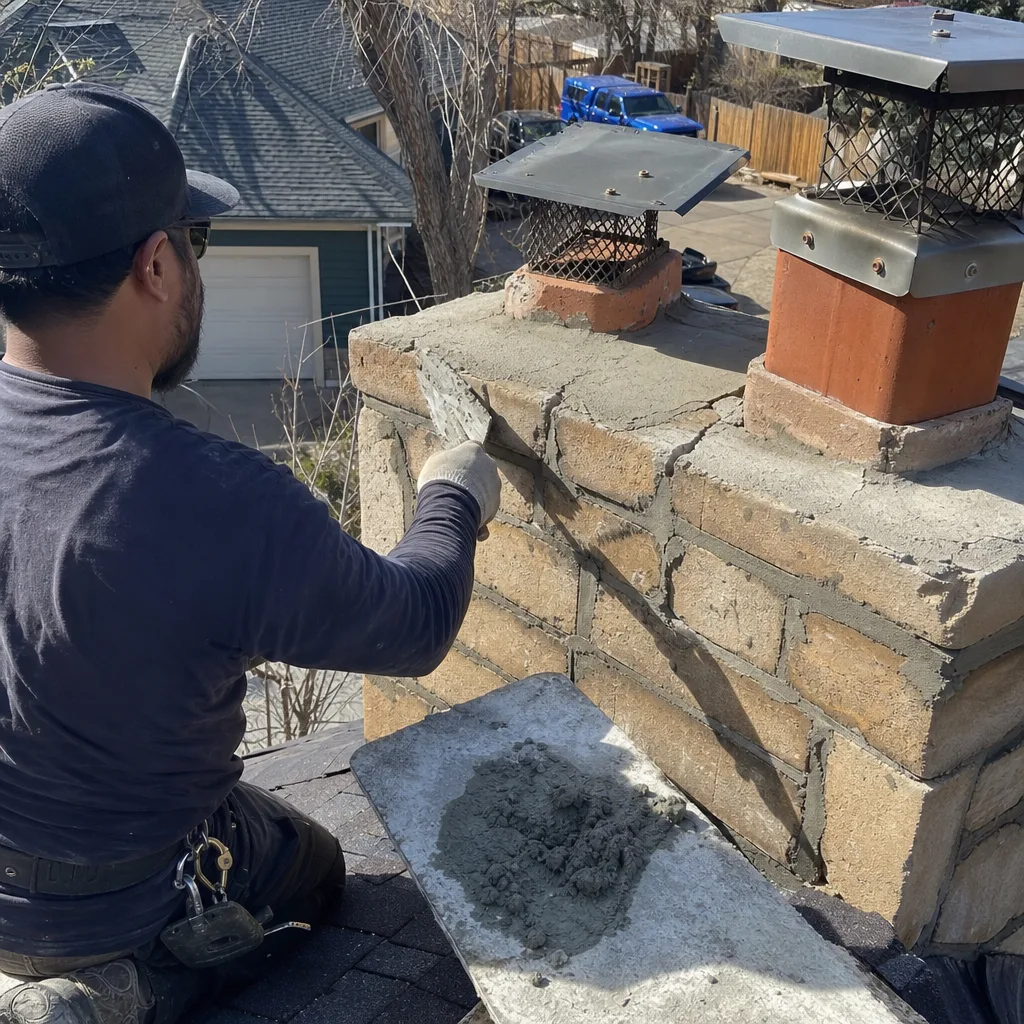
Freeze-thaw masonry damage: Denver’s 300+ days of annual sun plus rapid temperature swings create spalling (surface flaking) on chimney crowns and caps. A homeowner stepping onto a deteriorated crown - often invisible from below - can break through into the flue structure. We’ve replaced crowns on homes in Stapleton, Baker, and LoHi where the damage began with a foot placement during amateur maintenance.
Flue gas condensation in high-efficiency systems: Denver’s cold, dry winters drive installation of high-efficiency gas inserts that produce acidic condensate. This condensate attacks stainless steel liners from the inside, producing pinhole leaks invisible without a camera. A brush removes surface deposits while the liner deteriorates unseen.
The safety caveat: chimney work involves heights, confined flue spaces, and exposure to carcinogenic creosote compounds. We recommend trained professionals for any work requiring roof access or flue entry. If you choose to proceed yourself, use a harness system rated for roof work, never work alone, and stop if wind exceeds 15 mph sustained.
When DIY Is Defensible - and When It Creates Exposure
There are situations where DIY chimney cleaning is a reasonable choice. The key is matching the method to the actual risk profile.
DIY is defensible when:
- The fireplace is low-use gas logs with minimal soot accumulation, and the primary goal is dust removal from the firebox
- The chimney was professionally inspected within 24 months with documented liner integrity, and no changes have occurred
- No real estate transaction, insurance requirement, or warranty condition demands documentation
- The homeowner has appropriate ladder safety equipment and roof access experience
- The flue is straight, standard dimension, and readily accessible from the firebox (no offset or significant bend)
DIY creates real exposure when:
- The home is under contract or will be listed within 12 months - buyer’s inspectors will require professional documentation regardless
- The chimney serves a wood-burning appliance as primary or significant secondary heat source
- There’s any history of chimney fire, water intrusion, or liner replacement
- The homeowner cannot identify the flue liner material (clay tile, stainless steel, or none) from a flashlight look
- The property is in a Denver historic district with specific preservation or safety inspection requirements
We’ve seen the exposure play out in specific Denver cases. A homeowner in Park Hill cleaned their own chimney for three years, then listed the house. The buyer’s inspector found a cracked clay tile liner that had been deteriorating progressively - visible on camera, invisible from below. The seller faced a $3,200 liner replacement negotiation two weeks before closing. A $249 professional inspection two years earlier would have documented the crack when it was smaller, allowing monitored repair rather than emergency replacement.
Evaluating Professional Quotes: Beyond the Brush Work
When you compare DIY ($60-$120 in tools) to professional service, the quoted price covers substantially more than the brush work. Here’s how to evaluate what you’re actually purchasing.
The components of a professional quote:
| Component | What It Includes | Typical Denver Range |
|---|---|---|
| Level 2 camera inspection | Video scan of full flue length, smoke chamber evaluation, accessible exterior components | $149-$249 |
| Sweep/cleaning service | Mechanical removal of creosote deposits, debris extraction, firebox cleaning | $99-$179 |
| Combined inspection + sweep | Both services, typically discounted from separate pricing | $199-$349 |
| Documentation package | Written report, photo/video record, recommendations with priority ranking | Included in Level 2 |
When evaluating quotes, ask specifically:
- Is the camera inspection included or additional? Some Denver-area companies quote a low sweep price, then add inspection fees.
- What documentation do I receive? A verbal summary is not a written record. Ask for sample reports.
- Is the price written and fixed before work begins? Haven Standard Clause 1 requires this; not all companies operate under this standard.
- What’s the warranty period? A 365-Day Done Right Promise covers workmanship defects that appear after service.
- Are technicians background-checked and identifiable? License numbers and named technicians provide accountability.
The total-cost calculation should include:
- Your time value (3-5 hours for DIY vs. 90 minutes for professional service)
- Tool amortization over expected use (professional-grade DIY equipment runs $200-$400, not $60)
- Risk cost: potential roof fall, ladder injury, or undetected defect progression
- Documentation value: the avoided cost of rush professional service when documentation is later required
Materials matter in professional work. We source liners and components from DuraFlex, HeatShield, and Olympia Chimney through Haven’s buying network specifically to keep customer prices honest - not to markup materials, but to ensure documented, warrantied components that meet manufacturer specifications. A DIY repair with generic hardware store parts carries no such protection.
What Professional Cleaning Delivers, Step by Step
For homeowners who’ve never observed a professional chimney service, here’s what actually happens when Level Two Chimney Denver home technicians arrive at a Denver residence.
Step 1: Pre-arrival notification and setup
The assigned technician texts when en route. On arrival, they lay protective flooring, inspect the work area, and review any prior documentation from our 38,000+ job archive if we’ve serviced the chimney before.
Step 2: Exterior evaluation
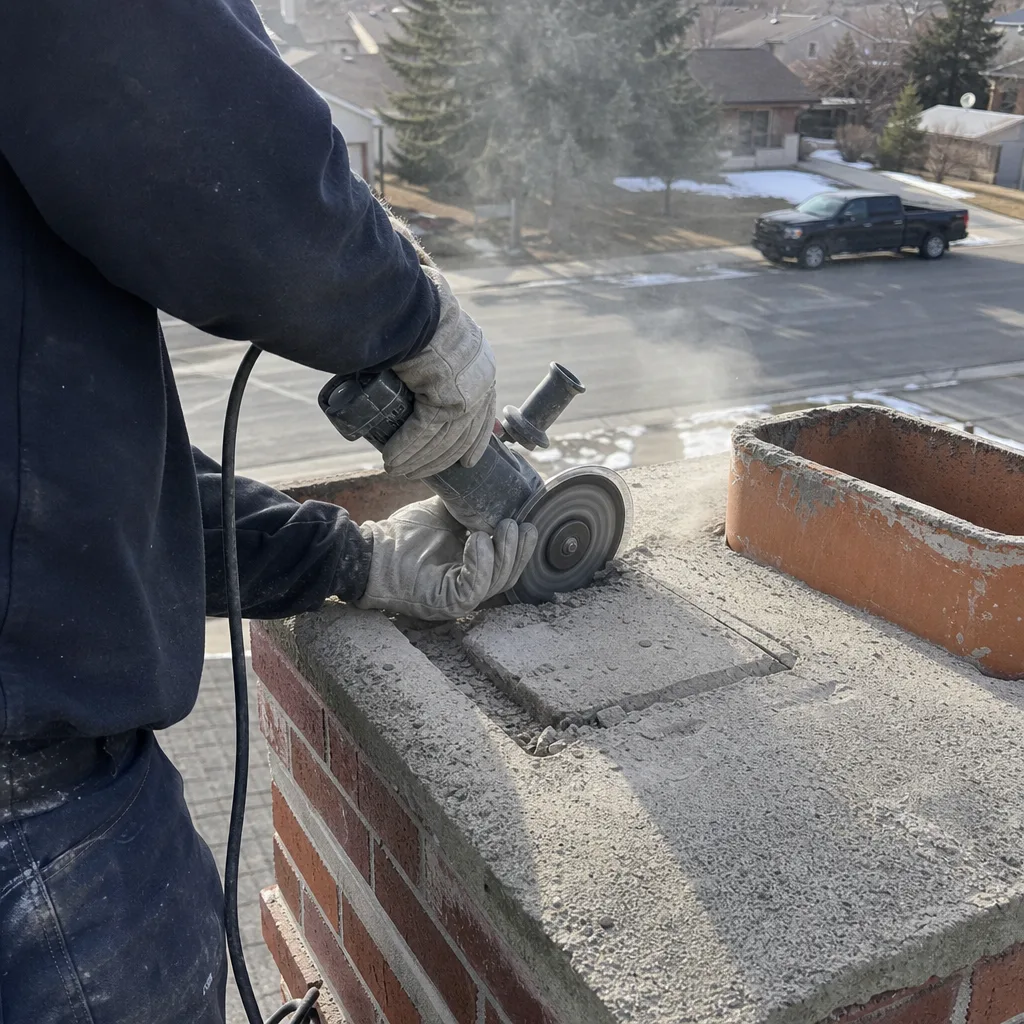
Crown, cap, flashing, and visible masonry are photographed. In Denver’s climate, we specifically document spalling patterns, freeze-thaw cracking, and wind-driven moisture intrusion points that are common on south- and west-facing exposures.
Step 3: Interior firebox and smoke chamber inspection
Before any cleaning, the technician examines the firebox for cracks, damaged refractory panels, and smoke chamber configuration. The smoke chamber - the area above the damper that funnels gases into the flue - is a frequent fire origin point and requires specific evaluation.
Step 4: Camera scan of flue liner
A high-resolution chimney camera travels the full flue length, recording liner condition, joint integrity, and any obstructions. This is the core of NFPA 211 Level 2 inspection. The footage is archived under Haven Standard Clause 4, with footage available to the homeowner.
Step 5: Mechanical cleaning
Based on creosote classification observed during camera scan, the technician selects appropriate brushes, chains, or chemical treatments. Stage III glazed creosote requires rotary mechanical action - not standard brushing.
Step 6: Post-cleaning verification scan
The camera returns to the flue to confirm complete deposit removal and verify no damage occurred during cleaning.
Step 7: Written documentation and pricing
Before departure, the homeowner receives: written scope of work completed, photo/video record, condition assessment with prioritized recommendations, and - if additional work is needed - a written price for that work. No verbal estimates. No “we’ll email it later.”
This process typically requires 60-90 minutes on site. The homeowner has documentation that persists for years, transferable to future owners, acceptable to insurers, and referenceable in warranty claims.
Total Cost Analysis: DIY vs. Pro Over Five Years
The simple comparison - $80 DIY vs. $275 professional - misses the full economic picture. Here’s a realistic five-year model for a Denver homeowner with a wood-burning fireplace used 30+ evenings annually.
DIY path:
- Initial tool purchase: $80 (basic kit) or $320 (professional-grade rods, multiple brush sizes, proper vacuum)
- Annual brush replacement, vacuum filters, PPE: $40/year
- Time investment: 4 hours/year at conservative $25/hour value = $100/year
- One professional inspection when selling or insurance requires documentation: $249 (rushed, no loyalty discount)
- Five-year total: $820 (basic) or $1,060 (professional-grade tools)
Professional path:
- Annual inspection + sweep: $249/year (Denver market rate for Level 2 with documentation)
- Five-year total: $1,245
- Additional value: documented condition trend (annual photos show liner deterioration before failure), warranty protection, no roof exposure, transferable records
The gap narrows when you account for tool quality, time value, and the near-certainty of needing professional documentation at some point. For homeowners who will sell within five years - common in Denver’s mobile professional demographic - the professional path often costs less in total while delivering more protection.
Our Free Second Opinion on Any Written Estimate policy exists precisely because we want homeowners to understand what they’re comparing. Bring us a competitor’s written quote. We’ll review the scope, identify what’s included or omitted, and explain where the documentation standards differ.
Common Mistakes to Avoid
- Using a shop vacuum without HEPA filtration. Standard shop vacuums expel fine particulate through their exhaust. Creosote particles are carcinogenic. In Denver’s dry climate, this dust settles throughout the home. Professional chimney vacuums are HEPA-sealed and negatively pressured.
- Assuming a clean-looking firebox means a clean flue. The firebox is visible and easily cleaned. The flue liner, 15-25 feet above, can harbor significant deposits while the firebox looks fine. We’ve removed 1/4-inch glaze from flues whose fireboxes appeared pristine.
- Working on roofs after Denver’s frequent freeze-thaw cycles. Morning frost on composite shingles persists later than it appears. A roof that looks dry at 10 AM may have ice in shadowed valleys. We schedule exterior work after full sun exposure for this reason.
- Using the wrong brush material for the liner type. Polypropylene brushes damage stainless steel liners. Wire brushes damage clay tile. Most DIY kits include polypropylene as default, which is incorrect for many modern installations.
- Cleaning without inspecting first. This is the most expensive mistake. A flue with a hidden crack or liner displacement can be damaged further by aggressive brushing. The camera scan precedes cleaning in professional service for this reason.
- Neglecting the smoke chamber. DIY cleaning reaches the flue but often misses the smoke chamber, where many chimney fires begin. Professional service includes smoke chamber evaluation and cleaning as standard.
- Discarding creosote in household trash. Creosote is classified as hazardous waste in some Colorado jurisdictions. Professional services dispose through licensed waste handlers. Improper disposal creates liability if the material ignites in transit or landfill.
When to Call a Professional
Call for professional service when documentation matters, when the physical risk exceeds your preparation, or when the chimney’s condition is unknown. Specific triggers: you’re listing or buying a home in Denver within 12 months; you cannot identify your liner material or its condition; you’ve experienced a chimney fire, water intrusion, or structural event; your fireplace is a primary heat source; or you need warranty-compliant maintenance records for an insert or stove.
Level Two Chimney Denver offers free estimates in Denver - call (720) 674-7312. Every estimate includes written scope, written price, and explanation of what documentation you’ll receive. No commitment required to understand what professional service includes.
Frequently Asked Questions
Professional chimney cleaning with NFPA 211 Level 2 camera inspection in Denver typically runs $199-$349, depending on flue configuration, creosote stage, and accessibility. A straight masonry flue with Stage 1-2 creosote falls at the lower end; offset flues, multiple appliances, or Stage III glazed creosote requiring rotary mechanical cleaning fall at the higher end. Call (720) 674-7312 for a written estimate specific to your chimney - estimates are free.
Self-cleaned chimneys are not automatically excluded from coverage, but insurers increasingly request proof of professional maintenance after claims. A DIY cleaning produces no dated, third-party documentation of liner condition or creosote classification. If a chimney fire occurs and the insurer investigates maintenance history, “I cleaned it myself” provides no evidentiary defense. Professional service creates the documented record that supports coverage.
NFPA 211 recommends annual inspection for all chimneys, with cleaning frequency determined by creosote accumulation. In Denver’s dry climate with frequent temperature swings, wood-burning fireplaces used 30+ times annually typically require annual cleaning. Our Seasonal Chimney Cleaning Care for Denver: Year-Round Homeowner’s Guide explains how timing affects both cost and results. Gas fireplaces with inserts require less frequent cleaning but still need annual inspection for condensate damage, debris obstruction, and liner integrity. The inspection determines whether cleaning is needed - some low-use chimneys can extend to biennial cleaning with annual inspection.
Skipped maintenance produces progressive, often invisible deterioration. Creosote accumulates in stages, with Stage III glaze requiring aggressive removal. Liner cracks expand with thermal cycling. Water intrusion through deteriorated crowns causes spalling and structural damage. In Denver specifically, freeze-thaw cycles accelerate masonry damage once moisture penetrates. The cumulative result: higher repair costs when maintenance finally occurs, potential fire or CO hazard, and documentation gaps that complicate home sales or insurance claims. Annual professional inspection catches deterioration early, when monitoring or minor repair suffices. For more guides & resources on protecting your chimney investment, explore our blog.
This is the right question to ask. A legitimate recommendation for liner replacement is supported by specific camera evidence: visible cracks, gaps between tile sections, spalling tile surfaces, or measurable clearance violations. At Level Two Chimney Denver, we show you the footage. Clause 4 of the Haven Standard requires photo documentation of any recommended repair. If a company recommends liner replacement without showing you camera evidence, request it. If they cannot produce it, get a second opinion. Our Free Second Opinion on Any Written Estimate policy exists for exactly this situation.
A sweep removes deposits. A Level 2 inspection evaluates condition. They can occur together or separately. A sweep without inspection cleans the flue but documents nothing about liner integrity. A Level 2 inspection without cleaning evaluates condition but leaves deposits in place. For most Denver homeowners, the combined service provides full value: clean flue, documented condition, and written record for future reference. Fireplace Services in Denver often require both for warranty compliance.
Yes. Historic districts with steep roof pitches - Congress Park, City Park West, Whittier, Sunnyside - present elevated fall risk. Homes at higher elevation in Hilltop, Crestmoor, or parts of Cherry Creek face amplified wind exposure. Properties with mature trees in Park Hill or Montclair may have debris accumulation or animal intrusion requiring professional assessment. And any home with a pre-1950 chimney should be evaluated for unlined construction or deteriorated mortar before any cleaning attempt, as mechanical action can damage fragile historic masonry.
The Bottom Line
DIY chimney cleaning is mechanically possible for straightforward situations: low-use gas fireplaces, recently inspected systems with documented liner integrity, and homeowners with appropriate safety equipment. What DIY cannot produce - and what increasingly matters in Denver’s documentation-driven housing and insurance markets - is the camera-verified, written record of flue condition that professional service delivers as standard.
The decision framework is simple. If you need the chimney to work and no one will ever ask for proof of maintenance, DIY may suffice. If you might sell, file an insurance claim, maintain a warranty, or simply want to know the actual condition of a hidden system that affects your home’s safety, professional service with documented inspection is the lower total cost and higher protection choice.
We’ve completed more than 38,000 chimney inspections and cleanings since 2009. Every one had a written price before work started and a documented record when it was done. That practice, now Clause 4 of the Haven Standard, began because we believe homeowners deserve to see what we see - not to take our word for it.
Questions about your specific chimney? Call (720) 674-7312. A live person answers 24 hours a day. We’ll schedule a free estimate, deliver a written scope and price before any work begins, and show you exactly what your flue looks like from the inside.
Written by Corrine Halstead, Owner at Level Two Chimney Denver, serving Denver since 2009.