
Last updated September 22, 2026
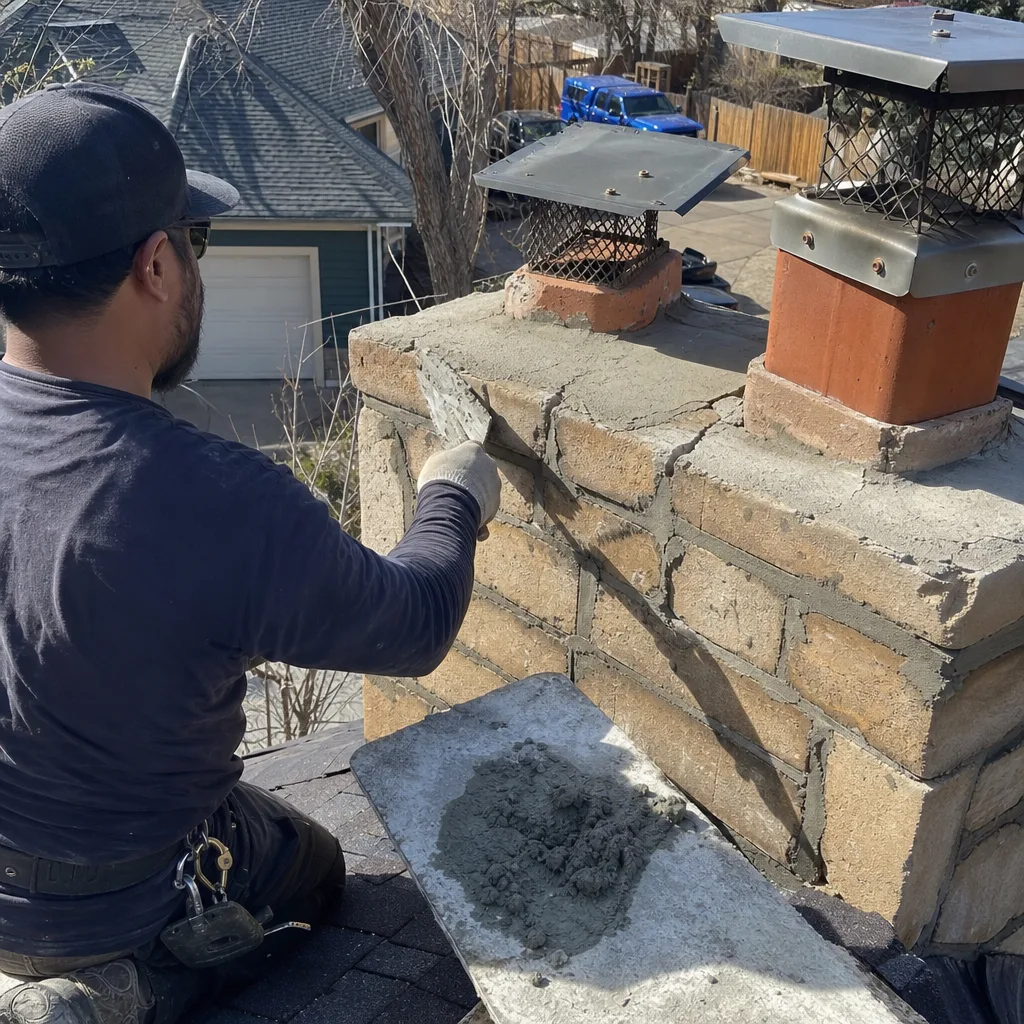
Level 1 sweep and inspection to the NFPA 211 annual standard - flue, crown, cap, and flashing checked and photographed
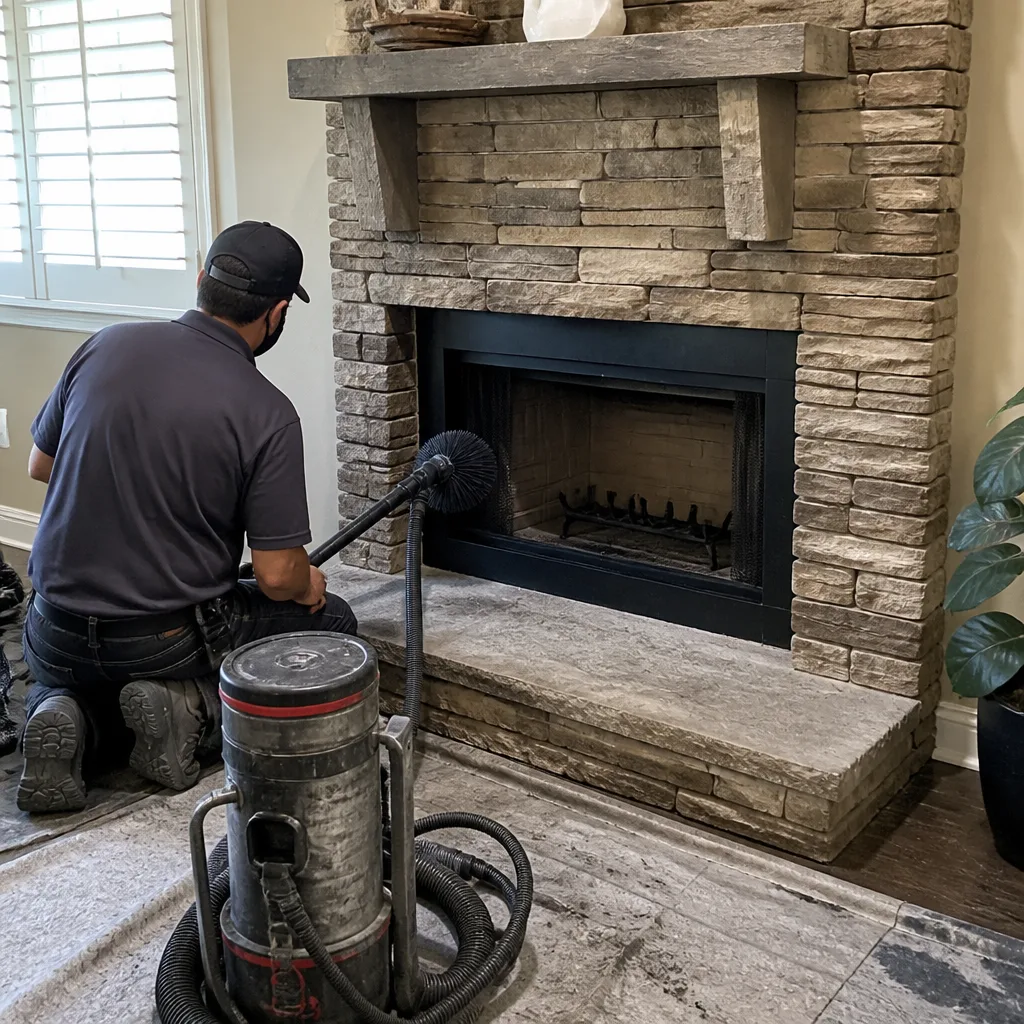
Chimney sweep logs do not sweep chimneys. They loosen some creosote - which then falls where a brush and vacuum still have to collect it.
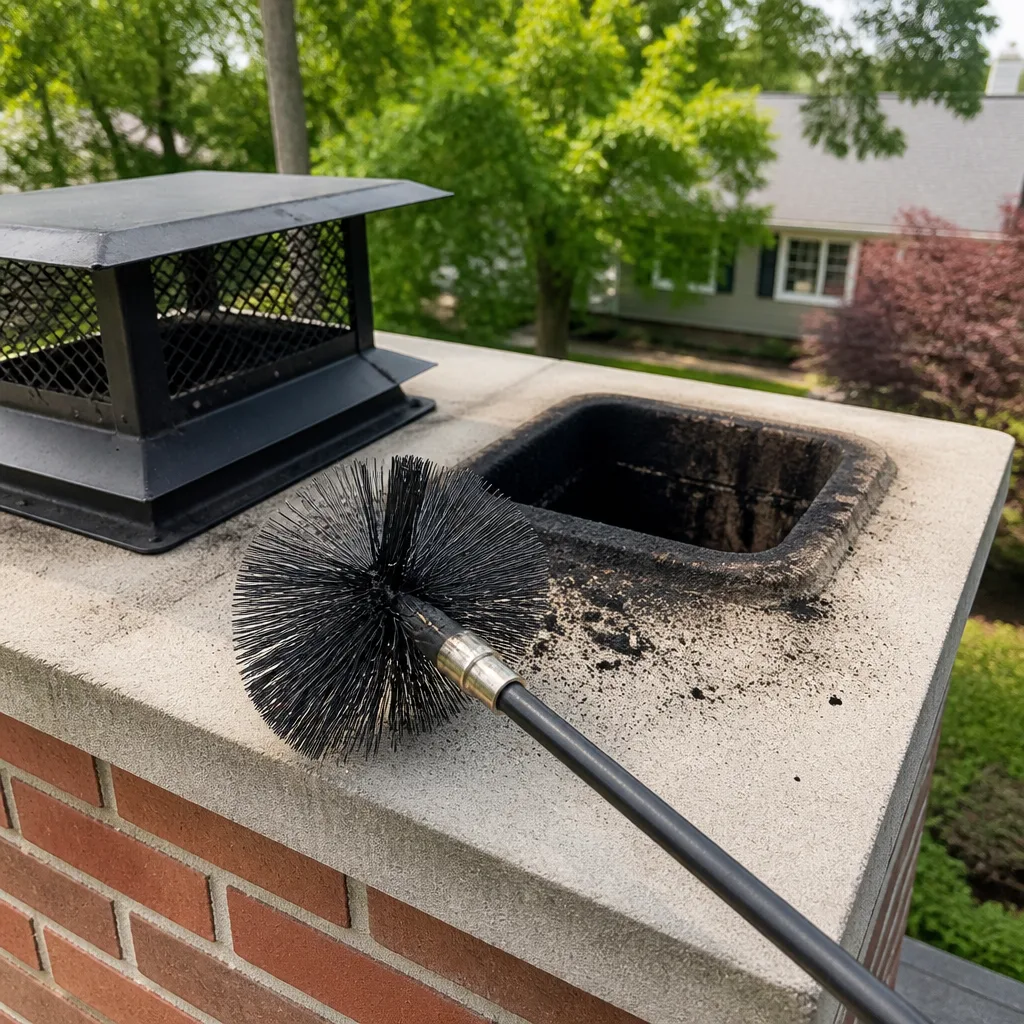
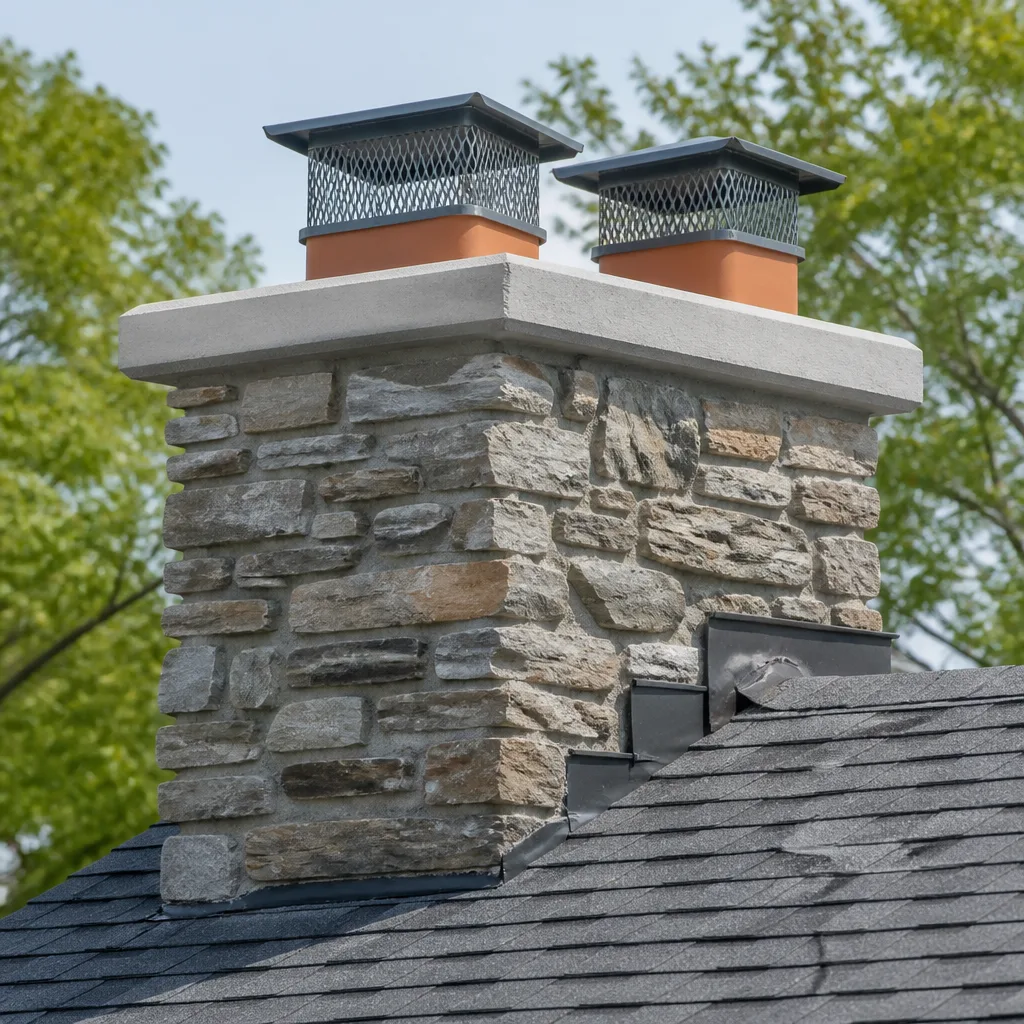
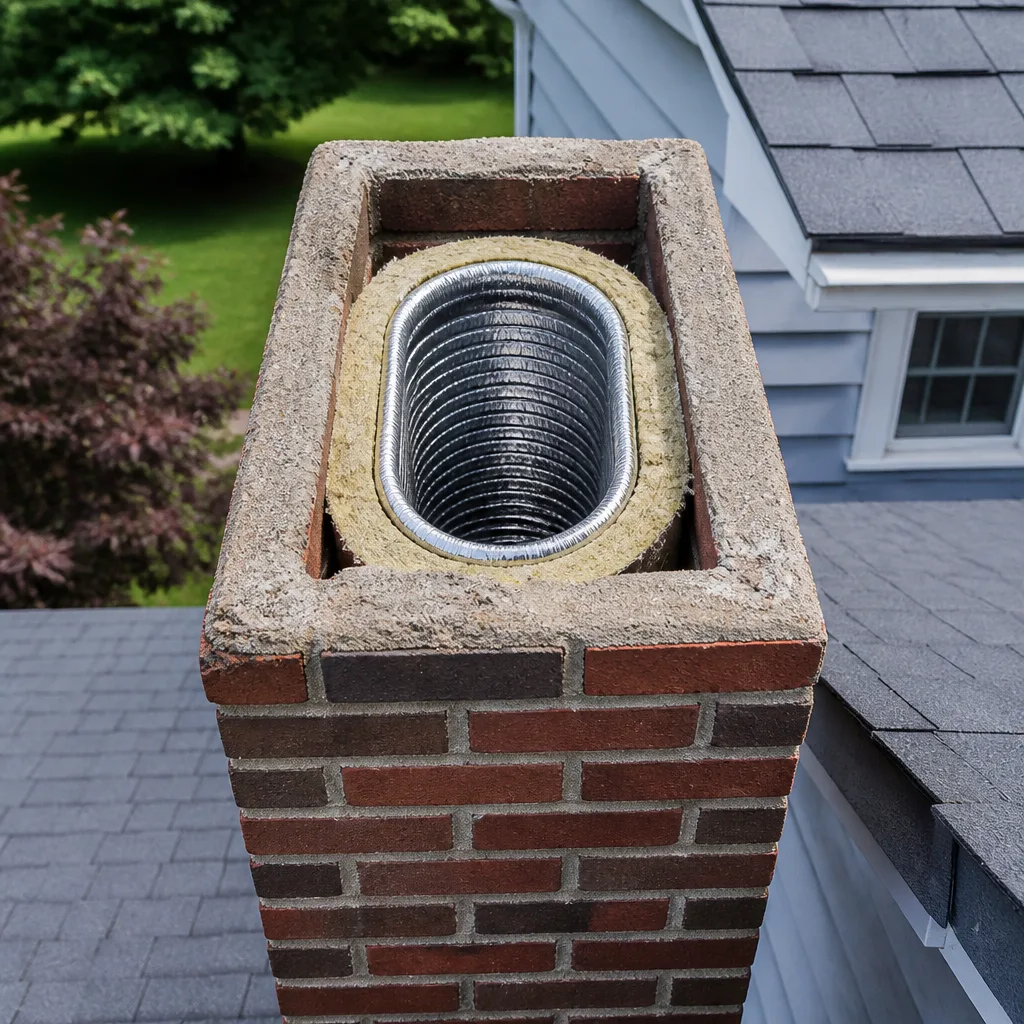
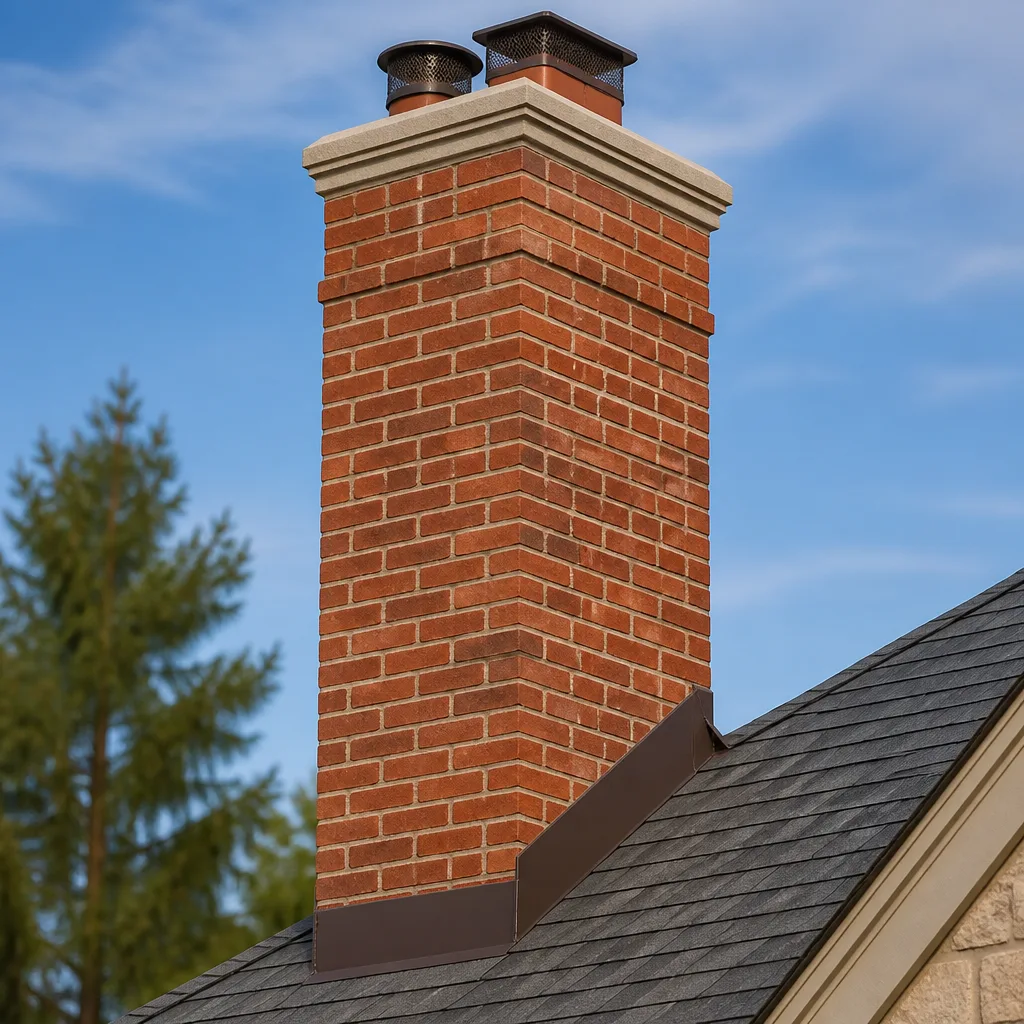
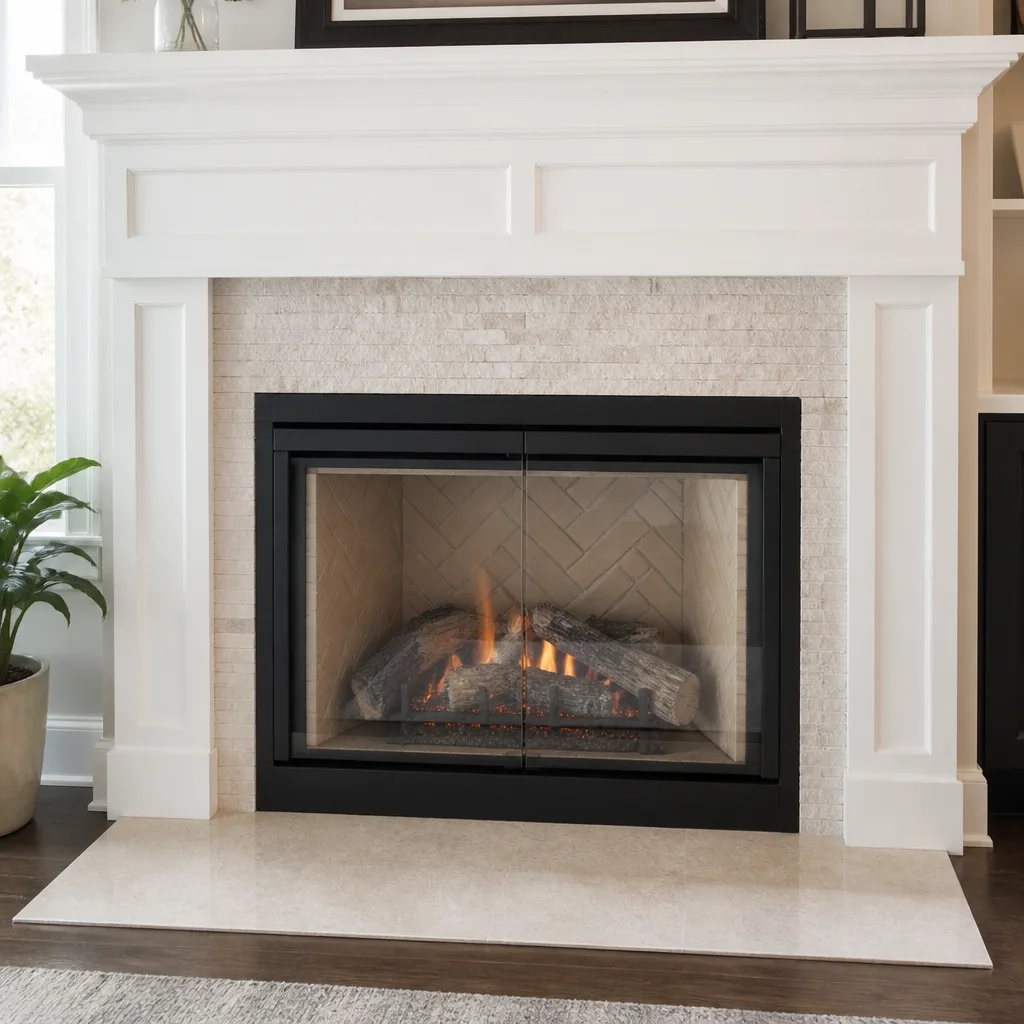
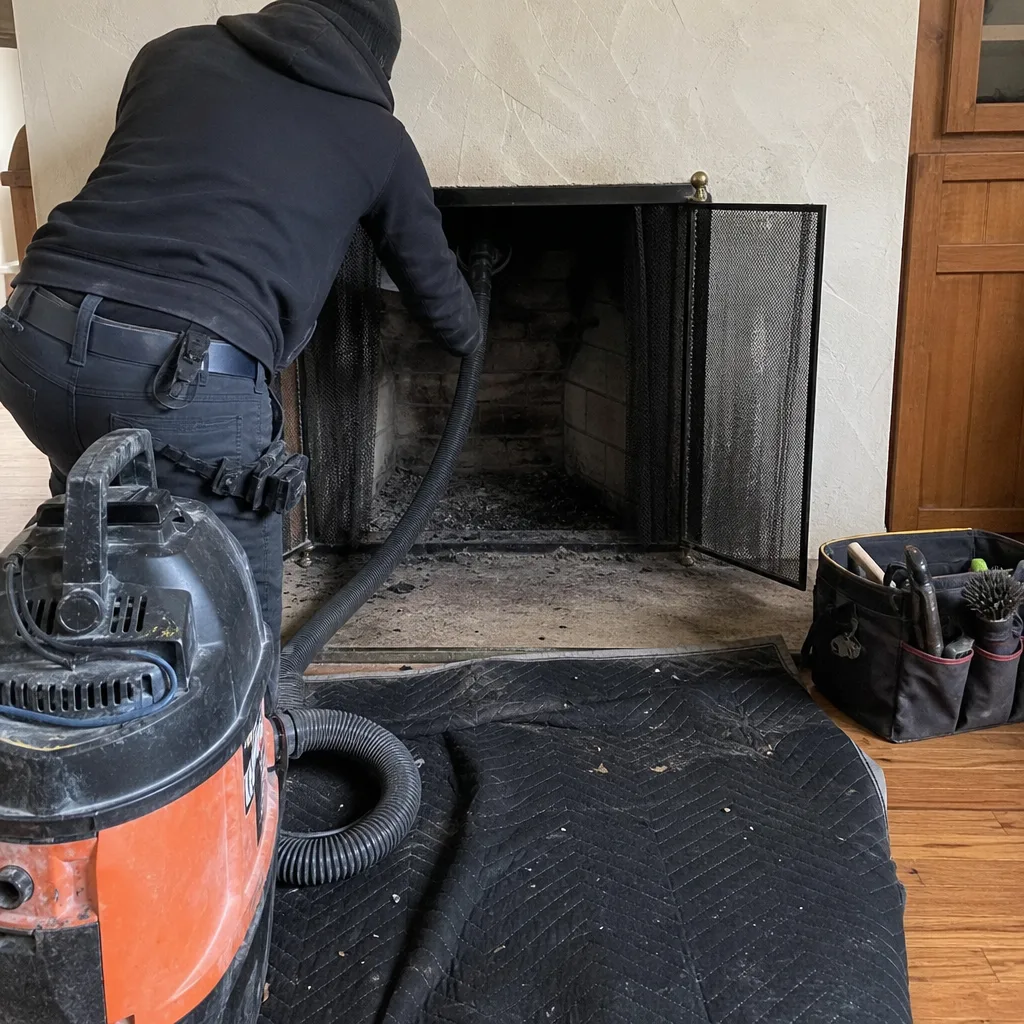 Before
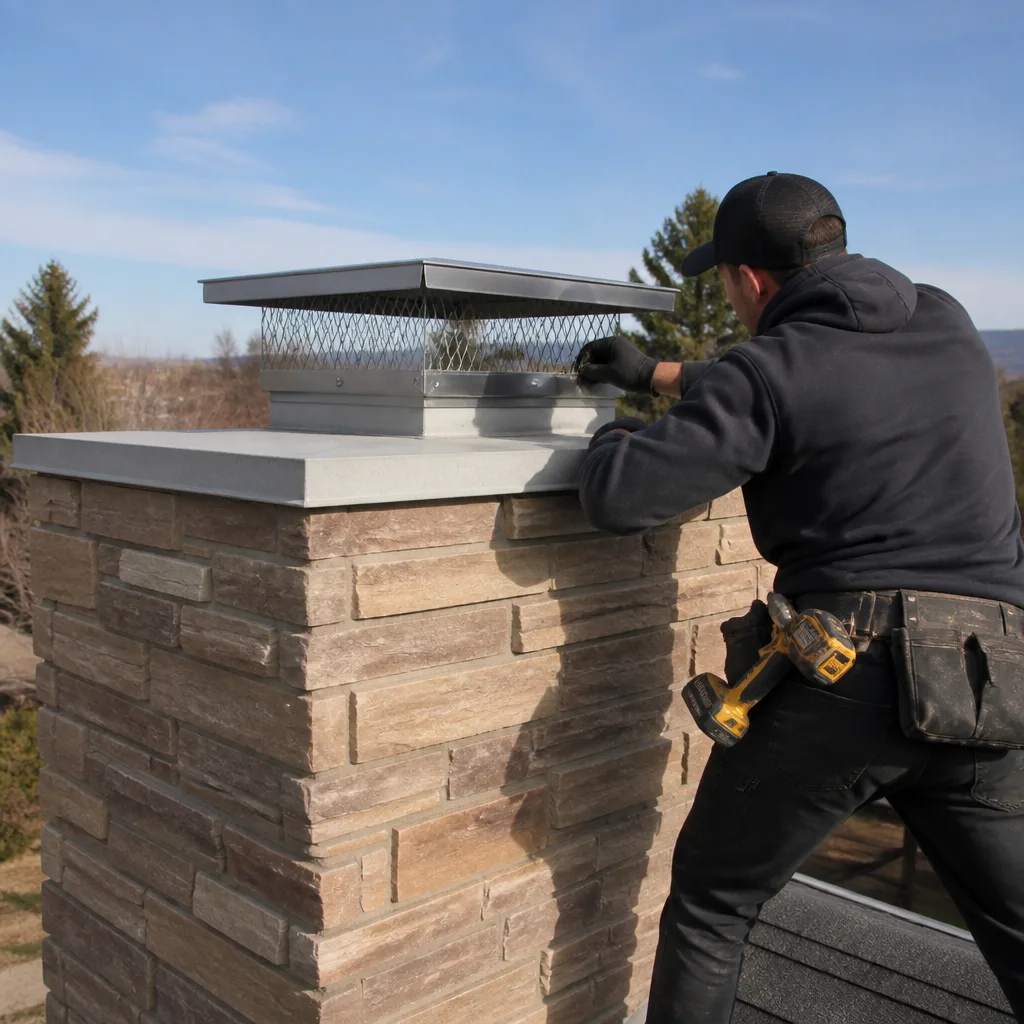 After
After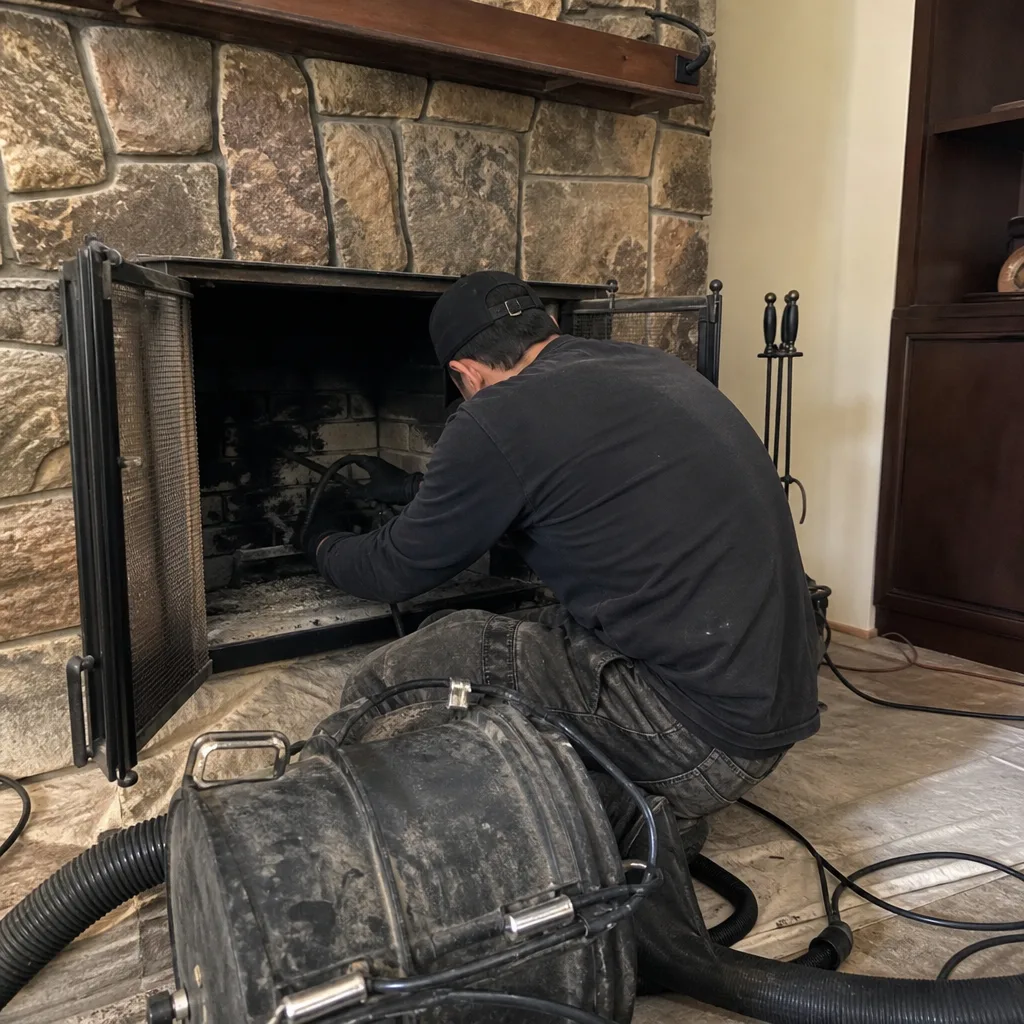 Before
 After
After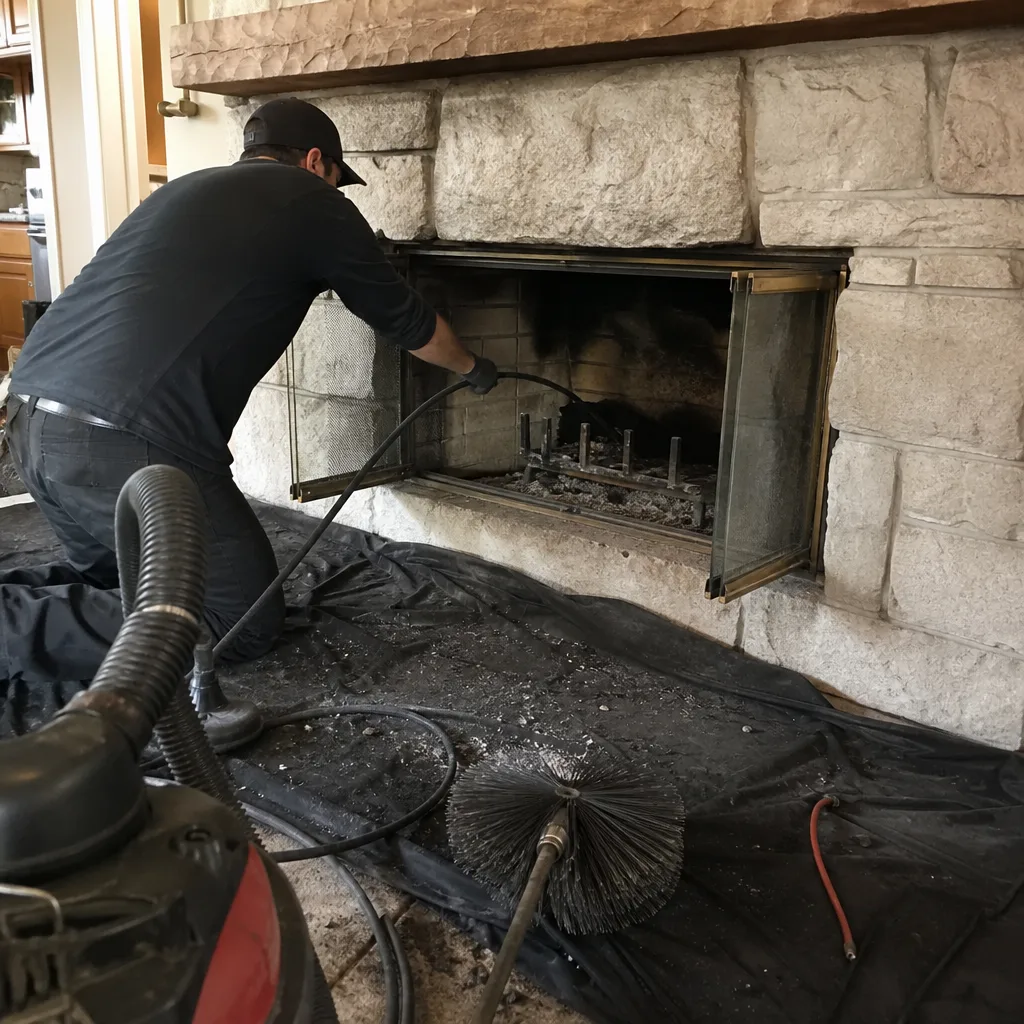 Before
 After
AfterHow to Hire a Chimney Cleaning Contractor in Denver: A Step-by-Step Guide
Here’s something most Denver homeowners don’t realize until it’s too late: CSIA certification, the credential every chimney company advertises, only certifies that a technician passed a test. It does not require camera inspection, written pricing, or photo documentation of findings. In a metro area with over 700,000 housing units and a compressed burning season that crams most sweeps into a six-week September-October rush, the contractors who stand apart are the ones who produce a paper trail. This guide will show you exactly what documents to demand, what website red flags to spot in under 60 seconds, and how to schedule your inspection when technicians still have time to do the job thoroughly. For seasonal chimney cleaning care for Denver, timing your appointment outside the rush is half the battle.
Quick Answer
To hire a chimney cleaning contractor in Denver, verify they provide four documents before any work begins: a written estimate with line-item pricing, an inspection level classification (NFPA 211 Level 1 or 2), a post-service condition report with photos, and a written warranty. Avoid any company that cannot name their inspection standard or produces a verbal quote after arriving at your home.
Table of Contents
- The Four Documents Every Legitimate Chimney Contractor Produces
- How to Read a Chimney Company’s Website for Red Flags
- What CSIA Certification Covers (and What It Doesn’t)
- Questions to Ask Before Scheduling
- How Denver’s Seasonal Rush Affects Availability and Quality
- What to Expect During the Appointment
- Understanding Chimney Sweep Pricing in Denver
- Common Mistakes to Avoid
- When to Call a Professional
- Frequently Asked Questions
- The Bottom Line
 Before
 After
AfterThe Four Documents Every Legitimate Chimney Contractor Produces
The chimney industry operates with minimal regulatory oversight in Colorado-learn more in our guide to Chimney Cleaning Permits, Codes & Inspections in CO. Denver requires no municipal license specific to chimney sweeping, and the state does not inspect work quality. This documentation gap is exactly why the paper trail matters more than credentials on a wall.
1. Pre-Work Written Estimate
A legitimate contractor delivers a written price before any brush enters your flue. This document should itemize the sweep, the inspection level, and any additional services with their individual costs. At Level Two Chimney Denver, we call this Clause 1 of the Haven Standard: “Have it in writing.” The estimate should arrive via email or text, not scribbled on a carbon copy after the technician is already in your living room.
Red flag: any phrase like “we’ll see what it needs when we get there” or a flat rate that bundles everything together without line items.
2. Inspection Level Classification
The National Fire Protection Association defines three inspection levels in NFPA 211. Most Denver homes need Level 1 (accessible portions, no tools) or Level 2 (camera scan of the flue interior, required for real estate transactions, after chimney fires, or when changing appliance type). Level 3 involves demolition of building materials and is rare in residential work.
Your contractor should state which level they’re performing, unprompted. If they say “full inspection” without naming the standard, they may be doing a flashlight look and charging for documentation they never produce.
3. Post-Cleaning Condition Report
This is where most companies fall short. A proper report includes dated photos of the flue liner, smoke chamber, damper, firebox, and exterior crown. It notes creosote class (Class I is flaky and normal; Class III is glazed, tar-like, and hazardous), liner condition, and any spalling (flaking masonry) or mortar joint deterioration.
Since 2009, we’ve archived a documented photo record on every job under Haven Standard Clause 4. Not because regulators required it, but because a homeowner in Congress Park or Hilltop deserves to see what we saw, not trust our verbal description.
4. Written Warranty
The warranty should specify what is covered, for how long, and under what conditions. Our 365-Day Done Right Promise is stamped on every job: if it’s not done right, we make it right. A verbal “call us if something’s wrong” is not a warranty. Get it in writing.
How to Read a Chimney Company’s Website for Red Flags
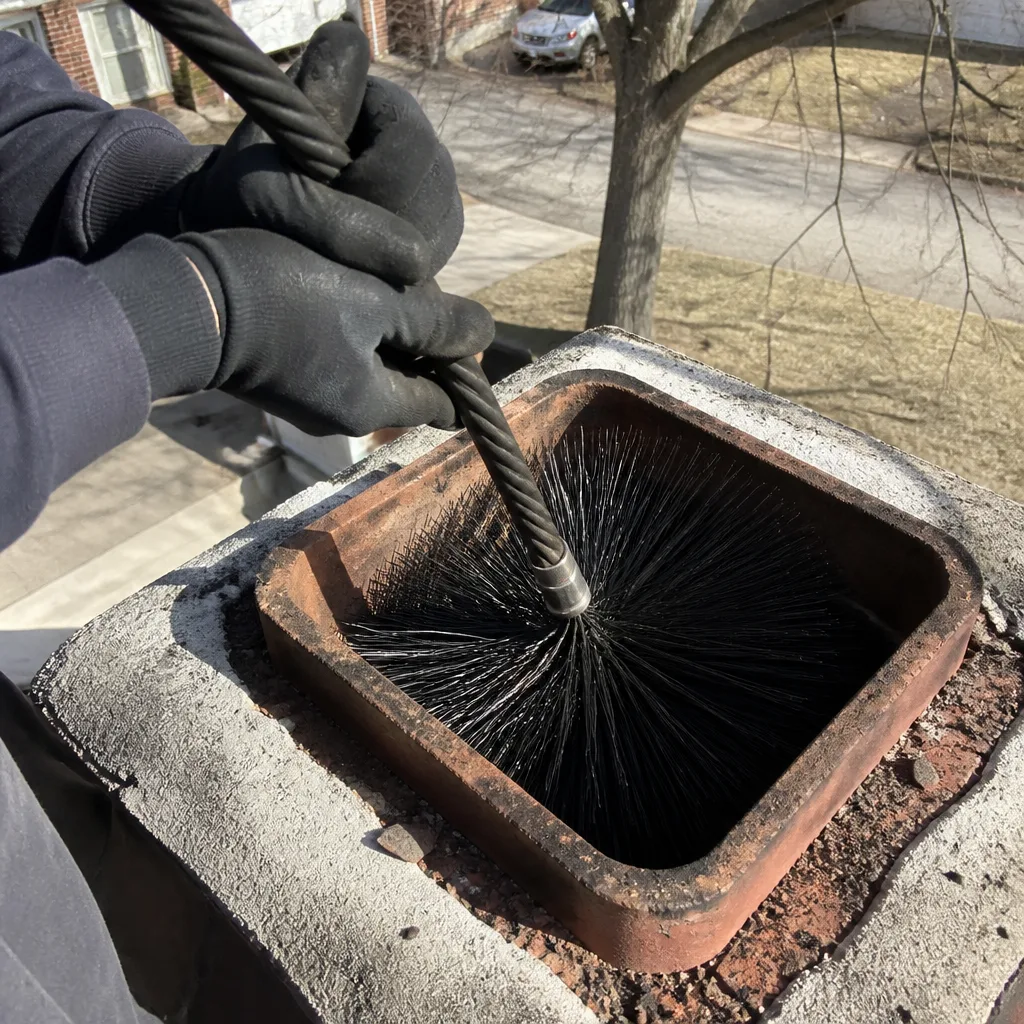
You can eliminate half the Denver chimney market without making a single phone call. Here’s what to scan for in 60 seconds.
Vague or Missing Pricing
Any site that says “call for a quote” or “contact us for pricing” is telling you something important: they haven’t standardized their process. In a market where chimney cleaning and sweep in Denver ranges from $150 to $450 depending on inspection depth and accessibility, a company should be able to publish at least a starting range. The absence suggests variable pricing based on what they think you’ll pay, not what the job costs.
No Mention of Inspection Standards
Search the page for “NFPA 211” or “Level 1” or “Level 2.” If the site talks about “complete inspections” without naming the standard, they’re avoiding accountability. The NFPA standard exists precisely so homeowners know what was examined and how thoroughly.
No Photo Documentation Policy
Look for evidence that photos are standard, not an upsell. Phrases like “ask about our camera inspection” mean you pay extra for documentation that should be baseline. The contractor who treats visual evidence as optional is the contractor who doesn’t want a record of what they missed.
Generic Service Area Lists
A site that lists 40 Colorado cities in footer text is optimizing for search engines, not serving customers. Denver’s neighborhoods have distinct housing stock: 1920s brick bungalows in Berkeley with unlined chimneys, 1950s ranch homes in Virginia Village with factory-built metal systems, new construction in Stapleton with direct-vent gas inserts. A local contractor knows these differences and writes about them.
Missing License or Insurance Verification
Colorado requires no chimney-specific license, but legitimate contractors carry general liability insurance and workers’ compensation. The license number should appear on the site. Background checks for technicians should be mentioned specifically, not implied through vague “trusted team” language.
What CSIA Certification Covers (and What It Doesn’t)
The Chimney Safety Institute of America certifies technicians who pass a written exam on fire science, codes, and construction. It is a legitimate credential. It is also widely misunderstood.
CSIA certification does not require:
- Camera inspection equipment or its use
- Written estimates before work begins
- Photo documentation of findings
- A specific warranty period or terms
- Continuing education in documentation standards
A CSIA-certified technician can legally perform a Level 1 inspection with a flashlight, tell you verbally that “everything looks fine,” charge $199, and leave no record. The certification proves they passed a test. It does not prove they follow a process that protects you.
This matters in Denver’s market because CSIA-certified companies advertise heavily on this credential alone. When you call, ask specifically: “Will I receive a written estimate before work starts, and will the inspection include a camera scan with photos?” If the answer is no or hedged, the certification has not produced the process you need.
Questions to Ask Before Scheduling
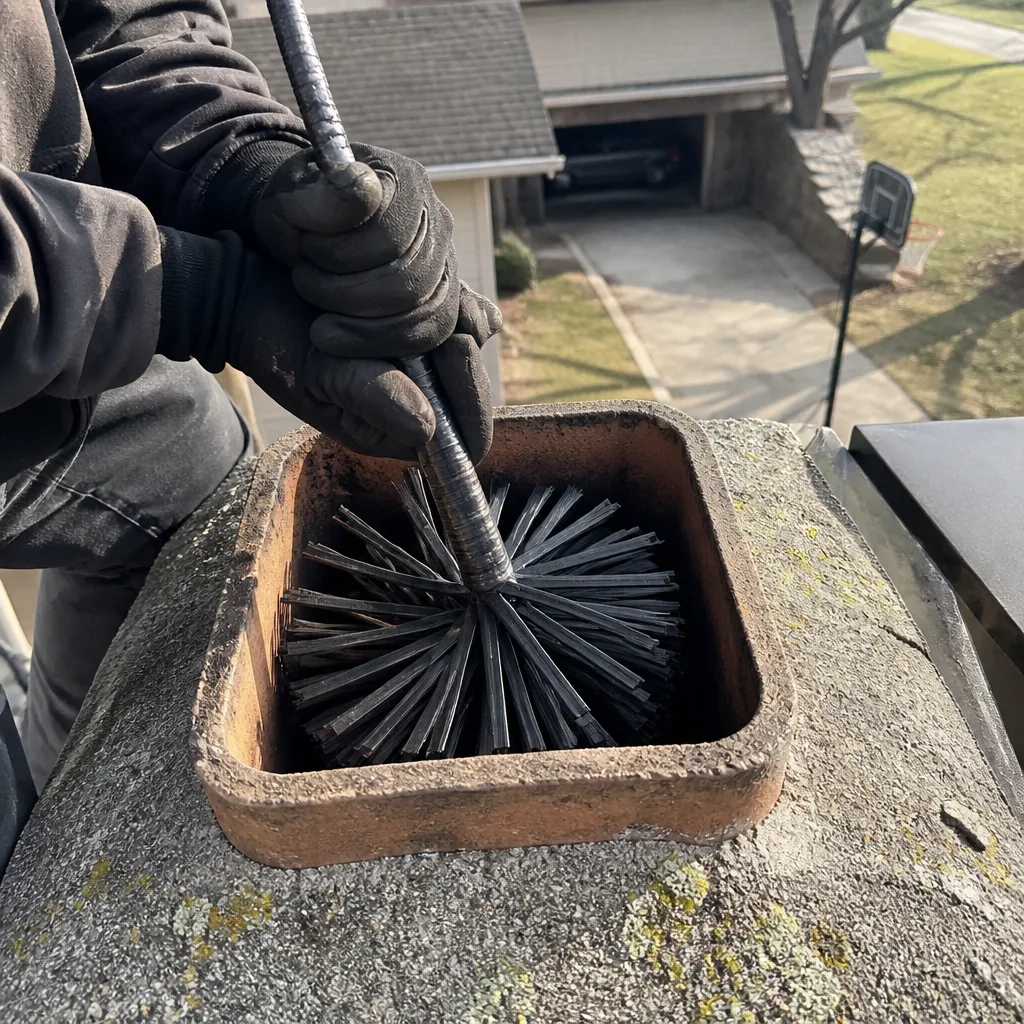
These six questions will disqualify low-effort contractors in under two minutes. Ask them in this order.
- “What inspection level do you perform as standard, and is it NFPA 211?” If they cannot name the standard or say “we do a full inspection,” they are not following a documented protocol. Move on.
- “Will I receive a written estimate with line-item pricing before any work begins?” Any hesitation here is a disqualifier. Verbal quotes given after arrival create pressure to accept inflated prices.
- “Does your inspection include a camera scan of the flue interior, and do I receive photos?” The answer should be yes and included, not “available for an additional fee.” Documentation is not a luxury add-on.
- “What warranty do you provide, and will I receive it in writing?” A one-year workmanship warranty is standard for sweeps; longer for repairs and liners. Verbal promises are worthless.
- “Are your technicians background-checked and uniformed, and will you text me when they’re en route?” Professional operations have systems. Fly-by-night operations send whoever is available.
- “Can you show me a sample report from a similar home?” Companies with nothing to hide share redacted examples. Companies with sloppy documentation refuse.
The contractors who pass this screen are a small fraction of the Denver market. They’re worth the wait.
How Denver’s Seasonal Rush Affects Availability and Quality
Denver’s burning season runs roughly October through March, with first cold snaps often arriving in late September. This creates a predictable crush: most homeowners who “meant to get the chimney checked” call simultaneously, and contractor quality degrades fast.
The September-October Bottleneck
Between September 15 and October 31, reputable Denver chimney companies book 2-4 weeks out. Less reputable companies capitalize on desperation: they hire untrained seasonal workers, skip camera inspections to speed throughput, and rely on verbal upsells because rushed customers don’t demand documentation.
In our experience across 38,000+ inspections since 2009, the appointments scheduled in April, May, or August receive measurably more attention. The technician isn’t watching the clock for the next job. The camera scan isn’t abbreviated. The written report isn’t rushed.
Off-Peak Advantages
Scheduling your sweep in spring or summer provides:
- More flexible appointment windows, including weekends
- Time to address any needed chimney repair in Denver before burning season
- Better pricing stability, as companies aren’t surge-pricing for demand
- Full attention from experienced technicians, not seasonal hires
Denver’s freeze-thaw cycle is hard on masonry. A May inspection that reveals crown cracking gives you months to schedule crown repair before water intrusion worsens through winter.
What to Expect During the Appointment
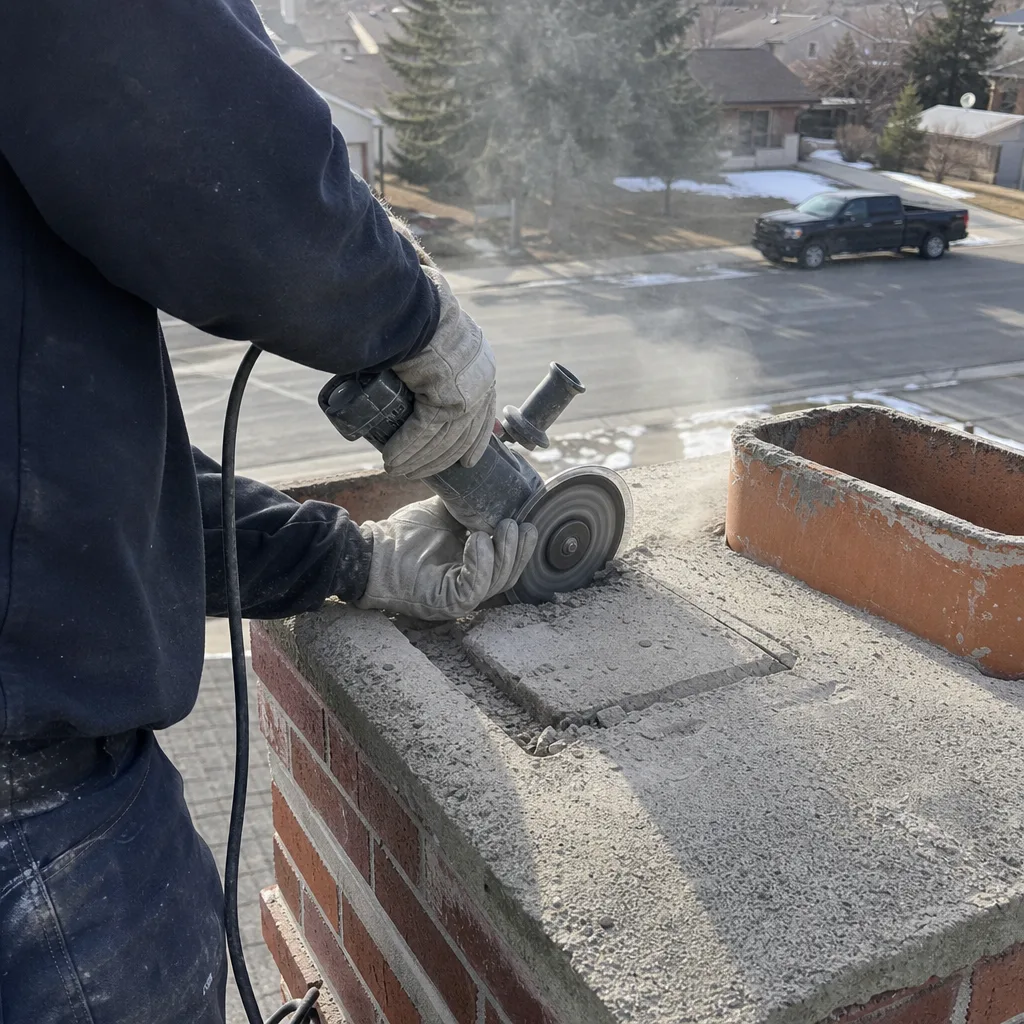
Knowing the sequence protects you from shortcuts. A proper chimney cleaning and inspection in Denver follows this structure.
- Arrival and protection. Technicians lay drop cloths from the entry to the fireplace and seal the firebox opening to prevent soot escape into your home. They should verify the appointment scope matches your written estimate.
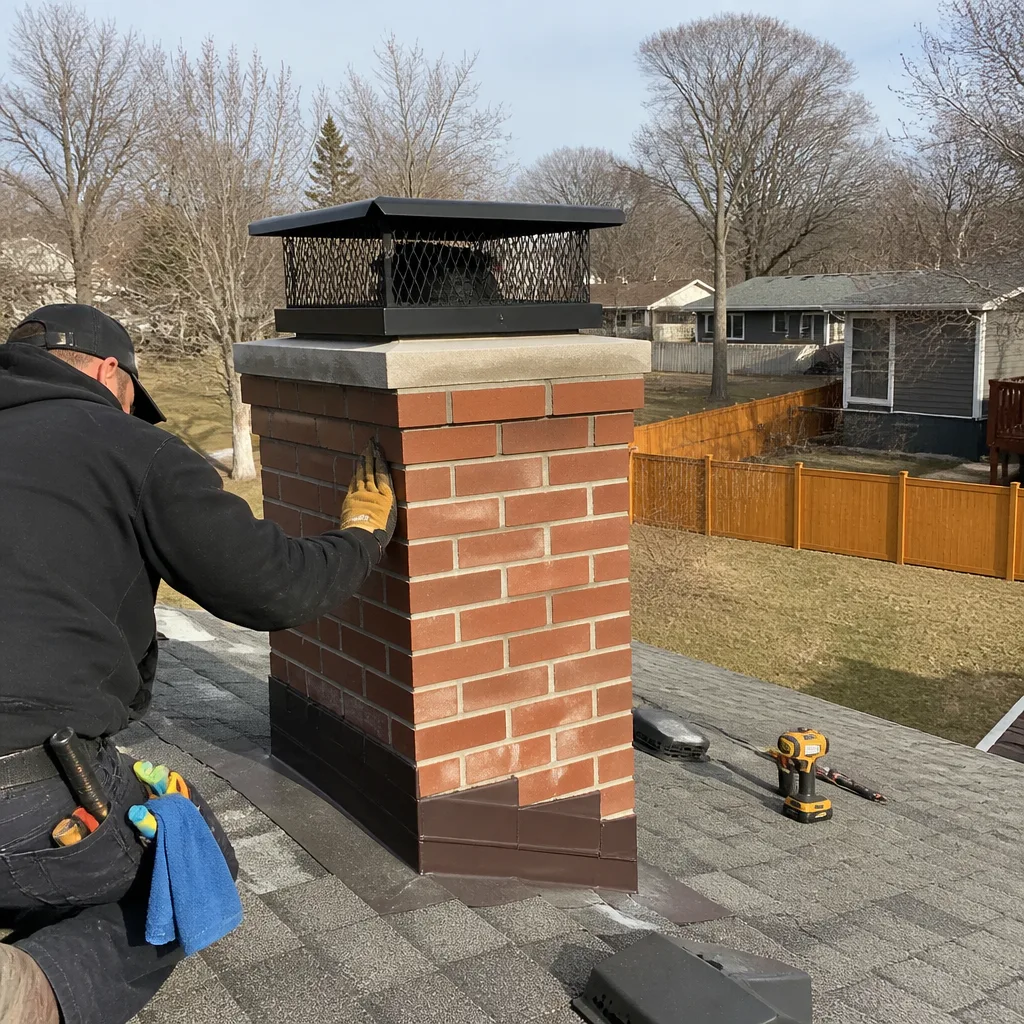
- Exterior examination. Before touching the interior, they inspect the crown, cap, flashing, and brick condition from the roof or ladder. In Denver’s semi-arid climate with intense UV exposure, crown sealant deterioration is common and should be noted.
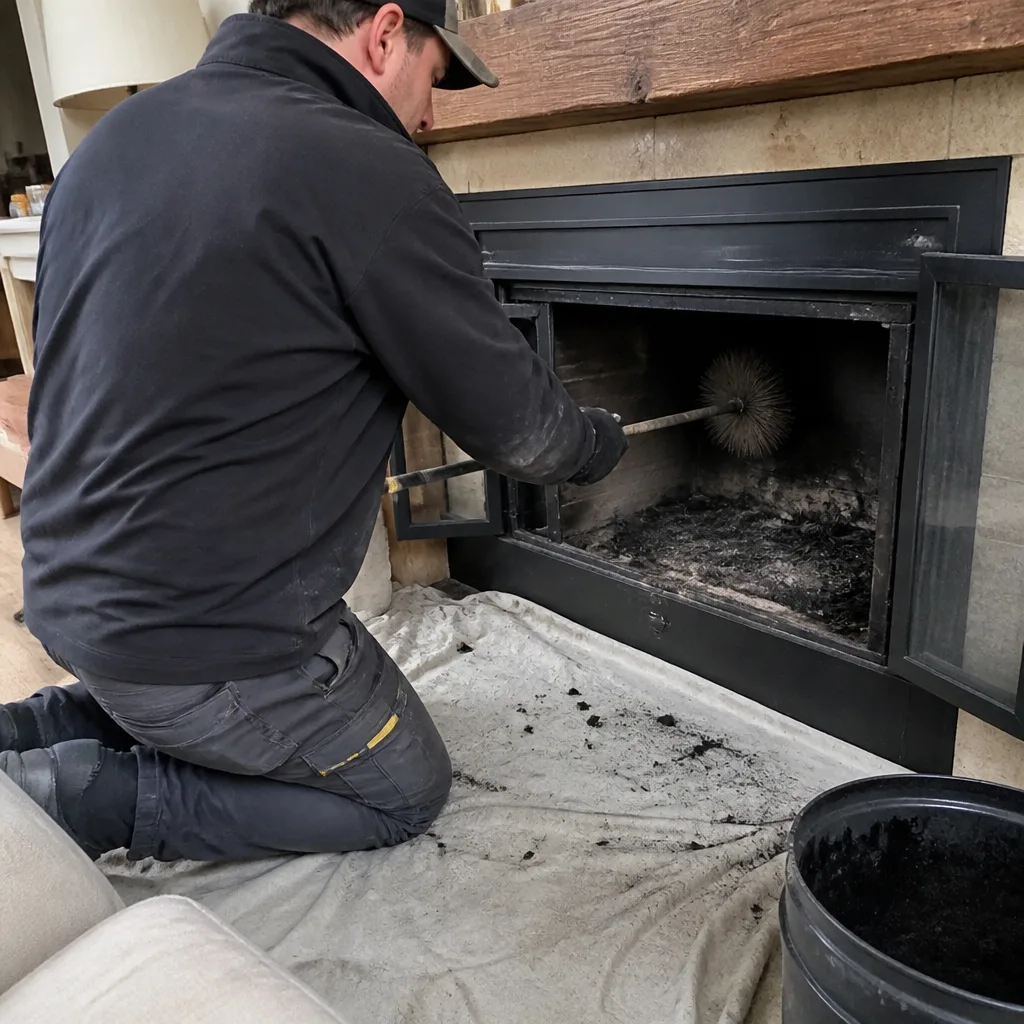
- Interior sweep. Rotary brushes or polypropylene whips remove creosote deposits from the flue liner. The smoke chamber above the damper is hand-brushed. Debris is vacuumed, not swept toward the cleanout.
- Camera scan. A high-resolution camera travels the full flue length, recording liner condition, joint alignment, and any obstructions or deterioration. This footage becomes part of your permanent record.
- Condition documentation. Photos are compiled with findings: creosote class, liner integrity, damper operation, firebox condition, and exterior observations. Any recommended repairs are itemized with separate pricing.
- Review and signature. The technician walks you through findings on a tablet or printed report. Nothing is recommended without visual evidence you can see. You sign only after understanding the scope.
The entire process for a standard Level 2 sweep and inspection takes 60-90 minutes for a single flue. Rushed jobs completed in 30 minutes likely skipped the camera scan or abbreviated the documentation.
Understanding Chimney Sweep Pricing in Denver
Published pricing is rare in this industry because variable pricing is profitable. Here’s what honest pricing looks like in the Denver market-see our Chimney Cleaning Cost Breakdown: The Denver Homeowner’s Reference for 2026 for full details.
| Service | Typical Range | What Affects Price |
|---|---|---|
| Level 1 sweep and inspection | $150 - $250 | Accessibility, number of flues, creosote buildup severity |
| Level 2 sweep and camera inspection | $250 - $450 | Flue length, roof access difficulty, documentation detail |
| Class III creosote removal (glazed) | $400 - $800 additional | Chemical treatment cycles, mechanical removal time |
| Chimney cap installation | $300 - $700 | Material (stainless vs. copper), flue count, custom sizing |
| Crown repair/sealing | $350 - $900 | Extent of cracking, accessibility, material used |
Materials matter for longevity. We source through Haven’s buying network from Olympia Chimney for stainless liners, Famco for caps and dampers, and Copperfield for specialty flashing and sealants. This procurement relationship keeps customer prices honest without cutting specification.
Be specific about what you need when calling. A gas fireplace inspection requires different expertise than a wood-burning masonry system. Fireplace services in Denver vary widely by fuel type and appliance age.
Common Mistakes to Avoid
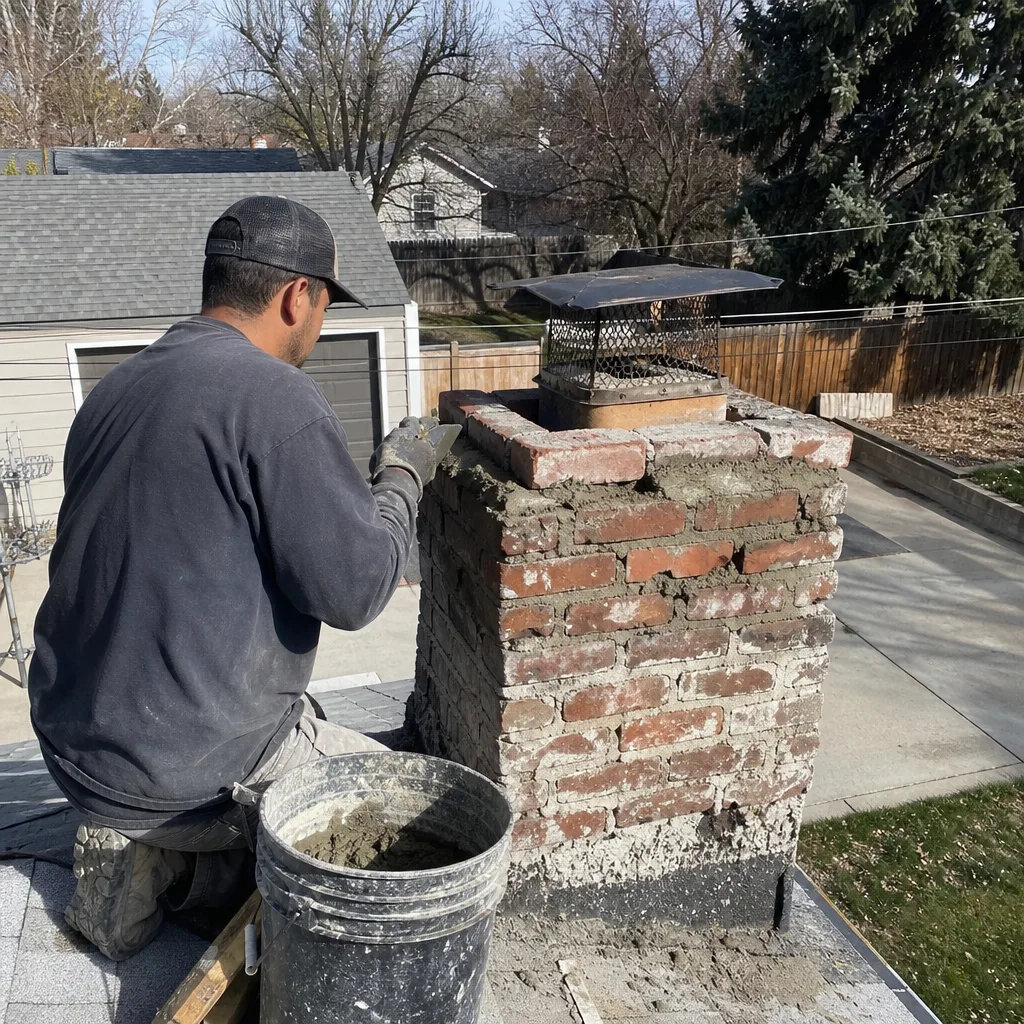
- Hiring based on lowest price alone. A $99 sweep special in Denver typically excludes camera inspection, produces no documentation, and uses the appointment to sell unnecessary repairs. The real cost reveals itself later.
- Assuming CSIA certification equals thorough inspection. Certification tests knowledge, not process. A certified technician working for a company with no documentation standard will hand you a verbal “all clear” and a receipt.
- Waiting until the first cold snap. Denver’s October rush means you’re choosing from available slots, not best providers. Schedule in spring or summer for full attention and flexible timing.
- Accepting verbal recommendations without photo evidence. If a technician says you need a new liner but cannot show you the crack, deterioration, or gap they found, do not authorize the work. Visual evidence is non-negotiable.
- Neglecting the exterior. Denver’s hail, freeze-thaw cycles, and intense sun damage crowns and caps faster than many climates. A sweep that only addresses the flue interior misses half the system.
- Not verifying what’s included. “Chimney inspection” means different things to different companies. Confirm NFPA 211 level, camera use, photo delivery, and report format before booking.
- Ignoring neighborhood-specific risks. Homes in older Denver neighborhoods like Whittier or Five Points often have unlined brick chimneys or deteriorated parging in smoke chambers. A generic sweep process misses these.
When to Call a Professional
Some conditions require immediate professional evaluation, not routine scheduling. Call a contractor promptly if you notice smoke entering your living space, a strong creosote odor during hot weather, visible cracking or spalling on exterior brick, water staining on walls or ceiling near the chimney, or debris falling into the firebox. These symptoms indicate active deterioration or blockage, not deferred maintenance.
After any chimney fire, even a small one, a Level 2 inspection is mandatory before the next use. Thermal damage to liners is often invisible from the exterior but creates serious fire and carbon monoxide hazards.
Level Two Chimney Denver offers free estimates in Denver. Call (720) 674-7312 to schedule a Level 2 inspection with written pricing, camera documentation, and our 365-Day Done Right Promise. We also provide a Free Second Opinion on any competitor’s written estimate, no obligation.
Frequently Asked Questions
A Level 1 sweep and inspection typically runs $150-$250, while a Level 2 sweep with camera inspection ranges from $250-$450. Class III creosote removal or difficult access can push costs higher. Call (720) 674-7312 for an exact quote based on your specific system, estimates are free.
The NFPA recommends annual inspection for all chimney systems, with cleaning frequency based on use. Wood-burning fireplaces used regularly during Denver’s heating season typically need annual sweeping. Gas systems need less frequent cleaning but still require annual inspection for venting integrity and debris obstruction.
You need a new liner only if inspection reveals cracks, gaps, or deterioration that compromise containment of heat and combustion gases. We never recommend liner replacement without camera evidence you can see yourself. Bring us any competitor’s written estimate recommending liner work, our Free Second Opinion will verify whether the condition matches the recommendation.
Skipped maintenance allows creosote accumulation, which ignites at approximately 451°F and can reach 2,000°F during a chimney fire, damaging liners and adjacent framing. Blocked or deteriorated flues also vent carbon monoxide into living spaces. In Denver’s tightly sealed modern homes, this risk is elevated. Annual inspection catches these conditions before they become emergencies.
A sweep removes combustible deposits from the flue and firebox. An inspection evaluates system condition and safety. They are distinct services, though many companies bundle them. A sweep without inspection is maintenance without diagnosis; an inspection without cleaning may miss conditions hidden under creosote buildup. Demand both, documented, for any service visit.
Basic brush kits exist for straightforward masonry flues, but DIY cleaning cannot include camera inspection of liner condition, evaluation of crown and cap integrity, or documentation for insurance or real estate purposes. For factory-built metal chimneys, steep roofs common in Denver’s hilly neighborhoods, or any suspected damage, professional evaluation is the safer choice. We do not recommend homeowners access roofs or attempt liner assessment themselves.
The Bottom Line
Hiring a chimney contractor in Denver comes down to documentation, not credentials alone. For more guides & resources on protecting your home, explore our blog. The four documents, written estimate, named inspection standard, photo report, and written warranty, separate legitimate operations from marketing-heavy pretenders. Ask the six screening questions before scheduling. Avoid the September-October rush when quality degrades. And never authorize work recommended without visual evidence you can evaluate yourself.
Since 2009, we’ve built our practice on Haven Standard Clause 4: every job gets a camera scan and documented photo record, every job gets a written price before work starts, and every job is backed by our 365-Day Done Right Promise. The contractors who operate this way are fewer than the market suggests. They’re worth finding.
Written by Corrine Halstead, Owner at Level Two Chimney Denver, serving Denver since 2009.