
Last updated September 22, 2026
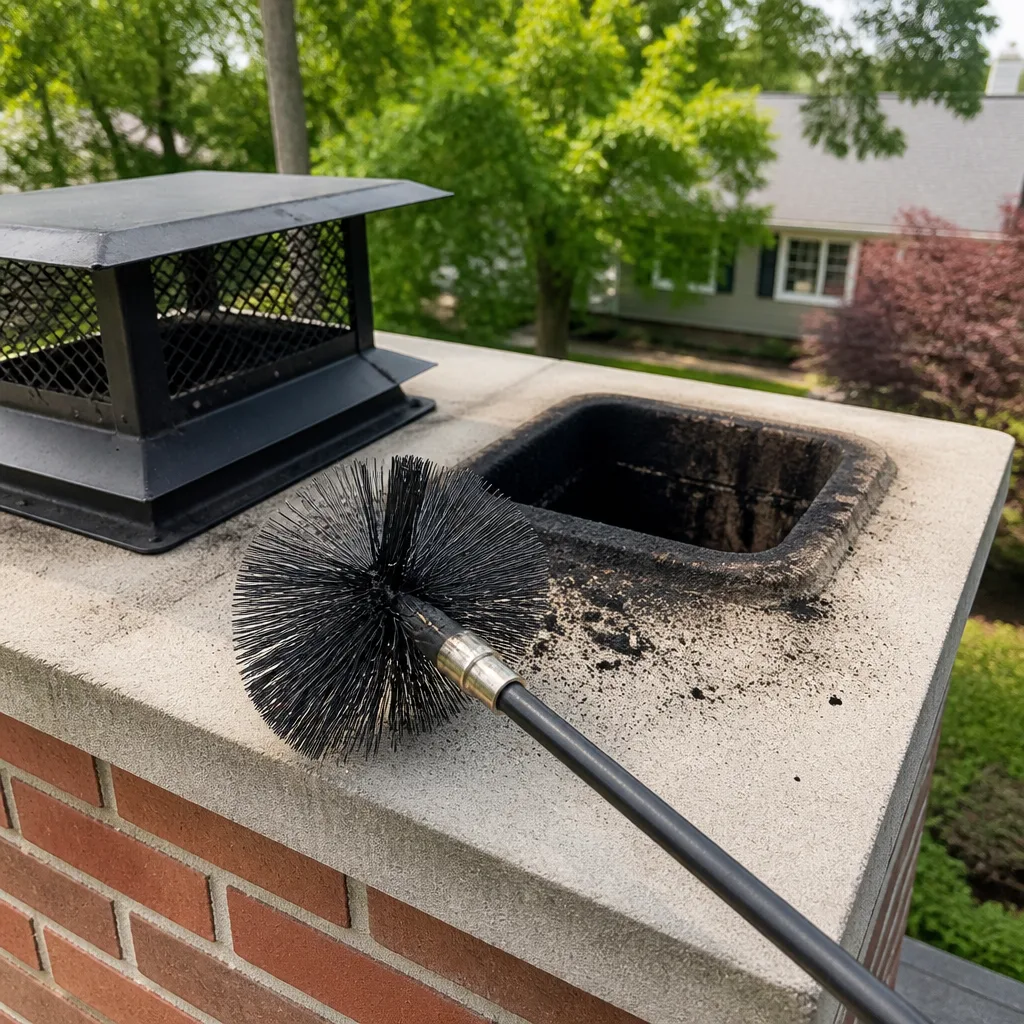
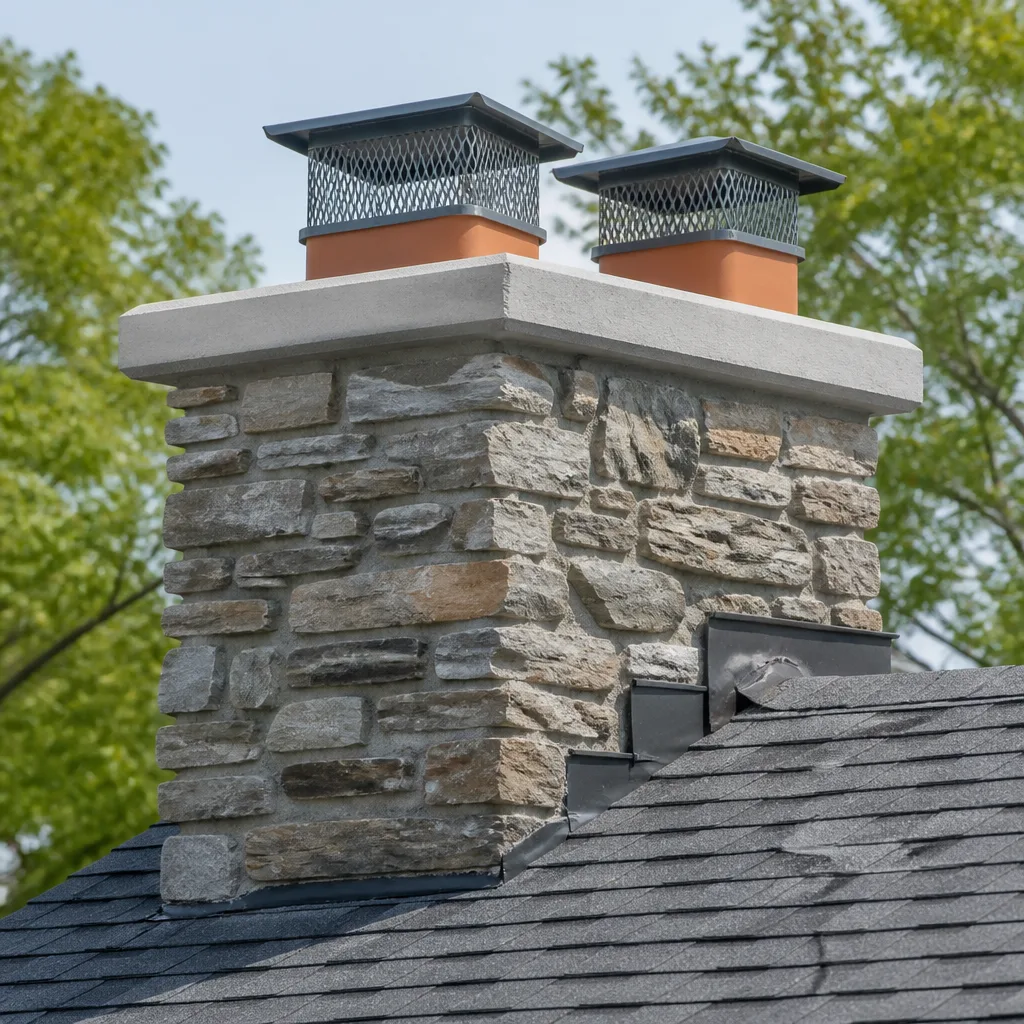
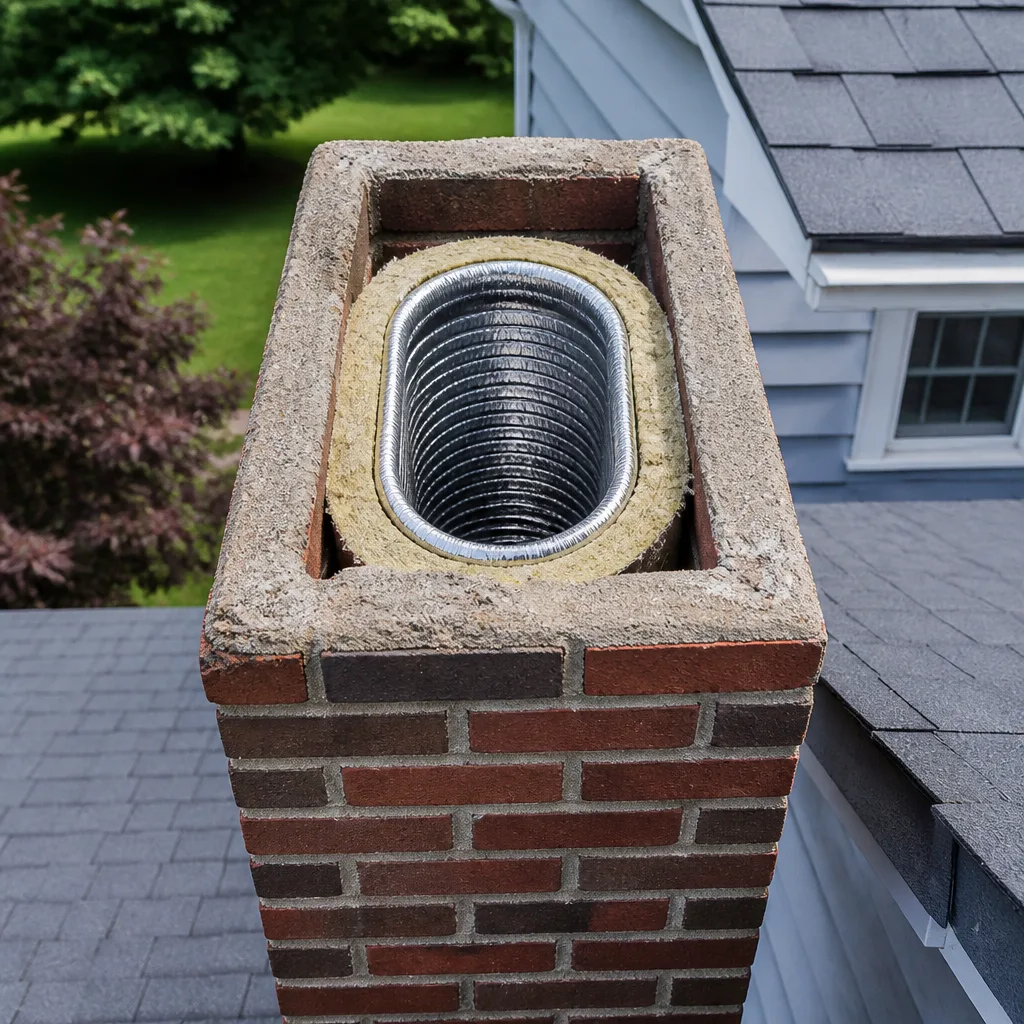
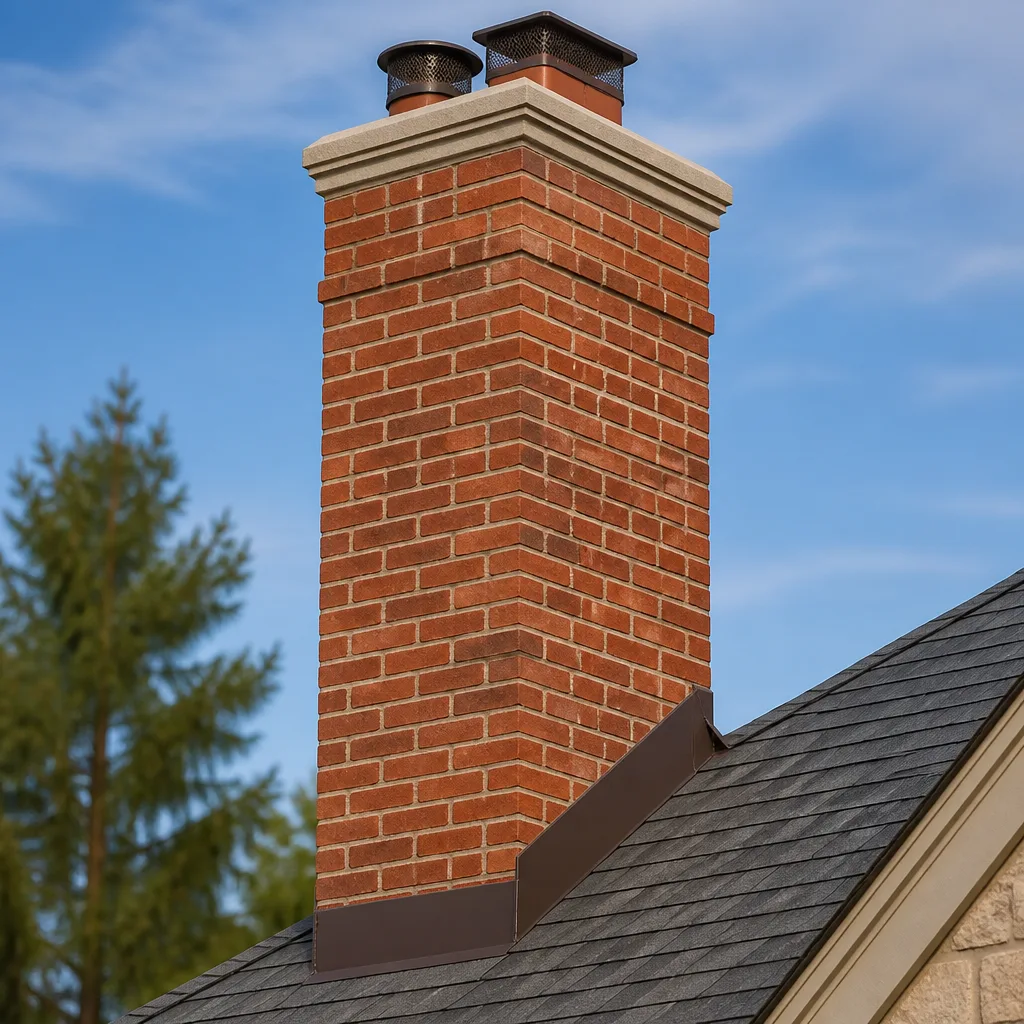
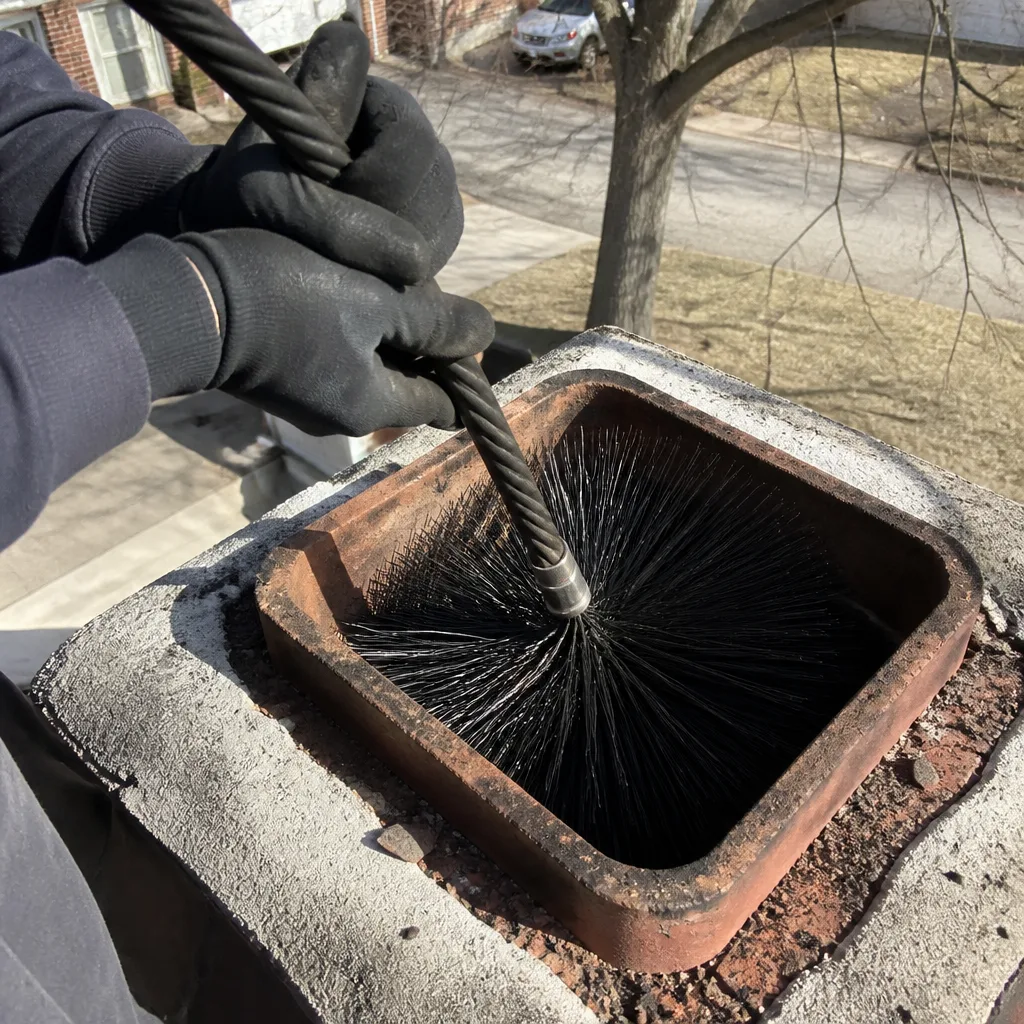
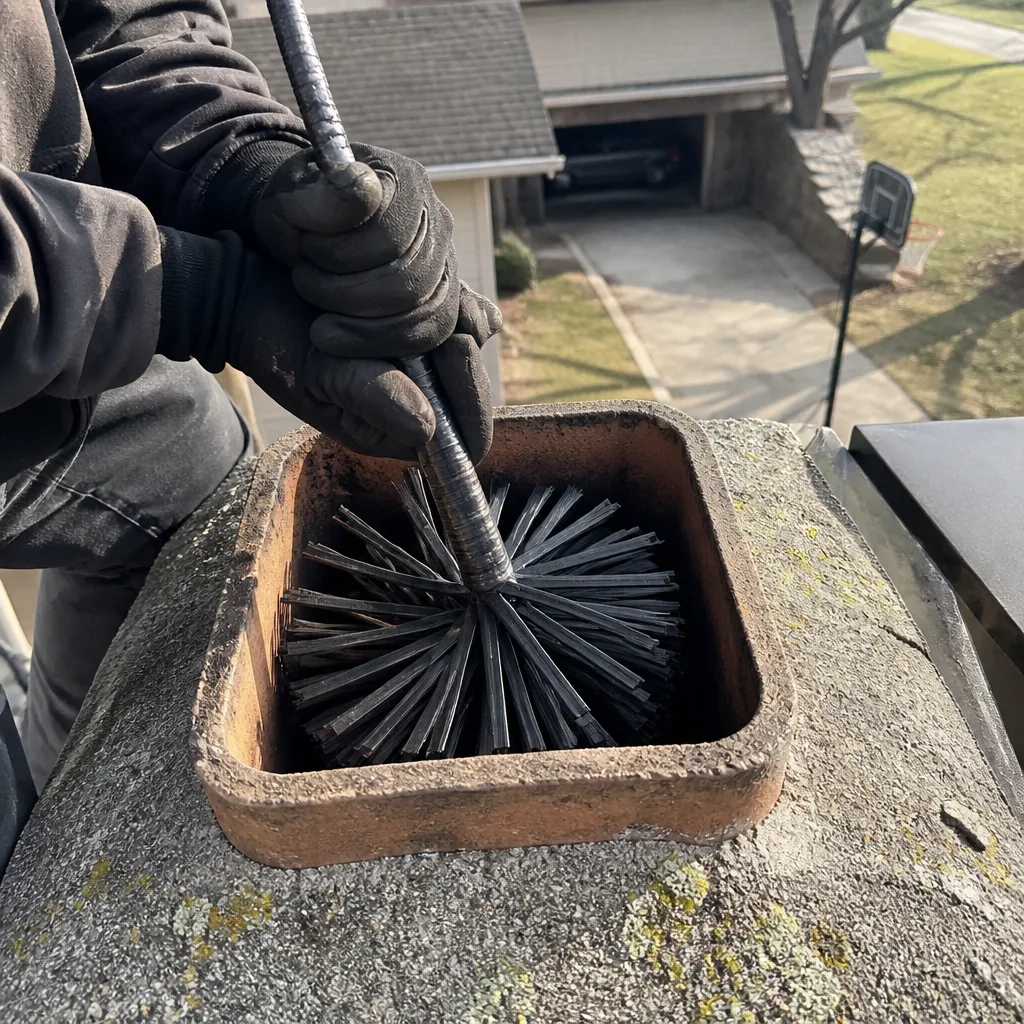
Level 1 sweep and inspection to the NFPA 211 annual standard - flue, crown, cap, and flashing checked and photographed
Chimney sweep logs do not sweep chimneys. They loosen some creosote - which then falls where a brush and vacuum still have to collect it.
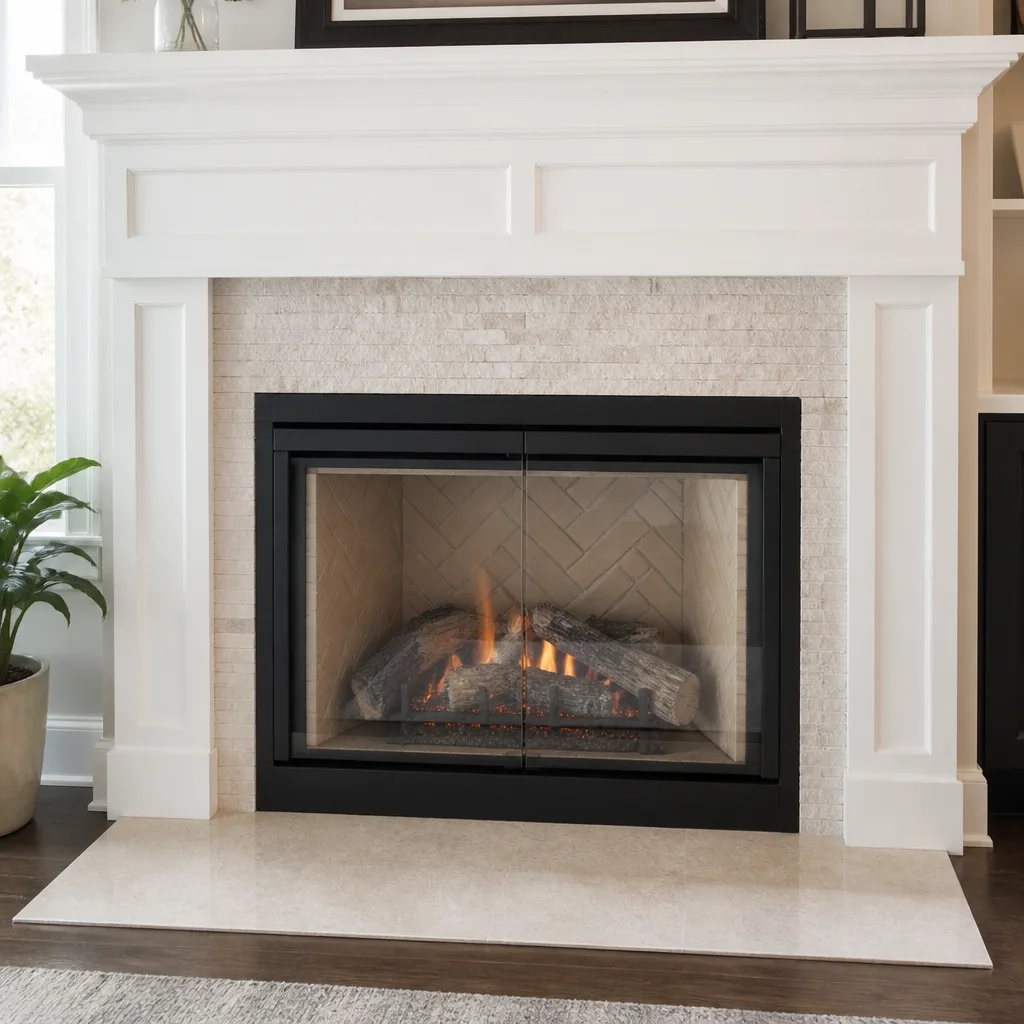
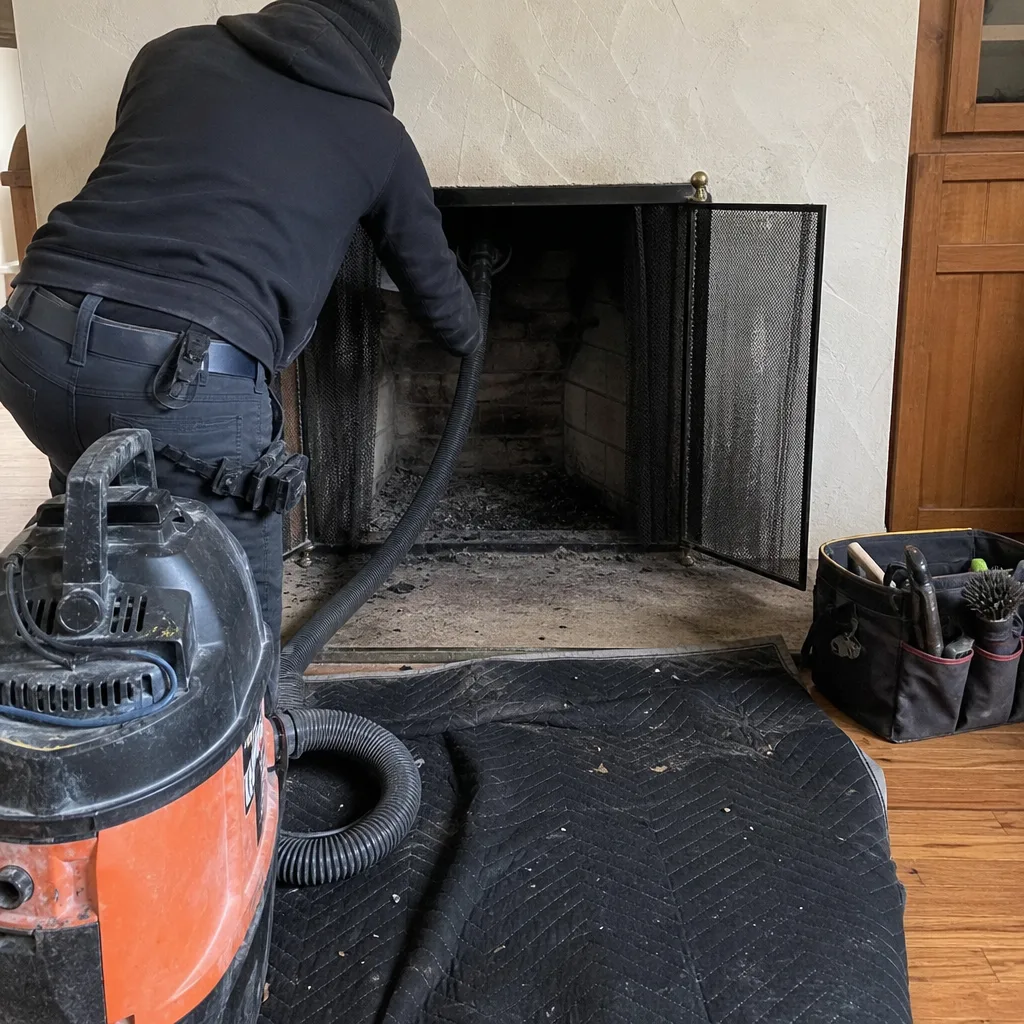 Before
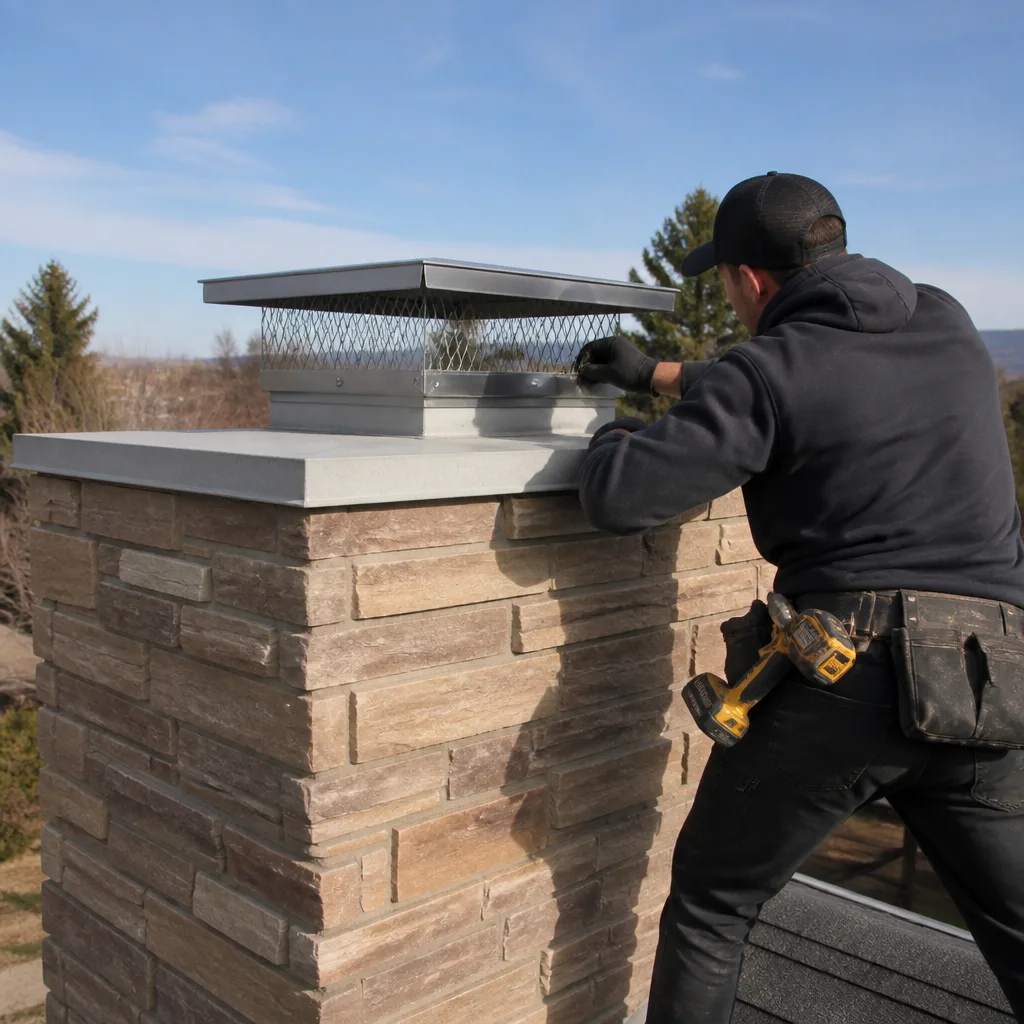 After
After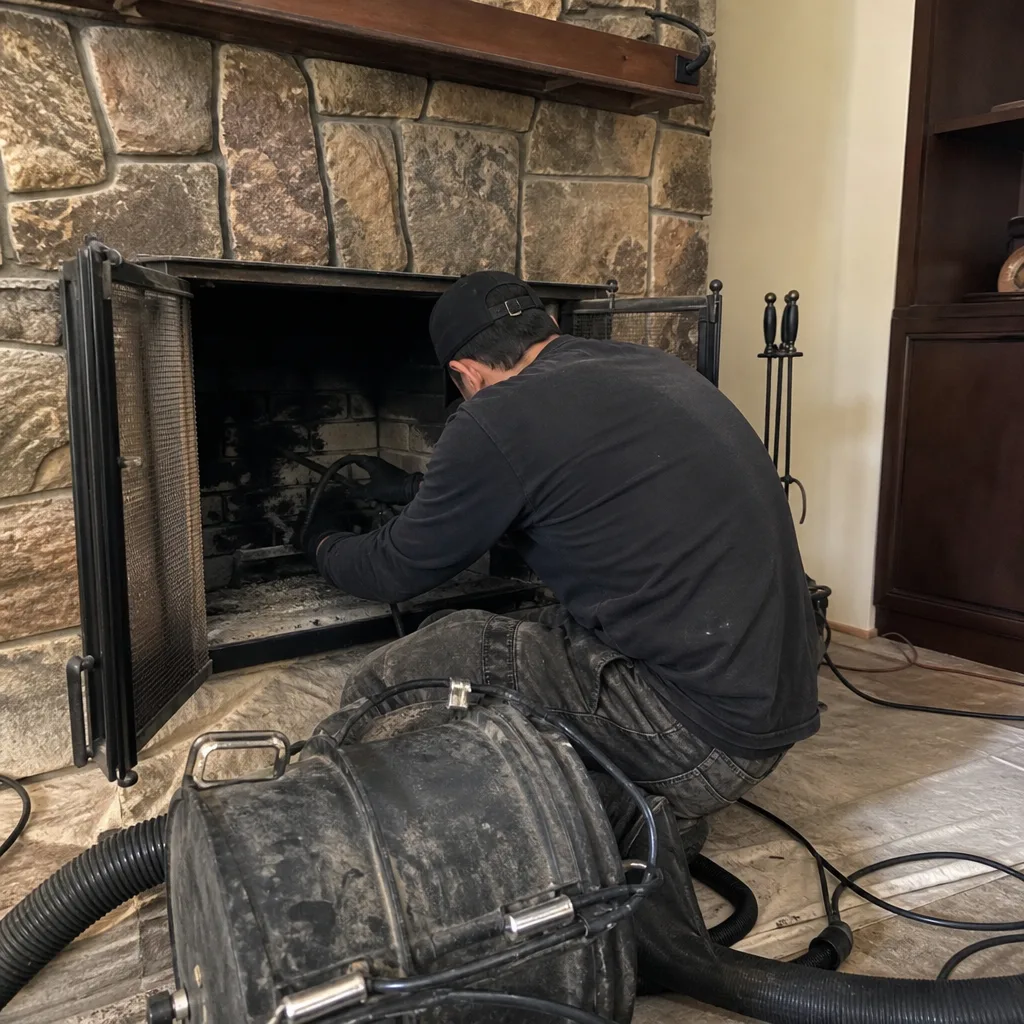 Before
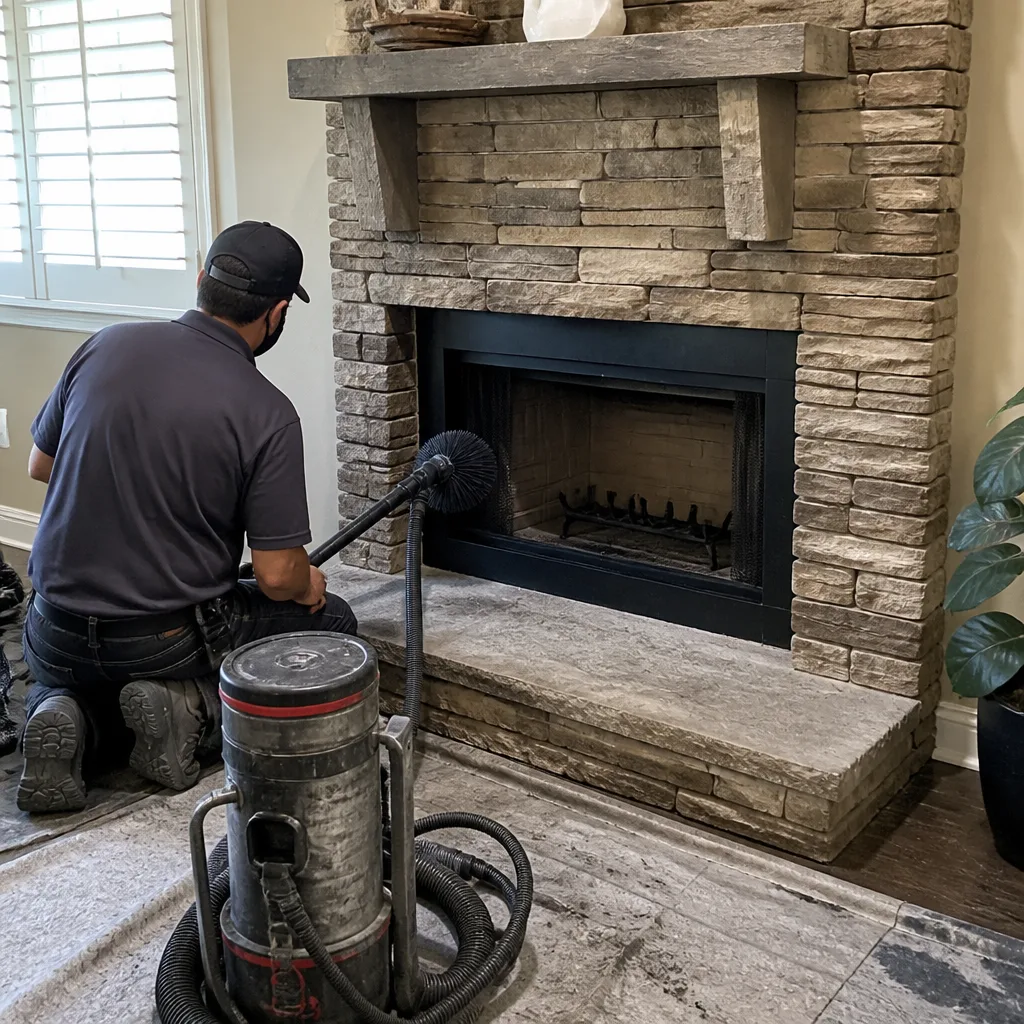 After
After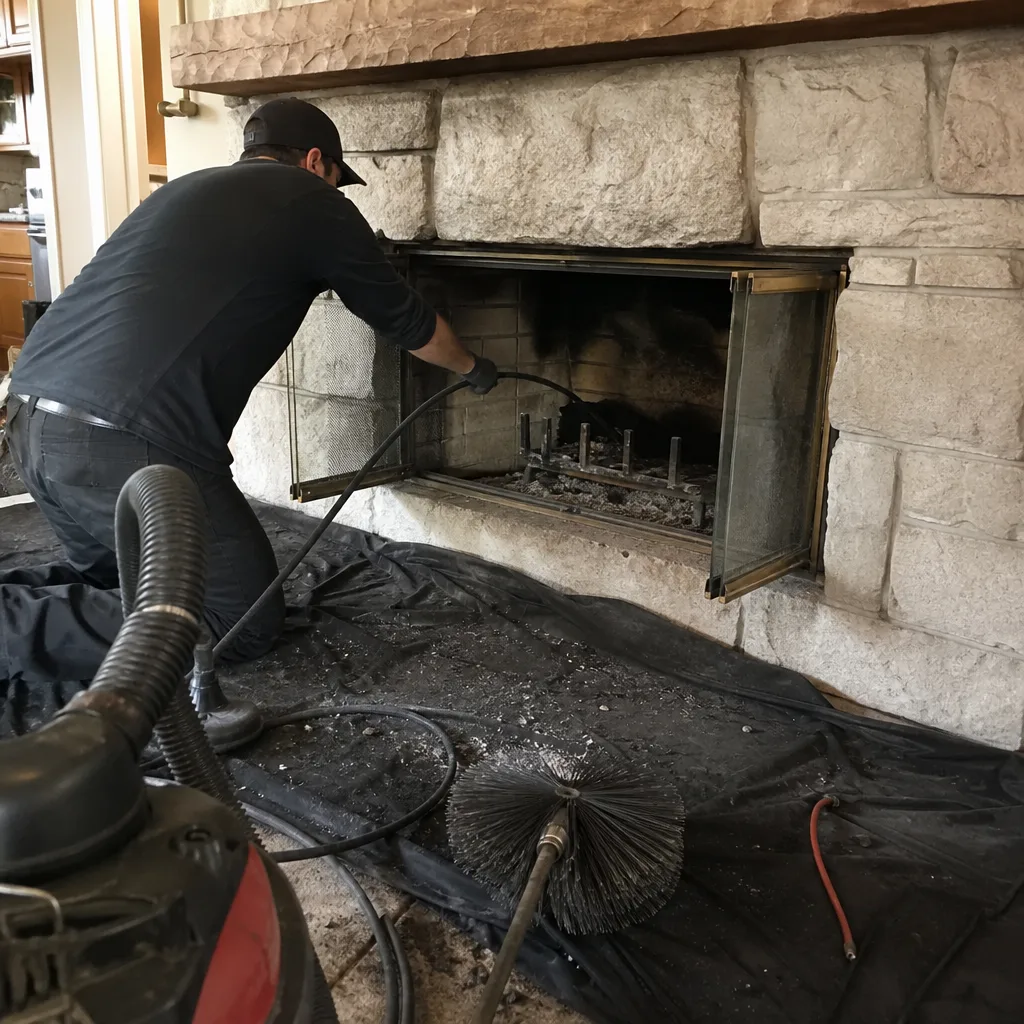 Before
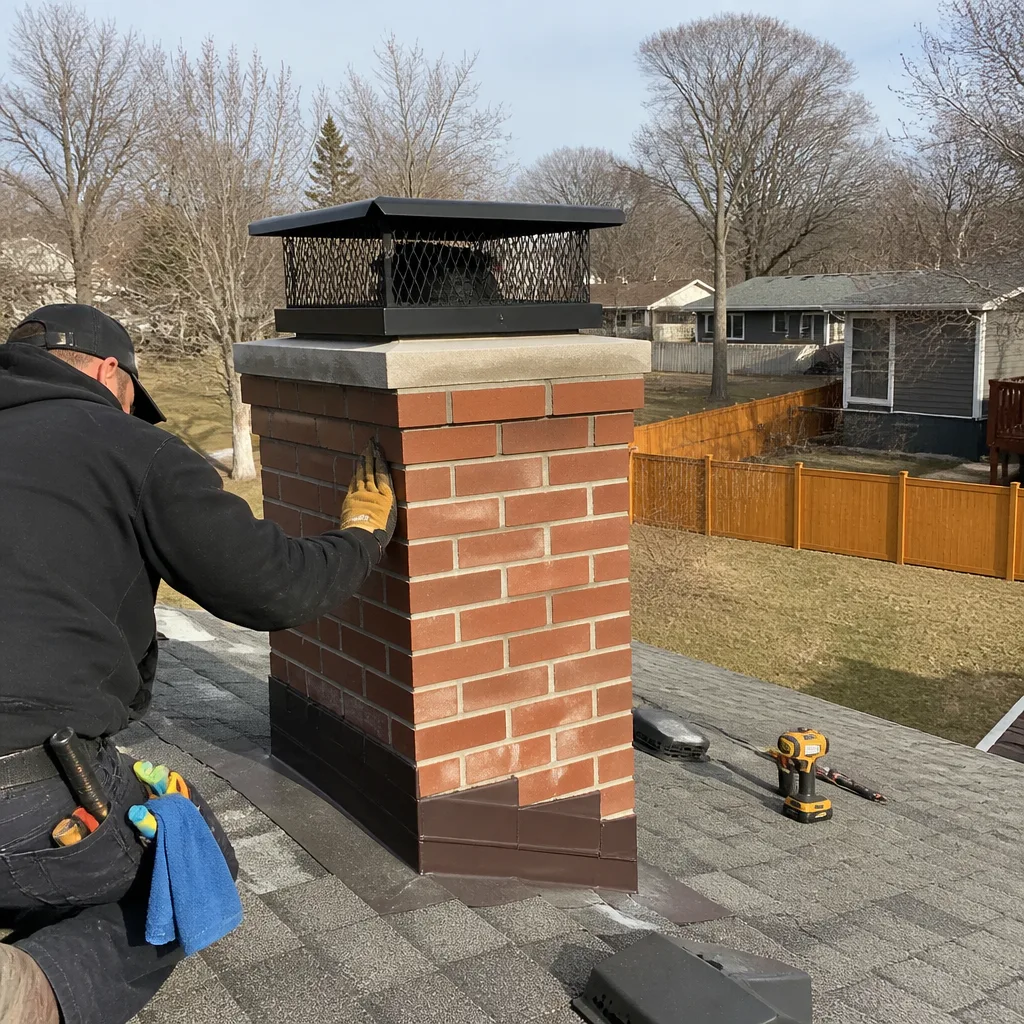 After
AfterChimney Cleaning Permits, Codes & Inspections in CO: What You Need to Know
Here’s something that surprises most Denver homeowners: you can clean your chimney without pulling a single permit, but you cannot reline it, rebuild the crown, or install a new cap without one. In our 38,000+ inspections since 2009, we’ve watched too many homeowners discover at closing, or worse, after a chimney fire, that their “complete” chimney service left no paper trail that insurers, buyers, or building officials would accept. This guide walks through exactly where Colorado law draws the line between routine maintenance and regulated construction, what documentation actually holds up, and how to read your home’s permit history before you need it. For more guides & resources on protecting your home, see our blog.
Quick Answer
Chimney cleaning and sweeping do not require a permit anywhere in Colorado. However, relining, crown rebuilds, structural repairs, and new appliance connections trigger permit requirements under the International Residential Code (IRC) and Denver municipal amendments. A documented NFPA 211 Level 2 inspection with photo evidence is required by most Colorado insurers for chimney-related claims and is standard practice for real estate transfers in Denver’s competitive market.
Table of Contents
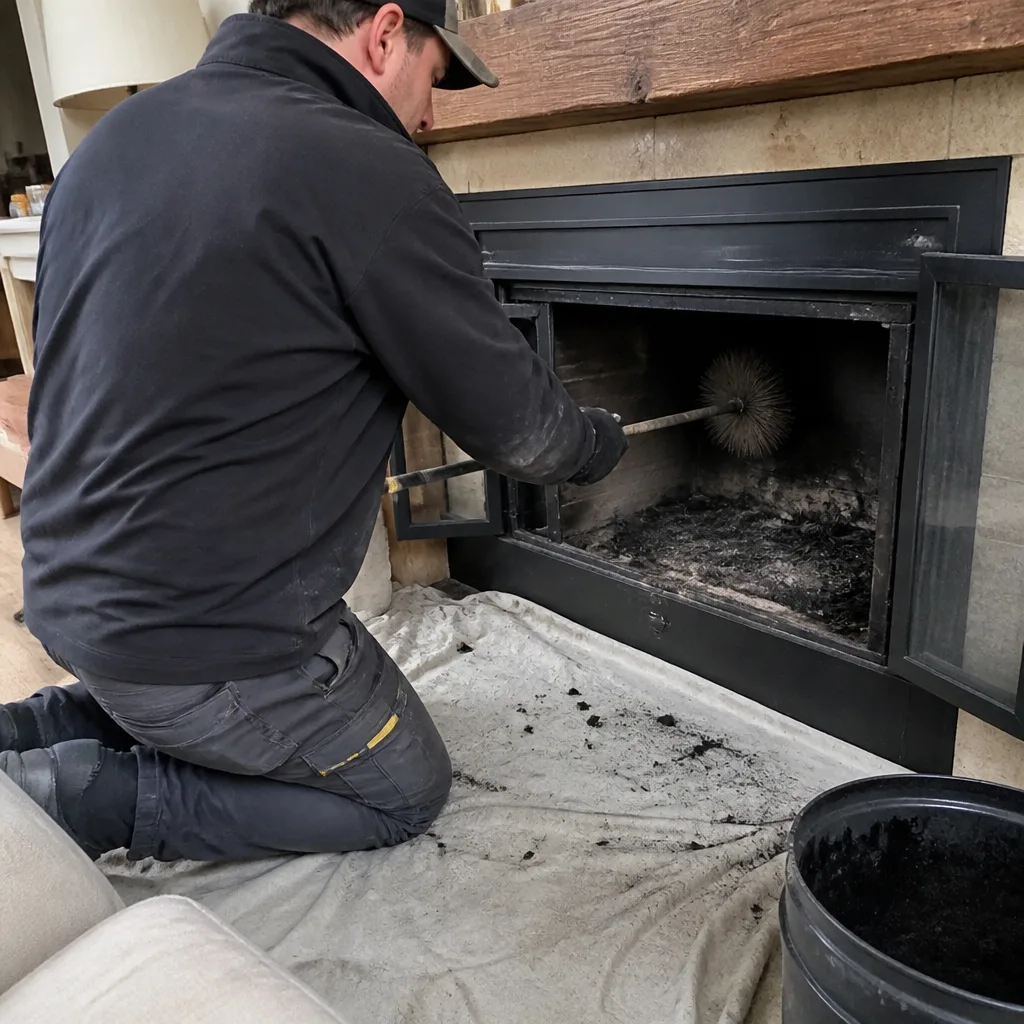
- Do You Need a Permit to Clean a Chimney in Colorado?
- What Chimney Work Triggers Permits Under Colorado Building Codes?
- What Is an NFPA 211 Level 2 Inspection and When Is It Legally Required?
- How to Read City Permit Records for Previous Chimney Work
- What Insurance Carriers in Colorado Require for Chimney Claims
- Code-Compliant Cleaning Records vs. ‘We Were There’ Service Tickets
- Denver-Specific Requirements and Climate Considerations
- Common Mistakes to Avoid
- When to Call a Professional
- Frequently Asked Questions
 Before
 After
AfterDo You Need a Permit to Clean a Chimney in Colorado?
No. Chimney cleaning, sweeping, and basic maintenance fall outside permit jurisdiction in every Colorado municipality we’ve worked in, including Denver, Aurora, Lakewood, Boulder, and Colorado Springs. The International Residential Code (IRC) Section R105.2 lists work exempt from permit requirements, and routine chimney cleaning, like routine HVAC filter changes or gutter clearing, sits firmly in that exempt category.
Where homeowners get confused, and where we’ve seen the most costly misunderstandings in Denver neighborhoods like Stapleton, Highlands, and Wash Park, is the line between cleaning and repair. When a sweep finds cracked flue tiles, deteriorated mortar joints, or a rusted-out smoke chamber, the recommended fix almost always crosses into permit territory. A cleaning company that performs that repair without permits creates liability for the homeowner and potentially voids insurance coverage.
Here’s the practical threshold we explain to every homeowner: if we’re only removing creosote, debris, and obstructions, no permit. If we’re opening the wall, altering the flue path, replacing liner sections, or modifying the appliance connection, we stop and pull permits before continuing. This isn’t bureaucratic caution. In 2019, we inspected a Park Hill home where a previous company had relined a chimney without permits; the buyer’s lender flagged it two days before closing, and the seller had to pay for a full re-inspection and permit retroaction that added $1,400 to an already expensive transaction.
The Chimney Cleaning & Sweep in Denver service we provide starts with this clarification because it prevents the most common dispute we see: a homeowner who thought “chimney service” included permit-compliant repairs, and a company who never mentioned permits because they weren’t planning to pull them.
What Chimney Work Triggers Permits Under Colorado Building Codes?
Colorado municipalities adopt the IRC with local amendments, and Denver’s amendments are among the most specific for chimney work. Here’s what triggers permitting in practice:
Permit-Required Work
- Flue relining: Installing a new stainless steel liner (DuraFlex), cast-in-place system (HeatShield), or rigid relining pipe constitutes mechanical work on a combustion venting system. Denver requires a mechanical permit and inspection.
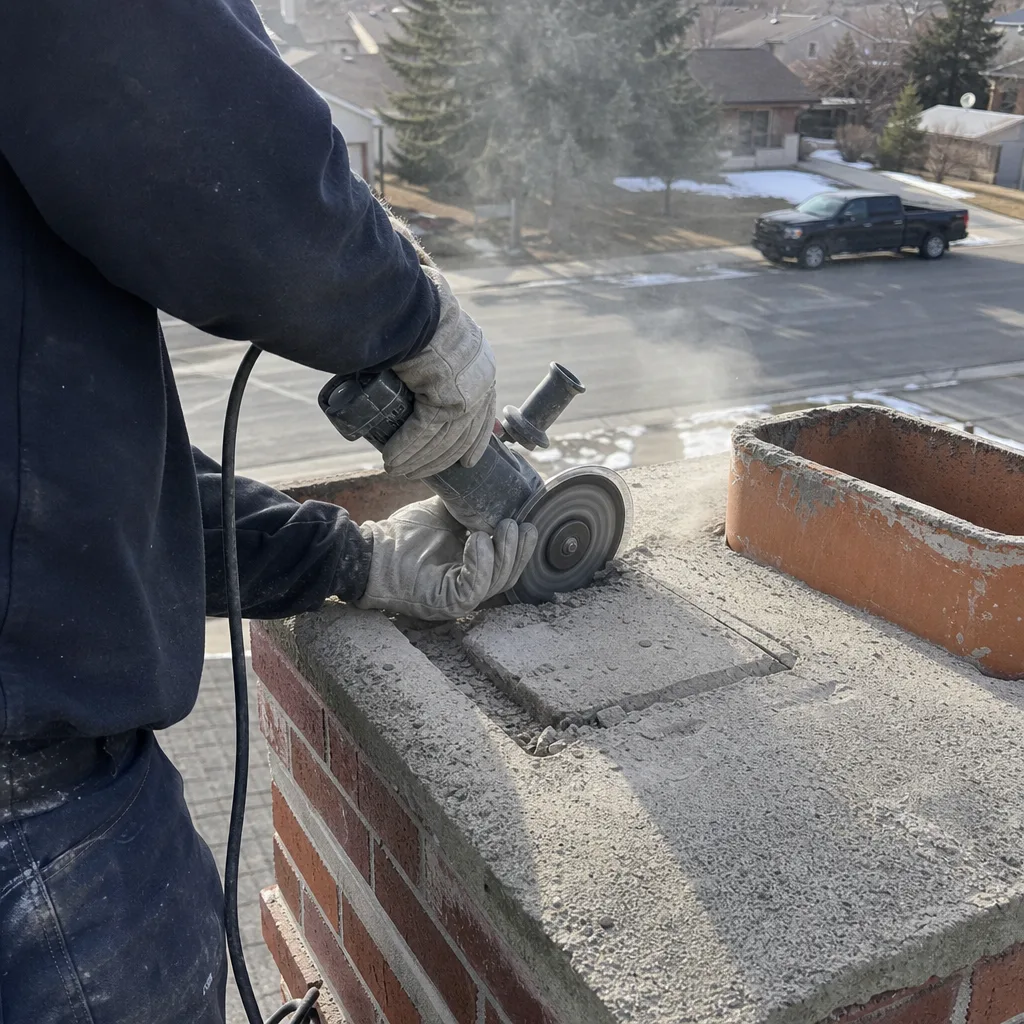
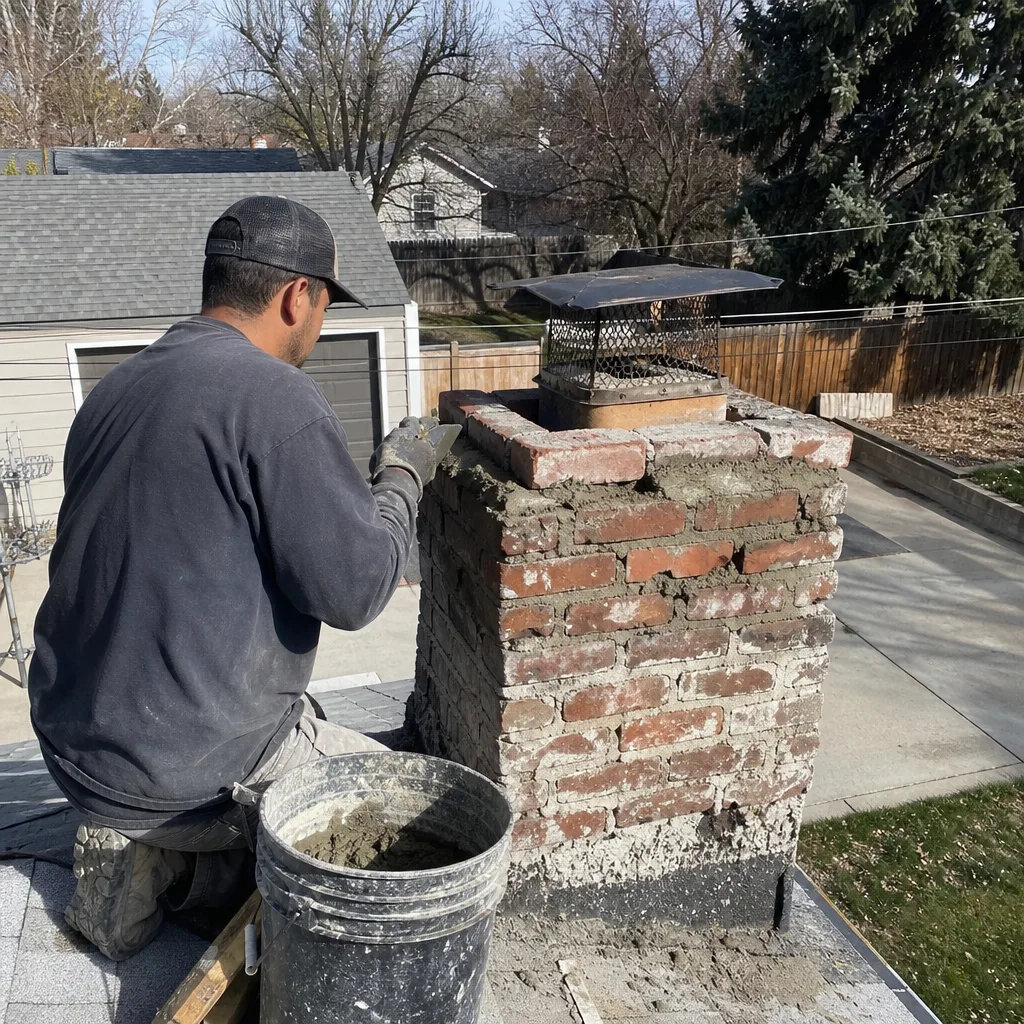
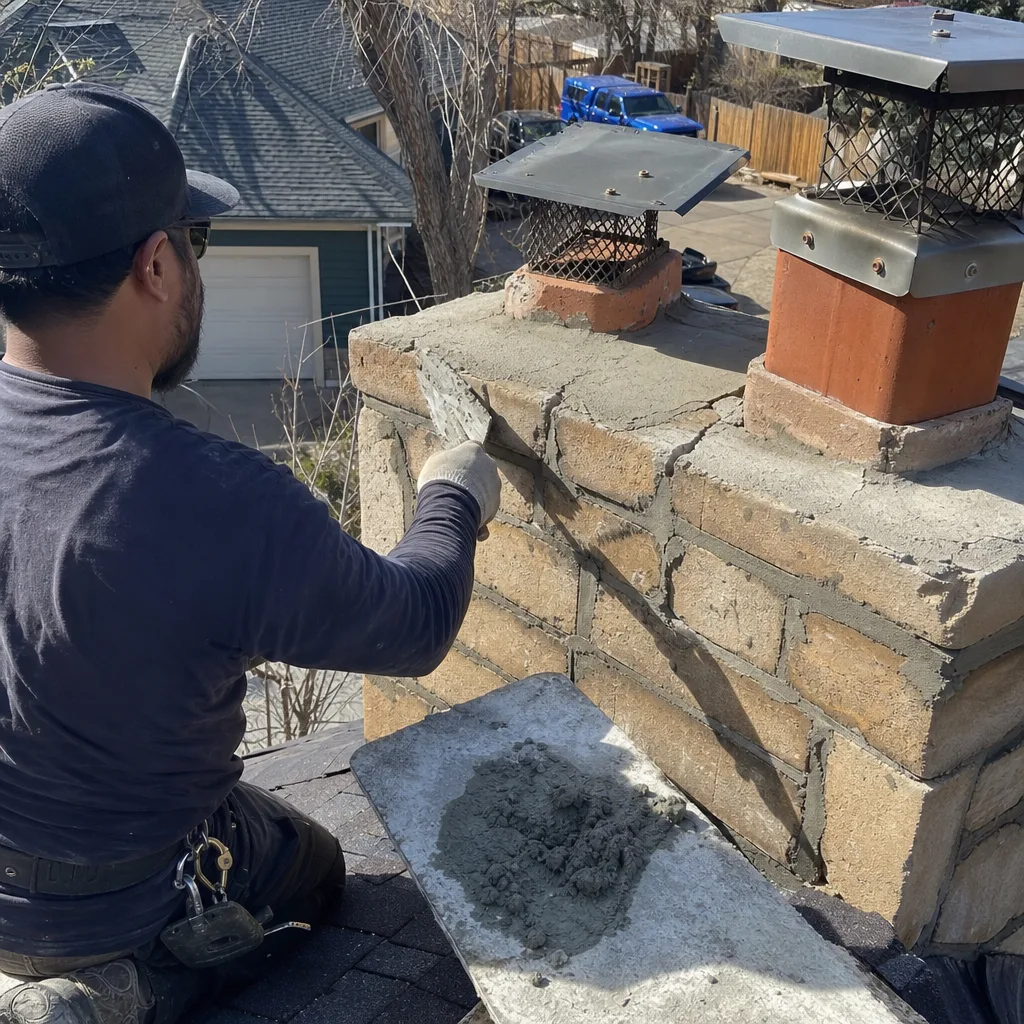
- Crown rebuild or replacement: Structural modification to the chimney termination. Denver building officials classify this as alteration work requiring a building permit.
- Smoke chamber parging: Resurfacing the smoke chamber with refractory material changes the fire safety characteristics and requires mechanical permit verification.
- Chimney cap installation with spark arrestor: In Denver’s wildland-urban interface zones, including parts of Cherry Creek and Glendale, this triggers both building and fire department review.
- Appliance changeout: Switching from wood to gas, or installing a new insert, requires mechanical and sometimes plumbing permits for gas line work.
- Structural repairs: Spalling brick replacement, tuckpointing beyond 25% of wall area, or foundation stabilization all require building permits.
Exempt Work (No Permit Required)
- Chimney sweeping and creosote removal
- Fireplace cleaning and damper adjustment
- Minor tuckpointing under 25% of wall area (varies by municipality)
- Chimney cap replacement of same type and dimensions (some jurisdictions; verify with Denver Community Planning and Development)
- Waterproofing sealant application
The permit cost itself is modest, typically $150-$400 for residential chimney work in Denver. The real cost is time: scheduling, plan review, and inspection windows add 3-10 business days. Companies that skip this step save that time and pass a superficial “savings” to the customer, but the homeowner owns the risk. We’ve reviewed competitor estimates where the scope clearly required permits and found no permit line item. That’s a red flag we flag in our Level Two Chimney Denver home consultations.
What Is an NFPA 211 Level 2 Inspection and When Is It Legally Required?
NFPA 211 is the National Fire Protection Association’s standard for chimneys, fireplaces, vents, and solid fuel-burning appliances. Within that standard, three inspection levels exist. Level 1 is visual, from accessible areas, with no tools. Level 2 adds camera-scan documentation of internal flue surfaces, accessible attics, crawl spaces, and basements. Level 3 involves demolition of building components and is rare in residential work.
Level Two Chimney Co. named itself after Level 2 because in 2009, we made it our default on every visit, years before insurers or regulators required it. That practice became Clause 4 of the Haven Standard: a documented photo record on every job, no exceptions.
When Level 2 Is Legally Required
- Real estate transfer: Colorado purchase contracts increasingly include chimney inspection contingencies. Denver’s hot market means buyers waive many contingencies, but lenders and insurers don’t. A Level 2 inspection with photo documentation satisfies the NFPA requirement and provides defensible evidence of pre-sale condition.
- After a chimney fire: IRC and NFPA 211 both mandate Level 2 inspection following any fire event before the chimney returns to service. Insurance adjusters in Colorado now routinely request the photo record.
- After modifications: New liner, new appliance, or structural alteration triggers Level 2 to verify proper installation and clearances.
- Change of fuel type: Wood to gas conversions require verification that the flue is appropriate for the new appliance’s venting characteristics.
- Annual inspection when system changes are suspected: Heavy use, weather events, or visible deterioration shift routine Level 1 to Level 2.
The regulatory language matters. NFPA 211 Section 14.2 states that Level 2 “shall include examination by video scanning or other means.” The word “shall” makes it mandatory, not optional, when the triggering conditions apply. A flashlight-and-mirror inspection does not satisfy this standard, and we’ve seen Denver insurance claims denied for exactly this deficiency.
In practice, a Level 2 inspection from our team includes: full camera scan of the flue from firebox to termination, 20-40 captured images of condition, measurements of liner integrity, creosote classification (Class I, II, or III), crown and cap assessment, clearance verification to combustibles where accessible, and a written report with findings, recommendations, and priced options. The customer receives this documentation before any work begins, per Haven Standard Clause 1.
How to Read City Permit Records for Previous Chimney Work
Every homeowner should know how to check their property’s permit history. In Denver, it’s free and takes ten minutes. Here’s how:
- Access Denver’s permit database: Go to denvergov.org and search “property records” or visit the Community Planning and Development office at 201 W. Colfax Avenue.
- Enter your address: The system returns all permits pulled on the property, typically back to the 1990s.
- Filter for relevant trades: Look for permit types labeled “Mechanical,” “Building,” or “Fire.” Chimney-specific permits often appear under mechanical for liner work or building for structural repairs.
- Check permit status: Each permit shows as Issued, In Progress, Inspected, or Closed/Completed. A permit that shows “Issued” but never “Closed” means final inspection never occurred. This is surprisingly common and problematic for sales and insurance.
- Review contractor information: The permit lists the licensed contractor who pulled it. Cross-reference this with who you hired. If they don’t match, someone may have pulled permits under another company’s license, a practice that creates liability gaps.
- Request inspection records: For closed permits, you can request the inspection notes. These show what the city inspector verified and any corrections required.
We’ve found open permits on homes in Berkeley, Sunnyside, and Montclair where homeowners believed work was complete. In one 1920s bungalow in Congress Park, a $6,000 relining job from 2017 still showed “Issued” status because the contractor never called for final inspection. The homeowner discovered this during refinancing, five years later. The original contractor was out of business. We helped the homeowner navigate permit closure, but it delayed closing by three weeks.
Red flags in permit records: permits pulled by companies you’ve never heard of (possible license borrowing), mechanical permits with no corresponding inspection, and building permits for “chimney repair” with vague scope descriptions. If you’re buying in Denver, request the seller’s permit history specifically for chimney work. Most real estate agents won’t think to check this unless asked.
What Insurance Carriers in Colorado Require for Chimney Claims
Colorado’s insurance market has hardened significantly since the 2020 and 2021 fire seasons. Carriers writing policies in Denver, Boulder, and mountain communities now scrutinize chimney-related claims with documentation requirements that didn’t exist five years ago.
Here’s what we’re seeing in practice:
- Pre-loss condition documentation: State Farm, Farmers, and several regional carriers now request inspection records from the 12-24 months preceding a claim. A service ticket with “chimney cleaned” and a date stamp doesn’t qualify. They want the inspection classification (Level 1 or 2), findings, and photo evidence of flue condition.
- Post-fire inspection mandate: After any chimney fire, insurers require NFPA 211 Level 2 inspection before authorizing repair funds. Some policies now include this as an explicit condition.
- Wood-burning surcharge documentation: Carriers adding wood-burning surcharges or requiring separate riders want proof of annual inspection and cleaning. The documentation must show who performed the work, their credentials, and what was found.
- New purchase verification: First-time homebuyer policies increasingly require chimney inspection as part of the property condition assessment, especially in Denver’s older neighborhoods with pre-1950 construction.
The documentation gap hurts homeowners at the worst moment. We’ve consulted on claims where a homeowner had cleaned their chimney annually for a decade but had only date-stamped invoices. No classification, no findings, no photos. The adjuster denied the claim for lack of evidence that proper maintenance occurred. The homeowner paid $4,200 out of pocket for fire damage that should have been covered.
Our response, built into Haven Standard Clause 4, is to provide every customer with: inspection classification stated explicitly, dated photo record with technician identification, written findings with technical terminology defined, recommended actions with prices, and completed work documentation with warranty terms. This is the record that satisfies Colorado insurance requirements in every claim we’ve supported.
Code-Compliant Cleaning Records vs. ‘We Were There’ Service Tickets
The difference between these two documents is the difference between evidence and assumption. Here’s what each contains:
“We Were There” Service Ticket (Inadequate)
- Company name and date
- Service performed: “Chimney sweep”
- Amount charged
- Technician initials or number
This tells you someone visited. It tells you nothing about what they found, what condition your chimney was in, or whether any hazard existed.
Code-Compliant Cleaning Record (Defensible)
- Company name, license information, technician name, and date
- Inspection classification: NFPA 211 Level 1 or Level 2
- Appliance and flue identification (manufacturer, model, dimensions)
- Creosote classification and thickness measurements
- Obstruction findings
- Liner condition assessment with photo documentation
- Crown, cap, and flashing condition
- Clearance observations where accessible
- Recommendations with code references
- Customer signature acknowledging receipt
At closing, this record proves the chimney was maintained to standard. After a fire, it proves pre-loss condition. For insurance, it satisfies documentation requirements. For your own safety planning, it creates a baseline for year-over-year comparison.
We’ve been providing this documentation since 2009. Not because regulators required it, but because Corrine Halstead believed homeowners deserved to see what we saw. That practice, maintained across 38,000+ jobs, became the foundation of the Haven Standard.
Denver-Specific Requirements and Climate Considerations
Denver’s combination of altitude, freeze-thaw cycles, and dense urban housing stock creates chimney conditions that differ from coastal or southern markets. These factors affect both code interpretation and maintenance timing.
Altitude and combustion: At 5,280 feet, Denver’s thinner air affects draft and appliance efficiency. The IRC includes altitude adjustment factors, but many installers from lower-elevation markets miss them. We’ve found improperly sized flues in newer Stapleton and Central Park construction where builders applied sea-level specifications. A Level 2 inspection catches this; a cleaning-only visit doesn’t.
Freeze-thaw masonry damage: Denver’s 100+ freeze-thaw cycles annually accelerate spalling and mortar deterioration. The city’s older brick, especially in Capitol Hill, Five Points, and Baker, was often fired at lower temperatures than modern brick and absorbs more moisture. We regularly document crown cracks and shoulder deterioration that started as minor water intrusion and became structural issues within two winters. Annual Level 2 inspection in these neighborhoods isn’t conservative; it’s cost-effective.
Denver’s wildland-urban interface: Properties near the foothills, including parts of Golden Triangle, Glendale, and areas west of I-25, fall under enhanced fire code requirements. Spark arrestor specifications, cap mesh sizing, and clearance to vegetation are enforced more strictly. We’ve seen homeowners cited during brush fire season for non-compliant caps that passed inspection in other jurisdictions.
Historic district considerations: Denver’s designated historic districts, including portions of LoHi, Curtis Park, and Country Club, require Landmark Preservation review for visible chimney modifications. A crown rebuild that changes material or profile may need design review, adding 2-4 weeks to permitting. We coordinate this review as part of our Chimney Repair in Denver service when properties fall under Landmark jurisdiction.
Air quality regulations: Denver’s winter wood-burning restrictions, enforced by the Regional Air Quality Council, prohibit uncertified wood-burning on designated Action Days. While this doesn’t directly affect chimney permits, it affects appliance legality and insurance considerations. We note appliance certification status in every inspection record because it affects both regulatory compliance and potential liability.
Common Mistakes to Avoid
- Hiring based on lowest sweep price without verifying inspection classification: A $99 sweep with no camera documentation saves money today and costs thousands at closing or after a fire. In Denver’s competitive market, we’ve seen this mistake most often in first-time buyers in Berkeley and Sunnyside.
- Assuming previous owner permits transferred correctly: Permits run with the property, not the owner, but open permits create title issues. Verify closure before you need to sell or refinance.
- Accepting verbal scope without written price: Haven Standard Clause 1 exists because we’ve cleaned up after too many jobs where “it’ll be around this much” became double at invoice. Written price, written scope, written warranty, before work starts.
- Ignoring Class III creosote warnings: This hardened, tar-like deposit is common in Denver’s cold-start fireplaces and cannot be removed by standard sweeping. It requires chemical treatment or mechanical removal. Companies that note it but don’t document it with photos leave you without evidence if a fire occurs later.
- Permitting the cleaning but not the repair: Some homeowners understandably want to save on permit costs and ask us to “just clean it, we’ll handle permits later.” If we find conditions requiring repair, we stop and explain: continuing without permits voids our insurance, our warranty, and potentially yours. The permit is not optional for regulated work.
- Discarding old inspection records: Keep chimney documentation with your permanent home records. We’ve testified in disputes where a 2017 inspection record resolved a 2023 insurance question. Digital copies are fine; absence is not.
When to Call a Professional
Call when you notice any of these: visible cracks in the crown or brickwork, white efflorescence staining on exterior chimney surfaces, smoke backup into the room, a persistent creosote odor even when the fireplace isn’t in use, or it’s been more than 12 months since your last documented inspection. In Denver’s climate, these signs progress faster than in milder regions. See our Chimney Cleaning Warning Signs: A Denver Homeowner’s Reference Guide for a full checklist.
Level Two Chimney Denver offers free estimates in Denver. Every estimate includes a written price, written scope, and written warranty before any work begins, backed by our 365-Day Done Right Promise. Call (720) 674-7312 to schedule. Our live phone support runs 24 hours a day, 7 days a week, and you’ll receive a text when your background-checked, uniformed technician is en route with license information and name.
Frequently Asked Questions
A professional chimney sweep in Denver typically ranges from $199 to $349 for a standard NFPA 211 Level 1 or Level 2 inspection with cleaning, depending on appliance type, accessibility, and creosote accumulation. Level Two Chimney Denver provides a written price before any work starts, with no hidden fees. Call (720) 674-7312 for an exact quote - estimates are free.
You need a new liner when inspection reveals cracks, gaps, or deterioration that compromise the flue’s ability to contain combustion byproducts, or when you’re changing fuel types or appliances. We never recommend liner replacement without camera documentation you can review yourself. In many Denver homes built before 1960, we’ve found clay tile liners that are sound for continued use with proper maintenance. In others, particularly after chimney fires or with converted gas appliances, replacement is necessary for safety and code compliance. Call (720) 674-7312 for a free second opinion on any written estimate.
NFPA 211 recommends annual inspection for all chimney systems, with cleaning frequency determined by use and fuel type. Our Chimney Cleaning & Sweep Maintenance Checklist for Denver Homeowners breaks down what to schedule and when. In Denver’s dry climate with frequent cold starts, wood-burning systems often accumulate creosote faster than in humid regions. Most of our Denver customers with active wood fireplaces benefit from annual sweeping. Gas systems typically require less frequent cleaning but still need annual inspection for venting integrity, debris obstruction, and appliance condition. The inspection determines whether cleaning is needed; we don’t sell cleaning to systems that don’t require it.
Skipped maintenance leads to creosote accumulation, which increases chimney fire risk, and undetected liner deterioration, which can allow carbon monoxide intrusion or structural fire spread. In Denver’s freeze-thaw climate, minor crown cracks become major water intrusion points within one to two seasons, often requiring rebuilds that cost 10-20 times more than preventive maintenance. Insurance claims for chimney-related damage are increasingly denied when documentation of proper maintenance is absent. The cost of annual inspection and cleaning is minor compared to these outcomes. Call (720) 674-7312 to schedule before burning season.
Chimney cleaning without proper equipment and training carries significant safety risks, including roof falls, improper creosote removal that leaves hazardous deposits, and failure to detect hidden liner damage or clearance violations. For these reasons, we recommend professional service for all chimney maintenance. If you choose to perform basic fireplace cleaning yourself, never attempt flue access without proper ladders, harnesses, and respiratory protection. The camera inspection that reveals actual flue condition requires specialized equipment and training that homeowners should not attempt to replicate.
A building permit, issued by Denver Community Planning and Development, authorizes construction work and triggers scheduled inspections to verify code compliance. A fire department inspection, conducted by Denver Fire Prevention, verifies operational safety and may be triggered by permit completion, complaint, or random enforcement in multi-family or commercial properties. For residential chimney work, building permits are the primary regulatory pathway, with fire department involvement mainly for wildland-urban interface requirements or post-incident verification. Your contractor should coordinate both when required; we handle this coordination for all permitted work we perform.
The Bottom Line
Chimney cleaning itself is unregulated in Colorado, and that’s precisely why the documentation surrounding it matters so much. The repairs discovered during cleaning, the inspections that precede real estate transactions, and the records that satisfy insurance requirements all exist in a regulatory framework that many homeowners, and some service providers, don’t fully understand. The key takeaways: verify permit status for any past chimney work on your property, demand NFPA 211 Level 2 inspection with photo documentation, never accept repair work without written price and scope, and keep your records as permanent home documents. For deeper context, read The Complete Guide to Chimney Cleaning in Denver. In Denver’s climate and housing market, these practices aren’t excessive; they’re the minimum for protecting your investment and safety.
Written by Corrine Halstead, Owner at Level Two Chimney Denver, serving Denver since 2009.