
Last updated September 22, 2026
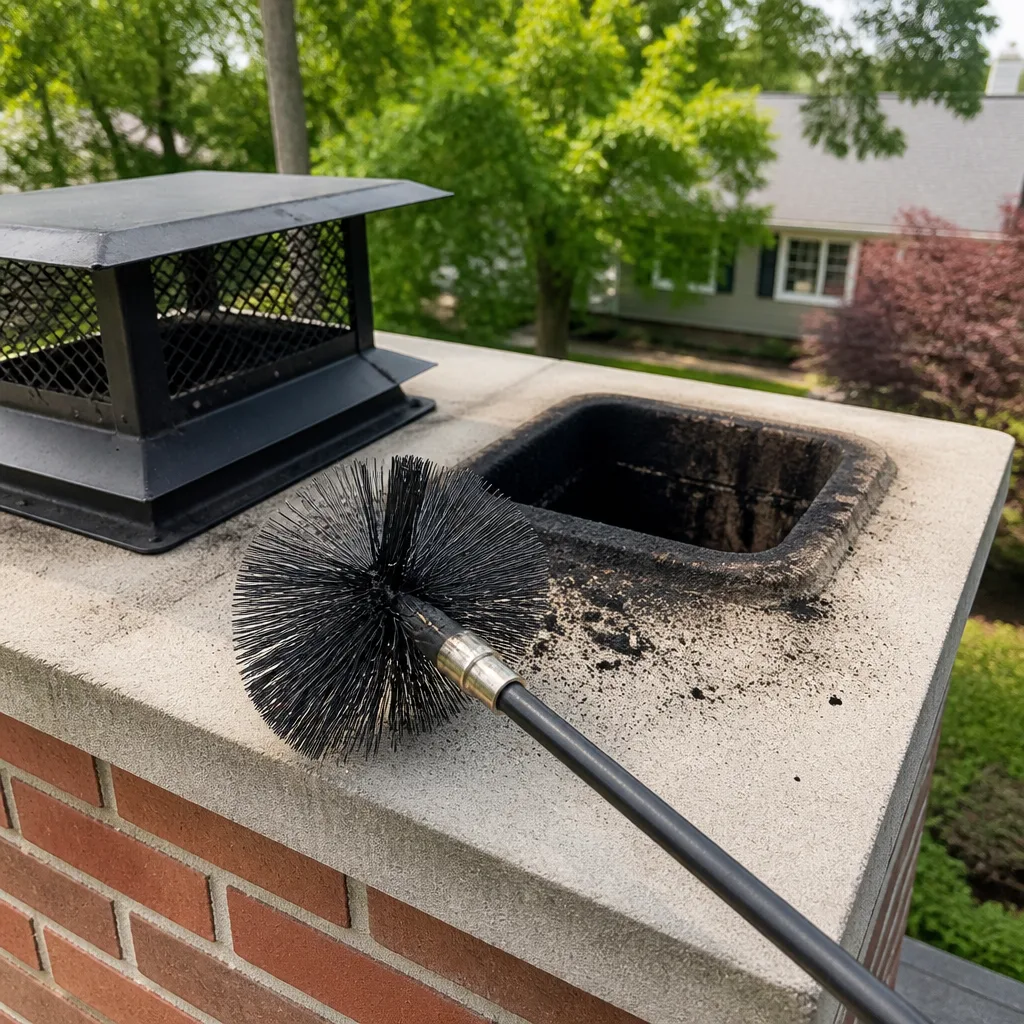
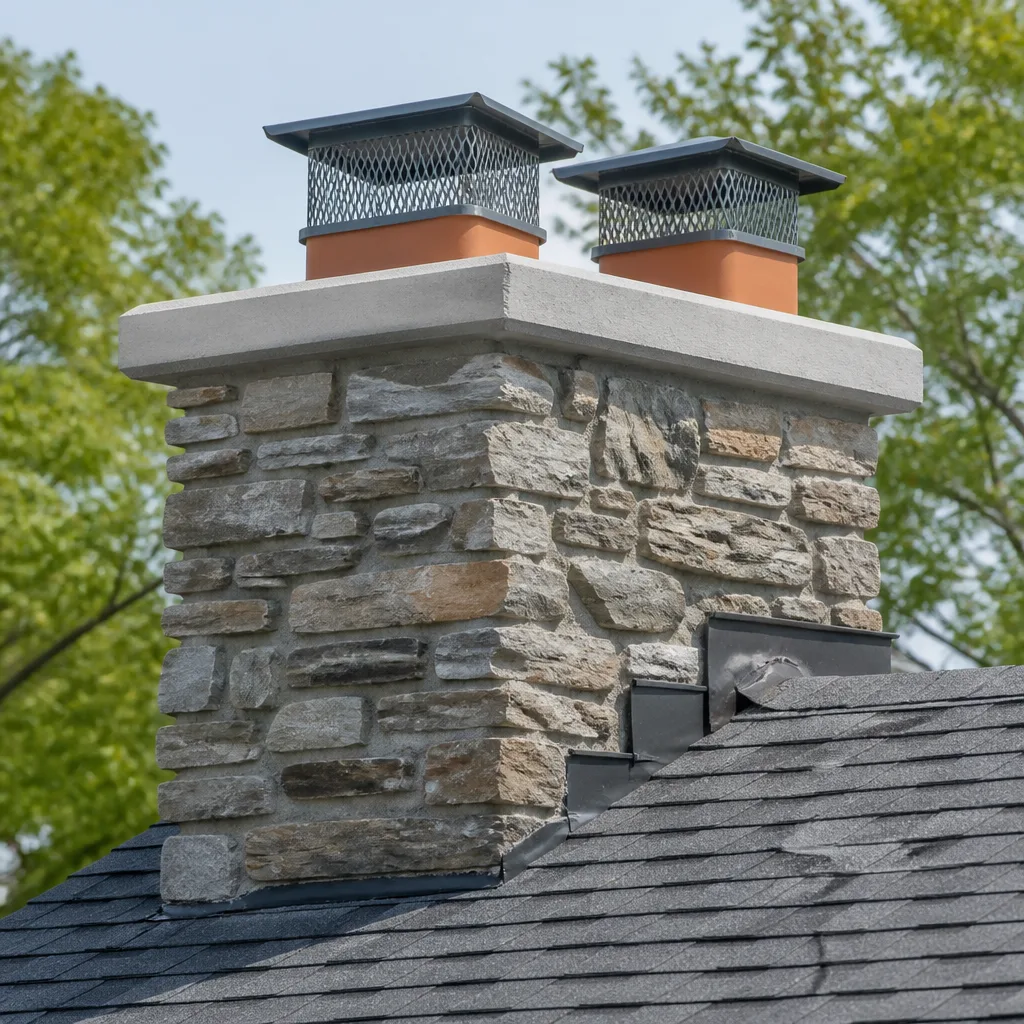
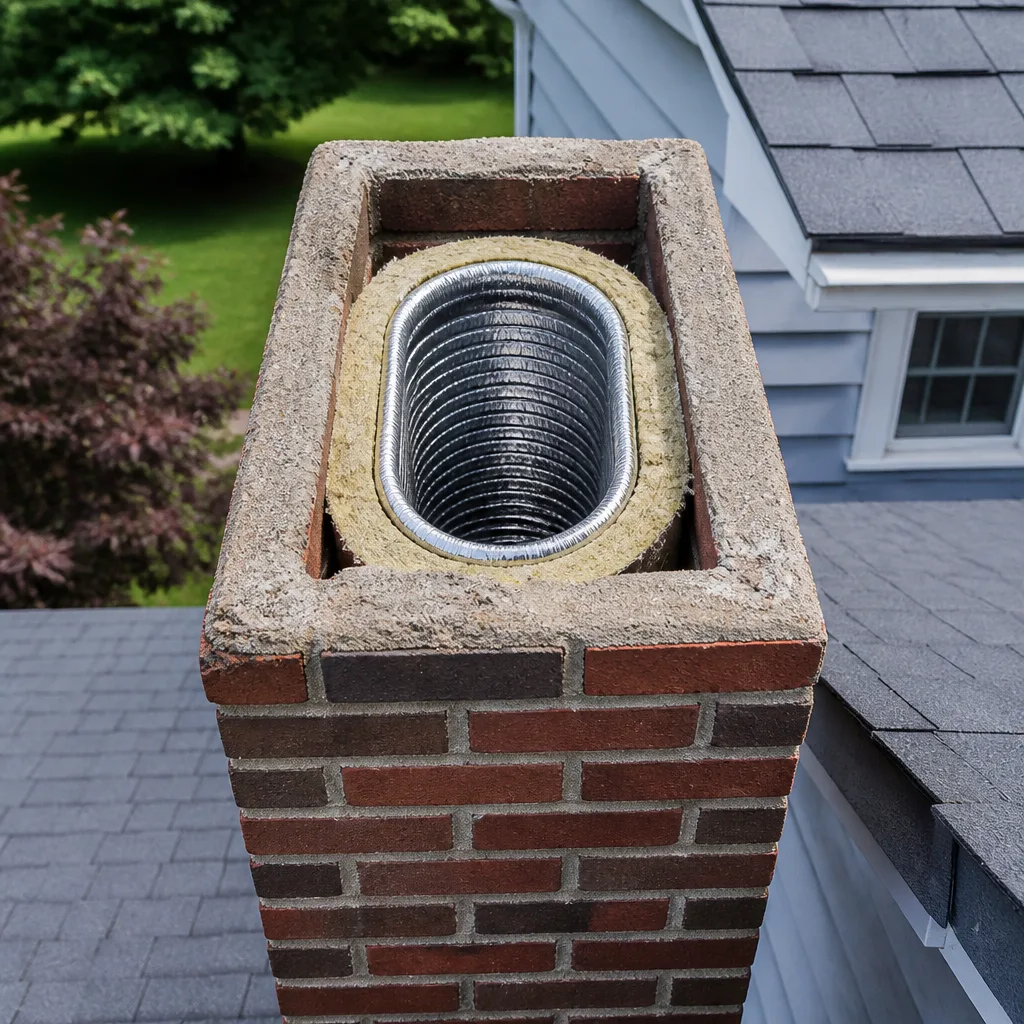
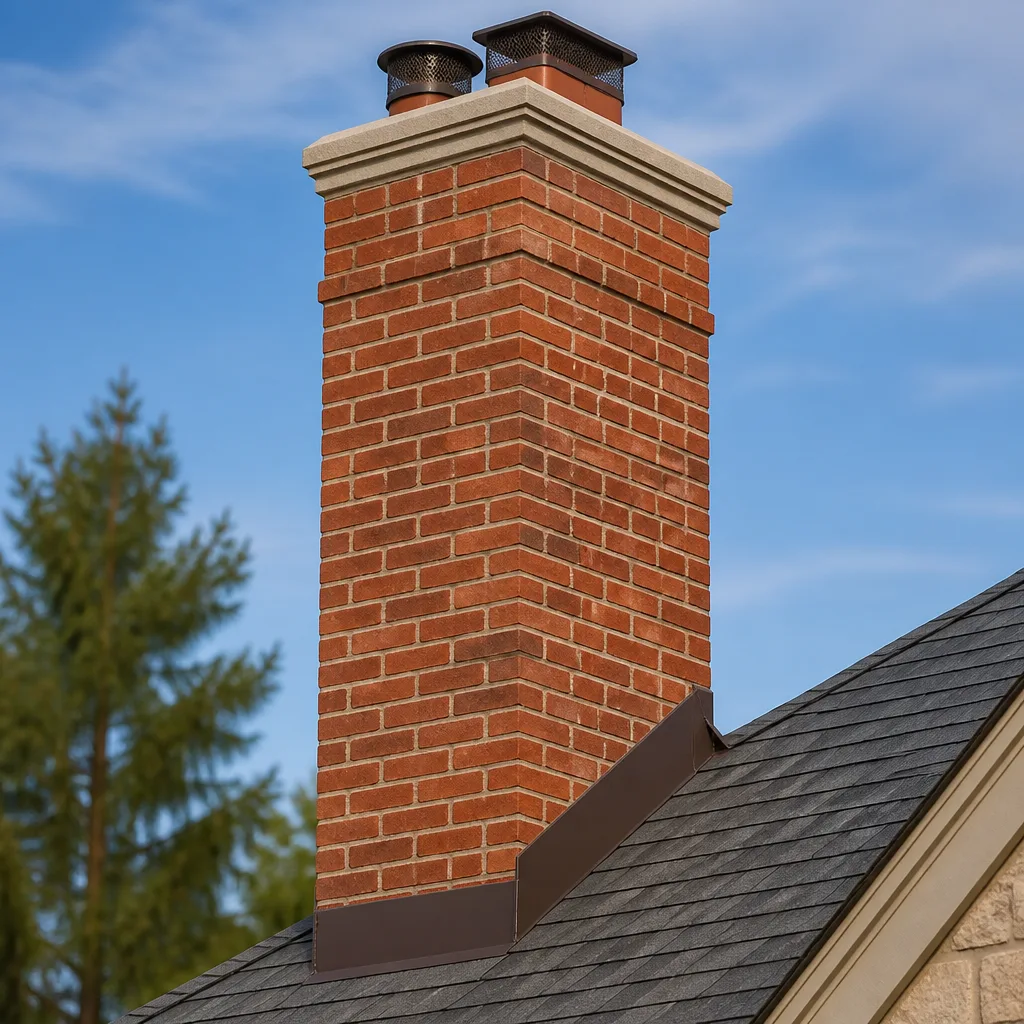
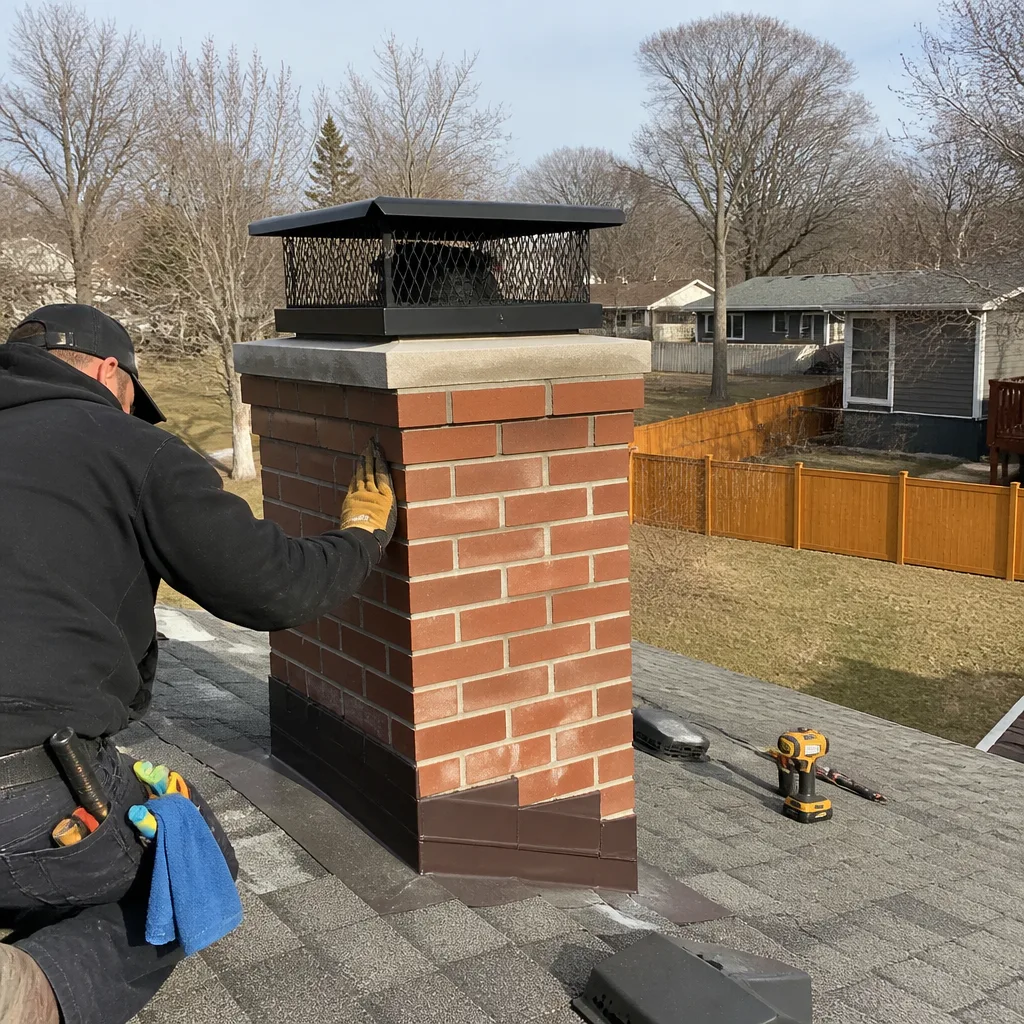
Level 1 sweep and inspection to the NFPA 211 annual standard - flue, crown, cap, and flashing checked and photographed
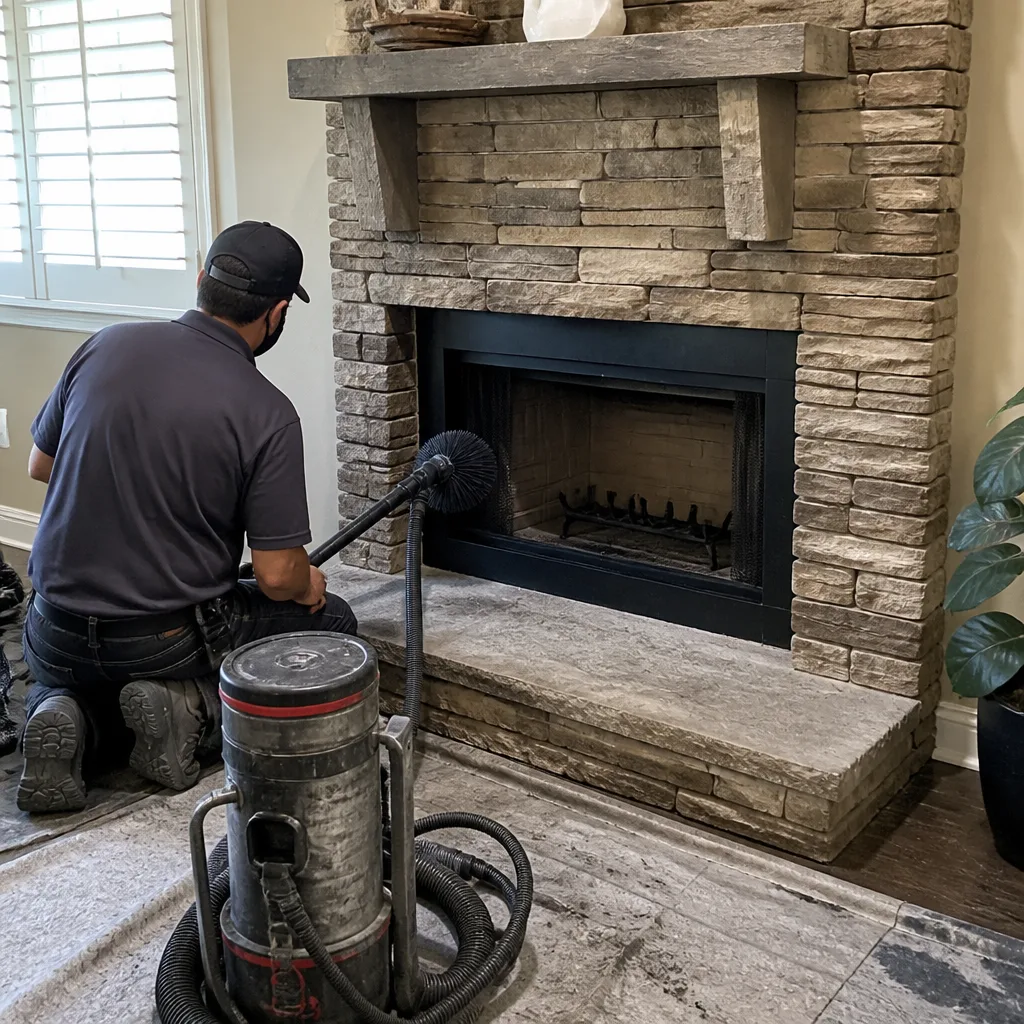
Chimney sweep logs do not sweep chimneys. They loosen some creosote - which then falls where a brush and vacuum still have to collect it.
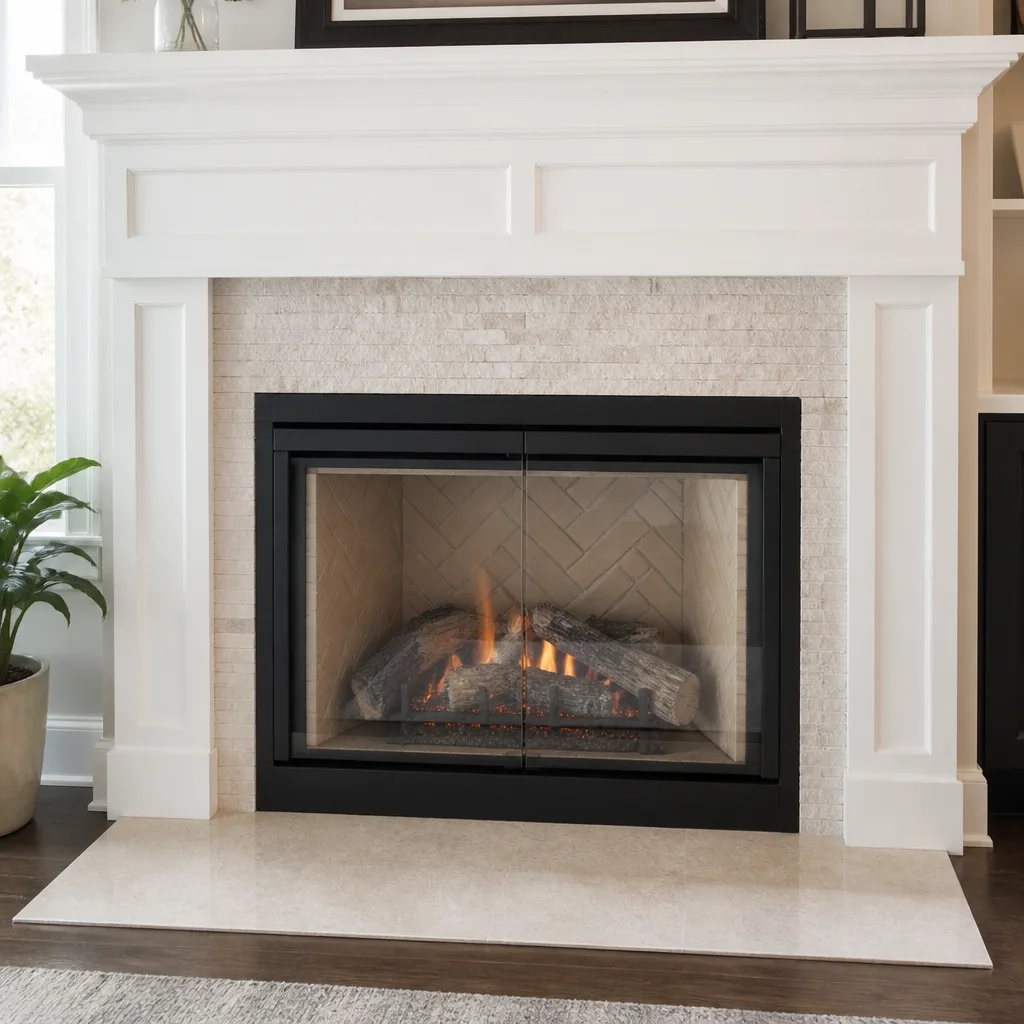
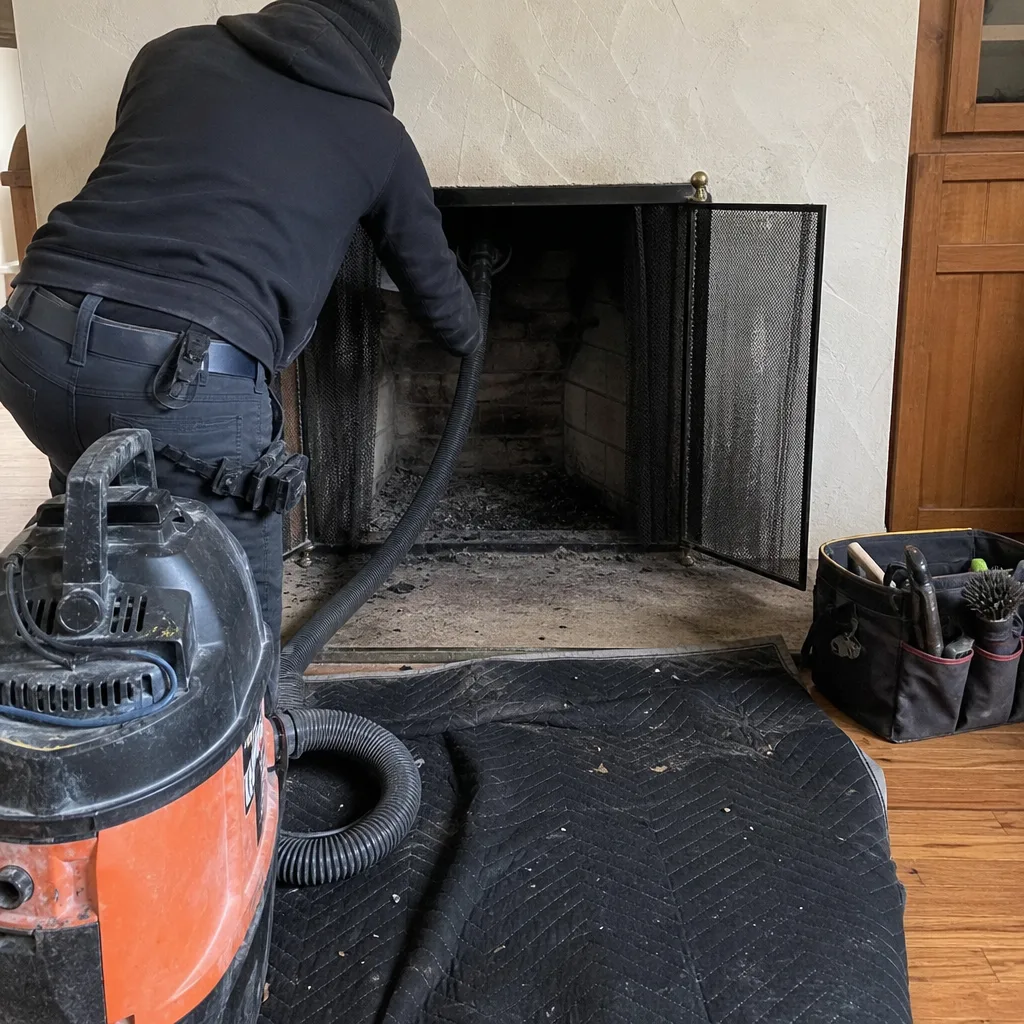 Before
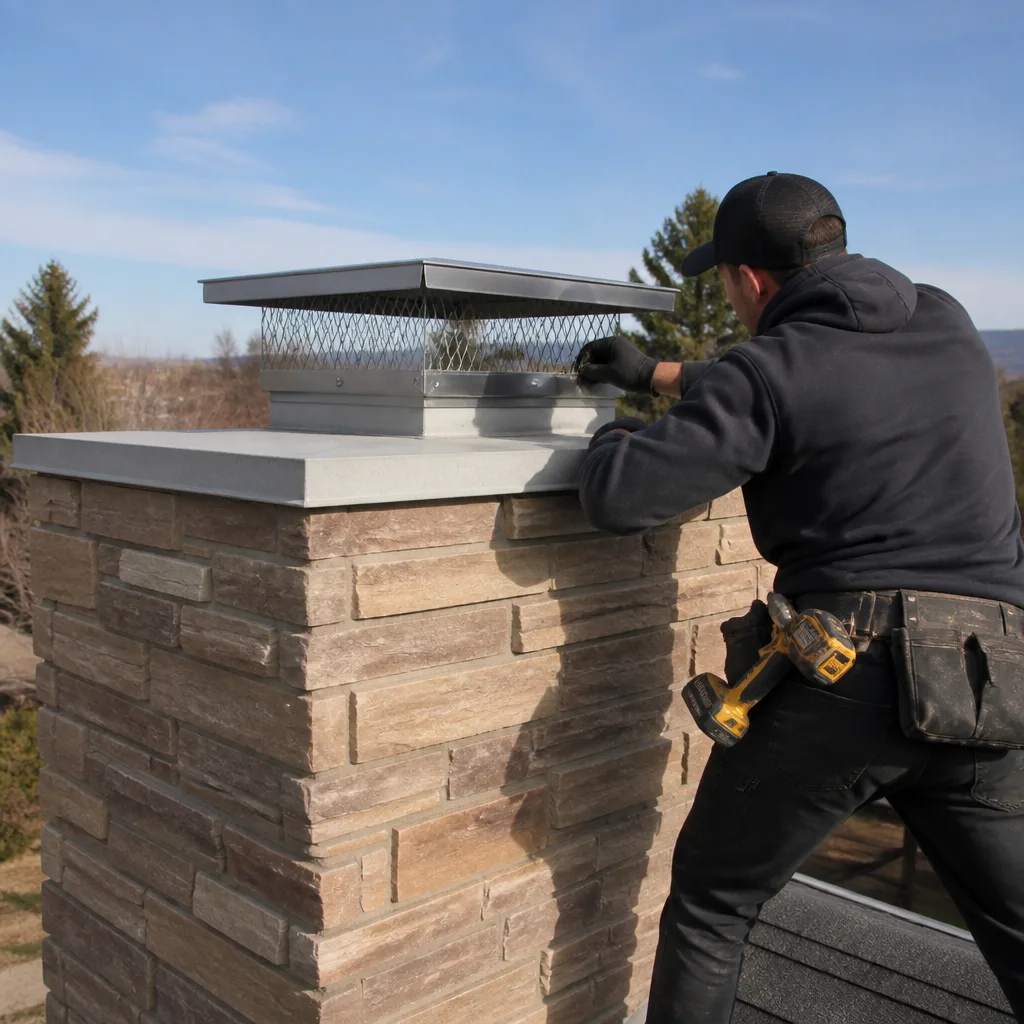 After
After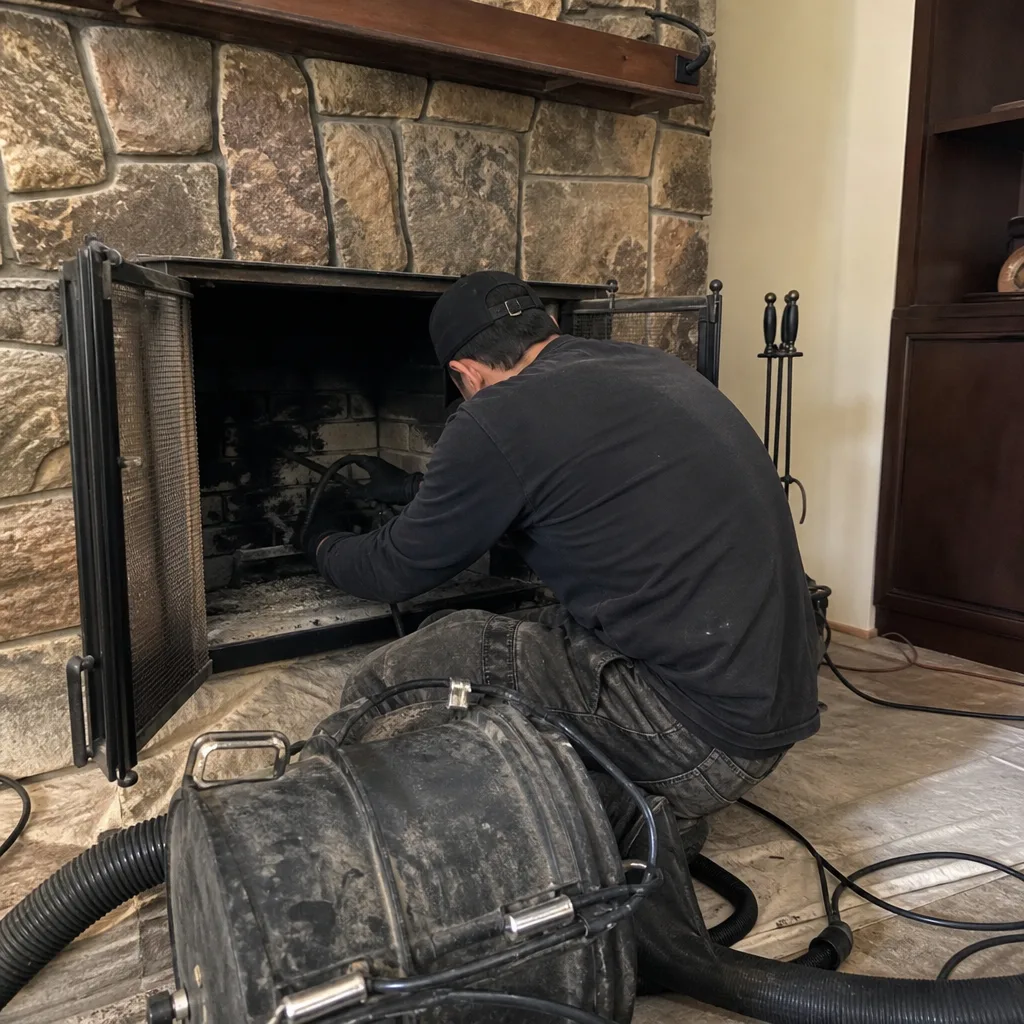 Before
 After
After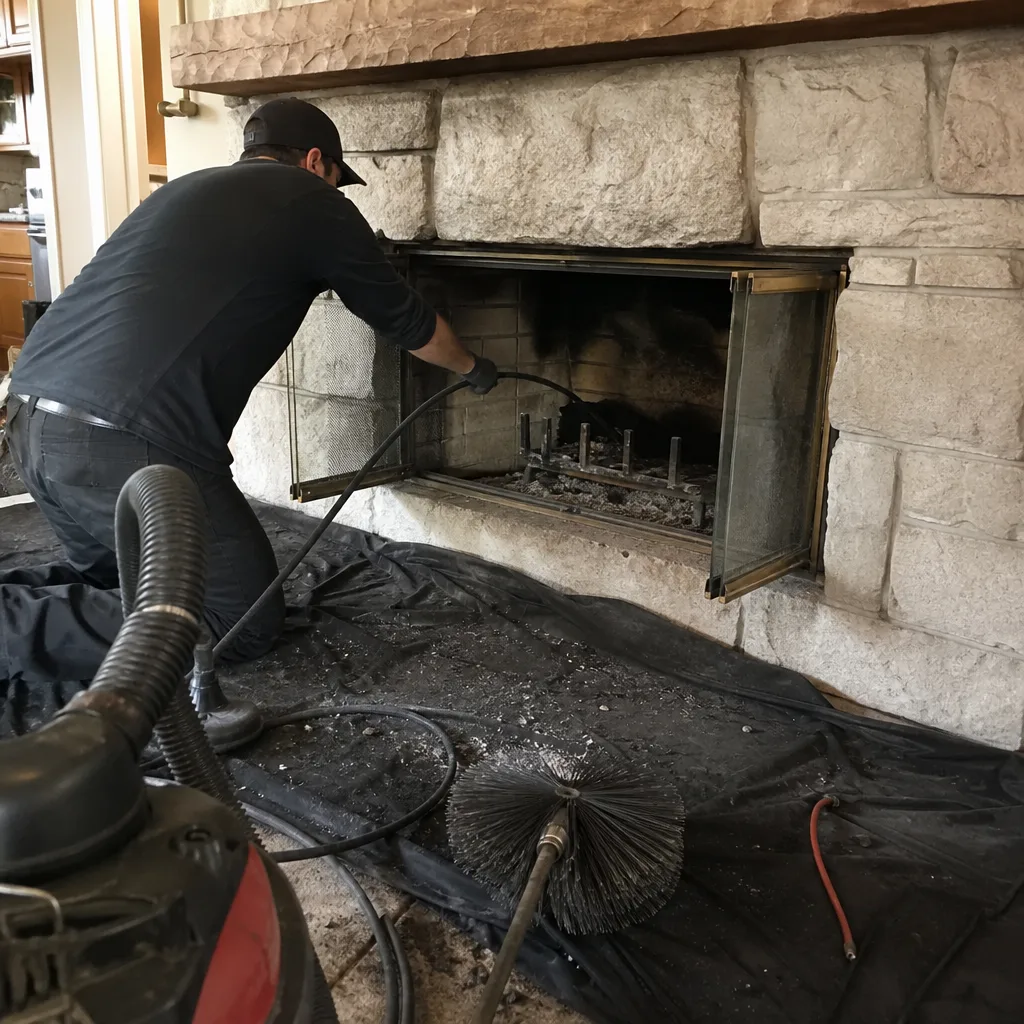 Before
 After
AfterChimney Cleaning Warning Signs: A Denver Homeowner’s Reference Guide
Glazed creosote - the kind that fuels chimney fires - doesn’t smell like a dirty fireplace. It smells faintly sweet, almost chemical, like warm asphalt or burnt sugar left too long on the stove. Most Denver homeowners have never been told what Stage 3 creosote smells like because most sweeps don’t explain what they’re removing. In this guide, we’ll show you the early-stage signals you can identify before a problem becomes a liner replacement or a chimney fire, with specific descriptions tied to Denver’s elevation, local fuel types, and the freeze-thaw cycles that punish masonry from LoDo to Hilltop. For a deeper dive into prevention, see our Complete Guide to Chimney Cleaning in Denver.
Quick Answer
The most important chimney cleaning warning signs Denver homeowners should watch for are: a faint sweet or chemical odor from the firebox (indicating glazed creosote buildup), white powdery efflorescence on exterior brick (freeze-thaw damage), visible flakes or spalling in the firebox (liner deterioration), and a draft that reverses or struggles despite an open damper (blockage or pressure differential). These signs appear weeks or months before smoke in the house or visible exterior cracks. If you notice any of these, schedule a Level 2 inspection with camera documentation rather than waiting for your annual cycle.
Table of Contents
- Sensory Warning Signs: What Your Nose and Ears Detect First
- Visual Signs You Can Spot from the Firebox
- Denver-Specific Exterior Warning Signals
- Draft Problems: Dirty Flue vs. Denver Elevation Effects
- Same-Week Service vs. Next-Cycle Scheduling: A Decision Guide
- What Actually Happens If You Skip the Sweep
- Common Mistakes to Avoid
- When to Call a Professional
- Frequently Asked Questions
 Before
 After
AfterSensory Warning Signs: What Your Nose and Ears Detect First
Your senses detect chimney problems before your eyes do. The key is knowing what to register as abnormal.
The Smell of Glazed Creosote
Powdery, Stage 1 creosote smells like a campfire the morning after - sooty, woody, familiar. Glazed Stage 3 creosote, the hardened tar-like deposit that ignites at 451°F, produces a distinctly different odor: sweet, chemical, sometimes compared to warm roofing tar or overheated electronics. It lingers in the firebox even when the fireplace is cold and drafts upward through the house when the HVAC system creates negative pressure.
In Denver’s dry climate, this smell travels farther than in humid regions because low moisture content in the air carries volatile compounds more efficiently. We’ve walked into homes in Cherry Creek where the homeowner described “something like a candle factory” in the hallway above the fireplace - a dead indicator of glazed creosote baking in the flue during a recent hot fire.
Here’s how to distinguish normal from abnormal fireplace odors:
- Normal after-fire smell: Present for 6-12 hours after the last burn, diminishes with ventilation, smells of wood ash and smoke.
- Abnormal persistent odor: Present 24+ hours after last burn, intensifies when the furnace or range hood runs, carries sweet or chemical notes.
- Critical warning odor: Detected on upper floors or distant rooms, described as “metallic,” “asphalt-like,” or “like a hair dryer burning” - this indicates active pyrolysis or near-ignition conditions in the flue.
What a Blocked Flue Sounds Like
During proper operation, a fire draws with a steady, low roar. A partially blocked flue produces identifiable acoustic changes:
- Pulsing or surging: The fire “breathes” irregularly, flames leaning and recovering, indicating turbulent airflow around an obstruction.
- Whistling on windy days: In Denver, where Chinook winds can hit 40+ mph, a blocked cap or flue obstruction creates a distinct whistle or moan. A clear flue produces only a soft rush.
- Damper rattle when closed: If your closed damper rattles during furnace operation or windy weather, the flue may be blocked below it, creating pressure differentials that move the metal plate.
We documented a case in Park Hill where the homeowner reported “a sound like someone blowing across a bottle” during west winds. Camera inspection revealed a collapsed squirrel nest packed above the smoke shelf, reducing flue diameter by 60%. The sound was the wind finding the remaining opening.
Visual Signs You Can Spot from the Firebox
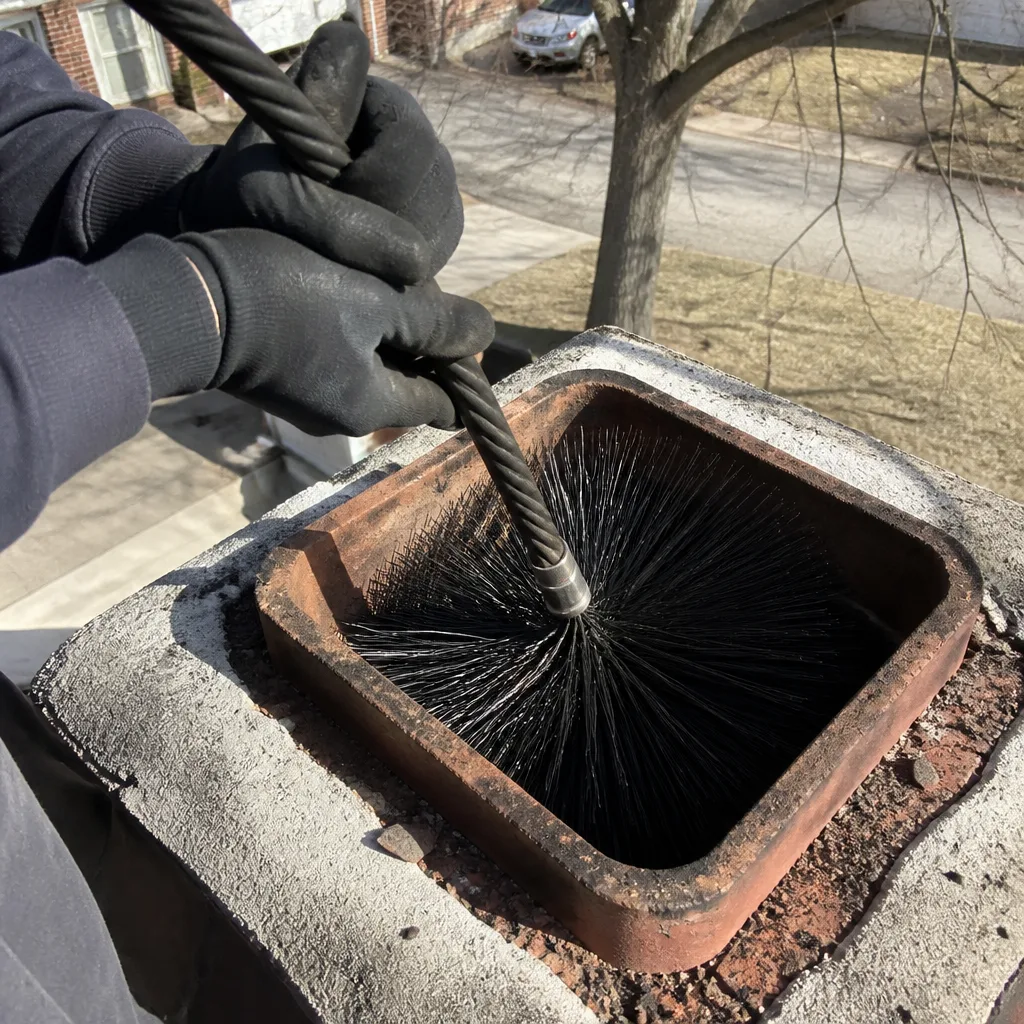
Most homeowners look at their firebox and see ash. A trained eye - or a homeowner who knows what to look for - sees a diagnostic surface.
Liner Damage Indicators
The flue liner is the critical safety barrier between combustion gases and combustible framing. In Denver’s market, homes built 1950-1985 commonly have unlined brick chimneys or early clay tile liners now reaching failure age. Here’s what visible liner damage looks like from below:
- Tile shards in the ash dump: Small, curved terracotta fragments among the ash indicate spalling or cracking of clay tile liners above. Each fragment fell from a crack or joint failure.
- Vertical staining patterns: Dark streaks running straight down the liner wall, especially if they widen toward the bottom, indicate gas leakage through cracks - combustion byproducts condensing where they shouldn’t reach.
- Light visible through the wall: In daylight, with the damper open, any pinprick of light in the liner wall indicates a through-crack. This is an immediate safety concern; gases and sparks can reach framing.
- Mortar erosion between tiles: The joints between clay tiles should be flush and intact. Recessed or missing mortar indicates acid condensation eating the bedding - common with gas appliances vented into oversized flues.
Smoke Chamber and Firebox Conditions
The smoke chamber - the area above the damper and below the flue - is where most chimney fires start. It’s also where homeowners can spot trouble early:
- Sloped wall parge coat deterioration: The smoke chamber walls should be smooth, with a parged (mortared) surface guiding smoke upward. If you see exposed brick, rough texture, or mortar falling, creosote is accumulating in the irregularities and the chamber is losing its protective coating.
- Damper corrosion or warping: A damper that no longer seats flat, shows rust pitting, or requires force to operate indicates acidic condensation - often from burning unseasoned wood or from a gas appliance producing water vapor in a cold flue.
- Hearth extension cracking: Cracks radiating from the firebox opening across the hearth extension indicate thermal expansion stress, often from overfiring or from the firebox being used with a deteriorated liner that no longer insulates properly.
In Berkeley and Regis, where many homes were built during Denver’s 1950s-60s expansion, we regularly find smoke chambers that were never parged at all - raw brick with corbelled steps. These are code violations by current standards and creosote accumulation sites by physics.
Denver-Specific Exterior Warning Signals
Denver’s elevation, aridity, and temperature swings create chimney problems that don’t exist - or don’t look the same - at sea level.
Efflorescence: The White Warning
White, powdery staining on exterior brick indicates soluble salts being drawn through the masonry by moisture migration. In Denver, this pattern has specific local causes:
Freeze-thaw cycling: Denver experiences 50-70 freeze-thaw cycles annually. Water enters microcracks in the crown or mortar joints, expands when frozen, and retreats when thawed, carrying dissolved salts to the surface. The white residue is the mineral fingerprint of this process.
Efflorescence on the chimney’s south and west faces - the sun-exposed sides - indicates the most active moisture intrusion, because daily thawing drives the migration. We’ve mapped this pattern across Capitol Hill and Congress Park, where 1920s brick chimneys show characteristic white “dusting” at the third course above the roofline, exactly where crown cracks first develop.
Not all white staining is efflorescence. Here’s the distinction:
- Efflorescence: Powdery, brushes off easily, returns after rain or snowmelt, indicates active water movement.
- Lime run: Hard, crusty, adheres to the brick face, indicates long-term saturation and possible structural degradation of mortar.
- Guano or organic staining: Off-white to gray, clumped or streaked, indicates animal habitation - common after cap failure.
Cap Debris Patterns After High-Wind Events
Denver’s wind patterns - particularly the downslope Chinooks and the frontal winds that precede mountain snow - deposit specific debris signatures that reveal cap condition:
- Needle accumulation on the hearth: If pine needles appear in your firebox after wind events, your cap’s mesh screen is torn, missing, or incorrectly sized. The needles entered through the gap and fell down the flue.
- Granule piles on the smoke shelf: Asphalt shingle granules in the firebox indicate cap damage combined with roof wear - the granules entered through a broken or missing cap and settled where the flue narrows.
- Staining below the cap line: Dark vertical streaks on the exterior flue wall, originating at the cap level, indicate that the cap is either missing its drip edge or was installed without proper overhang, allowing water to run down the flue rather than shedding clear.
After the December 2021 windstorm that gusted to 90 mph across the metro, we replaced 47 caps in a three-week period. The homeowners who noticed debris in the firebox during the storm called early; those who didn’t found squirrels in the flue by March.
Crown Cracking Patterns
The concrete crown is the chimney’s most vulnerable element. In Denver, crown failure follows predictable patterns:
- Radial cracking from the flue: Indicates thermal expansion mismatch between the flue liner and surrounding concrete - the liner expands faster when heated, stressing the crown from within.
- Perimeter separation: The crown has pulled away from the brick shell, creating a gap that funnels water directly into the wall. Common where the crown was poured without a bond break or where overhanging tree shade keeps the crown cooler than the sun-exposed brick.
- Spalling with exposed aggregate: The surface has deteriorated to reveal the stone mix beneath, indicating freeze-thaw damage to the cement matrix. This crown has 2-5 years of functional life remaining in Denver’s climate.
Draft Problems: Dirty Flue vs. Denver Elevation Effects
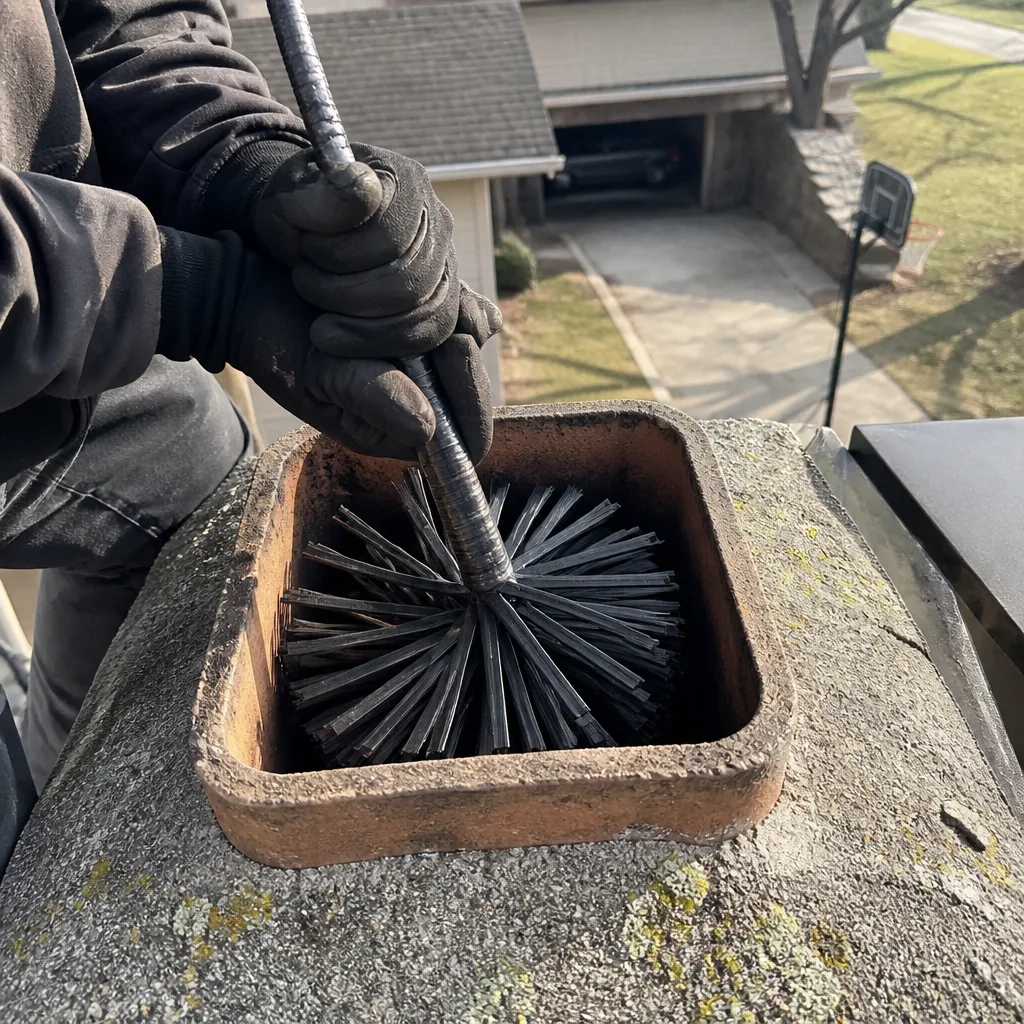
Not every draft problem means your chimney needs cleaning. At 5,280 feet, Denver’s atmospheric pressure and temperature differentials create draft behaviors that confuse homeowners and inexperienced sweeps alike.
How a Dirty Flue Affects Draft
Creosote buildup narrows the flue, increases surface roughness, and reduces the temperature differential that drives natural draft. The symptoms are specific:
- Smoke spillage at fire start: When the fire is first lit and flue temperature is lowest, smoke fails to establish upward momentum and enters the room. This improves as the flue heats - a classic dirty-flue pattern.
- Reduced flame height: The fire “lazes” even with dry wood and open damper, indicating oxygen starvation from inadequate draft pull.
- Soot accumulation on the firebox face: Smoke that doesn’t rise fast enough deposits soot on the opening and surrounding masonry.
Denver Elevation and Pressure Differential Effects
At sea level, standard draft calculations assume air density of 0.075 lbs/ft³. In Denver, it’s approximately 0.060 lbs/ft³ - a 20% reduction in the driving force of natural draft. This creates several elevation-specific behaviors:
- Negative pressure from tight construction: Modern Denver homes, especially those built 2015-2025 with blower-door-tested envelopes, run slightly negative relative to outdoors when exhaust fans, dryers, and furnaces operate. This can overcome a marginal draft even in a clean flue. The symptom - smoke spillage when the furnace cycles on - is often misdiagnosed as a dirty chimney.
- Inversion-layer effects: During Denver’s winter temperature inversions, cold air pools in the metro basin and can cap the chimney top, preventing warm exhaust from penetrating the stable air layer. This produces “mystery” draft failure on still, cold mornings that resolves by afternoon.
- Topography-induced downdraft: Homes on west-facing slopes or in the foothill zones (Golden, Morrison, parts of Lakewood) experience wind patterns that push down the flue during specific weather conditions. A chimney cap with proper wind directional design - we source these through Level Two Chimney Denver home - mitigates this; cleaning does not.
The Diagnostic Test
Here’s how to distinguish dirty-flue draft problems from elevation or pressure effects without equipment:
On a calm morning, open a window on the same floor as the fireplace. Light a match, blow it out, and observe the smoke. If the smoke rises steadily toward the fireplace opening and then reverses into the room, you have a negative pressure problem in the house. If the smoke hangs or drifts randomly before slowly settling, you have inadequate draft from a cold or obstructed flue. If the smoke rises directly into the flue without hesitation, the chimney is clear and the problem is elsewhere.
We perform this test during every Level 2 inspection as baseline documentation. Under Clause 4 of the Haven Standard, the photo record includes the smoke-pencil result, the window position, and the weather conditions - so if draft problems recur, we have comparative data.
Same-Week Service vs. Next-Cycle Scheduling: A Decision Guide
Not every warning sign demands immediate response. Here’s how we categorize urgency for Denver homeowners, based on 38,000+ inspections since 2009.
Schedule Same-Week Inspection
- Visible light through liner walls: Any through-crack in a flue liner permits spark or gas escape to combustible framing. This is a use-termination event - do not burn until inspected.
- Sudden onset of chemical/sweet odor during active burning: Indicates glazed creosote approaching ignition temperature. The next fire could be the one that ignites it.
- Smoke detector activation during normal fireplace use: Even if smoke is not visible to you, the detector registered combustion products where they shouldn’t be. This indicates backdraft or leakage.
- Debris or animal sounds from the flue: Active obstruction or habitation. Squirrels and raccoons in Denver chimneys typically enter through failed caps; they can block the flue or die and decompose.
- Spalling brick or falling mortar from the exterior: Structural degradation with falling material hazard, especially in wind or during the next freeze-thaw cycle.
Schedule at Next Available Slot (Within 2-4 Weeks)
- Efflorescence without active leaks: Indicates moisture intrusion but not immediate failure. Address before the next heating season.
- Damper operation stiff but functional: Maintenance issue, not safety emergency.
- Minor crown cracking without separation: Seal and monitor; not an immediate use-termination.
- Annual cleaning reminder due with no symptoms: Routine preventive maintenance.
Monitor and Document for Next Annual Cycle
- Cosmetic hearth staining: Unsightly, not unsafe.
- Slight odor 12-24 hours after last burn: Normal residual combustion smell if it dissipates with ventilation.
- Cap discoloration from age: Aesthetic concern; replace when budget permits.
The logic: same-week signs involve active fire, gas, or structural hazard. Next-slot signs involve conditions that will worsen but don’t present immediate risk. Monitor signs are cosmetic or normal operational characteristics. When we provide a written estimate under Clause 1 of the Haven Standard, we categorize our findings by this urgency scale - so you know why we’re recommending when.
What Actually Happens If You Skip the Sweep
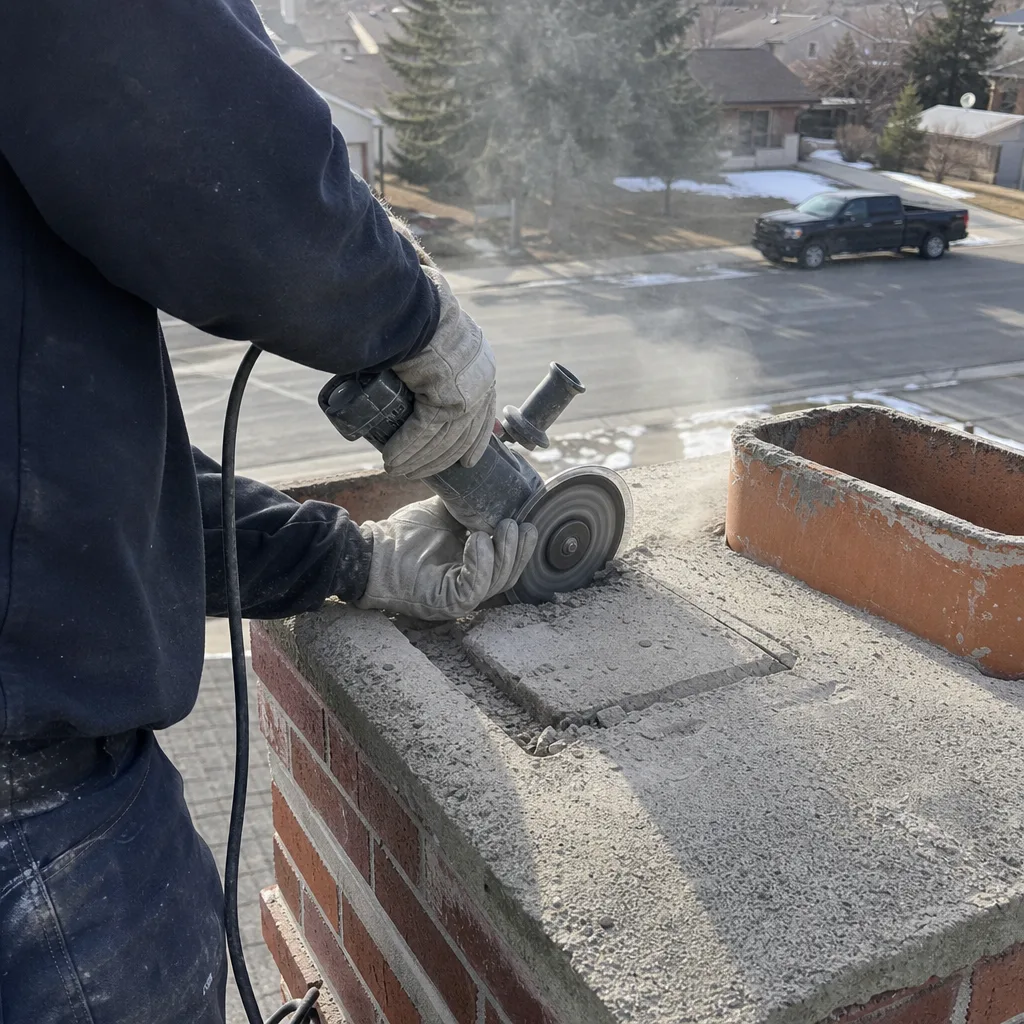
Homeowners want specifics, not scare tactics. Here’s what delayed chimney maintenance produces in Denver conditions, with timelines.
Year 1-2: Accumulation Phase
Creosote builds at 1/8″ to 1/4″ per cord of unseasoned wood, faster with pine or spruce common in Colorado’s front range firewood market. At this stage, the chimney functions with reduced efficiency. Fires are harder to start, require more attention, and produce less heat. The homeowner adapts without recognizing degradation.
Year 2-4: Restriction Phase
Flue diameter reduces measurably. Draft becomes marginal; smoke spillage increases. Glazed creosote forms in the upper third of the flue where temperatures are lowest. The liner, if clay tile, begins experiencing accelerated thermal cycling as the insulating creosote layer forces more temperature variation onto the ceramic surface. Tile cracking accelerates.
Year 4-6: Failure Phase
In Denver’s dry climate, thermal shock events are more severe because the masonry heats faster without moisture buffering. A hot fire in a heavily restricted flue can ignite glazed creosote. Chimney fires reach 2,000°F and typically damage the liner - clay tiles crack, stainless steel liners warp or separate at joints. The homeowner may not know a fire occurred; many chimney fires burn out without visible exterior indication, leaving only the liner damage as evidence.
Post-fire inspection with camera documentation reveals the history: circumferential tile cracking, “alligator” pattern distortion in steel liners, or spalled flue surfaces where the fire burned against the wall.
The Carbon Monoxide Pathway
Less dramatic than fire, more dangerous: a deteriorated or blocked flue can vent combustion gases into the home. Carbon monoxide binds hemoglobin 240 times more readily than oxygen. At low concentrations, it produces headache and nausea - symptoms easily attributed to altitude adjustment in Denver. At higher concentrations, it causes unconsciousness before the victim recognizes danger.
Every gas appliance in your home, including the furnace water heater, shares vulnerability with the fireplace: if the chimney system is compromised, exhaust gases can enter living space. This is why we inspect the entire chimney system, not just the fireplace flue, during a Chimney Cleaning & Sweep in Denver.
Common Mistakes to Avoid
- Assuming no smell means no creosote: Powdery Stage 1 creosote has minimal odor. By the time you smell glazed creosote, it’s already a fire hazard. Schedule by calendar, not by nose.
- Trusting a flashlight inspection: A sweep who looks up the flue with a flashlight sees perhaps 30% of the surface. Camera documentation - standard on every Level Two job since 2009 - reveals the other 70%. Clause 4 of the Haven Standard requires this record.
- Burning pine or construction scrap “because it’s free”: Pine produces more creosote than hardwood, and construction lumber may contain pressure-treatment chemicals that deposit corrosive residues. In Denver’s dry air, these residues are more concentrated and more damaging.
- Ignoring the furnace flue because “it’s just gas”: Gas appliances produce water vapor that condenses in oversized or unlined flues, producing acidic moisture that destroys liners from the inside. We’ve replaced furnace flue liners in Stapleton homes less than 15 years old because of this.
- Waiting for “the burning season” to schedule: Denver’s shoulder seasons (September-October, March-April) offer better availability and drier conditions for masonry repairs if they’re needed. The October rush means you’re competing with every other delayed homeowner.
- Accepting a verbal quote: Without written scope, written price, and written warranty - Haven Standard Clause 1 - you have no recourse if the work differs from what was described. We provide all three before any work begins, with no exceptions since 2009.
- DIY creosote removal with chemical logs: These products modify creosote chemistry but don’t remove it. Modified creosote can become more difficult to sweep and may mask the underlying accumulation from visual inspection.
When to Call a Professional
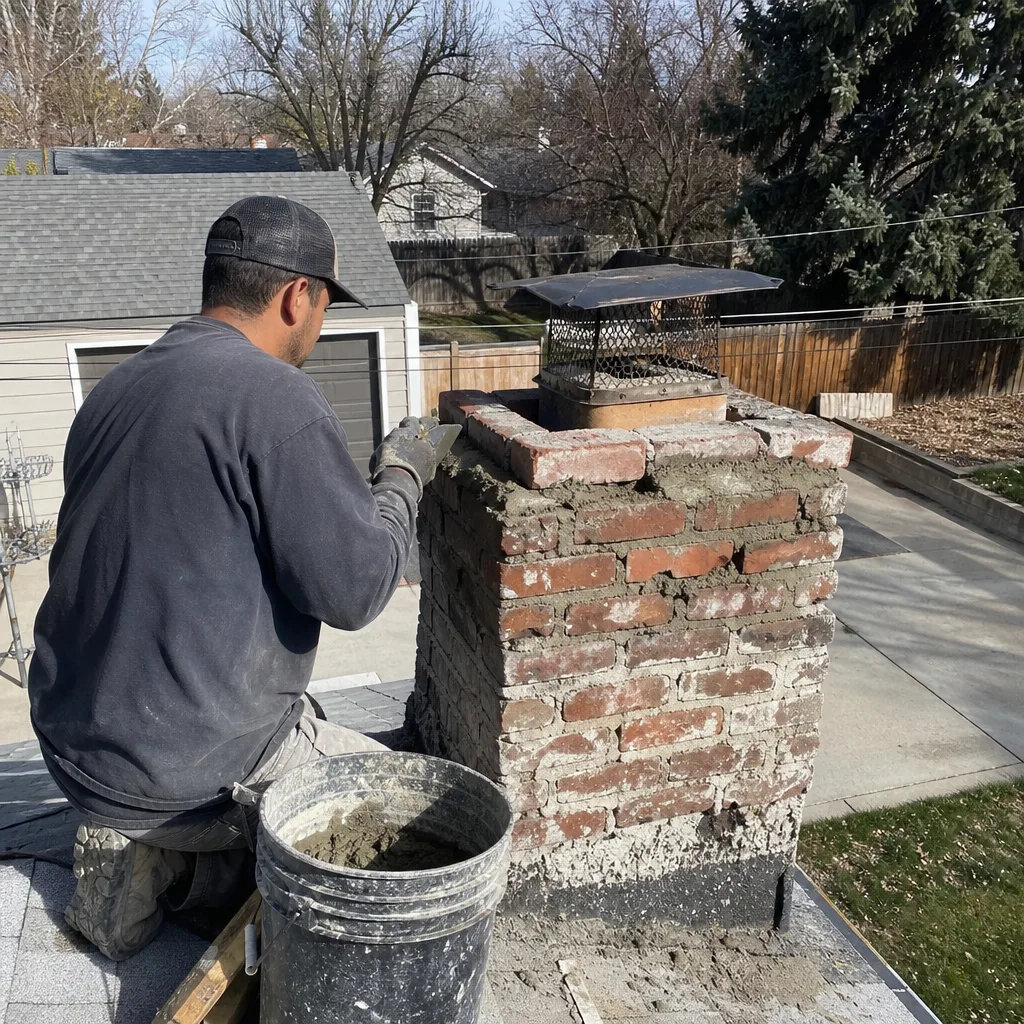
Call for a Level 2 inspection with camera documentation if you detect any same-week urgency sign, if your chimney hasn’t been inspected in 12 months, or if you’ve purchased a home and have no documentation of the chimney’s condition. For help choosing a qualified professional, see How to Hire a Chimney Cleaning Contractor in Denver: A Step-by-Step Guide. In Denver’s market, where home inspections routinely miss chimney liner condition, this documentation protects your purchase and your safety.
Level Two Chimney Denver offers free estimates in Denver - call (720) 674-7312. Every estimate includes a written price before work starts, a camera-scan inspection with documented photo record, and the 365-Day Done Right Promise. We also provide a Free Second Opinion on any competitor’s written estimate, because we believe informed homeowners make better decisions when they can compare documentation, not just prices. Explore our more guides & resources for additional chimney safety information.
Our technicians are background-checked, uniformed, and named before arrival - you’ll receive a text when your tech is en route, under the Haven Standard’s “Arrive on schedule” and “Verified crews” commitments. Materials for any needed repairs come through our buying network from DuraFlex, HeatShield, Gelco, and other specified manufacturers, priced without markup games.
Frequently Asked Questions
A standard chimney cleaning and Level 2 inspection with camera documentation in Denver typically runs $249-$389 for a single flue, depending on accessibility, creosote class, and whether the sweep requires rotary equipment for glazed deposits. Multi-flue systems or repairs identified during inspection are quoted separately in writing before any additional work begins. Call (720) 674-7312 for an exact quote - estimates are free.
The NFPA 211 standard calls for annual inspection, with cleaning frequency determined by creosote accumulation, not calendar. In practice, Denver homeowners burning 1-2 cords of hardwood annually need cleaning every 1-2 years; those burning pine, operating gas inserts in unlined flues, or using the fireplace as primary heat should inspect annually. The 38,000+ inspections in our archive show that elevation and dry climate don’t change the chemistry of creosote formation, but they do accelerate masonry degradation once moisture intrusion begins.
You need a new liner if the existing one is cracked, separated, or missing; if the flue is unlined brick (common pre-1950); or if you’re installing a new appliance with different venting requirements. We don’t recommend liner replacement without camera evidence you can see yourself - the photo record from our inspection shows exactly where the failure is and why it matters. Some conditions can be repaired with HeatShield cerfractory foam or DuraFlex stainless relining; others require full replacement. The written estimate specifies which, with warranty terms, before you decide.
Delayed cleaning produces progressive creosote buildup that restricts draft, accelerates liner thermal stress, and eventually creates chimney fire conditions or carbon monoxide leakage risk. In Denver’s climate, the freeze-thaw damage to exterior masonry continues independently - so even if you stop using the fireplace, the chimney structure degrades. Deferred maintenance typically converts a $289 sweep into a $2,800-$6,500 liner replacement or rebuild. The photo record from an early inspection lets you schedule and budget rather than reacting to failure.
Temperature inversions in the Denver basin can trap cold, dense air over the metro area, creating a “lid” that resists the warm exhaust column from your chimney. This is an elevation and meteorology effect, not a dirty flue. The diagnostic test in our “Draft Problems” section above distinguishes this from creosote restriction. If inversion is the cause, a taller flue extension or wind-directional cap may help; cleaning will not.
You can and should observe the sensory and visual signs described in this guide - odors, firebox debris, exterior staining. But you cannot safely assess flue liner condition, creosote class distribution, or structural integrity without proper equipment and training. The NFPA 211 Level 2 inspection requires camera documentation of the entire flue interior, something no homeowner can perform from the firebox. We encourage informed observation; we insist on professional documentation before any safety determination.
The Bottom Line
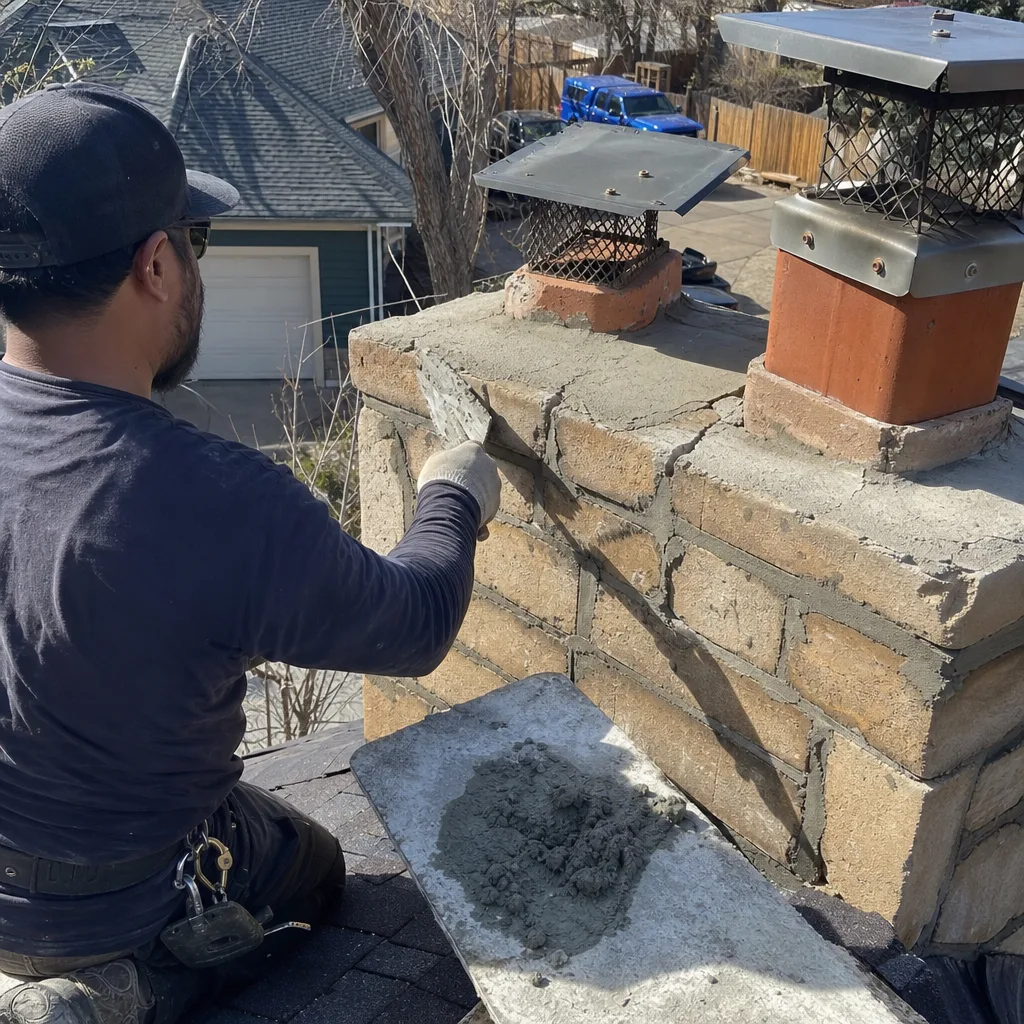
Chimney problems announce themselves early if you know the signals: the sweet chemical note of glazed creosote, the white efflorescence tracking freeze-thaw damage, the tile fragments that betray liner failure before smoke enters the room. Denver’s elevation and climate add specific signatures - wind-deposited debris, inversion-layer draft effects, accelerated masonry cycling - that reward attentive homeowners with time to act.
The difference between a scheduled sweep and an emergency call is often six months of ignored warning signs. Camera documentation, written pricing, and the 365-Day Done Right Promise exist so that when you do act, you act with full information and no surprise costs. That’s been the Haven Standard since 2009, applied to every one of 38,000+ chimneys we’ve serviced.
For Chimney Repair in Denver, Fireplace Services in Denver, or to schedule your Level 2 inspection, call Level Two Chimney Denver at (720) 674-7312. Written estimates are free, and every job includes the documented photo record that Clause 4 of the Haven Standard requires.
Written by Corrine Halstead, Owner at Level Two Chimney Denver, serving Denver since 2009.